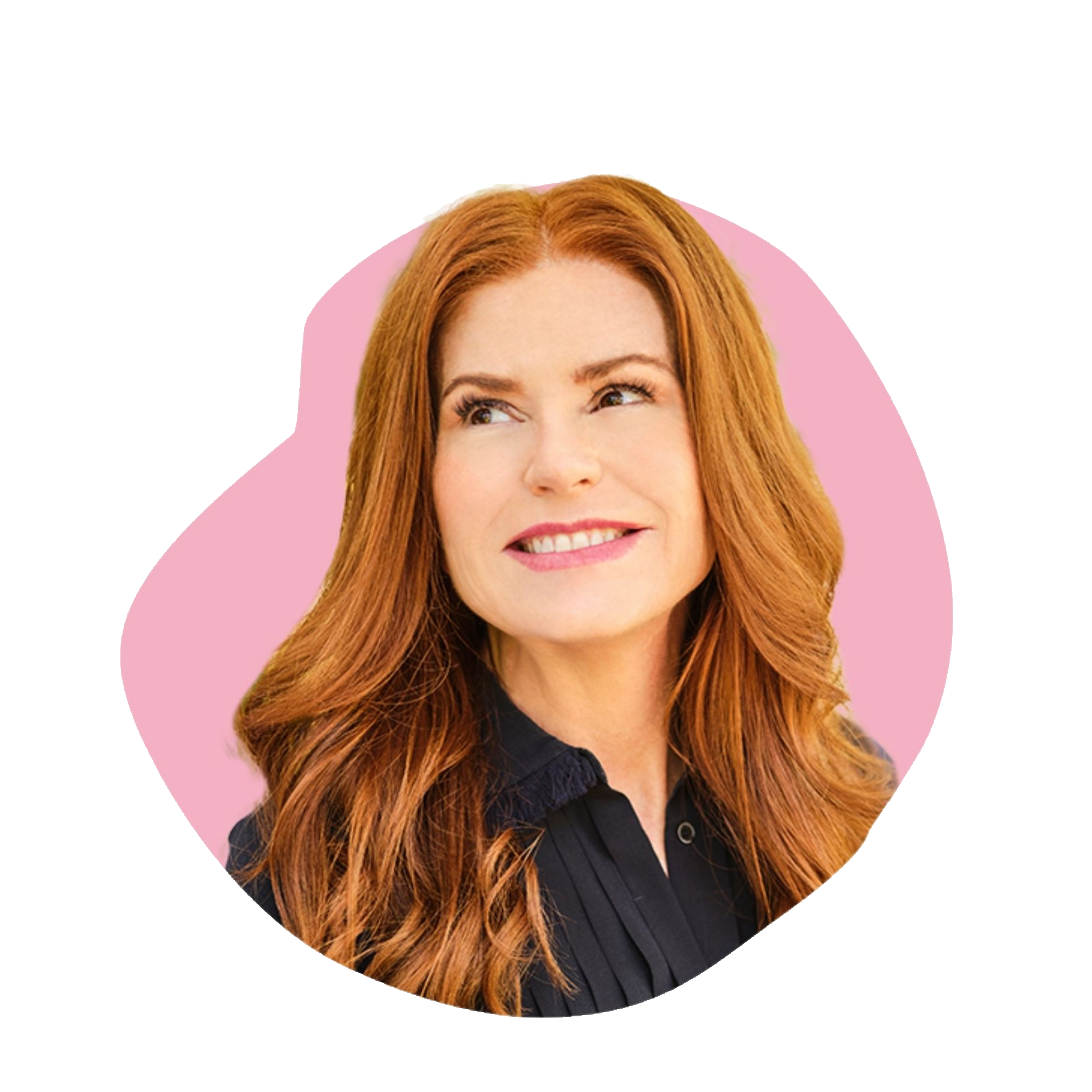
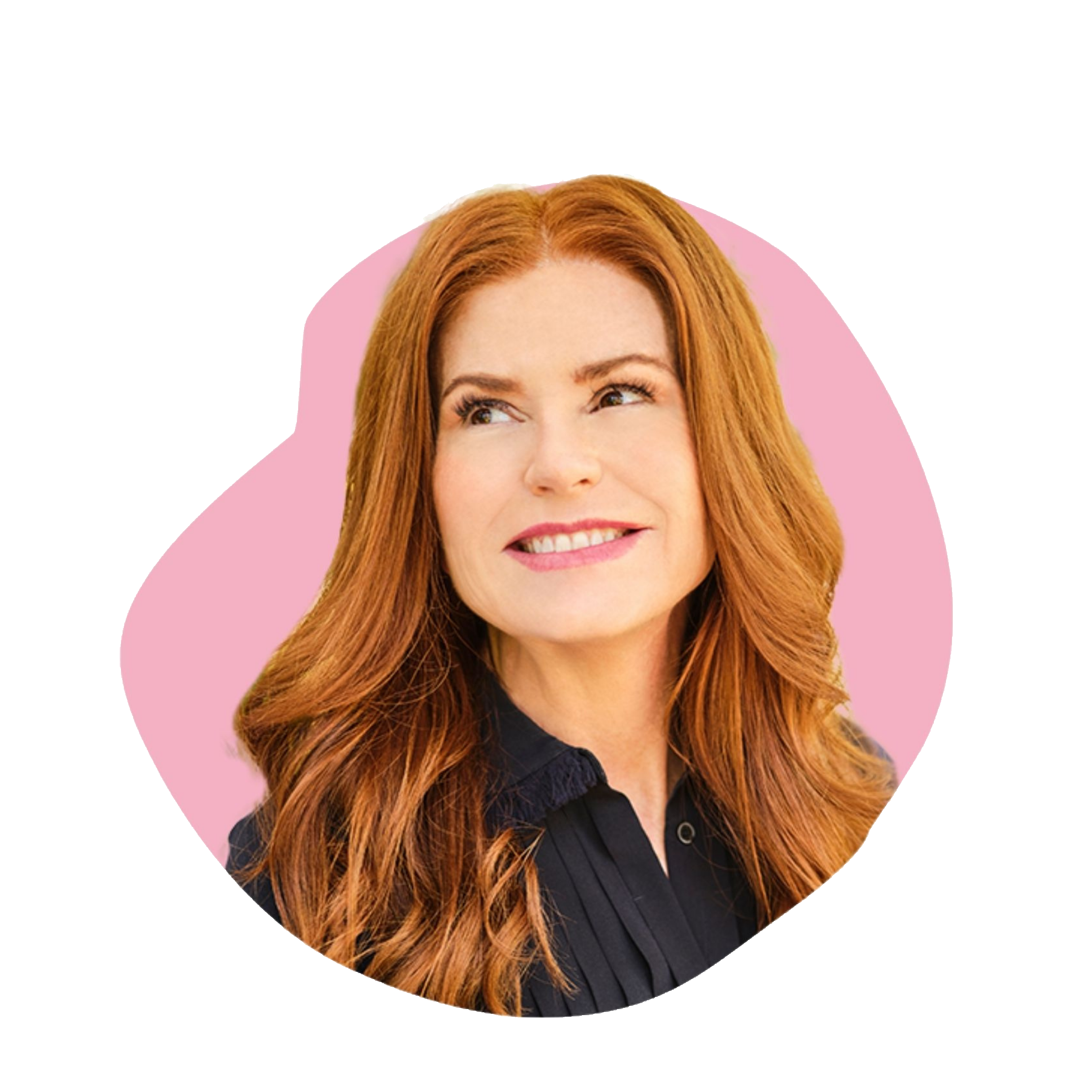
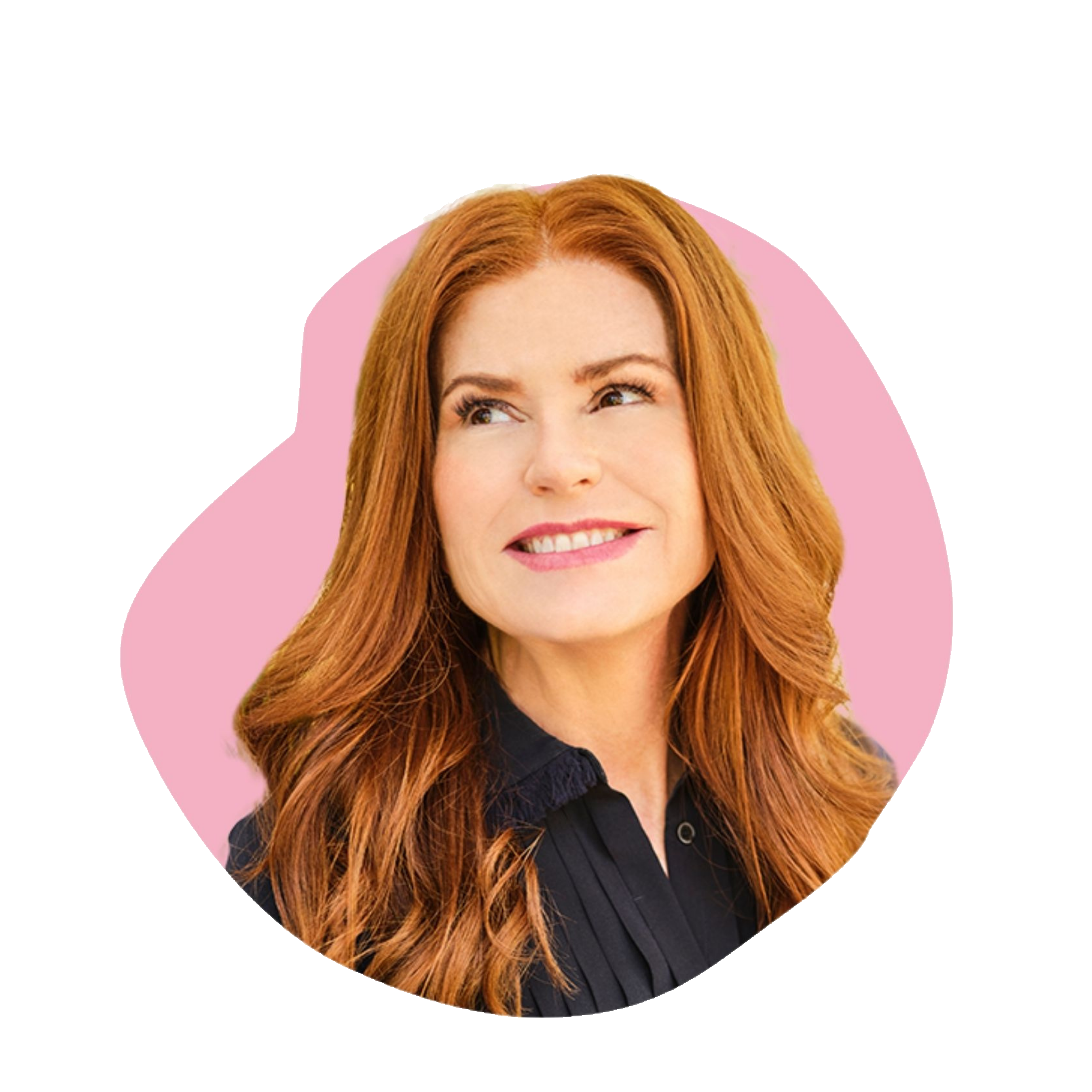
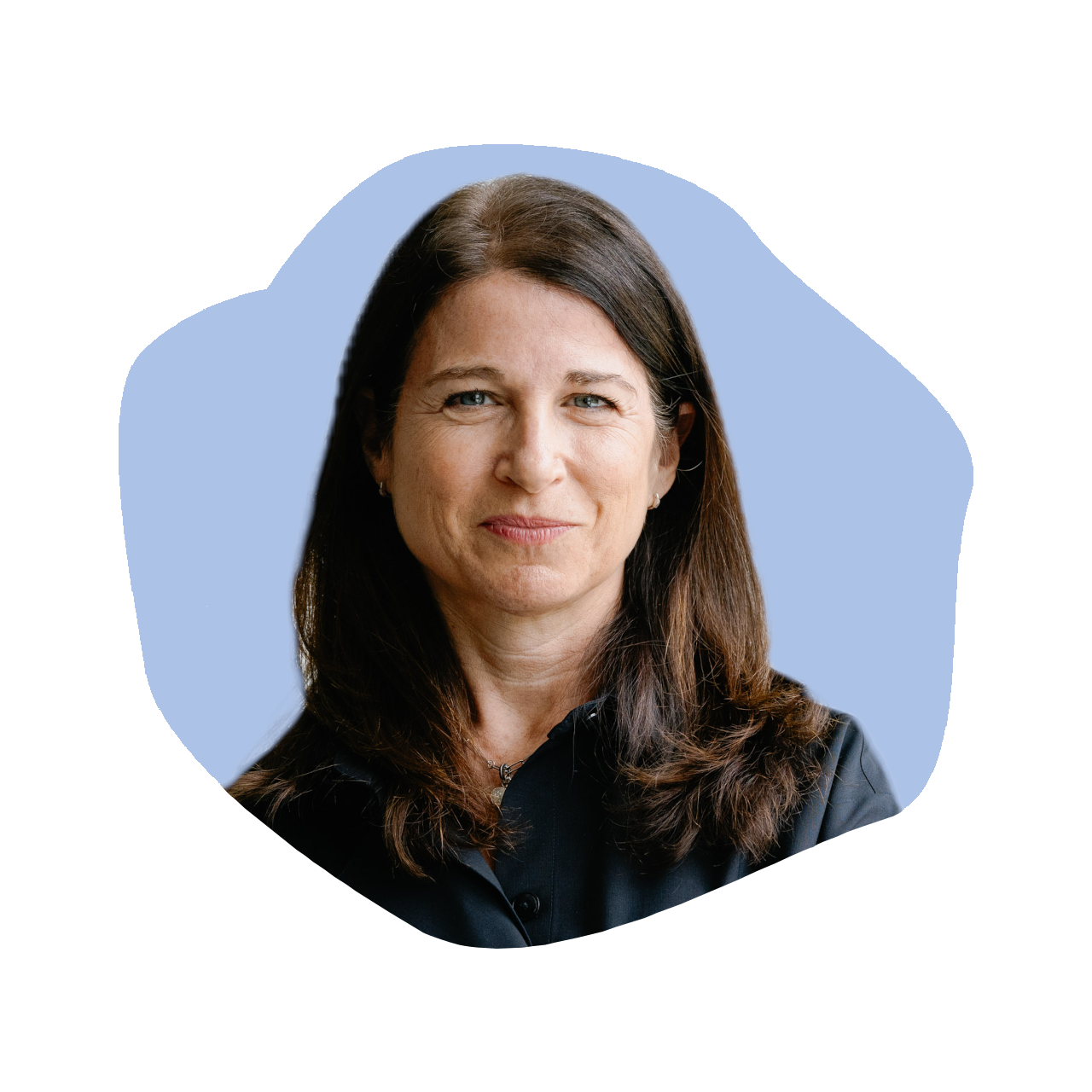
Yousef Ahmed: Founder & CEO of B-SIDES
Episode 774
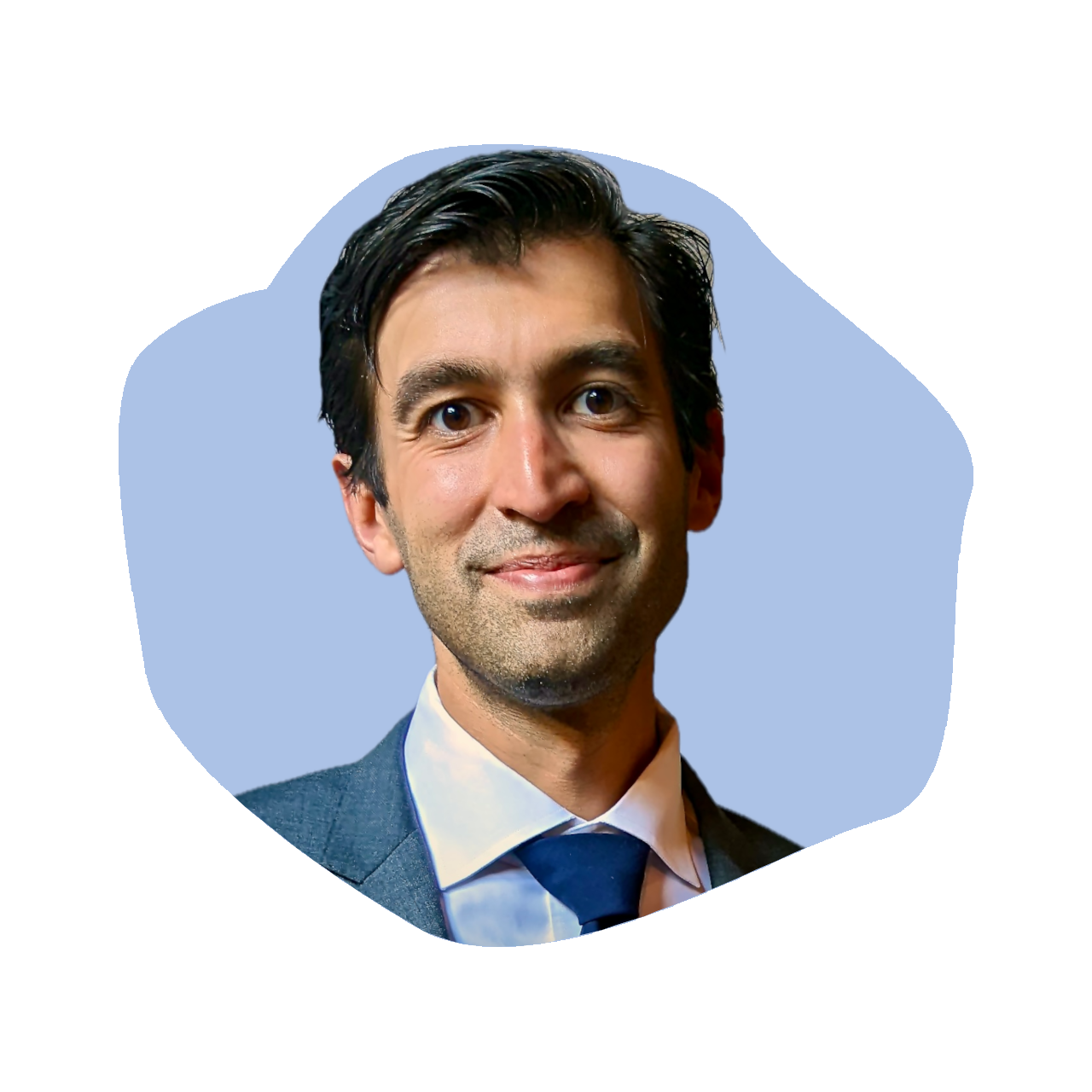
On today’s episode, Kara welcomes Yousuf Ahmed, Founder and CEO of B-SIDES — the Brooklyn-based upcycled snack brand turning overlooked ingredients into bold, crave-worthy puffs and quickly becoming one of the most compelling sustainability-driven food stories today. What began with a simple question — what happens to the leftover oats from oat milk production? — led Yousuf to transform what was once considered waste into high-protein, low-sugar snacks that are reshaping how modern consumers think about clean eating. With a background that spans music, finance, and now food entrepreneurship, Yousuf has built B-SIDES into a brand that fuses sustainability with serious flavor, proving that doing good for the planet can also taste really, really good.
In this episode, Yousuf shares how he made the bold jump from advising ultra-high-net-worth clients at Goldman Sachs to reinventing the snack aisle, what he learned about risk and fulfillment along the way, and how upcycling became a powerful engine for both purpose and profit. He opens up about the challenges of building in a crowded CPG landscape, the breakthroughs that validated B-SIDES early on, and the mindset shifts required to leave behind one identity and fully step into another. Packed with insights on reinvention, brand building, sustainability, and consumer behavior, Yousuf’s journey is a powerful example of how a single overlooked ingredient — and an even more overlooked opportunity — can fuel a new category entirely.
Resources from
this episode:
Enjoying this episode of #TheKaraGoldinShow? Let Kara know by clicking on the links below and sending her a quick shout-out on social!
Follow Kara on LinkedIn – Instagram – X – Facebook – TikTok – YouTube – Threads
Have a question for Kara about one of our episodes? Reach out to Kara directly at [email protected]
To learn more about Yousuf Ahmed and B-SIDES:
https://www.instagram.com/enjoybsides
https://www.linkedin.com/company/enjoybsides https://www.enjoybsides.com
https://www.linkedin.com/in/yousufmahmed/
https://www.instagram.com/yousufgoose/
Transcript
Kara Goldin 0:00
I am unwilling to give up, that I will start over from scratch as many times as it takes to get where I want to be. I want to be you. Just want to make sure you will get knocked down. But just make sure you don’t get knocked out, knocked out. So your only choice should be go focus on what you can control. Control, control. Hi everyone, and welcome to the Kara Goldin show. Join me each week for inspiring conversations with some of the world’s greatest leaders. We’ll talk with founders, entrepreneurs, CEOs and really, some of the most interesting people of our time. Can’t wait to get started. Let’s go. Let’s go. Hi everyone, and welcome back to the Kara Goldin show today. I’m joined by Yousuf Ahmed, who is the founder and CEO of B-SIDES, a fairly new Brooklyn upcycled snack brand, proving that sustainability can be bold, flavorful and seriously fun. Yousuf’s journey is as unconventional as it gets, from recording engineer to Goldman Sachs advisor to walking away from Wall Street to turn overlooked ingredients into a new wave of clean, crave worthy snacks. Have I covered it so far?
Yousuf Ahmed 1:20
Yousuf, so far. Thanks so much for having me. Kara, yeah,
Kara Goldin 1:23
totally. So what I love about Yousef story is how a single question, what happens to the leftover oats from oat milk production sparked a business that tackles food waste while actually tasting great. I can’t wait to dig into his journey from from finance to food entrepreneurship and how B-SIDES is capturing the next generation of conscious consumers and what it really takes to build a mission driven CPG brand in a category that’s both crowded and rapidly evolving. So Youssef, welcome to the Kara Goldin show. So excited to meet you and congratulations. Very exciting.
Yousuf Ahmed 2:07
Thanks so much. It’s been, it’s been a wild ride. I love it. So
Kara Goldin 2:11
okay, so before we dive in, how would you define B-SIDES what the brand is at its core?
Yousuf Ahmed 2:18
So I whenever somebody asks me what this company is, I always say that it’s an upcycled snack company. And they say, Okay, I know what snacks are. You have like this better for you, Cheeto like, that’s cool. I don’t know what up cycling is. And you pose this question at the top, you know, it’s what sparked me to leave kind of my prior career. What do they do with the leftover oats from making oat milk. That’s that problem solving, that problem that’s upcycling. How do you take these leftovers and put them back into the consumer food system? And
Kara Goldin 2:49
where did the name B-SIDES come from? And what does it represent to you?
Yousuf Ahmed 2:55
So there are a couple of different answers to this question. The easiest one is, what can we make with those oats? B-SIDES oat milk is like the easiest thing for people to understand in music, a B side, those are all the tracks that didn’t make it onto the official album. But that doesn’t mean they’re not good songs. They just didn’t fit the vibe right. So I use that approach with ingredients, and it’s also kind of harkening back to my background in the music
Kara Goldin 3:22
business. So, so interesting. So your background, as you just mentioned, spans music, finance and now food. When you when you thought about this idea and actually thought about leaving what you were doing in order to create a sustainable snack brand. Did you think for a minute maybe I shouldn’t?
Yousuf Ahmed 3:49
No, is the short answer. You know, in hindsight, it’s like, wow, this was really hard. If I knew how hard this was going to be, I don’t know that I would have done this. But I also, you know, when you’re an entrepreneur and you have a question that’s nagging at you, and you’re trying to solve a problem, there’s not really any other way out, but through, you got to just like, keep going. And so there wasn’t really a discrete moment when I was like, you know, maybe I should hang it up and try something else. This was something that I had been wanting to solve for a long time.
Kara Goldin 4:18
So you’ve said that the brand started with the question, what happens to the leftover oats from an oat milk production? You didn’t have experience in this industry. What was the first step once you decided I’m gonna suss this out whether or not it’s actually a viable opportunity, what was the first thing that you did,
Yousuf Ahmed 4:41
yeah, so I actually didn’t start with oats. The first category that I started with was actually the leftover grain from brewing beer. So my first kind of interaction with upcycling was in 2014 or 2015 there was a chef named Dan Barber. He had started this he’s. Chef here in New York. He has a restaurant called Blue Hill, and he does a lot of work around food waste. He had a pop up that was basically a residency. Every night, a new chef would come in, they would highlight kind of the off cuts or things that were typically overlooked or thrown out. And one of the courses in that meal was called spent grain bread. So it was bread baked with the leftover grains from growing beer. And I remember trying it and thinking, like, this is amazing. Like, the story is is incredible. It’s totally circular and it’s delicious. Like, this is going to be a thing that was in 2014 let’s call it right. Fast Forward 10 years. Like, upcycling still hasn’t really achieved escape velocity from a consumer perspective. And so for me, that was kind of the North Star that I knew about and wanted to attack. So the way that I started was just cold calling every micro brewery in the in the area and saying, Hey, what do you do with your grain? Can I play around with it? And that, you know, one thing led to another, and now we’ve got better for you.
Kara Goldin 6:04
Cheetos, so funny, and then how did you ultimately get to oats?
Yousuf Ahmed 6:08
So the really tricky part about upcycling is these byproducts from manufacturing. They’re 100% edible. They can be 100% delicious. They’re also incredibly difficult to work with. So let’s take the micro brewery case. When you’re brewing beer, the primary grain in what’s called the grain bill is, is barley, and that, what that means is, brewers will use a ton of barley and some, you know, a little bit of oats, some, sometimes, some rye, some wheat, depends on what beer they’re making, and they basically steep all those grains in a bunch of hot water, and they strain it out, and the leftover liquid gets fermented, becomes beer. All of the leftover grain is now soaking wet, and you have a very limited time window to process that grain into a shelf stable flour before it starts going bad. So if you’re doing this by hand, which I was, it’s super labor intensive to try and capture all that grain in the correct window and then get it to a place where it’s ready to play around with. So for something like oat milk. Oat milks are commercially produced in really big co packing facilities. And there’s a couple of companies that have gotten really good at the physical upcycling piece of it. So the everything I just mentioned, the capture of the product, rendering it into something usable. And, you know, it falls within a like a nutrient and kind of moisture band that’s workable and predictable. So I ended up working in oats, because that’s the biggest kind of upcycled ingredient pool to pull from today. But like I said, this exists all over the food system, right? You’ve got leftover grains from brewing beer. You’ve got the leftover grounds from coffee press from juiceries. I mean, it’s literally everywhere, if you think about it.
Kara Goldin 8:10
So interesting. So were you actually calling Oat? You had mentioned calling breweries. I mean, how did you actually get to the leftover
Yousuf Ahmed 8:21
oats. Yeah. So this is a this is a function of how upcycling, as as a sector, has evolved over the last 10 years. So I mentioned that that dinner that I went to it that was, let’s call that the start. That was like version 1.0 of upcycling, very small scale in a restaurant. There were, over the next kind of 10 years, there were a couple of companies that raised a couple million bucks to get really good at the physical upcycling. And there were a couple of people like me who wanted to focus on a consumer facing product. Those original companies that got good at the upcycling, they were now sitting on a glut of basically raw materials that consumers didn’t know what to do with, and there wasn’t really a playbook for. So rather than me reinventing the wheel on how to do the actual upcycling, I partnered with a couple of different upcycling companies to say, okay, you’ve got all this raw material that you’re trying to move. I have a pretty good idea of how to work with this stuff. Let’s work together. So you focus on the physical upcycling, I focus on the consumer facing goods. And we can kind of innovate depending on where the market is going and what people like and what resonates most. So I this. It’s not me doing everything, it’s me partnering up with with the right players in the space to try to do everything
Kara Goldin 9:44
so interesting. So reinvention is such a big part of your story. I totally get it. I came from tech many years ago, and what I loved most about walk. Into this new industry was the learning, right? Instead of climbing I was I was actually down in the mud and trying to figure out, how do I actually do something this exciting? I’d love to hear kind of your realization when you jumped into this, not only totally new industry for you, but also an industry or it that is that is still in its infancy in many ways. Yeah.
Yousuf Ahmed 10:31
So it can be quite overwhelming. I mean, I’m sure you know this, having founded and kind of grown a CPG company there, it’s a complex business, whether you know, you realize it from the outside looking in or not, and then adding on another layer of complexity, which is like this supply chain quirk, it can become very quickly overwhelming. And the mantra that I try to live by is like, just solve the problem in front of you that day. Because if you, if you try to, like, back, solve for something that’s going to happen three months from now, like you’re never going to accomplish what you’re setting out to accomplish. So just to, I guess, make that a more material answer, last week, I was dealing with funny enough, supply chain issues and trying to forecast what to do about things like tariffs and how do I figure out how to get all of the raw material to one place in a window of time, get it processed and then get it back across the border? I manufacture everything in Canada without getting kind of dinged by tariffs when we don’t actually know what’s happening with the tariffs, right? So it’s, it’s literally just rolling up your sleeves and saying, Okay, what can I solve today that needs to get done today and and just, you know, repeating that every day for forever,
Kara Goldin 11:45
totally agree with you. I think it’s, it’s, uh, I always talk about it as like the whack a ball, right? You’re trying to put up, put out the fires, and then continue to grow the business as as you go and stay focused. But focus is so hard, right when, especially when you don’t know what’s going to be in front of you many days, especially in those early days, whether it’s dealing with the product or supply chain, or maybe the brand or customer service or the maybe fundraising, depending on what your vision is on that or distribution. How do you focus on what to do next, especially when I would imagine you have a very small team that is, you’re kind of wearing a lot of hats.
Yousuf Ahmed 12:34
Yeah, it’s, you know, jack of all trades, master and none. Is kind of how I how I think about it look. So, you know, I B-SIDES and the crunch puffs, which I just launched this year, that was the distillation of three to four years of kind of exploratory work. What I did was I started very, very broad, and then I just started narrowing kind of the scope of focus as I as I iterated, and I did this exactly how you’re not supposed to do it. So like, typically an entrepreneur, they identify a gap in the market, and they try to create a product or service to fill the gap. Upcycling, by its very nature, does not do that. I identified a supply chain Quirk and then shoehorned a consumer product using that supply chain Quirk. And because I had no background in food or Bev or brand building or anything with like the physical goods space, I just tried to figure out, okay, what, where is there any white space in this area, right? I actually started, you know, we started the conversation about, how did I get into upcycling and, like, what was the first category? So my first product was not this snack puff. It was actually a super premium pastry line I created, like, plays on Oreos, little Debbie’s oatmeal cream pies, Pop Tarts. And, you know, I what I wanted to do was try to figure out, okay, how do consumers react to this kind of product, this kind of messaging, this kind of pricing, how I’m presenting the brand, and then just try to take those little bits of feedback and do a little bit better next time, little bit better the time after that, etc, etc, etc. So the look and feel and face of the brand that’s public today that actually just launched in earnest in August, these snack puffs I took to market in January. But the brand identity, the way that I was messaging, positioning, just the visual identity, completely different than what it is today. So I just keep iterating as I go along. And it’s really difficult to do, by the way, in consumer because you have to, you know, basically pick a lane and then grow on top of that lane. You can’t just play jazz the whole time. Definitely.
Kara Goldin 14:55
How do you know that you’re on the right track with. With beats. B-SIDES, it’s, it’s such a great tasting product, and, and, but there’s so much, there’s so much work to get done, right? You’ve got to launch it. You have to, once you figure out your go to market strategy, you have to figure out whether it’s, you know, if, if it’s digital, you have to figure out, how do I get the word out, if it’s on store shelves. You also have to figure out how to get the word out. But what, what has been kind of, how do you figure out the KPIs and and, sort of the, you know, how? How do you measure success on this?
Yousuf Ahmed 15:36
Yeah, with great difficulty. I’ll let you know when I actually figure it out look so typically, when launching a like a consumer good, and this is especially true in food and Bev, you kind of have to just try a couple of things and see what sticks. So as I, as I just mentioned, you know, I launched, let’s call it version 1.0 this product back in January, all of my messaging was around sustainability. It was about, you know, pounds of CO two emissions avoided, and you know, gallons of water avoided. And you know it took, it took us what we’ve been talking for. Call it 1015 minutes. It took me 15 minutes to explain what upcycling is, and when you’re dealing in consumer like you do not have that timeframe to educate a customer on a nascent product category. They make impulse decisions in seven seconds, right? Like you have to be able to deliver what a customer wants and needs at that moment, right, then and there. And so you know, to your point, about like, how do I set KPIs? How do I, how do I pick which metrics I everybody kind of knows to do. Well, we got to go on social media, we got to run paid ads. You got to do PR and like, you know, I think, yes, all of those things are true, but everybody is also doing all of those things. So what you got to do is actually figure out, like, Who is the target customer for this kind of product, and how do you speak to that customer? A lot of people, I think this is especially true in food. For first time founders, you ask them, who’s the target customer, and you know, a common answer is, anybody with a mouth. The problem with that strategy is, if we’re trying to be everything to everybody. You end up being nothing and like dying on the vine because you’re doing a what’s basically a me too. Strategy, you have to get as granular as the target customer is a 27 year old creative professional who is probably a woman living in an urban area, whether that’s in, you know, the Northeast or the North Pacific Northwest. She, you know, goes to yoga in the mornings, she shops at Whole Foods. Sometimes she’ll buy stuff on Amazon. That information informs how you message the product, and so you can then iterate from there. But if you’re being everything to everybody, the data you get back is so muddy you can’t do anything with it.
Kara Goldin 18:00
Yeah, that is so so so true. So you launched digital digitally initially, And was there anything that was most surprising in in launch that maybe a consumer responded to, or maybe they actually told you that you’re off, you’re you’re off, you’re not on the right track with them. Yeah, 100%
Yousuf Ahmed 18:28
reading internet troll comments is like, you know, its own type of, own type of therapy, I guess so. Yeah, look, it’s the hard part is actually parsing the signal from the noise, because you’re gonna have people who just don’t like your product. That’s just true. Not every product is for everybody, and that’s kind of the beauty of the world that we live in, is that there is so much choice that not every product has to be everything to everybody. So if that’s true, then how do you know when you get negative feedback, which negative feedback to listen to? And for me, it was okay we get one comment around flavor or texture. That’s not really meaningful, but if I start getting a lot of hurting around we like this flavor or we don’t like this flavor, now that’s something that, you know, I can, I can kind of get behind and understand. The other thing that’s really difficult, particularly something like upcycling, is, you know, it is, it is a product that is not going to be for everybody. There is a unique kind of flavor and texture to it. I have dialed it into, you know, I’m a, I’m a notorious Doom snacker. I used to just crush bags and Doritos Cheetos, eat it like anything with like the Itos family that was me. So I try to dial in flavor and texture as close as I possibly could, while hitting all the nutritional kind of macros that I was going for. And you know, it works for me and it doesn’t. Work for everybody, but the people who it does work for. They come back and they buy the product again, and they buy it again, and they leave reviews and they give referrals. Those are the people you should be listening to, not the people who are like, I hated this product. That’s not helpful.
Kara Goldin 20:14
Yeah, it’s, it’s so, so true. What do you have? One flavor, one SKU. That is the kind of runaway hero.
Yousuf Ahmed 20:24
Yeah, you know, not yet, I have a feeling. So right now, I launched with three flavors, right? I’ve got cheddar, I’ve got ranch, and I’ve got jalapeno. Those three flavors are pretty distinct from one another. Cheddar is like when somebody thinks of a snack puff, they think about Cheetos. It’s, it’s a classic Ranch is kind of a weird one, because I made that as, like a my homage to the Doritos Cooler Ranch flavor. It was my, you know, favorite snack as a kid. And then the jalapeno one there, there was a lot of feedback around, like, I want spicy and I want salt and vinegar. And I was like, let’s just cut the difference and do one that does both. And unfortunately, I don’t have a runaway hit yet. Everybody, kind of, you ask 100 different people, you’re gonna get, basically, 30 people love cheddar, 30 people love ranch. 30 people love jalapeno. So I’m just gonna have to, you know, keep going till I get a runaway hit.
Kara Goldin 21:20
I love it. So last question, if you could put one message on a billboard describing the purpose and impact you’re hoping to achieve with B-SIDES, what would it say? Yeah.
Yousuf Ahmed 21:34
So the slogan The billboard is Long live snack time. One of the reasons that we started talking this conversation talking about upcycling sustainability, the thing is, sustainability is not a category driver in snacks. That is one of the more difficult lessons that I’ve learned. But the goals of sustainability are to achieve a specific outcome, and those outcomes are along those vectors that we mentioned right carbon reduction or food waste reduction. But if it’s not a category driver, you’ve got a message to people along something that is because if they buy the product, they ultimately solve for the thing you’re trying to solve for, which are all the downstream environmental effects. For me, that slogan Long live snack time. In this day and age, there’s so much to your point. It’s so competitive. It’s the space. Is just everybody yelling about how they’re the better for you brand with a shorter, cleaner ingredient list. The way that I approach this is, look, consumers today are smart. They take nutrition as table stakes. They just want something that tastes good and solves for what I’m solving for the 3pm snack slump. SO LONG LIVE snack time, you can envision being a kid wearing a cape, you know, crushing that bag of Doritos. And by you doing that, just itching that 3pm scratch, you’re also solving all of those environmental and nutritional things that I, you know, prioritize for the brand, even though it’s not a category driver,
Kara Goldin 23:05
I love it well. Youssef, thank you so much for joining us today, and your journey is so inspiring. B-SIDES this proof that purpose driven brands can be delicious and commercially successful all at the same time, while doing good. And for everyone listening, check out. Enjoy B-SIDES.com. Correct, that’s the correct. All right. And follow them on all social channels. And as always, don’t forget to share this episode and leave a quick review. Thank you again, Youssef, really appreciate all you’re doing. And again, good luck with everything. Thanks so much, Kara. Thanks again for listening to the Kara Goldin show. If you would please give us a review and feel free to share this podcast with others who would benefit. And of course, feel free to subscribe so you don’t miss a single episode of our podcast. Just a reminder that I can be found on all platforms at Kara Goldin, I would love to hear from you too. So feel free to DM me, and if you want to hear more about my journey, I hope you will have a listen or pick up a copy of my Wall Street Journal, best selling book, undaunted, where I share more about my journey, including founding and building hint we are here every Monday, Wednesday and Friday. Thanks for listening, and goodbye for now.