Jason Wright: Founder & CEO of WILDE
Episode 765
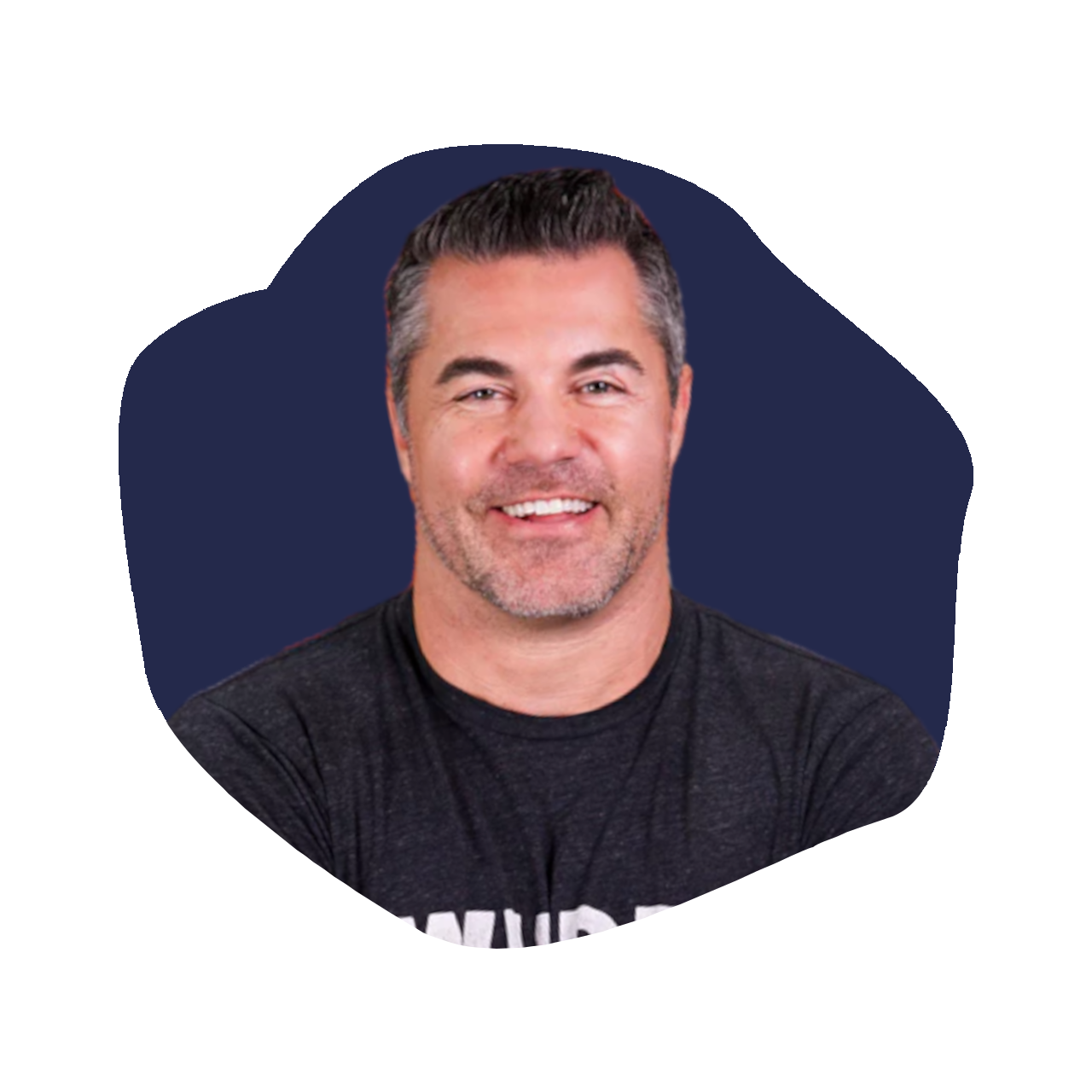
On today’s episode, Kara welcomes Jason Wright, Founder and CEO of WILDE — the Nashville-based brand rewriting the rules of snacking with its high-protein chips made from real chicken breast. Since launching in 2015, Jason has built WILDE into a powerhouse in the better-for-you snack space — doubling revenue year after year, developing patented production technology, and operating a state-of-the-art facility in Kentucky.
Jason shares how he turned a simple idea — reimagining the classic potato chip with clean protein and bold flavor — into a fast-growing brand that’s changing how we think about healthy snacking. We talk about the early challenges of scaling production, what it takes to win in a competitive CPG category, and the leadership lessons Jason’s learned while building a company that refuses to compromise on taste, texture, or quality. From innovation and manufacturing to brand storytelling and vision, this episode is packed with insights and inspiration for every entrepreneur, builder, and snack lover out there. Don’t miss it!
Resources from
this episode:
Enjoying this episode of #TheKaraGoldinShow? Let Kara know by clicking on the links below and sending her a quick shout-out on social!
Follow Kara on LinkedIn – Instagram – X – Facebook – TikTok – YouTube – Threads
Have a question for Kara about one of our episodes? Reach out to Kara directly at [email protected]
To learn more about Jason Wright and WILDE:
https://www.wildebrands.com/
https://www.instagram.com/wildebrands
https://www.linkedin.com/company/wildebrands
Transcript
Kara Goldin 0:00
I am unwilling to give up, that I will start over from scratch as many times as it takes to get where I want to be. I want to be you. Just want to make sure you will get knocked down. But just make sure you don’t get knocked out, knocked out. So your only choice should be go focus on what you can control. Control, control. Hi everyone, and welcome to the Kara Goldin show. Join me each week for inspiring conversations with some of the world’s greatest leaders. We’ll talk with founders, entrepreneurs, CEOs and really, some of the most interesting people of our time. Can’t wait to get started. Let’s go. Let’s go. Hi, everyone. Welcome back to the Kara Goldin show today. I’m joined by Jason Wright, the founder and CEO of WILDE and it is the Nashville based company shaking up the snack aisle with a bold twist on everyone’s favorite crunchy indulgence, chicken, so instead of potato or corn, WILDE Protein Chips are made from real chicken breast, delivering that classic chip crunch with 10 grams of clean, complete protein in every serving. And since launching in 2015 is that correct? Jason,
Jason Wright 1:20
it’s been a while. Kara, it’s been a while, but yeah, 2015, I love
Kara Goldin 1:25
it. So the company has continued to grow and developed its own patented production technology as well. We’ll talk about how Jason has taken a WILDE idea, pun intended there, and turned it into a national brand. What it takes to stand out in a crowded CPG category, and how he’s balancing innovation growth and staying true to his mission. I love Jason’s experience. He’s a serial entrepreneur. Can’t wait to get into some of his other companies as well. So Jason, welcome to the Kara Goldin show.
Jason Wright 2:04
Kara, thank you for having me. It’s a pleasure to be speaking with you today, and I’m excited to share the story.
Kara Goldin 2:12
Very excited. So let’s start at the beginning of WILDE. I guess back to 2015 How did this idea for WILDE come about,
Jason Wright 2:22
you know, Kara, I love potato chips, but potato chips did not love me back. You know, as I was getting older, things that you could eat as a kid and maybe in your 20s. You know, they just don’t sit well with you as you get older. And I’ve always been a healthy, somewhat healthy guy, you know, I worked out a lot, and, you know, high protein, low carb, but that was one thing I couldn’t kick, was potato chips. So in 2015 at the bottom of a potato chip bag, you know, I asked the question, could I replace the potato with chicken breast. And I’m the type of guy that, once I get something in my head, I go down a rabbit hole, and I put blinders on, and I start digging and and that was the birth of WILDE.
Kara Goldin 3:15
I love it. So why chicken? What was what was it about chicken?
Jason Wright 3:19
Yeah, you know, I think when you think about chicken breast, you know, we use chicken breast and always shape or form, you know, whether it’s on a salad, grilled chicken breast, chicken sandwich, it’s such a neutral canvas that you can do a lot with it. And so in my head, I just thought about, you know, replacing the potato with chicken breast. I don’t really know why at the time, that was the first thing that popped in my head. But chicken breast, you know, was just, was just that, that thing that popped in my head, you know, I thought about egg white. So it was just kind of ingredients that naturally we’ve always, you know, turned to when we were told to eat healthy, or wanting to eat high protein. So that’s just what popped in my head.
Kara Goldin 4:06
So the early days when you were pulling all of this together, you have this idea, you have this need, and you decide, I’m going to go for it. But there’s obviously prototypes that you’re creating. You’re trying to find co packers to actually manufacture this. But what exactly was involved in that process, in those early days for you to actually have anything to go off of?
Jason Wright 4:36
Yeah, listen, I so the a lot of people don’t know this, but WILDE is a self manufactured right? I built three facilities. We’re opening our third in January, but in the early days, you know, in my early career as an entrepreneur, I started a cereal company, and through that journey, you. Know, I would make things in my kitchen and and so when I first thought about WILDE, the first thing that popped in my head was, I’m gonna go back to the kitchen and, you know, just start to think through, how could something like this exist? What would be the process? You know, it was, I was living in Boulder, Colorado, and Colorado State University has a big Meat Science Department, and I was fortunate to know someone there, and I tapped into them really quick. Kind of told them what I was thinking, that a process would look like, and and so from from making the prototypes in my kitchen, using, you know, a food processor, using chicken breast, using a sous vide system, I kind of had an idea what I would do, and then I translated that to Colorado, state, where I was able to work with professors there and work just processes I’d come up with and kind of work on equipment that was more in the meat industry that I could get my hands on. And so the early days, I spent a lot of time at Colorado State University and, and, you know, I, we were in the process of raising money and and, you know, I had something that people could snack on from a kitchen. And I thought at that time I would use a pork rind facility. I was convinced that we would, we would make the product. You know, there’s two phases to WILDE. So we call the WILDE potato. We’d make that like at a USDA facility. You know, that that makes anything that starts with fresh meat, and then I would go down to the pork rind facility, and that’s where I would crisp season and bag. And we tried that, and it’s 100% not the way to do it. I was ran out of the state of Mississippi and and then I had a, you know, I had a, my first huge hurdle I had overcome was now that I know we can’t do it at a pork rind facility. How are we going to do this? Which led me eventually to creating our own unique patent equipment that went eventually led, at first going into a Coman and then later to, you know, owning our own facility because CO man wouldn’t work. Crazy.
Kara Goldin 7:28
So did you have any experience actually owning your own manufacturing facility prior to this 00?
Jason Wright 7:37
You know, if you asked me, if you asked me back in 2015 or 16, will you ever own your own manufacturer? I mean that thoughts not even in my head. So I’m not even thinking, you know, if I went that to the granola days, that was a traditional you use a co manufacturer. You focus on sales and marketing. Let the CO manufacturer make a recipe you know, that you came up with, and that’s a lot of brands in our industry. But WILDE was never going to take that path, because what I was doing had never been done before, and to be honest with you, I didn’t know what I didn’t know, and so I didn’t realize what hurdles we were getting into, I didn’t realize how many roadblocks, and that was just things that, you know, you kind of live and learn. But, yeah, I mean, when we, you know, I tell you the story about so it’s funny, I come home from from Mississippi, and I say, Come home. I’m in Boulder, Colorado, at a time I’m living there. And, you know, I’m pretty depressed. I’m thinking, like, what am I going to do? How am I going to I’ve told these investors I’m going to go to a port ground facility and and that’s obviously not going to work. So I was riding down the road, and I got a German Short Hair pointer, and we were going to our favorite dog park, and we come to a stoplight, there was construction going on on the side of the street, and on the side of the street with the construction, there’s a bulldozer. And the guy was just running up and down, up and down. He was packing, and I watched his track move, you know, like a bulldozer track, right? And I was just sitting there staring at it, and I was like, that’s what I need like, I need a way for this product to be almost sauteed, but I need some way for it to kind of wrap around these shoe plates. And one, it would hold it in place. And two, it would give it some kind of shape and and so I took that idea to a machine shop, and I made a little teeny prototype, very small, and then I went out to a very large equipment manufacturer and convinced them to make me a prototype. And that through that, and then going back to the investors and saying, Hey, we’re going to have to do this ourself. Yeah, and luckily, got their support. That was the, the start, the beginning of us, you know, creating our own equipment, eventually leading to having our own manufacturing facility.
Kara Goldin 10:12
That’s WILDE. So the early days of WILDE, back in 2015, how many SKUs did you actually develop at first. And what were those three
Jason Wright 10:24
SKUs? We had pink salt, we had salt and vinegar and barbecue, and that was our three SKUs.
Kara Goldin 10:33
And what makes WILDE, I guess, what made WILDE different then, and what makes it different today?
Jason Wright 10:42
You know, then it was, it was obviously the first chip ever made a chicken breast. But in those days we were not, I didn’t make it in early days with bone broth, and I didn’t make it with egg white, and those ingredients would come later, as we discovered that, you know, I remember my first demo, when I demoed the product at Whole Foods, you know, people didn’t know where to place it in their head. They didn’t know why they needed it. And I think people, if you think about a snack made of meat, you think about jerky. And so people automatically thought texture would be chewy. And so as I learned that, and we kind of navigated through a packaging design change, I introduced bone broth and egg white as more of a recipe, because people could understand that. You know, if it was combined with bone broth and egg white and tapioca, that it was more of a recipe, and they could understand how that could eat, you know, crunchy and crispy, like, you know, maybe a tortilla chip or potato chip. So, you know, today, WILDE is much different than it was in those early days.
Kara Goldin 12:01
So, so interesting. So you’ve grown incredibly fast since 2015 What do you think you has fueled the momentum? I mean, there are other companies in the high protein and better for you snack aisle, WILDE is super tasty and different, but it’s always great to have kind of competition, especially when you’re trying to get shelf space, because then they start to recognize that the you know the industry right, that the category is is growing, even though yours is different. But what do you think has really fuel the momentum, I guess, around the category, maybe even me too products, to some extent, but also the better for you craze that’s out there,
Jason Wright 12:51
you know? I mean protein. I mean it’s hot, right? It’s hot right now, and I don’t know that it’s going away, you know. I you know, I think about you used to have people say, Oh, we low fat, and then we debunk that, right? And then, you know, you started on this, like, low carb. And, I mean, this has been going on for 25 years now, low carb, like, you know, probably back in the 20s, or, sorry, the 2000s early 2000s you had South Beach diet, you had Atkins diet. I mean, people started to see results right when they ate low carb. And, you know, back, trace it back to, like, sugar, glucose. And so I think, I think protein is not going away. I think that’s a huge benefit of what’s going on right now, and the tailwind that we’re experiencing, you know. And I see all these brands jumping in with Ivy here. Protein Doritos is coming. So, you know, they’re there. There goes the show how much proteins, how powerful it is right now. But I think WILDE, you know, we’re the only ones out there made a real food. So when you look at all these other guys and girls and brands. We’re talking about a powdered first product. We’re talking about product that was a tortilla chip, was a bar, was a muffin, was a donut, and that product exists forever. And then someone comes along and just puts protein powder in it. And there you have, you know, a protein bar, protein donut. WILDE. It’s not like that. WILDE is a unique, you know, innovative. It starts with chicken breast. It’s made of real food, there’s bone broth, there’s egg white. And I was after creating a delicious snack that we could feel good about, and that would, you know, curb your appetite, but you didn’t give up on taste and texture. And I really was never after like, some high protein number, that’s not what. What was driving me. I was just wanting a snack I could feel good about, and I didn’t want to lose my crunch. And I think that’s the big difference at WILDE is the real food, you know, and and the fact that the taste and texture, which is driven by the real food, is different than anything out on the market.
Kara Goldin 15:14
So when you think about building the company, obviously you’re a serial entrepreneur. You’ve done this few times, the hurdles right that you’ve got to get over, and I think so often you don’t. Most great entrepreneurs don’t necessarily see those hurdles coming, right? If they did, they might pivot before it happens, or whatever, but then, all sudden, it smashes you right in the face. I’ve told this story a million times. Starbucks was mine. We were doing great. Everything was perfect. Had a great relationship over delivering. And then all of a sudden a new cmo comes in, and she’s like, we want to focus just on the Starbucks brand. And I’m like, wait, what? You can’t do that, you know, but they can, right? And so you’ve, you’ve got a you’ve got a plan in place, everything you’re doing everything possible. And then you got to go back to investors and tell investors, you know that those millions are not going to happen, and you’ve got to figure out how else to get those millions. And so I’m curious, like, if there’s been any hurdles along the way that you found challenging? Obviously, you got over them. They weren’t exactly what you thought was going to happen, but I’d love to hear them,
Jason Wright 16:34
you know, I kind of probably should start with asking you how much time you have, because I’ve got them, you know, listen, I, I’ve been fortunate to have some great investors that stuck with me. But, you know, just to, just to highlight a few, you know, we, you know, while we create this, this, this special equipment, and we install into a co manufacturer down in Virginia, a big manufacturer of meat snacks. And things are just not going well, and and we are really doing the work ourselves. We’re running the line. And, you know, there was a lot of R and D still going on at the time, but we were running the line, you know, the owner, the ownership were from the from the manufacturer, the CO man. There’s no ownership, and the economics were really tough for WILDE. And so the valuable lesson there, and we learned it was, you know, we had installed equipment into another guy’s facility. And this actually happens twice, but, but this, this particular time, you know, you just can’t up and and move and maybe go to a new command or move your equipment. So you’re, you’re stuck, you know, you take those contracts and throw them out the window, because you know you can do what whatever says in whatever it says in the contracts one thing, but you have a piece of equipment installed in somebody’s building that you can’t get out and you need to make inventory, so you have to almost obey by their rules until you kind of figure out a solution. And so that is the first big hurdle of WILDE is that we ended up having to build a second unit, and and, and that was our route out of a bad situation, because we could not afford to be shut down and not make product. And so our way around that was we built another unit, and that was a hard conversation. You know, investors didn’t think we were going to ever be in a situation where we’ve installed something and now we can’t get it out and and in order to go forward, we have to just go build a whole nother, you know, whole new unit. So that was one hurdle that we had to overcome, you know, the hurdle of covid and and we did, when we build our new unit, we we took ownership of it 2019 covid hit. And so we had to go and build a manufacturing facility in the middle of covid in Kentucky and and that was challenging. You know, the world shut down, but at the same time, we’re building a manufacturing facility, and I was probably one of the only guys flying almost every week. A lot of empty seats on planes those days. But that’s a huge challenge. And you just don’t realize, you know, you said it best. I mean, you don’t really realize until you kind of get hit with the problem, and then you got to pivot. And I think that’s what makes the entrepreneur so so, you know, great at what he or she does, is that pivot. You got to be able to pivot. And it’s, you’re it’s going to happen. And it’s not if, it’s when, right, it’s gonna happen and you’re gonna have to pivot. So that’s that’s something that I’ve been fortunate and pivoting fast, but that’s one of the many stories that that we’ve that we’ve encountered.
Kara Goldin 20:14
So when you think about all those lessons that you learned when you were working on your granola company, way back when, when I always say that the serial entrepreneur is is taking a lot of those lessons with them, maybe taking the good and the bad the hard right, and those make the best entrepreneurs right And and frankly, they also make the best employees right, people who have failed along the way that can actually own it and tell you exactly what happened along the way. Some of our best sales people were people that really messed up right along the way, and then later on, they were able to really talk about it. And I think that it’s, it’s so key. But what are some of those things that you learned in that first startup, that that you’ve taken with you as as sort of a key, kind of North Star for you.
Jason Wright 21:23
You know, I think it’s being different, and it kind of got me in trouble early, you know, I’d say trouble. It was definitely, you know, challenging and explaining the product. But in the early days with my granola company, we were a me too, product and and I wasn’t aware of the term and what it meant, but I can tell you today, it’s, it’s engraved in my head. But, you know, bare, naked, really own that granola category at the time. And we were no different. And they were, they were better. That was a better product. And, and it’s hard to to really, you know, admit that, you know you’re getting beat, but we were getting beat and and so we had to close that company in 2010 but what I learned from that was you got to be different. You got to have a flag in the sand, and you got to be different, and you got to give the customer something that’s unique. And so fast forward to WILDE. You know, in my head, I’m like, I’m going to be so unique and so different when I launched my next business, and we were but I was almost too different. You know, I mean, there’s, there’s a huge education when it comes to WILDE, and there’s always been a huge education piece. And I almost bit off more than I could chew, because I went so far to the right, you know, if the left is me too, and I went so far to the right being different that, you know, I really had to come up with, over time, a really strong marketing angle and explaining the product. And so that’s something that I’ll always take with me, you know, I do like being different. I always think about being innovative, and that’s just ingrained in me. But I do think, and you’ll see it in some of the other products that we’re launching next year, like, you know, it’s, it’s a little bit more closer to, like, a familiar product that you already know, and so you kind of set expectations, you know, in your head, of what maybe this is going to eat or taste tastes like. So that is something I’ve learned along the way.
Kara Goldin 23:31
I love it. So when you think about the the overall, the better for you snack category over the next five years you talked about, you didn’t think it was really going away. But do you think that there’s any major changes that are going to be happening out there? I feel like so many categories are changing, and it’s not just about trends. It’s also different restrictions or, I mean, it could even be in certain categories. It could even be covid, or it could be that people want smaller size packs. People want, I don’t know, no packaging at all. I mean, there’s, we’ve heard a lot of different things, but what, what do you see as kind of a big trend that that is going to be more and more happening.
Jason Wright 24:27
I mean, I think the real ingredient play is, you know, here to stay. I think people want to see real ingredient. They want to be able to pronounce what’s in their food and and they don’t, you know, the long list of ingredients, or the long list of ingredients that you didn’t recognize. And the big companies right now are going through it, whether you think about dyes, you know, or artificial flavoring. I mean, I think those days are are over, right? And I think people are really. Really own to what we put into our body results and how we feel, and it’s probably linked to, you know, as we get older, like, maybe, maybe there’s diseases linked to it. You know, I’m not, I’m not a doctor, so I’m not going to speak on that. But I know, I believe that real food, you know, is the answer and, and I think those trends are here to stay. I, you know, I remember when I was in my 20s, I went to Greece, I lived in Athens, Greece for about three months, and I bought a bag of Eminem’s over there, and I, like, looked at them, and I was like, wow, these Eminem’s are, like, faded, like, these are old Eminem. And one of my roommates over there was Hungarian, and he explained to me, no, Jay this, you know, in Europe, you can’t have these dyes that you guys have in the US, and so they’re not supposed to look like a shiny car. And it stuck with me, you know. And when I got back, you know, you would look at Eminem’s in the US, and you’re talking about really high gloss, you know, fresh paint, Kara looking, you know. And that just stuck with me. And so I think, I think, you know, people demand more, and I think those days are over, and I think you’re just going to continue to see those trends, you know, I read where Pepsi is actually redoing some of the Lay’s packaging, and on the Lay’s packaging, they’re going to say real potatoes. So I think that just kind of goes to show where Pepsi’s positioning, you know, and wanting the customer to know that a lot of their products are, you know, just real corn or real potato and maybe salt or whatever else is on their ingredient deck. But that’s a, you know, example of a big company adopting that real kind of ingredient and whole food play. And so I think that’s here to stay,
Kara Goldin 27:00
definitely. So last question, what advice would you give to other entrepreneurs, founders looking to disrupt a legacy category, whether it’s in snacks or beverages or any other category or any other industry? I should say,
Jason Wright 27:16
you know, Kara, listen, I think you got to follow your gut. Listen if I had, if I had $1 for every time somebody told me no, for every time somebody said can’t be done. Guys crazy like, you know that that that I would have been, you know, I would have never made it right. And so you can’t listen to the outside world. You do need to listen to advisors. There’s experienced people out there, other entrepreneurs, because there’s valuable information. But you’re on this journey. You chose the journey. You got a vision, you got a gut instinct, and you just got to keep chopping wood. I tell people all the time, young entrepreneurs like you’ve become a fruit picker, and you better you know your job is to pick the fruit. So some days you’re going to pick good fruit, and some days you pick bad fruit. But whatever you do, don’t stop picking the fruit. And I mean, I truly believe that I would not be here today if I didn’t keep swinging and, and, and that’s the only advice. And it sounds cliche. It sounds like everybody else’s advice, but there is some damn truth into just grinding it out and following your dream and wherever that leads you, like that’s the Destiny you’re supposed to be at definitely.
Kara Goldin 28:41
Well, Jason, thank you so much for joining us today, and your story is such a great reminder that the best ideas often come from challenging what’s normal and WILDE is awesome. So thank you for creating this great product and company, and the innovation and creativity and a little courage can completely redefine an entire category, which is what you’ve done so WILDE brands.com and also follow them all over social, and don’t forget to follow and share this episode too on the Kara Goldin show. Really appreciate everything that you’re doing. Jason, thanks for coming on and sharing.
Jason Wright 29:24
Thank you, Kara, thank you for having me, and it was a wonderful you know chance to get to talk to you, and I look forward to chatting with you soon.
Kara Goldin 29:33
Thank you. Thanks again for listening to the Kara Goldin show. If you would please give us a review and feel free to share this podcast with others who would benefit. And of course, feel free to subscribe so you don’t miss a single episode of our podcast. Just a reminder that I can be found on all platforms. At Kara Goldin, I would love to hear from you too. So feel free to DM me, and if you want to hear more about my. Journey. I hope you will have a listen or pick up a copy of my Wall Street Journal, best selling book, undaunted, where I share more about my journey, including founding and building. Hint, we are here every Monday, Wednesday and Friday. Thanks for listening and goodbye for now.