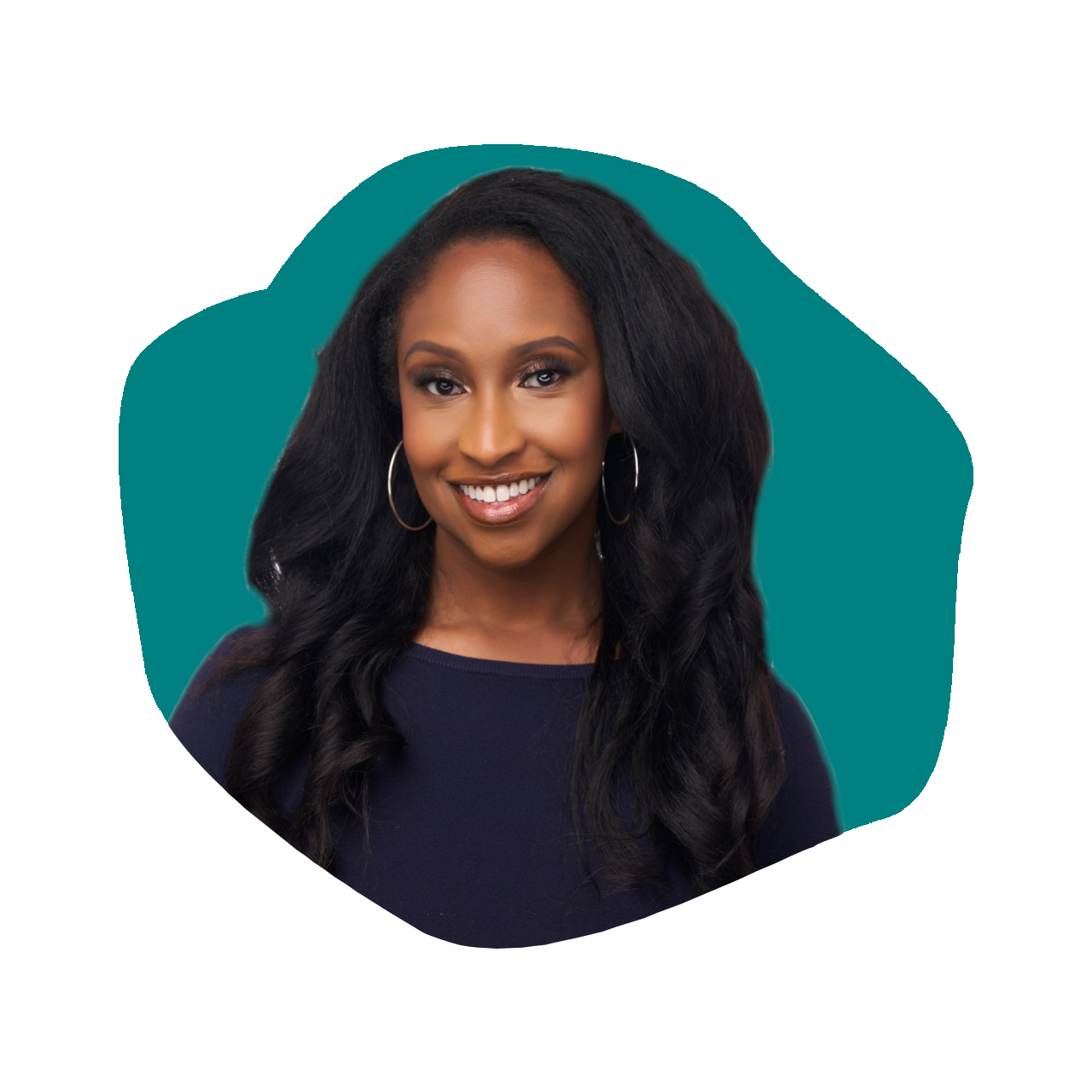
Allyson Mandelbaum: Founder & CEO of Shady Lady
Episode 835

On today’s episode, we welcome Allyson Mandelbaum, Founder & CEO of Shady Lady — a women’s hat brand redefining fit, function, and confidence by designing hats specifically made for women. After spending over 20 years as a reality TV producer, Allyson made a bold career pivot at 40 to solve a problem she personally experienced: hats simply didn’t fit women properly. What started as a frustration turned into a mission-driven brand focused on better design, comfort, and helping women feel confident in what they wear.
In this episode, Allyson shares what it’s like to start over later in your career, how she validated a product idea with no prior experience in fashion or business, and the lessons she learned from expanding too quickly early on. We also talk about why “unisex” design often misses the mark, how to build a brand around a specific unmet need, and the importance of staying focused on your core product. Plus, Allyson opens up about balancing entrepreneurship with family life, trusting your instincts, and why it’s never too late to build something meaningful. A must-listen for founders, career pivoters, and anyone looking to turn a simple idea into a powerful brand.
Resources from
this episode:
Enjoying this episode of #TheKaraGoldinShow? Let Kara know by clicking on the links below and sending her a quick shout-out on social!
Follow Kara on LinkedIn – Instagram – X – Facebook – TikTok – YouTube – Threads
Have a question for Kara about one of our episodes? Reach out to Kara directly at [email protected]
To learn more about Allyson Mandelbaum and Shady Lady:
https://www.shopshadylady.com
https://www.instagram.com/shop_shadylady/
https://www.linkedin.com/in/allyson-mandelbaum-13322977/
https://www.facebook.com/p/Shady-Lady-100047634133154/
Transcript
Kara Goldin 0:00
I am unwilling to give up that I will start over from scratch as many times as it takes to get where I want to be. I want to be you. Just want to make sure you will get knocked down. But just make sure you don’t get knocked out, knocked out. So your only choice should be go focus on what you can control. Control. Control. Hi everyone, and welcome to the Kara Goldin show. Join me each week for inspiring conversations with some of the world’s greatest leaders. We’ll talk with founders, entrepreneurs, CEOs and really, some of the most interesting people of our time. Can’t wait to get started. Let’s go. Let’s go. Hi everyone, and welcome back to the Kara Goldin show. Have you ever stopped to think about something as simple as a hat and why it never quite fits? Right? Too big, too bulky, designed for everyone, but really not made for you or for many women at all? Our next guest did just that. Allyson Mandelbaum is the founder and CEO of Shady Lady, and after spending more than 20 years as a reality TV producer, she noticed something that most people had just accepted, that hats weren’t actually designed with women in mind. So what started as a personal frustration turned into a simple but powerful product company. So much here so that the question around the brand and rethinking a category, all of those things are what I really want to dig into and also how she pivoted careers, not at 20 years old, but deciding I need to just go do this. So I’m very, very excited to have Allyson Mandelbaum on the show.
Allyson Mandelbaum 1:56
Yes, hi. I’m so excited to be here and such a fan of you in the podcast. So this is like a dream. Thank you for having me.
Kara Goldin 2:04
Okay, so for listeners who are just discovering Shady Lady, how do you describe the brand and what truly sets it apart from the traditional hat companies that are out there?
Allyson Mandelbaum 2:16
Absolutely? Well, what we’re doing is focusing on women and women’s hats, which is something that no other hat brand is doing. And it really started for me, because it was, it was a personal frustration, as you said, I at the point that I started Shady Lady had two little kids. Very much needed to throw on something and run out the door on a daily basis. No time to wash my hair, no time to get my roots done. Very jealous of my husband, who would just throw on a baseball cap look good and run out the door every day. And I was like, Okay, I need a hat. I’ve always loved hats. None of them looked good on me. They looked ridiculous. They were too big, too stiff. They like, fell down my ears. I had to, like, either have them sticking out or tucking in. The brims were too big. I like, couldn’t drive with them. I couldn’t see I was just like, What is going on? I cannot find a hat that fits me well. And on top of that, so many hats had team names on them, or, you know, sayings like hashtag, mom life, just things that I was like, I’m never going to wear this. So it really I started doing research, you know, I looked at all my favorite stores, started doing research, and learned that all hats are really made from the universal measurements of a man’s head. So they call them unisex, but they’re all made from men’s heads. And that, right, there was just my light bulb moment. I was like, it’s not me, it’s not my head, it’s not, you know, any of these things. It’s that they’re not being made for women. And so I, you know, having no fashion background, no manufacturing or business background, right? There was like, Okay, I think I need to do something about this. This is, you know, I’m going to start just making my own so that’s, that’s really what makes us different.
Kara Goldin 4:11
That’s why. So you mentioned this, but you didn’t come from the fashion world. You were a consumer, or wanted to be a consumer, I should say, but you came from the reality production side of things, very, very different. I always think that the best founders and the best kind of stories in brands come from those who are trying to solve problems, and oftentimes, more often than not, I find that people were not in the industry that they’re building a company in. But can you talk a little bit about kind of that time that you were going through, you had been this was your career, right? And and you decided to make that switch, which is scary, but also. So something that maybe listeners are thinking about, but I’d love to talk hear sort of where your head was at that time, and how did you decide to make that move?
Allyson Mandelbaum 5:12
Yes, absolutely, I, you know, I have to say so. I graduated college being a television, radio and film major who even knew that that existed, you know right away, moved to New York City, started working in at the time, talk shows like, my first job was the Montel Williams Show out of college. It was insane, you know? And then I ended up going to MTV, and worked for a long time at MTV on shows like my super sweet 16 and true life and catfish and cribs and in my 20s and early 30s, had the absolute best time. It really was, you know, like, it was one of those, like, I’m getting paid to do this. This is my job. You know, I was flying all over the place, traveling constantly. I loved it at the point that I got married and, you know, wanted to start a family, it hit me that this career and what I’m doing may not be the best for that lifestyle. There was so much travel, so many late nights, it really does take over your life. At the point that I was 30. I was married. At that point. I got a network job working for AMC as the director of development. I it was like, my dream come true. You know, I was like one of the youngest people in this position. It was that, you know, the glory days of AMC, where it was Breaking Bad and Walking Dead and all of this, I it was a dream, of course. I also, at that point, started my family got pregnant with my son and had him, and very quickly realized that those two things were not going to work. You know, I was living in New York City at the time. I had a nanny. I thought, okay, you know, I’m going to be one of those working city moms. You know, I’m going to have my nanny. I’ll do my job. I was traveling to La constantly. I started having crazy panic attacks and anxiety and like, I just was so torn because I felt like I was never, never seeing my son. But I loved this job, and had worked my whole career for this job, but how? But I’m not being the mom that I want to be, and I was just a mess. I was a mess. So, like, even if I wanted to have that lifestyle, my body, physically, was like, this isn’t this isn’t going to work for us. Like we’re not going to do this. So I went in and I quit my job, and it was the scariest thing in the world, because I didn’t know what I was going to do, or, you know, we were very much a two income household. We ended up having to move out of the city, but I just knew that I couldn’t keep doing what I was doing. So once we moved to the suburbs, I really it was very important to me to be in control of my time and my schedule. And I love working. I’m a workaholic. I’ve always worked, so I knew that I would do something. But how do I kind of do that on my terms, you know, so I’m able to spend time as a mom and still be building something that I’m really passionate about and so my first business was not Shady Lady. I first did an art business. I was taking, you know, local artists and hanging their artwork in coffee shops and restaurants and things like that. I quickly realized that it was not really scalable in the way that I wanted it to be, but it did show me that I loved owning my own business. You know, I loved being in charge of it. I loved making the decisions. I loved making the relationships with the coffee shops and the restaurants and all of this. So at the time that I, you know, knew that that business kind of wasn’t it for me, but at that point, I was in the mindset of, I really, I want to start my own business and, like, make it a huge, big business. And, you know, really do something, do something great So, and that’s, you know, once you kind of get in that mindset and you’re looking for these things, then when you do come up with a problem, like me, not finding a hat that that worked for me. It was easy, you know, for me, all of a sudden, to be like, Okay, I’m gonna do this. I don’t know how to do this. I have no idea, but I’m gonna figure it out and and I’m gonna do this. And at that point, yeah, I was 40 years old when I started Shady Lady. So, you know, not, not the easiest time. But I really, and I stress this whenever I talk to women and women thinking about a career change. And it is never too late. You know, you hear the stories of the 20 something year olds that are so successful and right out of college, they start to me, that’s great. But I. I I couldn’t have done this at 20, like, what I’m doing now. You know, in my 40s, I could have never done in my 20s. So I am just all for career changes, starting something whenever, you know you feel like it’s the right time for you.
Kara Goldin 10:15
Yeah, definitely. I love that. You’re such a great example of that. So, I mean, I meet people who think about starting a company all the time, and they’re like, I don’t know, like the first thing about it, and they always put all these excuses in front of themselves. So I think it’s, you know, you just went and did it. But what was the first step that you made when you decided I’m gonna go do Shady Lady. What was the first thing you did? You you saw this problem, but like how? I mean, in order to actually start a company, you have to have a few steps that you make in order to feel like, okay, I’m gonna go and try
Allyson Mandelbaum 10:57
Yes, yes. I could tell you Google was my best friend. I Google. I googled everything. I googled, you know, how to set up an LLC, how to, you know, get a trademark, how to I Googled. And it’s, honestly, it’s never been easier to start a business, harder in some ways, because it is such a crowded marketplace. But everything is really available online to help you get started. So I did. I started doing some of that from the back end of it, and I just started sketching, like what I would want in a hat. So different designs. You know, I knew in my head what I was looking for. So I was just started sketching the hats that I wanted in my closet. And then I started, you know, on top of that, sketching those designs. Knew that I couldn’t make these myself, so trying to find a manufacturer, which really for that, I started talking to everybody that I knew people that had nothing to do with manufacturing or fashion or hats or this, I was just like, This is what I’m doing. Do you know of anybody, or any buddy who knows anybody that may have a connection to a manufacturer? Because I knew that that I really that I didn’t want to find online. I really wanted some sort of personal recommendation or connection. Because if I was bootstrapping this and putting, you know, my own money behind it and really setting it up, I I needed, I needed that connection to be, to be something, you know, that was recommended to me, and that’s what happened. I talked to a friend, an old producer friend, who I had worked with, and we were just chatting on the phone, and I told her what I was doing, and that, you know, I was looking for a manufacturer. And she said, Oh, my friend, I think is dating somebody who is a manufacturer. And that was literally how I found my manufacturer, and I’ve been with him to this day. He’s fantastic, who has kind of, you know, help me. Our businesses have built together, you know, because he was kind of just starting out too. So we have been growing together, and it’s just a great relationship. But I don’t know that that would have happened for me, just cold calling people. So that was important to me.
Kara Goldin 13:16
That’s so, so interesting. So how did you come up with the name Shady Lady?
Allyson Mandelbaum 13:20
So that was tough. I I took, you know, some market research of my own, of my college friends, my college friends, my group of you know, they were my sorority sisters. We talk constantly and email each other constantly, and they are some of the funniest women that I know. So I told them what I was doing. Told them that I needed a name, and they really helped me. You know, we started with shade. Shady. We were literally just, we were we got on a zoom, and we workshopped it, and they helped me come up with it. And I, as soon as I heard it, I was like, That’s it, that’s that’s the one. That’s it. We’re doing it, you know, it was, like, a little bit cheeky, which is me, you know, like I’m a little bit, you know, I like to push the envelope. It was, you know, had a little bit of that aspect. It was cute, catchy. Made sense with the hats. And it just that was it. I love it. So how many SKUs did you actually launch with? We launched with six, so we launched with six women’s hats. And then I quickly started doing matching kids hats,
Kara Goldin 14:29
because people had said to me, you know, and at that time, my kids were young, you know, people like the mommy and me kind of thing. So I was like, okay, you know, in my head, I was like, if someone’s buying, if I was buying a women’s hat in a store and I saw a cute one next to it, you know, for one of my kids that matched, yeah, I would pick it up too, you know. So to me, it was an easy way to, kind of, you know, get the order amount up there. So, so I did six women’s hats right away, and then six kids hats right away. And that’s how we started. Is. There anything that surprised you, maybe in those first sales that that I always say, like the customer feedback is gold, right? And every founder understands what I’m talking about, that either you’re headed in the right direction or you’re not, or also they’ll tell you, you know, I want something different, and at the end of the day, they probably don’t really those people probably don’t really want something unique and different, and are not necessarily the things that are going to sell. You’re going to sell a lot of but I’m so curious about an experience that maybe you had early on that kind of surprised you.
Allyson Mandelbaum 15:40
Yes, I mean, I could tell you where kids hats are a perfect example of that, you know, and it was something that people were asking me for. They did not sell nearly as well as the adult hats as the women’s hats. They still do. I mean, they, you know, like, and I don’t know why, you know, I don’t know why. I mean, but they are not nearly as popular. And that was something that people moms were asking me for. So I was like, yes, you know, I’m listening to my group. You know, I’m doing it, but it’s just yeah, they don’t, they don’t move nearly as fast. So that was something that I learned
Kara Goldin 16:16
so interesting. So I think one of the things I hear from you, even though you came from a different industry, you in your previous life, you had to dig like you had to be scrappy, and so that gave you the ability to go and do what you’re doing and be successful like it’s, I mean, obviously you need a great product or service in order to be successful, but I think that the scrappiness and your ability to just jump in and go figure out the problems, I found it really exciting to do that. I came from a totally different industry before I started hint, but I’d love to hear kind of what you like, what you saw yourself, or what you thought like, really was the DNA that kind of made you be able to start it and continue to scale it.
Allyson Mandelbaum 17:14
Oh, yes. I mean really producing is problem solving. And you know, you are a problem solver. Every single day, there are problems that happen. You know, you’re you’re filming, you’re on set, so something goes wrong, and you immediately have to fix it. And it’s like the show must go and everything must keep rolling. And I feel like that is just in me. You know, from being a producer all these years, like no is not an answer. You know, if you’re out there filming something and something goes wrong, somebody doesn’t show up, or you know, somebody you know, is having a meltdown, you better fix it like you got to fix it and you got to keep going. So I do feel like that has helped me tremendously, because I don’t take no for an answer. You know, I will not stop with Shady Lady until I get to where I want to go. I will find another way around there. If somebody tells me No. And all of that, to me, is what makes a business successful. You know, you can have the product. You can have something great, but if you are not a person who will keep going to the absolute ends of the earth to make stuff happen? It doesn’t matter how great it is, you know, you’re not, you’re not going to get there.
Kara Goldin 18:30
Yeah, definitely. So what worked in getting the word out early on? I mean, here you are starting a company that is hats. Amazing. Hats. But you have to, kind of find the people who want to listen to your problem, right? Want to get to you. Have to story, tell around it and talk about your own, probably, initiative. But I’m so curious, what did you What do you feel today, looking back that really worked, and maybe what didn’t work?
Allyson Mandelbaum 19:04
Yeah. I mean, you know. And this is one of those problems that almost women don’t know that the problem exists until I tell them about it, you know. Like, even when I meet women today, and I’m explaining our hats, you know, and that they’re all made for men and women, will be like, Oh, I never even thought of that, like, that’s why hats don’t fit. Or I, you know, they don’t even know that there’s another option. Everyone thinks that their head is weird. So it’s also, you know, letting women know that this is a problem and there is a solution for it. And you know, it’s not just you so, but I feel like early on, you know, it was definitely word of mouth from my friends, you know, I kind of early on, made an Instagram account, you know, got on Facebook, just started talking about it, getting them out there, doing, you know, different events or pop ups. Also gifting a lot, you know, you have to give away a lot of product, especially. At the beginning, because you just want to get it in people’s hands. You want people to see it and know it. And then for us, early on, and this was huge, was we got picked up by Macy’s like in our first year, which was just a total fluke, like an old friend of mine from MTV who was now a photographer, was doing a photo shoot for a family in Long Island, and the woman happened to be a buyer at Macy’s, and, like, asked her about her hat. So that is just one of those, like fate, you know, serendipitous moments that really helped us in the beginning and that got our name out there. And then, you know, it’s just reaching out to all the publications, everyone that you meet, all the cold emails, like all of my best opportunities have come from me looking up someone online and just being like, I’m going to contact them, I’m going to send them a hat, I’m going to see what happens. And that’s that’s just kind of where magic happens.
Kara Goldin 21:02
So, so true. So I have a friend who to who wrote a book about connections, that really, you know, it’s those times when you and those people, frankly, that do exactly as you’re doing, that it’s amazing how you can actually think for a minute like who they may not be the direct connection, but maybe they know somebody, and I just need to tell them what I’m thinking about and what is my pain point, and see what happens. And also, just reaching out on LinkedIn, we’ve had many people who have just, like, said, what’s the worst that can happen? And then they get an opportunity to talk to somebody that they thought, oh my gosh, like that. And then oftentimes, too, they talk to somebody they think they’re going to be able to solve their problem. And then they realize that they’re in a much bigger company. They’re that’s like, not something that they know how to do at your scale. So it’s, it’s, it’s so fascinating. But so when you were, I’ve heard you speak about in the early days you were, you were building, and maybe you went a little too fast. Maybe that’s the Macy’s story, to some extent, but I’d love to sort of hear what you learned about scaling too quickly and and for anybody listening to this,
Allyson Mandelbaum 22:32
yes, yes, absolutely. And that was such an important lesson that I feel like we’re still, we’re still working on but you know, when we got into Macy’s, they very much were asking us for more skews, more categories, more products. And I was like, of course, I’m going to do whatever, you know, whatever they ask. So yes, I will, you know, make tote bags, and I’ll make winter hats, and I’ll make beach hats, and I’m going to make and just started expanding into all of these categories way too soon before we even kind of knew who the company was and who the brand was, and it it just, you know, it is fine, but I spent so much on inventory early on without really having enough revenue streams or enough avenues for that all to work. And really got away from our core, which was, you know, the DNA of this brand is making women’s hats that actually fit women, that are made for women’s heads, and that got diluted the more that I got into all these other categories. And still to this day, no matter how many categories we made. It’s my women’s hats, my trucker hats and my sporty hats that are always our best sellers, that people always are raving about, that people come and talk to me about. And so, you know, I had to just take a step back and be like, Look, this is we’re getting away from why we started, like, why I started this company to make this type of hat for women. So I need to rein in all of these other categories that, you know, are great products, but they’re not what make us different, and that’s really what is going to get us out there. You know? Why are we different?
Kara Goldin 24:14
Yeah, no, it’s so important, and at every stage along the way. I mean, I think skew rationalization is as really key, and especially when you think, you know, I’ve got to innovate. I’ve got to do these things. When you have a buyer who’s telling you you should go do this or develop something new, and then you’ll get in. We’ve all heard it and seen it, but I 1,000% agree with you. It’s sometimes. It’s not to say that you don’t go try something, but then you have to look at what else is going on in the company. And, you know, is it, is it the right thing to do to continue down that lane?
Allyson Mandelbaum 24:52
Yes, yes. You know, I think I learned that I really have to trust my gut. You know, even, even if there are buyers that have been in. This industry for 1020, years, you know. And I’m, you know, having the complex of like, they know more than I do. I just, I have to trust my gut, because they’re not the one, you know, if it doesn’t work out for them at the end of the day, they’re like, Oops, sorry, you know, oops. We, you know, I am the one who’s stuck with the inventory and all of that. So I’ve just, I’ve gotten much, much better at that. You know, as we’ve grown the company,
Kara Goldin 25:27
I have such mad respect for founders and people who are going out and doing it, especially if you know they’re leaving a, I don’t even know what stable is anymore, but a different job, where they had sort of risen to the ranks so but building a physical product brand is not easy on top of being a founder. Bill, you know, there’s so many issues, and many companies saw it during covid, for sure, but when you look at some of the biggest challenges that maybe you didn’t expect, in order that you have to focus on, what would those be like? What would you say is one of the biggest kind of challenges that you didn’t anticipate coming into starting Shady Lady?
Allyson Mandelbaum 26:17
Yeah, I mean, I think, you know, it’s something that I kind of anticipated, but didn’t realize how hard it would be is just how how tough it is to really get your brand out there with especially with the digital marketing world that we live in. You know, the social media, there’s new platforms all the time. There’s new influencers all the time. You know, there’s new celebrities that are starting brands all the time. So the competition, just to get the word even out there about your brand, is a full time job on top of everything else, you know. So I do think I underestimated how much time that takes on a daily basis, and how much that has to keep, you know, how much time that keeps taking on a daily basis. You know, even if you have a great brand and a great product, it is, it is work. You know, I’ve had people say to me, you know, you make it look easy. You know, I thought like It looks easy, and I’m like, oh, no, this is not, you know, this is not for the faint of heart, or people that you know want to work just a few hours a day. It’s not. And I know that it looks like that on social media, and I’m sure, you know, people make it look like that on purpose, but it’s work, and you have to love it and eat it and breathe it and, you know, really like, devote such passion to it to make it work.
Kara Goldin 27:46
Yeah, definitely. So last question, when someone puts on a Shady Lady hat for the first time, what do you hope they, I guess, feel or what? What do you hope that they think about your brand and and, and kind of obviously not only purchase it, but also come back and and purchase more. But what do you really hope that you’re achieving? I guess is the best way to look at it.
Allyson Mandelbaum 28:15
Yes, I could tell you my favorite sentence that I hear is, oh my God, I’ve never had a hat that fits me correctly. And every single time, I just take a deep breath and I’m like, This is why I’m doing this. And I will tell you I was just recently, we were at we got invited to do a pre Oscar’s celebrity gifting lounge, and it was the best experience, because so many women, so many celebrities who I know are gifted so much stuff constantly. You know, they get stuff from brands all the time. They so many of them said that sentence to me, Oh, my God. I’ve never had a hat that fit me correctly. I’ve never been able to wear a hat. I’ve never looked good in a hat, but I look good in this. I feel good in this. That, to me, is the absolute reason that I’m doing this, you know, for women to realize there You do look good in hats. You know, if they are made for you, accessories and things need to be made for women too.
Kara Goldin 29:18
Yeah, definitely. And Shady Lady hats are awesome. I can attest to how comfortable they are, and so great and in so many different different colors and designs too. You guys have just really nailed it. So Allyson, thank you so much for coming on and sharing your journey and talking all about Shady Lady. Everyone can check out Shady Lady at shop, Shady Lady.com and also just see Allyson all over social and see what she’s up to. But thanks everyone for listening, and thank you again, Allyson for coming on. Alison mendelbaum. Founder and CEO of Shady Lady. Yes, thank you. This was great. Thanks again for listening to the Kara Goldin show. If you would please give us a review and feel free to share this podcast with others who would benefit. And of course, feel free to subscribe so you don’t miss a single episode of our podcast. Just a reminder that I can be found on all platforms at Kara Goldin, I would love to hear from you, too. So feel free to DM me, and if you want to hear more about my journey, I hope you will have a listen or pick up a copy of my Wall Street Journal, best selling book, undaunted, where I share more about my journey, including founding and building hint, we are here every Monday, Wednesday and Friday. Thanks for listening, and goodbye for now.