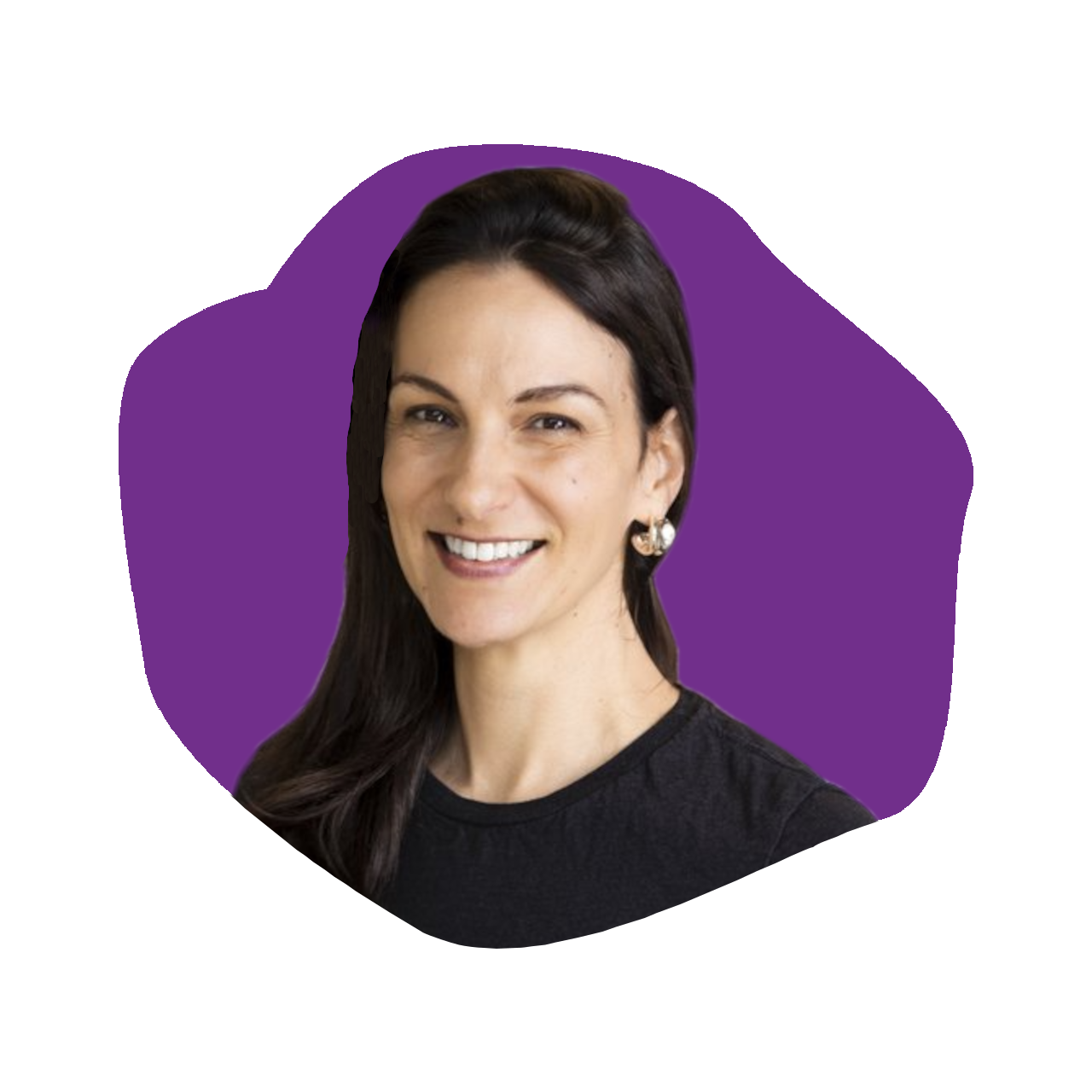
Brian Keller: Co-Founder & CEO of Rorra
Episode 843

What happens when a personal health issue exposes a much bigger problem?
On today’s episode, we welcome Brian Keller, CEO and Co-Founder of Rorra — a brand rethinking how we access clean water. After struggling to find answers for his daughter’s severe eczema, Brian discovered the role contaminated water was playing — and it changed everything.
That moment led to Rorra — a company focused on high-performance, easy-to-use water filtration that removes PFAS, lead, microplastics, and more, without the need for plumbing. In a category that hasn’t evolved in decades, Rorra is bringing transparency, better technology, and a mission-first approach to protecting families.
In this episode, Brian shares the story behind Rorra, what’s broken in the filtration industry, and why water should be viewed as a foundational pillar of health.
If you’re interested in building a purpose-driven brand or challenging a legacy category — this episode is for you. Tune in now on The Kara Goldin Show.
Resources from
this episode:
Enjoying this episode of #TheKaraGoldinShow? Let Kara know by clicking on the links below and sending her a quick shout-out on social!
Follow Kara on LinkedIn – Instagram – X – Facebook – TikTok – YouTube – Threads
Have a question for Kara about one of our episodes? Reach out to Kara directly at [email protected]
To learn more about Brian Keller and Rorra:
https://www.rorra.com/
https://www.instagram.com/rorra/
https://www.linkedin.com/company/rorra/
https://www.linkedin.com/in/briandavid7/
https://www.instagram.com/briandkeller7/
Transcript
Kara Goldin 0:00
I am unwilling to give up that I will start over from scratch as many times as it takes to get where I want to be. I want to be. You just want to make sure you will get knocked down, but just make sure you don’t get knocked out, knocked out. So your only choice should be go focus on what you can control, control, control. Hi everyone, and welcome to the Kara Goldin show. So join me each week for inspiring conversations with some of the world’s greatest leaders. We’ll talk with founders, entrepreneurs, CEOs, and really some of the most interesting people of our time. Can’t wait to get started. Let’s go, let’s go. Hi everyone, welcome back to the Kara Goldin show. Today, I’m joined by Brian Keller, who is the co-founder and CEO of an incredible brand called Rorra, and it’s a brand on a mission to completely rethink how we think about water health and what’s actually coming out of our taps, so Brian’s journey started in a deeply personal way. After struggling to find answers for his daughter’s severe eczema, he discovered something most of us never questioned, the water in our homes. So I cannot wait to hear more about how a problem that he saw for somebody that he cared about, how that turned into a company, and what I love also about Brian’s story is how he’s taken a mission-driven business, challenging an entire category that frankly has been somewhat stagnant for decades, and bringing transparency and innovation and trust back into water filtration. So, without further ado, Brian, welcome to the show. Very, very excited to meet you, and to hear more about what you’re doing with Rorra.
Brian Keller 1:57
Thanks so much. It’s great to be here.
Kara Goldin 1:58
Absolutely. So, for listeners who may not know about Rorra yet, or have maybe heard about it, but don’t really understand the brand, how would you describe
Brian Keller 2:10
it? I would say Roar is like the Dyson of water filtration. We’re creating premium water filtration products to help people live healthier lives.
Kara Goldin 2:20
I love it, and you developed, I guess, the company started in 2024 Can you take us through the story? I touched on it a bit, but how did this all get started?
Brian Keller 2:33
Yeah, you know, my co-founder and I have been working together for the better part of the last decade, and we had previously run a company together, and after selling that at the tail end of 2021 we were both working for the parent company in different facets, and I had a daughter, she had really bad eczema. We were trying to figure out what the issue is, and as a father, when your daughter’s going through something like that and you have no solution for it, it’s definitely a pretty frustrating experience, you know. So we took her to the doctor. They said, “Make sure you bathe her every single day. Here’s, you know, a bunch of steroid cream you can put on it. And I didn’t really want to put steering cream on my daughter every day. There’s a lot of different aspects that might be harmful to the body with that. And so we were trying a lot of different things, but it always seemed like the more we bathed it, the worse it got, and so I finally got a filtered shower head, and within a couple of days of bathing within that water, her skin was perfectly clear. And so I was like, okay, if this is affecting your skin this much, what about the water that we’re, you know, mixing with her formulas? That’s the only thing she’s consuming. And so started looking online for a good water filter, and just couldn’t really find anything that met my expectations, and it seemed like one plastic product after the next, and there was a lot of big marketing claims being made without a lot of data or science to back them up, and so I was talking about this with my now co-founder, and we kind of realized that there was a pretty big white space and opportunity for somebody to build something new in the water filtration category that really focused on using the best materials possible, developing better filtration technology, and just a really beautiful and clean, easy to use product. And so we started working with an engineering design firm out in New York. My co-founder got on the on the phone with the 40 best filter manufacturers all over the world, and we spent about three years engineering, designing, refining, and testing until we had built the product that we wanted for our own families on our own countertops, and then launched in November of 2024 and have been continuing to to grow and scale from there.
Kara Goldin 4:39
I’ve heard you say that most people don’t realize what’s actually in their water. I agree, and I’ve seen founding and running hint for years. We had plants all over the place, and we had to deal with state rights in order to bottle product and make sure that we were removing. All kinds of things in order to add real fruit to the product, and so I’ve seen it, I’ve been preaching it for for years, but when you actually look at what’s in the home, I think so many people just believe that it is, you know, it’s got to be safe, otherwise it wouldn’t be running through my home, but what would you say to that?
Brian Keller 5:21
Yeah, you know, when you look at when the tap water infrastructure was laid, right, as they were building across the United States, Chicago, for example, when they were building that city, it was mandatory to use lead pipes because that was the most durable material that they had, and so as you continue to build across the United States, you know, there’s still 9.2 million miles of lead service lines throughout the United States. We lose 6 billion gallons of treated water every single day due to water main breaks. You know, only about 10% of all water treatment plants use any form of modern filtration, and so, as you know, our water continues to get worse with all of the agricultural runoff, different companies and products and things that are contributing to the contamination of our water sources. We have to continually add more chlorine and chloramine into the water in order to get the different bacteria, viruses, and things like that out, and so with that also comes a lot of disinfectant byproducts that come from that, and you know those can have a large impact on our overall overall health in different ways, from you know, from immune disruption to you know hormone imbalances and a lot of different behavioral behavioral things, as well as overall health and longevity with our internal organs, and so you know, from just something as small as the inspiration that started with, you know, with my daughter, you know, really kind of digging into it and realizing how all these different contaminants can affect our health, it really led us to try to, you know, figure out how we can get the major key ones, which from our perspective, lead forever chemicals, microplastics really have large detrimental effects on our overall health, and we really wanted to build something that people could use that was simple and easy, that would give them peace of mind, knowing that we could get all those different contaminants out of their water,
Kara Goldin 7:21
so legacy brands have been doing this for years. They’re still on the market. People say, “Oh, yeah, I have a filter on my shower or my tap, but what are they getting wrong when it comes to not only the products but also the messaging that’s out there? What did you feel like was just not being focused on,
Brian Keller 7:43
I think that a lot of times different different products will sacrifice in one where area or another, whether that’s performance or whether that’s the usability and overall look and design of the product, and we really wanted to build something from scratch, from the ground up that looked completely different from other products in the market really fit well within the user’s everyday life, and also from a drinking water perspective retained those healthy minerals in the water, and so they were able to get out the lead microplastics, Forever Chemicals, and over 50 other different contaminants were able to retain those beneficial minerals like calcium, sodium, magnesium, potassium, that are really essential for our overall health. Where we really focused on was a the filtration technology and bringing something in that’s different, but also building something that was super easy and functional, and that you didn’t have to bring in a plumber, or it didn’t take a really long time to set up in order to get extremely great high-quality filtered water. The
Kara Goldin 8:52
first product that you started with, can you talk about that? And I know you’ve got the Infinity filter on it, if you want to speak to that as well, a little bit.
Brian Keller 9:03
Yeah, our initial product was the countertop system, so it’s two and a half gallon stainless steel water filtration system. You just put it right on your counter, put water into the top, let it do the work, it’ll filter a gallon of water in about 20 minutes, and inside of it is an electrokinetic nanofiber filter, which effectively it has a positive static charge, so there’s a couple different things, but effectively the pore size on it is extremely small, so its pore size is one micron. Typically, other filters can range from like three to five microns in terms of size, but then we have two layers of material, so we’re able to get contaminants out that are sub micron, and then any contaminants that are even smaller than that. As contaminants get smaller and smaller, their density of electrons is larger, and so they are more attracted to stay under the side of the filter, and the way that we’re able to have. Such a small pore size with still the flow rate that we get through through the filter is because of the pleated design of that as well, and we bind it all with wooden cellulose instead of melted plastic, so a lot of the different carbon block filters on the market, the way that you’re able to hold a carbon block together is with the fuse it together with melted plastic, and so we really wanted to make sure that, as you know, we’re trying to get microplastics out of the water, we’re not also shedding them back in throughout the filtration process.
Kara Goldin 10:33
Yeah, definitely. And it’s such a great system. I mean, it’s, it’s incredible. You launched in 2024 and scaled incredibly quickly. I read in eight figures. What do you think drove that kind of early traction? I know you’ve also gotten huge attention from voices like Dr. Andrew Huberman and others, but what exactly drove that traction so early for you.
Brian Keller 11:03
Yeah, I think there’s a really large emphasis we put on bringing awareness to the overall problem, and so we spent a lot of time on the user experience and design on our website to allow people to just to find out what’s in their water, but really go a step deeper and show them how all those different contaminants could be affecting their overall health, and so we started that very early on, really just raising overall awareness and getting those people into the email cycle, because it’s a hard, it’s a hard problem to for someone to digest who may not be aware that their tap waters is contaminated to go all the way from, you know, okay, my tap water is contaminated to, you know, why is it contaminated? How is this legal? What should I be doing about it? Why does this product solve that? What are the benefits of this like to really go in that full scope can take time, and people typically will do more, you know, research and things like that before they’re ready to make a buying decision, and so we really wanted to start that cycle early, and then over a period of time, you know, throughout different emails, over a couple weeks, really introduce the problem and solution to them in a way that is digestible, and so we built up a really strong email list and initial following, just using some of those kind of find out what’s in your water, different type advertisements, and then the day we launched, we had a significant amount of sales and volume that we were able to then take and keep extending that momentum from there,
Kara Goldin 12:42
I love it, because you’re dealing with the topic that is obviously health and of interest to so many, but it’s also one where people have the option to kind of turn it off, right, and especially, you know, oh, I don’t know, my water’s safe enough, and, and my, my kids don’t have eczema, or whatever, like, it’s, it’s a problem, but it’s not today’s problem, kind of, but you, you all have done it in a way that is educational, that is simple, that is not, it’s not a burden, I guess, so you’ve done a great job in getting that message out there, and across, you are serial entrepreneur. So, as you mentioned, you had been in the other company. What was that other company? Was it in this space, or anything close to this, or what was.. what were you doing before this?
Brian Keller 13:37
Yeah, it was quite different. It was a company called Love Your Melon, we sold beanies in apparel, giving 50% of our profits to help children battling cancer, as well as a hat to every child battling cancer in America. So it was, I mean, a very different business model, but we ran, bootstrap that, scaled that for 10 years, and ultimately sold it, and at the tail end of 2021 but I think you know it’s a very different business, but ultimately in business you’re trying to solve problems in the most efficient way, and I think we learned a lot of different, yeah, a lot of different aspects within that that were carried forward, whether that’s on the marketing side of the product development or how to build great, you know, vendor relationships, and you know, really bring a lot of authenticity, you know, throughout the entire business, and so it definitely gave us a leg up when, you know, when starting this, because we had a very solid model for how we wanted to run the business, and you know, my co-founders are really mastered everything from the physical goods side, myself, I’m much more focused on the digital side and revenue generation side, and so we have very complimentary skill sets that lended itself very well to to this business, and you know, are continuing to to help us today, you know, that’s the different contractors we were able to bring it initially. Laid to help scale up our creative and our engineering and manufacturing and things like that, but you know, having 10 years of running a business, there’s so much of different problems you solve that you can take into to feature problems.
Kara Goldin 15:14
Yeah, definitely. What have you learned about building trust with consumers, and whether it was in your previous company, as you said, you often take some of those learnings and bring it in. I mean, it’s a very different company. There’s science behind it that you’re talking about versus with the apparel company, you have to put it into messaging that is, as we just said simple, you guys are doing that, but what have you learned about this consumer, and, and your journey to build trust with them?
Brian Keller 15:51
Yeah, you know, I think it was one of the things that initially frustrated us with this industry that we wanted to bring a lot more into, and that, you know, started with our own education, you know, as we had two to three years where we were spent building this product, we would take, you know, week by week and focus on one different contaminant and look at every, all the history of that contaminant, the molecular makeup of it, how, you know, what different technologies could strip that out of the water, what was the impact to the overall health is this contaminant getting worse in the environment where geographically is it, and so we really spent a lot of time educating ourselves, so that you know, yes, we didn’t have the experience in this particular industry, but we were able to spend a lot of time rigorously focused on, you know, self-educating, and then also having conversations and finding different advisors that could really teach us at a much more rapid pace, and so, you know, one of our advisors used to run the water filtration testing at the NSF for 25 years, we brought on different, you know, different advisors. We like to say we stand on the shoulders of giants, but in the different areas that, you know, we, that we knew we had blind spots. I think we did a really good job of bringing those people around us to that we could ask questions to, as we were, you know, learning and applying that knowledge to what we were building. But then also from the consumer side, we really wanted to put all that information as transparently as we could out there. So, on our website, you can go look at the test results, you can see all the raw data reports. We publish everything you know to the consumer. We don’t say that we can do anything that we can’t. We show, you know the contaminant reduction as an average over the duration of the filter, instead of saying we can do up to this or up to that, or different kind of like marketing hacks that you can use to make your product sound like it performs better than it does, you know, we just wanted to be as transparent as we possibly could, as that’s what we wished we had found when we were looking for it, and so I think trust begins with transparency and authenticity is the nature by which you convey that, and so you know instead of just working with anyone in the space when we create content or do different partnerships, you know, we’re looking for people that have real credibility, that have done their own research, have a background in science that people can also trust. I think we’ve done a pretty good, pretty good job with that thus far, working with different professional athletes, doctors, scientists that truly have you know, gotten the product on their own accord, and fully use it every day in their daily lives, so that as they’re talking about the product as well, you know, that comes through in a very authentic way.
Kara Goldin 18:52
Definitely, once you get into a household, I think that the goal is always to get into the rest of their lives, and also consumers, as long as they’re delighted with you, then they’re going to want more things in their lives from you as well, because you’ve developed this trust. So, what would you say is kind of the thing that you hear most from consumers once they’ve actually bought the original system, then what are you hearing that consumers want to see you do and help them with?
Brian Keller 19:31
Yeah, you know, I think initially we always hear that the taste is is so much better in the water, and it also depends on where you are. I always find it interesting, like people from New York City who have drank New York City tap water their entire lives are like, oh, wow, like this tastes so much different because it’s filtering out a lot of those different contaminants that can affect that, but I think people really love the taste and the ease of use and how simple it is, and that they don’t. Another, you know, screen with a lot of numbers and so many different options and things to select just to get what they actually want, but I think from, you know, what products are they looking for next? I think I think they’re looking for something that they can put in their fridge, or something that they can take with them on the go, or something that can handle a higher capacity when we’re looking at like different commercial spaces or things like that, and so there’s a whole different suite of products that we have in the pipeline that we’re currently working on, one of which it’ll be coming out later this summer, another that will be coming out towards the end of the year, but we’re really continuing to try to build out a suite of products, so that people have the option they’re looking for in wherever they’re using water in their lives.
Kara Goldin 20:48
And how often do you have to change components to the product? It probably depends a little bit, but on where they’re where they’re at. But what would you say is sort of once somebody buys into the system that you currently have, then what happens?
Brian Keller 21:04
Yeah, so their filter will be changed about every 90 days, so majority of our customers opt into the filter subscription that just makes it easy. Then those filters are set up to auto ship, but we actually have a performance indicator system built into it, and so it’s tracking exactly how much water goes through the filter using weight-based sensors, and so you know there’ll be an orange light that’ll come on when they’re dispensing the water once they hit 175 gallons used, and then at 190 gallons that light goes red, so they know they’ve got just a couple days left before they need to change out the filter, but then they get a new, you know, new filter in the mail. They can just pop out the canister, pop that one out, pop the other one in, twist it in, slide it back down within the system. But that filter has a nice stainless steel housing on it, so that you’re not, you know, you don’t have to reach and actually grab the filter itself or anything like that, but slide it back in, and and you’re ready to go. So try to make it super simple for people, and then when they, when they do that, they reset their their filter life by pressing the button on the on the countertop system, and they’re good to go for another 200 gallons.
Kara Goldin 22:17
How do you see the water filtration space evolving over the next few years. I feel like, you know, as consumers, we’re hearing more and more about what is in the water, and you know, different cancers, different different things coming up that are just really, really strange, and, and so, what do you see that the water filtration space might be able to solve, you know, just as an industry overall.
Brian Keller 22:47
I really think the water filtration industry will start to fall more back on the consumer to make a decision for their own protection. I think the problem as a whole, they’ve estimated will cost over a trillion dollars to fix the crumbling infrastructure over the next 25 years, if they can get the funding, but the way that the infrastructure is laid underneath all of these cities, it’s not like you can just dig up all these pipes and easily replace them, or easily identify where there may be a problem, and so I think more and more the problem is not getting any better, it’s getting worse, and, and so I think it’s going to be more and more in the, in the hands of the consumer to, you know, make their own decision on what, what product or solution they are going to implement to define a solution, and you know we hope to be the trust source of information for people, whether they just have questions or whether they’re looking for a solution for that for their, their drinking or bathing water.
Kara Goldin 23:51
Definitely. So, I forgot to ask you, How did you come up with the name Rorra?
Brian Keller 23:58
Yeah, so my daughter that had eczema, her name is Aurora, and so you know we always call her Rora, and for a nickname, and our other co-founder, his son’s name is Roman, and they always called him Ro, and his son also had eczema issues, and they changed their, their water as well, and that was the solution, and so kind of the combination of both of their names led to the overall name. We really wanted to give it a personality, per se, and so that you know, similar to Apple or Dyson, when you’re looking for a solution for, you know, cleaning, you don’t say go get the Uniball, you know, XYZ, whatever the Dyson product is, you just say go get a Dyson, and so, or like Apple is also synonymous with that, and so we wanted to build something that had a bit of a persona and a personality behind it, and because it’s easier to build. Trust with with a company like that, and so that’s where we came up with the name for the idea for the name, as well as, you know, the domain was available, and we knew we could create something there with something truly unique, but also have it short and memorable.
Kara Goldin 25:17
I love it. Well, Brian, thank you so much for coming on and sharing the story about launching and also growing, Rorra, you’re doing such great work, and I love everything about, you know, the initial problem solving it, and and figuring out how categories can be changed, and you’re forcing an industry to catch up and give consumers health and information that, frankly, they should have had before ROAR came along. But I love that you’re that you’re here, and you’re doing such a nice job building you and your co-founder, for sure. So, Brian Keller, co-founder and CEO of Rorra, thank you again, and thanks everyone for listening.
Brian Keller 26:02
Thanks so much.
Kara Goldin 26:03
Thanks again for listening to the Kara Goldin show. If you would please give us a review and feel free to share this podcast with others who would benefit, and of course feel free to subscribe, so you don’t miss a single episode of our podcast. Just a reminder that I can be found on all platforms at Kara Goldin. I would love to hear from you too. So feel free to DM me, and if you want to hear more about my journey, I hope you will have a listen or pick up a copy of my Wall Street Journal bestselling book, Undaunted, where I share more about my journey, including founding and building hint, we are here every Monday, Wednesday, and Friday. Thanks for listening, and goodbye for now.