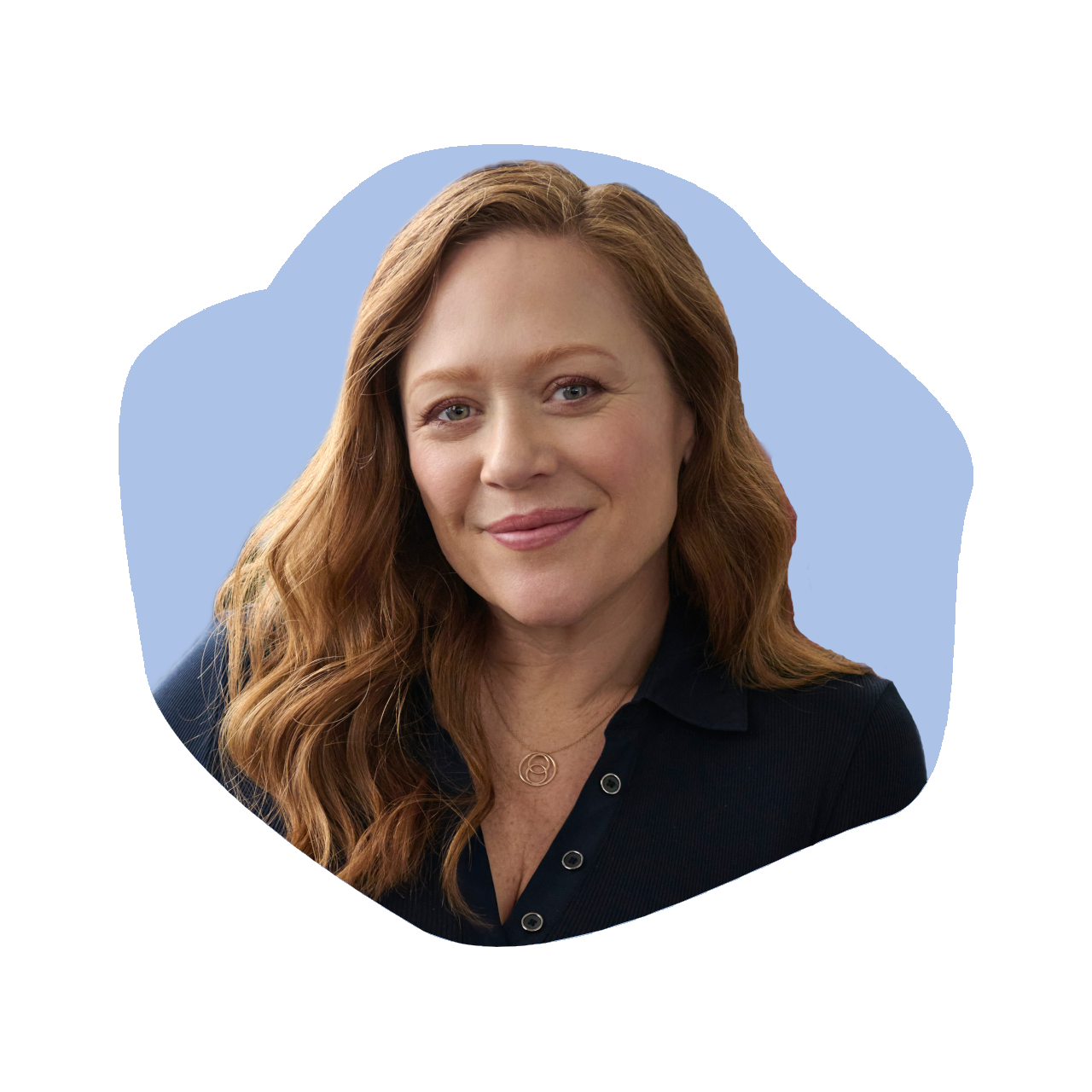
Shibani Baluja: Founder & CEO of Lil’ Gourmets
Episode 849

What if baby food actually prioritized vegetables first?
On today’s episode, we welcome Shibani Baluja, Founder and CEO of Lil' Gourmets — a company rethinking how we feed the next generation. After more than a decade at Kraft Foods, Shibani walked away to build what she couldn’t find: fresh, veggie-first meals designed to support early nutrition and lifelong healthy habits.
Now available nationwide in Whole Foods Market, Walmart, and more, Lil’ Gourmets is bringing globally inspired, organic meals to busy parents looking for better options.
In this episode, Shibani shares her journey from corporate to founder, the research behind introducing veggies early, and what it takes to scale in grocery.
If you’re building, scaling, or challenging a legacy category — this one’s for you. Tune in now on The Kara Goldin Show.
Resources from
this episode:
Enjoying this episode of #TheKaraGoldinShow? Let Kara know by clicking on the links below and sending her a quick shout-out on social!
Follow Kara on LinkedIn – Instagram – X – Facebook – TikTok – YouTube – Threads
Have a question for Kara about one of our episodes? Reach out to Kara directly at [email protected]
To learn more about Shibani Baluja and Lil’ Gourmets:
https://lilgourmets.com/
https://www.instagram.com/lilgourmets/
https://www.tiktok.com/@lil_gourmets
https://www.facebook.com/lilgourmets
https://www.linkedin.com/in/shibani-baluja/
Transcript
Kara Goldin 0:00
I am unwilling to give up that I will start over from scratch as many times as it takes to get where I want to be. I want to be. You just want to make sure you will get knocked down, but just make sure you don’t get knocked out, knocked out. So your only choice should be go focus on what you can control, control, control. Hi everyone, and welcome to the Kara Goldin show. So join me each week for inspiring conversations with some of the world’s greatest leaders. We’ll talk with founders, entrepreneurs, CEOs, and really some of the most interesting people of our time. Can’t wait to get started. Let’s go, let’s go. Hi everyone, and welcome back to the Kara Goldin show. Today, I’m joined by Shibani Baluja, founder and CEO of Lil’ Gourmets, the first fresh veggie first baby food brand bringing globally inspired meals to the refrigerated aisle at Whole Foods Market, Walmart, and beyond, and Shibani’s journey is such a powerful one. She spent over a decade climbing the ranks at incredible large brands like Kraft Foods, only to decide it’s time, I need to go and become an entrepreneur, and at the same time she was navigating growing her family, all of the things that she thought she wanted to accomplish sound familiar. When she finally became a mom, she made a bold move to go ahead and become that entrepreneur that maybe she was thinking about before that, what I love about Shibani’s story is how she’s combining her personal experience, research, her own journey prior to launching Lil’ Gourmets, and now has an incredible company that she is not only the founder of but also navigating and scaling, so very excited to have this conversation. So, Shibani, welcome. So nice to finally meet you.
Shibani Baluja 2:08
Yes, Kara, thank you so much. It’s so nice to meet you, and I’m really excited to chat,
Kara Goldin 2:13
very, very excited. So, for listeners who may not be familiar with the Lil Gourmet brand yet, how do you describe the brand, and what makes it different?
Shibani Baluja 2:25
Yeah, so at Lil’ Gourmets, we’re all about getting kids to eat more veggies and flavors from around the world, sort of based on the research that shows a high correlation between our early foods and our future eating habits. So, if we know we can introduce babies and toddlers to foods like ours early on, we can really help inspire them into healthy and adventurous eaters, squash, picky eating, and just make mealtime more joyful and nutritious.
Kara Goldin 2:55
So you spent over a decade at a very large company at Kraft Foods, and when, as you were there, you know, I think it’s always an interesting journey for anybody who’s spent time at large companies, because they think, oh, I can just go be a founder. I’m sure you’ve had moments where you’re like, what am I doing, but then you’ve also had moments where you’re recognizing how different it was to actually go outside of a large company to go and launch your own brand, the buck stops with you, all of those things that I know very, very well. But what did you learn, I guess, in those early days of launching Lil’ Gourmets that maybe you weren’t as prepared for.
Shibani Baluja 3:46
Yeah, so I spent most of my time at Kraft in mergers and acquisitions, so 10 of my 11 years were in the strategy role, and I found it kind of at this point to be a little comical that I used to tell operators how they could better operate their business, you know, based on strategy and theory, and and then I saw, well, strategy and theory only gets you so far, right? The execution things don’t always work out the way you think they are, the way they think they should on paper, and so that has been really eye opening to see just how much harder it is to grow a brand than I think I realized during my days at Kraft. I’m so curious.
Kara Goldin 4:30
So you probably saw a lot of deals go through Kraft and helped analyze a lot of those deals. What would you say is kind of the big things that you is there different points of a brand where you finally decide, okay, yeah, maybe it, whether it’s for craft or anybody else. What would you say based on what you saw? I mean, they, they want to bring brands in, they want to bring only if they get to a certain size. Is what kind of growth, what kind of profitability, all those things? If you had to like boil it down,
Shibani Baluja 5:06
yeah, yeah. So, I think the key thing is is synergies, and can we grow this brand better than someone else or independently, right? So, does it fit into the portfolio, does it fit into our core competencies, and can we bring value to it that others can’t, because that’s what would allow us to bid higher for it, and actually win in an auction. In terms of profitability, we would always, at that point, want to see at least a gross margin of 40 as a base, so that we could take it to 50 or 60 with those synergies and really see that the brand could travel to the categories that we wanted it to travel to, so I’d say at Craft we learned, like so many, I think big food companies have have learned over the last 1020 years that if a company or a brand was too small, it really often got lost in a behemoth like Kraft was, and so we really did look at, we stopped looking at deals under 100 million or so in revenue, unless they really just could slide right into an existing portfolio, so in our earlier days we were bringing in smaller brands, we brought in Back to Nature when it was just a few million dollars, but really found that it wasn’t aligned with crafts competencies to grow a brand that small, and it just kind of got brands like that got lost in the shuffle, and we ended up divesting a bunch. I actually, what, when I was there, I divested a number of brands that we had acquired five to 10 years earlier, and just saw that we were not good stewards of those brands. So, I learned a lot about what not to do with a small brand during my time at Kraft.
Kara Goldin 6:59
So, so interesting. So, getting back to Lil’ Gourmets, you were looking at starting your own family and went through a whole fertility journey that so many families go through. How did that experience shape your perspective on food and health?
Shibani Baluja 7:19
Yeah, so it’s really interesting, because I actually never wanted to be an entrepreneur. I’m the daughter of immigrant entrepreneurs, and I saw how hard it was, and my family was always like, ‘just don’t do it, it’s so hard, it’s so hard on family too, right? But my infertility experience.. so it went on for about five years to have my son. it was unexplained, and so I turned to an acupuncturist who had me start looking at what I was putting into my body, and at that time I ate a lot of processed foods. I mean, I worked at Kraft, right? I ate a lot of like fat-free, low-fat versions, or you know, our 90s definition of healthy, and so when I cut all that out of my diet, I cut out all processed foods. I really just felt so much better. I felt similar to you, right? I just.. I felt healthier, and I just like my.. I didn’t have those same kind of issues, and that I’d had for years with just being reliant on processed food, and so when I eventually had my son, you know, I credit him to a number of things, you know, of course, doctors and my acupunctures, but also I think my diet, and so the first time I went to feed him packaged baby food, I was really struck by the irony, because because packaged baby food is one of the most kind of over-processed foods in the grocery store, and so this was my son was born in 2013 so at that point there was there was no fresh baby food, and so when I opened that first jar of it was just organic carrots, the irony hit me, and you know, during those, those years of just struggling to become a mom, I really promised myself that if I was ever lucky enough to become a mom, I would just, I would always do my, my best. And say, open that jar, it, something inside me clicked, like, no, this is, this is not doing your best. And so I, I ended up, you know, putting the jar down and started the next struggle of motherhood, which was, as a work, you know, as someone who’s, who’s working long hours and commuting, and just like so many of us, right, How am I going to get this kid fed in time with food I felt good about, and there was, I couldn’t find anything in the grocery store to help me, and so I just started cooking all his meals and focused on introducing him to a variety of veggies and always used spices just because that’s just how I cooked and and I really saw that impact as he became a toddler, he loved veggies, he loved really diverse flavors, and he was so open to food and that’s. Really kind of what led me down that path, because I started to, I got curious to say, why is this kid so into like really adventurous flavors, and started doing more medical research, and that’s when I discovered that emerging infant nutrition research was proving a high correlation between our early foods and our future eating habits, and so what I was seeing with my son is exactly what I should expect to see. And then I’d say I put my craft hat on and really started studying the industry and seeing, wow, this one we could do so much better, and two, there’s such a white space, and three, as I talked to other parents, and did surveys, saw that they too were looking for things like I was more veggies, fresher options, just food they felt good about feeding their kids, and so it still took me a couple years from there. The idea just kept nagging at me, and I was like, “No, I don’t, I don’t want, I don’t want to be an entrepreneur, but I couldn’t get it out of my head, and so I eventually left Kraft to start it.
Kara Goldin 11:05
So one of the key things that I’ve heard you speak about, about Lil’ Gourmets, is the veggie first concept. Can you speak to that a little bit?
Shibani Baluja 11:17
Yeah, yeah, I think what we know now, we have a pediatric advisor who leads culinary medicine for the AAP, and what the latest science is, is absolutely veggies should be our kids’ first foods. They should be repeated often. We, as a society, our kids need to eat more veggies. We’re seeing 80 to 90% of kids have their only vegetable consumption be like french fries or white potatoes, and it’s, it’s, you know, it’s leading to things like obesity and diet-related disease, and so we know that the early exposure to veggies is what gets kids to first learn to like and then learn to love veggies and, and so that’s what we’re trying to do. We’re trying to encourage this very early exposure to veggies, and I’d say it was, it was the white space, because when I was walking the aisles and studying the baby food industry 10 years ago, 90 to 95% of of products started with a fruit and it was generally an apple or a banana or a pear, and so kids weren’t getting any sort of diversity in nutrients or in flavor, and I think that was helping lead them to become these picky eaters that were more reliant on processed foods, so it’s almost like, how do we break the cycle, this we break the cycle by introducing veggies, and it’s harder, and so we’re trying to make it easier for parents, like veggies. Veggies are hard, right? It’s a to roast a sweet potato or butternut squash or beets, like we do. You know, it’s it’s hours of time, and it’s just time we don’t have. And so that’s when I looked at the market, I said I wanted more veggies. The parents I talked to want more veggies, and veggies are really hard to have enough time to make them properly make them right. So that’s where I wanted to make, make that easier for parents.
Kara Goldin 13:15
So when you launched after getting the courage to leave your job and do this research, and you launch little gourbays. How many skews did you launch with, and what were the flavors that you launched with?
Shibani Baluja 13:35
So, we launched with three three skews. They’re still around today, different names now. We had a cinnamon beets and apples, although I think when we first launched we called it ginger ginger beets and apples, which had kind of two polar things in the name. We had a Moroccan squash, which is still around, but called butternut squash and carrots today. And then we had a sweet potato curry, which is still around with a new name on Indian-inspired sweet potato and spinach, so those three original SKUs have gone through a lot of graphics changes, but they’re essentially the same as they were when we launched. In terms of the product, the package has changed a lot,
Kara Goldin 14:17
so you and I were chatting before we hit record about a big change and big decision that you made after you launched, and after you were seeing some traction, you made a decision. Can you speak about that?
Shibani Baluja 14:33
Yeah, so when I launched the brand, we launched in Little Cops to really encourage spoon feeding, so we had, I’d say, four principles behind each of the brands. One was the focus on veggies, the other was the focus on flavor, the third was freshness. And then we, we were trying to encourage spoon feeding in a cup, but as a retail-focused brand, there were a couple things: one, we really struggled on shelf, we wanted to. Merchandise front facing, and have you know, like a good amount of shelf space to stop the parent, but really we were getting stacked high, so we had less than an inch of real estate, and because we were refrigerated and there weren’t coolers in the baby aisle, at this point we were in the dairy, and so we really struggled with consumers knowing what we were, they thought we were a hummus or a dip. The other struggle was parents were really moving towards pouches, you know, it’s more convenient, was easier on the go, and so they weren’t, they were looking for our help more so on the go than in home, but we, our packaging was was really messy for on the go, so it wasn’t meeting them where they, where they needed help most, and so I had to kind of really think about how important the cup was to me. I really am a believer that early on kids should be spoon fed, because that it helps with hand eye coordination, it helps with satiety cues and really just tasting the flavors, but I had to just think about it and say, you know what, no parent was probably just handing this cup to their baby and putting it on a high chair, because you would have just, the baby would have just swiped it right off that high chair, and so they already were transferring it into like a suction bowl or wanting to reseal it, so it actually, I, I had to like take a step back and think about how was the consumer using this, and was I really stopping them from spoon feeding by being in a pouch, and the answer was no, because I would see parents, you know, taking the pouch and kind of just squeezing it onto a spoon, so made me really think about like negotiables and non-negotiables, and like the cup was actually something that I was just trying to impose because of where the market was when I was the mom of young ones, but it had evolved and I needed to evolve to meet the consumer and the consumer needs, so we spent about five six years in our cups, and we went through four different package designs until I finally realized, oh, it’s not the design of the cup, it is the cup itself, and either I have to pivot to where the market was going, or I have to shut down, because this was just, it just was not working, and it wasn’t, it wasn’t what our consumer was telling us they wanted, so it was a big learning for me, truthfully, to put my own like kind of blinders I feel like I had on with this cup versus pouch, like take them off and see what the market was and what parents really wanted.
Kara Goldin 17:36
That’s so interesting. Were grocery buyers sharing this or asking why you’re not, or where did that suggestion come from?
Shibani Baluja 17:46
I think I finally was able to get my hands on some data, and it was, it was actually another baby food brand who I was talking to regularly, and they said something about you’re building a really nice cup business, and I thought I’m building a nice cup business. Like, what does that mean, right? And so I got a hold of some data, and I saw the growth trajectory of pouches versus cups, the velocity of pouches versus cups, and just kind of dug into that data and realized I had, I had missed something, and, and I’m someone who studies data. I loved studying data at craft, but as an entrepreneur, I think I just didn’t have enough access or ask enough questions about that piece. So it was just kind of listening and and realizing that I was missing something here.
Kara Goldin 18:41
It’s so interesting. I remember when we were first launching Hint that I loved to have the sports closure on all of my bottles, and it was, but I also wanted to have a product that didn’t have sweeteners, didn’t have preservatives in it, and the preservative side of, you know, no preservatives was not negotiable for me, and so what I realized with the sport top was that we couldn’t seal it properly, and so, and you know, because there was just air coming through as compared to the flat closures, and anyway, and so we figured, well, two things happened. We were making ourselves crazy with this sport top, and I thought, okay, let’s just go try the other, but it was also.. it ended up saving us costs, and it was pennies, but pennies matter, right? When you’re actually trying to figure out. I’m curious, was there any cost difference in what you’re doing? Did it end up to be better?
Shibani Baluja 19:46
Yeah, it did. It well, it forced actually our minimums ended up going up because of the capital needed with pouch fillers and with the co-packers that were doing pow. Couches, so that actually our minimums went up, but then our cost came down a bit, so it really is, and it actually put us on a path to where we can get to the the margins that we we need to, which I think with the cup we had, so many pieces, we had we had the cup, we had a lid, we had a seal, we had a sleeve, there were just so many parts to it that it really has has helped overall, and then just the visibility on shelf, you know, of the real estate that we have now to actually sell, and we know, you know, when now the question isn’t what is it right now, it’s very clear we are, we are for for babies, and so it’s it’s what are the what are the benefits of it rather than what is it, so exactly it’s been a really great move for us. Yeah,
Kara Goldin 20:49
exactly. And I think it’s also, you know, it’s a question, no matter what category or industry you’re in, in the food or beverage industry, it’s like did you launch your company to become a packaging company. No, right? I mean, it’s like, but I mean, there are numerous stories, like my own stories, but I’ve heard it from so many different people, where you have to be brave enough to kind of and humble enough to be able to say, okay, wait a minute. What are we doing here? So I love that, that you did what you did, and then you relaunched, and, and took it out, and then you know the sky’s the limit now. What surprised you most about, I guess, becoming a founder after years in corporate, I would imagine that it was, you know, even though you weren’t necessarily dealing as a product manager within craft, the space was already negotiating for anybody that you, maybe any brands that you worked with that were coming in, that space was kind of negotiated in a planogram. Now you’re going out to, you know, say, “Hey, do you want some Lil’ Gourmets? And everybody’s, you know, like you’re not in the planogram, right? You’ve got to figure out how to get get space, and you don’t have budget like some of the large companies have, so all of those aspects when I talk to friends of mine who have not been dealing with a physical product or anything in the food and beverage, but what was your experience like?
Shibani Baluja 22:37
Yeah, think getting to start, even even getting to start, just the number of hurdles on the operational side you face from having to get your product package in its permanent package for shelf life testing, but you don’t have, you don’t have a package, you don’t have a sealer, you don’t know things like that, where you’re just like every day you’re just figuring things out, and you figure it out, and you’re like, okay, I got that. And then tomorrow brings another issue. I think one of the things in the grocery store that I, that surprises me is, you know, needing how much we need to do to kind of help stock the grocery store, right, having to send in the merchandisers or just the fee on the street. I think that is something that you’re still like, it’s it’s something, there’s so many things that a small brand has to help pay for, but they’re or figure out how to do, but you know it’s one or two people and a tiny budget, so CPG, I think I would say it’s, it’s so much harder than I really ever appreciated, and I think for us, you know, trying to create this category meant that some of the challenges we faced were who do we even talk to, who do we, who do we talk to to sell this in? Do we talk to a dairy buyer, do we talk to a produce buyer, do we talk to a baby buyer? What is the right placement? We spent so much time just thinking about where does our consumer shop, and I think it’s, it’s by retailer, right? Like, are they buying other things in that baby aisle? Then we want to be there, but if they’re not, then we probably want to be in the dairy, and so I think there’s just been so many challenges. I almost can’t, like, narrow it down to one, because it’s like year by year, right? It’s what was the challenge that year, and what was the challenger that day, but I do think that having to own so many of those decisions has been eye opening, and and it’s forced quick decision making, right? Like, we can’t dwell on every single thing, and so I think that it’s, it’s been such a development for me to become a founder and to really. I just have to figure out what really matters and what doesn’t, and I think early on I thought everything mattered, right, and so I spent way too much time making decisions, and as you get, as you get bigger, and they’re doing this longer, and I credit my, my marketer with really pushing this in me is what’s really going to move the needle, and let’s just focus on that, because we just don’t have the bandwidth or the resources to do all these small things. So, how do we just figure out what works? I don’t know if I actually question it, kind of without a team. No,
Kara Goldin 25:38
no, I think that’s, I think you did for sure. So, last question. So, Lil Gourmet is doing super, super well. You’re continuing to grow. What are you most excited for with the brand? I mean, as you kind of.. whether it’s.. it’s not really a next chapter, it’s like the next few pages, right? What, what do you look forward to? Is it a new distribution point? Is it, is it a new SKU? What, what is it that you’re most excited about?
Shibani Baluja 26:11
I mean, I really am.. I guess I’m.. it’s.. it’s probably the next couple, not the next couple pages, because my vision is really like I want to become this sticky brand that really helps elevate childhood nutrition, right? Like, we stop demonizing veggies or thinking veggies are so hard and realize, like, our kids can learn to love veggies, and we can make mealtime fun and easier, and we want to help that, right? So, I think getting that research out is something I’m so passionate about, because I think we can, if we can get kids early, we can really shape them for life, and that is the next couple of pages are probably, you know, really succeeding at our current distribution, getting into a few handful of other retailers that we have our site set on that really we know our consumers shopping at scaling the brand to be able to bring down price points while growing margin so that we can become more accessible to to more parents and that’s that’s kind of what I hope we can accomplish in the next few years and get to that goal, then, of looking across the grocery store and kids’ products and really elevating things with this focus on veggies and nutrient density and flavor.
Kara Goldin 27:36
Well, you guys have definitely done such a great job so far, and I cannot wait to see what’s what’s coming next. So, Shibani Beluja, founder and CEO of Lil’ Gourmets, thank you so much for coming on and sharing the journey. I’m so happy that you’re doing what you’re doing, and we’ll have all the info in the show notes, but for everyone listening, be sure to check out Lil’ Gourmets and follow what they’re doing all over social, and until next time on The Kara Goldin Show. Thank you again, Shibani. Really, really lovely to have you here. Thank you so much. It was so great to chat. Thanks again for listening to The Kara Goldin Show. If you would please give us a review, and feel free to share this podcast with others who would benefit, and of course, feel free to subscribe, so you don’t miss a single episode of our podcast. Just a reminder that I can be found on all platforms at Kara Goldin. I would love to hear from you too, so feel free to DM me, and if you want to hear more about my journey. I hope you will have a listen or pick up a copy of my Wall Street Journal bestselling book, Undaunted, where I share more about my journey, including founding and building hint. We are here every Monday, Wednesday, and Friday. Thanks for listening, and goodbye for now.