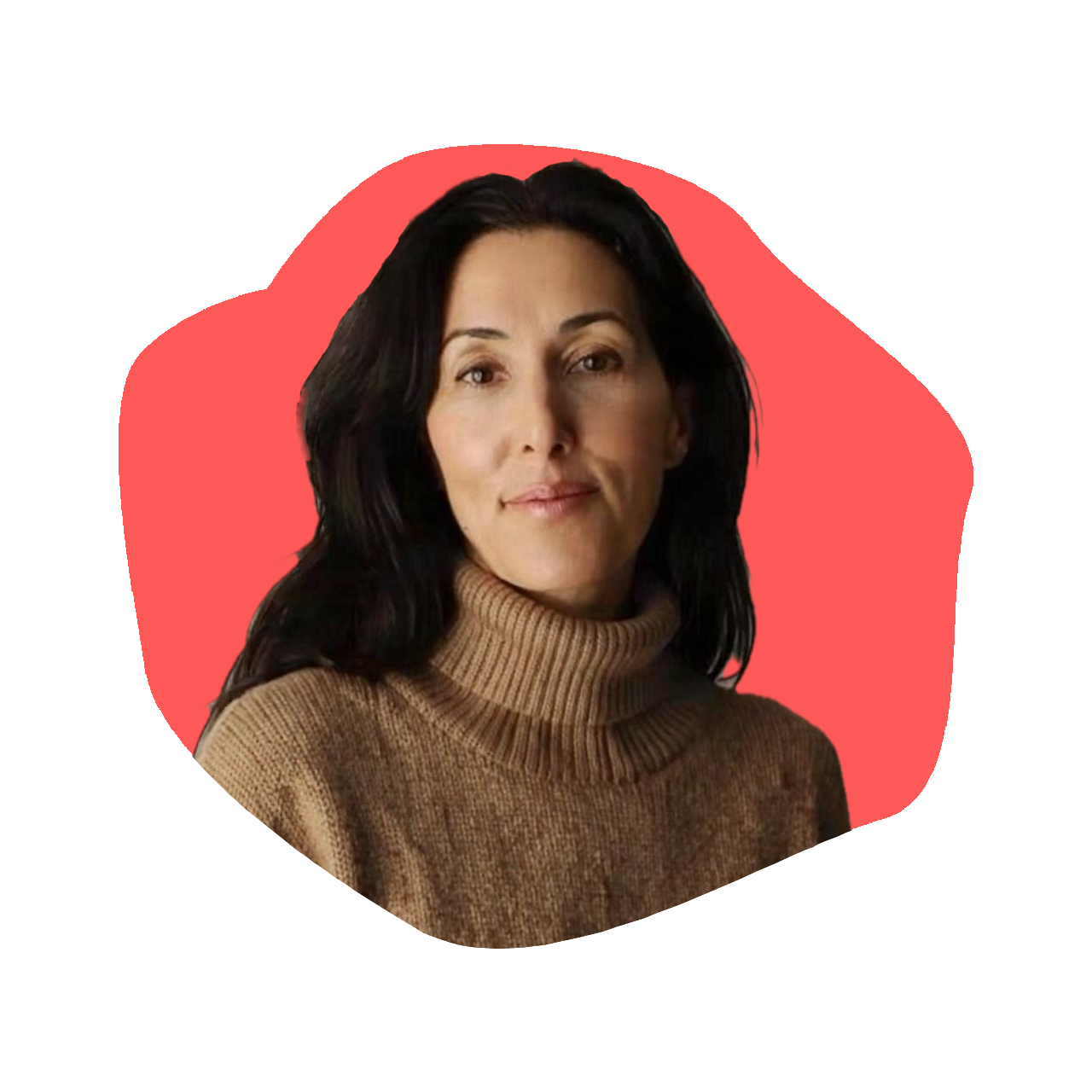
Neka Pasquale: Founder & Chief Product Officer of Urban Remedy
Episode 877
Building a food brand around the belief that food is healing — that’s the magic ✨
On The Kara Goldin Show, I sit down with Neka Pasquale, Founder and Chief Product Officer of Urban Remedy — a company on a mission to reimagine the food system and teach the world that food is healing.
We talk about how Neka’s background in acupuncture, Chinese medicine, nutrition, and lifestyle medicine led her to create Urban Remedy, and how wellness retreats with her patients helped spark the idea for the brand. We also get into what it takes to scale fresh, certified organic, non-GMO, gluten-free, dairy-free, and refined sugar free meals, snacks, juices, and shakes while staying true to quality and purpose.
Neka shares how Urban Remedy has grown into more than 400 Whole Foods Market locations and other major retailers, how she continues to innovate around what consumers want next, and why every ingredient in Urban Remedy products is chosen for its healing properties.
If you’re interested in learning what it takes to build a mission-driven food brand, scale fresh products without compromising standards, or create a company around a deeply held belief — check out the interview on my podcast. You can find it here or anywhere you listen to podcasts 🎧
Resources from
this episode:
Enjoying this episode of #TheKaraGoldinShow? Let Kara know by clicking on the links below and sending her a quick shout-out on social!
Follow Kara on LinkedIn – Instagram – X – Facebook – TikTok – YouTube – Threads
Have a question for Kara about one of our episodes? Reach out to Kara directly at [email protected]
To learn more about Neka Pasquale and Urban Remedy:
https://urbanremedy.com/
https://www.instagram.com/urbanremedy/
https://www.instagram.com/nekas_loves/
https://www.linkedin.com/in/neka-pasquale-lac-ms/
Transcript
Kara Goldin 0:00
I am unwilling to give up. That I will start over from scratch as many times as it takes to get where I want to be. I want to be. We just want to make sure you will get knocked down, but just make sure you don’t get knocked out. Knocked out. So your only choice should be go focus on what you can control. Control. Control. Hi everyone, and welcome to the Kara Goldin Show. Join me each week for inspiring conversations with some of the world’s greatest leaders. We’ll talk with founders, entrepreneurs, CEOs, and really some of the most interesting people of our time. Can’t wait to get started. Let’s go! Let’s go! Hi, everyone, and welcome back to the Kara Goldin Show. The food industry talks a lot about health, but every once in a while, someone builds a brand from a much deeper belief that food is not just fuel; it can actually be healing. And that’s Neka Pasquale. Long before clean, organic, anti-inflammatory eating became part of the mainstream conversation. Neka was working with patients through acupuncture, Chinese medicine, nutrition, and lifestyle changes, helping people heal and feel better from the inside. And in 2009, she founded an incredible company called Urban Remedy, which is such an amazing company, I’ve been so excited to watch it grow over the years, with a simple but powerful mission to reimagine the food system and teach the world that food really is healing. So today, Urban Remedy offers clean, convenient, freshly prepared meals, snacks, cold pressed juices, and shakes that are certified organic, non-GMO, gluten free, dairy free, and refined sugar free. The brand has grown significantly and is now a national brand as well, starting from its roots in the Bay Area, so I’m really looking forward to digging in and speaking with Neka today about building a brand that she has with a healing philosophy. So, so nice to meet you, Neka.
Neka Pasquale 2:15
Nice to meet you too. Thank you.
Kara Goldin 2:17
Absolutely. So, for listeners who are just discovering Urban Remedy. How do you describe the brand, and what makes it different from other wellness brands, prepared food brands? How do you describe it?
Neka Pasquale 2:31
I describe it as you know. Obviously, I think one of our biggest differentiators is we’re certified organic. So I love to start with that. We’re certified organic, and I feel like we make food that naturally lowers inflammation. So we make food that is minimally processed. We have fresh food, meaning we have salads with shorter shelf life. We have bowls and salads. We do all day parts, so we have breakfast, lunch, dinner, snacks, juices, shots. I craft everything, like I said, to naturally lower inflammation or have functional benefits, but really utilizing the simplicity of food’s innate healing power. So, in Chinese medicine, every ingredient has a taste and a temperature and a medicinal property, and so I try to make balanced and delicious offerings for people. Like if you have a cold, we’ve got you know a great shot called booster shot. We have like a great inflammatory reducing shot with like pineapple and turmeric and cayenne and ginger. So I really like to tune into the medicinal properties of foods, and then incorporate those into items so that you can eat food that really tastes good, but also makes you feel good. And what are the other parts of Urban Remedy that I love, especially now that there’s so much spraying of glyphosate in our forests and our water systems and and monocropping farms, I really love to educate people on like every time you choose organic and you’re supporting organic farms, organic companies, you’re really creating land where you know for sure that is not being sprayed. And so there’s so many benefits to supporting organic.
Kara Goldin 4:17
So you built Urban Remedy around this belief that food is healing. So, was anybody when you started? Did you feel like anyone was really doing this? I mean, that really covering what you thought, and I guess with authority.
Neka Pasquale 4:33
You know, I don’t think so. I mean, I had some mentors when I was in acupuncture school in my first few years having my practice that really kind of educated me on looking at the energetics of food, meaning like food that’s grown like in organic, mineral-rich soil is much more nutritious for you than food that’s grown in dead soil. And it’s interesting because that was before regenerative farming was really. Thing and now what we’re seeing with regenerative farming is really that. But no, there was no company that was at that point that was really use looking at food as healing. I mean, I think part of my interest in doing this was that I was really discovering my practice, like how many inflammatory, chronic inflammatory diseases were related to diet, and that’s when I was like, God! If most people just at least change their diet, that piece of the puzzle that they could regain their health. I mean, along with other things, but that that’s a really important piece of the puzzle.
Kara Goldin 5:32
So, did you ever think that you would be starting a company that not only have products, but then physical locations, and then products that were beyond drinks into food nationwide. Did you have this vision that this is what it would be from the start, or did you really feel like I want to solve a problem for my patients, consumers, and see where it goes.
Neka Pasquale 6:03
You know, I mean, initially it was just local. You know, here in Marin, and I was like, “Oh, I’m just going to do this kind of as a side thing. And then people just started loving it. And then I, somebody called me and wanted to make an investment at the perfect time, and so it all kind of fell into place. I would say that you know I started with a little store in Santa Fe, and that we grew out of that within six months, and that’s when I was like, “Oh my gosh! Like I thought we were going to be there forever, and so we’ve steadily grown, you know, over the last 13 years, and now we’re national. And I really never thought we would be, you know, like national and our own branded, you know, Whole Foods kiosks, like that to me was something that I never thought of. I really was just doing this for local people that I thought, you know, wanted to eat clean and healthy and wanted it to be easy and you know, just like this grab and go kind of clean organic food. I’d love to go back to those
Kara Goldin 7:00
early days of 2009, we have a a lot of entrepreneurs and also a ton of students too who are not yet entrepreneurs, but maybe aspiring entrepreneurs that look at your company today and think you must have had tons of experience, you must have known exactly how to get into Whole Foods or open a store. But I’d love to hear kind of those early days of 2000 when you launched in San Rafael. What did those early days actually look like?
Neka Pasquale 7:39
Yeah, no, I had really no experience. I mean, I always think that you know. I mean, I had experience running a business because I had my own acupuncture business, and I had worked, you know, since I was 16. So I had a kind of a business sense. But you know, when I when Urban Remedy started going gangbusters, you know, I was a CEO. I did procurement, and I had you know zero experience with any of that stuff. And so, you know, I the first few years I just made so many mistakes, and I just learned. But it was so fun and exciting because as I was learning, it was just really cool to see how things work and how to grow. And and then once you get into your rhythm, and you’ve made a bunch of mistakes, and then you kind of get on the right track. You know, it’s so fun. I don’t think anybody, no matter what you do, even you know, like with my Chinese medicine, I have my master’s in traditional Chinese medicine and acupuncture. But you know, when you start your own practice, no matter what it is or your own business, I don’t think you’re ever totally prepared unless you’ve worked in an industry before, right? You just don’t know, and there’s so many different facets of business, and you can’t be good at everything, right? And so, if you’re lucky enough that your business like takes on and grows and expands, it’s really good to surround yourself with other people that have experience or that are really good at what they do, because you just can’t be good at at everything.
Kara Goldin 9:03
I found too in the early days of launching Hint that I kept thinking I’ve got to get these experienced people in, and then they’re going to wave their wand and make it so much easier. And what I didn’t realize was that starting a company from ground zero is very different than coming from a company that is, you know, $100 million company or a billion dollar company, right? Did you have any of those moments too where you felt like you know you’re hiring people in, they’re going to just solve the problem, but you realize that a lot of this is just you know learning, as you said, but also making a ton of mistakes.
Neka Pasquale 9:46
Totally. I mean, when I hired my first CEO, I was like, God, I don’t know. Like, you know, I was really worried about it, and I thought, but it’s going to make my life so much easier. And when you when you start a business that’s your baby and. It’s something that’s like a little bit more niche, you know. Your vision really guides it because it’s you. You know, you’ve created it. This is something that you believe in, and so it’s very hard to find. You can find, and we have so many at Urban Remedy people who so believe in our mission and our vision, and they’re so aligned with what we’re doing and why we’re doing it, but I mean, in all these years, I feel like I’m still the person that like holds that thing, and so, and you know, especially when you take investment, right? Because then you know you have investors that want your business to grow and turn into, you know, get to this certain place, and so it’s really easy along that pathway to make business decisions that might not be in alignment with how you see your business, and so it’s it’s critically important to you know always hold that vision for your company because it could easily, and I’ve seen it happen so many times, you know, go sideways if you’re if you’re not really holding if you’re not really holding that vision,
Kara Goldin 11:03
yeah, I couldn’t agree more. So, when you launched and you went beyond the San Rafael store, was there a certain product or offering that made you feel like, okay, this is going to make it? I mean, we’re we’re people are really paying attention, and I just need to do more of that.
Neka Pasquale 11:25
You know, because you know we were doing juice cleanses kind of before people really started doing juice cleanses, so those were like really, really popular. But then I started doing a bunch of different food items and snacks and shots, and so I guess like when I look back, I’m like, God, I just I did a lot, you know. I did. We we had a time where we had like 100 skews, you know. And so probably, if I was talking to my younger self, I’d be like, you know what? Just really focus on maybe like less complexity. But because people love, you know, people want differentiation, and they get sick of salads, and then you want to do something seasonal. You know, doing all of the day parts is really nice for people because then people could be like, “Oh, I’m going to have an Urban Remedy shake for breakfast, and then I’m going to have a salad for lunch, and then I can have like a dessert, or I can have a shot, or you know. So we really try to give that to people because a lot of people, you know, don’t know how to eat healthy. The recipes are pretty complex, and so if you were to go and like try to buy everything and make it, it would take a lot of time and be really expensive. So there, there’s always been like like our bars have been just like people go crazy. We are Machabar, for example. We were out of it for a while, and people are like emailing me. This is the one thing in my life that I can’t live without. I can’t explain it to you, but it’s. I wake up and I look forward to it every morning. You’ve ruined my life because it’s out of stock, and people are very passionate about their favorite items, which I love. And so we have a lot of that. Like people like different things, but I would say like our matcha bars, our chias, our shots, our meals. You know, we people are fans of different products.
Kara Goldin 13:13
So the idea of anti-inflammatory eating is much more talked about now. But when you were first starting out, and even maybe even a few years in, people were. It wasn’t mainstream yet. So, how did you educate people without being in front of them?
Neka Pasquale 13:33
You know, when we first launched into the Whole Foods kiosk, I was at first. I was like, God, I just don’t know. I just didn’t see Urban Remedy like that, and you know, and then my CEO at that time said to me, “He’s like, Nica, you know what? This is a way to get this healing food to more people, and if your goal is to heal as many people as you can through diet, and that’s when like my brain kind of changed a little bit, and I was like, yeah, that’s that’s totally true. And so my philosophy around food has not changed very much. It’s like really offering simple food that is naturally lowers inflammation, which means very colorful food. So we use a lot of different herbs and fruits and vegetables that are really rich in color that have like natural antioxidants and phytonutrients that naturally prevent different kinds of cancers and naturally lower inflammation, and when you take food and keep it as close to as close as you can in its natural state, it naturally has a lower glycemic index, has higher water content, and it’s just more healing. So that’s what we’ve always tried to do. Is like, you know, somebody recently said to me, like, why don’t you add, you know, something functional that was like a powder into a salad dressing? And I was like, you know what, our salad dressings are simple, and that is part of the reason that it’s so beautiful. It’s like olive oil has natural polyphenols. We don’t use canola oil. We don’t use soy oil. We don’t use corn oil. We use you know a beautiful. Olive oil, apple cider vinegar, garlic, fresh herbs-like you don’t need to tell a different story. Like this story’s still relevant. It’s like simple and tastes good. And adding powders and things that are functional is just going to make it processed. Like celebrate the beauty of the simplicity of the ingredients. So that’s really kind of my philosophy around it.
Kara Goldin 15:22
So innovation, especially when you’re going into some of the chains that you’ve gone into, everybody wants something new. So how have you? What’s your thoughts on that? I mean, how often are you developing something new versus you know just continuing to really focus on the core.
Neka Pasquale 15:45
Yeah, I mean, I feel like I’m constantly developing new stuff. So I think people like Whole Foods loves newness and innovation, but I can’t. You know, I try to keep it into the framework of what Urban Remedy is already doing. I mean, we’ll continually, you know, do like change out salads and things like that, just because people want newness and shots and things like that. And if and I always look at the set and whatever’s not selling well, I’m like, okay, that’s great. So we know what’s not doing well. What can we replace that with that would make more sense? And you know, I try not to follow trends too much, but we did just launch like a high protein chocolate, vanilla, and strawberry shakes, and those are doing so well. They have like 30 grams of protein, and people, you know, really like that. So I do like I’ll follow what kind of people are looking for, but I try to just always keep it in like the Urban Remedy format.
Kara Goldin 16:38
What have you seen as kind of the most popular. You talked about the shakes, and by the way, they’re so good. You sent some over to me; they’re so delicious. But what has been kind of the one of the more popular items lately? That maybe even an item that kind of surprised you how popular it’s become.
Neka Pasquale 17:00
The shakes are really popular, and I’m not super surprised because we had people saying, “Can you give us like a higher protein shake? And I think they taste really good. They also have collagen in them, so they have another kind of beauty benefit to them. So I really am proud of those. I think they’re super clean. It’s a great meal replacement. I love those. So I’m not. I wasn’t super surprised that those were going to do well, you know, like our anti-inflammatory shot, the turmeric relief shot, just continues to just be a number one bestseller. It’s very efficacious. People are like, I drink it and my headache goes away, or my menstrual cramps go away, and so there’s certain things that maybe have more seasonality, like our immunity shots during the cold and flu season usually do well, and then in the summer it’s like our lighter juices that are more refreshing or lemonades do well. So it definitely depends on the season, and I’m a big fan of like eating with the seasons and having seasonal offerings. But like I said, I think one of the most beloved or the in the top three would be the matcha bar. Like people go create when we’re out of stock. It is people just lose lose
Kara Goldin 18:07
it. Have you seen as you’ve started to scale across the country? Have you seen geographical patterns? Like has it been more difficult as you start to head into the middle of the country, or is it exciting because maybe the middle of the country is kind of developing maybe the patterns that you have seen in the past?
Neka Pasquale 18:30
Yeah, I think that it is kind of like a pattern. I mean, I think that we are we like our best selling salads is like the vegan Caesar and the Macabal, and that’s no matter where we are, and you know I think now that there’s so many other companies that are doing shots, for example, that category is a little bit saturated. So then you have to just continue to be like, well, how am I going to differentiate this, or how you know it’s really letting people know that your product is different, whether it’s like the certified certified organic or the ingredients or or whatnot, but I think you know once people find Urban Remedy, I always say it’s like a food safe zone. It’s like you can go there and know you’re never going to have like industrialized seed oils, white sugar, white flour, you know, highly processed foods. So it’s a place you can go in Whole Foods and be like, all right, this is where I don’t have to read the label as much because I know it never is going to contain these inflammatory ingredients, and I’m and I’m super proud of that because we get that feedback a lot from customers. Like, oh, I’m so great. Like, we’re in a few hospitals, and people are like, God, it’s so great to be able to eat this healing food, you know, while I’m here. Or I love taking your stuff on an airplane when I’m traveling to places where they don’t have healthy food. You know, it’s really great. Like right now, it’s summered. A bunch of people were texting me, like I just grabbed a bunch of Urban Remedy food to bring to Disneyland with my kids, and I can just like get it out of the fridge, and I’ve got my healthy food. Yeah, that would. That would be amazing. Do you see yourself going into Disney anytime in the future? Wouldn’t that be that’d be amazing? We actually looked at that a few years ago, and we did talk to them. I don’t remember what happened, but I they have a complex you know food system and how they choose everything. But it would be very cool to do that, I took my son to Disneyland a few years ago, and that’s what I did. I just brought all my stuff because they don’t have very healthy food there. But yeah, it’s great to be in places. You know, like I was just doing another podcast a couple weeks ago, and she lives in Tennessee, and she came. She was from here, and she’s like, “God, it’s so great that you’re in my local Whole Foods because now I have like a healthy a healthy option because there’s not as much healthy food there.
Kara Goldin 20:44
Yeah, definitely. So fresh food is very different from building a shelf stable brand. What have been some of the biggest operational challenges that you’ve had to deal with?
Neka Pasquale 20:55
Yeah, I mean, I think you just said it like fresh. I mean, nobody really scales fresh the way that we do. It’s different if you have. I mean, maybe not even that different, but it’s different if you have if you’re selling like fruits and vegetables, right, with peels or things like that. But once you cut and chop something, it can start to oxidize, and so the shelf life will be much shorter. And so figuring out like how to balance offering fresh food with a shorter shelf life and not having to purge a lot of it, right? Because we create this beautiful organic fresh food, and if we have a high purge rate, not only are we losing money, but then we’re throwing it away, and so that is very very difficult. If you have a product that has a six month shelf life, and you think about having a product that has like a seven or eight day shelf life. You could imagine how important that is to you know maintain the right stock and have as little shrink as possible. So that that is very very challenging. That’s always been our biggest challenge for sure. So, how much of product development for Urban Remedy is data versus your own instinct. I would say most of it is my own instinct. Occasionally, you know, I mean, I hate to say it, but you know, like sometimes I’ll be in a meeting, people be like, “Oh, Starbucks is just launched this great thing, and I heard it’s selling really well, or you know, I don’t know, just more of a fast food company. And I and I’m always again have to hold that space where I’m like, we are not Starbucks, we’re not copying Starbucks, we’re not, you know, that is not who we are. So whatever we do, even if it’s with within a big trend that’s happening, I try to always keep it Urban Remedy style, right? Like we just did the protein shake. So I’m like, how do I, how do we keep those values? It’s certified organic. We’re one of I don’t think anybody else has a certified organic collagen, as far as I know, in a ready to drink meal replacement shake. So it’s like grass fed, you know, certified organic, and it fits within all our immutables, and so anything that I’m doing, I will try to fit into that. And you know, I’m not, I’m maybe less of a trend follower than the people I work with, but I totally understand why, right? Because you want to increase the sales, and you, you know, so there’s a balance between between those. And I’ve had, you know, I’ve been at Expo a few times, and people have come up to me, and they’re like, “Oh my God, I started a food company because I love Urban Remedy, and it’s, you know, it inspired me to do something healthy. And I’m always like, “That’s so great, and makes me feel so good. And so I really, it is like I think you really do have to hold space as a founder for like staying within like your values and the way that you do things because it’s so easy to like lose your way with that.
Kara Goldin 23:49
Yeah, definitely. The food industry you touched on this a bit, but has seen is constantly seeing trends, right? And juice cleanses, plant based functional foods, protein, collagen, creatine. How do you decide what is real versus what is noise? I mean, what is that that that allows you to you know make those decisions?
Neka Pasquale 24:16
I mean, I think coming through the lens of a healthcare practitioner and like being in the natural health world for so long, I think it’s a little bit easier for me to identify things that meet those standards. And I think you know, there’s it’s really cool because there’s things that we’ve been using a long time that all of a sudden will become a trend, like turmeric or spirulina or chlorophyll or something like that, and I’m like, oh, that’s so cool that it’s a trend right now. This is these are things that have been in my toolkit for a really long time. I think anything that is a fad, like if something is offered in a highly processed form, I’m always. A little bit skeptical because, like I said, the more you process anything, the kind of less health benefits it has in general when it comes to a food. But you know, like we’ve delved into adding like supplements to our shots, like vitamin C or probiotics or things like that. But I always just try to use that lens of of being in the in the natural health space, like would I use this on a patient of mine? Would I like, or what do I think about it? And there are certain things that have come up where I am like, that is a really great ingredient or something that I am interested in using, but it’s not good for everybody. So you, I wouldn’t want to offer it to everybody because everybody has a different constitution, so you have to kind of also suss out like, is this good for the majority of people, or are there people that it’s going to be bad for? Like things that are, you know, what’s a good example? You know, like there’s been different herbs, for example, where people like, oh, I’m going to put this single. Maybe you should use this single herb, and I’m like in Chinese medicine, we use herbs in a formula so that they’re balanced out for people. But usually, they’re prescribed by the person’s constitution. So, how do you keep things at like um, you know, more of a neutral healing benefit? So it’s good for more people, if that makes sense.
Kara Goldin 26:17
What are you most excited about in terms of ingredients today? That I mean, you’re living this right now. Is there something that you’re just like you know? Thank goodness this is finally becoming more and more mainstream for for people.
Neka Pasquale 26:32
I mean, I would think the main thing is I think organic, like eating certified organic food. I mean, I think that is one of the most important things these days, like I said, when you’re buying organic, you are guaranteed that that soil is not sprayed with herbicides like glyphosate. And so, with the increased spraying in our forests and in our communities, it’s so important. The more organic farmland we have and regenerative farmland we had the less glyphosate you know farm workers are going to be exposed to we’re going to be exposed to we’re going to be breathing in so for me like being certified organic is critical and really supporting organic farmers you know by by voting with your dollars but the ingredient that I’m really excited about is we’re doing we’re launching hopefully in September a new coconut yogurt, which I’m really excited about. It’s so good. It’s so delicious. So I’m really, really excited to launch that. And that’s going to be something. Yeah, we haven’t done a yogurt before. So, oh,
Kara Goldin 27:35
that’s that’s super, super exciting. So when you think about the future of food. What do you believe we’re still not talking about enough? Given your entire, I mean, you’re you’re living this, right? You’re definitely, you know, as a health practitioner, but also as a founder of an incredible company that has scaled the way it has. I mean, Urban Remedy is really leading the charge. So I’d love to hear kind of what you what you see around the future of food that you’re maybe most excited about, but we’re not talking about yet.
Neka Pasquale 28:18
Well, I think you know one of the things, and I’m sure people there’ll be some people that don’t like be saying this, but I think, I think you know when I hear the future of food and when people talk about that, a lot of times it’s like people because we live in this industry that wants to like incorporate tech into kind of everything, and so now with like so many things I’m reading about and I’m hearing about in the future food, it’s like lab-grown food, like lab-grown meat, or like you know all of these using very highly processed ingredients as the future food to feed everybody. And I believe in nature, and I believe like in the wisdom of nature, and so for me, the future of food is really like how do we heal our soils? How do we eat food in its natural state that’s colorful and vibrant? And like, there’s nothing that’s going to be grown in a lab that’s going to be better for you than what nature has already created. And so for me, the future food is really how do we keep like celebrating beautiful, simple, whole food, and realizing we don’t need to like grow things in a lab. We don’t need to ultra process something to make it new and different. Like that that stuff. If you look at, I’m not going to name names, but if you look at some of the brands that have come out over the last 10 years that are like highly processed protein drink, or you know, burgers that are made out of like GMO fermented beets and all that kind of stuff. You know, they had their day, they went up, and they’re gone, right? Because those foods they don’t last, right? They’re they’re a gimmick, and so I’m just really. Not into fake food. I’m into like real whole food, and I think that’s how why I started a remedy, and I will continue to you know have that viewpoint. So I just think it’s important for people to remember that too, because so many people are trying to like figure out like what’s the next thing, what can we do, how can you change something, and I think that mindset’s a little bit scary too because it’s creating foods and things that actually have detriments to people’s health.
Kara Goldin 30:27
Yeah, definitely, and the planet as well. So, absolutely. So, Neka, thank you so much for joining me today. I love your company, your products, your story. You saw what was possible long before the market had caught up, and you’ve built Urban Remedy around standards that I truly, truly appreciate. So, for everyone listening, yeah, absolutely. So, for everyone listening, you can learn more about Urban Remedy and definitely find their products and purchase them, but thank you again, Neka Pasquel, founder of Urban Remedies. So thank you again, thank you, thanks again for listening to the Kara Goldin Show. If you would, please give us a review and feel free to share this podcast with others who would benefit. And of course, feel free to subscribe so you don’t miss a single episode of our podcast. Just a reminder that I can be found on all platforms at Kara Goldin. I would love to hear from you too, so feel free to DM me. And if you want to hear more about my journey, I hope you will have a listen or pick up a copy of my Wall Street Journal best-selling book Undaunted, where I share more about my journey, including founding and building. Hint: We are here every Monday, Wednesday, and Friday. Thanks for listening, and goodbye for now.