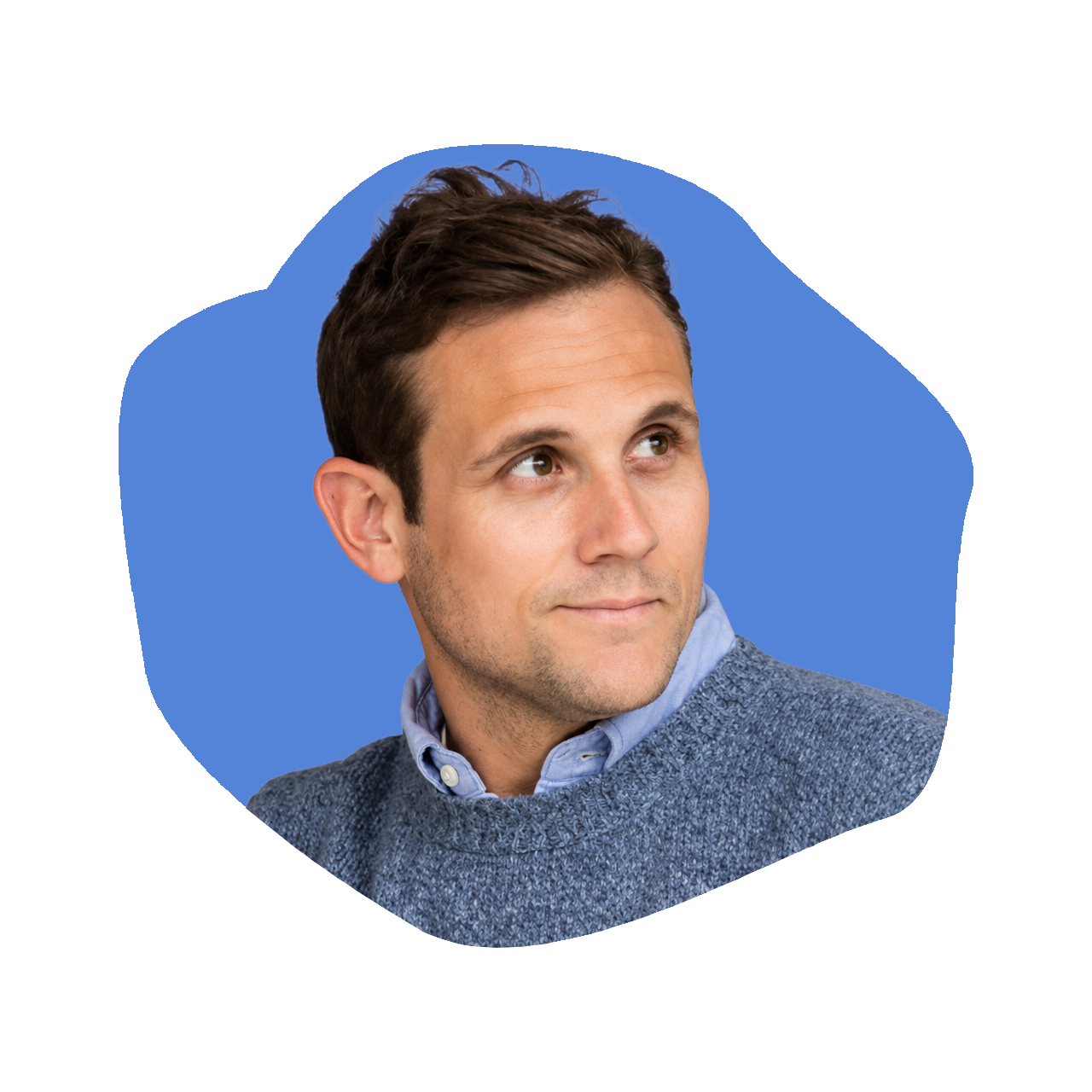
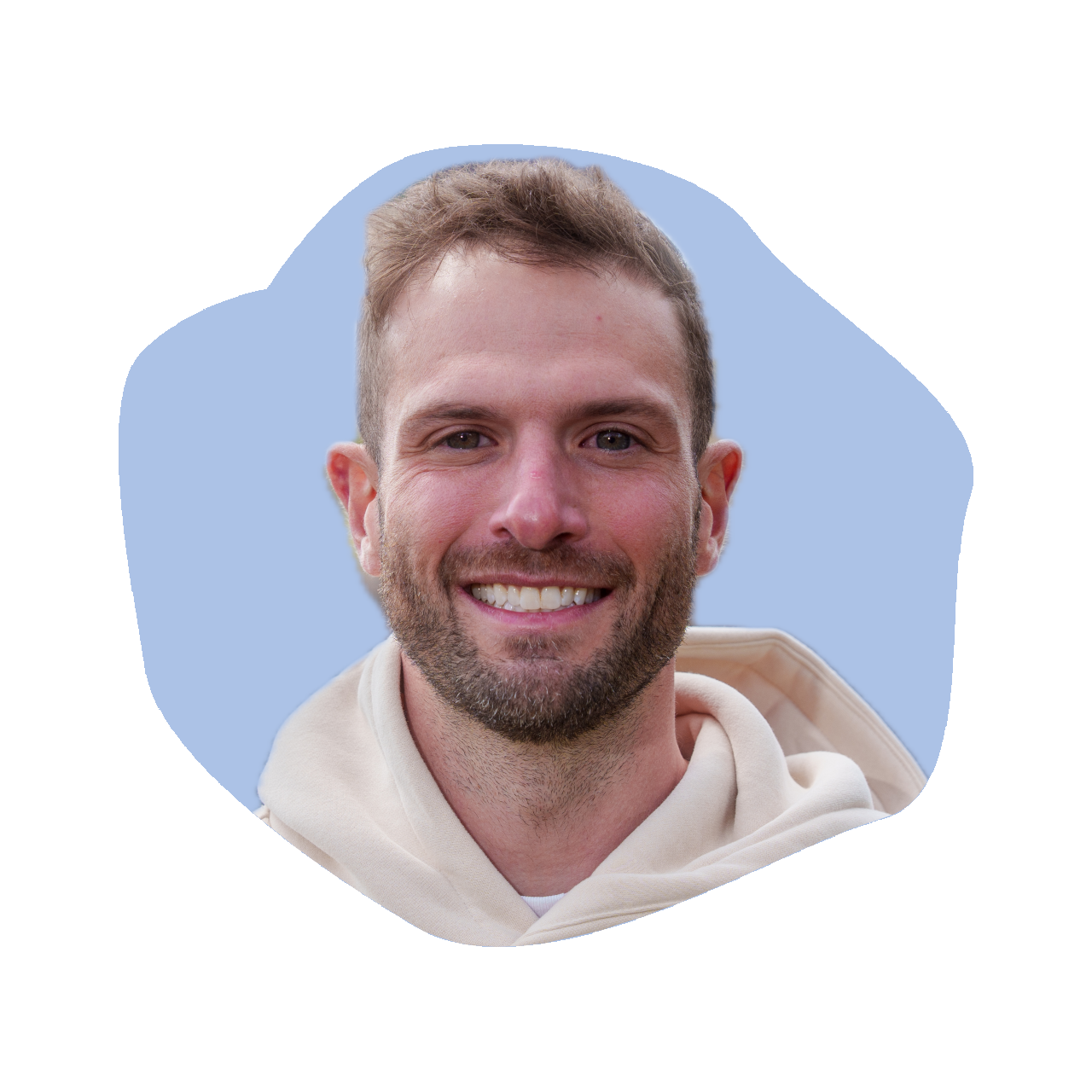
Tyler Smith: Founder & CEO of Hundred
Episode 785
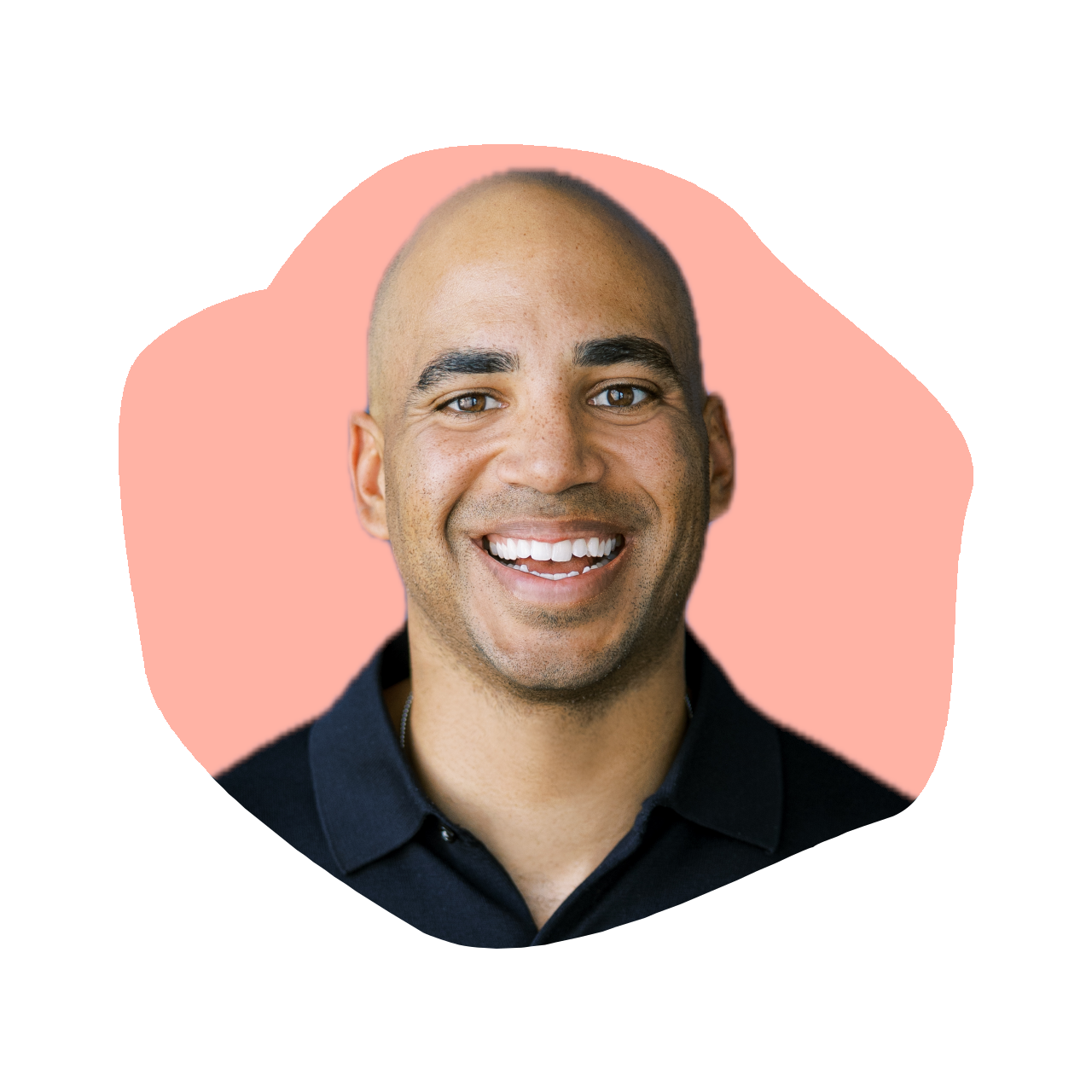
On today’s episode, Kara welcomes Tyler Smith, Founder and CEO of Hundred — the innovative health platform turning personalized data into real, measurable transformation.
Tyler’s story is as compelling as it is inspiring. After discovering that his biological age was eight years older than his chronological age, he made a life-altering decision: invest in the world’s top physicians, build a private longevity lab, and completely reengineer his health. The result? He reversed his biological age by an astounding 15 years — and uncovered just how broken and inaccessible personalized health optimization has been for everyday people.
That breakthrough became the foundation for Hundred, a fully integrated health platform that merges blood work, wearables, medical history, AI, and guidance from top clinicians into a clear, evidence-based 100-day action plan. Before launching Hundred, Tyler built and sold SkySlope for a reported $80M, and he now brings that same focus, rigor, and obsession with outcomes to transforming how we approach our health.
In this episode, Tyler shares what drove him to build Hundred, the gaps he saw in traditional and DTC testing models, and why knowing your data is only half the battle — the real power lies in turning insight into action. He opens up about his own transformation, the science behind the platform, and what it takes to build a company at the intersection of longevity, technology, and human performance.
A must-listen for anyone passionate about proactive health, entrepreneurship, or building a life with intention.
Resources from
this episode:
Enjoying this episode of #TheKaraGoldinShow? Let Kara know by clicking on the links below and sending her a quick shout-out on social!
Follow Kara on LinkedIn – Instagram – X – Facebook – TikTok – YouTube – Threads
Have a question for Kara about one of our episodes? Reach out to Kara directly at [email protected]
To learn more about Tyler Smith and Hundred:
https://www.hundred.com
https://www.instagram.com/hundred
https://www.linkedin.com/company/hundred
Transcript
Kara Goldin 0:00
I am unwilling to give up, that I will start over from scratch as many times as it takes to get where I want to be. I want to be you. Just want to make sure you will get knocked down. But just make sure you don’t get knocked out, knocked out. So your only choice should be go focus on what you can control. Control, control. Hi everyone, and welcome to the Kara Goldin show. Join me each week for inspiring conversations with some of the world’s greatest leaders. We’ll talk with founders, entrepreneurs, CEOs and really, some of the most interesting people of our time. Can’t wait to get started. Let’s go. Let’s go. This episode of the Kara Goldin show is brought to you by LinkedIn. Jobs. As we head into a new year, a lot of leaders are asking the same question, do we have the right people in the right roles to get where we want to go next? If growing or strengthening your team is part of your 2026 plan? LinkedIn jobs is built to help you do it smarter. LinkedIn jobs AI assistant helps you find qualified candidates faster and with more confidence. So you’re not just filling roles. You’re building a team that lasts. In fact, LinkedIn hires are 30% more likely to stay at least a year compared to the leading competitor, that kind of retention matters, and finding the right hire doesn’t have to feel overwhelming with LinkedIn jobs AI assistant, you can skip the guesswork and jargon. It filters candidates based on your roles specific criteria, and highlights top matches so you’re not wasting time digging through endless resumes. When you’re running a business, you need a hiring process that’s fast and focused. Linkedin’s ai assistant delivers 25 strong candidate suggestions each day, giving you the chance to invite the right people to apply and keep the process moving. It’s a smarter, faster way to hire, and it’s why I rely on LinkedIn jobs. Hire right the first time, post your job for free at linkedin.com/kara Goldin then promote it to use LinkedIn jobs, new AI assistant, making it easier and faster to find top candidates. That’s linkedin.com/kara, Goldin to post your job for free. Terms and Conditions apply. Hi everyone, and welcome back to the Kara Goldin show today. I’m joined by Tyler Smith, who is the founder and CEO of 100 also known as 100 health, a brand new, personalized, data driven health platform helping people turn insights into real, measurable change. Tyler’s story is one of the wildest and most inspiring I’ve heard in the longevity and health optimization space, and after discovering at age just shy of 40 that his biological age was 18 years older, he decided to really do something about it, so he reversed his biological age by well, I’ll allow him to talk to you more about that. But that personal transformation sparked the idea of 100, also known as 100 health. It’s a health platform combining blood work with wearables medical history, and actually, we are recording it on the day that they’re just launching. But Tyler is a serial entrepreneur who previously built and sold an incredible company called Sky slope, and has now brought all of his know how and desire, and more than anything, just cannot even wait to dive into hear a lot more about what Tyler is doing at hundreds. So Tyler, welcome. So excited to meet you and to have you here.
Tyler Smith 3:57
Yeah. Thank you so much for having me, excited to excited to connect
Kara Goldin 4:01
absolutely as I said when we were hopping on that. This is you can tell you’re a serial entrepreneur because you seem very calm about about everything. And as you said, maybe there’s, there’s some anxiety underneath, because there’s always, it doesn’t always go exactly as planned, as as I know for sure. But let’s start at the kind of at the beginning of what was the moment that really sparked 100, and how would you describe it to people that have not heard of 100 before? Yeah.
Tyler Smith 4:38
I mean, for me, what sparked it was there is a level of of understanding and Kara out there that most people don’t understand or know of. I didn’t know of any of that until I saw something that was not trending in the right direction. Hired some of the best people around me to help me correct and think about what I wanted in my life from a health. Perspective. And that was when it went off that, like, look, this is really wonderful, Kara, and it’s fantastic, but more people should know about what they can do. More folks should have action on what they can do, opposed to just result or, you know, results given back to them. And there was nothing out there that was connecting all the dots. And so for me, it really started with a personal wake up call, and that’s when I found out my biological age was 47 I had just turned 39 and I was the same age my dad had died from a heart attack at the age 47 so psychologically, it played a little bit in my head. Also, my wife and I were just having our first child, our first daughter, so I’m a later father at 39 so you start to think about life differently when you have offspring of how old my daughter when she goes to prom? How old is she when she’s driving? When am I going to be a grandfather? You just start to think about life a little bit differently. And so that’s when it really kind of hit me hard, and that’s when I went really deep. I went deep in trying to reverse that and really changing everything around me in my life. And so that’s where the the not only the idea, but just why we decided to build 100. We want to take what I got, which is really built for the 1% and build it out for the 99% allow for everyone and anyone to take advantage of understanding their health, getting action behind what they can do to improve it. And it really feels like this thing here, this phone that we’re on all the time, you now have this personal doctor experience in your pocket that’s always on 24 hours a day, seven days a week, at your beck and call, and knows all of your information from your previous history of your medical to your wearables. It’s a really cool experience when you go through for the first time, which I can’t wait for you to because you’ll see how everything comes back to you in a way that is digestible, but then also has action of what you can do to
Kara Goldin 6:47
improve that’s incredible. So before 100 health you had built and sold skyslope. Can you talk a little bit about that and maybe, what did you learn from that experience?
Tyler Smith 6:59
Oh, yeah. So, yeah. So sky slopes are very different. I got into real estate at a very young age. At 19, the market had just crashed, and my goal was, okay, I have to figure out my niche here, because buying and selling homes is not really going well right now, and so I got the opportunity to work with some of the best banks, from Goldman, Sachs and Bank of America to offload large amounts of assets off their portfolio so they can have great earnings for Wall Street. And I did that at scale, selling a lot of homes, 1000s a year. Had many 1000s under assets under management. And I saw something happening, which was this thing called, you know, the cloud, which everyone was like, what’s the cloud? If you remember back then, it’s like, what is the cloud? Where are my my files stored? And I real estate was a very non digital process, and I was managing a lot of properties at scale, so I needed something that was digital just because of the amount of volume, and I had people in different locations, and so I built out a portal, that’s what we called it back then, storing documents in the cloud. And then, obviously, eventually it turned into what, what is, what I ended up selling, which is called skyslope. So skyslope is a B to B, property tech business. It digitizes the entire real estate transaction from contract to close, and then we have a really big compliance aspect where we tied into the Bureau of Real Estate and all of these other different associations, like title companies, mortgage companies, etc. So really, a lot of around security, a lot around data, you know, a lot of financial privacy concerns. And we built that up to serve, you know, two thirds of all real estate transactions in North America, 900,000 realtors, and ended up selling that to Fidelity and man, the lessons that I can tell you on that are everything, because I bootstrapped it from nothing, built it up, but managing that is tough, especially as it scales up. I think that’s a really big one. And if you want to fix a broken system, you kind of have to rebuild the infrastructure. And so that’s what I did there in real estate. And I knew, because I knew what I how I wanted it to act for myself. And I took a lot of those same principles to 100 of what do I want this, this kind of operating health operating system, to do for me? And I wanted to be personalized. I don’t think anyone would argue that they don’t want their the actions and advice that they get to be very personalized. I I want it to be accessible. I want to be able to use this at any time and see it, and I wanted to be very easy to understand. And I think when you get into medical it’s really tough, it’s hard to understand. It’s not very clear. And so we did that same thing in real estate. It was really hard. Average age of a realtor at that time was 56 years old. And so they’re maybe not super tech savvy, so you have to build something that is digestible for the consumer. In that case, it was the realtor. In this case, it’s a, it’s a, it’s a human right. It’s anybody, because that’s who we’re going after. It’s anyone who has a mobile phone should be able to get this really personalized experience with their with
Kara Goldin 9:55
their health. This episode of the Kara Goldin show is brought to you by LinkedIn. Jobs. Yes, as we head into a new year, a lot of leaders are asking the same question, do we have the right people in the right roles to get where we want to go next? If growing or strengthening your team is part of your 2026 plan? LinkedIn jobs is built to help you do it smarter. LinkedIn jobs AI assistant helps you find qualified candidates faster and with more confidence. So you’re not just filling roles, you’re building a team that lasts. In fact, LinkedIn hires are 30% more likely to stay at least a year compared to the leading competitor. That kind of retention matters, and finding the right hire doesn’t have to feel overwhelming with LinkedIn jobs AI assistant, you can skip the guesswork and jargon. It filters candidates based on your roles specific criteria, and highlights top matches so you’re not wasting time digging through endless resumes. When you’re running a business, you need a hiring process that’s fast and focused. Linkedin’s ai assistant delivers 25 strong candidate suggestions each day, giving you the chance to invite the right people to apply and keep the process moving. It’s a smarter, faster way to hire, and it’s why I rely on LinkedIn jobs. Hire right the first time, post your job for free at linkedin.com/kara. Goldin then promote it to use LinkedIn. Jobs, new AI assistant, making it easier and faster to find top candidates that’s linkedin.com/kara. Goldin to post your job for free, Terms and Conditions apply. So when you decided that you were going to jump in and take a crack at at 100, what was the first thing that you did in building out this company? I’d love to hear kind of the first step that you decided in in trying to figure out, Is this going to be a business that I want to sink my teeth into?
Tyler Smith 12:07
Yeah, well, I think the very first thing I did was I looked at what’s out there, because I was a consumer myself. I knew what I wanted, and I said, this has to exist, and so I want to invest, or I want to purchase, or I want to be a user or a patient of this service. And what I found on my early discovery, is everyone’s doing really fantastic things, but they’re not connecting all the dots. And so the first thing I did was kind of map the system. You know, I wanted to see every point where health and data breaks, from labs to wearables to medical records, everything’s living in these silos. And I think that was the very first noticeable problem. The second was, I just took a step back, and I think about, like, the market and like, look, we’re a really rich country, but we have really sick people. You know, doctors are not incentivized when you’re doing well, right? They’re just not. You usually see them when you’re unwell, when you’re not doing great. I think we’re at a really great time where the data is, we just see the data is just super messy, which I love, messy data. And then we’re a really fun time to be alive where humans can’t scale as great as the technology available to us today. 1015, years ago, we’d have a very different standpoint. But today, I mean, we can just scale quite a bit. And so that’s when I first started to think about it. And then I started building infrastructure to connect it, like we integrated all these major electronic medical record systems, we went through all these different national networks, and we started to normalize that data so we can actually start to use it. So how we thought, think about it is we wanted to go with the first principles approach of, how can we offer you this personalized experience if we don’t know your history. And so that’s a hard thing to do, because I don’t know about you, but for me, it’s like, I don’t know what I ate for lunch last Thursday. So for me to have to self report any type of episodic condition, chronic condition, any type of supplements or medication I’ve been on throughout my call it 40 year journey that’s really tough to do. I think we all know this. We go into a physical doctor, if we even go in and we fill out a intake form or a Google Doc, and it’s not contextual and it doesn’t interpret the data. And so what we did was we said, let’s start with that. Let’s start with verifying the identity of the person and then pulling in all of the medical records. So for me, I have over 400 medical records. I have around 18,000 pages worth of data. It’s pretty crazy. My wife has almost more than double than that. Obviously, she’s had children, so she’s gonna have a lot more medical records. Women typically what we find go in for more routine checkups than males, but it’s quite extensive. When you can see the blood pressure of a user over time, their BMI over time, you know their different weight, any type of chronic, episodic conditions that they’ve had. And I think the way that you’re going to see the future is like you have to have context to give really personalized interventions. And I think it starts. With that process, and that’s where we started. Obviously, it doesn’t more than just pull your medical records, but that’s what we call the ground truths. Like that is where we start with a really good foundation. And so,
Kara Goldin 15:11
you know, medical records, you just say that that term, and it makes me, it makes me nervous, right? Because for a lot of different reasons. First of all, how difficult is it for the patient, the consumer, to gather all of that information? Right? Because, as you said, you know, maybe you’ve had different doctors. You don’t even remember the names of all of these doctors, and maybe it’s in different locations, all over the place, how difficult it is. And then I guess, who owns that data too, right?
Tyler Smith 15:48
So, yeah, it’s so first off, data is really important to us. We allow for our users to download all of their data. They can share it with their we’re building a physician report where they can share it with their physician. What we find is a lot of people, one don’t have access to this today. If I said to you right now, one, go to your primary care physician if you have one, but go to one, how much time you get? National average is under 17 minutes. So even if you went with call it 10s of 1000s of pages of data, they wouldn’t be able to have time to go through it. That’s, I think, the first problem. The second is it’s, there’s some information there that’s really relevant. There’s some that’s not relevant, like she doesn’t or she doesn’t care your physician about CPT codes or ICT 10 codes. These are, like medical terms for different ways to categorize. That’s just not relevant. It’s probably not relevant to you. And so what we do is, one, we verify your identity, and then we pull all of that in, and then what we do is we do what we call the Ronald Reagan, which is trust, but verify. So, hey, do you still have these chronic conditions or these episodic conditions? Do you still take this medication? If you do, why do you still take it? We want to really understand these things, because it feeds into kind of this plan that we put together to you after we get all of your results back. But to answer your question, like the data is yours. You can take it when you want, how you want. It’s completely yours. And what we find is a lot of our early users have really valued it. They’re finding out things they didn’t even know one two. They’re like, look, I want to bring this to my primary care visitors. This might be something that might help them discover certain things and based on symptoms I’m having. So we found it was the only way to really make the claim that we have really personalized interventions. But yeah, that’s that’s how we thought about it.
Kara Goldin 17:36
So interesting. So the 100 day action plan. Can you talk a little bit about that process and how did that framework come together?
Tyler Smith 17:47
Yeah, so we worked with a gal, a PhD, who really helped us think about psychology. And it’s really important when you think about just how medical the medical industry is you go for an annual physical, which that’s even if you go to it. But let’s say you do. If you see your doctor once a year, it’s and they tell you certain things that you should be thinking about, where you stand. Different type of interventions. A year is too long for people to usually stay on top, like, I can’t stick to a year plan. I need Micro, Small doses of sprints in how I think about goals and planning, and it’s just too much time to drift. And so we worked with this PhD that thought 100 days is not too long where people drift, and short enough where it keeps them inspired and motivated. And we’ve looked at a lot of the data and said, based on 100 day plan and these specific interventions. In 100 days, we can see real change, and that’s what people want. Am I improving? I think we all know we go to the gym and it’s January 1, we’re like, I’m gonna get in shape, and we start to see a couple pounds come off. We feel good. It relights us to inspire us to even go harder. And so what we found is, like, how do we give some small wins, because you’re not gonna see overnight wins. That doesn’t happen. And we’re not only taking in your medical history, we pull very comprehensive blood work, from your hormones to your lipids to your heart health, all of these, and then we tie in your wearables, which is a really, really unique piece, because we can see from my mom, who’s 71 at minimum, her step count, and that’s really important at her age, like, look, you’re moving your body right? But for a lot of other people who maybe wear an aura ring or an Apple watch or whatever it may be, eight sleep, et cetera, we can see sleep patterns. We can see HRV. We can see the type of strain during their exercise. If I asked you, let’s both do the same exercise, movement or routine, it’d be very different. You’d have a different exercise strain than I would. But on paper, it’s we both work out three days a week, right? And so when you take all of that and you give back the result in an easy way to understand. And you get to see, which is really cool. You get to compare yourself to others in your age, your gender, to see, I’m in the top 10% I’m in the bottom 5% we believe that helps with inducing change. So now that you have that data, it’s now all about the 100 day protocol, and that’s where everything comes together, like once you unify your medical history and all of those things I just spoke about. It’s really your biology interpreted. And every 100 days you get an updated plan. And what’s great is you get to see change. Did I change on all these different things? And we’re going to tell you in that 100 day plan, these are the things that we think should change and will change. Now you get to see like you get to confirm your own conviction, did this work or did this not work, right? So, yeah, it’s, it’s, I think that’s the biggest value to the user. Yes, they can get all the results back, but they get this plan to follow, which is really, really helpful for them to get to their greatest health of all time.
Kara Goldin 20:54
You’ve seen 1000s of people, data patterns, what are the most common health kind of issues spots that people are kind of having, that maybe they just didn’t know they were they were an issue.
Tyler Smith 21:11
Yeah, that’s, that’s a good question. It’s probably what people don’t want to hear. Because I think we all want the quick fix myself, including I would love the six second abs, like I would. I want to buy it, and I want it to work, right? We all want that. And so what I’ve found is the biggest patterns you see are going to be metabolic dysfunction, inflammation, hormone imbalance. And most people think they’re fine because their annual labs, you know, look normal, or they feel okay, like I feel good. You know, that was me. I felt okay. But when you connect full picture, you know all the things that we’ve talked about, from the blood work, you know, to to, you know, their sleep, their recovery habits, any type of stress signals, early signals of like insulin resistance or poor recovery. I think that’s where you you see a lot of things happen. What I can tell you is I went through some of the best call it private physicians out there, from really high end concierge medicine folks to human biologists all the way to board certified nutritionists, trainers. I had a chef. I did all this. And what’s really interesting is we all myself including we don’t want to prioritize the things that matter. So before 100 I was like, Look, I’ve done really well. I’ve had some success. I sleep three to four hours a day. I have the sleeper gene. I don’t need to sleep. I can sleep when I’m dead. I operate at a high level with very little sleep. The challenge is, that’s what I told myself, what the data suggested was I was completely wrong. My convictions were not right. And what I found was I got a lot more sleep, and I was at a whole new operating level. But I would not known that, and I wouldn’t have changed, by the way, because in my mind, I was successful. And so when you think about like the basics, like sleep, right? You know, food in, food out, what are you putting in your body, the food that you’re getting out, exercise and the right types of exercising, like I was doing a lot of HIIT classes and aerobic type of exercises, my mind it was, the more you sweat, the better the workout. And that’s just not true. And we think about that because it’s simple, I’m sweating, I have to be working out hard. And my Apple Watch says, Look, I’m burning like 1000 calories so I can go eat whatever I want today, and it doesn’t matter, because I’m back to equal that’s how I think a lot of people think, that’s how I used to think. And what I realized is, like, I had to switch to strength training. As you get older, you make sure you have strength right to prevent injury. But I didn’t burn as many calories on my watch, and it psychologically messed with me. I was like, oh, but I’m like, 450 I’m usually 1000 but I stuck to it, and that’s where I saw the massive change. And so it’s funny, because I think we all have this preconception and thought of how we should exercise, how should we should we should work out what we see others doing, the influence online. But everyone’s body is very different, and without having a full picture, it’s really hard to take action that makes sense for your kind of biology, definitely.
Kara Goldin 24:10
So you, I know you enlisted top tier doctors, including Peter Attia and and some others. And in building 100, what can the user expect? I mean, are you actually, is this replacing their doctor, or is this going alongside their doctor? So I think that that’s an important piece for people.
Tyler Smith 24:36
Yeah, a couple things. So we built this with some very top physicians. Peter tier wasn’t when I used the early program prior to starting 100. So I was in that program that Peter Tia was the founder of, the creator of which was fantastic, by the way, and I worked with several other really great physicians and a team around me. When we built 100, we brought on some really great physicians from John. Hopkins Institute, to Stanford, to to Harvard, like some from Columbia, some really great individuals. And so when you think about that, that was the very first thought process we went in, is like, look, we are not here to replace doctors. You know, when we think about how to take a lot of data at scale with AI, we’re not pretending to be one at the same time. It’s an interpreter. It’s interpreting certain different things so you can have understanding of your health. It consolidates your medical history, really hard to do without technology. It cleans up the fragmented data, really hard to do without technology. It highlights what matters, and it translates it into this action you can take, and you can take daily and so to me, when you think about it, our goal was like, how do we make sure that we do all of that? But then it updates your biology and changes this kind of, this closed loop between your daily behavior and your long term kind of biomarker and health improvements and that, that in that system, it makes the doctor’s job, I believe, easier, and your health data actually more usable. So like, if you have an emergency, you need to go to the doctor, and our app will tell you that you know, if you have certain chronic conditions that we believe that you know, need real intervention that we can’t support outside of our 100 day protocol, we’re going to let you know that so we definitely don’t replace them. In fact, we’ve had a lot of doctors come and look at how we built our product. So like, look, this is fantastic. It gives so much thorough information, and the time that they can spend with their their patients are it’s just going down. It’s really, really tough. And I think we all know, if you can get on the preventative side, the main cost for insurers, the main cost for the patient is when you’re in the hospital. So we think like we don’t want to call them a patient. We want to call them a user. We never want them to become a patient. And so if they can be a user and understand these things and take action, hopefully it will help them stay out of the hospital. If that makes sense,
Kara Goldin 26:58
yeah, definitely. What were some of the biggest challenges you had in building this company in the health optimization space that maybe you didn’t expect? I mean, this is a huge undertaking for a lot of different I mean, not just building a company, but there’s just so many aspects around it. And again, you’re, you’re sort of working alongside someone’s doctor too. So what were some of the biggest challenges that you found?
Tyler Smith 27:28
Yeah, honestly, the hardest part wasn’t the tech, it was the system. You know, health care is built to treat sickness and not really optimize health, and so the system was, I think, the biggest challenge. And so we kind of rebuilt around a lot of different things, from the Cures Act to EMRs to API’s, these, these networks, and that’s where we started. I think some of the surprising things that I found is we building a making, doing a protocol based upon all evidence is really difficult to do. So imagine this. We have all of this data, and we now have to tell, you know, the user what to do, and you have to understand a lot of things. Some people don’t eat certain foods for religious reasons, let alone allergy reasons. Right around they’re allergic to certain things. Some people get really bored with their exercises and like to change it up quite often, right? We have to, we can’t tell them do three exercises. They get bored. And by the way, we we understand this when they come to hundreds, because we have a really unique way of onboarding people. We have to understand that, you know, what, like, you know, they forget their their their supplements quite often. And so they’re going to have, you know, a lot of times they have a forgetfulness which they may not use, you know, or want to take certain supplements they might not like pills. So we taken all this information, and then what we have to do is tell you what to do with it. And this 100 day protocol, and our approach was, we are going to build our own evidence repository. That was where we wanted to start, and it was the hardest thing to do because one, we had made an early acquisition of a company called belsun. We got a lot of really great literature around evidence, and that was our baseline, and we built on top of that. So everything that we we have in our interventions, is all based upon evidence. What type of supplement? Why this specific supplement? What all the evidence says it’s going to change, and we couldn’t use this general llms To use this, because we wanted to build a foundation of our own proprietary set of evidence that was highly scored. RCT trials, the best peer to peer review papers, etc. That was a lot of work, because not only are we using this these articles, but we’re pulling out for a male at this age, this is what one would expect based on this RCT trial, which, it’s a really high quality publication, and so I think that was the hardest thing. I think the other was building it on the native app side. It wasn’t on the technology. But how do you take all of this information and build it into this small thing called a mobile phone? Because. People still like paper, especially when it comes to medical protocols and history, they’re used to that that’s more common, so making sure everything really worked for the user. From a design perspective, I think we did a really great job. We have a really fantastic design team, but I think that was the second hard thing. But really, when you think about it, it comes back to the system is really tough. It’s just really hard. It was the system like it’s built to treat sickness and not really optimize health.
Kara Goldin 30:28
Yeah, definitely. So where does genetics play everybody’s doing from the 23andme format to even higher level genetics? Is there a way to incorporate that into what you’re doing as well.
Tyler Smith 30:43
Great question. So everything I mentioned to you that I’ve talked about, we have several more things, but that’s part of our core membership. And what we do is we use, we have a recommendation engine that makes special recommendations that we recommend based upon certain things. So, for example, my dad passed away from a heart attack. For me, it recommended, because it knews My family history, a clearly calcium score test right for my the plaque buildup in my arteries. Some you can also add on special, special test from a microbiome test, full body MRI, a pre cancerous blood test through through Grail, we have several different add on tests that you can add on, and some are all a cart. You can just pick what you want. Maybe you’ve heard something on a great podcast, you’re like, look, I want to, I want to do this test. Or you can follow one of the recommendations that we make. Genetics is one of those, and it’s so important, because it’s a piece that is so important to have true interventions on what type of maybe supplements, or how your body reacts to certain things, or maybe you have family history of breast cancer, and you want to see if that you know if you’re going to carry or pass it on to your children. There’s so much that goes into that. So that’s one of many of our tests. We have 25 additional add on tests that you can you can purchase through the app.
Kara Goldin 31:59
That’s incredible. Well, I’m so excited about what you’re doing, Tyler. I mean, I know how hard this is, and I love how comprehensive it is and and I wish you all the best. I’m I’m very, very excited to see where 100 goes. And thank you so much for making time to come on and talk to us a lot more about this too. So Tyler Smith, founder and CEO of 100, we’ll have all the info in the show notes, but thank you again, really, really cool. What you’re what you’re doing. So thank you again. Thanks again for listening to the Kara Goldin show. If you would please give us a review and feel free to share this podcast with others who would benefit, and of course, feel free to subscribe so you don’t miss a single episode of our podcast. Just a reminder that I can be found on all platforms. At Kara Goldin, I would love to hear from you too. So feel free to DM me, and if you want to hear more about my journey, I hope you will have a listen or pick up a copy of my Wall Street Journal, best selling book, undaunted, where I share more about my journey, including founding and building. Hint, we are here every Monday, Wednesday and Friday. Thanks for listening and goodbye for now.