Jash Mehta: Co-Founder & CEO of Pop & Bottle
Episode 826
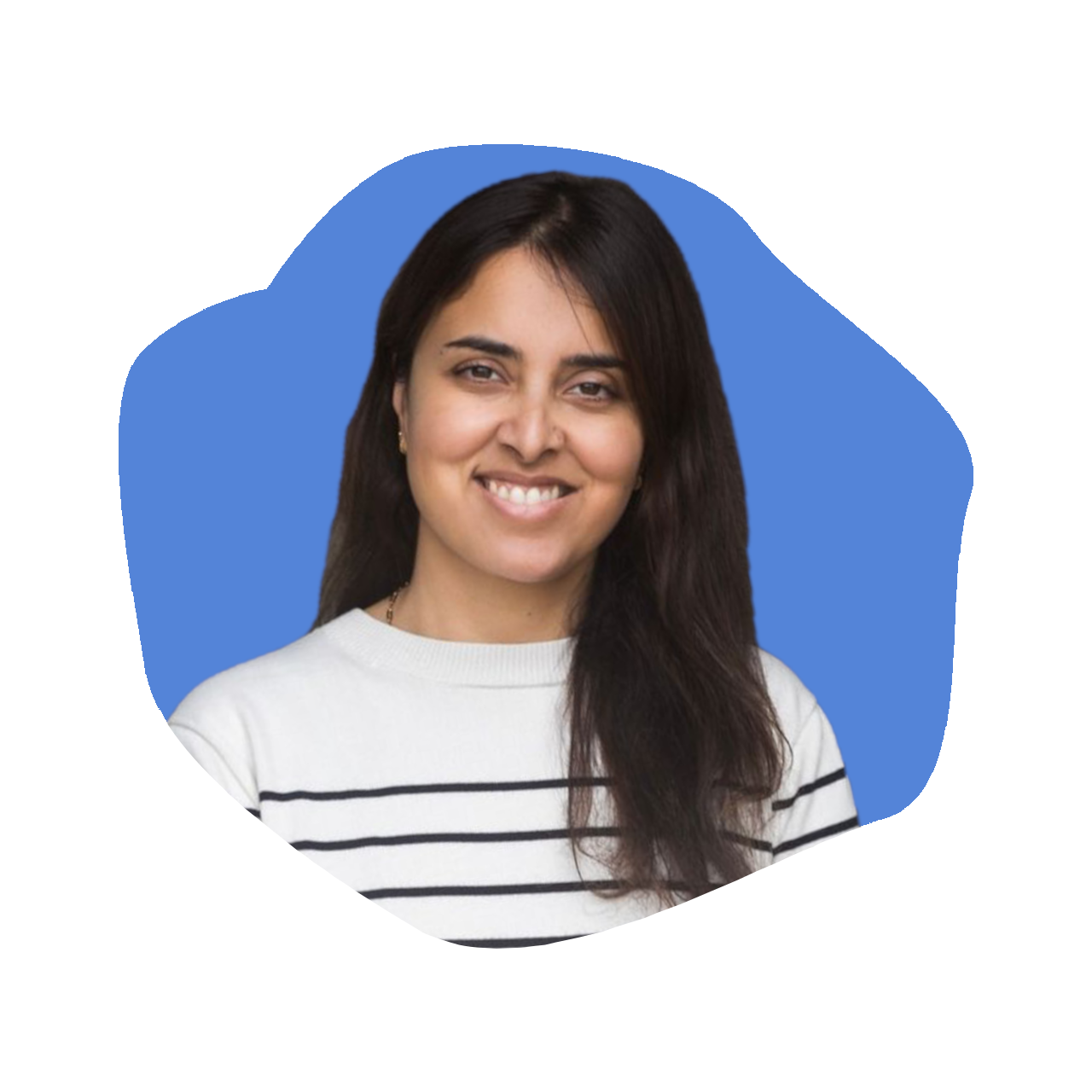
On today’s episode, we welcome Jash Mehta, Co-Founder & CEO of Pop & Bottle — a plant-based latte brand redefining what ready-to-drink coffee, matcha, and tea can look like when clean ingredients and real flavor come first. Inspired by California’s farm-to-table culture and a desire to eliminate mystery ingredients and refined sugars from her daily latte ritual, Jash began experimenting in her apartment with the goal of creating something better. What started as a personal solution has grown into a national brand carried by major retailers across the U.S.
In this episode, Jash shares what it takes to build a clean-label beverage brand in an incredibly crowded category, why matcha is having such a moment, and how ingredient transparency builds lasting trust with consumers. We also talk about scaling without compromising values, innovating with functional ingredients, and how motherhood has shaped Jash’s leadership style and decision-making as a founder and CEO. A must-listen for founders, operators, and anyone interested in building better-for-you brands with intention and integrity.
Resources from
this episode:
Enjoying this episode of #TheKaraGoldinShow? Let Kara know by clicking on the links below and sending her a quick shout-out on social!
Follow Kara on LinkedIn – Instagram – X – Facebook – TikTok – YouTube – Threads
Have a question for Kara about one of our episodes? Reach out to Kara directly at [email protected]
To learn more about Jash Mehta and Pop & Bottle:
https://www.popandbottle.com
https://www.instagram.com/popandbottle/
https://www.linkedin.com/company/pop-and-bottle/
https://www.linkedin.com/in/jashmehta/
Transcript
Kara Goldin 0:00
I am unwilling to give up that I will start over from scratch as many times as it takes to get where I want to be. I want to be you. Just want to make sure you will get knocked down. But just make sure you don’t get knocked out, knocked out. So your only choice should be go focus on what you can control. Control. Control. Hi everyone, and welcome to the Kara Goldin show. Join me each week for inspiring conversations with some of the world’s greatest leaders. We’ll talk with founders, entrepreneurs, CEOs and really, some of the most interesting people of our time. Can’t wait to get started. Let’s go. Let’s go. Hi everyone, and welcome back to the Kara Goldin show. Have you ever stopped to think about what your daily latte ritual actually is, where it comes from, mystery ingredients, refined sugar and the way too often, a compromise on taste? Our next guest did, actually, two co founders did today. We have Jash Mehta, who is the co founder and CEO of an incredible brand, honestly, one of my favorite brands, not just because of the taste, but also because of this co founder. But Pop & Bottle, and if you have not heard of it, maybe you’ve been living under a rock, but you must, must, must find this product and try it was started as apartment made experiments inspired by Californians. Farm to Table culture turned into a simple but powerful question of, What if your everyday latte could taste amazing and be made with clean, intentional ingredients. So I cannot wait to hear more about the backstory of Pop & Bottle and how this all turned into the incredible brand that it is today. So Jash, welcome. So excited to see
Jash Mehta 1:56
you again. Thank you, Kara, so
Kara Goldin 1:58
lovely to be here. Super, super excited. So, okay, so for listeners just discovering Pop & Bottle, how would you describe the brand? And you know, couple minutes of of or less of just basics, like, what is it?
Jash Mehta 2:15
Yeah. So thank you again for having me. I’m super excited to be here. And yeah, like you said, Pop & Bottle was started to turn the beloved daily latte ritual, which I know I can’t live without, into something more purposeful, more wellness oriented. So what does that mean for us? That means it’s dairy free. We use super clean house made almond milk and oat milks. We use no refined sugar, so we sweeten with things like dates or coconut nectar. Really, really clean tasting non refined sugars. We use super food ingredients enriched with things like cacao collagen. We have non caffeinated lattes with turmeric and really beautiful ingredients. Everything is organic certified. We try to source in in the most thoughtful way, especially things like our coffee and our cacao and yeah, the goal is to really take something that you do every day and replace it with something just as tasty, but more nutritious,
Kara Goldin 3:23
and it is so, so tasty. This episode of the Kara Goldin show is brought to you by ZocDoc. I’ve always been focused on my health, but I’ll be honest, there have definitely been times where I’ve put off making an appointment. It’s not that I didn’t want to go, it’s just finding the right doctor, figuring out availability and actually booking. It can feel like way too much. That’s why ZocDoc stood out to me. ZocDoc is a free app and website that helps you find a book high quality in network doctors so you can find someone you really love. We’re talking about booking in network appointments with more than 150,000 providers across all 50 states, whether you’re looking for dermatology, dentistry, primary care, eye care, or one of the other 200 plus specialties, you can easily search by specialty or even by symptom to find exactly what you need. What I love is how easy it is. You can read real patient interviews, see who feels like the right fit for you, check their real time availability and book instantly, no phone tag, no waiting around. You can choose in person visits or video appointments and appointments made through ZocDoc happen fast, typically with just 24 to 72 hours, sometimes even same day. Honestly, it just takes all the friction out of something that a lot of us tend to delay, and makes it easy to actually take control of yourself. Stop putting off those doctor’s appointments and go to zocdoc.com/ Kara to find and instantly book a doctor you love today. That’s Z, O, C, D, O, c.com/kara, ZOC doc.com/kara. Thanks ZocDoc for sponsoring this message when you started popping bottle, what was on the shelf that you saw, as you know, potential competitors or comparison outside of maybe a latte drink with milk in it, we have celebrated
Jash Mehta 5:31
our 10 year anniversary. So it has been a while and and the industry has moved forward, and I’m happy to say there are lots of great products that come to market in that time. But when we started, there was really nothing that you could go into the grocery store, in the in the latte space, that had clean ingredients. Everything had so many Goldin and emulsifiers, things that I’ve never heard of before. Certainly you would not find in your kitchen. Everything was loaded with lots and lots of sugar, you know, in excess of 3040, grams of sugar in a serving. You know, which is, which is quite striking. Hard to find clean, dairy free options, so there were a few, but had lots of oils and gums and things that you might not recognize. Really hard to find organic options in a in a ready to drink latte. We could almost find none. And my co founder and I, Blair and I would meet up for our daily coffee ritual every day. And we were surprised that this thing that we would so look forward to and and really enjoy as a ritual actually was really hard to find healthy options. And yeah, that’s kind of really what sparked our interest in creating a better alternative.
Kara Goldin 6:46
So take us back to those early days experimenting in your apartment. So what were you doing before this? Why did you feel like you could do this? Because obviously, when you have this idea for a company. There’s so many ideas that get floated out there. And I always say that ideas are a dime a dozen. It’s the execution which obviously you guys have been able to pull off. But what were the components that made you believe that you could actually get something off the ground.
Jash Mehta 7:22
Gosh, so I will say first and foremost, it was, it did require a healthy dose of naivety. I think I know a lot about the beverage industry today that I would think twice if I was doing it today. I know how hard it is. I know what it takes. And I didn’t have that experience. I wasn’t from food and beverage. I’d never I’d never worked in CPG before, and so I came from a business consulting background. I’d worked in lots of different industries, but from a kind of consulting perspective. And I the daughter of a business owner. My mom built a company. I saw her do that every day of kind of kind of growing up, and so that was really foundational to who I am, and the idea of being able to think out of the box, to solve problems, to start things, to create things, that is part of my DNA. Because I saw her doing it every day, I think I could have applied that to lots of different things. It wasn’t that. It actually absolutely had to be F and B and had to be beverage, but I found myself in my late 20s, moving from London to California. That was kind of part of that. That was kind of part of the founding story of this business. My very good friend, one of my best friends in the world, happened to move to San Francisco within six months for completely different life reasons. Within six months of me moving, I’d left my career behind in order to move, she’d done something similar, and we found ourselves in San Francisco at the same time with kind of a fresh slate, opportunity to do something completely new. And while the Bay Area does have great it does have a great industry of CPG. It’s, of course, known for tech. And so it wasn’t that I was bumping into food entrepreneurs every day, but I was bumping into entrepreneurs every day, and that was really inspiring, and also kind of ignited the belief in us that we wanted to do something in this space, and in moving from London to California about 13 years ago, one thing that was really stark for us was the difference in the food culture. And for those of you who know London, it has an incredible diverse, really cool food culture back then and today. But when it comes to the farm to table, nature of California, eating the plant forward, nature of California, eating the farmers markets, the you know, the fact that we have a culture of growing in this state that really stood out to me and and Blair as we started to kind of make. Experienced food culture out here, and of all the things that were new to us, that one really drew us in. And so we started to just get more and more into wellness. It started off just really personally for ourselves, getting attuned to what made us feel good what didn’t, also for our families. And it was really kind of the marrying of this beloved ritual that we looked forward to every day, and then this food culture that really felt different and exciting and purposeful to us, and the marriage of those two things that made us excited to start this in this space. So I will say to answer your question, it was I had it in me in some form. I had a great example growing up of someone who who did it every day, and I loved that, and that was inspiring to me, in my in my parents, and my mom in particular, I had a builtin co founder, someone I loved spending time with every single day, and we’d never worked together before. And that is, that is a test of friendship, and that is a whole different dynamic to a relationship, but, but one that was also really comforting to have someone who wanted to do this with me. And in the days that I was doubting myself, she’d be there to to kind of pet me along and vice versa, and that really helped. And then the third is moving to this new place, and my eyes opening to kind of a new experience of food and wellness that I was excited to be involved in.
Kara Goldin 11:34
I love it. How did you find your first co Packer to actually create Pop & Bottle, and I guess on top of that, how many SKUs Did you launch with?
Jash Mehta 11:47
Yeah, so again, back to the naivety point that I made earlier, because we’d never bit in beverage. We had no idea, and that probably did slow us down. We probably, you know, if I was doing it again today, I probably could cut out the first three or four years of starting this business, because I could shortcut so many things, but, but I didn’t know that back then, and that was a rite of passage for us. We needed to, like, do all of these little things ourselves in order to learn. So we actually started by producing the product ourselves. We got food, food licensed ourselves. We started a really small commercial kitchen in Berkeley. We would we’d make the product at the weekends. We had small commercial equipment. We would deliver it on Monday to Tuesdays. It had really short shelf life, and that’s how we dipped our toes in. And yes, I would not want to do that again if I was doing this from the beginning, but it was really important learning for us. After we did that, we hit capacity very quickly, and we moved to a larger facility, still still self manufacturing. So we opened a small facility in South San Francisco, hired our first employee, who is our production manager. He ran the plant and and hired great people to help him, and that got us out of the kitchens, thank goodness, and we were able to focus on the sales and marketing and brand building of the company. And yeah, the first couple years of the business were doing it ourselves. And then we got to kind of a tipping point of in scale. We got our first Whole Foods region, which was a really exciting milestone for us, and it gave us enough volume where we realized that we were going to be outgrown of our of our current facility within a few months. That’s when we made the leap to a co packer, and that coincided with having about enough scale that we could justify co Packer volumes at least, at least those, those kind of introductory level co Packer volumes. We found a co Packer near us in California who was already making high quality plant based beverages, worked with them to ensure that we could replicate the same process, really high integrity, clean process that we were doing in our small facility, and just do it at a larger scale there, and, and, yeah, and finding that right partner, it took a lot of networking, a lot of conversations with other brands, finding out where, you know, figuring out the ecosystem in California and and then we landed on a good partner, and actually, we still work with them today.
Kara Goldin 14:20
That’s amazing. And how many SKUs Did you launch with?
Jash Mehta 14:24
Yes, so we, in order to figure out where to start, we did a friends and family tasting event. We were, this is when we were still making, you know, testing in our in our personal kitchen. We hadn’t launched anything at this time. I invited basically everyone I knew in the city, which was like 25 people, because that was relatively new to San Francisco, and they came. We hosted a brunch at my apartment, and I remember it was, it was Blair’s birthday. It was Blair’s birthday. We hosted brunch at our apartment, and we had these large fats. I still have pictures. We had these large vats of these five different flavors. We had a coffee one, and Goldin, Goldin turmeric one, you know, a few different flavors. And our goal was to we, we put a form, we put a simple kind of Google form together on an iPad, and we asked everybody who attended to just complete the form and rank their favorite flavors give us feedback. And we took that five down to three, and we launched with three, which is what we felt we could do. And really three felt like the right amount for any retailer to give us a shot out. It didn’t feel like we were gonna get four or five slots on a shelf at that point, so we launched with three. We still make those today. And, and, yeah, we just, we use the 25 data points of feedback from our friends and family to decide what those three were.
Kara Goldin 15:51
That’s amazing. And, and the you mentioned that those are still flavors today that you’re producing. How, how how have you expanded? And how many SKUs do you have today in comparison?
Jash Mehta 16:06
Yeah, okay, gosh, we have so many that I’m going to actually not get the number right, but we have north of 20 SKUs now across different form factors, multi serve, single serve and and new innovation coming out every day. But yeah, back then it was three and the way that the thinking has evolved, and the way that we thought about innovation is really seeing what sold, seeing what people are asking us for, understanding where we sat in the market. Again, a lot of what we did in the beginning was intuition based with the small amount of data that we had, and we didn’t have all the answers. And so as we started to get it out to beyond San Francisco, Northern California, Southern California, we started to get data of what was selling. And at that point, I wouldn’t actually say that we were a coffee company. We really thought ourselves as a better for you, plant based company of which we made coffee skews in that in our lattes, but we had not. We had coffee. We had non coffee. They were still kind of latte experiences, tea, other things but, but it was really seeing what sold that made us really recognize that, okay, coffee is the place where people want us to create this. It is your daily latte where people are coming back to buy every day has that ritual, and there is demand for this. And so that helped us refine our thinking. And so as we’ve innovated, we’ve broadened more and more into the coffee latte space and the tea latte space, but we still have a couple of non caffeinated SKUs that could be started with.
Kara Goldin 17:47
So education plays such a huge role and helping your consumers understand what they’re actually consuming. How have you been able to do that? Because it’s obviously you have to have a product that tastes great. There’s so many aspects of building a brand. You have to get it on the shelf, the velocity numbers need to be there, all of these things. You have to build the best team. But then educating the consumers on why this product is different is also an aspect, especially if they’re interested in making sure that they’re only consuming certain things that fit your profile. So how have you been able to do that effectively?
Jash Mehta 18:34
Yeah, I will say it’s still a work in progress there. You know, I will meet people every day who recognize the brand, but actually don’t know what we stand for, and so it’s still a thing that we’re learning and growing as we go to broader geographies, broader audiences, different retailers. But there are a few things that have worked really well for us that we continue to do today, and these are things that we were able to do from day one on a relatively small budget. At the very beginning, we knew that, you know, we’re in a beverage space, highly competitive in every aspect, right? The shelves are really full of so many options. The consumer has so many options. The the retailers can replace you tomorrow if it’s not selling. And we had very limited resources. We couldn’t do big campaigns. We couldn’t do kind of fancy marketing, but one thing that we could do, and did do, is make the packaging, you know, in our opinion, really stand out. And my co founder had a design background, but not, but not a food and beverage program. She came from the fashion industry, so she had completely different understanding of design, and that was even today, really refreshing. But back then, 10 years ago, was it really did stand out, and she helped herself design our original prototype bottles. Again, what we produce today is very similar. To what we designed back then. It’s just built a little bit more for scale, but it’s but it’s still very similar. And yeah, our goal was this is really clean on the inside. We’re going to create a design that is really clean on the outside, so that it stands out on the shelf, and immediately you kind of understand that we’re saying that simplicity is part of our value system at this company, and so the very minimal design was the first thing we did, using simple colors, really strong kind of fonts and really, really simple kind of negative space design. And it did stand out on the shelf, and that helped us create our first little mini billboard, you know, was the shelf. And those three SKUs starting sitting together on the shelf, really did get attention and have people kind of take notice and try the brand. And then our hope was they’ll try it and they’ll like it, and we’ll start to bring more and more people in, so we use the packaging and made sure that stood out. These were also the early days of Instagram, and that was a great way for us to communicate directly about what we stood for. And people gravitated towards that, wellness influencers and health food bloggers, they would reach out to us. There was a good community in the Bay Area that we were able to connect with, and we would just send them product and and the product, you know, spoke for itself in in the integrity of it. And we, we got some fans that way, and they would, they helped us spread the word. So, yeah, we kind of looked for ways that were not expensive at the time and could help tell our story without a budget that we didn’t have.
Kara Goldin 21:49
I love it. Scaling a brand is notoriously so, so hard, and as we’ve said, you’ve been able to kind of overcome those distribution challenges along the way. You’re in the cold box, which, for those who are not familiar with that term, it’s it has to be refrigerated, and that is extremely, extremely hard. How have you been able to kind of get that space, but also continue to to expand on that, because there’s only limited amount of space in the cold box, and you’ve done such a great job of being able to expand that, and you’re right, your bottles just pop. I mean, it’s a beautiful product.
Jash Mehta 22:39
Thank you. Oh yes, the cold box again, when we started to know how difficult all of this would be, but, but being in the refrigerator is actually really, really key to our success, and it’s a space that we fight for every single day. The simple answer to your question is, we have, we achieve the space, and have retained this space through selling well and selling through strong velocities, data stories that we can go to the next retailer and next retailer and really just justify why we deserve to be there. And none of that happened overnight, which is why here we are, 10 years in, kind of still building the story. We we we used each kind of proof point as a way to get the next. And so, for example, I mentioned Whole Foods earlier. We started in one whole foods region. This is back when, you know, there would be a local forager who you’d work with to get yourself into a single region, and then you’d get a couple more regions, and then, you know, finally you get broader distribution. But that journey really was okay. We’re in Northern California Whole Foods. We have to make sure we sell and justify the space, and we didn’t get it right straight away. We were a relatively new concept. We were bridging kind of dairy free with functional beverage, and sometimes retailers didn’t know what to do with us. Should we be in the dairy space next to kind of the alternative milk products, or should we be in the Grab and Go space next to some of the functional beverages and and so there was a little bit of trial and error, error. We sometimes would land ourselves in dairy and this is this a time when things were not necessarily planogram. So there was more optionality with where you might end up, and it would do as well in dairy, which makes perfect sense now, thinking back, but at the time when we were kind of developing this new category, we didn’t know where the retailer, where the consumer would want to find us. We did finally land on this, this grab and go, single serve, functional beverage area as our sweet spot, again, with some with some trial and error and and we had to make sure that the velocities were strong. We partnered with good distributors who would visit the stores often and make sure that the shelves were loaded very regularly so we weren’t losing out on sales. As I mentioned, we make sure that our. Packaging was on point and that we really, really looked and presented well, we supported with the right promotional strategy to get people to try the brand if they weren’t sure. Because it was, it was a commitment. It was, at the time, still is a little bit of a premium option compared to everything else. But back then, it was more premium. Our prices were higher. We didn’t have scale that we could pass on to the consumer in terms of a price at that point. So the promotions helped us. We’d sometimes demo. I did a lot of demos myself. My co founder and I would go in stores and sample the product and get feedback. And you know, if it was a good day and it didn’t rain outside, we might sell 20 bottles. And that was success. And we made sure that the sales were healthy, and then we took that data, and we take it to the next region, the next retailer, and make sure that we were kind of really selling our story, but with data to back it up. And that continues to be strategy to this day, we’re fortunate today where we can actually, you know, buy aggregated data and actually tell that story in a more complex and nuanced way than we were able to before, but, but that is really the story that has helped shape shape our distribution and allowed us to Expand
Kara Goldin 26:19
your products include a lot of functional ingredients, adaptogens, collagen, Lion’s Mane, also matcha, which is having a huge moment right now. Can you talk about what ingredient you’re most excited about right now? That is that really is taking off that you have embraced?
Jash Mehta 26:40
I will say that there’s, there’s lots of directions I could answer this in, because I think there’s so many beautiful, plant based functional ingredients, but, but the one that you, that you touched on, and that I’ll talk a little bit more about, is matcha. It’s funny, because we’ve been making our matcha latte for about 10 years. It’s been part of our core, part of our portfolio. And you know, we make ours in with the same integrity that we make our other beverages, sweetening the dates or coconut nectar with a base of almond or oat milk, really high quality, premium matcha and everything organic certified. And so it’s nothing new that we’re doing, but, but the interest in tea lattes, and in particular matcha lattes, over the last, I would say, five years, but really, like three years. And of course, a lot of this is supported by younger demographics who are more caffeine sensitive, who are more or more inspired to try some of these other beverages, and have much more of a global palette. They have really increased the interest in Matcha over the last three years, but it’s something that we’ve been doing almost since the beginning of our story. I love it as a you know, I love it in its simplicity on its own, but I love it as a platform for other flavors too. So, you know, fruit and matcha is delicious, and we have a variety of those products in in our innovation pipeline, as well as a bunch that have launched recently that are doing really well. And, you know, of course, the vibrancy of the color is so attractive. The health benefits, you know, are so proven for centuries and and it is a great energy alternative. You know, it still gives you that boost, but it’s more regulated, less spiky. And we’ve just, we’ve noticed just just like younger generations are more sensitive to and more thoughtful about alcohol intake, they’re more conscious about sleep. They you know, wellness really, really is thoughtful to them, and so their approach to caffeine and energy is really thoughtful, too, so this has been a really great ingredient that has kind of matched their needs in a way that we’ve been able to create great products to service, and are excited to continue to do so. And I am at our company back then, but still today, I wear the R and D hat, and I’m really, really involved in the new things that we launch, and it’s a big part of how I spend my time. And so I love it just as a just like Kara, coffee is a beautiful platform for all these different flavors and innovation. And, you know, you go to any third wave coffee shop and they’ll have their take on that. Matcha is similar. It is a great platform from different flavors and a really exciting ingredient to pair with different things. So yeah, I would say that that one is top of mind, and that one is also with what we do well. It marries really, really well, because those are some of our best selling products.
Kara Goldin 29:39
So for aspiring founders listening, what’s one thing they should pay more attention to before launching a brand? And you know, looking back is always, you know, easier in some ways, when you look back and you talked about. A little bit about experience and how, you know, you probably could have cut out a couple of years early on, had you had that. But if there’s something that you you know overall, look at, when you have this great idea, what advice would you give to founders, not just in the food and beverage, but I think it really applies across the board to actually launching a brand?
Jash Mehta 30:25
Yeah, it’s a great question, and I probably could take an entire podcast episode on this, but I’ll try and share some of my highlights. I think being a founder is this really interesting. There’s this juxtaposition here of Yes, experience is really, really valuable, and sometimes not doing things the way they’ve been done is really, really valuable, and experience can help you shortcut things, like I said, and and and get to maybe certain milestones faster, but actually also the there’s so much value in knowing that you’re doing something that that’s at the forefront where you might just not know. And I think it’s marrying those two things and knowing how to kind of wear those two hats and navigate some of that uncertainty and do a good job of that. That is really valuable. And so I would say to founders, learn what you don’t know, speak to people. Fill in those gaps, but also trust your intuition. I have been given advice over the course of starting this business, especially when we were very young and really were new to this space, that did make me really second guess if we could build a business in this space, and I will say that most of the time, my intuition was right. That’s not to say don’t take the advice. That’s not to say don’t learn from others experiences. But at the end of the day, if you’re doing something that is solving a problem in a new and different way, the answer might not actually be out there yet, and you might have to find out for yourself. The other thing I will say, though, is, when you are wearing those two different hats and you are on the forefront, don’t let you go get in the way. And what I mean by that is you might have a really, really great idea, and the world might just not be ready for it yet. You might have to revisit it in a little while, or you or you might have a great idea, but how you imagined it is a little different of how the consumer wants it. You know, to this day, we innovate fast. We innovate very, very quickly. We’re a small company, but we’re not afraid to shut things down when we put them out in the world. And we realized, actually we didn’t quite get it right, and we’ve learned to move away. Kind of that sunk cost fallacy. So it’s kind of marrying those two things that I think is valuable.
Kara Goldin 32:50
I love that Well, Jash, thank you so much for joining today, and your messages and learnings are so, so powerful and helpful for anyone listening, I’m sure, so for everyone listening, be sure to check out Pop & Bottle.com and, of course, purchase Pop & Bottle. Incredible, incredible drinks. They are just so so yummy. And I love all your Instagram and all the stuff that you’re doing on social too is really, really great. So thank you again, and thanks everyone for listening. Goodbye for now. Thanks Kara, thanks again for listening to the Kara Goldin show. If you would please give us a review and feel free to share this podcast with others who would benefit and of course, feel free to subscribe so you don’t miss a single episode of our podcast, just a reminder that I can be found on all platforms. At Kara Goldin, I would love to hear from you too. So feel free to DM me, and if you want to hear more about my journey, I hope you will have a listen or pick up a copy of my Wall Street Journal, best selling book undaunted, where I share more about my journey, including founding and building hint. We are here every Monday, Wednesday and Friday. Thanks for listening, and goodbye for now.