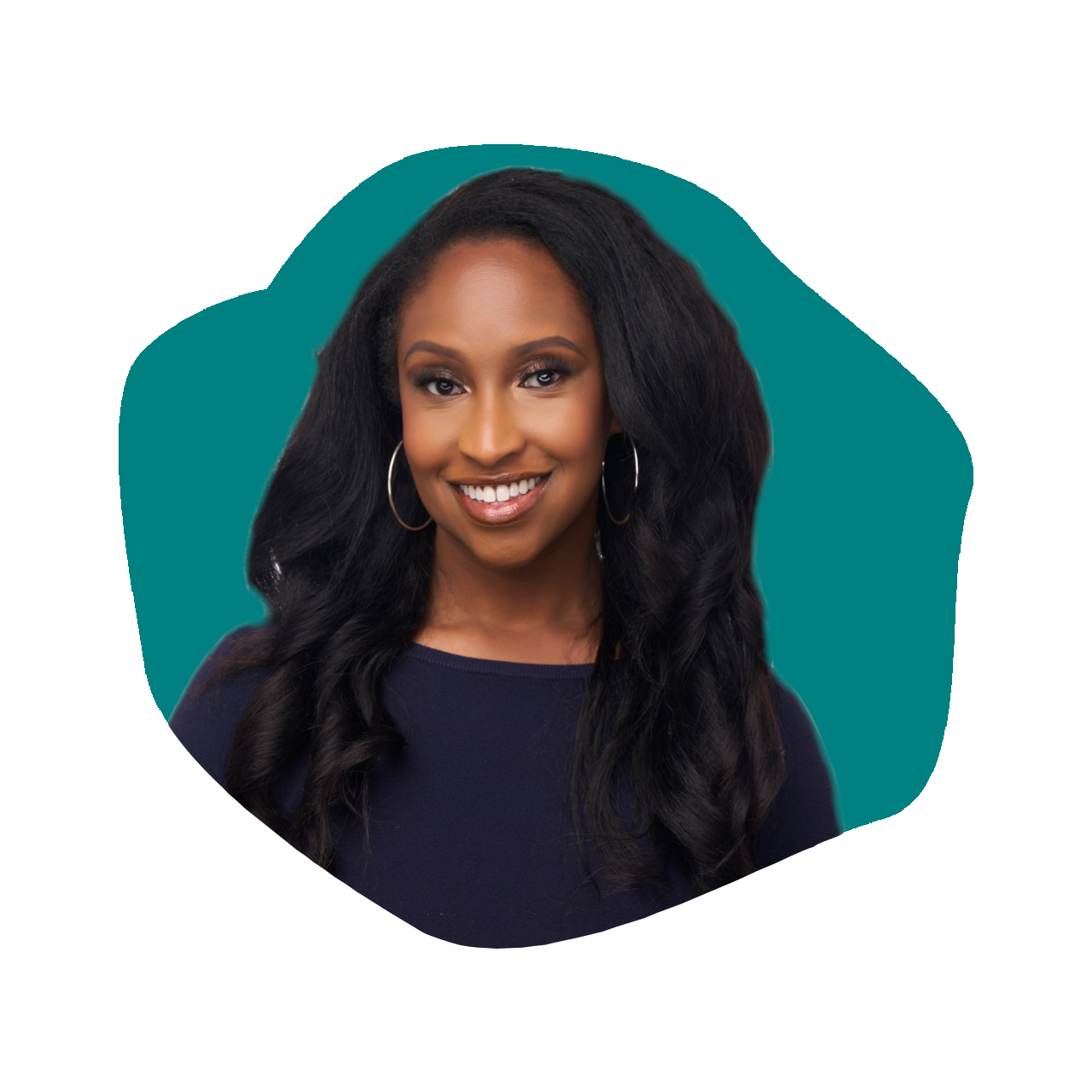
Julie Bornstein: Founder & CEO of Daydream
Episode 779

On today’s episode, Kara welcomes Julie Bornstein, Founder and CEO of Daydream — the AI-powered, chat-based fashion shopping agent that’s reimagining how we discover and shop for clothes online.
Daydream is reinventing the way people shop for fashion by replacing endless scrolling and outdated search bars with something radically better — personalized, conversational discovery. Backed by $50M in funding and featuring over 8,000 brands, Daydream lets users simply ask for what they want — by style, mood, occasion, or photo — and receive tailored results instantly. It’s fast, intuitive, and built for the way people actually shop today.
Julie, of course, knows this space well. A seasoned leader in commerce and tech, she’s held executive roles at Sephora, Nordstrom, and Stitch Fix — and founded THE YES, which was acquired by Pinterest in 2022. In this episode, she shares what sparked the idea for Daydream, why AI is the future of retail discovery, and what she’s learned from building (and scaling) multiple consumer companies.
A must-listen for anyone curious about the future of fashion, AI, entrepreneurship, and what it takes to build something truly transformative.
Resources from
this episode:
Enjoying this episode of #TheKaraGoldinShow? Let Kara know by clicking on the links below and sending her a quick shout-out on social!
Follow Kara on LinkedIn – Instagram – X – Facebook – TikTok – YouTube – Threads
Have a question for Kara about one of our episodes? Reach out to Kara directly at [email protected]
To learn more about Julie Bornstein and Daydream:
https://www.daydream.ing
https://www.instagram.com/daydream.ing
https://www.instagram.com/juliebornstein
https://www.linkedin.com/in/juliebornstein
Transcript
Kara Goldin 0:00
I am unwilling to give up that I will start over from scratch as many times as it takes to get where I want to be. I want to be we just want to make sure you will get knocked down. But just make sure you don’t get knocked out, knocked out. So your only choice should be go focus on what you can control. Control, control. Hi everyone, and welcome to the Kara Goldin show. Join me each week for inspiring conversations with some of the world’s greatest leaders. We’ll talk with founders, entrepreneurs, CEOs and really, some of the most interesting people of our time. Can’t wait to get started. Let’s go. Let’s go. Hi everyone, and welcome back to the Kara Goldin Show. Today, I’m joined by one of the sharpest minds and digital commerce Julie Borenstein. Is the founder and CEO of an incredible new company called Daydream, fairly new, the first ever AI powered chat based shopping agent built exclusively for fashion. So Julie is no stranger to redefining how we shop. After leading e commerce at companies like Sephora Nordstrom and Stitch Fix and founding the Yes, which was acquired by Pinterest. So, so incredible that that all happened. So Daydream is flipping fashion discovery on its head, and I cannot wait to hear so much more about it, especially given sort of the AI world that we’re all living in right now the crowded AI world and how Julie is using her decades of experience to build something radically new. So Julie, welcome so excited to have you back. Thanks for having me again. Absolutely super, super excited. So, okay, so how would you define Daydream, and how is it changing the way we shop for fashion?
Julie Bornstein 2:03
So we’re setting out to be personal stylist in your pocket, and there are many steps to get there. So where we’ve started is building this conversational search that allows you to upload a photo or to ask for anything you want in natural language. So I’m looking for a dress to wear to a wedding in Mexico in the winter. And then we basically help you both. We show you results immediately. So it’s not a lot of talk. You sort of decide, and you refine with images. And then as you find things that you like, you can refine based on more like this, or you can change the description I want something that’s lower cut or less low cut or red, and we help you sort of narrow down to find the products that you’re looking for. You can save, you can share with friends to get their feedback. And the idea is to just make shopping little bit easier, a little more fun. We work with all the brands and retailers out there, and so we have a very wide selection, so we can make it relevant to each user.
Kara Goldin 3:06
So you are one of my favorite serial entrepreneurs out there and jumping back into the game after running e commerce within larger companies, but then obviously you just sold the Yes to to another large bay area company. So how did you view this? This space, this AI space, as it related to something that you were very familiar with and and basically the white space that led to Daydream.
Julie Bornstein 3:41
Yeah, it’s interesting, because so from a sort of timing and career standpoint, I was at Sephora from 2007 to 2015 and during those years we, you know, personalization was pretty basic, but what we found was that if we knew what you bought and you were a member of Beauty Insider, which is a program we built we could basically help you find new things from either that go with the beauty product you bought or things we think you would be interested in. And that was sort of early days of thinking about how to use data to create a good shopping experience. And then I joined the board, and then full time as COO at Stitch Fix, and we spent a lot of time on building these algorithms that would help understand what you were most likely to want on the fashion side. And learned a lot of things in that. And from there, started the Yes. And the yes was a pre Gen ai ai startup. So you know, we had built basically a recommendation engine based on the proclivities of what we’ve learned for you around fashion and what I know, you know, fashion is such a nuanced category that it’s hard to it’s compared to a lot of other verticals where they’re a little more fact based, for example, music, you listen to the same things over and over, so you have many times that you listen to some. Thing. Whereas you buy something for fashion, you don’t want that same thing again. You want something different. And so we had a really great time learning how to build something that was both highly personalized and really leveraged the capabilities of machine learning to do so in sort of a, you know, pre LLM world. And that was the Yes. And then chatgpt launched, and we had sold our company to Pinterest, and Pinterest was absorbing the elements of the company that they wanted to use in their new approach. And I was getting ready to leave. And when chatgpt launched, it was kind of like, whoa. This now gives us a whole new set of capabilities that we never had before to build a shopping experience. And I think that was a moment where I felt like a whole new kind of technology foundation could be built around shopping. And got, you know, I would say, excited to do it, and my husband reminded me that if someone else did it and it wasn’t me, it would be really annoying to me. And that was like the final straw to make me decide to come in and do this again.
Kara Goldin 6:04
So is it fair to say that that you’re, you know, it’s open source, right? So you’re using the you’re using chat, G, P, T’s, technology and sort of backbone, and you’re building on top of it in order to create what you’re doing at Daydream how, how difficult is it to do that? I mean, can anyone just open it up and just start, you know, like a, almost like a Shopify app. I mean, is it that simple yet to do something like this.
Julie Bornstein 6:41
It is so not that simple. When we started, you know, there was a lot of we were pretty early in trying to build a consumer application on top of an LLM, and we thought that it would be a pretty straightforward process where we could leverage the LLM. So someone would ask a question, we would go out to open AI or to Gemini. We actually work with a number of models, not just open AI. We’ve found Gemini to be really effective in a lot of things. And their new, their newest model, is actually really good. And so, you know, we thought we could go out, put the request in, have an answer come back, and then the hard part for sort of what we’ve built is we have to translate that into product results. So we’re not giving you answers, you know, in terms of words, we’re not sort of taking this like knowledge base that chatgpt and Gemini have and just spitting it back. We actually have to translate it to product results that are relevant to the query and to you. So that was always the harder part. But what we found actually was even the query going sort of in one sort of fell swoop over to the models, was not an effective way to do it, because there’s too much uncertainty around the way that you get the answer, the quality of the answer and the speed of the answer. And so originally we did have a single call to open AI. And now what we have is we have a series of models that are each focused on different elements of a fashion query. So could be color, it could be silhouette, it could be location, it could be occasion. So all of those have their own mini models, and we actually build those models directly with llms, but we test each mini model with different llms. So we might be on a we’re in a mix of some are go to Open AI, some go to Gemini, and they actually it’s a combination of accuracy and speed. And so what happens is, if we run Mini models at the same time, it’s much faster, and if you think about a consumer search experience, you’re not really wanting to wait, you know, a few minutes to get an answer. You want that answer right away. And so I think if, when you’re doing research, you know, the llms have gotten you used to sort of waiting. But in our case, what we’ve ended up having to build is a pretty complicated, you know, it’s a machine that and system that allows us to leverage all the llms in ways that are effective, but sort of work for our use case. And so, you know, we have a whole workflow where the query comes in, we have a query understanding layer, then we go out to different models, and then once we understand what you’re looking for, we go then to the products, and we find the products that are the best matches for that combination of what someone’s looking for, which is no small feat.
Kara Goldin 9:25
Yeah, definitely. So as a serial entrepreneur, what excites you most about building something this new and unknown? I mean, it’s I think that just listening to you talk about this and the research that I had done based on some other interviews that you had done, there’s not another company out there that you can just sit there and say, oh, I want to do exactly what they’ve done. There’s a lot of white space. There’s a lot of problems to be solved, and it’s a choice that you’re making to go. Go and do this, you probably stay up and wake up in the middle of the night thinking about some of these models, right? But, but how? So what excites you most about really taking on that challenge and doing something different?
Julie Bornstein 10:18
So I’ve always been obsessed with shopping online and search. I mean, I sort of joke about having been obsessed about it from the age of 10, when I would get a magazine and go try and find the product I fell in love with in the mall. And I remember, you know, when Amazon launched, and thinking, you know, to be able to buy online is such a cool experience, because technology can do so many things to help, you know, customize your shopping experience and make it smarter and more personal. And yet that journey, you know, has taken us a long time. I started at Nordstrom in January of 2000 and helping build that experience, and I’ve been working on it since, and it’s a really, to me, a really interesting problem, and it’s changed quite a bit, because in the early days of E commerce, we were trying to figure out how to convince brands to sell online and how to like show products, and, you know, get in a warehouse that can ship to someone. And now the problem is quite different. It’s really overwhelmed. There’s so much out there, and, you know, there’s a sense of, like, constant FOMO as you’re shopping, because you’re kind of like, Wait, is that the best thing for me? Like, have I seen everything? Is that really the right thing? And you sort of feel like, I know there are brands out there that if I knew about them, I would love them, but I don’t know about them. And so, you know, I think what’s kept this interesting is the problems are changing in some ways, but like, the core of finding the thing that you love is still like sort of at the heart of it. And I have always truly loved fashion and design, and the idea of being able to help fashion brands and retailers find customers and get their products in front of the right people has always really appealed to me. And I think, you know, when I saw what was happening with this sort of new generation of AI, it was clear to me that this was opening up a whole new opportunity. I would say that what surprised me since starting this almost two years ago is that it’s taken a lot longer to build applications that actually work for the consumer. And I think that more back then, I knew we were in early days, but now I think even more, we’re in early days, which is weird because we’re two years later, but the world is changing in so many ways as a result of AI that we don’t really understand yet. And so, you know what I would say is, I was very excited. I saw the opportunity to leverage AI to build a better shopping experience in fashion. And so to me, like jumping on sort of the next technology trend is kind of something I’ve done my whole career. You know, when mobile became a thing, when social became a thing, those were great opportunities to improve the shopping experience. So that’s kind of always what I’ve done. In this case, there’s so much still unknown, and the experience is just more complicated to build, and we don’t know where things are going. So it’s become a more, I would say, open ended opportunity that is, you know, hard to like every person that I speak to who’s working on a business, no matter what industry is at a point right now where they’re like, maybe other than a consumer good, like a hint water, although even in that case, you know how you get to people, and the distribution model is changing so dramatically. And just the whole world of marketing is changing. But anything around technology or knowledge workers, you know, those things are in so much flux. And I think everybody is waiting for, how is this going to change? What do I need to do? And so it’s just, it’s a fascinating time, and you have to be okay with operating in ambiguity, because there’s still so many unknown things that you can only kind of take what you know and start to test and experiment, see what works, and then take it from there.
Kara Goldin 13:57
So I’m so curious. So are is your team bigger or smaller than than you thought you were going to need, you know, I guess so many people today, especially recent, people that I’ve interviewed, have talked about how, you know, AI has taken the place of, you know, human jobs, right? But I think especially when you’re building something as cutting edge and state of the art that you are, I would imagine that you actually need some people in here to try and figure it out, maybe even more so than you thought you were going to need. Yeah, I think on the
Julie Bornstein 14:40
technical side, you know, it’s not like, sort of, one of these tools can just write the code for us. There’s so much building kind of, that’s novel. And so we have a bigger engineering team than I would have thought. We have a smaller everything else team. Because I think where, like, if you think about create, you know, building, free. Creative Writing, building relationships, there’s so many tools to help make those things more efficient, and so we’re really using all the AI tools out there to create efficiency. But when it comes to building technology, that’s the part where you still, I mean, I would say the team is working very quickly and nimbly, but there is still the need to really have people who know how to use the technology, build the infrastructure to support the technology, do a ton of testing. And so our engineering team is about 25 people, which, you know, I think is tiny if you compare it to any of the big technology companies out there, but is big for a startup, and is definitely, you know, I would say we have to leverage that team very efficiently
Kara Goldin 15:49
so you have, as as you mentioned, have run e commerce teams in the very early days of E commerce, you were, you know, really kind of writing the code, so to speak. But then you also went into a CEO role. You went back down to the beginning and started a company, the yes, then sold it. What did you learn from the yes that you knew you’d apply, or maybe avoid this time with Daydream Yeah.
Julie Bornstein 16:28
I mean, it’s such a good question. And I feel like the I felt like, oh, the second time is going to be so much easier, kind of like having your second kid or running your second marathon. And yet, I sort of felt like, as I think about the last two years, in many ways, it’s been harder than I expected, and I think that’s really a function of the world we’re living in, and kind of the role of AI today, and how both new it is for everyone to be working with and exploring, and non deterministic it is. So it’s very hard to get things to sort of work exactly the way you want them to work, which when you’re building a consumer experience is challenging. I think some of the things that I learned the first time around was, if you know that there’s someone on the team that’s not working out well, or you’re in a relationship that’s not healthy and serving the company. Handle it quickly. So I’ve made some changes on the team, I would say, more aggressively and faster than I probably did the first time. I would say something I learned was having great investors who were there for the ups and downs, and that definitely has been the case this time. The other thing that I made a mistake the first time, and I kind of made the same mistake this time, but a little bit less extremely is, you know, until you build, when you’re building a technology product, you really need the product to be working well before you can start to invest in marketing, because otherwise you’re just throwing dollars, you know, away. And so I remember having people who were sort of sitting idle because I was sort of ready to go to market at the beginning of the time when we built the Yes, and there was a lot of waiting around for the product to be ready. And so we waited to hire our sort of marketers till later. And even in that case, we have a tiny team right now because until and they’re really just helping with press and content. That’s helpful, because until we really get this product sort of working exactly how we want it to, and sort of push it putting our you know, foot on the pedal, we are still in like, test and learn mode.
Kara Goldin 18:35
What’s been the most surprising feedback you’ve received since launch from consumers.
Julie Bornstein 18:42
I think the most surprising feedback is that they want more than just search. So to me, search is such a powerful entry point, and I think what I’ve learned is that I am a very specific kind of shopper, and I’ve always built actually for products for myself. So when we were at Sephora and Nordstrom, like I was such a consummate online shopper, and I’m our num, you know, the number one customer of every product I’ve ever built. And so, you know, for me, I was really excited to solve the problem of search in this with Daydream. And what we’ve learned is that a lot of times people come and they’re not quite sure what they’re looking for. So they actually need help. So they know they they’re either interested in just seeing what’s new, or they have, like, a broad sense, or, you know, I’m looking for something for a wedding, but like, they actually need help and ideas. And I’m, I think I’m, like, a more focused shopper with more ideas that are already formulated when I come to shop, and you know what we’re all learning? And my team is like, okay, Julie, like, we’ve focused on search for a year and a half. We’re now going to build a lot of discovery tools that just leverage all the capabilities we’ve built, but help customers actually come up with ideas and be a little bit more. Um. Sort of prompt and inspiration forward, as opposed to waiting for people to know what they want and coming to look for it.
Kara Goldin 20:10
So how does Daydream make AI feel human and not just like another chat bot?
Julie Bornstein 20:18
So I mean, we are, you know, one of the things that I think about when we’re in theory, competing with these huge tech companies who are all building shopping into their, you know, sort of platforms is, what can we do differently that’s going to make us not just survive, but really thrive in this sort of new age? And the truth is that I would say it’s a couple things with fashion. It’s so nuanced, and it is something that really needs a very like clear focus around how to style. How would a stylist sort of respond and help you and answer? Do you understand the product catalog well enough to be able to suggest the right things, and are there humans in the loop anywhere so that like I actually feel like I’m getting something that makes sense, because if you just let the machine goes, it’s hit or miss. And so we have a house of, you know, in house stylists that are helping to train our models. So for example, if there’s a trend out there that people are starting to look for. We actually have our stylists build visuals around those visual boards, around those trends, which helps train the models to understand and, you know, we also take the catalogs of all of the brands and retailers, and we add a whole bunch of content to our understanding around each of those products, so that if a consumer is asking for something, we basically understand what that means and how to translate that to a product and match it and so and then we’ve worked with some professional stylists who have done a lot both of giving us input on the product and also helping us understand the nature of the kinds of questions that you would ask to narrow down the product selection for a consumer. So we think a lot about the role of the stylist, or, you know, the sales person if you walk into a great store, and how they would interact with the consumer. And how do we build those experiences that both really understand what the question is that someone’s looking for but also who that person is and what might be relevant for them, as opposed to sort of, you know, generically relevant.
Kara Goldin 22:30
So the consumer goes into Daydream, gets the Act goes in. Can you share, sort of what somebody is not only going to experience, but what they’re going to take away from the experience?
Julie Bornstein 22:45
Yes, I think that. Right now we’re running a lot of tests so they could see one of a few things. But basically, what we try and do is, as you are, either we’re suggesting prompts for you. So right now, holiday shopping is, you know, a big especially around what to wear to holiday parties. So we have basically suggested prompts that help you if you aren’t quite sure what you’re looking for, or you can just type in, or you can upload a photo, and any of those things are possible. And if you download our app, which is on iOS 26 and you have something you see in Instagram or in real life, and you screenshot it, and you have our app. You can literally just click on search, and you will our app will be pulled up, and you can start to see related products. And so there are a number of ways to engage. Let’s say you come in and you’re looking for something specific, you can ask a question in the open field, and then basically what happens is the agent comes on and asks you other questions, and those questions are to help you refine what you’re looking for, to figure out what you like, and to get closer to sort of the right answer. And so you can go, say you see a product that is a dress for a holiday party, and it’s, you’re seeing a lot of velvet, and you don’t like velvet. You want lace. So you can say, I’m actually looking for lace. Then the you know, then the results will refine to lace. And then you can start to see specific ideas. And if you see a product you love, you can say, I love this, but it’s too expensive, or I love this, but I want something a little more loka, and so you can start to refine and the agent will interact with you to help you sort of figure out what you want. The other things that you can do is you can save, you know, any of the products you want if you’re shopping you like to exchange ideas with friends. You can send the friends like, which of these do you like? Which we know is a very common use case, and you can get, you know, their feedback in the future, because we’re still building a lot of the functionality. You know, what we’re doing is we’re starting to store the information that you’re sharing with us so that the next time you come back and look for something we have already and we start to do this now. We know your size. We know. Your colors, we know the things that you tend to like, the brands, and so your results will be a little more personalized each time you time you come back, and over time, you know, this will really become sort of, as I said in the beginning, like a personal stylist in your pocket, who you know may even be connected to your calendar, and knows what you have coming up and can suggest things so, and we’re doing a couple of really cool things with Apple coming up, where you can, you know, use Siri to help you shop on Daydream and some other interesting things. So I think there’s a lot of evolution that will still happen. But the core of the of the product is we have, you know, all the brands that are real brands across the web. And as you’re sort of refining what you want, we’re showing you ideas to help you figure out what to buy.
Kara Goldin 25:43
So today it’s fashion. Do you see a day that is beyond fashion for Daydream?
Julie Bornstein 25:50
I do. I think that we want to get really good at this first so we’re not rushing into another category. Soon as I see brands start to extend categories before they’ve really nailed their first category. It always makes me think, okay, they haven’t, like, you know, found success in that first category, so they’re sort of going broader. I think that for us, we need to get really, really good at this and have a really sticky repeat customer who loves this product. And, you know, we serve a purpose in their life. And then we will think about, probably other taste based categories. If you think about llms and what they can do, you know, if you’re looking for a TV or a hair dryer, they’re very spec based. And so, you know, you have sizes. But if you think about sort of more taste based categories like fashion or like home decor, those are verticals that I think work really well with the way we’re thinking about building technology, and so that is where we would probably go next.
Kara Goldin 26:46
So one thing you believe deeply that others in tech or fashion might still underestimate or ignore, I
Julie Bornstein 26:55
would say, an obsession with the problem you’re trying to solve. And in our case with fashion, we’re so obsessed with products and brands, and we really deeply understand what matters to consumers. And I think that there’s, I’ve had so many engineers reach out saying they’re great at technology and they’re going to build something in the fashion world, and they really don’t know the space. And I just think, try it, it’s not going to work. I think that. And it’s, it’s what gives me hope about, you know, all the big companies that are going to build these horizontal experiences around shopping, that’ll be good, but I think you need something that’s great, especially when it comes to something as personal and as nuanced as fashion.
Kara Goldin 27:39
Yeah, I totally agree. So what is success? Last question, what is success for you? And as it relates to Daydream,
Julie Bornstein 27:48
success is that people that we become a household name, and then anyone who’s sort of shopping for something fashion, says, I’m going to start a Daydream because it’s just so much more effective. It knows me, and you know it’s going to help me find the right product for whatever my need is. That’s my goal.
Kara Goldin 28:08
I love it. Well, Julie, thank you so much for coming on and sharing everything. Daydream is so cool and such a bold and exciting new way to shop. So everyone needs to download the app and get on there and play around with it, especially as you mentioned, you’re in some test mode, so they might see a little bit different experience than maybe they’ll see in a month from now, but and for everyone listening, be sure to check out Daydream. Dot ing, I loved that, that the ending of of that and follow Daydream. Dot ing and Julie Bornstein on all social channels. And definitely, if you enjoyed this episode, don’t forget to share it and subscribe and leave a quick review. And thank you again, Julie, really appreciate it, founder and CEO of Daydream. Thank you. Julie Bornstein, Thanks, Kara. Thanks again for listening to the Kara Goldin show. If you would please give us a review and feel free to share this podcast with others who would benefit. And of course, feel free to subscribe so you don’t miss a single episode of our podcast. Just a reminder that I can be found on all platforms at Kara Goldin, I would love to hear from you too, so feel free to DM me, and if you want to hear more about my journey, I hope you will have a listen or pick up a copy of my Wall Street Journal, best selling book, undaunted, where I share more about my journey, including founding and building hint we are here every Monday, Wednesday and Friday. Thanks for listening, and goodbye for now.