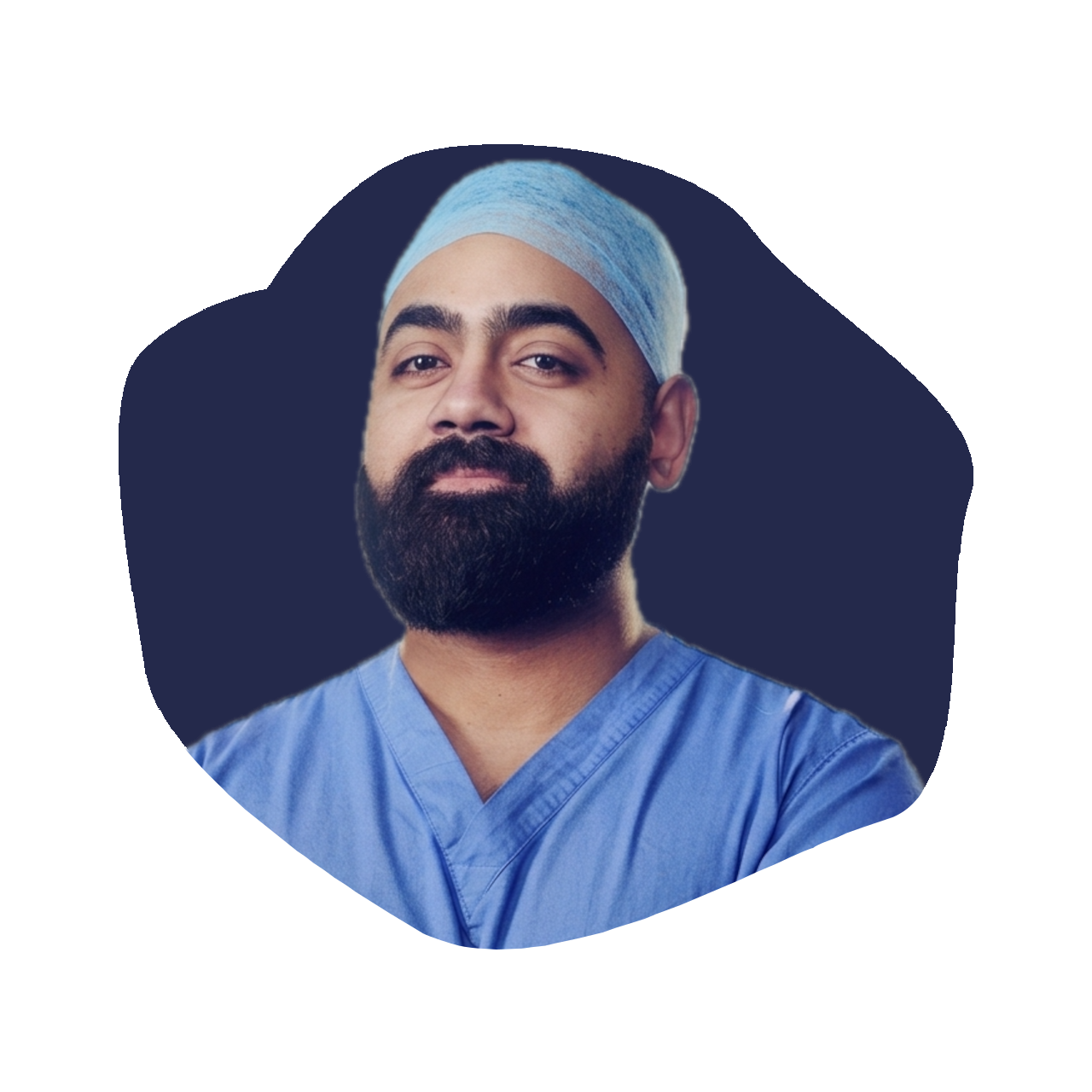
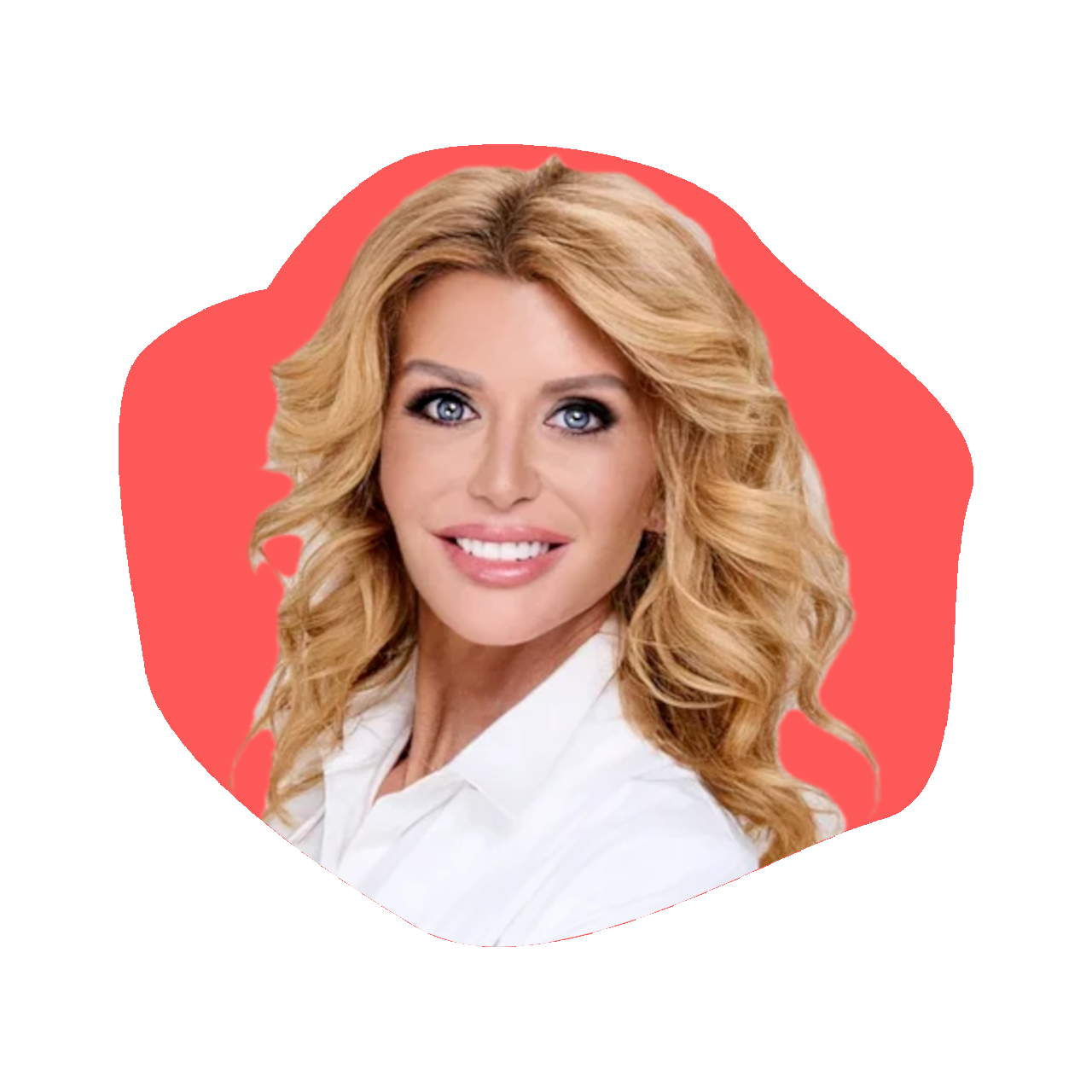
Blake Mycoskie: Founder of TOMS & We Are ENOUGH
Episode 840
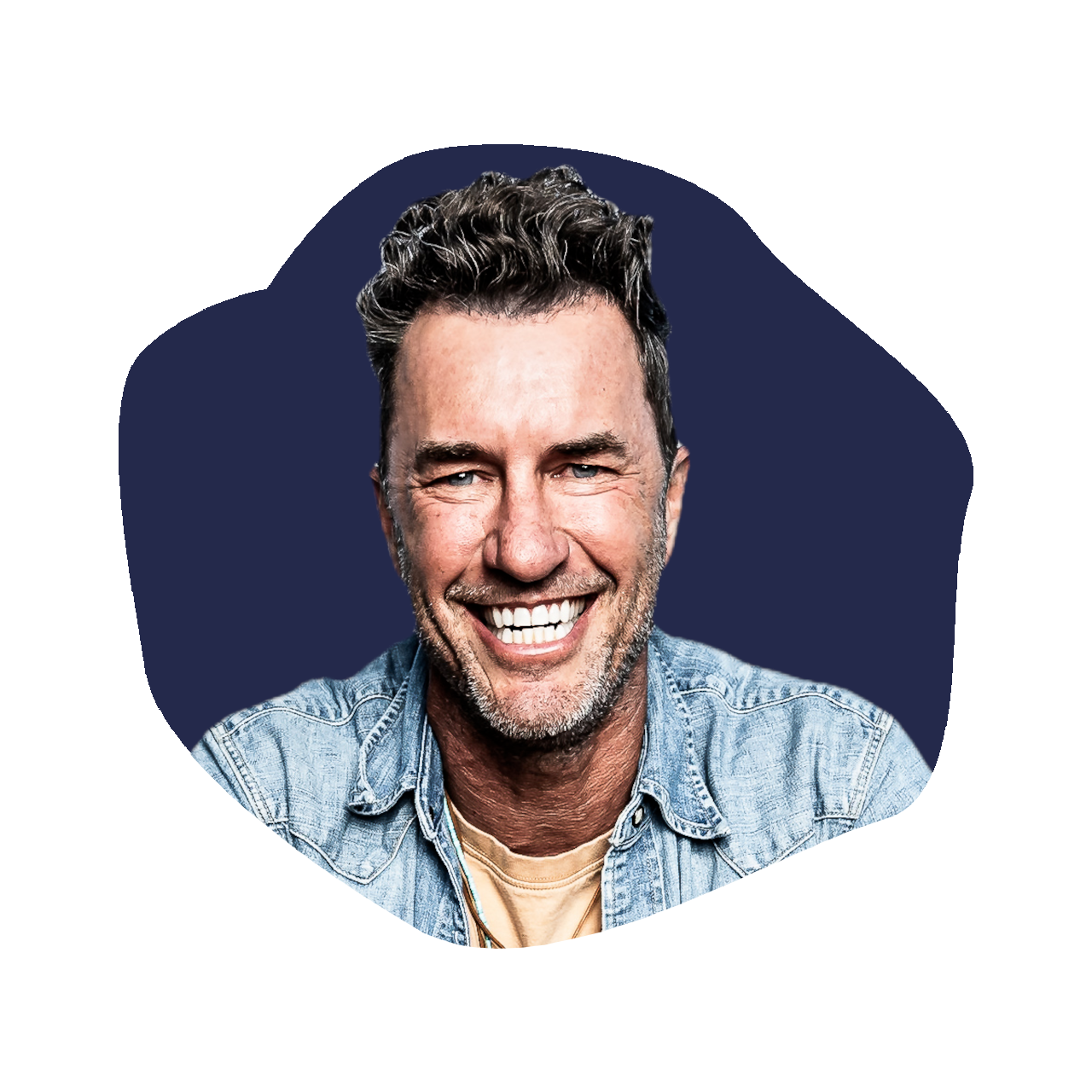
On today’s episode, we welcome Blake Mycoskie, Founder of TOMS and Founder of We Are ENOUGH — a leader who helped redefine purpose-driven business, and is now asking a much deeper question: what if success isn’t the thing that makes you feel whole?
What started as a simple idea—pairing business with giving—turned into a global movement and a $650M brand that changed how companies think about impact. But behind that success was a much more personal journey, one that led Blake to confront his own struggles with identity, mental health, and the pressure to constantly achieve. Not exactly the part of the story most people see.
In this episode, Blake shares what really happens after you “make it”—and why so many high performers still feel like they’re not enough. We talk about the hidden side of ambition, the mental health challenges founders don’t often discuss, and how redefining self-worth can change the way we build businesses and live our lives. He also opens up about the transition out of TOMS, what led him to create We Are ENOUGH, and why his new podcast, No Magic Pill, is focused on having more honest conversations about what’s really going on beneath the surface. This is a must listen.
Resources from
this episode:
Enjoying this episode of #TheKaraGoldinShow? Let Kara know by clicking on the links below and sending her a quick shout-out on social!
Follow Kara on LinkedIn – Instagram – X – Facebook – TikTok – YouTube – Threads
Have a question for Kara about one of our episodes? Reach out to Kara directly at [email protected]
To learn more about Blake Mycoskie and We Are ENOUGH:
https://weareenough.co/
https://www.blakemycoskie.com/
https://www.instagram.com/blakemycoskie/
https://www.linkedin.com/in/blakemycoskie/
Transcript
Kara Goldin 0:00
I am unwilling to give up that I will start over from scratch as many times as it takes to get where I want to be. I want to be, we just want to make sure you will get knocked down. But just make sure you don’t get knocked out, knocked out. So your only choice should be go focus on what you can control. Control. Control. Hi everyone, and welcome to the Kara Goldin show. Join me each week for inspiring conversations with some of the world’s greatest leaders. We’ll talk with founders, entrepreneurs, CEOs and really, some of the most interesting people of our time. Can’t wait to get started. Let’s go. Let’s go. Hi everyone and welcome back to the Kara Goldin show. Have you ever stopped to think about what happens after you achieve the thing you once thought would change everything, the company grows, the valuation climbs, the recognition comes and yet, for so many founders and high achievers, there’s still this quiet question underneath it all, why doesn’t this feel like it’s enough? And we talk about building, scaling, winning, but we don’t talk enough about what it does along the way, and the pressure might keep going, keep proving to keep becoming more and more and more. Today’s guest knows that journey better than most. He has built one of the most iconic, purpose driven brands of our time, pioneering a model that didn’t just create a business, but helped redefine how companies think about impact and responsibility. So today, we’re going to talk to Blake Makowski, who is the founder of an incredible brand called TOMS, and he is also the founder of an incredible initiative called We Are ENOUGH, and also the host of a brand new podcast called no magic pill, which we’re going to hear all about. So Blake, welcome to the Kara Goldin show. So nice to see you.
Blake Mycoskie 2:01
Thank you so much for having me on the show. I’m really excited for this conversation.
Kara Goldin 2:05
I’m very, very excited. So first, before we get into the your latest initiative, I’d love to start at the beginning what was Tom’s and what made it so different and unique from anything else at that time.
Blake Mycoskie 2:22
So it’s actually about 20 years ago, I was traveling in Argentina, and I noticed that so many children did not have shoes, and I learned that many of the kids who didn’t have shoes weren’t allowed to go to school because there was a requirement for a school uniform, which included shoes. And at the same time, I discovered this very simple Canvas shoe that a lot of the farmers and polo players and people wore down in Argentina. And I kind of came up with this idea. Is very simple. I said, Well, what if I sold these shoes to my friends back in Venice Beach, where I lived, that, you know, these cool shoes I’d never seen before. And every time I sold a pair, I would then donate a pair to these kids that need shoes. And the original project, it wasn’t even a business, it was called the shoes for tomorrow project. And then we called them tomorrow shoes. And then about a month or two into making them, we couldn’t fit tomorrow’s onto the tag, so we shortened tomorrow’s to Tom’s, and people have been calling me Tom ever since, but started in my apartment. The whole company was financed with $3,000 that I had in my savings. I never had an investor, and we scaled the company to about 700 million in sales, and I sold it for about that much in 2019 so yeah, and we gave 100 million children shoes. So it was a really crazy ride and a lot of fun.
Kara Goldin 3:50
This episode of the Kara Goldin show is brought to you by ZocDoc. I care a lot about staying healthy, but I’ll admit, actually booking appointments isn’t always at the top of my list, it’s not the visit itself, it’s the process finding someone good, making sure they take your insurance and then trying to fit it into your schedule. That’s why ZocDoc really stood out to me. ZocDoc is a free app and website that helps you find a book high quality in network doctors so you can find someone you really love. We’re talking about booking in network appointments with more than 150,000 providers across all 50 states, whether you’re looking for dermatology, dentistry, primary care, eye care, or one of the other 200 plus specialties, you can easily search by specialty or even by symptom, to find exactly what you need, what I love, is how easy it is. You can read real patient interviews, see who feels like the right fit for you, check their real time availability and book instantly. No phone tag, no waiting around. You can choose in person visits or video. Appointments and appointments made through ZocDoc happen fast, typically, with just 24 to 72 hours, sometimes even same day. Honestly, it just takes all the friction out of something that a lot of us tend to delay, and makes it easy to actually take control of yourself, stop putting off those doctors appointments and go to.com/kara to find and instantly book a doctor you love today that’s z, O, C, D, O, c.com/kara, ZOC doc.com/kara, thanks ZocDoc for sponsoring this message. You grew TOMS into a global brand. You sold it. And did you? Did you stay on with the company that bought the company for any period of time?
Blake Mycoskie 5:51
Yeah, I stayed on for five years. And actually, you know, that was a really great experience, like I had really good partners. It was a hard time during the company, because we were trying to expand into some new categories and new markets. And, you know, the shoe had just been like this crazy rocket ship. I mean it literally. I think we were the fastest growing shoe company in the world for three years, and so just hard to keep that growth. And so ultimately, after five years, I realized it was, you know, time for me to move on. I moved to Jackson, hole Wyoming, where I, you know, kind of became a ski bum, and, and, and, and it was, you know, in hindsight, I think it was the right decision, but it was also a really hard thing to not be so connected to something I spent so many years building,
Kara Goldin 6:41
yeah, so can you talk a little bit about that? I mean, what was the point when you sort of knew that, obviously you had sold the company and you were, you were going on to do other things, but was there a point where you really thought, Okay, what am I going to do next? Do I go build another company? Do I do nothing? I mean, what? What was that moment? And did you feel like, did you feel like you were just kind of only allowed to do shoes? I mean, what? We’ve heard it from so many founders over the years, like, Where were, where was your head through this process?
Blake Mycoskie 7:23
Well, you know, you know, I’ve done a lot of therapy about this, which kind of led to my, my latest venture. We Are ENOUGH. But you know, when I sold the company, I felt like I had accomplished everything I’d ever dreamed of. You know, TOMS is not my first company. I had five companies before TOMS. A lot of people don’t know that. And and so Tom’s, it’s like I had made money, and then I made a lot of money, but really what Tom’s was, is my, you know, way of giving back, of making something that really changed the way that people thought about business. It was, in a sense, I thought my legacy. And so it was really hard to be 42 years old in hindsight. And, you know, have made more money than you ever thought was possible, helped a lot of people. Kind of achieved all the things you wanted to do as an entrepreneur. And so, yeah, I was kind of like, I’m done, like, I don’t know. Like, I don’t know how I’m at top this. I mean, like, literally, like, you know, it was I had, you know, built an incredible culture and and so I did. I moved to Jackson Hole. I started snowboarding a lot. Started rock climbing, you know, focused on my my kids were very young at the time, but it was about a year and a half in when I started waking up and not feeling very good, like not really knowing what I not feeling excited to go snowboarding, or not really feeling as engaged as my family and and I’d never been depressed before, but I’d heard about it, and I had friends who had said they were depressed. I didn’t even understand what that meant. Really, I’m honest. And I started, you know, just not really having much excitement for life. And it started small, but then it got worse and worse, and I realized I didn’t have purpose anymore. I wasn’t connected to my community. It was getting dark early, you know, Jackson Hole in the winter, five o’clock, it’s dark, you know, I’d always lived in, you know, sunny California. So, you know, a mild depression started up, and then I kind of panicked, to be honest, because I’d never been depressed and my whole life. I think people would say is like, I’m one of the most optimistic people they know. And so having these feelings, I really didn’t know how to deal with them. And so, you know, I kind of did probably what other people might have done who were in my position, and I was like, Okay, well, maybe I can just kind of, like, have new experiences, and I built the dream house, and, you know, went on the great vacations, and I got divorced, and then I got remarried, and I got divorced again. I mean, like, I really made a mess of my life chasing trying to see what I could do to feel better, you know. And I thought that if I just did this, it would be enough, and this would be enough, but it never was enough. And ultimately, over a long seven year struggle with this, and, you know, one that, frankly, almost, you know, ended my life. I mean, it was really scary. You. I realized that at the underneath it all, and with the help of an incredible therapist, I was able to see that I had never felt that I was enough, not as a kid, not as an athlete, not as a founder, I mean, not as a human like I just never felt that I was enough no matter what I did. And I think the reason that was so crushing was I accomplished everything, I still didn’t feel enough. And then I bought everything, and I still didn’t feel enough, and I changed my personal life, and I still stuck with this feeling of not feeling enough. And so I started a really deep, deep healing journey, and that journey led to me eventually, over time, with a lot of work really understanding that I am enough, just as I am, and so I really been dedicating the last, you know, year to spreading that message. We create a nonprofit that We Are ENOUGH organization, and we we do these bracelets. I don’t know, for those over who are watching it, if you’re listening, it’s a it’s a hand beaded bracelet in green that says enough. It’s handmade in India. And we sell the bracelets, and we wear them as a daily reminder that We Are ENOUGH, just as we are, and we donate 100% of the profits to mental health organizations. And my favorite thing about the bracelet isn’t actually wearing it myself. It’s when I give it to someone I love. Because when I’m giving it to them, I’m telling them, Hey, I got your back. You know, no matter what, I’m here for you, you’re never alone, and we together are all enough. And I’ve seen the coolest experiences I’ve had, and now other people have had, and we get emails and social media posts to people like giving it to their son or to their daughter or to their best friend. And so it’s just been a really cool thing, how I took something that was so painful for me and such a block in my life for so long, and then was able to heal it myself. But a big part of the healing has come in me, sharing it with others. And so the websites We Are ENOUGH.co and it’s really fun, and it’s fun to be building a startup again.
Kara Goldin 11:59
Yeah, I love it well. And I think there’s you’ve I’ve heard you talk about how high so many high achievers feel like they’re not enough. And on your podcast you’re starting, you’ve been interviewing people, and some of those episodes are just now starting to roll out. But why do you think that there’s this, there’s there’s this feeling that so many people, whether you’re a massive actor, or you’re a founder of a startup or you’re a CEO of a, you know, billion dollar valued company. I mean, we’ve heard this from so many people. Why is it? And I think it’s a two part question, because you weren’t doing you weren’t just running a company, you were also running a company that was mission based. That were you were helping tons of people that most people would say, you know, Blake, really. Blake did a lot to help change. Should have felt enough lives, right? It should have felt enough. But why was it that you didn’t?
Blake Mycoskie 13:10
I think that for me and for so many high achievers at a young age, it was conditioned in us. It could have been our parents. It could have been just culture. I mean, today young people at social media that our value comes from to our performance, you know? And yes, some people say, Well, if you didn’t feel that way, would you have accomplished all that you did? And I said, I don’t know, but the price is pretty high, considering it almost led me to take my life. So I don’t think it was worth it, you know, when it comes to, you know, that level of pressure, but I think that, you know, we are even if, even if we don’t. I mean, I have an eight year old and 11 year old, and this has been such a healing experience for me to share with them my story and the bracelet. And now they wear the bracelet, and we do this thing at dinner where we hold hands and we say, I am enough. You are enough. We Are ENOUGH. Because I think that this pressure that we put on ourselves and we put on our kids and so what I was saying is is it’s been so healing with my eight year old and 11 year old, because when I didn’t feel enough, I think I was unconsciously presenting that to them, that they weren’t enough. You know that my son needed to do better in sports, or my daughter made certain grades, and since I’ve shared with them, hey, like my whole life, I never felt that I was enough, and I didn’t know it, but now that I have done the work to heal that, I feel so much better, and that’s why I wear this bracelet, and then that’s why I’ve given you the bracelet. And I feel like my kids have just relaxed, like, I just feel that they’re more confident, they’re more relaxed, and so I think is a big thing even, like, you know, really well intended parents, even if they’re not telling their kids that they’re not enough, just by telling themselves, you know, and having that pressure, it’s like, it’s like, almost like, transmuted to their kids. And so I think it’s just a cultural thing, you know, especially in America and, you know, other countries that we just put so much pressure on ourselves, we define our worth based on our success financially or in other ways, and I think it can be crippling. And so that’s why, you know, I’m so committed to this, because I feel like we can, you know, really, this is like at the core of all of our mental health. And you mentioned the podcast. I mean, that’s why I created the podcast, because in my healing journey, I tried everything. I mean, I tried pharmaceuticals, I tried psychedelics, I tried retreats in India, I tried somatic therapy, I tried brain stimulation. I mean, I did. I was so desperate to feel better, and I had the resources that most people don’t have. So that’s why the podcast is called no magic pill. Is because after doing this for seven years, I realized there isn’t a magic pill. There is no one way to have mental wellness, but it’s a combination of different things based on what you’re, you know, working through. And so each week. That’s why we have different, you know, you know, guests that all have different life experiences. So we can talk about, like, what actually worked? Like, how did you get through that panic attack, if it was, you know, a Kevin Love, you know, or, you know, how have you handled, you know, that kind of chronic anxiety that is that keeps you from sleeping at night? Like, those are the things we talked about, and it’s helped me a lot in my healing, too.
Kara Goldin 16:22
That’s so interesting. So you’ve shifted from external impact to internal impact, and you’ve talked to a number of people. What was the most interesting, I guess, type of philosophy that showed up in some of these interviews, because you and I were talking about, you know, when you’re talking to people on your podcast, and I feel the same way, you’re learning, right? You’re You’re energized. Has there been moments, I’m sure there has where you’ve sort of stopped in your tracks and you’re like, Whoa. I’ve never really thought about that.
Blake Mycoskie 17:00
Yeah. I mean, a bunch. One of the ones that really stopped me in my tracks was I did an interview with a therapist named Gabor Mate. I don’t know if you know Gabor, but he’s pretty famous therapist, especially around trauma work. And he also wrote a book on kids and ADHD and and kind of, you know, it’s just, he’s a really good thinker, and he’s and he’s very well known, and he’s had a very illustrious career. And we were talking, and we’re talking about how, when I kind of started to heal this feeling of enough, and really felt a sense of purpose again, that that made a big difference, like part of my depression, I think, was I lost my purpose after selling TOMS and and he said to me, he said, you know the Be careful. He warned me that you don’t let this purpose become another, you know, substitute for an identity that isn’t your intrinsic worth, you know, so sometimes like, even like, even though now your purpose is helping people feel enough. He’s like, even that, if it gets, you know, it becomes too much a part of your identity can then set you up to potentially undermine the feeling you’re trying to get out and as you’re enough. And then he also said something very convicting, and that was just around making sure that I do not let anything distract me from time with my kids. And it was just like it was he’s like Blake, if I was, if I, if I would have heard this at my at your age, I would have done things differently. I would not have gone to as many medical conferences. I would not have given as many speeches. I might not have written as many books like, I never got that time back, and your kids are young. And he said, like, I see how excited you are, and this podcast is great, but nothing is going to be more important to the rest of your life than those relationships and how you feel in being there. And it’s not just quality, it’s quantity, too. And I remember sitting there being like, am I interviewing you, or am I getting a therapy session? I was like, okay, sad you see on the podcast. I mean, I’d like sitting there and you see this look on my face of just like, fuck, like I need to, I need to rethink some things. And I, literally, from that podcast, made some changes to my schedule and and change some things for the rest of the year so that I could just be home more and, and, yeah, so that talking about really learning something or gaining something from an interview. And I think the way that we got there a lot of people, especially high performers and CEOs and people will really appreciate because we got there in a kind of, you know, you know, in a meandering way. It wasn’t like he just hit me with that. It just that was a natural place that we got to in talking about mental health and purpose and how to feel well on a sustained level. But I really, I really, really like that conversation. The other one was Kevin Love NBA, all star basketball player, you know, greatest guy in the world. You think he has no. Kara in the world, you know, wins an NBA championship with a brawn and then, like, the third game of the next season, has a crippling panic attack. And he, you know, and and he was so ashamed and so embarrassed, and he didn’t want the NBA to know, and he didn’t want to say anything. And I think what I learned from that is, you know, there’s probably a lot of people in in the corporate world or in the entrepreneurial world, or, you know, some of your founders who are venture backed, you know, they’re like, I can’t tell my investors that I’m struggling with anxiety. I’m getting ready to go raise my series A or my series B. I got to fucking be the man or the woman. Like, I can’t, you know? And I realized, you know, that in every career. That is a real issue. If you have investors, if you have a boss, if you have you know we, almost all of us, have someone we have to kind of report to, and we need their endorsement, and we don’t want to appear weak. And so that was something that was like, wow. Like, we really need to dig into this more on the podcast. And so since then, I’ve had several other episodes where really talked about, like, practically, like, how do you hold up your hand and and when is it the right time, and how do you talk to your boss or to your investors? Because if you don’t and you sweep it under the rug, eventually it’s going to come out, and eventually it could be even more catastrophic for you, personally or the company, and so I really learned a lot from how he dealt with that with the NBA and with his team. And now his vulnerability is a strength. I mean, he’s really seen as one of the great role models in the NBA, because he talks about mental health, and I would even argue, like now with the startups that I’m involved in. Now, I’m actually much more effective as a co founder or as a mentor because I’m I’m very open about, you know, my mental health and when I’m having a hard time, and what I’m doing to, you know, work on myself. And so I’m not hiding anything, and we’re not hiding anything. You can be more free to actually really perform.
Kara Goldin 21:59
Yeah. So, interesting. So knowing what you know today, maybe a founder’s listening to you now and thinking, you know, well, that’s nice, because Blake sold his company, and I’m right in the middle of it, right? And I’ve got investors, I’ve got a board meeting tomorrow, all of these things. I’ve got a family. I’ve got young kids that are home, like, what? What would you suggest knowing what you know today? Like, what would you do differently?
Blake Mycoskie 22:31
Yeah, well, I think one of the most important things is finding a good therapist, finding someone that you can really talk to. And is interesting. You and I were talking before the show. I’ve actually recently started using an AI therapist in addition to my therapist, because oftentimes I don’t have, like, it’s 6am you know, I wake up feeling anxiety and I need to talk to someone about it. Well, my therapist isn’t available. I have my therapy on, you know, Wednesday at four o’clock on Zoom. You know, that’s the only time I have the whole week or the whole month, even for most people. And so I met these guys, these MIT students, and they were at a mental health conference, and they were talking about how they built this, you know, AI therapist on top of the llms, so that it’s HIPAA compliant, and it’s completely, you know, safe and secure. And they built it so that people could get therapy that would not normally get therapy, and get it whenever they need it. And that was the big thing is, like, sometimes you just need someone to talk to for 10 minutes. And so it’s called Sonia, and I’ve been using Sonia now for six months. It has had a huge impact on my life. Because, you know, you know, maybe two or three times a week, I just something comes up. Maybe I have a you know, argument with my ex wife, and I start ruminating about something I said in the past and and oh my gosh, I shouldn’t have said that. And now this is going to happen. And so my advice to founders like this stuff like, life happens, and if you keep it on side, it’s just going to build up and it’s going to get heavier and heavier and heavier. But if you can talk to someone, whether it’s Sonia as an AI therapist or a regular therapist, or even just a really good friend, and you can get this stuff out of your head and out into the world and get some feedback, then that makes a huge difference. And so, you know, and I think the thing that’s nice that I’ve been enjoying, and I’m mentoring these guys at Sonia is, like, it’s just nice to be able to talk completely judgment free, too, you know, because, like, AI is not going to give me a judgment right, like, and it’s trained by all the, you know, CBT and a CT, and all the models and but it’s so nice, like, I’ve actually shared things with my AI therapist that I sometimes might be embarrassed to share with my real therapist, because it’s just weird talking to a person and saying something sometimes and so, so that’s the thing that I would say, has been the biggest help for me in my continued, you know, kind of mental wellness is just having someone to talk to. So I don’t keep things just ruminating in my head, because that rumination that happens over and over, that self doubt, that limiting belief. Eve, all this stuff, once you talk it out it, it doesn’t, it doesn’t have the weight that it has, and therefore it doesn’t build up. And I think that build up is what you know, really leads to a lot of people, you know, feeling depressed or feeling anxious, and then if they don’t deal with it, it just gets worse and
Kara Goldin 25:17
worse. Now I love that. How do you spell Sonia? Then is it?
Blake Mycoskie 25:20
Oh yeah, it’s S, S o, n, i A, and they’re just in beta right now. It’s free on the App Store. And so, yeah, I mean, I downloaded at first, I was really skeptical. I was like, I don’t know about this. Like, and look, the truth is, if anyone knows a good therapist, it’s me. I mean, I’ve seen a lot of therapists and had the resources to and so I was like, Okay, we’ll see. And then about the second or third session, I was like, Oh, this is, this is really special. And so, yeah, so there it’s, it’s really fun. And everyone that I’ve introduced it to uses it regularly now. Like, it’s, it’s, I’ve gotten such good feedback.
Kara Goldin 25:52
I love it. So We Are ENOUGH your your platform, that you’re working on what and like, how do people engage with it and process, yeah, totally,
Blake Mycoskie 26:05
yeah. So, so on our website is We Are ENOUGH.co and we sell the bracelet. We sell it as a pair, so you get one for yourself, and then one to give to someone else, because that giving it to someone else is such a powerful thing. And then we have t shirts and hats. And, you know, from my TOMS days, a whole merchandise collection, and 100% of the profits go to mental health organizations. And yeah, like going to the website, buying a t shirt hat or a bracelet for someone is, is the way that you can support us, and we and we really appreciate it. And you know, this month is mental health awareness month. And the reason the bracelet is green, and you’ll see a lot of green this month, is that’s the color for mental health awareness and so this month, we’re really encouraging people to, you know, have a conversation that maybe you know you need to have, but you’ve just been a little bit hesitant to have with someone in your life that might be really going through it. I had a girl the other day. She was like 1617, high school girl, and we were at an event, and she said, You know, I gave the second bracelet to my dad, and I’ve known for years that he’s been depressed, but we’ve never talked about it. And I told him, I said, Dad, like you can talk to me, I have bad feelings sometimes too. Life can be hard. Like, I love you, I’m proud of you, and you’re enough. And he just was weeping, and she was weeping, and she said, like, it was such a meaningful, probably one of the most meaningful moments she had ever had with her dad, she said, and that was just from a simple exchange of her bracelet. And so that’s what I’m kind of most proud of with this, and I think Mental Health Awareness Month is a great excuse to have, maybe a conversation that you might not normally have, or to, you know, give the bracelet to a co worker, to a friend. But I really believe that part of what we need to do in our country is really focus on, like, recognizing that mental health is just part of health. You know, like I just gave a TED talk in Vancouver last month, and a big part of my talk, I gave a statistic that people were blown away by. I said, 50% of Americans will break a bone during their lifetime. And I asked the audience, I said, How many people have broken a bone so far? And about half the people raise their hand, and then I said, Okay, how many people in the audience have been diagnosed with anxiety, depression, bipolar, OCD or a mental health condition? Maybe 10% of the people raised their hand and said, Okay, well, the truth is, according to US Department of Health, over 50% of Americans will be diagnosed with a mental health condition during their lifetime is same number as breaking a bone. So if you think about it, no one’s ashamed of breaking a bone. You know, we plan for it, we take care of it. You get the help. But a mental health condition, all of a sudden we whisper, we isolate. And that’s why it’s it can be lethal, is because we are not, you know, we’re not prepared for that. And so that’s what I think is so important. Like a month, like a mental health awareness month, is into where the bracelet is saying, like, hey, like, this is really part of our life. Like half of us are going to go through something. And so the more we talk about, the more we see is you haven’t done something wrong. Like, I didn’t do something wrong to become depressed, but I had a series of events in my life that caused me to become depressed. And had I not been ashamed, it wouldn’t have lasted seven years. It might have lasted a year or even less. You know, I mean, I the reason it lasted so long and it became almost lethal is because I was ashamed and I was hiding it, and I was trying to pretend I was okay, and I was trying to spend my way out of it. I tried to do this, but if I just would have dealt with it and really said, Hey, like guys, I’m not okay right now, like, I’m really not feeling like myself, and unpacked it with a therapist or with a friend, then it wouldn’t have been as severe. And so, so, yeah, I think you know, the more people that can you know. To, you know, really have those conversations. I think the bracelet is just a great excuse to have the conversation.
Kara Goldin 30:05
Yeah, I love it. Well, blank. Thank you so much for joining me today. Thank you. That
Blake Mycoskie 30:11
was awesome.
Kara Goldin 30:12
Yeah, no, it was great. What you’ve accomplished, not only with with founding and building TOMS and now with We Are ENOUGH and all of the great work and honesty and willingness to share both the highs and the struggles, I so appreciate this. For anyone who is interested and learning more about We Are ENOUGH. Definitely. We’ll have the info in the show notes and the new the new podcast is no magic pill that just is launching. And thank you again, Blake, very, very much. Appreciate it so. And thank you everyone for listening. Goodbye for now.
Blake Mycoskie 30:50
Thank you
Kara Goldin 30:51
Thanks again for listening to the Kara Goldin show. If you would please give us a review and feel free to share this podcast with others who would benefit. And of course, feel free to subscribe so you don’t miss a single episode of our podcast. Just a reminder that I can be found on all platforms. At Kara Goldin, I would love to hear from you too, so feel free to DM me, and if you want to hear more about my journey, I hope you will have a listen or pick up a copy of my Wall Street Journal, best selling book undaunted, where I share more about my journey, including founding and building hint we are here every Monday, Wednesday and Friday. Thanks for listening, and goodbye for now.