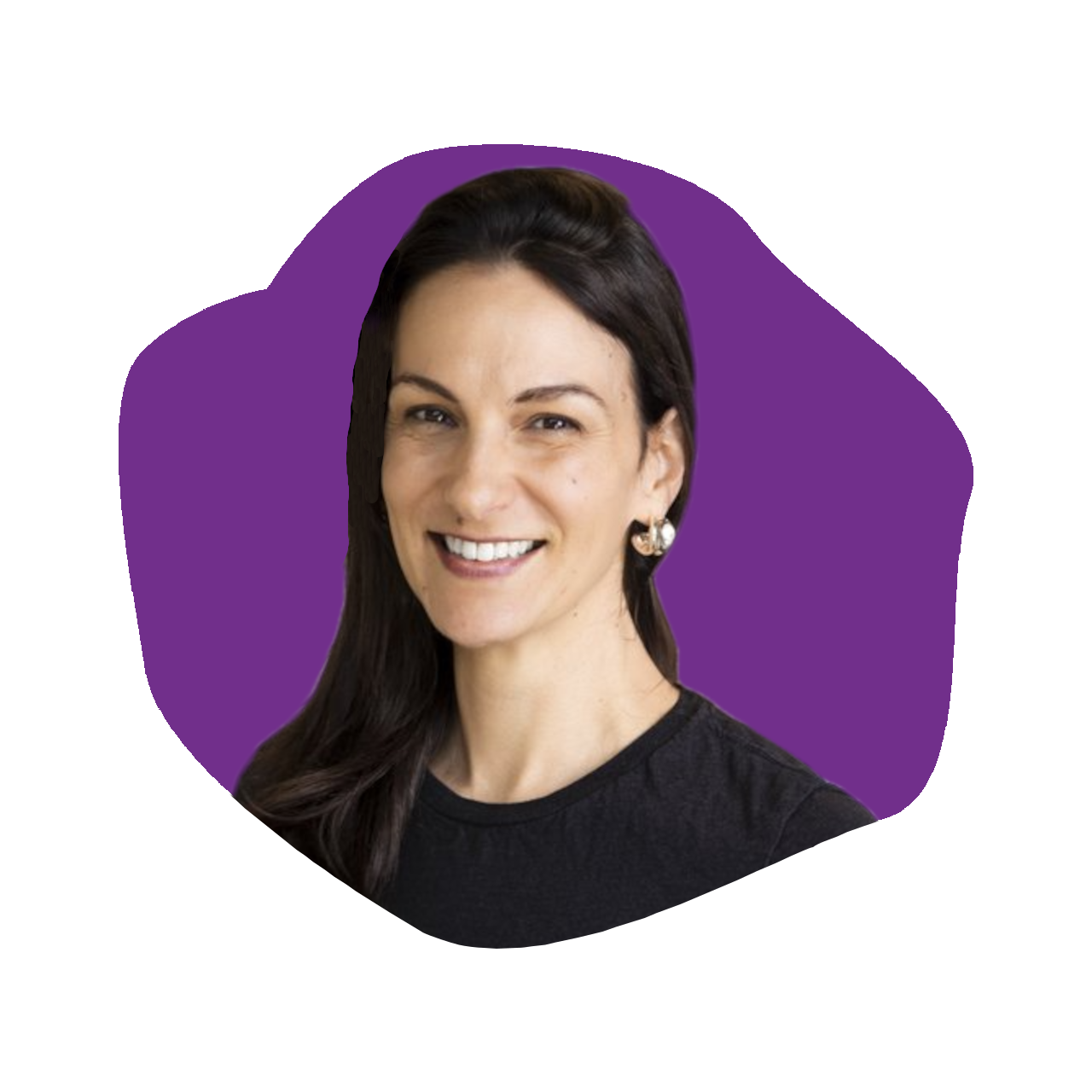
Julia Hartz: Co-Founder of Eventbrite
Episode 839
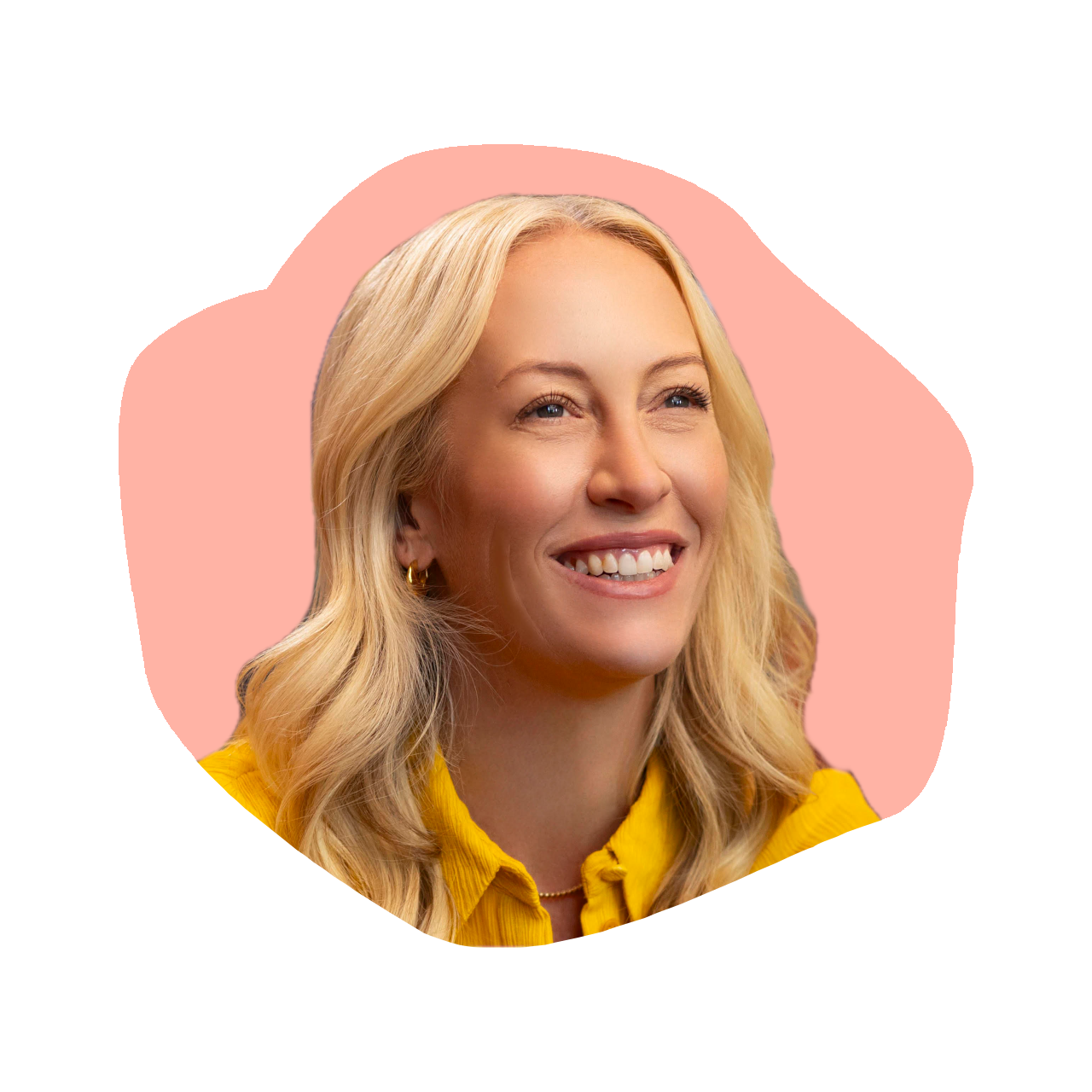
On today’s episode, Kara welcomes Julia Hartz, Co-Founder and former CEO of Eventbrite — the platform that has transformed how millions of people create, discover, and experience live events around the world.
Julia’s journey is a powerful blend of creativity, vision, and leadership. From her early career in media at MTV and FX to co-founding Eventbrite in 2006, she helped grow the company into one of the largest marketplaces for shared experiences — powering more than five million events annually and processing millions of tickets every week. Along the way, she built a company known not just for its scale, but for its people-first culture and deep commitment to connection.
In this episode, Julia shares what it really takes to build and scale a mission-driven company, the lessons she learned leading Eventbrite through its IPO, and how she approached one of the most pivotal moments in the company’s journey — its recent acquisition and transition into a new chapter. She also opens up about leadership evolution, navigating major transitions, and why live experiences matter more than ever in today’s digital world. Julia’s story is a masterclass in building with purpose, leading with intention, and creating something that brings people together in meaningful ways.
Resources from
this episode:
Enjoying this episode of #TheKaraGoldinShow? Let Kara know by clicking on the links below and sending her a quick shout-out on social!
Follow Kara on LinkedIn – Instagram – X – Facebook – TikTok – YouTube – Threads
Have a question for Kara about one of our episodes? Reach out to Kara directly at [email protected]
To learn more about Julia Hartz and Eventbrite:
https://www.eventbrite.com/
https://www.linkedin.com/in/juliahartz/
https://www.instagram.com/juliahartz/
Transcript
Kara Goldin 0:00
I am unwilling to give up that I will start over from scratch as many times as it takes to get where I want to be. I want to be you. Just want to make sure you will get knocked down. But just make sure you don’t get knocked out, knocked out. So your only choice should be go focus on what you can control. Control. Control. Hi everyone, and welcome to the Kara Goldin show. Join me each week for inspiring conversations with some of the world’s greatest leaders. We’ll talk with founders, entrepreneurs, CEOs and really, some of the most interesting people of our time. Can’t wait to get started. Let’s go. Let’s go. Hi everyone, and welcome back to the Kara Goldin show today, I am so excited to have our next guest here with us. Here today, a fellow Bay Area founder, co founder, Julia Hartz is the co founder and now former CEO and Executive Chair of an incredible, incredible company that I’m sure you have used over the years, I certainly have called Eventbrite, and the global platform that has transformed how millions of people create, discover and experience live events. Julia’s journey is one of vision, creativity and deep belief in the power of human connection. And CO founding Eventbrite in 2006 she helped grow the company into one of the world’s largest marketplaces for shared experiences. And what I love about Julia and her story is that she didn’t just build a business, she built a movement around bringing people together, and boy, do we all need that today. So from her early days from different industries to focusing on creating meaningful and real world connections, I’m so proud of what she has done, and to me, she is one of the founders that I really look at and view as a mission driven founder, entrepreneur who has built a company and now has has sold that company, and I cannot wait to hear a lot more about it. So Julia Hartz, welcome to the Kara Goldin show. So excited you’re here.
Julia Hartz 2:27
Thank you. I’m so excited to be here.
Kara Goldin 2:30
Very, very excited. So Okay, so you’ve helped build one of the world’s most recognizable event platforms. Take me back to those early days, maybe also share what is Eventbrite? For those who just don’t really know what the company is. So Eventbrite is the long is the largest platform for live experiences in the world, actually. So it you know, we think about the events that you go to on a weekly basis, not just an annual basis, but the things that are in your community, like a book talk or a yoga class or a fun comedy sketch festival, those are all powered by Eventbrite. And you know, I actually was thinking about this this morning, Kara, when I was in the shower
Julia Hartz 3:20
about an early story that I think exemplifies the magic of being a founder and being an entrepreneur. It was back in 2010 I marked or 2011 I marked this by pregnancies. I was pregnant really early, pregnant with our second daughter and we had built a platform for self service event ticketing that was starting to really scale. It was starting to reach into different event categories and different GEOS, and the great Ron Conway put us in touch with Will i am from Black Eyed Peas, because they were going to play a free concert in in Central Park, first time that they’d done this in about 30 years. And they were going, it was, it was benefiting the Robin Hood Foundation and and we, we had no business ticketing this event for a number of different reasons, but will was so fed up with the, you know, incumbent ticketing providers and all of the ways in which they were being unfair to consumers that he wanted to give us a shot. And so he sort of pushed us into it. And, you know, we had to come up with a way to run a public lottery for the tickets. Millions and millions of people applied for tickets to this event. And then we also needed to build our own entry system to scan the tickets as people were coming in several different locations in Central Park. Yeah, we are a team of maybe 50 people all in San Francisco. So we go out to New York. It’s in the middle of the summer, and it is so you know, the air is heavy, it’s it’s sweltering hot. We all have our cute little event, bright orange, you know, shirts on. I’m feeling incredibly nauseous, but no one could tell I was pregnant. And I’ll never forget that day that we were setting up, because we had engineers that were like, you know, basically like putting wiring things together to create these, these, this ingress system to get 1000s and 1000s of people into the event. We had worked so hard on this. There were 10s of 1000s of people, 60,000 who were going to come in, and 1000s of them were already lined up on either side of the park to get into the two entrance points. We were parked in a trailer on Central Park West, and I’ll never forget sitting in the trailer trying to get some relief from the heat. And one of our engineers is a pilot, and he has this really sophisticated weather tracking system. And he was, he was like, glued to his computer, and I’m like, What’s going on, Bob? And he’s like, I think there’s a massive storm coming, and it looks like it’s a thunderstorm and a lightning storm, and that’s gonna be really bad. So we’re kind of sitting there, and I look out the window and down Central Park West. It looks like the state puff marshmallow man is coming like it is just the most forebode. And again, we’re west coasters. We have no idea what real weather is. This most foreboding system, like marching down Central Park West. So we started to get word that the city it might have to call off the event, but they’re not sure, so they want to let people in, and then make the call. And we’re like, okay, so we opened the gates, and we’re scanning people in, and our system was working, and people are, like, flowing through the gates. They’ve been standing there all day. I’m watching, like, it’s like a episode of Parks and Rec, like the Central Park, people don’t mess around. So we’ve got all these things going on, and all of a sudden we hear over the over the radio, they’re gonna call it, it’s like, way too dangerous Black Eyed Peas. Remember, they have a huge setup. It’s like, all metal. You know, this was like during the like techno era of theirs. And we have to then egress everyone out of and rescan their tickets, so we do it twice, and it is chaos. Now it’s starting to rain. Now we’re starting to get the thunder. Now it’s starting to look like a really bad movie, and I’ll never forget, about an hour later, we’re sitting in a corner diner soaked through and through like so dejected, so bummed, and Kevin comes running in. Now, Kevin is my co founder and my life partner, and he comes running in with a huge smile on his face. And I’m like, I think I’m eating pi. Like, at this point, I’m just telling everyone I’m pregnant. I’m like, you guys, I can’t handle this. I’m eating pi. And I’m like, What are you smiling about? And he’s like, it worked. Like, we got all those people in, and we got 7000 people in in 15 minutes. Imagine what we do to get it’s going to be even better. And I’ll never forget thinking in that moment, wow, there’s this, like eternal, optimistic spirit of an entrepreneur. That is, it’s, it’s unflappable. And I just remember thinking like, you are absolutely insane, but that’s so awesome that that’s your overriding thought in this moment. I love the best lessons I ever learned, and when I actually knew how different Kevin and I were, because I am, like, a realist, optimist, operational person, so I was thinking about like, how we do how do we do this again? Will we even be able to do this again? We did it again. It was amazing success, but never again. Man,
Kara Goldin 8:50
oh, God, that’s that sounds crazy. Well, events in Central Park, we’ve done a few and and it really is a big undertaking, like you have to take a few days to just breathe after dealing with it, because it’s I’ve
Julia Hartz 9:06
never I’ve never met more intense people than Parks and Rec at Central Park. I’ve never in my life, not not since then, and I don’t think ever. They are a special breed.
Kara Goldin 9:17
I remember we did the Revlon breast cancer run in Central Park. And it was, it was absolutely nutty, and the and the rules and the entrances, and it was, yeah, it was, it was quite a bit, but a lot of fun. So I’m so curious. So you came from MTV and FX. You didn’t come from StubHub or a ticketing, ticket master, or even Live Nation, right? I mean, MTV kind kind of related, but where did this idea really come from to actually start? I mean, really your community? But your story mentions you really were talking about tickets, right? And, yeah,
Julia Hartz 10:05
I mean, I think that it really helped that we weren’t from the industry. I, you know, have obviously hired many people from the industry, have worked and had colleagues, you know, across different companies from the industry. And I could say without a doubt it was, it was a, I think the beginner’s mindset and sort of being naive and idealistic is definitely the way to go when you’re starting a company in a space that has, you know, incumbency and expectation. And Kevin really came up with the idea of democratizing different industries using consumer payment processing. And I’ll kind of explain so he was fortunate enough to be a seed investor in what became PayPal. He actually invested in something called confinity Labs, which was beaming money between Palm Pilots. This is like, I don’t even know if listeners know what Palm Pilots are. They’re the pre Kara.
Kara Goldin 11:00
I remember,
Julia Hartz 11:01
you know, our smart computing devices that we are now addicted to, but, but be through that, he was able to really understand the power of democratization. When you make anyone a merchant. Right prior to PayPal, you couldn’t really transfer money very easily at all. I mean, and then, you know, he built a company called Zoom X, O, O, M, based on the PayPal platform using the APIs, and it was meant to help immigrants send money back to their families, better, faster, cheaper than Western Union. The crazy part about that is that they launched it post 911 now being able to send micro transaction payments across border and internationally. Post 911 took an act of God. It took it took it took a crazy and so they scaled that. It went public, and funny enough, PayPal bought it, and it’s the cornerstone of their international business today. Coming out of that, Kevin was setting his sights on, what next? What else could we democratize, using the power of turning every single person into a merchant and live experiences? And ticketing seemed like this passion that hadn’t been touched, you know, since the since Fred Rosen and like you know, what became Ticketmaster, we decided to take that on. And the genesis of it was really building something that was as easy to use as Gmail, that was our North Star in terms of what we wanted the product to feel like. And then I came to this idea with my own kind of blueprint of having seen some pretty unique communities gathering around niche topics and really feeling the energy of those people in a room where I, like didn’t understand what they were so excited about, and they’d never met before, but they were instantly bonded, and that was through a documentary series that I had been a part of researching for FX that, you know, it just happened upon These fandoms. So I was thinking about the whole idea through that lens, like, what if you could bring people together more often? And that’s where our mission, to bring the world together through live experiences came from. And then Renault, our third co founder, is also a prolific photographer, and I think part of what drove him toward this idea, and what he added to the mission was, what if you could turn your passion into profit by teaching others what you know? And what if we could use Eventbrite to help entrepreneurs and just enthusiasts be able to create community around something they were passionate about, which actually came to life during the first financial crisis in 2008 when we needed to really, like, you know, lean into that. And people actually started to use the platform more to do that. So so he had the right hunch. So we all kind of came at it from these different angles. And I think each angle made Eventbrite stronger and made it what it was. It wasn’t just a ticketing platform, it wasn’t just a payment processor. It wasn’t just a way for people to market their their skills. It really was an amalgamation of everything that we wanted, and then underpinning that was the idea that humans need to gather, and it’s only in real life do we create indelible memories.
Kara Goldin 14:17
Totally, totally agree. So Eventbrite scaled to millions of events globally. Did that happen overnight, or was there a period of time you mentioned the Central Park? Will i am experience? But like that first year, what did the company look like as you were starting to put the foundation down and grow it and really understand who this consumer wanted you to be,
Julia Hartz 14:49
I think, I think that circa 2006 vintage companies had a great benefit, which was that scale wasn’t expected from day one. Yeah, and we had time and space to hone our craft, to iterate our product, to build community. We bootstrapped the company. So that was a very intentional decision that Kevin made, because he had to raise so much money with zoom right out of the gates, because in order to be a payment transmitter, you have to have a lot of money in your in your bank, bank account, and also to pass the regulatory hurdles. So we wanted to take a much simpler path. We wanted to bootstrap the company and really just build it really methodically. We started with customers in our backyards. We were alive almost right away. We didn’t like, we weren’t in stealth mode. We weren’t like, you know, polishing this gem. We really put something that was quite crappy out there, and it was adopted by tech bloggers. So we went to, like, the Michael arringtons of the world, and we said, you know, we’ll handle your ticketing for the meetups you’re having, and we’ll check people in at your conference, if you’ll use Eventbrite and give us feedback. And I mean, there’s no better beta testers than tech bloggers who are, like, incredibly, you know, snarky and and high demanding. And so we really leaned into that and built this product that that eventually met the needs of that group. But then from there, what we did was sort of against the grain of like, I guess, how of the advice that we were being given one is that we did not just focus on one category from there, really, once we had a product that could work, we opened it up to any kind of event. And that was really because we had a hunch that if we wanted to democratize something, we needed to make it available to anyone, and we could possibly see new trends emerge if anybody was able to use Eventbrite. So we actually really pushed the envelope of self service and open we you could just sign up using a you know, password in an email and start collecting money right away and take and selling tickets. And that was sort of unheard of back then, but we had the payment expertise to do that. And so on the back end, we were working really hard to mitigate fraud and to you know, and to make sure bad actors weren’t coming into the system, but it was incredibly low friction to get started. And then the second thing is that we didn’t focus on just one country. So we didn’t like box ourselves into just the US, or to, you know, a certain country. Really wanted it to be open worldwide. And that allowed us. The PayPal API, when we first started, allowed us to do that and to collect, you know, money in 180 different countries, and that also similarly cultivated opportunity for us. And then what we would do is we would just go find those pockets of opportunity and capitalize on them quickly. And that’s what actually helped us scale, you know, pretty quickly, right out of the gates. I mean, it was always up into the right
Kara Goldin 18:00
did you do a lot of advertising? Because I didn’t. I really never saw advertising, yet it just really seemed like a word of mouth opportunity.
Julia Hartz 18:13
Here’s what happened. We realized almost right off the bat that an event page would be user generated content that Google would love, and so we spent a lot of time making sure that whatever you did to the page, it would always be superior SEO ranking to the point where I’ll never forget, one of our first non tech customers was running speed dating in New York, And she was not technically savvy, but she had this big speed dating business, and she would call me and scream at me because I was the marketing department, so I found the customers, and then I was the customer service departments, and then I’m like, you know, serving the customers. And she would scream at me because our event pages, her events on Eventbrite were ranking higher in Google organic search than her own website, and I’ll never forget feeling so excited about that because I figured out SEO, but also helping her, like, regain her her rankings. It was like only, only the right thing to do, you know, make the customer happy, but so, so really organic traffic was like our biggest lever of growth, and we figured out how to grow event bright with the growth of our customers. Our monetization model was always a ticket per paid a fee per paid ticket, and I’ll never forget the day that somebody put a zero in the ticket box, and we were like, oh, there’s a fee on a free ticket. What should we do? And the conversation was about three and a half minutes. It was like, well, free events is still events, and that will get Eventbrite out more and faster. And. We don’t really need to make money on those, and it probably will really piss off our competitors, because we’ll, because we’ll undercut them, because they were all charging, like, subscription fees or something for free. Events. To this day, two thirds of the volume of Eventbrite is free. Doesn’t matter, like so many times somebody tried to kill that. You know, some smart person who went to business school came into Eventbrite, or like an outside consultant, and was like, You should charge for your free events. And then I finally let down my guard one time, and it was a disaster. And like, the whole point is that you really should think about those viral loops and not take them for granted. And yes, of course, they’re changing and morphing now, but always take advantage of a pathway to grow with your customers, and that’s what really helped us grow Kara. We spend less than $10 million on paid marketing. I mean, it’s, it’s phenomenal, right? So what, what came next was social, and we jumped on that immediately. I mean, we took we saw Facebook start to come into our top 10 traffic, drivers of traffic, and we went right after it. We were trying to figure out what people were doing. And we figured out that creators were taking their event details from Eventbrite, they were copying and pasting them into Facebook. This is like 2008 and then they were linking back to Eventbrite to sell the tickets. So we took that data straight to Facebook. We met with their team. Dave Warren was is now a dear friend of ours. What was the first he launched the developer platform for Facebook, and we said, hey, look, this is really interesting, like people are trying to get their events into Facebook. What can we do? And he just handed us the events API. And so we built a way to just push for with one button to push your event to Facebook and then come back to Eventbrite to buy the tickets. And then eventually you could buy the tickets on the Facebook News Feed without leaving, and it would still record an Eventbrite and we were the trans, you know, the merchant transaction record. That was huge for us. I mean, that was 10s of millions of dollars of revenue, and that was because we were so quick to follow on our user behavior and also to be open and share. I mean, you know, some people would be like, I don’t want to show Facebook, because they might try to get and they they did like, 17 rounds of trying to build Facebook events, you know, and like, we always, we always were a part of it. We always were partners. So it was never feeling like, oh, wow, they’re gonna kill us.
Kara Goldin 22:30
So interesting. I was naive. I don’t know. No, I think that. I think that sounds right. I mean, I’ve, I’ve looked at your business over the years, and I think it’s brilliant in that you have partnered so much, and people are willing to say, Eventbrite, right? And not just individuals, but also companies like a Facebook or or others that are out there as well. What is the craziest event that you’ve seen posted on your platform.
Julia Hartz 23:04
Oh, I mean, anything you can imagine, like, it’s sort of like, you know, we would have these, we would have these competitions of, you know, try to think of an event that’s not on Eventbrite. It is quite literally, like the Bubba Gump shrimp of events, and that’s part of the the magic is that, you know, it’s, it’s rental car rally, instead of Gumball rally, where you’re renting cars and you’re and you’re driving them across the country, and you’re trying, you know, it’s, it’s, it’s like, you know, chugging a beer and running A 10k like, things that people shouldn’t do. It’s these niche, you know, ways in which people want to connect, like a recent one is book talk and romanticity and that whole genre, and the way that it comes to life in an experience we did this pop up based on what we’d learned about about romanticity. And it was, like, phenomenal. I mean, it was such a great event. Every single type of interest, of passion has been represented on Eventbrite, and that’s the magical part. I think there’s two things I’m really proud of. There’s a lot of things I’m proud of, but two things that come to mind. One is what you just said Eventbrite is the best friend we were always and still remain a great buddy, because we do the right thing, and people love us, and people don’t always love us, because obviously we’re not perfect, but generally speaking, people know when, when companies do the right thing most of The time. Like it. Like definitely permeates your story and your brand, but Eventbrite is also this almost almost like a blank slate, and there’s two sides to that story, right? One is that we spent years chasing our brand story, and what’s our point of view and what is, you know, and every time a competitor would come along that gained traction, we’re like, what are we not? Saying that we should be saying. And then there’s the Eventbrite. Can collaborate with anyone, because we’re just here because we want to bring the world together through live experiences, and we don’t have too much of an ego that we can’t let others in, and that was a huge part of what created this openness. So what we would do, and what we do do today is we trend spot continuously, because in hidden in our data of you know that SQL database of where people are are creating events are micro trends. They’re they’re the ways in which people want to gather and be in the same place together. And that allows us to then just turn that inside out and use that as our communication method of what we’re talking about, of what we’re shining a spotlight on. We don’t have an agenda. Our agenda is to get more people out and help more creators sell more tickets. The other thing I’m really proud of is that Eventbrite has many times unwittingly expanded to meet the need of an incredibly important event. And what I mean by that is because we’re so self service, there have been a number of times in our history where we’ve been the last to know that a really important event is about to happen on Eventbrite. So the Dalai Lama used Eventbrite. We find out when people start hitting the site trying to get tickets Arcade Fire played at the Henry Miller library in Big Sur that that tiny venue right before they won the Grammy. And that was insane, right? Like, these were, these were Barack Obama went on a speaking tour and started using Eventbrite, and I’m like, oh my god, could somebody have called us? This is crazy, you know. So it’s awesome that way, because we’re all we have to always be ready to meet a sudden demand. And we used to call it like a planned denial service attack that we do to ourselves. But that keeps you really sharp in terms of how your service expands and contracts.
Kara Goldin 27:05
God, I have so many questions. I bet it was, I bet there were so many points where it was just so interesting, just to be able to kind of look at the data right and and see, because even during, you know, the any elections or anything like that. I mean, you could probably actually see trends happening along the way.
Julia Hartz 27:27
Yeah, that yes, yes in all the many ways, in all the many ways that we all wonder if we could have seen it coming. It was really fascinating to see what was happening on Eventbrite. And I can say that, no, we didn’t see it coming. Because usually when presidential candidates get to a certain stature, they go start using the really lame software that their party has spent millions of dollars building. And I say that with all the love of my heart, they’re terrible
Kara Goldin 28:00
technology technologists. So it’s like we would start to see early grassroots campaigns, and then they would disappear. That’s so interesting. So I want to hear about the IPO. So you take Eventbrite public what surprised you, if you had to name one thing when you decided to take the company public, one thing that surprised you most about becoming a public company?
Julia Hartz 28:32
I think the thing that was most bittersweet for me was on the day of our IPO. And I’m looking at the picture right now the comments that were made to me. And, you know, I’m pretty good at, like, catching the in between moments of something. So there were three comments that were made to me at the on the New York Stock Exchange floor, and during that moment, which kind of feels like your wedding, you know, you’re like, especially with my husband was right next to me, so, but one was they’d gone through the archives of all the IPOs that they’d had the bell. I’m sorry, the you ring the bell to open the market to mark your IPO. So they’d gone through all the pictures, and they’d never found they had never had that many women on the podium. And it was just my it was just our executive team. It was a collection of women and men. But they’d second thing that was offered to me is that I was the 21st woman to found and be leading the company when it got found a company. Sorry, I can say this. Okay, 21st woman to be a founder and CEO of a company that she was taking public in 2018 and then the third thing, I have four things, actually. Third thing was I was the second youngest. And the fourth thing was that the trader, Peter, who opens the stock, and it’s like, kind of, it’s kind of perform. It’s definitely performative when you’re opening the stock, because it’s all done digitally. But there’s this guy named Peter, and he’s. On the floor, and he’s doing the thing. And he turned to me and he goes, I’ve never seen so many kids on the New York Stock Exchange floor. And I’m like, Really, this is just our this is just our family and our earliest colleagues and our earliest customers. And we just told them to bring their families. And I looked around and it was like, I mean, one of them that was, you know, kind of very noticeable with one of mine. But like, they were just going all over the place. And I’m like, this is just, this is just our family, like, so all those things sort of amounted to this moment. I was like, God, it really feel. Felt like I was like, I was like, hit my head on that glass ceiling. And I’m like, I don’t, I don’t love this. Like, I live in a world where event bright is 5050, male, female, we got, like, all sorts of, you know, and I just sort of felt like, Oh, God, I got outside the bubble. And it was, it was bittersweet.
Kara Goldin 30:50
Oh, it’s, it’s so great. So you were acquired not too long ago in March of this year. So can you talk to us about maybe, how that came about? Obviously, whenever you have investors in your company, you’re going to hopefully have some sort of liquidity event, and you were acquired.
Julia Hartz 31:16
So I’m I’m just founder, yeah, no longer CEO or chair, there’s a board, so I guess,
Kara Goldin 31:23
got it. And how did that come about? And, and where is it now? I guess,
Julia Hartz 31:32
yeah, I mean, so, you know, it’s, it’s about 40 days since the beginning of the next era of my life. I mean, I’ve spent 20 years almost to the day, on Eventbrite, and 10 of those years I was the CEO, and so it’s a pretty big change for me in my life, but it feels like a really good, you know, closing of one book and opening of another. And I’m, I’m, like, so excited to think about the next 20 years. You know, I think that event bright is obviously, I believe, and I know that it is a very special company, and the way that we built it made it such that we built it to be a sustainable company that stood for gathering and community. And obviously going through something like covid was an incredibly harrowing and I’m really proud of the fact that Eventbrite stands on its own two feet today. And not unlike having a child. I mean, I have an 18 year old, so I know what this what this feels like. It was time for Eventbrite to a not be a public company. So you know that’s that’s a transition in itself, to be a private company, to go through a transformation era that will ensure that it is in the right hands, it is in the right way, serving the needs of our customers in this era of Change. And when I looked at all of the elements and looked at sort of the financial, the technical, the people and what needed to happen for it to survive and actually outlive us all, it became clear what the right answer was. And so I know we sold the company to bending spoons. Bending spoons has seemingly come out of nowhere, and I think people are really still very not well versed on who they are and what they do, that the headlines are very short sighted and and very negative, especially based on what I’ve Experienced, but they are acquiring consumer digital businesses and very thoughtfully crafting them to be stronger technology plays to scale faster and to meet customer needs. My experience with them over the past. I’ve gotten to know them longer than the time that we were in this this discussion is that they are stand up humans who do the right thing and are incredibly thoughtful. And boy, are they on a tear like they are. Watch this space because they are absolutely perfecting their way of learning about and redefining businesses. And they want to grow these businesses for the long haul. They want to be long holders of these businesses, and they want to build the consumer growth alongside that. And so it was a no brainer, really once, once you know that, I decided that we need and with the board, decided that Eventbrite needed to not be a public company anymore, and we needed to be a private company in order to grow and really scale. And that was not easy to come to that decision. But to put it lightly,
Kara Goldin 34:50
well, it’s so so interesting and so proud of everything that you’ve done. We could go on and on for hours because. Yes, what you have built, you and your husband have built is just absolutely incredible. So Julia, thank you so much for sharing the journey, and congratulations again. Eventbrite is here to stay, for sure and love, love, love. Your perspective on leading, navigating big transformations and what it really takes to build and scale a company with purpose and discipline. And for everyone listening, be sure to check out Eventbrite and follow Julia Hartz along on social and see what she’s doing now and what she’ll be up to next. I’m sure she is not finished yet, as she mentioned, so so so talented, so and as always, don’t forget to check out and share this episode with others too. So thank you again. Julia, really appreciate it. Thank you, Kara. So good to see you. Super fun to see you too. And Thanks all for listening. Thanks again for listening to the Kara Goldin show. If you would please give us a review and feel free to share this podcast with others who would benefit. And of course, feel free to subscribe so you don’t miss a single episode of our podcast. Just a reminder that I can be found on all platforms at Kara Goldin, I would love to hear from you too. So feel free to DM me, and if you want to hear more about my journey, I hope you will have a listen or pick up a copy of my Wall Street Journal, best selling book, undaunted, where I share more about my journey, including founding and building hint, we are here every Monday, Wednesday and Friday. Thanks for listening, and goodbye for now.