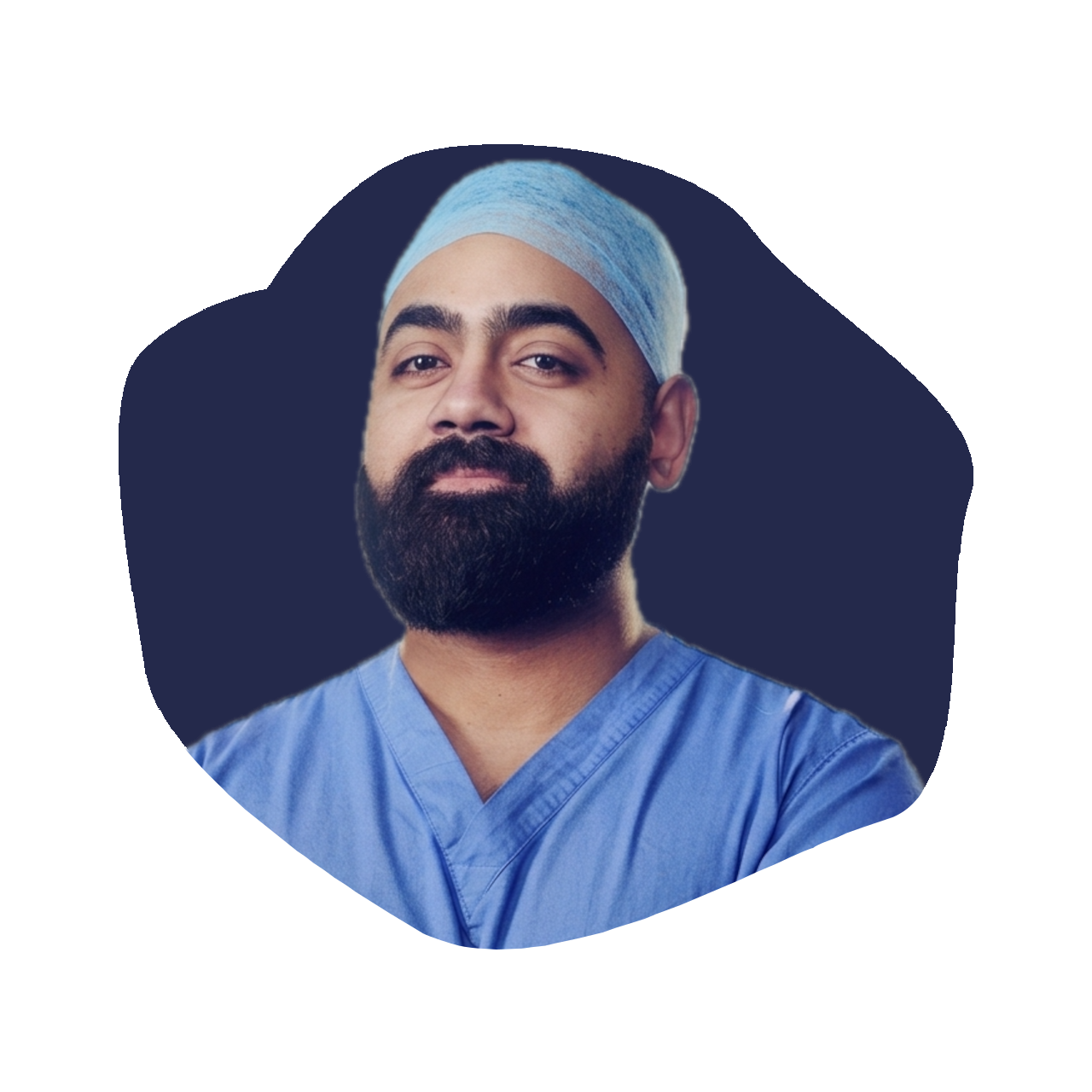
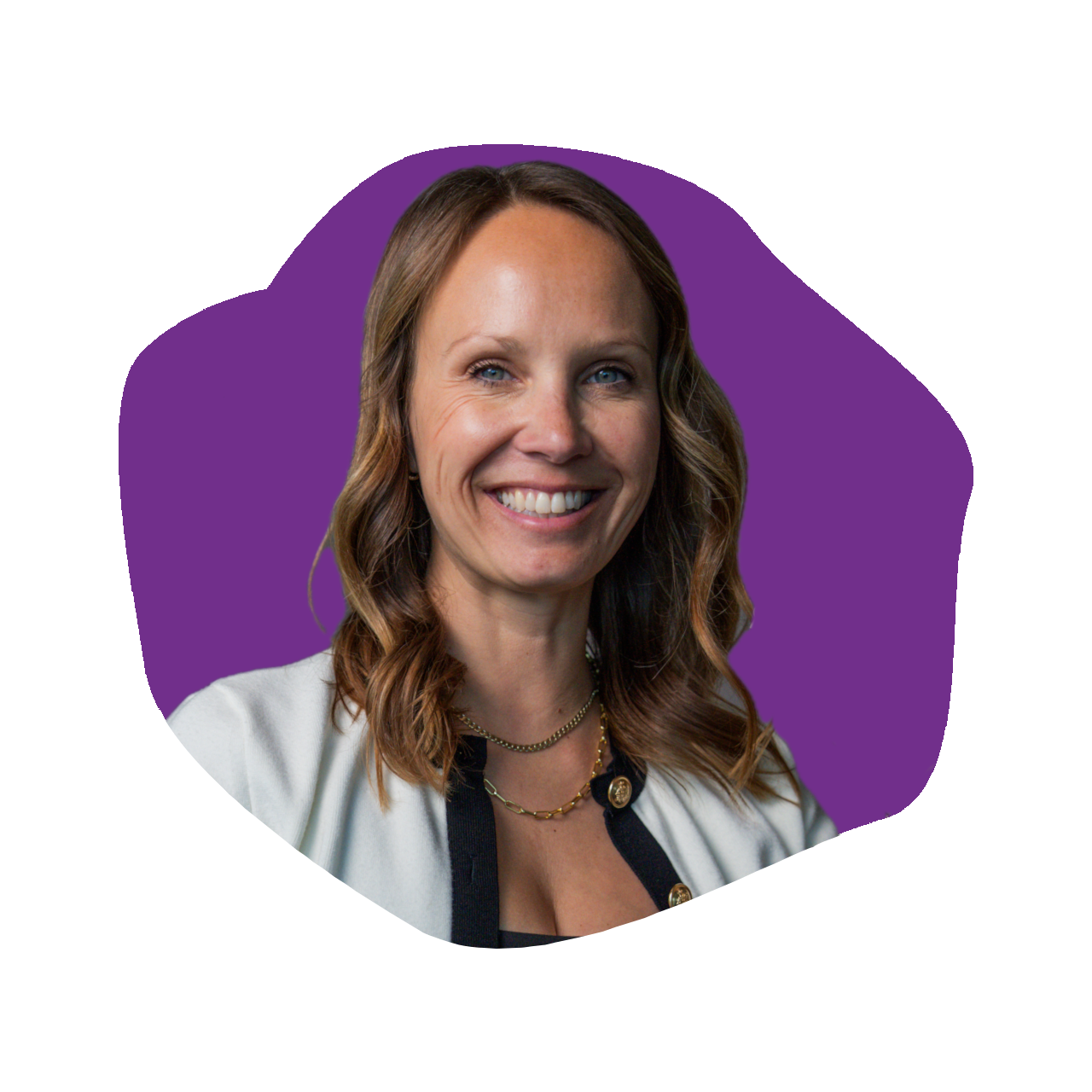
Krystal Gillis: Founder & CEO of Tighties
Episode 854
Turning activewear into technology that actually supports how you move — that’s the magic 🏃♀️✨
On The Kara Goldin Show, I sit down with Krystal Gillis, Founder and CEO of Tighties, a movement technology company redefining performance apparel through alignment, muscle activation, pain management, and movement support.
Krystal’s journey started long before Tighties. She founded and sold her first company at just 24, went on to work in the medical device world with companies including Abbott and Stryker, and later consulted on the launch of multiple companies, products, and a foundation. But it was while leading a product launch for an orthopedic company that she saw a gap she couldn’t ignore: active people needed something between traditional activewear and medical-grade support.
That insight became Tighties — wearable movement technology designed to help active people stay active. Created with clinical experts and manufactured in San Diego, Tighties is built to support better movement, improve alignment, activate muscles, and help people train, recover, and move with more confidence.
We talk about what Krystal saw in orthopedics that sparked the idea, how she brought biomechanical and clinical experts into product development, and why she doesn’t think of Tighties as just apparel. We also get into the realities of building a first-to-market category, responding to skepticism during R&D, and what it takes to communicate science-backed performance benefits in a way consumers can actually understand.
Krystal also shares what it’s like raising capital as a female founder, the lessons she’s carried from building and selling her first company, and where she believes the future of performance technology is headed.
If you are interested in what it takes to build a brand at the intersection of apparel, health, technology, and human movement — check out this interview on my podcast now. 🎧
Resources from
this episode:
Enjoying this episode of #TheKaraGoldinShow? Let Kara know by clicking on the links below and sending her a quick shout-out on social!
Follow Kara on LinkedIn – Instagram – X – Facebook – TikTok – YouTube – Threads
Have a question for Kara about one of our episodes? Reach out to Kara directly at [email protected]
To learn more about Krystal Gillis and Tighties:
https://tighties.com/
https://www.instagram.com/gotighties/
https://www.linkedin.com/company/tighties/
https://www.linkedin.com/in/krystal-gillis-a2582611/
Transcript
Kara Goldin 0:00
I am unwilling to give up that I will start over from scratch as many times as it takes to get where I want to be. I want to be. You just want to make sure you will get knocked down, but just make sure you don’t get knocked out, knocked out. So your only choice should be go focus on what you can control, control, control. Hi everyone, and welcome to the Kara Goldin show. So join me each week for inspiring conversations with some of the world’s greatest leaders. We’ll talk with founders, entrepreneurs, CEOs, and really some of the most interesting people of our time. Can’t wait to get started. Let’s go, let’s go. Hi everyone, and welcome back to the Cura Goldin show. Have you ever thought about what your active wear is actually doing for your body and for your performance? Most performance apparel is designed to fit, stretch, compress, or look good, but what if it could actually support better movement, help with alignment, activate muscles, and keep active people moving longer. So, our next guest saw that gap. Krystal Gillis is the founder and CEO of an incredible brand, so, so interesting, called Tighties, and I absolutely love this product, so missing between traditional activewear and medical grade support. Tighties was born, and we’ll let Krystal tell us a lot more about it as I’m continuing on and on about it, but I just absolutely love what she has done. Not only has she developed an incredible brand, but also just her backstory of actually creating products, and not just that look good, but the technology that really goes into it. So, Krystal, welcome to the Kara Goldin show. So excited you’re here.
Krystal Gillis 1:59
Thank you, and thank you for having me. Really excited to chat today.
Kara Goldin 2:02
I’m very, very excited. So, okay, so tidies.. let’s talk about tidies and the brand, and how do you describe the brand, and what makes it different from traditional performance apparel?
Krystal Gillis 2:16
Yeah, so we kind of sit, as you mentioned, at the hub between what people are used to in active wear and performance wear, but also taking into account this entire breadth of the medical capabilities, and when I describe tidies, we refer to ourselves as movement technology, and the reason being is we are actually using the body as a system alignment and sending neuromuscular cues to tell your body to align and do what it’s supposed to do, so we give people less pain, they have a reduced risk of injury, and frankly, they’re just better to are able to move better in doing the things they love, and it doesn’t matter if that is competing at an elite level, if it is everyday walking, it’s our job to help them keep moving.
Kara Goldin 3:01
I love it. So, what did you see in the world of orthopedics that made you think someone’s got to go build
Krystal Gillis 3:08
this? Yeah, it was more of a question. Everything I’ve done in my career, and frankly, in my life, always it starts with why are we doing it this way, and how else could it be done. And for me, I was actually working on an orthopedic bracing project that had nothing to do, even with continuation of movement. It had to do with a very specific style, but I was diving into why people wear braces, understanding why they don’t. Compliance is a huge issue, and at the same time, the women’s soccer Olympics from 2020 were being done in 2021 and all of these women were getting injured, and so at the same time I started thinking, why are all of these elite athletes who are trained at the best of their body’s capability suffering these catastrophic injuries, and really, if you go into it, yes, females are struggling, and that’s an issue all in itself, but really it’s all athletes, and what I found was 90 million athletes a year are injured, and 80% of those injuries have been deemed preventable, which blew my mind. I mean, absolutely blew my mind, and when you really look into the science behind it, there’s so many reasons, but for me it just stood out as a everybody cares about this point of injury, right? This one point, it’s a huge, huge industry, but nobody seemed to care about the before, and no one seemed to care about the after, because there’s so much that happens in your longevity of life, and what we call it tidies, your physical span after aging, or injury, or just all of it wear and tear, so we really wanted to dive in. So it started with saying, okay, what other options are available? And because I had also worked in understanding how the muscles interact with the body on another project, the example I like to give is one of the reasons that NFL players and NHL players have such large necks. Because the muscles will help absorb the hit, so they’re less prone to concussions. So, my concept was, could we offload the knee, but through muscle engagement, and at that point I had officially outkicked all of my coverage or ability to know actually the answer to that. So, it was my job to become what I call a herder of sheep, so I put together beautiful development team we have at Tighties, which is four orthopedic surgeons. It’s one physical therapist who’s a muscle function specialist, biomechanical engineer, and a group of designers. And between that and athlete interaction, everyday human interaction, we spent four years developing products that actually change the way you mechanically move, and we’re super proud with what we’ve done.
Kara Goldin 5:44
What you’ve done is not just a startup and an entrepreneurial venture. It’s actually, I mean, it’s, it’s hard, right? And being an entrepreneur is hard, but there’s so much that I’m sure that goes on beyond behind the scenes. I mean, when I was really doing research on tidies, and obviously love the products, but it’s, it’s, it, I mean, this is, this is a big undertaking, for sure. Yeah, yeah, I mean, really big, yeah, really, really big undertaking. So you founded your first company, a payroll software company, very different from this company, for sure. And then successfully sold it. What did that experience teach you about building? I guess building from scratch.
Krystal Gillis 6:34
Yeah, I think that that experience that taught me a lot of things I will say younger in life of what not to do or things to be cognizant of, but it started the same way. It was with a question of, okay, at that time everyone entered in their payroll hours into, like, for restaurants, right into point of sale systems, but then they were manually entering them into their payroll. So the question there was really easy, too, like, is there a way to bridge this gap in an affordable way, and that was really the premise of what we built. The original company was called Pay Link, and it’s the same, right? It’s that was service-based, but the premise of building something different and really helping to solve a problem is in all of the things I’ve ever touched, and I think that that’s where my passion lies as an entrepreneur, is to say, wait, how can we do it differently, and I think understanding that knowledge and all of the steps I’ve taken along the way between that initial startup and when tidies became a thought or a question all helped to facilitate not only the development of it but the process to be able to say, yeah, I know that’s how things have been done or are done, but I want to do them differently, and I just wonder if we could look a little bit more over here versus over here and see if we can find some different solutions, because in my opinion, I think we can do better.
Kara Goldin 7:57
So you talked about bringing in orthopedic and biomechanical experts, while you were developing tidies, can you name an example of something that came up that was sort of counter to what you thought you were going to have to do in order to create tidies?
Krystal Gillis 8:16
I mean, even the, the education piece behind it, not necessarily for my orthopedics, but in some of the people who’d worked in the engineering side and the design side, one of the biggest shockers of people who have been developing orthopedic races for a long time, and I came from that space on the orthopedic with a large company and a medical device company as well, is a lot of times how we have facilitated things was we make them for a general nuance of the body, and the example I give here is it happens all too often, it’s just starting to hit the news, and I’m really passionate about it, but they were used to making just products, basically for males, and then making them smaller for females, and I was one of the only people who had ever come to them and been like, hey, guess what? Like, I want to focus on the fact that the anatomies are different, and we need to look at the bodies differently. Products can look the same, but they’re going to have different functionalities. And there was some very heavy pushback initially on that. One of the developers, who fortunately we have great rapport, was like, well, a knee is a knee, and I was like, wow, not really, there’s a lot of different routes that are being taken to get to that patella, and I really want to understand how we’re supporting each type of anatomy, because it’s really important, and I think being able to just ask the question opens up people’s minds to things that, honestly, it’s not because they didn’t want to think about it, it’s just that’s not how it was done.
Kara Goldin 9:45
Yeah, definitely. Can you describe tidies to maybe somebody listening? I mean, what? What are you going to see? What are you going to feel, and talk a lot more about the products?
Krystal Gillis 9:58
Yeah, absolutely. So the way. About our tidies, our flagship product is called the Stabilizer. You can wear this product for up to 16 hours a day, and really it is kind of like your end all be all. We call it your training wheels, your trainer, your safety net, like however you want to facilitate. And what it does is we have a patented strapping system, and it mounts very high on your inner thigh, it wraps around to your lower back, and there’s a set of dials there. When you put this product on, it is physically rotating and opening your hips. Not only does that feel amazing, but it also controls your anterior and your posterior tilt, putting you into a neutral spine. On top of that, there is a film that runs underneath the tension point, coming up and around, down and across the quad, shapes out the patella, and comes to the back of the hamstring. So automatically, when you get those on and you engage them, the biggest description we hear from people is just like, whoa, I feel good, right? And it’s because their body is going into how it was meant to be, not in not how it compensates over time. Our knees aren’t conclaving in, we’re not favoring one side over the other. The way that we shape out the kneecap just feels amazing, and it feels supported. So people experience different benefits across the board, but some of the main ones are relief of hip pain, relief of lower back pain, knees offloading over time, and the biggest difference between tidies and how we do things versus what is on the market. Everything on the market, which also has a time and a place, it’s an entirely different approach to the body. If you look at the knee, it’s like this, right, and you might put on a sleeve or a brace or some other sport product, and it gives you a little bit of a lift, that’s great, but what that’s doing is the work for your body. Types is the only product that actually uses your body to give you that same feeling. So we’re building your body over time, the more that you wear it, the more you experience the benefits, even when you’re not wearing it, and we’ve had just so many success stories. We obviously studied it so in depthly while we were going through development, but even the general user and what they’ve really had as wins coming out of the last nine months that we’ve been in market has been mind blowing, just the impact that they’ve been able to access within their own body,
Kara Goldin 12:25
so interesting. So, your go-to market strategy is pretty, I guess, unique to, certainly unique to me, in terms of somebody that’s built a consumer brand, you are selling at least initially through medical offices and getting the word out right to lots of consumers, but you’re also selling direct to consumer, and etc. But can you talk a little bit about how you thought about the go-to market strategy when you were first coming out with tidies?
Krystal Gillis 12:59
Yeah, I think that everyone’s natural essence for where this product sits would have actually been to make it a medical device, but what we didn’t want to do was make just another product that was built to fit into medical reimbursement codes. We went out of our way to make a product that was approachable by the consumer, so we work with medical offices, we have a lot of doctors, physical therapists, different organizations that that work and refer our product, but our main goal is direct to consumer and to pick markets where we can show how much we can impact it and almost reverse the script on how things are usually built in, and when you think about where we’re at in the US with medical care and really the continuum of patient care, we wanted to focus on bringing that control to the patient, so we are FSA and HSA eligible, you can pay right on our website, so flexible spending account, health savings account, but we have not gone and done like the full reimbursement codes, and that’s made us very approachable, not only have we been able to make a product that withstands being used on a regular basis, but it actually was built for the consumer without the chaos of kind of everything else. So, for us, we’ve focused. We do a lot across all kinds of activity levels, but we’ve really focused a lot within a few core segments, so that we can reach the right people at the right time, whether it’s through our meta ads or actually we’re kind of going old school as well. We go to a lot of events, right? We’re in person, see, feel, try on our products, let us know what they’re doing for you, and that’s been insanely receptive so far. And then I think it will lead to our continued growth, which will be more of the wholesale and the small boutique retail channels eventually, but we’re really starting at the source, which is people that we can help.
Kara Goldin 14:51
Definitely, apparel is already a really difficult category, getting size right for consumers, and you’re adding technology. G and fit and science and performance into the mix. What’s been the hardest part to get right?
Krystal Gillis 15:09
I mean, there’s a lot that is hard to get right. Think you can relate to that. You’re just trying to figure it out. And for us, I would say sizing has been a big part. We actually built a custom tool on our website where people answer four questions, and it will recommend a size for them. The reason we did this is because our sizing is so specific in your height, in kind of your thigh circumference, just some kind of nuancey things, and we wanted to make sure people got out of their head a little bit on what sizes they’re typically in and really focused on what size they needed to be in our product, because our name is vindictive of itself. The name is Tighties, because the tighter the better, and in a lot of things people, people can tend to shy away from something being tight, and we’re, we’re really trying to reinvent that. This is okay, and in fact, this is fantastic, if you, if you just embrace it, right?
Kara Goldin 16:02
How about something as simple as color? I mean, has that been something that has come up?
Krystal Gillis 16:11
Yes, we often get asked, will you do another color besides black, and our answer is usually we are function over fashion, so we have worked really hard to make a comfortable, functional product that’s going to help you, and as of right now, lack still statistically within activewear is the highest color sold, so we stuck with that. I think down the road, there’s an opportunity. Our products have some really cool films that help work the way that they work, and there are some fun ways to integrate different colors, and maybe some collaborations, or some subsets that we do within that, but for now we’re going to keep it pretty basic and really focus on what we’re good at, which is helping the mechanics of your body.
Kara Goldin 16:56
So, interesting. So, you are currently raising an angel round, is that right?
Krystal Gillis 17:02
Yes, yep.
Kara Goldin 17:04
And what has the fundraising experience looked like for you as a, as a founder? I hate to say, but female founder as well. I often think that one of the hardest pieces, forget about the economy and all the rest of the things, but it’s actually explaining things in sort of simple speak to to that audience, because they’re not necessarily going to tell you, I have no idea what you’re talking about when you’re right, and so they, you know, they won’t own that, they’ll just, but you, it’s your job to make it as simple as possible, that anyone can understand it. But I’m curious, what your experience has been to date.
Krystal Gillis 17:50
Yeah, I think, I think, honestly, any founder across the board will tell you one of the things that you never stop thinking about is fundraising and making sure that you’re doing what’s best for the business, while still facilitating the growth that you need to to really scale right, and I think we’re no different. For us, it’s been interesting because we did a development round, so we raised just literally it’s like the pre, the previous to pre seed drawings on a piece of paper round to get through development, and that was an interesting time in itself, because we really had to get people bought into the vision, something totally different. We think it’s going to work, but we need everybody to bet on us and really see if we can get it there. And what’s been interesting, so we did that, and it was a pretty small round, and now we’re doing more of a scale round, but still in the early stages of, we’ve just, we have to market this in the way we need to. We needed to hire a couple of additional team members, and it was funny, because in my opinion, I’ve been doing this for so long, this seems like the most exciting, easy time to be like, look at, look at what we’ve done, and it works, and these are these are people’s early feedback, like, get into this, and it’s not – it’s the same, it’s the same explaining, it’s the same understanding that it is still new, and really showing them not only the vision for what the products do and what our category is going to do, but what the future of it is, and it’s really fun because we touch so many different applications that it is overwhelming almost how much opportunity there really is to take this approach to the body, but like you said, it’s bringing it back to the very basic concepts. Our products do three things, they solve three core problems, but this spans multiple markets, and this is how, and I think that’s something that any founder is used to having to break down, and female founders, I mean, I could go on all day about the statistics of how many more times you have to pitch and how many with how many more ways you need to explain things. Things, but what I try to focus on for me is that it’s a science, right, and so I know if this is statistically where we sit right now in this day and age, which I hope changes in the future, I need at least this many up at bats, I need to talk to this many people, I need to get these people to give me feedback to make sure I’m processing well for this type of person and this type of person, and I think that’s actually where Tighties has really been able to hone in, is by just really focusing on helping people to understand what we’re doing, how we’re doing it, and how we’re going to grow this into a truly category changing company across the board.
Kara Goldin 20:39
Yeah, definitely. How many SKUs do you have right now?
Krystal Gillis 20:42
Oh, that’s a great question. So we have technically we have six styles, and within those styles, with two in particular, are two more technical products we have upped on the stabilizer, which is our, our the one I mentioned, that’s the 16 hours be all end all. We run about 15 skews just in the stabilizer per male and 15 just per female, so about 30 just for the stabilizer,
Kara Goldin 21:10
and that’s expanding. And where are most people hearing about it today? A
Krystal Gillis 21:14
lot of people we get come from referrals of friends, so once it gets on someone and they see it at run club or on the pickleball court or in basketball, they automatically, I mean, it, it has a different look, right, and so they say, what, what’s happening, what are you wearing, what’s going on there, tell me more about it, and we end up getting a lot of word of mouth, I think, actually, for us, meta ads has still been a great way to, yes, find new people, but also to kind of get in front of people who may have seen us out and about as well. Those are still just kind of the, the nitty gritty, and, and frankly, like events. I mean, the events we go to, we see probably anywhere from five to 10,000 people, and we try to be really creative in how we talk to them, what giveaways we do, how we interact with them, so that they actually want to learn about our products, and then what we find is people who buy our products, even though we are not a lifestyle brand, right, we don’t have a ton of different products to offer people, but what we find is our return customer rate is really high, because once they get one pair, they want to get another pair, because you can only wash them so many times a week, or they want to get into, we have a product that’s specifically for training, for one hour gym sessions, or light training sessions, that’s called the Challenger, so they’ll expand and they’ll add that into their movements as well, and so we try to capitalize on that, and we’re really big on customer service, because sizing is so important. It’s 30 day size swaps, it’s 30 day risk-free trials, so that people can get into it. We recommend that they wear it for all their activities for two weeks to really let that body retrain itself and see how they feel, but we want them, we want people in it, right? And the best way to do that is to be in front of them.
Kara Goldin 23:04
I love it. Well, I got the product after ski season, but I kept thinking this would be great, because it would really, you know, it’s it’s warm as well, but I’m sure skiers would absolutely love this if you could do something to get the right fabrics in there, even for the, you know, undergarments and stuff, that I think that that would be incredible.
Krystal Gillis 23:28
Yeah,
Kara Goldin 23:28
to, I mean, not that it isn’t warm enough, but even for really, really cold, it would be great.
Krystal Gillis 23:34
Yeah, it’s an interesting fabric. Our fabric is sweat wicking, right? So it’s great for when it’s hot, it actually will cool you down because it’s pulling that water off the skin, and it’s weird because it does serve a dual purpose. Then, when you’re out on the slopes, it helps as a base layer also. And so we did have some light involvement in ski season this year, some really excited, I would say, customers, which was fantastic, but there’s so much expansion to be done there, and how we can partner across the board. Hockey has been another big one for us. Actually, we, we serve and are working with a couple of teams in the NHL right now, because there’s so much equipment that goes on underneath where we can serve and actually help some of their, their biggest issues they run into in their long seasons and knock out just some of the layers, right. That’s our whole goal, is to be a very simple process to address the body.
Kara Goldin 24:30
So, so cool. Well, Krystal, thank you so much for joining us today. Your story is such a great reminder that innovation really comes from going out and, and trying, and to find a solution to problems that you see out there, and I love that you’re a serial entrepreneur who went outside of what you had done before to go and keep stretching yourself to go build incredible companies and bring in a lot of the clean. Insight that you had as well, so for everyone listening, be sure to check out Tighties and follow, follow along on Instagram and LinkedIn, and connect with Krystal as well, but Krystal Gillis, founder and CEO of Titus. So, thank you again.
Krystal Gillis 25:17
Thank you so much.
Kara Goldin 25:18
Thanks again for listening to the Kara Goldin show, if you would please give us a review, and feel free to share this podcast with others who would benefit, and of course, feel free to subscribe, so you don’t miss a single episode of our podcast. Just a reminder that I can be found on all platforms at Kara Goldin. I would love to hear from you too, so feel free to DM me, and if you want to hear more about my journey, I hope you will have a listen or pick up a copy of my Wall Street Journal bestselling book, Undaunted, where I share more about my journey, including founding and building hint. We are here every Monday, Wednesday, and Friday. Thanks for listening, and goodbye for now.