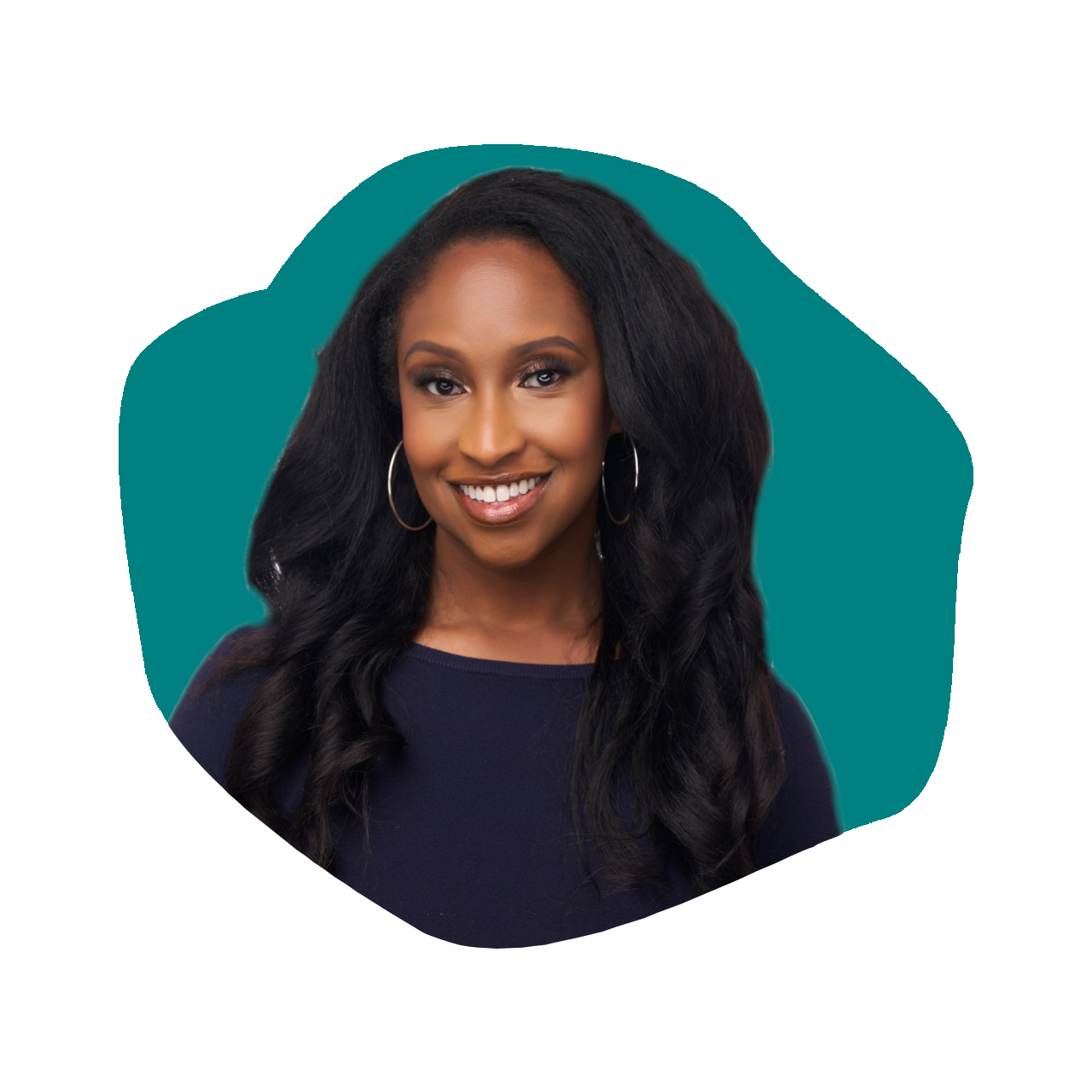
Ayla Barmmer: Founder & CEO of FullWell
Episode 884
What if the biggest opportunity to improve reproductive health—and even the health of future generations—starts long before pregnancy?
On this episode of The Kara Goldin Show, I sit down with Ayla Barmmer, Founder and CEO of FullWell, a reproductive wellness company setting a new standard for evidence-based nutrition before, during, and after pregnancy.
Ayla is a registered dietitian with more than 20 years of experience specializing in fertility nutrition. After years of working with patients, she recognized a major gap between what science supported and what consumers were being told about reproductive health and supplements. That realization led her to build FullWell, a company dedicated to creating clinically backed nutrition designed to support fertility, pregnancy, postpartum, perimenopause, and beyond.
In this episode, Ayla shares why reproductive health deserves a much bigger place in the wellness conversation, how nutrition impacts fertility for both women and men, and why the choices we make today may influence health for generations to come.
We also discuss the supplement industry, how consumers can separate science from marketing, what it takes to build trust in a crowded wellness category, and Ayla's journey from clinician to entrepreneur.
Whether you're thinking about starting a family, interested in longevity and preventive health, or building a mission-driven company, this conversation is packed with practical insights on nutrition, leadership, entrepreneurship, and creating meaningful impact.
Resources from
this episode:
Enjoying this episode of #TheKaraGoldinShow? Let Kara know by clicking on the links below and sending her a quick shout-out on social!
Follow Kara on LinkedIn – Instagram – X – Facebook – TikTok – YouTube – Threads
Have a question for Kara about one of our episodes? Reach out to Kara directly at [email protected]
To learn more about Ayla Barmmer and FullWell:
https://www.fullwellfertility.com
https://www.instagram.com/fullwellfertility
https://www.instagram.com/aylabarmmer/
https://www.linkedin.com/in/aylabarmmer/
Transcript
Kara Goldin 0:00
I am unwilling to give up. That I will start over from scratch as many times as it takes to get where I want to be. I want to be. We just want to make sure you will get knocked down, but just make sure you don’t get knocked out. Knocked out. So your only choice should be go focus on what you can control. Control. Control. Hi everyone, and welcome to the Kara Goldin Show. Join me each week for inspiring conversations with some of the world’s greatest leaders. We’ll talk with founders, entrepreneurs, CEOs, and really some of the most interesting people of our time. Can’t wait to get started. Let’s go! Let’s go! Hi, everyone, and welcome back to the Kara Goldin Show. Are we thinking about fertility all wrong? Most of the conversations start when someone is trying to get pregnant, but what if the biggest opportunity to improve reproductive health and even the long-term health of future generations starts years earlier? Today’s guest is , founder and CEO of an incredible company that is tasked. They’ve tasked themselves with looking just at that, and it’s called FullWell. So all one word, Ayla is a registered dietitian who has spent more than 20 years specializing in fertility nutrition, and after years in clinical practice, she saw a huge gap between what the science actually supported and what consumers were being told. So she decided, why not go start a company around this? And FullWell was born in 2019. I can’t wait to get into this conversation about fertility and reproductive health, the science behind nutrition, and what it takes to build trust in one of the most fast-growing and often most confusing categories in wellness. So, , welcome to the Kara Goldin Show. So excited to meet you and to have you here.
Ayla Barmmer 2:03
So nice to meet you as well. Thanks for having me.
Kara Goldin 2:05
Absolutely. So for listeners just discovering FullWell, how do you describe the company that you founded and built?
Ayla Barmmer 2:13
Yes, FullWell provides reproductive health solutions for both women and men, and we started as a as a solution, really, for the fertility journey and perinatal stage of life. So, from trying to conceive through postpartum, but we now have offering offerings that really extend with our customers and our our audience into perimenopause and beyond. You know, as as I have transitioned out of the phase of directly being pregnant postpartum and into the next stage of life, I think that you know a lot of our customers have as well, and really want that still to to have that support and get it from us since they’ve done well in our products over time,
Kara Goldin 3:01
so you’ve spent more than 20 years specializing in fertility nutrition. What first drew you into this field?
Ayla Barmmer 3:11
Oh yes, so I it actually stems way back to this fantastic professor that I had my freshman year of college who who taught life cycle nutrition, and I took it to kind of meet a science requirement. I mean, truth be told, back in the fifth grade when they gave us an assignment to report on anything you wanted in our science class, I chose zinc and handed out zinc lozenges to the whole class. So, I mean, I really have always loved nutrition, but you know, it was then that I remember really feeling like nutrition is so applicable to all aspects of our health. It’s very much an empowering choice, you know, in some regards that we can make to really influence our our health and health span in a positive way. And so I’ve always loved that. It when I got into fertility specifically, it was based on a need that I saw in my community. I started being referred women from a local IVF clinic. It’s a big one in the area, and by the way, it’s notable I was only referred women, never men, even though you know they are half the equation and do play a significant role. And these women were coming to me with the instructions to go see this registered dietitian, me, and you know, being told that they needed to lose weight and they needed to lose it quickly, or else they risk this their IVF cycles being delayed or even outright canceled. You know, and so a lot of times when I saw these women sitting in front of me, they weren’t dealing with obesity, you know. They weight was not really the primary concern, and for me, intuitively, I just felt like we’ve there’s got to be a better way to help in this situation. I mean, going into pregnancy is a time to add resources. It’s not a time to start restricting, you know. And and so, and you know, and these women were. Financially, physically, emotionally, just so stressed, you know. And the IVF clinics at the time, and to some extent, still really weren’t offering that diet and lifestyle support within that model. And so that’s when I again I realized I I can really help, you know, these women and didn’t have a playbook for it. It wasn’t something I was taught in school. I, you know, didn’t really know any other dietitians working in the area. So it was a lot of just working with the individual in front of me, piecing together the research, thinking about how the body works and what it needs in this stage of life, and and then over time, I really developed protocols that worked well that supported people, and I think you know these women ultimately felt like this is an aspect of this process that’s become not what they probably imagined when they wanted to start a family, but does feel a little bit more in their control and something that they can influence. And then if you fast forward, you know down the line, I started requiring if there was a male partner involved that they also came to see me in really every circumstance, and there’s some good reason for that. And so that’s really how I got into fertility clinical work, and ultimately started to mentor, teach, educate other professionals that were interested in interested in it as well, and just has always been a passion of mine because of I think how much how much the science really does support nutrition and lifestyle. You know, making a huge difference not only in conceiving, you know, getting to that positive pregnancy test, but long term health of both of all family members.
Kara Goldin 6:41
That’s so so cool that you’re that you’re focusing on this. So as you were doing nutrition, you had this great practice, but all of a sudden you said, “I want to branch out and really brand it FullWell. When did that actually start? Like, when did you say like this could be a separate company that I should be really focusing on and maybe not having it so local but actually building it out and doing what you’ve done to get it into millions of people’s hands.
Ayla Barmmer 7:20
Yes, I I love that you asked that question because I think it may or may not surprise folks that I’m not your typical you know CPG founder. In fact, really most of my career where I intended to stay was in the clinical world in private practice, doing my mentorship education, working one on one with with clients, and that’s absolutely what I loved so deep in the science world. But I was using dietary supplements with my with my patients in in practice. One of the number one things I was using was a prenatal multivitamin, and the problem that I saw was really twofold that drove me to start FullWell. So number one, there was the formulas themselves. You know, I I often say back then, but even still, I see it today. A lot of the formulas just look like they’re made by a man in marketing. You know, who’s looking at SEO keywords and trending ingredients, or is just following the same old playbook, you know, right for prenatal multivitamins, which you know they just hadn’t they hadn’t caught up to the evidence for a very long time. So whether it was inadequate dosing, so the actual amounts of nutrients weren’t matching what we need in supplement form to our diet, or it was the forms of the nutrients, you know, they weren’t well absorbed. They would create digestive distress. You know, it just it led to a product. You know that I really felt just wasn’t supporting my practice clients the way I wanted it to, and I had to piece together a lot of different things to make it work. And then the second piece was the lack of quality control transparency. You know, there’s a lot of information that even as a health practitioner, I just couldn’t get about the formulas, you know, and about the products. You know, how were they ensuring that what was on the label was in every serving? Believe it or not, that’s not a given. You know, or how do I know that what shouldn’t be in there isn’t in there, like harmful contaminants, harmful levels of heavy metals, harmful levels of BPA and phthalates, and you know some of these things that we are particularly concerned with in this stage of life, you know. And so for me, it was really those two things that drove me. And this was back actually when I was pregnant with my first in 2016 to start sketching out, you know, what would I want my formula to look like? And I and I I I think you know maybe other entrepreneurs can relate, but I’ve got kind of this naive I can I can figure it out and do it myself sort of a mentality. And you know it did wind up taking years. You know I didn’t end up launching FullWell until. June 2019, it was summer solstice. I was literally just sitting in a lawn chair in the backyard, very pregnant with my second, my daughter, very pregnant. And you know, I finally had product that had passed all of my testing requirements. It was it was good to go. And the intention was, I’m going to click live on this website I created, and this you know my practice clients are going to be in in a good place and have this product to support them while I’m out on leave, and you know I I thought I’ve got some colleagues that are interested in this as well, but really I underestimated the desire for the formula for a registered dietitian created you know, products for it being done in the way that I was doing it with the the really almost extreme transparency, where we share everything, you know.
Ayla Barmmer 10:51
And so while I was out on leave with my daughter, you know, it was it was kind of this moving this moving train, and of course I’m skipping a lot of steps here in a lot of a lot of a lot of challenges, but it really kind of it really took off from the network of health professionals that I had created. You know, over time, they they appreciated this. They were recommending it. So it was probably about six months in when I was back. I was still fully full time private practice, seeing patients all day, where I was like, I I’ve got something here that deserves like I I need to give it some attention, you know. But never imagined, you know, it would actually grow to what it is today.
Kara Goldin 11:32
So when you look at the sea of brands out there, I I always see something called or a term used, and there’s many terms out there, but one in particular is science backed. And for me, in in the you know being in the beverage industry for so many years, it’s it’s like you know I look at packaging that says it’s it is we use up to a certain percentage of recycled plastic, or something like. There’s all these little tricks, right, that are out there in the industry that I just have a different lens now that I’ve been in it. So when you look at science backed, what does that mean to you? And I guess not only for your products, but also what you see out there that maybe consumers could be confused by.
Ayla Barmmer 12:26
Yes, gosh, there’s so many terms like that: science-backed, third-party-tested, clinical formula, even doctor-recommended. I think all of these things lack the nuance that is really needed to to give the context for people to make a decision, you know, because while that sounds really good, there’s a whole spectrum beneath there, right? Where you know it can mean very little, or it can be really a solid claim. And you know, we’ve we’ve struggled, I will say, as a side note, a little bit to convey the nuance behind what really goes into quality products, you know, because there’s a lot of it that I think consumers deserve to know to make really good and educated decisions, and there’s a lot of this sort of performative marketing, you know, that’s happening like like that. But I mean, science back for me means that you know the the actual the product itself is based on solid clinical research and a compilation of evidence that is from sources that are are credible, are good quality, are you know peer reviewed type of research. You know, so there’s there’s research and then there’s there’s quality research like research itself kind of really runs on a spectrum too and so you know you’ve got to make sure that science backed really has some teeth to it you know like what what does that mean I mean for me with a prenatal if I if I get more specific it’s looking at some of the nutrients that are in there, okay, has this been clinically studied in this stage of life? If not, do we know based on when it comes to supplements? Do we know based on population data what the gaps are between diet and and what is actually needed for for this stage of life, right? And so, do we know what the gap typically is? That gives you a really good piece of evidence that I would say is science backed. You know, the next the next piece I’d consider really there would be: Do we know if there’s an upper tolerable limit? Right, like is there a safety limit? You know, up here is there a minimum amount? You know, where the research has shown not there is no benefit until you get to a certain amount, you know. So these are, I think, I could point to probably 100 different individual points that kind of come together for me to say this is the science and evidence that’s needed to to really support this formula. No, so so interesting. So.
Kara Goldin 15:00
Let’s say so. I, for one, I I have four kids, but I know I didn’t think about any of this in terms of prepping my body until I actually got pregnant, and and luckily getting pregnant was not that difficult for me, but I definitely started to focus on what I was putting into my body at that point. And one thing that I’ve said to my kids-I have two girls and two boys-is that you know what you do now in your 20s, even if you don’t plan on having kids or you don’t plan on having kids anytime in the near future, I mean it all. You’re feeding your cells now everything, right? And that includes food as well as supplements and everything. So, what would you say to like? When do you start? What do you think is so critical for people to do ahead of time, so that you know, hopefully, no guarantees, but they don’t run into problems conceiving.
Ayla Barmmer 16:09
Yes. Oh, I love that question. And and just the first part of what you said, I think is something that a lot of people do say, and I hear a lot where it’s like, well, you know, my mother, my friend, or even myself, right? Like, didn’t prepare at all and had a healthy pregnancy or multiple healthy pregnancies. There’s some, you know, some extent. So, some of what’s involved there are genetics, and there’s also when I talk about generational health, like what you do now affects future generations. That’s true too. For you know, if we if we go back and we look at what our parents, our grandparents, our great grandparents ate and the lifestyle that they lived, right, and the food supply, the food environment, the pollutants in our environment, the stressors-they all were different. I would say, just pointing to one thing, you know, our most people’s grandparents, if you ask them, grew up using eating organ meats. It’s not as prevalent now, you know, for for preference or you know dietary choice or whatever it is. You know, those were like nature’s multivitamins in a lot of ways. You know, but there’s there’s any that’s one variable in a whole sea of things. So I think you know the the point now, right, is is to recognize that there are really common gaps in in just about everybody’s diets, even when they’re very well designed. And I think being really strategic about what what you’re doing, diet, lifestyle, supplement wise, if you think that of starting a family and getting pregnant is anywhere on the horizon, even if it isn’t. I mean, your health is worth it, right? And so, you know, the things that you do to support fertility are the things that you do to support your overall health. Fertility just tends to be the first thing that gets downregulated when there’s other things going on in the body. So it’s almost like a symptom of something else, you know, that we should be paying attention to. So there’s never too soon to start. There are nutrients that are needed in really robust supply before pregnancy to hit on the things that are needed in those very early weeks. I think when we think of pregnancy nutrition, we think like you know second third trimester when baby is bigger and needs more more energy, more nutrients, but really in those early weeks they need quite a bit of folate, choline, B 12. These are things that are really important to help support a healthy neural tube development, and you know that can prevent neural tube defects when in good supply. There are things that both women and men can do in the preconception stage, which really it’s you know three to six months plus, you know before trying to conceive, where you’re downloading information from your environment, what you’re eating, what your state you’re living in, how metabolically healthy you are, and and the things that men and women are doing then are sending those signals basically to to the developing embryo for their health as well as to the development of the placenta. So without going too deep into that, where I’m going with this is what both women and men again do preconception is going to influence the health of the pregnancy itself. We can trace some some rather serious, you know, pregnancy complications like preterm birth, miscarriage, preeclampsia, gestational diabetes, back to to health preconception. Of course, not everything’s in our control. I never want to suggest that, you know, but there’s so many levers that you can pull to help reduce your risk that I feel it’s empowering for people to know that if you pay attention to your metabolic health, that is in turn supporting your reproductive health preconception, and and then just lastly, making sure you’ve got robust, you know, nutrition because pregnancy requires a lot of things to go right. Requires a ton of resources in order to really have it be healthy. Yep,
Kara Goldin 20:05
definitely. So FullWell. So you launched the company, and how many SKUs did you launch with first? And how has that changed over time?
Ayla Barmmer 20:16
Oh yeah. Oh, just one. Just one. I am FullWell is entirely self-funded and bootstrapped. It was really important to me to not. It was really to to maintain control. I I got into this to to produce exactly what I wanted with the quality control that I wanted, and my nightmare and what wouldn’t be worth it to me, right, was to outsource any of that, right, to be you know beholden to people that wanted to see kind of top line revenue growth at all cost, and so it was really important to me to try to make a really good effort at bootstrapping it. And so I had just the prenatal multivitamin, and I would produce very small lots. We would go out of stock. We would do pre sales for the next one, we would just keep doing that, and that was a lot of the first year. And it wasn’t until I want to say a full two years in that we then added a fish oil and a men’s multi kind of the men’s counterparts to it. And it wasn’t another until another year or two later, that we started to really expand the line, and my philosophy is really it all starts with your priorities are a multivitamin and essential fatty acids, a fish oil supplement. You know that you start there and prioritize. Supplements can get really complicated really fast. There’s diminishing returns at some point when you’re you’re just adding and adding and adding, right? And you know, I think that we are losing sight of what’s most important and what builds a foundation for health. And it really are is, you know, the vitamins, the minerals, the the essential fatty acids at your base. And most people will do really well with just that. You know, it’s like see if that is enough, and then you might add an addition to that. Which for me, that looks like for fertility antioxidants usually or additional metabolic support. And so you’ll see other products in our line that provide that digestive support as well with a probiotic that we have in our line. You know that that would be another key Area, but we, I very intentionally am not adding products that I think are superfluous or are just sort of something that sells well. It’s really going to be things that I feel are going to move the needle, and if it isn’t, or if someone is doing it better out there, then I’m not going to do
Kara Goldin 22:38
it. Very very smart. So, what’s been the most challenging part of building FullWell for you. This is an entirely, you know, new venture for you. I I think that obviously you were you had a growing practice for years, so you were used to dealing with consumers, patients, but now you’ve added your own products, and you’re dealing with direct to consumer. You’re dealing with getting the word out about building this brand. What has been the most challenging part? And you’re bootstrapped. You mentioned that too. So, what has been the most challenging part that maybe you didn’t expect in building FullWell?
Ayla Barmmer 23:20
Yeah. Well, I can say really briefly, you know, that we don’t have the 100 million dollar a year marketing budget that our some of our competitors do in this category, and you know, so it can be hard to break through and really, you know, really get word out about the brand. It’s very organic the way that FullWell is is shared and loved, and I and that has worked for us because we focus so much on quality and our customer. And I think I deeply understand our customer because I’ve worked with them for years. But you know, the the real challenge is that I’ve operated from a place where I can educate individuals and groups and peers in a really comprehensive and nuanced way. And my master’s is in health communications. I love educating on the science and making it really translatable and understandable, so that it is empowering and something people can do. But and understandably, rightfully so, in the supplement industry, it’s very highly regulated in terms of what you can say, how you can say it. Everything has to put be put through a filter, you know, and reworded in a way that can be really challenging. I mean, to to some extent, I enjoy the challenge, you know, because it really makes you have to get you know creative with with how you communicate information. But I’d say the other piece to that is it makes it. We’re in a time too where I think not, and again, understandably, people don’t necessarily want to become get a master’s in nutrition, right? To understand what to take if they’re going to purchase a supplement, you know, or they they don’t want to dive super deep. I think we’ve our attention is split in many.
Kara Goldin 25:00
Places now, and we’re used to really quick bite information, and sometimes the nuance and the context is just needed, you know. And and I love that, but it that I think is is very challenging. Being able to really fully express like and educate on on a a subject, a formula, the whats and whys behind it, while not boring people to death, also staying compliant. I’d say that that is the biggest challenge. So building trust in the space just isn’t always easy. You’re also getting your own personal credibility out there too. How have you approached that challenge, and what has been what has worked best? I mean, you spoke about the the challenge of you know you don’t have the big budgets in order to do that, but how have you been able to get the word out?
Ayla Barmmer 26:00
Yeah, you know, we we really do rely on customers spreading the word. You know, women telling other women, you know, how they how they feel on the product that they like the product, and we see a lot of that happening. We also see health professionals, which this was from day one. My the the most valued network that I I had was really these health professionals that that work with women just like I did right and men and they are they trust and recommend the product in that way too and so you know it’s relationship building it’s a little bit slower it’s a little bit deeper, you know, than just casting out huge budgets for influencers and meta ads. We do do that, but we don’t do it to nearly the extent right that the big big budget players do. And so that that does work for us. And I think to some extent, you know, you know, under you know consumers do want to hear from a friend, hear from a trusted practitioner versus being being served an ad over and over again, right? It’s it’s you know we we’re also used to that at this point that it’s nice I think to to get that personal recommendation, but but again you know we we are just we’re on our site and we are on Amazon, but we’re not we’re not the product that you’re going to find on a Target shelf, at least not yet. You know, and and so it does require more effort, you know, to get in front of folks. But we we’re doing it in a way that allows us to build while maintaining our quality, you know, and not getting too far ahead of ourselves too. So I’d say the pace is right, and it’s it’s allowed us to to grow in a sustainable way.
Kara Goldin 27:45
So you have spent two decades helping people improve their reproductive health. FullWell starts in 2019. What a success for FullWell, and also for you personally, I mean, you you are doing a lot of amazing things, and I’m sure it’s very fulfilling to be doing. It’s hard, right? It’s not easy building this company, but it must be incredibly fulfilling in many ways. But what is success for you and for FullWell,
Ayla Barmmer 28:22
yeah, you know, success for me really looks like I I keep coming back to this, but the the core values that I started the company on that foundation around quality, efficacy, evidence based. You know, I’m not just saying those terms, they are something that the whole team and I really live and breathe. You know, we put there are so many things that I could do, I could add to the line that I know would sell, but aren’t right. You know, it’s not a priority. It wouldn’t move the needle for folks. It would be confusing. So, for me, success looks like you know growth and reaching more of the right, the people who need us right at the stage of life that they need us. I think for me, while maintaining our core values, it also I think it’s I want to see broadly in the industry and just in general in our population us really educate more on the importance of preconception nutrition and lifestyle. I think we haven’t gotten there yet. You know, there it’s still very much. You know, once you have a confirmed pregnancy test and maybe a first visit to you know a practitioner, then you might start a prenatal multivitamin, and there might be like some really basic education, like a handout that you get right. We can do so much better for for families and individuals. So you know, for me, success looks like us backing it up and really viewing and understanding that that preconception window, the time before pregnancy, is. The most influential time for long-term health. I mean, if we really want to think about longevity, health span, preventing you know chronic illness, this is the window. You know, it’s that preconception time, and so that gets me really excited. I think that we’re meaningfully contributing to that, the education on that. I’d like to see more broadly, you know, that continue to make its way into public health, you know, in more the conventional medical settings and models.
Kara Goldin 30:32
Thank you so much for joining us today. I really enjoyed the conversation and hearing a lot more about this topic and everything that you’re doing at FullWell. For everyone listening, be sure to check out FullWell, and we’ll have all the info in the show notes. Follow along to see what Ayla and her team are building. And as always, thanks for listening to the Kara Goldin Show. If you enjoyed this episode, be sure to subscribe and share it with a friend. And thank you again, Ayla. Really, really appreciate everything that you’re doing, , founder and CEO of FullWell.
Ayla Barmmer 31:11
Thank you so much for having me.
Kara Goldin 31:13
Thanks again for listening to the Kara Goldin Show. If you would, please give us a review and feel free to share this podcast with others who would benefit, and of course, feel free to subscribe so you don’t miss a single episode of our podcast. Just a reminder that I can be found on all platforms at Kara Goldin. I would love to hear from you too, so feel free to DM me. And if you want to hear more about my journey, I hope you will have a listen or pick up a copy of my Wall Street Journal best-selling book *Undaunted* where I share more about my journey, including founding and building. Hint: We are here every Monday, Wednesday, and Friday. Thanks for listening, and goodbye for now.