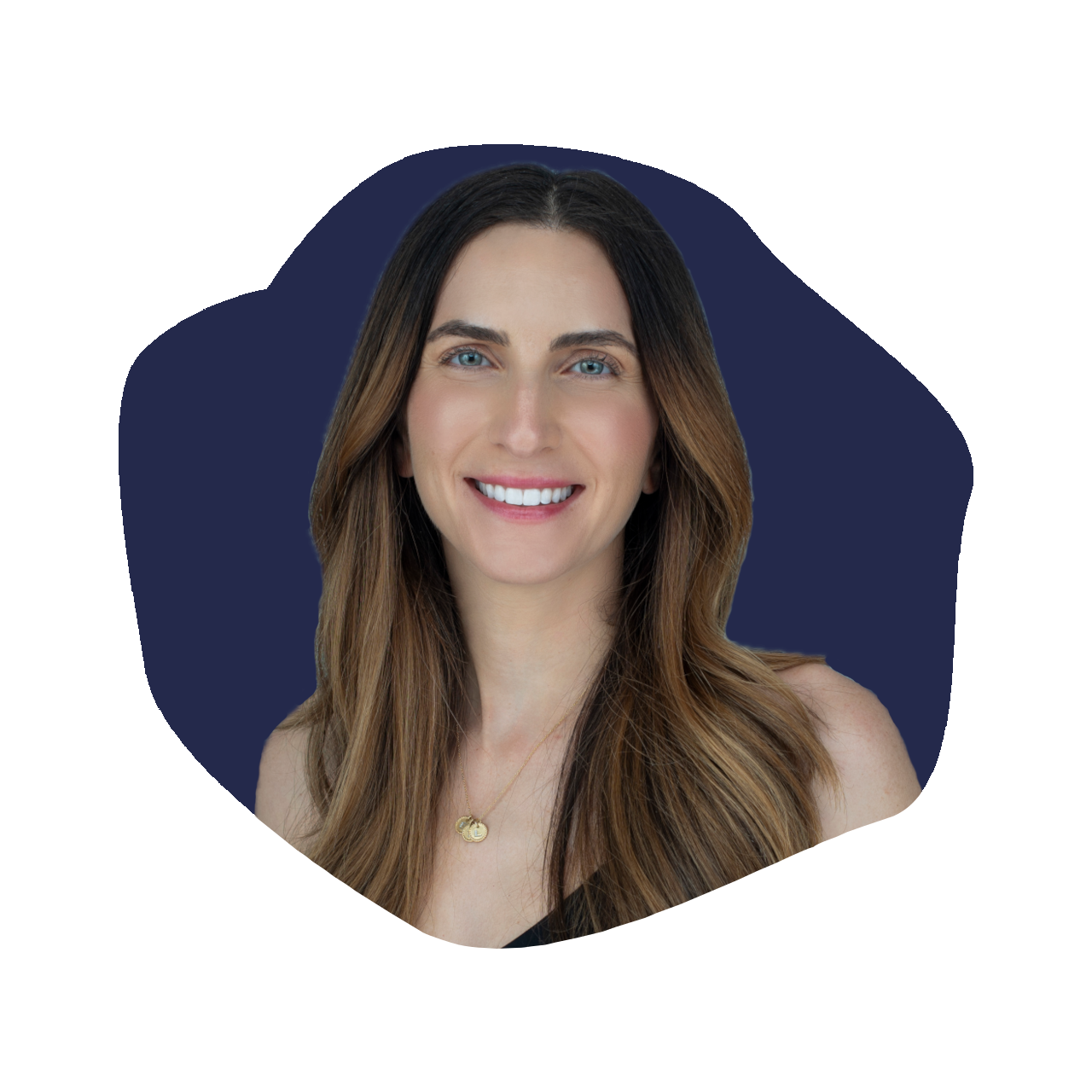
Alysa Seeland: Founder & CEO of FOND Regenerative
Episode 881
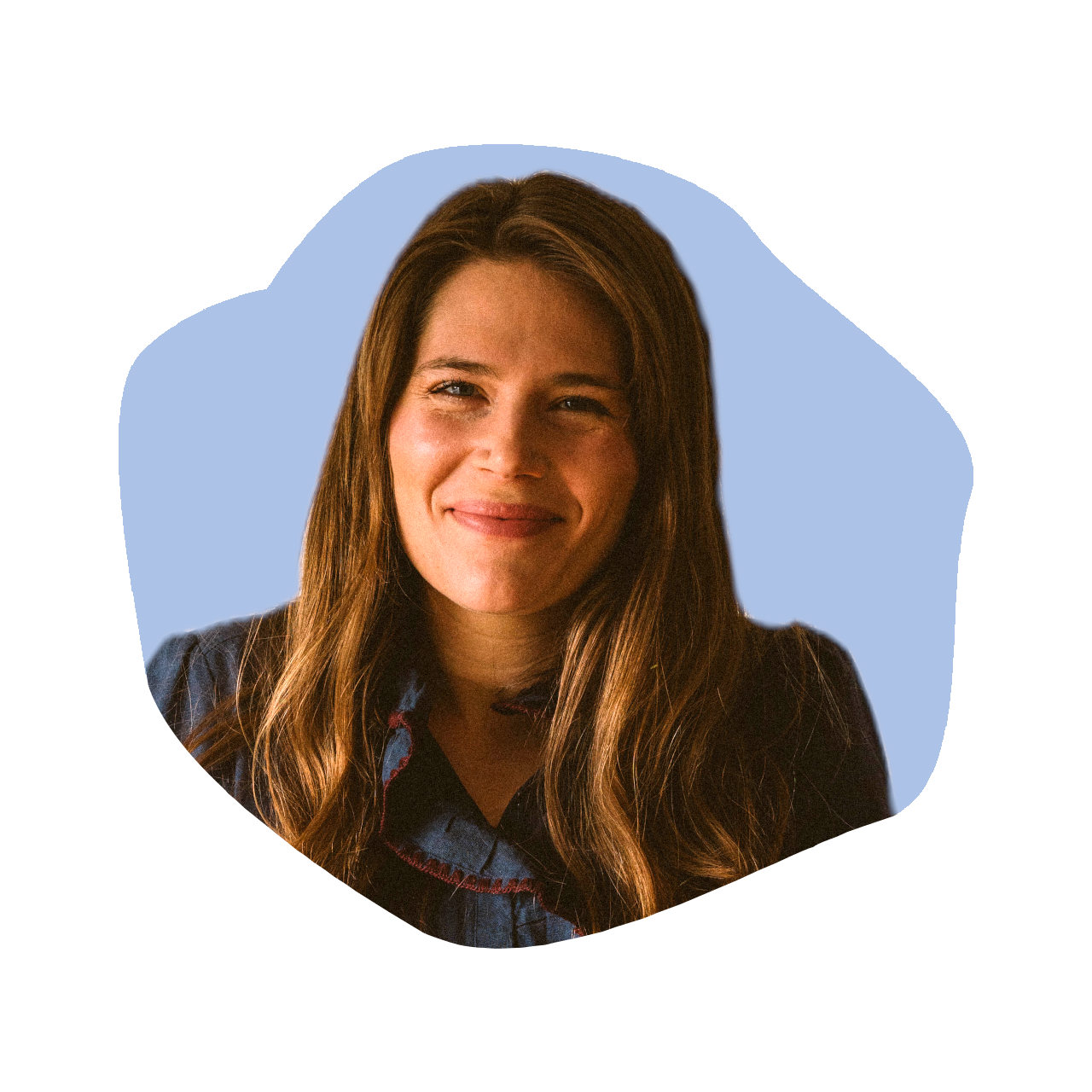
Building a food brand from a health crisis, a farmers market, and one very big fire — that’s the magic ✨
On The Kara Goldin Show, I sit down with Alysa Seeland, Founder and CEO of FOND Regenerative — the Texas-based company making verified regenerative bone broths, traditional demi-glace, and slow-rendered animal fats.
We talk about how Alysa’s journey began after serious digestive issues led to emergency surgery and the possibility of a second procedure. Instead, she chose to rebuild her health from the inside out, discovered the power of bone broth, and eventually sold her first jar of FOND at a Texas farmers market in 2015.
We also get into how FOND grew from farmers markets to independent retail, e-commerce, and now more than 4,000 stores, including Sprouts, H-E-B, Whole Foods Market, and major and independent retailers nationwide. Alysa shares why regenerative agriculture matters, how FOND became the first in its category to earn Land to Market regenerative verification, and what it means to build a product line that supports U.S. family farms.
Plus, Alysa opens up about the 2022 facility fire that destroyed FOND’s manufacturing capacity while the company was attempting to raise a Series A — and how that setback forced a major pivot. She shares why she moved to a co-manufacturer, paused fundraising, and focused on building a profitable company instead.
If you’re interested in learning what it takes to build a mission-driven food brand, scale without compromising your standards, or turn a personal health journey into a company now sold in thousands of stores — check out the interview on my podcast. You can find it here or anywhere you listen to podcasts 🎧
Resources from
this episode:
Enjoying this episode of #TheKaraGoldinShow? Let Kara know by clicking on the links below and sending her a quick shout-out on social!
Follow Kara on LinkedIn – Instagram – X – Facebook – TikTok – YouTube – Threads
Have a question for Kara about one of our episodes? Reach out to Kara directly at [email protected]
To learn more about Alysa Seeland and FOND Regenerative:
https://www.fondregenerative.com/
https://www.instagram.com/alysaseeland/
https://www.linkedin.com/in/alysaseeland/
https://www.instagram.com/fondregenerative/
https://www.tiktok.com/@fondregenerative
https://www.linkedin.com/company/fond-bone-broth/
Transcript
Kara Goldin 0:00
I am unwilling to give up. That I will start over from scratch as many times as it takes to get where I want to be. I want to be. We just want to make sure you will get knocked down, but just make sure you don’t get knocked out. Knocked out. So your only choice should be go focus on what you can control. Control. Control. Hi everyone, and welcome to the Kara Goldin Show. Join me each week for inspiring conversations with some of the world’s greatest leaders. We’ll talk with founders, entrepreneurs, CEOs, and really some of the most interesting people of our time. Can’t wait to get started. Let’s go. Let’s go. Hi, everyone, and welcome back to the Kara Goldin Show. There are founder stories, and then there are founder stories where the founder has emergency surgery, is told she may need another emergency surgery, and then decides to build the product she can’t find. So today we have Alysa Seeland, who is the founder of an incredible brand called Fond Regenerative, also known as Fond. She is the founder of Fond Regenerative, a Texas-based company making verified regenerative bone broth, demi gloss, and animal fats, and this is not one of those. I saw white space in the market stories. This started because Elisa got very sick and wanted to solve her problem, and then bring this to so many others, which she has. So it all started in 2015 when she sold her first jar at a local Texas farmers market. I understand, and today nationwide in many of the most wonderful stores across America. So the path, of course, is not always easy. is challenging, and by the way, she also has a lot of boys running around her house. I’ll let her share a little bit more about that. So today, I’m super excited to have Alysa with us here today to talk all about this incredible brand that she has built called Fond. And Alysa, welcome to the Kara Goldin Show. Super excited you’re here.
Alysa Seeland 2:23
Thank you, Kara. Super excited to be here and grateful for the opportunity to share more about the story. Really, really excited. So, for listeners who are just discovering Fond, how do you describe the company? Yes, Fond is we make artisanal bone broth and tallow, just like you would at home, but we make it widely available. So we’re really bringing farmers market quality food back into the grocery store, and that’s where I saw in my own health crisis and in the journey of so many other customers who would come to us right almost by the droves now, that need for real nourishing food that their body is craving, and the difference that they see in their lives once they have that food. And for so many of us, the it’s sourcing. We don’t know where to find. Not everyone can go to the farmers market on a weekend and buy straight from their local farm. Although we love that, and we want you to do that first. For many people, that’s not practical. Secondly, they don’t have the time to simmer the bone broth or render the tallow. There are also smells and techniques associated with that that you may not know or may not want in your house. And so, we’re really trying to solve this gap of nutrient density that humans have relied on for centuries for the modern consumer. How can we make that accessible? How can we support regenerative farmers here in the U.S. as well while we do this? And so yeah, it all goes back to that that founding story and wanting other people to have the same experience I did, you mentioned needing that second surgery in three to six months. Here I am, more than 13 years later, and I I’ve never needed it.
Kara Goldin 4:13
So Alysa, this did not start as you know a white space in the market idea. It started with a health crisis, can you talk a little bit more about those early days?
Alysa Seeland 4:26
Yeah, so I was five months postpartum and knew something was wrong. I went to my doctor, went to a functional doctor. I had people tell me the same thing: we need you to get sicker before we know what’s going on, and I didn’t want to get sicker. I wanted to get better, and a little bit sicker was a lot sicker. I ended up having emergency surgery and hearing in the post-op, as we’ve discussed, the surgeons say, “Hey, you’re going to have to have your gallbladder out in three to six months. Do you want to schedule it? And the moment of deciding not. To schedule that declining was pivotal for me. I think in so many ways. Also, as a founder, you get a lot of advice. You have a lot of people telling you things are going to be a certain way, and you have to have the courage to really take that journey into your own hands and really say thank you for your input, but I’m going to go a different direction. And so, really found that bone broth spanned centuries and cultures, but it was missing from the modern diet. And I went on a five-week bone broth diet. No, it wasn’t the only thing I consumed, but it was certainly the majority. And I felt better than I felt my entire life, Kara. I mean, I didn’t know people could feel like that. And so, when you have an experience like this, you share it. And the two things I heard consistently were, “Well, it’s too difficult to make it. I don’t know where to buy the bones. Once I buy it, it takes too much time. And after all of that effort and energy, it still doesn’t taste good. And I thought, “Well, mine tastes good. And I realized, right, my culinary artistry was really just used in bone broth as a blank canvas. It doesn’t really taste like anything, and so I was able to really play and make delicious tonics, is what we called them when we first launched them. It was broth that was intended to be sipped like coffee or tea, and to be consumed by our customers only in that way. People would ask me, “Can I cook with this? And I would say, “No, don’t cook with it. You know, it’s it’s perfectly balanced for you to just sip it. And then, of course, you know, as we grew out of that early adopter group, I knew it wasn’t wise to tell people not to use it in their cooking. But it was interesting how specific in the early days we wanted people to really see this as a beverage, as a tonic and almost an elixir, right? That could help them feel better again. So, and it’s not woo woo. I mean, a lot of the reasons people take peptides today or do peptide injections are a lot of the reasons that we want people to drink bone broth, right? It’s a rich source of amino acids, the building block for every cell in the body, and healthy fats help to protect the cell membrane, and so you have this beautiful balance, right? When you’re eating this nutrient-dense food from the most nutrient farms here in America, and it’s been amazing to see how this transformed my life as one data point. But like customer after customer coming to us saying, after you know, 11 years in business, my body knew what to do with this product. Right, it’s been beautiful. So you did a five week
Kara Goldin 7:30
as I was doing my research look at bone broth fast, and your issue was digestive. But I think, as you’ve alluded to, so much more. So what did you find was kind of the biggest changes that you saw? And obviously, this isn’t what everyone sees, but what did you see during that five week period that you just were so excited about?
Alysa Seeland 7:55
Yeah, you know, I like to say, Kara, that nutrient deficiencies caused my health crisis, so it makes sense that nutrient density solved it, right? I was a young professional working in Boston for the three years before I got pregnant. I probably ate a scone and a cappuccino for breakfast every single one of those days. Maybe ate dinner. I mean, you know, just burning the candle at both ends, at an early part of my career, and loved that. Was a part of a startup. My health was the furthest thing from my mind, right, and just wanting to participate meaningfully in the world, and that caught up with me, right. And so I was forced to pay attention to, oh, my body has needs, and I can’t live a high capacity life if I’m not fueling that. And so I’ve always had a lot of drive and ambition. Always wanted to make a difference, but I found that nourishing myself first was going to be the cornerstone of being able to make any impact. And we see that in our customers’ lives. You know, you ask, what are some of the benefits that I saw from drinking the bone broth regularly? Joint pain was completely gone for me. This makes sense, right? It’s a collagen-rich product. Hair, skin, teeth, nails helps with remineralizing that. But also, one thing I didn’t expect, and that customers continue to talk to us about also is they visibly see cellulite on their bodies start to smooth out right and so the body it’s really interesting because your body knows what you need I don’t know what you need you may not even know what you need but your body knows what you need, and so when you give it the nourishment to do its own function, and we get out of the way, and we you know aren’t overloading ourselves with toxins or chemicals, it’s beautiful what can happen. And so we have customers who have used Fond in postpartum seasons. We’ve had customers who have. Used fawn to take care of aging parents and hospice seasons, right? And I love that we are really caring for people in every aspect of life. There’s not a situation in which you don’t need deep nourishment.
Kara Goldin 10:13
Yeah, definitely.
Alysa Seeland 10:14
So, you were you from Texas? I moved here. My husband got a job at Texas State University, and I was still working remotely for the startup at the time in Boston, and really had never even been to a farmers market. So Texas was what introduced me, especially in the Austin, San Antonio area where we started Fond. We did five farmers markets in three different cities every weekend for five years. Wow! And I didn’t know anything other than starting this like a tech company. So my first thing was I’m going to get a group of early adopters. I’m going to test my product on them. I’m going to refine it, and then from there we launched on HEB’s shelves, and from there we launched at Sprouts, and then Whole Foods and then now Albertson, so you can see how we’ve grown the the market of people that we appeal to, and there’s something happening in the culture too, where we’re also turning to, hey, what is the source of inflammation? Why is chronic illness on the rise here in America, and and what can we do to mitigate that?
Kara Goldin 11:21
So, when you were taking your product to the first farmers market, how many SKUs did you have?
Alysa Seeland 11:30
Five. Five SKUs. We had, yeah, we had five. And it’s funny, you know, as you grow and you add more SKUs, and then you talk through SKU rationalization for. of the first five are still bestsellers today. It’s really fascinating. We have a lot of obviously now with the ancestral fat line and the demi gloss. We’ve got quite a few, but there have been some that we’ve created that you know have been seasonal releases that haven’t made the list. But four of the five that were created during that time are are still around in bestsellers today. Is
Kara Goldin 12:05
there one that is like the runaway bestseller that is you know you mentioned Hint BlackBerry? I mean that for sure. And sometimes it’s really hard because there’s some that have better distribution than others, so that’s why they’re a runaway bestseller. But I’m curious.
Alysa Seeland 12:25
So, of our flavored broths, for sure, the lemon and garlic is our bestseller, and then the turmeric and black pepper is a really close second. I like they see they kind of dance right up and down in the in the skew ranking, and they both have distribution on our DTC, but also in the retail stores. In the fat line, it’s really interesting. The tallow and the pork lard are really similar. You know, the tallow definitely sells more in grocery stores, but on our website, the pork lard sells just as much as the tallow, which is just fascinating, duck fat does really well on the website as well. And so, as we look at our, you know, fawns audiences a little bit more culinary, right? They’re healthy, but they’re a little more culinary as well. We see more of the neck and neck sales. But yeah, then on on the store shelves, the tallow for sure is the the bestseller among the fats.
Kara Goldin 13:22
So, as you were starting this brand and seeing that it was not just going to be something that helped you and your family and your friends and the people that you met at the farmers markets, but you’re scaling, you’re getting it into stores, you’re getting distribution. That’s hard, right? It’s a lot to found a company. Your husband joined you as well, and it’s you know built around good, but that doesn’t take away how hard it is, right? What were some of the biggest challenges actually launching it? Because there’s always I I’ve talked to so many founders and and wannabe founders over time and you know it all sounds easy but every stage has its moments right of growth and I know you know what I mean it’s definitely you know it’s challenging for sure but what has been some of the bigger ones for you that you recall,
Alysa Seeland 14:21
yeah, I think very. It almost felt like a quantum leap going from running farmers markets to owning our own manufacturing facility, manufacturing all of the bone broth, building that team, overseeing the distribution, and those were they were refrigerated bone broths at the time, and now they’re shelf stable. The recipe is the same. We just got the approval from the FDA and USDA to sell them under shelf stable after the testing. But you know that business, we were really good at it, but it took too much time away from building. The business from selling into retailers, and I’ll never forget. I met with a a brand mentor, very similar distribution to us at the time, and he said, “Hey, you’re either a brand or you’re the manufacturer. It is really, really hard to do both, and in fact, it’s unwise. And so my husband and I talked about it, and really, we were like, okay, we’re open to if we can train them, if we can see how it’s being made, if we know, you know, all the things when it’s your baby and you want to know that it’s going, someone else is going to make it the same way you are. We really believed that that was the right call, and that our gifting was more on the other side of the business, not just manufacturing, but the distribution and sales, and so that was really hard. It was hard to build a team to feel like we did all the things right, and it was still the wrong business for us to run. And so we actually had to shut down the manufacturing. We had to let the team go, and you know, at that time, it feels like a huge loss. You feel like you failed people. You feel like you failed yourself in some ways. But then seeing all of the growth that came out of that, and we still want to open Fond Mercantile, but it’s more of a marketing cafe where we can invite people into our space, where we can share nourishing food with them. We still want that in the community presence, but that’s not the same as manufacturing the product and running the business. And as you know, we were also raising a young family at that time, so I would literally we lived in the manufacturing facility. We lived in a two bedroom, two bathroom apartment on the other side of the commercial kitchen. So I would open one door to my home, and I would open another door and be in the middle of the kitchen, the manufacturing kitchen, and I ended up coming out of that season of life. Not surprisingly, now, but I succumbed to Lyme disease. I had a three-year battle with Lyme disease. There were times I, you know, was I couldn’t drive because I had so many blackout panic attacks, and it was just really hard to run a business. Also, in a season of chronic illness, because you think, “How can I even lead? Right when I’m barely surviving, and yet it was through the weakness of that, through needing to involve others in the mission, that we developed this beautiful team that is still with us today. We survived an actual fire, so the co-manufacturing facility where you know we we owned part of it. All of our stuff is in there. All of our raw goods, our lids, our labels, our jars, all of the meat that we buy and the bones. The manufacturing facility burns down, and the warehouse next to it, and Kara, I’m in the middle of a Series A trying to close around, and I get a call from my COO. The buildings burn down. I was like, “What are you talking about? She’s like, “The buildings burn down, the warehouse burned down. It’s all gone. So obviously, the literal fire was a huge thing to navigate, and you know I, you can’t do these things alone. And need being in a place of need with during Lyme disease, getting my COO Tara to come around and to help, and then getting other people in place of the business, and then surviving this fire together was really, really. It ended up being really beautiful, and I’ll I’ll never forget.
Alysa Seeland 18:24
I wrote an email and recorded a video to our buyer at Sprouts, and I said, because the other thing is people didn’t believe us. What shocked me is people thought we were saying it to like get off of shelf or get out of. I mean, it was crazy to me the number of people who didn’t believe us, and I was like, I’m just so shocked by that. But I, I will never forget one of the buyers at Sprouts. I recorded a video. I said, please keep our space on shelf. We’ve invested so much in getting here, and they said, absolutely. They said, absolutely. Fond will be like the phoenix and will rise from the ashes. Sprouts is to this day one of our most valuable partners, and then Whole Foods would follow after that. And so it’s just you know it it made our it forced our relationships to not just be in the CPG world. They can be so transactional. It forced our relationships to move to a place of transformational. Like are we are we transforming? Are you different because you’ve done business with Fond, is Fond different, right? For the better because we’ve done business with you, and we want that to be reciprocal. So, yeah, I mean, those are a couple of of the journeys. You know, it’s raising money is really interesting. You know, my the funding structure for Fond. I’ve done a couple rounds of safes. We did an actual, you know, $5 million round, and we’ve done some debt financing. But I tend to like to keep a healthy sense of control and make sure that we’re bringing the right people on for the journey, not. Just people who, at the time, you’re like, oh wow, this is great. This relieves this debt, this debt burden, or you know. But the fire forced us to be basically default alive. We had to figure out how to be profitable in every single channel we were in. We we gave ourselves a governor. We said, if we’re not 20% contribution margin minimum in a channel, we’re going to kill it, and because we couldn’t, we we had to be profitable. We had to grow. No one was going to come in and fund a business that just had a huge fire, and yet we had to rebuild. And so it was so good for us in so many ways. So many CPG companies are growth at all costs, and we’ll figure it out once we get to a certain level, but we have found that problems that are small that are not solved just become bigger problems. So if you solve small problems, you’re actually solving bigger ones.
Kara Goldin 20:54
Yeah, definitely. I I think you’re really smart, and you’re speaking to the world that I think so many founders are living in right now and are are seeing firsthand anyone who is listening to it. So I I hear it all all the time. I mean, I think gone are the days where you know I don’t know five six years ago where growth at all costs, but today it’s it’s just much tougher, right? And it’s you’ve really got to, and especially with everything that you’ve been through. How long ago was that fire?
Alysa Seeland 21:26
It was september 19, 2022, and so we we saw that kind of read in our ledger, right, for 18 months. I mean, we we just saw it in every number. We saw, you know, we lost this many doors from the fire. We not everyone was willing to be sprouts and save space for us, right? We lost 1000s of doors, 1000s of dollars of investment in getting on shelf in places, and we saw that impact for about 18 months, and then you know somewhere around March of 2024, we started to really finally get out of it, and it was like, oh, we are in more stores than we were previously to the fire. Oh, our velocities on shelf are higher. So we have an interesting data point as a brand that’s been on shelf since 2019, 2020. Most places, our velocities are still increasing meaningfully year over year, even as 11 year old brand, right? So it’s just an interesting it’s interesting place to be.
Kara Goldin 22:28
Well, velocity is yeah, and that’s the number one thing that you you know really should be excited about and proud of. That’s incredible. So I’m so curious, like, so why was it that retailers were walking away at this point because of timing that they were that they had to fill the spots, or what was kind of if you can spell it out for people, what was the big issue?
Alysa Seeland 22:53
So I actually think by Sprouts and H E B keeping space on shelf for us, they were atypical because when you don’t have a product on the shelf, you lose dollars. Shelf space is is revenue, and by saying okay, we’ll keep you on shelf, they were agreeing to out of stocks when we couldn’t fill, and we really hustled to get the product back on shelf as fast as possible, but there were some places where we were, you know, customers would tell us we were out of stock for three six months in some places, and you know that that kind of partnership and commitment with a brand is is really unheard of that they would allow us to rebuild from that point. So we had people who believed in our mission early on. This year will be featured in Whole Foods Impact Report, for example. In our partnership with Whole Foods alone, we did a million pounds of U.S. regenerative organic certified bones just last year. Incredible! So you see these these retailers really understanding. Oh, by partnering with Fond, their customers are driving impact here, and we love to facilitate that. So I think it’s there was something about the mission that people wanted to continue to provide space for even through the midst of a crisis.
Kara Goldin 24:20
So outside of not having the fire, is there anything that you think I always feel like in every challenge and every tragedy, maybe there’s a lesson somewhere in there. Maybe you could there’s some sort of preparation, like if I would have done this, or what would you do differently to make sure that that couldn’t happen, different like other suppliers, not just relying on just this one. I mean, what what is it that you think you would do differently, if anything?
Alysa Seeland 24:51
Yeah, I mean, for us, it was really we were that growth at all costs company. We raised the $5 million. We. The gross margin that looked good on paper, but when you tracked the cash conversion cycle, there were things that broke down. And so, as a founder, I wish that I would have cared more and put more attention into the actual cash flow numbers because cash is king, and you know, I I hired a guy, right, to help with that side of the business. Now my CFO and I, I mean, we meet every week, multiple times a week. We are reviewing everything. I mean, I am, I delegate, but I’m also intimately aware of the health of the business in every single channel across every single channel, and part of my job as CEO is to creatively, organisationally solve problems that arise. And so, by not knowing the numbers, and by thinking, “Oh, that’s someone else’s job, I’m just responsible for the products and the brand and the sales. All that stuff matters, but if at the end of the day you’re not making money, then you don’t have a viable business, and then you’re really not impacting anything. And so, that was the biggest lesson for me was making sure that we were profitable. And when you’re profitable, you really get to choose a lot about your future.
Kara Goldin 26:20
Yeah, definitely. You’ve expanded beyond bone broth into demigloss and slow rendered animal fats. How do you decide what fits under the Fond brand? I mean, you’re an 11 year old brand. You are, you know, not just in stores but in direct to consumer. You know, you have you’ve built a brand, which you should be really proud. You’ve been through some, you know, massive, massive challenges, and you know you’ve got your badges right. But now, like, where do you go? I’m sure a million people have all these ideas, especially when you have investors that come in. You know, there. Oh, you should go do that. You should, you know, so and so is doing this. Maybe you should do it too. You, as the founder, I’m sure, are very involved in you know what fits. What is the soul? How do I keep it?
Alysa Seeland 27:14
Yeah, I’m.
Kara Goldin 27:15
I’m so curious what your response is to that.
Alysa Seeland 27:19
Yeah. So we actually had our ancestral fat line in the works since 2019, and it was really the fire that derailed the progress of that. And then getting back on board, we didn’t know that there would be this sort of cultural remembrance about the importance of fats around 2024 or 2025, and so that timing really worked out in our favor, but the the answer to your question is: I look at a couple of things. I look at did it exist hundreds of years ago? I think we are so emphasis on biohacking, and I love longevity, but we can overthink it to a point where, and we have this bias toward this recency bias toward well, if it’s new and if it has a clinical study, then it’s good. And it’s like sure, maybe, but what did people do 100 years ago? How did they nourish themselves? How did they use the whole animal? And what we’re finding is organ meats, right? Fats. These these things have incredible nutrient density, and we’re literally throwing them away. And so the fats were always part of creating more revenue, also for our farming partners. So, for example, and this is just one example, but if we partner with a farm and we buy their bones and their suet, we can increase their revenue for that animal 30% So, and these are things that people are throwing away. So, when we look at our product pipeline, we look at is it an artisanal heritage food? We also look at do people want this, right? I mean, are people needing this? Do they need this in their lives? Do they want this product? And does the farmer have this in excess? Right. Because we always want to innovate at the intersection of abundant supply and consumer demand, especially as a mass distributed. You know, I mean, Fond is still pretty small, but we have nationwide distribution. We can’t launch products that we would only release at a farmers market anymore, right? We have a nationwide customer base, so those are things. And then we always like to add a little bit of Fond whimsy to it. Some of the things, for example, that haven’t made it out of our product pipeline. I worked really hard on a tallow-based skincare line, and I actually found that pork lard skincare performed better. I’m not sure there’s a market, but I’m not going to release that product because I can’t get behind it. Even though there’s a lot of tallow skincare brands, you know there are things that. We we innovate on we invest in, but they don’t make it out of the R and D if they don’t hit these certain things.
Kara Goldin 30:08
So so interesting. So today Fond is profitable and sold in stores across the U.S. So what does Alysa today know that she didn’t know back then about herself and and really about you know building a company because you didn’t pop right out of college to start a company you know this was a journey for you and you’re still on that journey but and it’s I mean it it’s really beautiful right like watching watching you and and through the challenges, I’m proud of you. I I just met you, but I’m so proud of you that you’re you know pushing through. It’s really awesome. So, but what do you know about yourself today that is you know really really important for you to maybe hear?
Alysa Seeland 31:00
You know, I wrote a letter to myself recently, and because there were so many dark nights of the soul, Kara, in this just trying to survive, and I have this little family, and you know, I wanted Alysa 10 years ago to know it would be worth it that there was another side. I I knew it, but there were times when I didn’t know. Right? Was this going to be anything? Were we going to have spent seven years of our life, 10 year now 11 years of our life, and was this thing ever going to get off the ground? And so I I told myself in that, and I tell myself today, you know, you are so courageous. You are so steadfast. One our one of our investors just says that I’m one of the most tenacious people he knows, and it’s funny looking at me. You might not necessarily think that, right? But it’s true, and you know, I think conviction carries authority, right? I I believe in my products. I believe that if you buy my products in the grocery store, they will bless your body. I believe that, and that’s why I want you to have them. And I think there are probably things in there that you need because they’re not readily available in the modern diet, right? And so that conviction empowers me to share because I want people to experience the freedom from my own body that I felt. Right, whether it was recently postpartum, whether it was in Lyme disease, whether it was in the aftermath of that and recovering from anxiety disorders. So,
Kara Goldin 32:41
so so inspiring. Well, Alysa, thank you so much for joining us today and sharing the story. I’m so proud of you, and I am such a big believer that the stories behind the brands are the reason why so many consumers, not just other founders and entrepreneurs, but why people want to purchase the products, support the products, but also they’re real, and you clearly are a real person behind this who has done good for herself and done good for so many other consumers. So for everyone listening, definitely go and purchase Fond and shop the bone broth; they’re delicious, so good for you, and definitely follow along and with Alysa on her journey. So, really, really proud of you. So, thank you so much for everything, and good luck with all.
Alysa Seeland 33:36
Thank you, Kara. Thank you so much for having me.
Kara Goldin 33:38
Thanks again for listening to the Kara Goldin Show. If you would, please give us a review and feel free to share this podcast with others who would benefit. And of course, feel free to subscribe so you don’t miss a single episode of our podcast. Just a reminder that I can be found on all platforms at Kara Goldin. I would love to hear from you too, so feel free to DM me, and if you want to hear more about my journey, I hope you will have a listen or pick up a copy of my Wall Street Journal best-selling book, Undaunted, where I share more about my journey, including founding and building. Hint: We are here every Monday, Wednesday, and Friday. Thanks for listening, and goodbye for now.