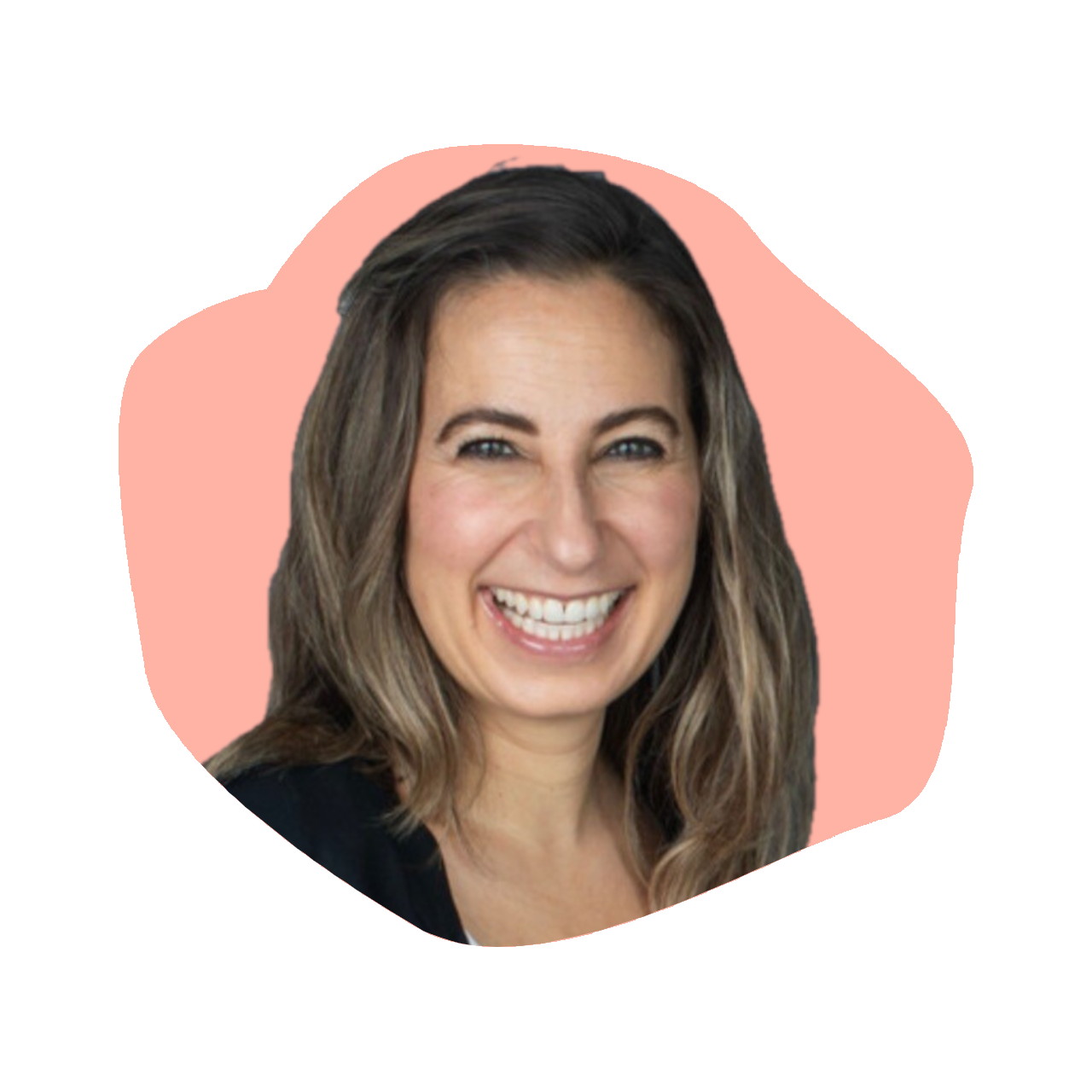
Jenney Korasick: Co-Founder of Leche
Episode 869
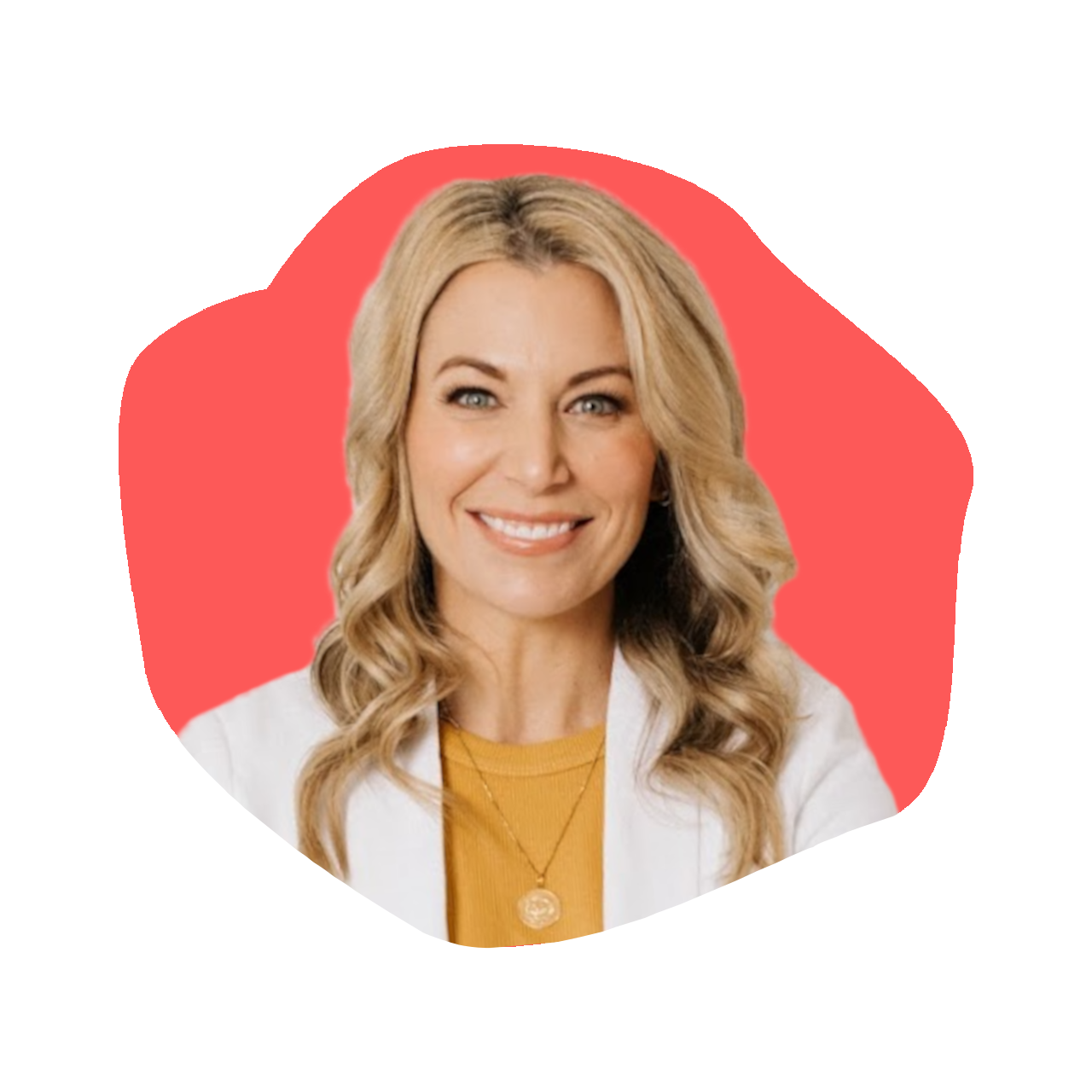
Jenney’s path to entrepreneurship began with a problem she experienced firsthand. As a mother with an oversupply of breast milk, she wanted to donate — but quickly realized the system wasn’t built for modern families. It was fragmented, confusing, and far harder to navigate than it should be. That frustration became the starting point for Leche.
In this episode, Jenney shares how one Instagram post sparked a donor community of more than 25,000 mothers, why she built community before product, and how Leche is working to make real donor breast milk more accessible to everyday families. We talk about trust, education, consumer behavior, and what it takes to build a category that did not really exist before.
Jenney also shares what it has been like building in one of the most personal and emotional areas of family health, partnering with co-founder Trish Clifford, and growing a company while raising a family. This conversation is a powerful founder story about seeing an overlooked problem, building a movement, and creating something that families truly need.
Resources from
this episode:
Enjoying this episode of #TheKaraGoldinShow? Let Kara know by clicking on the links below and sending her a quick shout-out on social!
Follow Kara on LinkedIn – Instagram – X – Facebook – TikTok – YouTube – Threads
Have a question for Kara about one of our episodes? Reach out to Kara directly at [email protected]
To learn more about Jenney Korasick and Leche:
https://itsmyleche.com/
https://www.instagram.com/itsmyleche/
https://www.instagram.com/j_nales/
https://www.linkedin.com/in/jenneykorasick/
Transcript
Kara Goldin 0:00
I am unwilling to give up. That I will start over from scratch as many times as it takes to get where I want to be. I want to be. We just want to make sure you will get knocked down, but just make sure you don’t get knocked out. Knocked out. So your only choice should be go focus on what you can control. Control. Control. Hi everyone, and welcome to the Kara Goldin Show. Join me each week for inspiring conversations with some of the world’s greatest leaders. We’ll talk with founders, entrepreneurs, CEOs, and really some of the most interesting people of our time. Can’t wait to get started. Let’s go. Let’s go. Hi, everyone. everyone, and welcome back to the Kara Goldin Show. Have you ever wondered why something considered the gold standard for infant nutrition is still so hard for everyday families to access? Our next guest saw that gap firsthand as a mom with an oversupply of breast milk. Jenny Korasick wanted to donate, but quickly discovered the system was broken, confusing, outdated, and not built for modern families. So she decided to build what didn’t exist. Today, I’m excited to be joined by Jenny, who is the co-founder of Leche, the first shelf-stable, commercially available breast milk platform, making real donor breast milk accessible to everyday families. And before Lecce, Jenny spent more than 20 years helping brands grow through digital media, influencer marketing, and go-to strategy, then decided to go off and become an entrepreneur. Very, very exciting. So, can’t wait to hear more about Jenny’s journey and also the brand Leté and her journey in scaling this incredible, much-needed company. So, Jenny, welcome to the Kara Goldin Show.
Jenny Korasick 2:03
Thanks for having me. I’m excited to be here.
Kara Goldin 2:06
Absolutely. So, for listeners who are just discovering Lecce, how do you describe the company, and what makes it different from anything else on the market?
Jenny Korasick 2:17
Well, there are a lot of things that make this different from you know everything else that’s on the market. First of all, it is it is one single ingredient. It is 100% pure breast milk, and how we get there is through our massive donor network, our amazing community of donors, and we’re calling them donors. But just know these are moms that were compensating for this hard work. Making breast milk is you know even if these moms are making a lot of it. It’s still work. It’s still work to clean the parts. It’s still work to go through the schedule. It’s still work to get it to us. So these are all moms that are compensated. Our donors are, you know, the heart of this business. We don’t have a product if we don’t have donors that are excited to do this. And so there are a lot of other companies in the space that are, you know, doing things from the medical side, right? Getting donors to donate to produce products in hospital or things like that. They look at these moms as just another number, just another you know commodity. And because we’ve lived both sides of this problem as donors and as busy parents, we know that is not the way to scale this business. We need to focus on the donors and take care of them and excite, you know, get them excited about all these things that they’re either contributing to or that they have access to through Leche. And so that’s a really important part that make that you know makes us different is we’re looking at this as donors first, and then you know the byproduct of that is this amazing product that gives more parents access to breast milk.
Kara Goldin 3:42
That’s awesome. So you spent more than 20 years helping build brands. So you’re not an inexperienced executive at all. But you decided that now was the time when you really wanted to hang your shingle with your co-founder to actually do something that made a difference. Thank you for doing that, and love what you’re doing. So, what made you decide at that moment that it was time to go and do this? I mean, why not go and tell other companies to go and do this?
Jenny Korasick 4:19
You know, that was what I spent a lot of you know the first 20 years of my career doing is telling other people what to do, and all of that experience really led to the foundation for what we’ve built with Lecce. From you know our organic content strategy to the brand strategy, design, community engagement, all of these things are are key things that I took away from that experience, in addition to learning everything about content syndication and traffic and all these things that you need to do to have a successful business, but it really clicked for me. I was pregnant with my after I had my daughter. I made a lot of breast milk, and I remember I was sitting on the beach and I was talking to my friend, and I said, “Gosh, I just like made so much. Like, why couldn’t we take something?” That is, you know, frozen or liquid, and turn it into a powder, just like we do with, like, you know, cows milked whey protein, or, you know, why can’t we do that? And she looked at me and she said, “I think that’s the Goldin ticket. I think that’s what everybody’s been waiting for. Why can’t we get a breast milk formula? And so, as my co-founder, Trish and I were going through my second pregnancy, her first together. We had the same problem again, and we just were like, “Okay, this keeps coming out. With her food science background, she’s like, “I think we can do this through freeze drying. So we were the first customers. We did it ourselves, and we just in how cool and how amazing it was. We were like, “More people need to know about this. More moms need to know that this is an option, right, and so it really is something that is foundationally, you know, breast milk sharing has been a part of the world, you know, generationally has kept us alive as humans since the start of time. What’s really broken down is the village, how parents are getting support, how parents are getting access to things, right? We live in a digital age. Social media brings us together in like you know a really specific way, but it spreads us apart in a lot of ways too. We live so far away from our you know our core people who care about us, and we live so far away from you know the village that would help step in if something doesn’t go according to plan. And so this is where this approach comes back is like this is not a new concept; it’s just now made real for modern families. And honestly, it was just like such an exciting thing. Like you know, I was I spent the first 10 years of my career, you know, learning everything about how to market 401k and IRAs and financial media, and then you know, getting into the lifestyle business here in LA, like culinary lifestyle, travel, beauty, all that stuff. But I was like, this is this is my mission. I’m a mom. I understand the problem. I’m living on both sides of this. Everything that is all of my experience has funneled into this amazing opportunity for us to create something so amazing for parents. So that’s that’s kind of how it started, and it’s really rewarding building something for yourself. You know, I think that I know the roadmap I can hand off to people. I know the recommendations, and you know, there’s there’s some reward in that too. But this is so rewarding. Be an entrepreneur. It’s not for the faint of heart. It has a lot of bumps along the way, and certainly we’ve you know you you experience those early on, but it is so rewarding because you know that every minute you put into it, every ounce you put into it, every late night, every early morning, every trip is all coming back to something you created.
Jenny Korasick 7:36
And when you see you know when you’re walking through the airport and you see someone using your product or like for you, like you know, drinking your water, whatever you’re like. God, that is such a cool moment. It’s so cool, you know. Like to to think that you can have, you can leave this print on parenthood. You can leave this print on society. Like, what a cool moment to to be able to share.
Kara Goldin 7:54
Yeah, definitely. So you talked about community, and so how have people been finding out about Leche and and sort of other options if they can’t actually produce enough milk or maybe don’t want to use their milk because maybe, for example, they’re taking some kind of supplement or medication that they don’t actually want to pass along to their child. How are people finding that community? Yeah, there’s a really high
Jenny Korasick 8:30
intent search value to that, right? To those questions of how maybe it’s a same-sex couple, you know, a dad or a single dad that’s brought a baby into the world through surrogacy, and you know, you just kind of plugging into Google right now of like, how do I buy breast milk? Like immediately, you know, you go through all of these steps to create a family or to become a mother, to become a parent, and a lot of times you kind of the the feeding part comes second. You’re like, oh gosh, now I need to feed this baby, but so many parents come to us in that really specific moment of like I kind of need help making this decision. So you you see a lot of traffic coming from you know very general search results, but most of it is word of mom or word of parent. Like there is some momentum behind you know all of these you know peer to peer recommendations that we see. A lot of parents just don’t know this option exists, and so when they’re looking at ways, how what supplement can give me or give my baby the benefits of HMOs that formula does not have? Well, it’s this breast milk. You know, whether you get it through informal sharing or whether you get it through Leche, it’s breast milk. So it really is this community approach of, you know, how we’re reaching people organically. How we’re engaging when when parents are, you know, a lot of moms are way more open now on social media about the struggles they’re having with breastfeeding or why they’re choosing not to breastfeed. You know whether they have DMER or whether they have you know severe postpartum and they have to go on a medication that’s. Not safe for breastfeeding. There’s so many reasons why this comes in as a solution when they’re looking specifically for those problems. And again, a lot of parents are way more vocal about their experiences. You know, the vulnerability side of that allows us to share. You know, a layer of support that they really wouldn’t have in other, you know, even a year ago or even two years ago. So, how did you decide on the name Leche? There’s a little bit of a funny story here, but there’s kind of like a universal approach to it too. So, I’m sure you’re familiar with like la Leche league, right? Lecce is kind of this universal word that people know is is milk, right? Even if we’re in France, like I mean, we’re still people still kind of understand it. Even if you’re in you know South America, people are understanding it. If you’re in the U.S. people are understanding it. But a friend of ours actually, so Trish and I shared a mutual friend, and she was having an issue with you know a pumping routine or a supply set. You know, we were kind of in the in the nitty gritty of building this business at the time, and she had sent us an email, and she she just titled it “Leche Mamas, I Need Your Help, and we were like, “There’s something here, and so we just kind of jumped into it. I’m like, “I think this works because you know what we’re seeing is people. It does actually resonate through a lot of different cultures. It resonates a lot with people who are familiar with, you know, the very fundamentals of breastfeeding, right? With Leche league and everything else that’s kind of been the gold standard to date. But it’s it’s a universal word, you know. It doesn’t. It’s it’s powdered breast milk, but it’s Leche. So I think it’s it was it was kind of a funny story of how we got there, but it just really stuck, and we’re like, “This is it. So,
Kara Goldin 11:45
I love it. Can you share the story with when you were actually the the consumer before you became the co-founder? But what was it like trying to donate your own milk, and sort of like what was the challenges of it, and you know why do you think it’s so hard? I mean, why is the infrastructure around this topic so outdated when the universal message seems to be that you know breast milk is the best, and there’s a lot of pressure I think on moms to do that, and because of that,
Jenny Korasick 12:24
so there are a lot of key stats here that are important. There is not a milk bank in every state, so we are left with a lot of informal or peer-to-peer sharing options that just make it plain easier for parents. Now, easier doesn’t mean safer. Easier, you know. Easier is great if you want to drive down the street and pick up, you know, a bag of breast milk from a friend or someone you might trust. But the the safety and transparency behind those sort, you know, types of options are really, really low for the parents on the receiving end of it, and so when we looked at this, and when I sort of lived this problem on both sides, you know, we had I had a lot of milk. Our freezer was full. We couldn’t fit any additional food in our freezer, and so I was just donating as much as I could. I knew I had more than enough to feed my babies at the time, and I wanted to do something good. But the channels out there to do that, it was like I had to post on Craigslist. You have to, you know, you’re texting with strangers, you know, odd hours about a pickup in front of your house or meeting them somewhere that you know you might not always be able to bring someone to ensure that it’s safe. All of it was just from the donor side and from the parent side, really, really unsafe, and so we looked at the things that could matter. Shipping, right? That’s easy. It’s just logistics. How do we figure that out? Access, great. Let’s turn it into a form that we can actually get this breast milk around everywhere. Powder, right? It doesn’t have like once we saw the logistics coming in, the logistics going out can be way easier for more families. The safety, the trust, the transparency, testing it. Does this have an excess amount of caffeine, or is the donor, you know, taking a medication that they’re not supposed to take as, you know, producing breast milk? Those are all questions that you might not feel comfortable asking if you’re getting, you know, informal milk from an informal source. But we do. This is for the parents who want to know. This is safe. This is screened. These donors are blood tested. The milk is nutritionally standardized, so it has a label on the back of the box that says every sachet has 45 calories. You don’t know that with the other milk. You don’t know the you know nutritional standardization. So, living both sides of this problem, you know, I dealt with a lot of issues, where it was like, again, do I get to the back alley to dump off some milk? But then also hearing stories from friends who would say, “Gosh, I wish I lived closer because you’re making so much milk, and I’m not making enough. How can we do this? So we just said, “There’s a way to modernize this village, and that is by standardizing this as a product that parents can.” Then add on their journey however they see fit. So maybe they’re breastfeeding 80% and this gets them 20% You know, another 20% to fill that gap. Maybe they can only do formula for whatever reason. Now they can still do breast milk in you know a small dose a day that helps continue to grow their baby’s microbiome. So it really was a full circle moment and seeing parents were struggling to get to milk banks, and there’s not one close to every. There’s only, you know, a hand. There’s 32, 36 in the United States, I think. So there’s, you know, it’s not feasible for parents in every 50 states to get access to it. And even if they do, now the requirements are are far lessened since we had you know the formula crisis and a lot of babies needed an additional source of nutrition, but it’s still difficult. It’s you might not get approved to get the milk from a donor bank.
Jenny Korasick 15:50
You have to maybe drive two hours to get there. You have to put a frozen product in the back of your car and hope that you’re going to use it all within a week, or maybe even have to commit to buying $1,000 worth of it. It’s not a system that is set up to help parents at scale, and that’s where we come in as you know a different solution and a different layer of support.
Kara Goldin 16:10
So, when you were starting this business, did it really stem from your own frustration in terms of, I guess, figuring out the go-to-market strategy, or how did you figure out the go-to-market strategy?
Jenny Korasick 16:26
You know, we had a very small test. We were like, if we’re going to see if this works, let’s just put together a very small cohort of moms. We will pay for the service. All they have to pay for is shipping, and we posted it on social, even again, like friends and family social. We did not have a big footprint at the time. We sold out in in three days just by people recommending it to other friends. And this is just for the service. This is again for moms to free try their own breast milk. We use this as an educational tool. It’s part of the go to market plan. We use this as an educational tool, breast milk can be powder, and that is important for parents to recognize. They come to us all the time and say, “This is so cool! I never knew this existed. So, breast milk can be powder. Now we can apply it to the bigger system where we know moms have an oversupply. There’s so much breast milk wasted. We also have formula recalls and formula shortages. Like, how can we fit into a system that needs fixing and fill this gap with something that parents are excited about? And so this is, you know, how it kind of come came full circle into the donor product. We know that the we know that the supply is there. How do we get access for parents? And so that’s again how this all came full circle in terms of the marketing plan: get people excited, get people familiar with breast milk can be powder, and then the rest is really just you know the recommendations, the community, education, and of course, there’s tons of other stuff in there too that matter, our partnerships and things like that. But really, it is you know educating parents that this is a safe and trusted option, and you know, if they know other parents are are using it, then they’re more likely to to recommend it as well.
Kara Goldin 18:10
Often, when you’re doing something new and unique, different, you’re changing category, you’re educating along the way, but you’re not just educating. I would imagine you’re advocating as well. So, what portion do you feel like you’re spending not just educating people, but maybe even getting involved in some policy issues or really voicing as well? Because it seems like that would be kind of part of your your job,
Jenny Korasick 18:43
it it is, and so the the policy stuff is is coming. It’s bubbling below the surface in a lot of big ways. I don’t know if you know this, but you know a mother in California, for instance, who’s had a double mastectomy, she can get a free breast pump that she’s never going to use, but insurance will not cover donor breast milk, and so that’s a big policy point for us. We are, you know, an item that is FSA and HSA eligible. Eligible, great. A lot of parents have that option, and they can, you know, use their pre-tax benefits there. Insurance is a whole other layer that we are diving into really head first because there’s so many use cases for this product because it is professionalized, it’s standardized, and it can help so many parents who really don’t have that option to you know another layer of support. So that is a big policy button that we are starting to to go really heavy into, and certainly there are others. Like we think that you know, it’s it’s absolutely crazy, and this is one of the reasons why we created the donor rewards marketplace that we have because donors are still taxed for taking compensation for donor milk. So it’s very important for us to compensate them because it is you know it’s it’s. Real money and it’s a it’s a real work for them, but they’re still taxed on it at the end of the day. How can we do better, right? So we’re like, okay, there’s a layer here that we can really jump into, and that is what are some other ways that we can incentivize them to want to do this without having to get that big you know tax bill at the end of the year? We can give them access to shop with partner products. We can do gift cards. We can do Leche products and services. And the momentum behind that side of things is so fascinating. But certainly, you know, ripe for some disruption on the policy front there too. Of like, why are we taxing these moms on this? It’s like it’s they should be getting a tax deduction for it, not you know. It should be a write-off for them. Not they shouldn’t be getting taxed on it. So there, there are a lot of policy issues that do come up with you know all the different parallels to this business for sure.
Kara Goldin 20:52
What do you think is the biggest challenge that you’ve had to face in launching Lecce? Is it dealing with policy, dealing with consumer misconception, building a team, building the brand. What is the like kind of the hardest challenge that you’ve had to face?
Jenny Korasick 21:11
Well, as you might know, being an entrepreneur, you’re kind of building the plane as you’re flying it, right? And so we early on had a lot of different ideas on how we were going to scale and how things were going to evolve. Ultimately, with every single step we took, we we looked for ways that we could partner with the best people, partner with the best scientists, partner with the best team, and everything else. Right? We were we were really focused on that. But as things started to progress for the company, and as we started to move forward, we realized we needed to own everything ourselves. We there wasn’t a way that we could partner with existing milk banks to produce what we wanted to produce, and still have all the safety standards in place that we would require to make what we wanted as you know a final product. Same thing with everything from you know packaging, handling, our fulfillment-like everything has to be under one umbrella. And there were a lot of learning curves and challenges with that. You know, there are there’s no co-manufacturing option for this. There’s no you know, so it’s like all these ways that other companies can scale quickly. We really had to take on sort of headfirst and figure it out first, you know, for ourselves, and that includes a lot of equipment, that includes a lot of space, that includes, of course, a lot of registrations and things like that. That are in hindsight now we’re so happy we have, but you know, it takes a lot of resilience. It takes a lot of, I would say, you know, passion for doing this, and to you know, a lot of there are a lot of points along the way that we were like would have been a lot easier to just quit, but we didn’t, and now we have you know everything under one roof, a 10,000 square foot facility that is all we do is human milk, and so I think it’s just really important for consumers to understand how far this has come from something like, oh, this is very boutique and premium, and like you know, a lot of handholding involved in in this experience for moms, to what it is today. It is. It’s a big operation. It’s very complicated, and along the way, you have to be very focused on the people who are going to get you there. So Yuki, for instance, she’s the head of our facility. She’s brilliant. She’s worked her entire career in researching human breast milk. There’s no better person we wanted for this job, and I think you have to learn really, really quickly who those people are who are coming in to be a part of something so exciting and be able to pivot really quickly if something is not working. Okay, something’s not working. We’re gonna try something else. We’re gonna build something else. We’re gonna do something differently, and we’re gonna go. And that’s how you just have to you know stay nimble and stay creative in order for entrepreneurship to work. It’s it’s a lot. Yeah, definitely. So how did you find your co-founder Trish? We met at a book club, and before that, our dogs actually met at the farmers market. And there is never like I feel like in LA or Southern California, you never hear these stories of like I met the nicest person. You know, it’s like it would never happen, but it’s true. And you know, we became friends. We lived a couple blocks away from each other at the time, we were in the pretty similar stage of life of you know just being married, starting to have kids, and it just clicked for us. Like we had a relationship that, as a friendship, was super strong and still is. Like we are you know co-founders that travel everywhere together. We’re each other’s best friends. We’re texting at all hours, the day and night. But when it comes down to it, we have two totally different skill sets, and they’re very complementary. Trish is so focused on operations and efficiency, and you know the food science and the clinical studies that we’re doing, and all these things that she is so passionate about. She allows me to stay in my lane on the things.
Jenny Korasick 24:59
I’m super passionate about in terms of building the buzz, building the business. You know, getting the foundation of you know everything that we’re doing consistent across all of our platforms. All these all these things that are you know super meaningful to me. But we are each other’s sounding board on everything, and so whether that be motherhood things, you know, we got an issue with this kid, and what should I do, or whether it be business things, and that is a relationship that I cherish. And I don’t, you know, a lot of people say, “Don’t go into business with a friend, or “Don’t go into business with family. We are so interconnected now in so many ways of our life that we’re just like the we can’t see it operating any other way. Like I would never want to do this with anybody else?
Kara Goldin 25:42
I love that. So, can you talk a little bit about the process? So, the consumer. We were talking about this before before we hit record. But once the consumer signs up with Letcha, what happens?
Jenny Korasick 25:57
So, placing an order through us is super easy. You want access to breast milk. You place the order. It arrives at your doorstep typically within a week, you know, unless you have expedited shipping. But because we have standardized the entire process for what the product is to get there, it’s not like we’re waiting to match you up with a donor. All of our donors come in through you know all of our organic channels. They go through a medical screening that our medical director reviews, and once they are deemed safe for a blood test, they’ve passed you know all the questions that we’re asking about. Are you taking a GLP one? What supplements are you taking? Did you travel to Europe and you know these certain months? Did you have a recent tattoo? All these things that would matter in terms of what’s happening in breast milk. We screen them for with this medical screening. Then they’re provided an option to go get a blood test. That blood test we pay for, and it comes. The results go through Quest. It comes right to our system, and our medical director reviews that to say yes, this checks out. This person, you know, has to provide an ID to say who they are at the Quest location. This checks out once that’s completed. They get a kit. They are able to send us their milk. Their milk is on screen once it gets to the facility. So we have a protein analysis to make sure is this really breast milk that they’re sending us. That’s step one. They get a nutritional analysis. What is in this milk? Calories, fat, carbs, protein, all that. Initial sampling there. Then we go through an additional layer of of testing. Are we we’re looking for alcohol, other substances, diluents? Right. So we’re looking. We’re screening the milk in another process. It then is getting pasteurized. It’s getting tested again at that stage. It’s then getting freeze dried once it passes that mark, and then tested again. So another sample comes out. The powder is tested for final nutritional consistency, and then it’s getting third party tested. So it’s going out to an external partner to have all the verification. You know, you can see even on our site we have a cool little thing with Light Labs where it shows you everything they’re screening for. And then once you know our partner, our third party partner says it’s safe, we can package it out and send it to parents, but we’ve done all that hard work. We’ve done that so that the product is available for families who need it when they’re ready for it. So they just have to go to the site. It’s myliche.com. They place their order, and the breast milk comes to them. So it is. It’s a really cool process. All the complex stuff we’ve sort of figured out for parents, so they don’t have to think about anything else other than placing the order and you know having it shipped directly to them.
Kara Goldin 28:29
That’s so awesome. So, what has been the hardest decision you’ve had to make as a founder so far?
Jenny Korasick 28:37
You know, as a founder so far, there are a lot of hard decisions you have to make. This is a really loaded question. I think you know it. It was a really interesting moment for us to have some reflection on the business of where we wanted to go and how we could you know help the most parents. As we talked about, you know, we started as a service where moms could freeze dry their own milk as a way as an educational vehicle, right? To teach more parents that their breast milk could be powder, or breast milk in general could be powder. Now that is a super high touch service. It’s really premium. It creates. There’s a lot of emotional attachment to that process. There’s a lot of individual tracking. We we are not like some of the other freeze dry companies. We freeze dry everything individually for moms, so they get their own little freeze dryer. They get their own chambers. Everything is handled and packed individually. It is white glove service. So many parents want to still receive that, but we have a limit every month, and we had to really reflect deeply on this of and say, where are we going to focus as a company? This product, the donor Rust Mill product, can help so many more families, and the need is so much greater. The market is so much bigger. How do even though people know us for this, how do we tap into this different thing? And so, one of the bigger challenges is, you know, we have. One one voice essentially across you know say Meta Instagram Facebook TikTok those channels have to serve a variety of different purposes they have to teach people about freeze dried breast milk they have to excite donors but they have to excite consumers as much so we had this really hard choice of how do we do that? How do we do that properly without disrupting everything we’ve built as a foundation? And you know, it’s it’s still evolving. It’s still a it’s still a you know a little bit of a knot to untangle at times, but it’s really working. We’re finding different way. Finding donors are excited about donating in terms of like a peer-to-peer recommendation, right? We have donors recommending other donors. We have a system that works for them that we don’t really have to talk about so so much on the consumer channels, but we do have to show consumers of where the milk is coming from. So some of the challenges, and I think this is one of the harder ones, is breaking down what we do in a very easy to understand way, making it feel really, really approachable. But the things that need to feel premium and very, very special need to be elevated. And so that is a really special mix that we talk about when we talk about marketing and just positioning and share a voice on our channels. But I’d say that that was that was a hard decision that we had to make. So, you know, there are a lot of other risks and a lot of other things that we like, you know, jumped headfirst into. But that was just the one we said, like we can’t, we can’t sustainably serve this massive market of all these parents over here while also trying to scale, you know, this other side of things. So the focus is, you know, our donor breast milk, and the service continues as a very premium, premium experience for those parents who want the free nutritional analysis, free shipping involved in everything. The very high touch, you know, it’s kind of like the the the Louis Vuitton of free shrine services, and that’s okay. Like there are parents who want that, and they can get that, and so I think it’s just you know take takes a little bit of gusto to just to say, like, hey, this is how we’re doubling down. This is the this is the opportunity to help way more people, and here’s how we’re going to do it.
Kara Goldin 32:07
So, last question. So, 10 years from now, what do you hope mothers and parents will look back on and say, “I can’t believe that’s how we used
Jenny Korasick 32:18
to do it” Oh gosh, this is such a cool question because we’ve already talked about the village, right? We’ve already talked about milk sharing 100 years ago. If you couldn’t produce enough breast milk for your baby, you passed your baby off to a sister, a friend, a neighbor, right? Someone who was like, “I’ll step in, no big deal. Life looks very different now, so I think that we have gotten so far away from this idea that like breast milk can be shared. It it shouldn’t be taboo. It’s always been shared. It’s always been an available resource. It’s always been helping families, right? And now in in 10 years, hopefully, we’ll look back and say, “I’m so glad we modernized this to bring back that layer of support, to bring back that village, to bring back access to this because it is truly you know it’s a single ingredient. It’s nature’s perfect food. It’s the first food for a baby. Why would we not be making this easier for modern parents? And so, I think that it’s it’s going to evolve into something that is less about having to make two really hard choices. A lot of parents, and I’m sure you know this too, feel a lot of guilt and pressure when they are forced to deal with you know supplementing, moving to formula, breastfeeding isn’t going according to plan. Now you know in 10 years, if we look back, we say there wasn’t two options. Now we have more, and so, I think that that is a really, really important takeaway and lesson that we can instill on people is that you know this is the what is not new, the how for us is very new, and so that’s what we’re doing. Sharing breast milk, not new. Sharing breast milk shouldn’t be taboo. How we’re doing it is different now, and that I think is our biggest, you know, takeaway, and hopefully a reflection point that we can look back on in 10 years and say, “Wow, we did
Kara Goldin 34:06
it. Jenny, thank you so much for all the great work you’re doing. I know how difficult this is, and as I think about when I was doing some research on you and the company, that it just-I mean, this is a hard problem, right? And I always say that, especially to people who have never been a an entrepreneur, a founder. I mean, there’s challenges every single day that happen, and so often you still have to have your smile on, right? And and keep pushing forward and making progress, which you’re definitely doing. So I appreciate all of the hard that you’re doing, and it’s just absolutely incredible. So for everyone listening, be sure to check out Leche and definitely try it. And let others know about it. Follow along on Instagram, LinkedIn, other social, and learn about this incredible work that they’re doing at Lethe and what Jenny and her co-founder Trish are doing as well. And thank you again, Jenny, and thank you everyone for listening. So see you next time on the Kara Goldin Show. Thank you. Thanks again for listening to the Kara Goldin Show. If you would, please give us a review and feel free to share this podcast with others who would benefit. And of course, feel free to subscribe so you don’t miss a single episode of our podcast. Just a reminder that I can be found on all platforms at Kara Goldin. I would love to hear from you too, so feel free to DM me. And if you want to hear more about my journey, I hope you will have a listen or pick up a copy of my Wall Street Journal best-selling book, Undaunted, where I share more about my journey, including founding and building. Hint: We are here every Monday, Wednesday, and Friday. Thanks for listening, and goodbye for now.