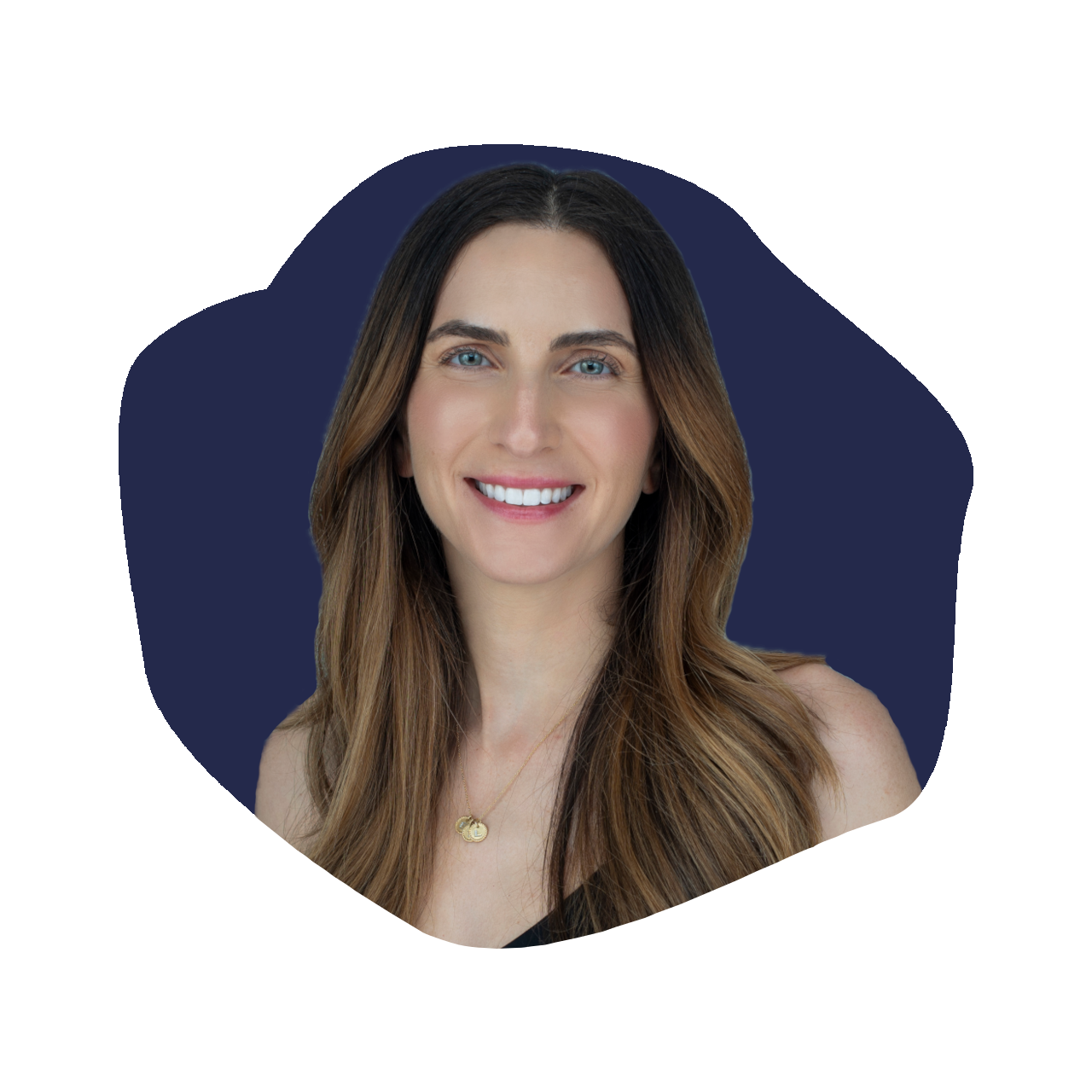
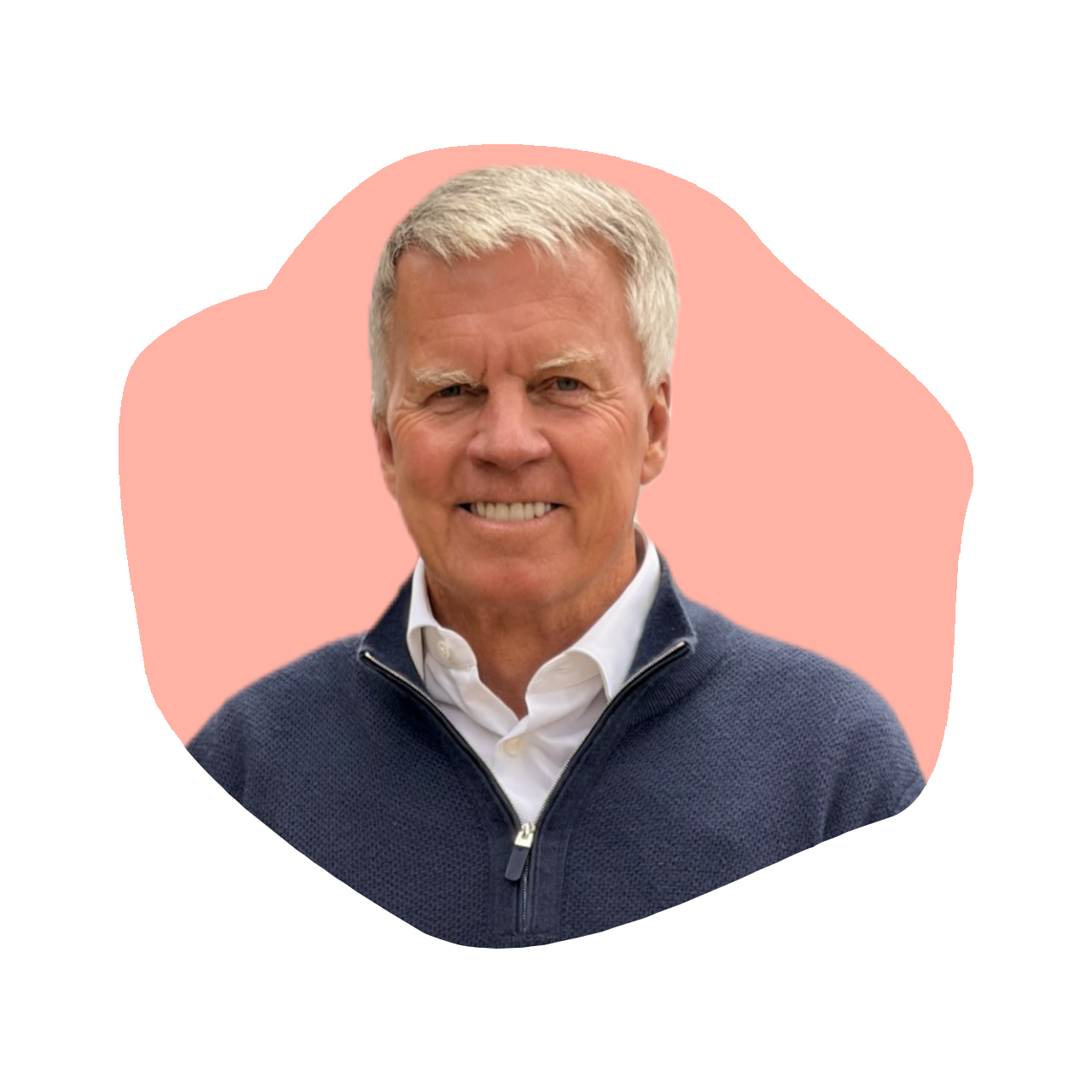
Laura Geller: Founder of Laura Geller Beauty
Episode 861

On today’s episode, we welcome Laura Geller, Founder of Laura Geller Beauty — a brand built around a customer the beauty industry spent years overlooking.
Long before inclusivity became a marketing buzzword, Laura was focused on a simple idea: makeup should work for real women living real lives. What started with her career as a makeup artist backstage on Broadway and working with celebrities evolved into a beauty brand that has helped redefine how women over 40 think about makeup, confidence, and aging.
In this episode, Laura shares how she built a category-defining beauty brand by listening to consumers instead of chasing trends, why the beauty industry ignored mature women for so long, and what it takes to stay relevant through decades of change. We also discuss the evolution of beauty marketing, the power of serving an underserved customer, and why some of the biggest opportunities in business come from seeing value where everyone else is looking past it. This is a conversation about entrepreneurship, resilience, brand-building, and the importance of knowing exactly who you're serving.
This is a must listen. You can find the interview here or anywhere you listen to podcasts 🎧.
Resources from
this episode:
Enjoying this episode of #TheKaraGoldinShow? Let Kara know by clicking on the links below and sending her a quick shout-out on social!
Follow Kara on LinkedIn – Instagram – X – Facebook – TikTok – YouTube – Threads
Have a question for Kara about one of our episodes? Reach out to Kara directly at [email protected]
To learn more about Laura Geller and Laura Geller Beauty:
https://www.laurageller.com
https://www.instagram.com/lauragellerbeauty/
https://www.instagram.com/laurageller/
https://www.linkedin.com/company/laura-geller-beauty/
Transcript
Kara Goldin 0:00
I am unwilling to give up that I will start over from scratch as many times as it takes to get where I want to be. I want to be. You just want to make sure you will get knocked down, but just make sure you don’t get knocked out, knocked out. So your only choice should be go focus on what you can control, control, control. Hi everyone, and welcome to the Kara Goldin show. Join me each week for inspiring conversations with some of the world’s greatest leaders. We’ll talk with founders, entrepreneurs, CEOs, and really some of the most interesting people of our time. Can’t wait to get started. Let’s go, let’s go. Hi everyone, and welcome back to the Kara Goldin show. Have you ever noticed that some of the biggest opportunities come from paying attention to the customers everyone else is ignoring? In beauty, the industry spends billions chasing what’s next, the next trend, the next generation, the next viral moment. But our next guest saw something totally different. She saw millions of women who weren’t looking to look younger, they just wanted products that worked. So women who felt overlooked by an industry that seemed increasingly focused on everyone except them. So instead of chasing trends, she built a brand around this consumer, and what started with years as a makeup artist working backstage on Broadway, and with celebrities, became one of the most recognizable names in beauty. So, Laura Geller is here with us today. She is the founder of Laura Geller Beauty. I’m such a big, big fan, and today I cannot wait to talk about what she has experienced and building this incredible, incredible brand, and very excited. So, without further ado, Laura, welcome to the show. Very excited to meet you.
Laura Geller 1:55
Oh, Kara, thank you so much. I’m thrilled to be here, and I must admit, after all these years, I definitely have a story or two, and I’m always thinking about how to pay it forward and how to let people know what I’ve learned in my career and how I can help somebody along the way. I love that. I love that. So, Laura Geller, beauty, maybe people have seen it at Sephora, or maybe seen it on QVC, but how do you describe the brand, and what makes it different from maybe some of the other products in the beauty industry? The brand is steeped in solution-based product. When we come out with a product, it’s always looking at what problem can we solve, or how will we make a product that will make it easier for her when she goes to use it. How can we give her a product that we can say no instructions required, no face chart needed, and make it versatile. So, there’s a number of things that we think about when we’re developing products, from the very start of when I developed almost 30 years ago. It was all based on me seeing the white space. The white space was that every celebrity I worked on, the most famous in the world to everyday women, stay-at-home mothers, working mothers, you know, retired people had the same question to me all the time. When I would make them up, how can I recreate this myself? What happens when I leave? You can you show me? Can you teach me? And it wasn’t just that they were so enamored because I did a good job on their makeup, they saw that the products were not daunting and that there weren’t a lot of products, and so I knew there was an opportunity to really fulfill that and meet them where they’re at in their life, and that was really how I developed the product line,
Kara Goldin 4:02
so you started as a makeup artist on Broadway. Can you talk about those early years of doing makeup, and did you always think that you were going to start a line of makeup?
Laura Geller 4:14
No, you know, I think similar to most founders. Well, these days it’s different. I think I talked to a lot of new indie brands who are doing it so they can get an exit and sell, and I never did it for that reason. I did it for the passion of loving making up people, but I didn’t know what area of beauty or makeup I was going to be in. For an example, when I started, I studied theater and film makeup at School of Visual Arts. It was a different way of learning makeup, but I was naive. I went there thinking I was going to learn how to put on eyeshadow and blush and lipstick. Instead, I learned about the science and the bone structure of a face and how to do bald caps and blood caps, and so I sort of follow. Mode out the door, which was the next obvious thing for me to do, TV and film and stage makeup, and all the while, while I was doing it and enjoying it, I thought somehow this doesn’t feel right, and I wasn’t sure where I was going with it, but what would start to happen is in New York City, my name started getting out there, and I started getting requested to do everyday women for their, their child’s wedding, or for a special occasion, and, and I found so much more enjoyment doing real women rather than the sexiness of saying I worked on this celebrity, so everything happened. I always say, build it and they will come, because of demand. People started wanting me to come to their home to do their makeup. People started to say, well, wait a minute, don’t you have a place I can come to? I don’t want people always coming to my home. The next thing I knew, I opened a store in Manhattan. Then people were like, well, what about a makeup line, you know? So everything happened based off of demand. There was no business plan, no five year plan.
Kara Goldin 6:10
So you launched the brand in 1997 long before social media or influencer beauty culture or even direct to consumer, so when you were building a beauty brand back then, what did that look like? Like, what, what was the first step? You mentioned you didn’t have a business plan, but like, how many SKUs did you launch with, and how were you going to make people aware of what you were doing?
Laura Geller 6:39
Well, to begin with, I opened a store in 1993 on Manhattan’s Upper East Side, because I had built over almost two decades a huge following in the New York City metropolitan area, from celebrities to everyday people, and they all wanted to come to the store, so the store was a pulse of the city. I mean, we were busy. I had makeup artists working for me, and we were doing makeup for everything, and so I had a product line. It was private label, but it wasn’t a certain amount of SKUs. There was no rhyme or reason. I don’t have the business acumen. I didn’t go to business school. I literally went to beauty school and got my cosmetology license, and everything was again based off of, oh, I got to fill this need. People are coming to the store, they like the way they look, they want to buy the product. 1997 changed everything. QVC came to me, they saw me at a cosmetic industry function, knew about my store, knew about my.. I was getting there, was no social media, there was no anything like that, but I was in every magazine, I was in editorial, and all the editorial was covering me, and so they offered me an opportunity to come on air, so QVC, in my opinion, is the first TikTok shop, Amazon Live, you know whatnot, I mean, they are the original live home shopping experience, and they got it right from the beginning, and that was my chance and opportunity to amplify my voice and have people get to know who I was and who the brand was, and I had a quick study because I connected with the consumer for two reasons: one, I was passionate about what I did, two, I was able to explain my product and what it does and who needs it and why they need it, and so I was.. I hate to say it, because I am very humble, but I was an immediate success on QVC, and it was quick that I had to start developing new products and innovation, because everything was a storytelling on QVC. It’s much more about storytelling, but that changed the trajectory of my brand, because then Sephora came to me in 2005 and said, we heard about your brand, one of your franchises, Spackle, which is an under makeup primer for women that I developed in the late late 1990s but became their most searched word on their.com site, and so I went into Sephora, so I went into brick and mortar. That’s really how the evolution of the brand came about.
Kara Goldin 9:35
So, so interesting. And so, how many SKUs did you actually launch with then?
Laura Geller 9:39
Oh, when I with QVC, I only launched with one SKU in 1997 It was a three-piece collection, and I went on with that collection over and over again. The first order was 750 units. I’ll never forget it, and I thought, 750 I haven’t even sold 750 50 collectively of different SKUs in my store with my private label product, and so you know, here I had the opportunity in 750 units to work with a lab and say this is what I’m looking for, and start to customize the product. Then it went to we need 1200 for the next appearance, then it was 1500 until they came to me and they said, what else can you do, what else can you develop, and I never went on with just an eyeshadow again. It was a problem-solving item, and so it was uniquely different than what the brands had out there, and so I always used to say, if you saw this item sitting on the shelf at Sephora, you’d walk right past it, but QVC gave me the opportunity, and I would say this to anybody listening to Kira, that it gave me the opportunity to explain my reasoning for creating the product and tell a story, and if you are a founder and have a story to tell and have a product to sell, whatever it may be, I think that platform, well, it’s like going on TikTok or Amazon or Instagram Live, you know? I think the platform of QVC is the best thing out there, because it really allowed me to weave a story and share a story, and connect with her.
Kara Goldin 11:24
Yeah, and I mean early stories, right? Where I think you’re absolutely right. This eventually led to the TikTok stories, and social, and yeah, and content, and all of that. So, Laura Geller Beauty became known for baked makeup, can you talk about the technology kind of behind that, and sort of, you know, that term as well, and why was that so unique?
Laura Geller 11:51
So when QVC said to me the thing that works in home shopping or TikTok or whatever is newness because customer likes your brands. Now she’s going to want the next best thing, and they want innovation, and they want newness all the time. And it was really like pressure. So, what happened was, I had this product in my makeup drawer that I would use on a regular basis to bronze my face, but it looked uniquely different. It had a lot of different colors in it, and I couldn’t remember who submitted it to me, because different manufacturers would send me product ideas because they wanted to work with me. And I did my homework and found out who sent it to me, and called them, and I said, what am I? What is this? It has like six different colors in it. I use it as bronzer. And he said, if you really want to know what it is, I need to take you to Italy. And I was like, twist my arm, take me. He took me to a factory near Milan, in a small town called Crema, and Crema makes all the Italian makeup that’s out there, most of it, and I went, and in those days they let me into the factory where only women worked. They could only make a few a day, but they were making for the biggest brands that never spoke about their products being baked, because they weren’t on QVC. They were sold in department stores, brands we know and love. I would see them making it, and I’d go, “You make that for someone. Oh yeah, we make it for this person. And when I saw what they did, Kira, I was blown away. Think of making a cake or a cookie, it was like different pigments mixed together, then adding in antioxidant ingredients, ingredients like a skincare glossary of great product, and dolloped on pure terra cotta, and then baked for 24 hours in ovens, and I wore the cap, and they were letting me dollop my own product, and you know, showing me how I would do it, and I just thought this is going to be a good story to tell on QVC.
Kara Goldin 14:05
Yeah,
Laura Geller 14:06
and sure enough, I ordered that bronzer and went on air with it, and that was when the customer could not believe how that product performed, how easy it was to use, and how mistake-proof it was, and then they wanted more. Well, do you have a blush? Do you have a foundation that’s baked? Do you have eyeshadows that are baked? I mean, so if you can imagine, I had to always have innovation and newness. It still was hard, but it wasn’t that hard to come and keep coming out with new product development in the baked category, so my brand became known for baked, and now some of the biggest brands are doing it. They look like my product, and they are speaking about the fact that it’s baked, where nobody spoke about it before, because it wasn’t a technology that I invented, it was just that I brought it to the fore. Front,
Kara Goldin 15:01
so, so interesting, so your brand made a very intentional decision to exclusively feature women over 40, very unique, especially when you made that decision. But why did you decide to do that?
Laura Geller 15:17
Well, this you’ll appreciate, I think, being a founder yourself. I actually knew who my demographic was, but I was working with people that you know were working with my brand who weren’t aligned necessarily with me and thought we need to be available to speak to people from 19 to 90, below and beyond, and I knew that my demographic, because it was shared with me when I would have meetings with QVC, and that they were over 40 and well over 50, and in their 60s, 70s, 80s, and I thought, you know what, what are we doing trying to be everything to everybody, we know who she is. Let’s, let’s target, and I couldn’t early on when I was working with some people. They weren’t – we just weren’t aligned. But four years ago, we did a deep dive, a brand analysis, because so much has changed in the world, and we knew that she followed me, but she also grew up and learned about me from her grandmother and her mother. So now we knew she was 40 plus, and we started only featuring women who were 40 plus, and the minute we made that pivot, the brand exploded, and I think it’s, yeah, I think it’s because you know, when you go into a brick and mortar beauty store, it’s overwhelming, the saturation of brands that are out there, you know, you don’t know who to look at, and while some brands may have products that are great for women over 40, they may not be speaking to it, and why that they do things differently for women over 40. I started speaking to it. It was not just radiance, it was the versatility of the product, the ease of use of the product, the opening of the compact, the magnifying mirror, you know, larger labels, you know, it really changed for us everything.
Kara Goldin 17:21
Did you ever feel like in running Laura Geller Beauty that I guess you touched on this, but that your strategy was too limiting, and that you know we should expand and innovate, and was there ever a situation where you sat there and thought, okay, well, maybe I mean sounds good to be bigger and better, but then you thought we got to go back to the roots at some point. It was really interesting. We had the founder of Tibby on, and she talked a lot about that as an incredible clothing brand, and she talked about that like she just thought, like everybody was saying, oh, and especially not just internally
Laura Geller 18:00
but externally, consumers were like, “Oh, I wish you had, you know, more color, or “I wish you had this, I wish you had this, and then you start to listen, because you think, “Oh, maybe I’m not really servicing it, but then you got to go back to, you know, what has been working and sort of retake kind of what maybe you let go a little bit, but were there ever situations like that where, where you saw that, and you were like, okay, what are we doing here? Well, I had somebody in my marketing department that said the new trend was male influencers, this is when influencers started to become a thing. So I would say this would have been over a decade ago, well over a decade ago. And I said, oh, well, that’s really not our audience, because we work with females. No, male influencers are very big. I said, okay, I don’t know it’s right for my brand. The next day I came into my office, and on my desk was a deck of like every male influencer and how many followers they have, and there was this one man male influencer that she wanted a spotlight, and he was probably 20 years old, and he did a lot of beauty, had a huge following, and she was trying to prove a point to me that I don’t know that that’s the new trend, working with a male influencer, and so I said, okay, you know, what do you want, what are you thinking, and she said, I think we should work with him and do a collab. He has a huge following, so we made a collection that we put into at the time we were in Ulta in store, and we named it after him, and we did a collab together. He was a lovely young man, never. Been to New York City, we flew him in. We took him to shows. He was that tourist that was looking up at the bright lights in the big city, and very young and naive. And even Ulta had a their GM conference, the huge conference that the vendors go to, and I had to bring him on stage with me and introduce him, and you know, some people knew who he was, some didn’t, and all the while in my heart I, I heard my mother saying, “Follow your gut, follow your gut. I thought it looked hot, you know, like I was working with this huge male influencer with a lot of followers, but I knew it was wrong, and we launched this collection and Ulta returned every last one of them to us and we had to eat, eat it, eat it, and you know, I just.. that was a moment when I thought I’m not listening to anybody, I mean, listen, I’m listening to everybody, I’m always looking for new ideas, but I’m always going to stick with what I know. I didn’t work this hard this long and build this brand for somebody to tell me that they know better. I just, you know, it was, it was too much of a reach, it was too ridiculous, so I use that as an example when I talk to people, you know, you really follow your gut and your instinct and do the homework around it. I mean, do a brand analysis and know who your customer is and who you’re talking to. So that was my, that was a very pivotal point in my career, and that person never said maybe you had a point, but I thought they know that’s a lesson,
Kara Goldin 21:50
yeah, no, absolutely, and I think you bring in a new marketing person, and you know they always want to put their imprint on on the brand in some way, and, but sometimes instinct actually needs to be followed. I think
Laura Geller 22:07
you have to look at the historics. If you’re working with a brand, you know, you may have great ideas, they may have worked for the last number of companies you work for, but what you need to do is get educated, whether you’re an investor, whether you’re in marketing, whether you come in in the creative capacity, you need to understand what that brand stood for all those years and why it’s successful and who made it successful before you come in and make changes, you know, and changes are good. Listen, I mean, we all have to reinvent ourselves, our packaging, how we.. you know, I was so close to it. There was a time that I even didn’t notice that I was.. I launched a bake foundation, and I never wrote the word foundation on the compact or on the box, because I just assumed people should know Balance and Brighton is foundation. I was too close to it. So, you want somebody to come in and call out how you can make things better, but you want them to also do their homework and not try to reinvent what’s working. Yeah, definitely. So, last question, you built Laura Geller Beauty by trusting women the beauty industry underestimated long before the market caught up. What do you trust now that you didn’t trust back then when you were launching Laura Geller Beauty? What do I trust now that I didn’t trust then? Probably my inner voice. I have to tell you, and what I trust. Also, I think the best thing that has happened in the last few years is that people don’t even know there’s a Laura Geller, and that’s what I wanted for this brand. Back then, I thought I had to be touching everything, speaking to everybody, being, you know, out there at everything, and it became impossible for me to do that. And now the brand has recognition and has become what I hoped, and we were not. We didn’t. We have so much more runway to go, but it’s becoming a household name, and I was at an event, and people were coming to our booth, and I thought people are going to recognize me, and people were being introduced to me. This is Laura Geller, and they were like, there’s a Laura Geller, you know. So I
Kara Goldin 24:35
love it. I
Laura Geller 24:36
think I trust that I don’t have to touch everything every minute and be at everything, but I have to be the fire behind the brand.
Kara Goldin 24:48
Yeah, definitely. Well, Laura, thank you so much. It’s, you are such an inspiration, for sure. Your brand story and products, obviously, I just love every. Thing about it, and clearly you didn’t win by chasing the loudest trend, or, or you know, basically you won by serving the women everyone underestimated, right, and you continued to find those loyal consumers and build those products for for them, and 30 years later, I mean, just absolutely incredible. So, thank you again for coming on and sharing the story, and thanks everyone for listening. Until next time on The Kara Goldin Show. Thank you, Laura.
Laura Geller 25:37
Thank you, Kara.
Kara Goldin 25:38
Thanks again for listening to The Kara Goldin show, if you would please give us a review, and feel free to share this podcast with others who would benefit, and of course, feel free to subscribe, so you don’t miss a single episode of our podcast. Just a reminder that I can be found on all platforms at Kara Goldin. I would love to hear from you too, so feel free to DM me, and if you want to hear more about my journey, I hope you will have a listen or pick up a copy of my Wall Street Journal bestselling book, Undaunted, where I share more about my journey, including founding and building hint. We are here every Monday, Wednesday, and Friday. Thanks for listening, and goodbye for now.