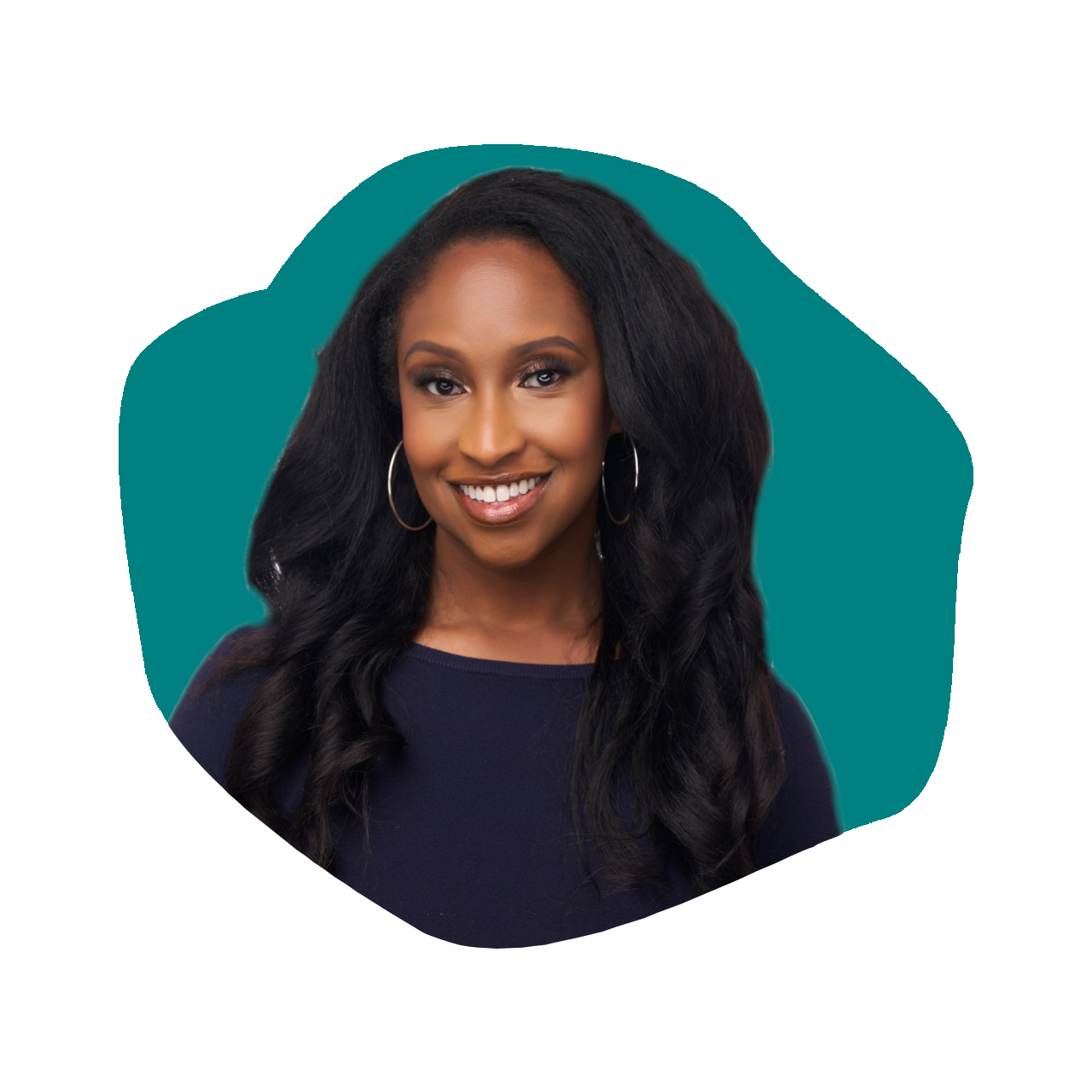
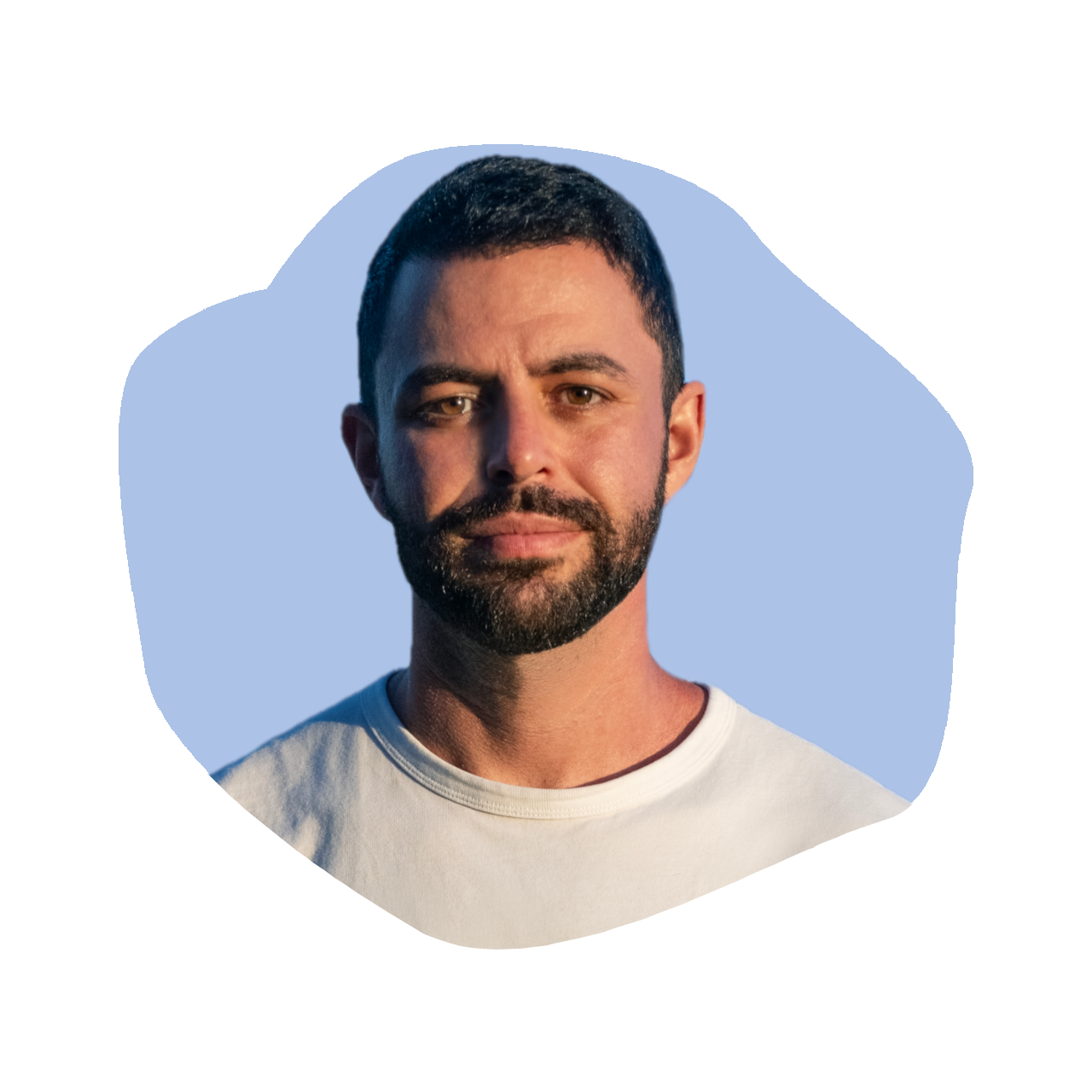
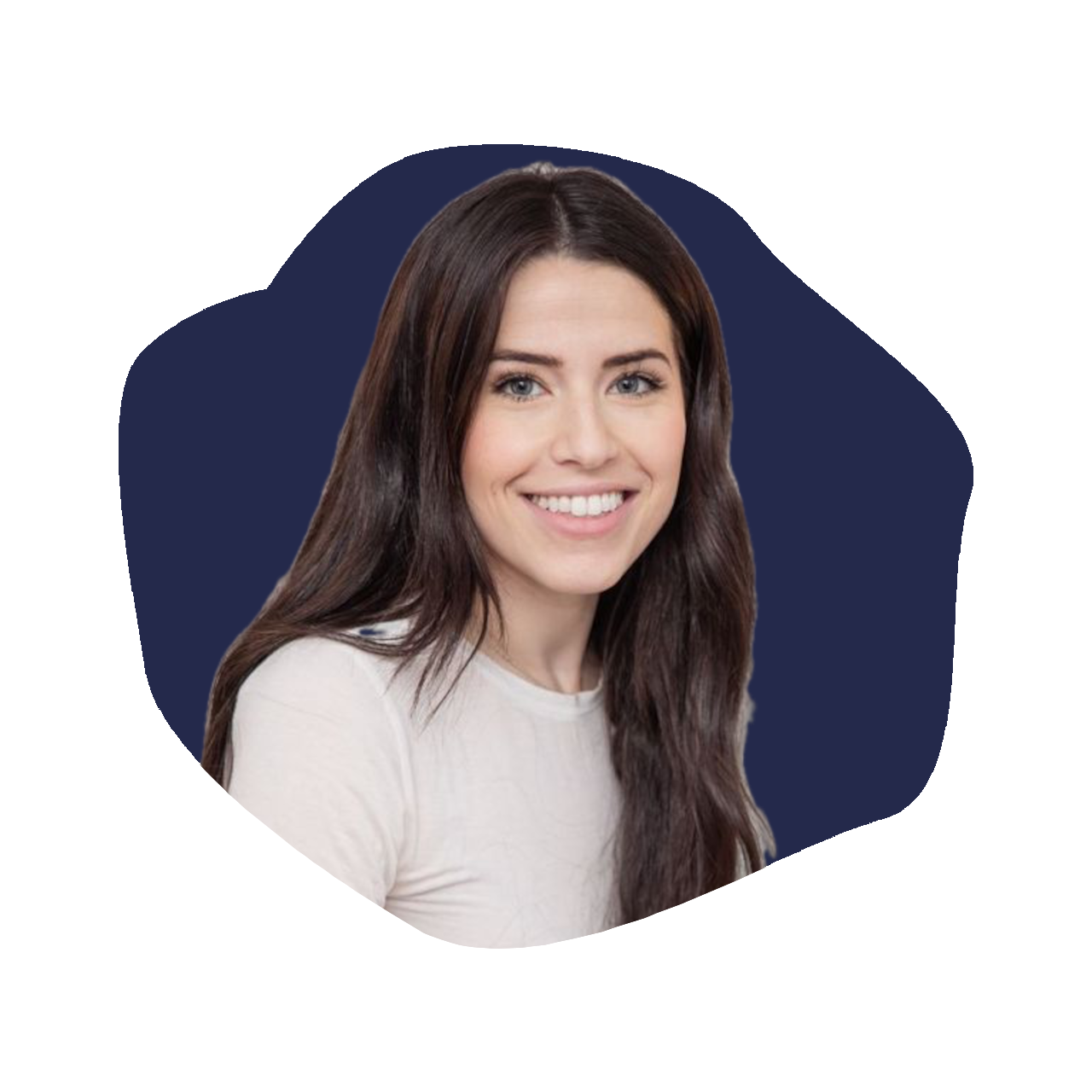
Margaret Wishingrad: Co-Founder & CEO of Three Wishes
Episode 848
Turning a childhood favorite into something parents can actually feel good about — that’s the magic 🥣✨
On The Kara Goldin Show, I sit down with Margaret Wishingrad, Co-Founder and CEO of Three Wishes, the better-for-you cereal brand taking on one of the most legacy-dominated aisles in grocery.
Margaret started Three Wishes with her husband and co-founder, Ian, after becoming a parent and realizing how hard it was to find a cereal that kids loved — and parents trusted. No food manufacturing background. No easy roadmap. Just a big idea, a lot of grit, and the belief that cereal could be rebuilt from the ground up.
We talk about what it really takes to challenge billion-dollar incumbents, how Three Wishes balances nostalgia with nutrition, and the lessons Margaret learned scaling from a kitchen-table idea to more than 15,000 stores, including Walmart, Target, Costco, Whole Foods, and Sprouts.
Margaret also shares what it’s like building a company with your spouse, leading through uncertainty, and trusting your instincts when you’re creating something consumers don’t even realize they’ve been waiting for.
If you are interested in what it takes to build a brand with purpose, disrupting a legacy category, or turning a personal frustration into a national business — check out this interview on my podcast now. 🎧
Resources from
this episode:
Enjoying this episode of #TheKaraGoldinShow? Let Kara know by clicking on the links below and sending her a quick shout-out on social!
Follow Kara on LinkedIn – Instagram – X – Facebook – TikTok – YouTube – Threads
Have a question for Kara about one of our episodes? Reach out to Kara directly at [email protected]
To learn more about Margaret Wishingrad and Three Wishes:
https://threewishescereal.com/
https://www.instagram.com/threewishes/
https://www.tiktok.com/@threewishescereal
https://www.linkedin.com/in/margaretwishingrad
https://www.linkedin.com/company/three-wishes-cereal
Transcript
Kara Goldin 0:00
I am unwilling to give up that I will start over from scratch as many times as it takes to get where I want to be. I want to be. You just want to make sure you will get knocked down, but just make sure you don’t get knocked out, knocked out. So your only choice should be go focus on what you can control, control, control. Hi everyone, and welcome to the Kara Goldin show. So join me each week for inspiring conversations with some of the world’s greatest leaders. We’ll talk with founders, entrepreneurs, CEOs, and really some of the most interesting people of our time. Can’t wait to get started. Let’s go, let’s go. Hi everyone, and welcome back to the Kara Goldin show. Have you ever walked down the cereal aisle and wondered why something so nostalgic and so loved by families still comes with so much sugar, so little protein, and ingredients you might not actually want in your pantry, and certainly not for your family. Our next guest and her co-founder slash husband did, and what started as a simple frustration as a new parent turned into a much bigger question. Why is it so hard to find a cereal that kids actually want to eat and parents feel good about serving? That question led Margaret Wishingrad and her husband, co-founder Ian, to start experimenting with no background in food manufacturing, no real roadmap, and no guarantee that they could break into one of the most legacy-dominated categories in grocery, but they kept going, and they shared their resilience with lots of different grocery buyers. I cannot wait to jump into how Three Wishes this incredible, incredible brand that is just on fire started, but how it’s continuing to scale, and I’m excited to dig into all of the stories around the brand as well, so Margaret, welcome to the Kara Goldin show.
Margaret Wishingrad 2:03
Thank you for having me, Kara. I’m gonna have you introduce me just all the time, every day. I might call you when I wake up. That was beautiful.
Kara Goldin 2:10
You are so funny. Very, very excited that you’re here. So, for listeners who are just discovering Three Wishes, how do you describe the brand and what makes it different from the cereals that many of us grew up eating?
Margaret Wishingrad 2:24
Yeah, I usually keep it really short. I’m just like, it’s a better for you breakfast cereal, it’s a healthier version of the cereals you probably grew up eating. And I think the category became so taboo, and we kind of try to remove that taboo. And the funny part is, I actually did this exercise super recently, we were trying to come up with a tagline for our rebrand, and someone was like, “Margaret, how do you describe Three Wishes? And I was like, “I say it’s sneaky good, because you wouldn’t expect our like a healthy breakfast cereal to taste great. And so sneaky good led to our new tagline, which is sneaky delicious, sneaky nutritious. So that’s kind of how I typically describe Three Wishes. I love it. So, how did you come up with the name? Oh, okay. This is probably my favorite story. So, we actually had a completely different name, and we went to go trademark it, and you learn in food somehow everything under the sun is taken, and so this trademark comes back, and apparently not available, and so I got married at the boat house at Central Park, and so it was a beautiful, like, spring day. I walked with my husband, and my then he was probably one, and we walked over, and I was sitting and having a glass of rose. I was so upset that I couldn’t come up with the name, and I was scrolling through my own Instagram. Oddly enough, I don’t know why I was scrolling through my own feed, and it took me back to when I was pregnant with my son. I never told anyone I was pregnant. When I had him, I announced that I had my kid, and it was in the era of hashtagging, and because our last name is Wishing Grad, and there were now three of us, I hashtag it Three Wishes. And so I’m looking at this feed, and I look down, and I’m like, Ian, what about Three Wishes, because we have three claims and three things we changed for cereal in the category, and it was the three of us, and he’s like, Margaret, there is no way that’s available. So he goes on uspto.gov and he’s like, it’s available. The way we ran home to register that name for us, it was like it was Kismet. So that was a really fun moment.
Kara Goldin 4:19
I love it, that it’s really shocking, actually, that it was available, so I know it’s, uh, yeah, very similar story for Hint, you know, never would have thought that that would have been available, so you never know,
Margaret Wishingrad 4:33
and in hindsight, well, I’m still glad we went with Three Wishes and not the, this is so much better of a name, but, um,
Kara Goldin 4:39
yeah, that’s that’s wild, so you’re a mom, and you’ve looked at the cereal aisle, and like many of us seen that there must be something better. I always think, like, it’s so interesting as consumers we blame ourselves, thinking like, oh, I’m probably not shopping at the right store, or you know that. That is kind of the initial thinking, and then you know we go and look at lots of different stores, and then finally some of us come to this conclusion, and then decide to develop it. Were you seeing, like, was there one component of cereal that you thought I really want to, you know, adjust here? Was it sugar, was it protein, was it like what was it that you really felt like didn’t speak to you, or didn’t speak to what you wanted for your, for yourself, or for your family.
Margaret Wishingrad 5:31
Yeah, well, I think it’s, you know, like most adults, you learn what’s good for you, what’s bad for you. At that point in time, I probably hadn’t consumed cereal in over a decade, so like I lost touch with a category as a whole, and only re-entered it through the lens of a mom, and once we all know, as moms, you have a baby, you’re like, I’m gonna feed it the cleanest, best, greatest things all the time, and so it’s a different lens of scrutiny that you apply to these things, and so for me, when I started the whole kind of, it started when I looked at kind of what do I feed my kid, and one of those things, like, oh, cereals, and I’m like, cereal, who’s eating cereal, what’s happening there? That to me was the moment that I kind of went into your point. I went to Whole Foods, thinking, okay, like, maybe it wasn’t at my regular grocery store, maybe I have to go to Whole Foods or my local health store, and then you realize, no, there’s there’s nothing there either, and when you look at cereal, it was a few problems. Breakfast is, it as a meal is such, everyone does, it’s the most important meal of the day. It really is. That’s how you start your morning, and starting it with a bowl of sugar and a product that has no protein to even hold you over until lunch is a big part of the problem. And so that’s when I was thinking about it. I’m like, okay, interesting, I care, you know, I have a little boy that’s growing. I want him to have protein in the morning. I don’t know if I was as concerned with sugar. I was like, okay, protein. Then I spoke to a bunch of moms of girls, and they were like, oh no, we want to restrict sugar. And then when you look at the third, what our third wish was, which was removing the grains from it and becoming a grain-free product. A big part of the reason that you couldn’t get any nutrition was a processed grain isn’t going to give you protein, maybe if you fortify it, but that wasn’t the solution either. So that’s kind of when we’re like, okay, if we’re going to change protein, we’re going to change sugar, you have to change what it’s made out of. And that was kind of that Three Wishes.
Kara Goldin 7:15
So a lot of parents complain about what’s available, but you decided to make the move and build something, start something, and then build something. I should mention that your co-founder is your husband as well, so I can just picture the two of you saying, “Yeah, we’re gonna go do this, but there’s just one other thing that neither of you I read came from the food manufacturing background, very similar to our story as well with hint, so what did those early kitchen table experiments teach you about being able to go and build the company that you have Three Wishes, naivete is
Margaret Wishingrad 8:00
the most magical thing, honestly, because someone the other day was like, “How’d you start it? I’m like, “I was young, naive, and a dreamer, and I kind of went for it, and I’m really obviously glad I did, but knowing what I know now, it’s such a different, complex thing, and cereal, unfortunately, is not one of those things that I could throw on a KitchenAid attachment to make. I needed to have it highly commercialized, so what it turned into was, like, hey, I, you know, I know a few people that are founders in different food and bed. Let me call them, even if they have a beverage company, they might know someone that might make cereal, and you literally, it’s the 10 people know 10 people know 10 people, cliche. And eventually we got to a food scientist to figure out, okay, great, I want to make a cereal. How does one make a cereal? What are the processes? And in that moment, and the fact that this is all before chat and all these other AI, like you dig and you Google to the fifth page of that O, and you really figure out how are these things made? Where can you make them? How you know what’s what is a minimum order look like? What are all of these different things, and it took us two years. It took us two years to really iterate and develop that product and taste a lot of bad cereal until we found the one that’s in market today. And how do you commercialize a product like all of the different things you just learn along the way, but I think not being afraid and asking a million questions to kind of everybody is a big part of the lesson to use everybody to become a mentor for you,
Kara Goldin 9:23
so you launched in 2019 and how many SKUs did you launch with?
Margaret Wishingrad 9:29
So we launched with three, so these original three that are behind me, which is our Unsweetened, our Honey, and our Cinnamon, and the funny story of our Unsweetened is actually we had our Cinnamon and our Honey developed, and we had a few other flavors developed, and we went to the founder of Vita Cocoa, Mike Herbin’s office, and we were showing him the product, and I had a version that had none of the coating on it. It was just the base of our product, so just the chickpea protein and tapioca, and I was like, Mike, taste this, it’s so neutral, like basically anything you coat it with, well, it’ll just be so great.
Kara Goldin 10:00
And he’s like, how this is zero grams of sugar. How are you not launching this as an unsweetened? And I’m like, I’ve never thought of that’s a great idea. So that was kind of how we started with our first skew, and then we looked at the category, and it’s what are the flavors people crave, and what are the top 10, and so we kind of went after that. And so it was cinnamon, it was honey. Later we added our cocoa, our fruity, etc. And that’s what we started with three skews, and you know, retailers that would take a chance on us, that’s awesome. So, what was harder than you expected about creating the cereal, like the initial products? What was tougher? It was interesting. I was talking to an entrepreneur the other day who has done a lot of different products, but nothing in the beverage industry, and so she was mentioning that, you know, there’s a lot of very specific things that go into that you have to have on that label that she said it’s so much harder, and I had never really thought about it, because I had never done anything else besides a beverage, so, but I’m curious, was there something in particular that you look back on that you were just like either you made a mistake on or you just thought it’s just, you know, a lot more difficult?
Margaret Wishingrad 11:12
I would say like every part of the way was difficult, but I didn’t see it like that. For me, I live for a challenge, like my brain loves to like take everything like a Rubik’s cube and just figure it out, like I get my internal high from figuring out and solving things that feel impossible, and that for me was a similar journey when developing the product, because we had so many people that were like, Margaret, you’re never going to get a non-grain to puff and expand the way that you would on a grain, or you’ll never have that amount of sugar or that amount of protein, it’s just not, and I was just like, nope, let’s try it again, run it back, try it again, and eventually you crack the code, but that was also the magic and the marvel of our product, was can it be tasty enough for my then two year old to love at the same time be something that I thought tasted delicious and was exciting for the consumers as well, and so it took a ton of iterations, and eventually you crack it, but in that moment I’m not thinking about, like, am I ever going to figure this out? I’m like, I’m committed to figuring this out. This is happening.
Kara Goldin 12:12
I love it. What do you think the big cereal brands fundamentally misunderstand about today’s consumer, that obviously you’re launching a company around it, not just products, but also launching a company around it. I’d love to hear what your thoughts are on that.
Margaret Wishingrad 12:28
So, I think for me, I always view my, like, being a mom and a founder as a little bit of my kind of superpower, because I know what other moms are like. I hear the chatter at the park, I know what they’re looking for, I know what I want for my kids, I know what price point I want it to be at, I know how I want it to communicate to me, and where I want to be informed about this product, and for me, if we look at just like big cereal, a lot of it, it’s interesting, it feels like recently you’ve seen a little bit of a shift as they seen players like us come into the market, and so they try to make those things, but all of their legacy brands that were in that natural set along us for the longest time felt like they never touched them, they didn’t improve on them, they didn’t like that wasn’t the push they made, they made the sugary stuff come out and make that exciting and have characters and and just brought soul there, so for me bringing that same nostalgia and soul and heart that conventional cereal had to natural was a really big piece of it, and then I think the other part is you also see them continue to iterate, like you know, the peeps version, the whatever other sugar version, and that’s just not the way that consumers are looking for their products anymore, and I think consumers probably lost a little bit of trust with, you know, big cereals, so bringing something that’s backed by a family that has great clean ingredients that’s super transparent and that tastes great at an approachable price point. It’s a win. At what point did
Kara Goldin 13:48
you realize this isn’t just a product, this is a brand people emotionally are connecting to?
Margaret Wishingrad 13:55
I think I still learn that every day, because for me, I’m so emotionally attached to it, and so I hope that everyone sees it as not just like, oh, an item I have in my pantry, but it’s something that’s a part of their lives, and I think the beauty is we’ve allowed people that left the category the permission to consume it again, and when I have people that write me notes and they’re like, you know, my child has diabetes and, like, could never eat cereal and now loves your product, and you’re like a lifesaver, those hit in a way that, like, I can’t even explain. It’s the most incredible feeling, because we hope that everyone is making better, na, nicer decisions in what they’re eating, but when it’s, it’s not a want product, it’s a need product for people. It’s, it’s magical. So, it’s a, it’s, it’s a pinch me every day.
Kara Goldin 14:38
I love it. So, Three Wishes is now in more than 15,000 stores, probably more than than that, even it’s always hard to calculate an exact number, but How did you know that it was ready to scale nationally? Because there’s always this question, like should we keep it regionally, because that’s how some of the. Buying is done with these stores, but you are national, baby. I mean, you are like doing it right. So, I mean, when, which has its own challenges. I mean, you’re you launched in 2019 but it’s, you know, it’s definitely you end up dealing with national distributors and chargebacks and all that stuff, you know, that is not that fun to deal with, but you’re doing it, so can you talk a little bit about that?
Margaret Wishingrad 15:31
So, for I was really focused on just like this, the two years that we spent making the product, I also spent road mapping the strategy, and I think the power of no and sticking to the plan is incredibly important, because the temptation that happens when a retailer’s like, “Hey, would you like to come to this store, an XYZ store, and they’re big, sexy national chains? Disciplined to say no because the brand is not ready is so important, and so our roadmap was very clear for me. It was year one win in natural, because if you can’t have a natural product that wins in natural, you probably don’t belong having a product out there at all, and so building that core base of consumers and that trust was starting in the natural channel, then you kind of graduate, you’re like, “Hey, we’re putting up really strong numbers, I could take this data and this like consumer desire to these bigger national retailers and support it, because the biggest piece that I think people forget is the only thing you get of a retailer is real estate, they’re giving you footage on a shelf and nothing else, and so it is your job to create that pull for the product, and part of how the consumer discovers it and where they discover it is a big part of that journey, so I was just really focused on, like, okay, year one’s natural, year two is conventional, year three is mass, whatever it was, like what, just sticking to that, and if the temptation of, oh, a big national retailer or a conventional retailer came in and is at 18 months and I wasn’t ready till 36 because I knew the brand, like it wouldn’t create the pull, I had to say no, and it was strategy that paid off,
Kara Goldin 17:01
yeah, definitely. When you go into these large retailers, as you have, you know, Target, Costco, Whole Foods, Walmart, Sprouts, and I guess to some extent you’re touching on this, but I think you, you have to have a shelf presence, right? You’ve got to, you can’t just go in with one skew or two skews, you have to have more than that, because otherwise, especially in big categories like cereal, you’ll just look like this afterthought. So, can you speak to that? Like, was there something that you said, oh, or, or maybe you made a mistake to it? We made so many mistakes early on, and I remember thinking, after a couple of those mistakes, that we would never ever go into a brand new big retailer without having, in our case, at least five SKUs.
Margaret Wishingrad 17:54
Yeah,
Kara Goldin 17:54
because we had to have, like, a presence, otherwise it just wouldn’t pull, and it made such a difference on the shelf if we had that,
Margaret Wishingrad 18:02
yeah. And by the way, the data shows that the more you develop a brand block, the more product you sell, because the more visible you are. Lucky for us, cereal is a big box, and it is billboardy in the way that it is. It’s not like a tiny little, you know, couple of inches. It’s massive. By the way, the fight to get that space is that much harder, because you could have fewer, like fewer amounts of SKUs on a shelf. So, for us, it’s really understanding the retailer, who that consumer is. What else are they carrying? Because if they’re carrying a bunch of, they have 10 other fruity SKUs, I probably don’t want to come in with a Fruity. Maybe I want to come in with something different to offer that customer something unique and interesting, or maybe they have a consumer that’s a little bit older, and it’s not a ton of kids and families, and maybe they’re going to want the unsweetened more than they are going to want the marshmallow, and so understanding the consumer, understanding the retailer, the geographic region, and also using data, I think the beauty of what we have available to us is really interesting, you have all of this, the shopper data, and you understand what people are looking for and where they’re looking for it, using that, and layering a little bit of gut instinct is really, really helpful. So, for us, we looked at, okay, we want at least three SKUs, because that creates enough of a shelf presence. What are the three SKUs? How do those colors look together on shelf? How are the customers going to shop and discover it, thinking through all of these things. I think that’s the homework nobody really sees, but it’s that strategy is so important, and how it then comes to life and executes.
Kara Goldin 19:30
So, prior to launching Three Wishes, you were running a creative agency, and did you have the details, as you know, sitting in your seat before that, you have today, I mean, it just.. I know I’ve talked to many creative agencies, and you’ll get different details back from the clients, but you’re not getting the details that you get today, and I guess you were craving that to. Some extent, too, and you just thought I’m gonna go and
Margaret Wishingrad 20:02
do this. Yeah, now exactly what was wonderful for the lessons that they would share with us. And I think the beautiful part, so on the creative agency side, Ian still owns and operates his agency, it’s called Big Id Wish, and the interesting part there is he worked with huge clients, and then he would work with small founders that would come to him with a dream and a vision, and he’d help them kind of plan out, you know, what is what’s your strategy in terms of like, go to market, what does your brand look like, speak like, feel like, etc. all of the things that an agency would do. The fun part of working with the small founders is that they really gave a lot of that feedback, of like, oh, you know, I had a meeting with XYZ Retailer. This is what happened, and so we tried to take some of those nuggets, but the truth is, one man’s playbook is very different from the next, and especially as, like, time goes on and evolves, launching a brand in 2019 is so different than launching one in 2026 So I think you just have to be really nimble and open, and to just like optimizing things quickly, and that’s kind of what we did. We didn’t see COVID coming either, right? And we learned to kind of navigate that. It’s just you roll with the punches. A good entrepreneur knows to evolve.
Kara Goldin 21:13
So just going back to that time from 2019 and I guess knowing what you know now, what would you do differently? I guess is that is the the key point. I mean, it seems like you’ve you’ve made it look so easy and you’ve navigated it so well, but what would you do differently? I’m a very, you don’t cry or spilled milk appropriately, don’t cry or spilled milk person. So I don’t know that I would change anything. I think ultimately none of the mistakes were big enough, where it was like, oh, this almost sank me, like, no, I would never make such a big, risky exposed decision. So, I think for me, we just kind of, you know, you learn the lesson fast is
Margaret Wishingrad 22:00
a big part of it, I think, the experience on the creative agency side also was super helpful in that we were never precious. You would go and you’d present 1000 ideas, knowing 999 of them are going to get killed, and you know, I think not being precious quickly pivoting and just taking everything as it comes and rolling with the punches is a big part of it. I think you build a little bit of, like, a callous to things.
Kara Goldin 22:24
Yeah, definitely. So, when do you know that your brand is successful? I mean, this is it. I’ve heard so many different things from founders. Do you ever, like, does it ever feel like it’s really there? You know exactly. I mean, you can look at velocity reports, you can look at, you know, consumers walking down the street. I always say, whenever I’d get like sad about something that had happened at hand, I’d go into a grocery store and just watch people make decisions about and pull it off the shelf, and, and I, you know, was energized just by hearing them talk, and especially it’s when it’s a product that is something that a parent will buy for their kids. I think that that’s so powerful, right?
Margaret Wishingrad 23:13
Yeah, I don’t know that I ever really.. I think I could do a better job at like stopping and smelling the roses more than I do, but I think when you’re in my position, you’re just so focused on what’s ahead that you’re not kind of trying to take in what’s around you sometimes, so I don’t know, it’s a, it’s an interesting journey, and I think a sentiment I really kind of follow is you could drive, I might be about training, but you could drive across the country in the pitch black darkness, only seeing 100 feet ahead of you, and still get to the other side, and so that’s kind of how I operate. It’s like, yes, I have a bigger end goal, I know where I’m trying to drive to, but I’m really focused on kind of what’s ahead, and just checking one thing off after the next, and really just growing and developing on that. I love how you’ve taken a
Kara Goldin 24:00
product that is so simple and so familiar to people, and reimagined it for not only for yourself, but also for 1000s of people out there, and soon to be millions of people, without losing, you know, the joy, nostalgia, fun part of it. Your packaging is terrific, for sure. So, when you think about talking to the consumer today, we have all this messaging that’s out there. What would you say beyond taste it? It tastes great. I mean, what? What do you want consumers to walk away with when they go out and purchase and try the Three Wishes brand.
Margaret Wishingrad 24:42
Yeah, I mean, I think there are so many things as a parent that you deal with on a daily basis, and if you can make someone’s life a little bit easier, and they can enjoy what they’re consuming, because it’s food, it’s got to taste great, you got to enjoy what you’re eating, and hopefully it’s, you know, doing a little bit something, and I think cereal. A fun category, so I never wanted this brand to be like, let me tell you about my functional angry, like, man brand, like it’s got to feel great light. We’re not salt, it’s not rocket science, we’re just trying to make better decisions in what we consume, how we live, and if that can alleviate a little bit of stress in those mornings when your kids are yelling and arguing, and they get to have their cereal, that’s a win.
Kara Goldin 25:22
I love it. Well, for everyone listening, be sure to check out Three Wishes and follow along on Instagram and LinkedIn, and see what they are doing, what Margaret is up to as well, with her team building the next stage of Three Wishes as well. And thank you again, Margaret, for coming on, really, really appreciate it. Margaret Wishingrad, co-founder and CEO of the incredible brand. Three Wishes. Thank you, and thank you, everyone, for listening.
Margaret Wishingrad 25:51
Thank you.
Kara Goldin 25:53
Thanks again for listening to the Kara Goldin show. If you would please give us a review, and feel free to share this podcast with others who would benefit, and of course, feel free to subscribe, so you don’t miss a single episode of our podcast. Just a reminder that I can be found on all platforms at Kara Goldin. I would love to hear from you too, so feel free to DM me, and if you want to hear more about my journey, I hope you will have a listen or pick up a copy of my Wall Street Journal bestselling book, Undaunted, where I share more about my journey, including founding and building hint. We are here every Monday, Wednesday, and Friday. Thanks for listening, and goodbye for now.