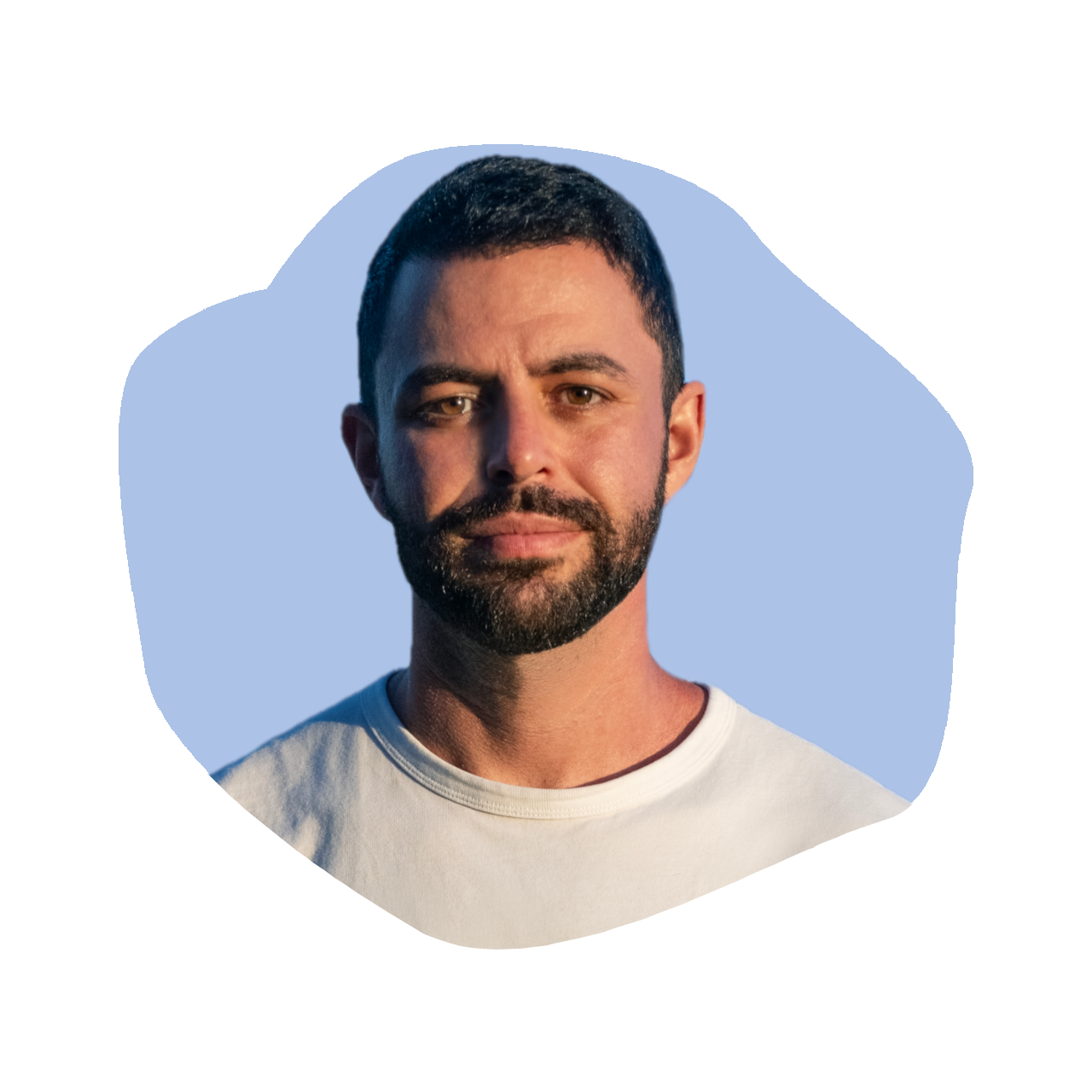
David Rusenko: Founder of Weebly
Episode 836
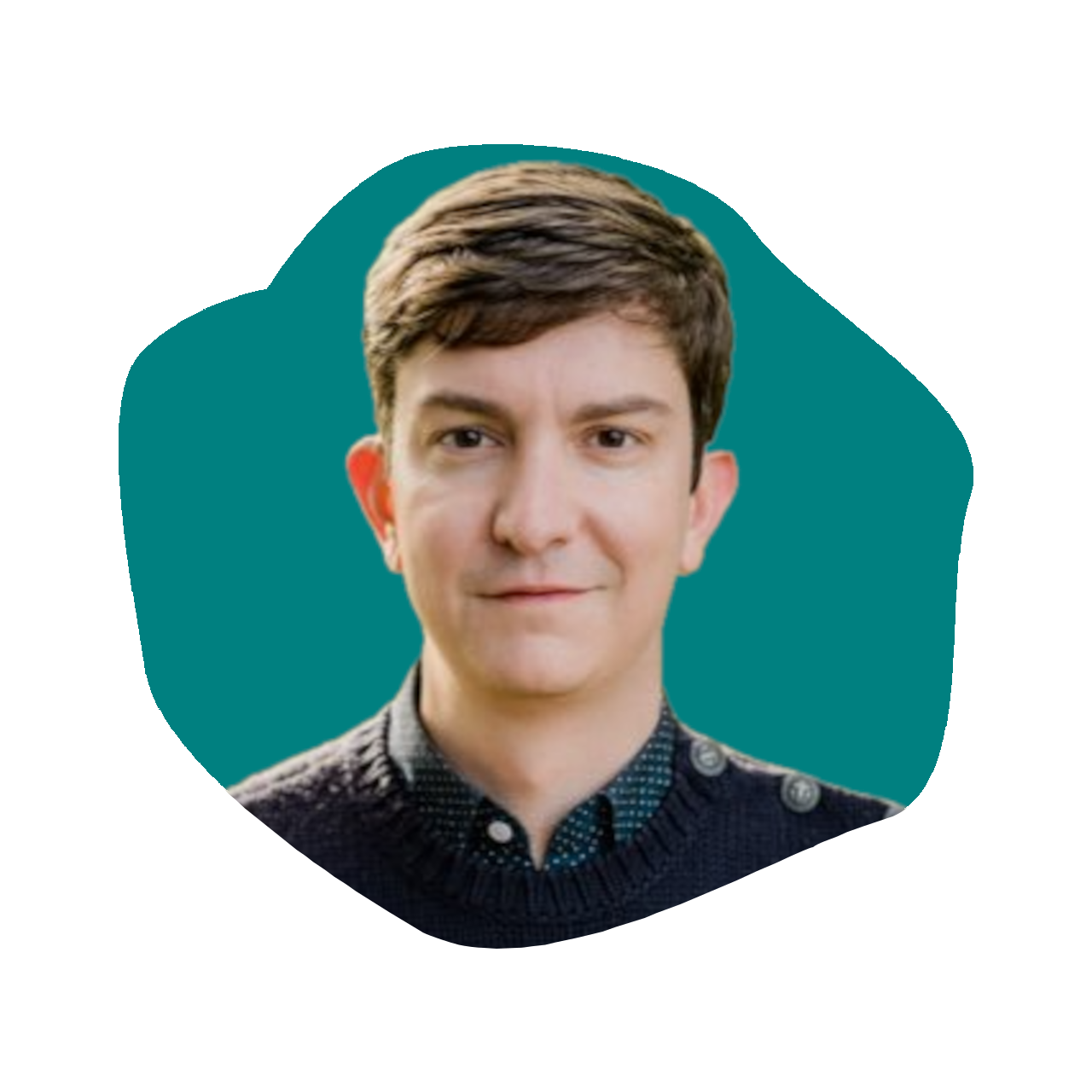
What does it take to start a company at 20 years old — and scale it into a platform used by tens of millions before selling it for hundreds of millions?
On today’s episode, we welcome David Rusenko, Founder and former CEO of Weebly — one of the earliest platforms to make it possible for anyone to build a website without coding. Long before “no-code” became a movement, David and his co-founders set out to simplify the internet for small businesses and entrepreneurs. After joining Y Combinator in its early days, they built Weebly into a company with over 350 employees, hundreds of millions in revenue, and more than 50 million users worldwide — ultimately leading to its $365 million acquisition by Square.
In this episode, David shares the real story behind building Weebly from a college project into a global platform, including the scrappy early days, the challenges of scaling a team and culture, and the evolution of his leadership as CEO. We dive into the realities of hypergrowth, what it takes to maintain human connection while scaling, and the lessons learned from serving millions of small business owners. David also opens up about the acquisition process — how the deal with Square came together, what it felt like to sell, and the emotional and psychological transition that comes after stepping away from something you’ve built for years.
If you’re interested in early-stage hustle, scaling a company, navigating an exit, or what founders don’t talk about after the deal closes — this episode is for you. Tune in now on The Kara Goldin Show.
Resources from
this episode:
Enjoying this episode of #TheKaraGoldinShow? Let Kara know by clicking on the links below and sending her a quick shout-out on social!
Follow Kara on LinkedIn – Instagram – X – Facebook – TikTok – YouTube – Threads
Have a question for Kara about one of our episodes? Reach out to Kara directly at [email protected]
To learn more about David Rusenko:
https://www.linkedin.com/in/drusenko
https://x.com/drusenko
https://www.instagram.com/davidrusenko/
Transcript
Kara Goldin 0:00
I am unwilling to give up that I will start over from scratch as many times as it takes to get where I want to be. I want to be you. Just want to make sure you will get knocked down. But just make sure you don’t get knocked out, knocked out. So your only choice should be go focus on what you can control. Control. Control. Hi everyone, and welcome to the Kara Goldin show. Join me each week for inspiring conversations with some of the world’s greatest leaders. We’ll talk with founders, entrepreneurs, CEOs and really, some of the most interesting people of our time. Can’t wait to get started. Let’s go. Let’s go. Hi everyone, and welcome back to the Kara Goldin show today. I’m joined by David Rusenko, who is the founder and former CEO of Weebly, one of the earliest and most influential platforms that made it possible for anyone to build a website without needing to write a single line of code. And David started Weebly when he was just a wee bit 20 years old, and alongside two of his college buddies with the simple idea giving people the tools to create online. And then they joined one of my favorite incubator groups, Y Combinator, in one of their earliest batches, and incubated it there. And also moved to San Francisco and started building and long before no code was even a buzzword. And so over the years, David scaled Weebly into a very successful company. I’ll let him talk all about it, and it was acquired by square in 2018 and defining moment that not just for the company, but for the broader movement of empowering small businesses online. So I’m so excited to dig into David’s experience and get the backstory on not only the launch and the growth and the sale, but also what he’s up to right now, including his incredible new podcast that he just launched, leap forward. And so without further ado, David, welcome to the Kara Goldin show. Super excited you’re here.
David Rusenko 2:16
I’m excited too. Thanks for having
Kara Goldin 2:17
me. Absolutely so for those who may not know they’re hiding under a rock. They don’t know about Weebly, or maybe they might not remember the early days of Weebly. What was the original vision and what problem were you trying to solve?
David Rusenko 2:35
Well, very, very early on, kind of right in the beginning, it was a class project, and the original idea was all Penn State students need to create an E portfolio, and we’re going to help them do that. And that vision lasted about two days, and then we very quickly realized that that actually creating a website in general was this broader need that was not well served by people who didn’t know how to code. And from there, we grew into really empowering small businesses and helping them sell and grow their business online.
Kara Goldin 3:03
So you started it with, or, I guess this was a class project, so you had two people that you were working on it with. Did, what did you do at that point when you decided, okay, this really is a need, and it’s bigger than our classroom and bigger than our teacher deciding whether or not we get a great grade on this or anything. This is a business that we want to go and do. What was the next step?
David Rusenko 3:27
Well, when I was part of a group and the idea came up, I went home, I kind of became obsessed with the idea. I came back to class, you know, the following class, like two days later, with this full database schema and just this whole, all these ideas of how drag and drop and how everything could happen, which didn’t exist at the time. There’s no idea, you know, no concept of, like, a drag and drop website, but or anything like that. And I went to my professor, said, Actually, I’d like to do this project on my own, in my own group, and I’ll do just as good as any other group. And he said, Okay, I know you like, you could do that. And then I said, also, I want to create in Perl on PHP. And he said, that’s where I’m going to put my foot down. So that’s why we believe was built in PHP originally. And then very quickly, you know, over the next few months, brought on my two co founders, Dan and Chris, and we were just working on it. That whole summer. I was, you know, I was interning at Merrill Lynch in New York, and both of them were in New York as well. And we were just working nights and weekends, literally every other hour that we weren’t working on internships. We were working on Weebly and then that fall, we applied for Y Combinator, drove out to Boston interview and got into the program.
Kara Goldin 4:32
That’s amazing. And what year was this?
David Rusenko 4:34
That would have been 2006 so the first line of code was written somewhere around February, 2006 that was the spring semester of my junior year, and then we applied to YC in the fall of 2006
Kara Goldin 4:45
so you’re a college student, not now, but when you started this. And for any college students listening, we have a tremendous amount of college students worldwide who listen to this podcast. So if you could sort of visualize you sitting there. What gave you the confidence and kind of the, or maybe it’s naivety, to actually go and launch this. I mean, you applied to Y Combinator. I mean, all of these factors. Had you been around this? Had you followed businesses starting, what sort of gave you this? This? Yeah, confidence to say I’m gonna go and do this.
David Rusenko 5:26
Well, it was really just a project. I mean, I just thought it was really cool. I had this. I had this. You know, at the time, I had a friend. I mean, at the time, if you bring yourself all the way back, if you didn’t know how to code, there wasn’t really a way to make a website. You know, there was these tools, like front page and Dreamweaver, but they didn’t make websites, they didn’t build menus, and they didn’t have structure. They just kind of create an online word document. And I was helping a friend build her e portfolio, and I was just like frustrated by the whole process, and all the ideas were kind of brewing. So I think, like, a lot of ideas started. It was just this. It wasn’t a confidence that I was going to build a big company. It was just something cool that I knew I could build. And I built it because I thought it was super cool. And I showed it to other people, and they thought it was cool too, and it just grew from
Kara Goldin 6:07
there. I always tell people who, who ask, maybe they’re in college as well, or even my own kids, when I’m talking to them, I’m like, do it now, because maybe people will forget, right, when you’re young and you’re just getting started, right? I mean, why not? What do you have to lose?
David Rusenko 6:30
Well, literally, I mean, what I always tell people in a similar situation is, it’s the best thing you could possibly do for your resume. You know, starting a company isn’t actually that risky. You know, even if you’re currently fully employed and not a college student, you know, you leave your job. Know, you leave your job, you start a company, you get some of the best experience in the world. All kinds of people are going to want to hire you after that, right? Like that is one of the best things you could do for your resume. So it’s the opposite of risky. It’s actually, even if it doesn’t work out, you’re going to be set up for something
Kara Goldin 6:56
better. Yeah, definitely. So the the Y Combinator. You get into Y Combinator, and what did that experience unlock for you?
David Rusenko 7:04
Well, you have to remember where we like if you really place yourself in our shoes at the time, you know, we were, we didn’t go to Stanford, you know, we didn’t go to go to UC Berkeley. We were three kids from Penn State. You know, at the time, there’s a lot of skepticism post.com boom and bust. And we were going to, like, in New York, we’re going to New York Tech meetup, but we were really like scraping the bottom of the barrel in terms of people who are interested in talking to us. And certainly no investors were willing to invest in us. So we get into YC, we move out to San Francisco, we work on the idea, you know, total sprint for three or four months. And on the outside of that, that was not only us getting to meet. I mean, I remember we met Evan Williams, who started blogger. We met Mark Zuckerberg, who was coming, you know, early on, who was coming to talk at y Conner. So not only were those experiences valuable, we had Paul Graham and Paul Buchheit, who created Gmail, who was like, giving us technical advice and design advice. And so all that, you know, those experiences were instrumental. But you know, in addition to all that, it was really the stamp of approval of saying, you know, now we’re in the Silicon Valley ecosystem. Now, there were investors who wanted to talk to us. Now TechCrunch wants to write about it. So all those things, I think together, were all incredibly valuable.
Kara Goldin 8:17
Yeah, definitely. It sounds like such an amazing experience. And as I mentioned before we hit record, we’ve had a lot of founders on the podcast who have been through the Y Combinator experience, and everyone just sings its praises and and many say it’s hard, right? Like it’s not you’re not pretty every single day. I mean, they really make you better. And was that your experience as well?
David Rusenko 8:44
Yeah. I mean, every week we had the dinners. There was other startups, and in the program who, you know, it was like friendly competition. We’d come and show them what we’d built in a week, they’d show us what we built, you know, what, what they had built, and and be like, Oh man, they’re, they’re moving faster than us. We got to, you know, we got to step it up, right? And so it’s very intense. But on the other side of that, you you certainly make more progress than you could imagine. You know, years worth of progress in like condense into two or three months.
Kara Goldin 9:12
So the idea of no code is everywhere now, but you were so early, and did you know how big this could become? I mean, what was, what was the point when you said, you know this, this can be a very, very large business, a very large industry. There’s going to be competition out there. What? What was that point where, and maybe it was shortly after joining Y Combinator, where reality started to set in and say, Wow, we have a really, we have a huge opportunity, but this is going to be really hard,
David Rusenko 9:45
you know, we, I mean, we always thought again, early on, we didn’t do it because we thought we’re going to build a massive company, you know. And I remember telling people, I think we even told our earliest investors out of Y Combinator that, you know, I think the question was like, how big do you want to build this company? And I think I told him, which is, like, totally the wrong answer, in retrospect, but I told him, like, oh, when this company’s huge, like 25 people, you know, I’ll hand over the reins to, like, a professional CEO or someone else, right? And, and, but I think we did it because we thought it was, like, really important. We thought it was really cool, the idea that people could build websites. We had this faith that a lot of people wanted to do that, and then we spent the first probably three or four years convincing people that it was actually a big idea. Because it seems, in retrospect, it seems like the idea of no code and allowing people to build websites seems like obvious, but at the time, everyone thought it was a really stupid idea, and that anyone who wanted to build a website could just learn to code, and anyone who didn’t do that just didn’t do that just didn’t need to build a website. And it seemed like a stupid idea at the time to a lot of people. It wasn’t until eventually it started growing and growing that people recognize that this is actually a really, really massive market.
Kara Goldin 10:53
What was one of the best, scrappiest things you did in the very early days to get traction? I mean,
David Rusenko 10:59
lots of things, you know, we didn’t have any marketing budgets. We didn’t have anything didn’t have anything to spend. I mean, the number one thing throughout the years that got us traction was word of mouth. So word of mouth, you know, throughout all the years, was about 80% total of our sort of adoption early on about, you know, the remaining 20% was between PR and we had these links on the footers of websites that people could see, and it helped us with SEO and that kind of thing. And then we were just scrappy with PR we I mean, anyone can still do this today. You go out and you meet reporters, and you become friends with them, and you know, you offer them more than just pitching them and and over time, you build a relationship, and then they want to cover you. So I think, you know, one of the benefits of being, you know, in the Bay Area is just all that, all that in person, social connection, you know, I think that was, that was pretty important.
Kara Goldin 11:51
Yeah, definitely. So you grew it to from just a few founders, young founders too, to over 350 employees. You’ve talked about maintaining human connection while you’re scaling. I mean, it’s hard, right? You hadn’t been inside of companies and sort of senior leadership teams and moving into this role now you’re you’re it, right? The buck is stopping with you what was kind of the hardest reality and actually running a company versus maybe what you thought it was going to look like?
David Rusenko 12:28
It’s a good question. I think what what’s hard changes depending on the kind of the scale and the size of the company. So there’s various breakpoints that that that felt like everything was falling apart and you had to completely change the way, you know, I like to say that about once a year my job, which is as CEO, just completely changed. And so maybe I had three months of doing the job well, and then and then, and then I had three months of not realizing I was failing at the new job. Then I had, like, six months to learn the new job, and then I was back on that cycle again. And so I think, you know, you know, a huge break point for most companies is, like around 25 employees when you really need your first layer and you learn to delegate properly. And it’s just very unintuitive. It’s really hard. I mean, a lot it’s really hard on a lot of people. But then there’s lots of other breakpoints, you know, at like 75 people. You know, the way the information flows. You know, people start managing up, and they start managing you. And I like to say my jokes got funnier, and you know it so all throughout, I think it’s just a constant process of being nimble enough, being self aware enough that you can, that you can try as best you can, to observe your own performance, almost like a third party would, and take in that feedback and adapt yourself to whatever the role is at the time.
Kara Goldin 13:47
So Weebly is in in the business of serving small businesses, many small businesses, including entrepreneurs like yourself. They’re your customers. What did you learn about working with other entrepreneurs that was fun but also challenging?
David Rusenko 14:07
Yeah. I mean, people, people care so deeply, obviously, about their companies, and I think they see their companies as an extension of themselves, of their personality, of their ego, of whatever it is. And so that was one of the one of the fun challenges that we always had is, is in the process of building a website, it’s kind of, you know, they see it again, as a reflection or expression of themselves, right, of their company, obviously, but of themselves personally. And so, you know, you couldn’t just make it for them. You couldn’t, I mean, in an ideal world, you’d snap your finger and they’d have their website, but they really wanted to be involved in that process. They had so many, you know, strongly held ideas of exactly how they wanted that website to look. And so that was always it was navigating that challenge. Like, okay, I know you want it to look this way, but that doesn’t look good. And so how do we build the tool in such a way that we have good outcomes the vast majority of the time, but also accommodate people’s like, real desire to cuss? It in the way that they want to show up, the way that they want.
Kara Goldin 15:03
Did you ever get to a point as you were going through the growth period where growth felt really fragile that you thought, you know, this is we’ve got to do things in order to kind of increase our ability to scale? Maybe something at some point was just gonna, I don’t know, I liken it to a it felt like band aids, you know, holding things together because you were growing so quickly. Because I know we believe, grew very, very fast. It may have felt slow to you, but, but it for the amount of people and number of businesses that you were working with. I can only imagine how, how challenging that must have felt at times.
David Rusenko 15:49
Yeah, I mean, I’d say that in the in the, you know, in the first third and the last third growth was, you know, more work. And in that middle third, which is, you know, pretty typical of any, anytime you create a new market, it’s kind of the S curve of the market, and that middle third, it’s more about trying to hold on and scale as quickly as you can, and kind of meet the moment. So different challenges at different phases, but certainly, you know, growing quickly can be just as much of a challenge sometimes as not growing quickly.
Kara Goldin 16:16
Yeah, definitely. So I’d love to hear about the acquisition you did. You were acquired by square in 2018 so how did that all come together? And and what did you learn about the process?
David Rusenko 16:32
Yeah, yeah, no. I mean, the process is very interesting. People would always tell me other founders who other companies sold. Would always tell me, like, oh, companies are bought, not sold. And I don’t think I really understood what that meant until actually going through the process. But yeah, I mean, the process started. I think it started in 20 2016 maybe so square went through. Square tried a few times, actually, I think maybe four or five times, to build something similar internally, and then it didn’t work. And then try again, it didn’t work. And then they finally came to the conclusion internally that they were not going to be able to do it themselves. And so then at that point, they said, Okay, let’s go partner. We’re going to shut down our online store. Let’s go partner with a few other people. So we partnered with them. I think there’s this really pivotal decision in there. I think it’s like a really important learning, which is, when we partnered, I made the pitch to Alyssa, who’d become my future boss, and said, Look, instead of choosing three or four partners, you should really just choose, like, one main partner, because that partner will have the incentive to invest in the integration and make it really great. And if you want to have some other options, great, but the way you’re going to do it, we’re all going to get like a trickle of users, and it’s not really worth it for any of us to really invest heavily. And so we’re going to try to basically minimize the engineering effort that we put in these integrations. Everyone else is going to be making that same calculus. And she’s like, Yeah, that’s that’s a great self interested argument, like, we want to give our users choice, and so we’re going to choose four people. Okay, great. So one of the most pivotal decisions we made was to basically say, Okay, we’re going to invest above and beyond the amount of sort of return or payback that we’re going to get from this integration. So maybe we would have put like half an engineer on the integration. We ended up putting four engineers on the integration, and we basically said, we want to be the best partner that square C. And I think that was a really important element to, you know, we weren’t trying to sell the company, but we knew that square, you know, if any combination ever was going to happen, this was, like the perfect company. And so we really wanted to make sure that we were great partners, invested above and beyond for the integration. And then at some point they decided, okay, actually, this is it was. It was right after annual planning in 2017 they said, Okay, actually, like, it’s too strategic. We can’t partner. We have to own and then they went out and looked at all the companies that they could buy, and through that process, decided that they wanted to buy
Kara Goldin 19:00
Weebly. So when, how long did that whole process take before you were finally at the table where you thought it’s actually going to happen?
David Rusenko 19:10
Well, you know, it’s, it’s funny, as these things tend to go, they tend to flow out of annual planning processes, and those tend to happen towards the end of the year. And so I think, you know, without naming names, like the prior two years, we also had serious acquisition interest from different companies. So I think that was, like, my third Christmas in a row, working over Christmas, and all of those, like, really, you know, deep discussions were happening literally around Christmas, around the holidays, and then, and then they, they took a little bit of time. I think, if I’m remembering the timeline right, maybe January, February to say, Okay, let’s go make sure we’ve seen all of our options. And when did that? It was around February timeframe that they said, Okay, we want to move forward with you guys. We sort of agreed on a term sheet. And then I think it was roughly maybe February to. April or something like that, to go from term sheet to definitive agreement that we then announced publicly.
Kara Goldin 20:06
And then did you stay on afterwards?
David Rusenko 20:08
I did. I stayed on for a little over three years. It was actually maybe somewhat unique in that I really enjoyed working at Square. I think it was a fantastic company.
Kara Goldin 20:18
Yeah, it is such a great company. What do you think you if you were to give another founder advice about somebody going through the process, what are maybe some of the top things that you would say given sort of your own experience, either something you did or something you wished you would have done? We I’ve had a few people on one one person actually told me that, you know, it’s really difficult to be in the business all the time, but you have to, or sorry that it’s, it’s difficult to get out of the business. I should say, you know, you’re, you’re in it, you’re, you’ve got a team, but it’s really important to be out networking, because that’s where you kind of hear about what’s going on, and potentially even hear about somebody who could be a natural acquirer as well, and which I thought was really interesting.
David Rusenko 21:13
Yeah. I mean, I think, you know, again, the way that the acquisitions typically, almost always happen, right there, they’re not, you know, I think a lot of founders don’t understand that. You know, there’s not corp dev, it’s not, you know, you know someone who comes and buys the company that way. It’s, it’s, it’s almost always, you know, larger acquisitions happen. You know, it’s the piano owner, or sort of, the product owner, the business owner, that decides, you know, we need to go buy right? And, and usually they oftentimes try to partner first before deciding that’s too strategic. So I think one of the things is, you know, we tried throughout the years ago, look at natural acquirers and partner with them. And when it’s outbound, you know, it doesn’t, it just doesn’t always work. It really needs to be like when you’re going to them. It really needs to be they need to come to the conclusion themselves, they need to make up their mind. They need to come to you. So I think if that happens, that’s the pivotal moment when you can either. Now, things might be going well. You might not want to sell the company, right? But I think what you know, our board member ruloff from Sequoia, said, Look, why not just put yourself in a position where you could say no, right? And I think, give yourself options. And so I think, you know, in those moments, it’s making sure that you it’s not never going to feel like the thing. There’s always gonna be things that are gonna grow the company more. But I think over investing in that partnership is like one key, pivotal moment, and then there’s all kinds of stuff related to the the actual process and transaction. I mean, I think, you know, the other thing for any size acquisition to understand is, you know, first, they might come to you and say, We want to buy your company. That doesn’t mean they want to buy your company. That just means they’ll start a conversation. That’s how they hook you. The second thing is, they’ll, they’ll give you a range, like, we want to buy your company, maybe between like 20 and $50 million and what that actually means is take the low end the range and cut it in half, and that’s probably like the realistic spot where you end up. And so it’s helpful to keep that frame of mind too, because I think too many founders get really invested in the idea of selling their company at some point, and then say, oh, okay, $50 million you do the math in your head, how much money I’ll make. Oh, wow. Okay, that really, that really could be a lot, right? And then, and then they just keep getting dragged on that process. Next thing you know, it’s $10 million they’re not making that much money, but it just kind of feels like they have to do it because they’ve just gotten so emotionally invested, or they’ve just gone down that path, or maybe they’ve run out of runway, right? So I think just understanding, continue to run your business, you know, put yourself in a position where you can say no, but you’re not trying to sell your business. And then, you know, if you continue to operate that way, you know eventually what the right opportunity will come along. You know, if that’s if that’s what you end up doing.
Kara Goldin 23:56
So I often feel that founders are once you’re a builder, you’re always a builder. I know you’re doing some, you’re doing investing. You have your your fund, and you also have your new podcast that just came out, leap forward, which is awesome. I’m so excited that you’re, you’re doing this, and so are you, are you done? I mean, you’re, you’re not finished building, right? You’re gonna, you’re gonna have other things that you’re gonna incubate, I’m sure, and grow along the way.
David Rusenko 24:30
Yeah. I mean, all these things in their own way, are building kind of zero to one type of efforts. They’re different than doing a startup. You know, I would never compare, you know, starting a new VC firm, to starting a startup, very different things. But, you know, in a lot of ways, some of these things really scratch the itch of, you know, coming up with the idea, you know, finding product market fit in its own way, and and building it up yourself to something that that that eventually, hopefully a lot of people find value
Kara Goldin 24:56
in. Yeah, definitely. So, well, David, thank you so. Much for joining today, and Weebly is, I mean, such an awesome, awesome brand that you’ve built. And very, very excited to finally meet you. I’ve heard many things about you over the years, and really, really excited to finally get to hear the backstory on you as a founder, and for everyone listening, be sure to follow David and stay close to what he’s building and listen to his new podcast. Leap forward as well, and I will see you all next time on the Kara Goldin show. Thanks so much, David.
David Rusenko 25:34
Thanks for having
Kara Goldin 25:35
me. Thanks again for listening to the Kara Goldin show. If you would please give us a review and feel free to share this podcast with others who would benefit. And of course, feel free to subscribe so you don’t miss a single episode of our podcast, just a reminder that I can be found on all platforms. At Kara Goldin, I would love to hear from you too. So feel free to DM me, and if you want to hear more about my journey, I hope you will have a listen or pick up a copy of my Wall Street Journal, best selling book, undaunted, where I share more about my journey, including founding and building. Hint, we are here every Monday, Wednesday and Friday. Thanks for listening and goodbye for now.