Michael Marquis: CEO of Raw Sugar
Episode 831
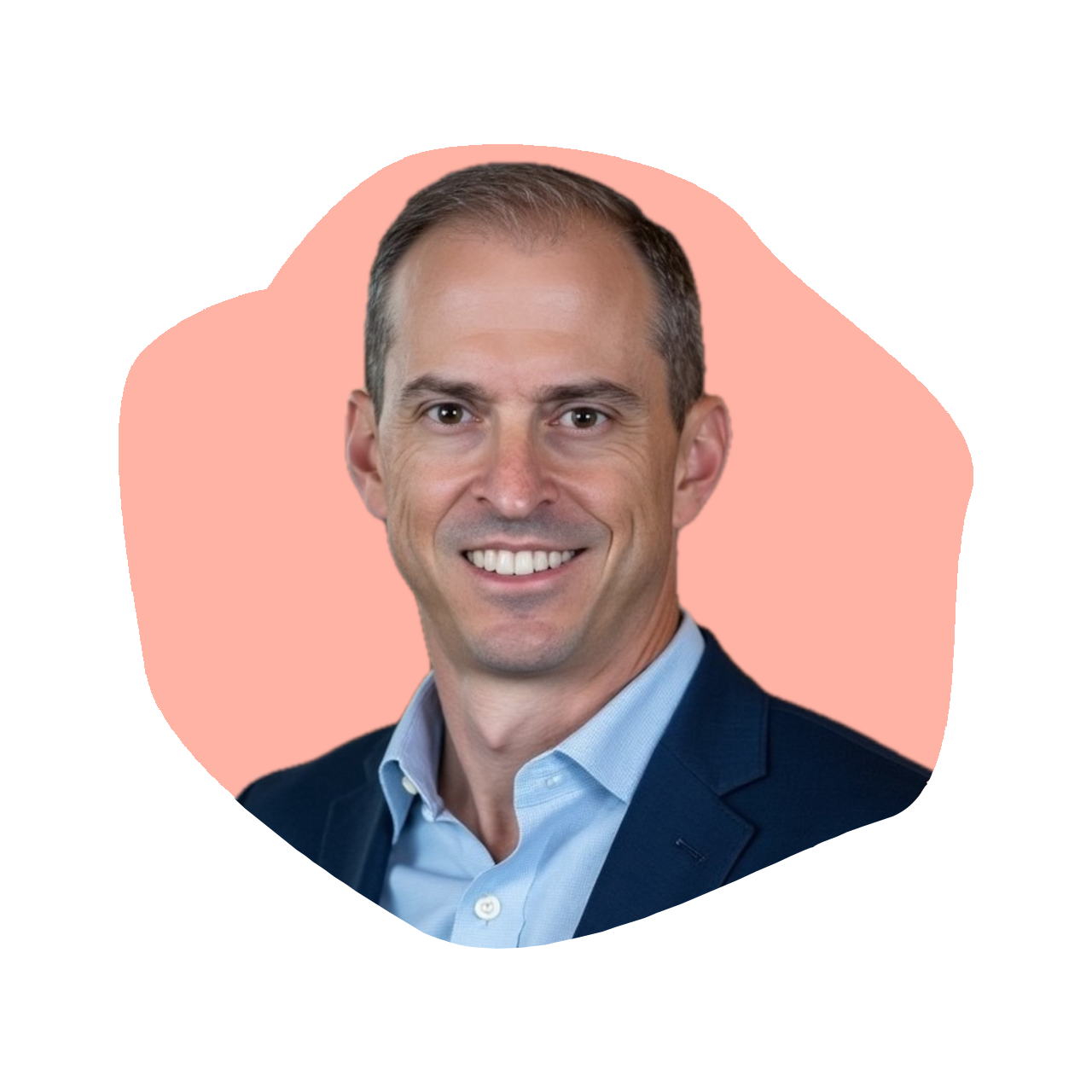
Can you take a clean beauty brand built on accessibility — and evolve it into a global “everyday luxury” powerhouse without losing what made it special?
On today’s episode, we welcome Michael Marquis, CEO of Raw Sugar Living — the personal care brand known for bringing clean, high-quality products to the masses at an accessible price point. With more than 30 years of experience across global consumer giants like Johnson & Johnson — where he led iconic brands including Listerine, Clean & Clear, and OGX — Michael brings a unique combination of operational discipline and brand-building expertise to Raw Sugar’s next chapter.
Since joining the company in 2022, Michael has led Raw Sugar through a period of rapid growth and transformation, expanding distribution across major retailers like Target, Walmart, and CVS while strengthening the brand’s foundation in clean, vegan-friendly formulations and its signature design. Now, he’s guiding the company through a major evolution — reimagining the brand with updated packaging, improved formulas, and a sharper positioning around “accessible everyday luxury.”
In this episode, Michael shares what it takes to execute a thoughtful rebrand without alienating loyal customers, how to build and sustain strong retail partnerships, and why operational excellence is critical when scaling in a competitive category. We also discuss the evolution of the clean beauty market, shifting consumer expectations around transparency and ingredients, and how leadership — including his perspective as a father — shapes both company culture and long-term strategy.
If you’re interested in scaling consumer brands, navigating rebrands, or building products that balance quality, accessibility, and growth — this episode is for you. Tune in now on The Kara Goldin Show.
Resources from
this episode:
Enjoying this episode of #TheKaraGoldinShow? Let Kara know by clicking on the links below and sending her a quick shout-out on social!
Follow Kara on LinkedIn – Instagram – X – Facebook – TikTok – YouTube – Threads
Have a question for Kara about one of our episodes? Reach out to Kara directly at [email protected]
To learn more about Michael Marquis and Raw Sugar:
https://www.rawsugarliving.com
https://www.instagram.com/rawsugarliving/
https://www.linkedin.com/in/michaelmarquis/
Transcript
Kara Goldin 0:00
I am unwilling to give up that I will start over from scratch as many times as it takes to get where I want to be. I want to be you. Just want to make sure you will get knocked down. But just make sure you don’t get knocked out, knocked out. So your only choice should be go focus on what you can control. Control. Control. Hi everyone, and welcome to the Kara Goldin show. Join me each week for inspiring conversations with some of the world’s greatest leaders. We’ll talk with founders, entrepreneurs, CEOs and really, some of the most interesting people of our time. Can’t wait to get started. Let’s go. Let’s go. Hi everyone, and welcome back to the Kara Goldin show today. I’m joined by Michael Marquis, who is the CEO of an incredible brand that I was just introduced to, called Raw Sugar. And if you have not tried Raw Sugar, you must, must, must. It’s a clean personal care brand that has been redefining what premium looks like at an accessible price point. So Michael came in after an acquisition. He He is not the founder, but he is the CEO, and after 30 years of experience across some of the biggest names in consumer and personal care, including Johnson and Johnson, where he worked on incredible brands like Listerine and clean and clear, just to name a few, he has taken that expertise and applying it to really scale Raw Sugar into the brand that it is becoming today with major retailers like Target, CVS, Walmart, to name a few. But what’s especially exciting is that Raw Sugar is entering a major new chapter. So I will let him talk a lot more about that, but such an incredible brand and company and everything that they’re doing is just so so right on. So I love that Michael is here with us today to share a lot more about Raw Sugar and everything that they’re doing. So Michael, welcome to the Kara Goldin show. So nice to meet you.
Michael Marquis 2:19
Okay, wow, that was quite an introduction. Awesome. Awesome to meet you as well. Thank you so happy to be here and love the fact that I’m in the eight hundreds of the numbers of podcasts that you’ve done. It’s incredible. So congratulations.
Kara Goldin 2:32
Thank you. Well, it’s it’s exciting, and I love talking to people about building brands and all different categories. So and definitely, you’ve got incredible experience in building and kind of balancing high performance brands too. But for listeners who may not know Raw Sugar yet, how do you describe the brand and what makes it unique?
Michael Marquis 2:58
Yeah, I mean, essentially, what we’re able to do is bring luxurious, you know, high quality, premium products and personal care to the masses and make them affordable and clean. And so it was founded over 11 years ago by two founders who saw the opportunity to bring clean personal care that you can only buy in high end stores and at high price points, high price points to kind of the masses at affordable price points. And started with target, you know, who was an exclusive partner for more than eight years. And then, as you know, it gained traction with consumers, and they really discovered the quality of the products and the formulas that were in there, and gained trust in terms of being products that were formulated to kind of higher standards that are required by, you know, regulations in our country. And was, you know, the momentum continue to build, and we continue to build, you know, a followership, and have expanded kind of into additional retail so, you know, we primarily operate within hair care and within body care, as well as hands hope. And we have great kids. Line, we have a great pets line, you know that, you know, when you’re formulating products in a kind of a clean way, and you’re trying to serve the needs of the family, you know, it’s kind of all members that are within the household now, they’re interacting with personal care products. I love
Kara Goldin 4:14
that you have gone into pets as well. So the the company started with, obviously, with one product, and you’ve expanded out. So how has that changed over over time, I guess. How many products do you have now with the core line, and how have you decided to go into these other categories
Michael Marquis 4:39
as well? Yeah, the brand started with a body wash, a hand soap and a bar soap, mainly within kind of the personal care area, and disrupting the the industry, because at the time, there was a lot of products that were sitting on the shelf that were using preservative systems or surfactant systems that, frankly, were not the best quality of products. And consumers started to get more and more educated over. Around ingredients. And so they’re looking for things that were either paraben free or sulfate free or not using certain amount of, you know, you know, different types of preservative systems. And the team kind of, you know, developed those first within personal care. And you kind of go where the consumer allows your brand to go, you know, it’s one of adages that your brand is, is kind of owned by the consumer. And so they they can kind of react with their purchase decisions around where, you know, where they they think the brand should exist and where they need, you know, a brand like ours to operate. It was expanded into hair care, was expanded into things like lip care and lotions, and went into the kids product. Because, frankly, if you’re listening well to consumers, they were saying, you know, I’m actually more concerned about some of these preservative systems, what they’re doing on my scalp, my hair seems to be falling out. That might be doing things that, you know, my the quality of my hair, whether they’re being color treated hair, or what they’re seeing in terms of styling. You know, they thought a lot of those could be due to the ingredients that they were using every day in the shower. And so that’s what led, over time, to expand within these other categories. Today, we’re at about 100 products totally across now, some of those operate in retail. Some of them operate just online, and, you know, in Amazon or on our easy site, things like, you know, our pet line are found more in pet channels and online than they are in, you know, the targets Walmarts or grocery stores of the world. But you know, we, we really have a deep knowledge of how to formulate great products that are clean and we make them affordable. I mean, it takes a certain, certain amount of skill to be able to do this and be artful on the formulations, but be mindful that you’re, you’re making every penny count, and make sure that they’re they’re productive, and so, you know, we kind of go where the consumer is looking for that solution to come into the market. So when
Kara Goldin 6:49
you decided to join Raw Sugar in 2022 what was it that you saw in this brand that just got you so excited that you said, Okay, I’m in. You had been inside of, you know, a large J and J and working on a bunch of well known brands, as I mentioned before, but Raw Sugar was a bit smaller. And, you know, you decided to really take that leap, sure.
Michael Marquis 7:19
Yeah. I mean, I think what’s interesting, Kara, is you’re a founder, right? Your founders take a special skill. And I know I’m not a founder. There’s the founders who get it, you know, the rocket off the ground, but I’m a pretty good pilot of take something that has gotten off the ground and find ways to make it, you know, to make it scale and scale where it still lives into the values of the initial brand, but also is find ways to do it at a, you know, in a bigger, bolder way. And so I was looking for opportunities where I could find a great founder, a great, you know, investing group that, you know, fit to my skill set, that I could come in and go, yeah, we can. We can work together and we understand what what you know, my skills could bring to the table. And so that’s what you know they were looking to do. They were looking to expand the business across across retail. They were looking to improve the supply chain, build a team, get kind of infrastructure and systems together. And luckily, Donda, who is the founder of the businesses remain on still to this day, I was on a call with her right before, before we got on this call, she’s still very actively involved, and she does the things that founders are great at. She is creative, she is visionary. She thinks about what the consumer needs, and that’s what her focus is. And then when it gets time to make it, ship it, get the trucks together, talk to retailers. That’s where I can kind of come in and help her make her vision come to life.
Kara Goldin 8:45
So what did you learn working inside of some of the large brands that you worked at, managing billion dollar brands? What did you learn about scaling? And I think everybody you know it. It sounds great to scale, but you have to do it a certain way, right, and otherwise it’s not sustainable. I think most people would say, but what would you say that you learned there, like you, you learn the systems, right? And how did you, how did you, what did you learn there that that could apply to not only Raw Sugar, but to anybody who’s out there who’s thinking about growing their business and scaling
Michael Marquis 9:34
for the future? Yeah, yeah. I mean, I think one of the things when you’re operating a large in many cases, I had brands were operating in 90 plus countries and and, you know, with with large teams, or around there, I think one of the the keys on leadership and those highly, you know, you know, scaled businesses is, how do you make the complex simple? How do you take something that is either your business model, your go to market model? What are the skews you need to be able to focus on teams can inherently kind of, you know, kind of deviate and continue to deviate and deviate and deviate and make things much more complex. And I think as a leader, you often have to make things simple, and it requires you many times, to repeat yourself often and frequently around what the priorities are, what you know, what we need to focus on, what winning looks like. And so I think when you’re often coming in, you can kind of lay out what your your go to market plan is going to be. And unfortunately, you can’t just say it once. You have to say it about 5000 times to get everybody to focus and get the get the business kind of executed on, on your plan. But I think the biggest thing is to and it can be on a billion dollar brand, or you can work on it on a, you know, a $50 million brand, and, you know, there’s still a level of complexity that you have to manage. And I think your job as a leader is to always simplify that for the organization.
Kara Goldin 10:58
Innovation is always something that that, I guess, whether you’re a founder or whether you’re a CEO running a company, consumers or even retail buyers are like, what’s new, right? Innovation like, come up with something new, and there’s a lot of pressure to update, provide something new. How do you do that without alienating that loyal consumer base, and how do you think about that when you’re when you’re trying to manage and also grow a brand?
Michael Marquis 11:35
Yeah, I mean, I think one of the things, and it might be a bias towards analogies that I think, don’t think you really innovate in looking in the rear view mirror, but it’s good to know where you’ve been and, like, be informed, so you don’t kind of drive off the side of the road. So I think many times, people are trying to innovate by looking at market share, look at what competitors are doing. You know, shopping the stores. If you do that, all you’re going to do is copy somebody else and be second or third to market, and you’re in and your innovation, you know, better, be a much better way of approaching the problem then, then just kind of copying what’s out there. I think you have to look at some of those emerging trends and really get the right minds and in in the room that can think beyond what is existing today. But I think the risk, I mean, there is an element of risk management you have to do for an innovation. If you want to take your whole line and replace it all, you better be very confident that your innovation is going to, you know, kind of crush it. And so you do have to kind of test and pilot and do things that you make sure that you can kind of minimize that risk. But I do think experimentation and, you know, and kind of the playgrounds, I think, is a great thing to do. You know, our pet line is not, you know, is not the biggest seller for us in the world, but it’s a great experimentation to see. Like, how does consumers react to, what is their engagement on our social media channels around it? This is something they think we, you know, we can play in successfully before we start spending, you know, a ton of money behind it, but, but I think there’s, I think there is a risk profile you have to kind of manage, depending on how big you want
Kara Goldin 13:07
to go with the innovation. So you are balancing the premium positioning with Raw Sugar with an accessible price point. So what, what challenges does that kind of bring about for you in order to do that, because you want to get it so it’s accessible to consumers, but you’re also a premium product and and you’re not using a lot of the ingredients that Maybe would help you to have your costs be, you know, a lot lower and margins be better.
Michael Marquis 13:45
Yeah. Well, I mean, I think the the ingredients that we are using, I would argue, are the same as what the most premium products are going to be using. We formulate to the ingredient, the fragrance standards that are used across the EU, not in the US, so that any fragrances we use are at the EU standard, I think the the the ingredients and active ingredients that we use, we don’t cut corners on and the formulations all meet, you know, a target, clean standard, and are at the kind of the highest levels of our retailers from a formulation standpoint. So we don’t cut corners there, where we do have to get creative is, we do have to think about how we go to market. You know, there’s, you know, we’re not, we’re not signing the latest a list celebrity. We’re not going to, you know, go forward and, you know, promote the business that is already at an affordable price point, at a level that some of our competitions are, where they’re on, you know, discounts every week at certain retailers. So it’s a bit of a philosophy of how we want to go to market is make sure we’re every day kind of affordable, but you end up having to, you end up having to not spend in things that maybe some of our competition is spending against, that we hope over time, that’s the quality of our products that is going to be convincing to consumers, versus the latest coupon or discount that is out there in the marketplace.
Kara Goldin 14:58
Yeah. Definitely. What surprised. Advised you the most now that you’re outside of a large company with multiple brands, you’re you’re running Raw Sugar, and it’s a it’s kind of the next iteration of Raw Sugar and bringing continuing to grow the brand, but also continuing to bring in improvements. And I know you’ve done supply chain optimization and things that are really, really effective, but what has been kind of the most surprising aspect of of this role, versus being inside of a real large company, I
Michael Marquis 15:44
think one of the things that I was preparing for, that I will say, is a real pleasant surprise, is that when you’re in a large company, you have access to the most, the highest levels of executives at your customers, at the targets and Walmarts, Amazon, CV, the rest of the world. You have great access to them, and you’re connecting with them as often as you need to. My thought, coming into a much smaller organization is that it would be difficult to kind of connect with our customers at the same level of influence and the same kind of connectivity. And the reality is, is, I think they want to talk to us more, because the innovation is coming from small brands like us that we’re we’re more nimble or more agile, we can, we can, if they have a challenge they want to pivot quicker, we’re going to be able to do it much faster and partner with them. So I’ve been really pleasantly surprised how a lot of those connections with core customers, especially across retail, are just as strong as what I had when I was at was at j&j, because they’re really looking for us to help them shape their strategy.
Kara Goldin 16:42
So interesting. So culture has been such a big part of your leadership philosophy. How do you maintain the strong team engagement during periods of crazy growth, but also change overall?
Michael Marquis 17:00
Yeah. I mean, well, one of the things in the areas where you’re going through growth, I mean, I’m, I like to think myself as still an athlete, but I’ve always been, you know, an athlete, and you I’m only expecting my team to run as fast as I do, so, but I run pretty fast. So the so we want folks to kind of operate, and you want to see that the leaders you’re working with are putting in the work, and, you know, they’re right there beside you, kind of getting getting the work done. So I think that’s one of the expectations. I think the other piece that I do, you know, put in perspective is, you know, we’re privileged to be able to work in these categories. I mean, these are kind of fun categories that everybody can understand and like work in every day. And so we keep it light. I mean, we there are challenges that certainly happen. But it doesn’t mean that you, you know, you can’t laugh and joke around it at work. And so we find ways to kind of keep it light, not just on the, you know, once a year off site team building, but on a day to day basis. And I think, I think that also breaks down barriers and allows people to understand, when you talk to them, that you generally care about them and care about their success. And so, you know, I think we’ve, you know, we’ve built that culture overall. And I think the founders vision of what the brand stands for and, and, you know, if you look in the back of our products, we have sugar notes that are kind of uplifting notes, and we have kind of a general attitude of spreading, kind of London loving kindness with our products. And I think that permeates into the, you know, the business culture inside the walls for sure,
Kara Goldin 18:21
well, and I love how you guys have carried that story throughout, and you’ve continued to do that. And it’s, it’s really, it’s inspiring for sure. And I think it obviously is still, it still works, right? And the the consumer still, not every consumer wants to hear about it, but I think it’s, it’s something that that is really important for for consumers to have to be able to understand kind of what’s behind the brand. So when you, when you look at the consumer today, and obviously you did lots of studies when you were inside of the large companies, but the consumer expectations to things like ingredients and sustainability and transparency, but also this concept of clean beauty is has kind of evolved as well. I’d love to hear your perspective on what you see in this consumer today as it relates to personal care, and just overall in the industry, yeah, yeah.
Michael Marquis 19:31
I mean, relative to, kind of the the evolution of clean overall. I mean, it has evolved because, frankly, the industry has cleaned up their act, you know. So I think, you know, there used to be a much bigger differentiation between products that were clean and then other ones. But I think, in general, shining a light on some of the challenges that will have, you know, caused that some folks kind of needed to upgrade their products. And there’s, there’s, whether it be NGOs or apps or other things like that that have come out. And shown where people were not putting the right ingredients in their products. I think that’s been good for it’s been good for consumers, you know, frankly, for the for other folks to step up and make product better. But what it means for a brand that was founded as a clean brand is you have less differentiation on the ingredient level to be able to do that. I think that’s where we found. The consumer in certain categories finds that the trust of the brand around being kind of a real, kind of formulator of clean products, where the trust of the brand is more important is where we end up succeeding. If you looked at our business seven, eight years ago, we’re mainly a body care business. We’re now mainly a hair care business, because what is at stake with people’s hair care, from their appearance to hair fall to how long the color treatment they they put in their hair lasts is a much higher kind of higher stakes and so they want products that are clean. And we’re finding that our hair care business is doing much stronger, much like our kids businesses continue to do very strong, because that’s also a very high stakes area where you want to make sure you’re going to a brand new trust that can do this kind of work. So I think, I think there has been an evolution there. And then I you asked a little bit about the consumer. I think what has happened is, obviously, you know, we have, we’ve continued to get communities that are tighter and tighter and aligned around certain things that they they value. And so I think relative to a mass market that would say there is clean and not clean products, that what has evolved is you’re finding certain tribes that you’re going to go and kind of build your community with. And they might be very particular around what they aspire to in our categories, in terms of beauty, being focused on hair care and personal care, finding clean clean products. Maybe they don’t want to use a product that everybody else is using, that is a mass product from a large CPG company, and they want to, you know, they’ve done their research, and they want to support an independent, you know, kind of privately held company. So we end up finding, kind of those tries, but you have to work a little bit harder. It’s then, you know, when I was running a brand like Listerine or Avino, and you’re putting ads on the CBS Evening News, it’s going to it’s going to the mass market, versus going and working on and getting a tribe to really love your product.
Kara Goldin 22:09
I love how you have not lost the brand’s original soul. And I feel like that is also something we touch on this a minute ago, but that consumers, it’s kind of a differentiator, especially if it was a brand that started with, with the founder and and So when I guess, where do you see people in sort of large companies losing that and why? Like, what, when? When does that become less relevant? Is there a certain size of a company? And I guess it probably depends on what category it is, too. But I guess what’s your thought on that?
Michael Marquis 23:00
I don’t know. I think we, I think we paint with a broad brush to say that, you know, some of these smaller companies go to larger CPGs and they die, you know, a quick death. I think that, I think that’s too simple of an answer. I think there’s some amazing companies out there that do great jobs with acquisitions and acquisitions and keep the founder kind of ethos alive and evolve it and scale it Well, I think we just like anything in the press. We love to see the fall from grace stories and make it publicized a little bit more than the successes. So I think there’s, I think there’s a lot of people who do, you know, can do that very well and do that artfully. You know, I do think when the translation of kind of a business that is developed by a founder, and I’d be interested in your opinion on this, and it gets to the point where the complexity of the business gets so large that the, you know, the fun is taken out of it and becomes, you know, you’re talking to accountants and lawyers all the time, and you know, then you know what happens at that inflection point. And frankly, that’s where getting folks who can come in and know how to take, you know, kind of take the ball and run with it, from from a founder and say, I want to get you focused on what you do well, and I want to take over the things that you know help a business scale, but not lose the ethos of the brand. And sometimes, you know, people can come into those situations that think they’re smarter than the other person, and let me do it all better. And, you know, and I think you have to have somebody has the the emotional intelligence to be able to say, You know what? There’s things I do well and you do well. And let’s see how we can do this together.
Kara Goldin 24:32
Yeah, I think that’s really, really smart. So, yeah, it’s, it’s interesting. I i Anyone who listens to the show. I’ve talked about this before, but my dad had actually worked inside of ConAgra years and years ago, and had launched a brand called Healthy Choice and and when he launched that brand, actually at armor food company, and then they got acquired by ConAgra, he would. Talk about not his own founder story, because he never considered himself a founder, because he was a product guy that was innovation and creating products. But he talked about the deep sea fishermen and sort of how they would always get fish at 4am and he would story tell around that and in the 70s, when he was developing the brand, it was, you know, it was nobody thought that actually having a brand story was the thing to do, right? It actually made you look a lot smaller. And then over time, it was, that’s what big companies wanted, right? They wanted to be able to kind of story tell. So I think it, it doesn’t always have to be the founder. It can be other aspects of the brand and what makes it unique, for sure, but I think it’s something that is, and I think to your point, it’s, you know, it takes a confident person right, to be able to, to be able to say, we want to use the story, and be able to integrate it, and you do your thing and right, and bring it all together, but, but unfortunately, when there’s too many walls created, then I think it’s, it’s harder to to for brands to be successful and grow, yeah,
Michael Marquis 26:26
and it’s one of those things, I think, also, that success can be where your worst enemy sometimes, and originally, as a founder, and everything kind of grows up and they see some success, they might be resistant to change. It’s, it’s one of the things that I really have to give credit to, Donda, who’s our founder, the recent restage we did on Raw Sugar, takes what made her very successful 10 years ago. And said, you know, it’s time for us to kind of update the look and packaging and feel the brand. And that’s, you know, it was a hard change for her to say this thing that, you know, she created and just sweated over for years. We were going to kind of update and change. But she was on the on the journey with us, involved in all, you know, selection from agencies to presenting it to retailers, to, you know, making necessary changes. But you know that that’s rare, I think, in you know, our industry, that people think, you know, they’re ready for, you know, to change some of the things that made them successful. But we’ve been, we’ve been blessed to have a part of the
Kara Goldin 27:20
team that’s awesome. So what’s next for Raw Sugar? That has you very excited. I know that there’s some new things that are coming up that I can’t wait for those to launch. Yeah. I mean,
Michael Marquis 27:35
we’ve had a we’ve had a string of great success in terms of innovation and new products that have that have come out and expanding into other categories. But after 10 years, that really the the, you know, packaging and look, really didn’t change. And while all the, if you take post covid and supply chain craziness and tariffs and everything that was going on, and people are taking prices up, you know, we stand for affordability, so we didn’t make a lot of changes, but we kind of continued to aggregate, kind of the pennies and the nickels. And said, like, all right, how do we, how do we make, you know, our products better as we go forward and reformulate? And so in 2026 we’ve made a move to essentially change all of our packaging, update our formulas. We do a lot of research over time. And so we’ve, we’ve kept the brand very consistent, where we’re known for white bottles with the bamboo cap, and we kept that the same, but over time, we had continued to add more and more information to the packaging. Some of it probably wasn’t necessary. Continue to add kind of claims and different things around there, and we kind of took a step back and said, We stand for this luxurious, beautiful, affordable products. Let’s get some design minds in and kind of redesign the package to make sure it’s something that you want on the top of your counter and want to display in your guest bathroom, so that everybody you know thinks you have kind of, you know, beautiful products. And I think team did a wonderful job, and we’ve just hit the marker with and we’re seeing some really strong success. So we’re happy with the way we were able to redesign the product. And I think we, you know, we owe it to the consumers who have turned to us to be able to find a great performing, great looking hair care product at under $10 and we were able to deliver against that.
Kara Goldin 29:11
I love it well. Michael, thank you so much for joining today. Raw Sugar is I love everything that you guys are doing, and such a great product, great company. Love how everything you shared about how you’re integrating with the founder as well to make it all happen. And for people who have not tried Raw Sugar, you have to look for it on shelves. Definitely purchase it and Michael Marquis, the CEO of rasher, thank you so much for joining today. Thank you. Thanks again for listening to the Kara Goldin show. If you would please give us a review and feel free to share this podcast with others who would benefit. And of course, feel free to subscribe so you don’t miss a single. Full Episode of our podcast, just a reminder that I can be found on all platforms. At Kara Goldin, I would love to hear from you too. So feel free to DM me, and if you want to hear more about my journey, I hope you will have a listen or pick up a copy of my Wall Street Journal, best selling book, undaunted, where I share more about my journey, including founding and building. Hint, we are here every Monday, Wednesday and Friday. Thanks for listening, and goodbye for now.