Interview Replay: Kara on Breaking Precedent
Episode 780.25
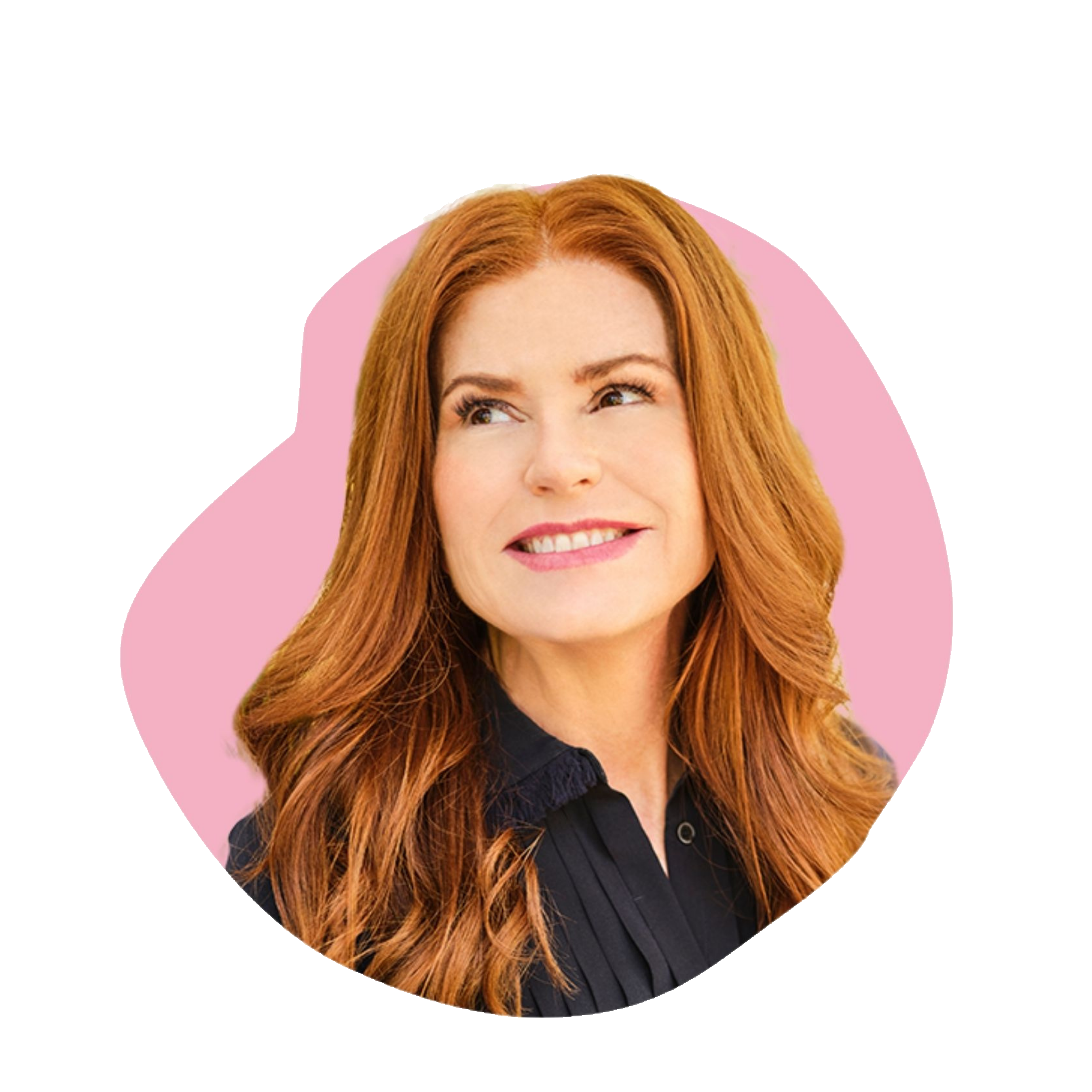
In this episode of Breaking Precedent, host Leah Solivan talks with Kara Goldin, founder and CEO of Hint Water, to talk about her journey from AOL exec to beverage industry disruptor. Kara shares how her father’s influence, a knack for asking the right questions, and a fearless approach to problem-solving led her to create an entirely new category in drinks. She also opens up about learning from visionaries like Jeff Bezos, balancing entrepreneurship with family, and refusing to compromise on product integrity—despite having no industry experience.
Resources from
this episode:
Enjoying this episode of #TheKaraGoldinShow? Let Kara know by clicking on the links below and sending her a quick shout-out on social!
Follow Kara on LinkedIn – Instagram – X – Facebook – TikTok – YouTube – Threads
Have a question for Kara about one of our episodes? Reach out to Kara directly at [email protected]
To learn more about Breaking Precedent:
https://nzpod.co.nz/podcast/breaking-precedent/
Transcript
Kara Goldin 0:00
I am unwilling to give up, that I will start over from scratch as many times as it takes to get where I want to be. I want to be you. Just want to make sure you will get knocked down. But just make sure you don’t get knocked out, knocked out. So your only choice should be go focus on what you can control. Control, control. Hi everyone, and welcome to the Kara Goldin show. Join me each week for inspiring conversations with some of the world’s greatest leaders. We’ll talk with founders, entrepreneurs, CEOs and really, some of the most interesting people of our time. Can’t wait to get started. Let’s go. Let’s go. Today’s episode is a bonus episode. I hope you enjoy it, and please make sure to tune in Monday for a brand new episode of Kara Goldin show. Enjoy it’s the idea plus execution and somebody who’s passionate enough to hang with it, right? Because ideas don’t become companies overnight, and it takes so much longer than you ever thought.
Leah Solivan 1:07
Hi everyone. I’m Leah Solivan, and this is breaking precedent, the podcast where we dive deep into the stories of innovators who are pushing societal boundaries, challenging precedents and setting new ones in their fields. Kara Goldin is no stranger to blazing trails and breaking precedents. As the founder and CEO of hint, well known for its refreshingly flavored waters, Kara didn’t just create a product, she pioneered an entirely new category in the beverage industry.
Kara Goldin 1:36
Often, when you’re actually doing something a little bit different, you may be creating an entirely new category, because it’s not exactly the same, and especially if it comes from a large company.
Leah Solivan 1:47
Her journey began with the simplest of ideas, water that tastes great without sugar or artificial additives. Today, hint is a household name, revolutionizing how we think about our health and hydration.
Kara Goldin 2:00
So one day I decided to put some lemon in water, and I thought, that doesn’t have sweeteners in it. Is that actually going to do the trick for me? Is it going to do the trick for my kids? And it did,
Leah Solivan 2:15
but Kara’s precedent breaking story didn’t start with hint. She became one of the youngest vice presidents at AOL, navigating a male dominated tech world and helping shape the early days of online retail. Her knack for thinking outside the box and tackling challenges head on led her to develop innovative solutions, from reimagining marketing strategies to creating proprietary bottling processes when existing methods couldn’t match her vision, that
Kara Goldin 2:41
is, it’s the same story, right? It just takes somebody who is curious, who’s a little crazy and who’s willing to try.
Leah Solivan 2:50
Growing up in Scottsdale, Arizona, as the youngest of five children, Kara developed resilience, resourcefulness and a deep drive to stand out. Her upbringing in a competitive household nurtured her independent spirit and an inclination for solving problems, qualities that have defined her groundbreaking career.
Kara Goldin 3:09
I remember my dad in those early days looking at packaging, and he would bring tons of packaging home, and he would lay it out on the dining room table, and he would ask me, What do you think
Leah Solivan 3:23
Kara Goldin is here to spill the tea or the hint water, in this case, on how she’s made a career of smashing expectations and turning wild ideas into global success? Buckle up. It’s going to be a refreshing ride.
Kara Goldin 3:36
Preservatives was adding a lot of things that I wasn’t comfortable with. But again, it was an industry standard that was super easy for the large soda companies to do.
Leah Solivan 3:52
All right, I am here with Kara Goldin, Kara, thank you so much for being here on breaking precedent. Absolutely. I’m super excited to be here. Me too. We have so many friends in common, and the first time I heard about hint water was actually at TaskRabbit. And our mutual friend Stacey brown Philpot was coming from Google. And one of the first things she said when she started at TaskRabbit is, where’s the hint water? We need to have hint here in the office that like true story. I was like, I don’t know, tell me about hint water. So that was the first time I heard about hint. And then, of course, we got it at TaskRabbit too.
Kara Goldin 4:33
I love it. And shout out to Stacey. She is the best
Leah Solivan 4:37
I know. As I’ve been sort of immersing myself in your story. By the way, I’ve got my favorite hint bottle here, the raspberry, super great.
Kara Goldin 4:47
I have my pineapple here this morning. I love it so good.
Leah Solivan 4:51
So, you know, I was really inspired by reading your book, undaunted and over the holidays, you know, whatever it’s hard you gain. Ate. You eat a lot of food you like, feel unhealthy. So I was reading your book, and I was like, You know what? I’m just gonna swap in hint for my daily like, beverages. My drinks down five pounds in one week. Not amazing, I know amazing. So I cannot wait to get into your story, because there’s just so many amazing pieces here. You have broken and set so many precedents. We’re going to get into all of it. You were one of the youngest VPS at AOL, one of the few women you were at this very first online shopping company with CD ROMs and sold to AOL, you created a completely new beverage category had never been done successfully before, and you even created proprietary bottling processes. And there’s just so many things that you’ve done throughout your career. When you think about yourself and your career, do you see yourself as someone that breaks precedent? Are you always thinking outside of the box? Or where does that show up in your life?
Kara Goldin 6:04
It’s interesting. I think being the last of five kids definitely helps, and I’ve talked a little bit about this, but also having parents who were 40 when they had me, I think my parents were like, just don’t get in trouble. It’s really good training to be able to go and break new ground do things that no one has done before. It wasn’t that I was necessarily a rule breaker. It just ended up that a lot of the things that I was most interested in doing Nobody had done before. When I was thinking about, Okay, what do I want to do? I graduated from college, and I was a journalism major with a minor in finance, and I really wanted to write. I really wanted to write for Fortune Magazine, because I was inspired by Fortune magazine. Nobody was wanting to work for a magazine company, at least that I was friends with that sort of shared with me that’s what they wanted to do. But I thought, Okay, so I’ve got this big idea that I want to go work for a magazine company. How do I figure that out? And I started going through the pages of the magazine and seeing in the masthead that there was a managing editor, Marshall Loeb, who was the then managing editor of Fortune Magazine. And I thought, I’m just gonna write him. This is before email. This is before anything again, like I didn’t go and share it with a lot of my friends, because I had no idea if it was really gonna work out or not, and so I wrote the letter and sent it off, and actually got a letter back from Marshall that said, if you’re ever in the New York area, then give me a call and have a court review
Leah Solivan 7:52
letter, right? Like, of course, I’ll respond, but like, she’s never gonna show up here, right?
Kara Goldin 7:58
But imagine if you’re 21 and you’re thinking, Okay, what’s the worst that can happen? Nobody writes me back, and he does. And he’s not just an editor, he’s a managing editor. I mean, your 21 year old self is pretty darn excited, right? So I’m like, Okay, gotta get a plane ticket and go out to New York now. And my friends at this point were like, Wait, what are you doing? And I’m like, I know it’s crazy. That was kind of the beginning of my after college career trying to get a job. And ultimately, I talk about this in the book, I didn’t get a job with Fortune, but in the same building at the time was Time Magazine, and when I went to try and see if Marshall would interview me for some kind of writing role, that’s when the head of HR told me, I think he was just trying to be super nice, but that wasn’t really what An invitation. Yeah, right, but I think she took pity on me for actually showing up. And it’s hard to say no to somebody who is this persistent, who takes this much risk, who does something that I guess no 21 year old had done before. But I think it’s such an interesting point, though, because that has really carried through. And you, being an entrepreneur, probably can completely relate to this. It’s like when you think about what’s the worst that can happen if it doesn’t work out? I mean, I always looked at it from a financial standpoint, like it’s going to be too expensive and I couldn’t afford to do it, then maybe I wouldn’t do it. But I thought, would it be worth the risk? Because what if it does right? And I think so much of the time, I would say, when I get to that decision making point where. I’m thinking, okay, there’s two ways this could go. It could go south and I would have lost x, or it could go the best way. And basically, I invested in myself, and I invested in the opportunity to be able to make it happen. And I think about that a lot, right? And I think it’s something also and I give to my kids as advice, but also to people that I’ve mentored over the years, it’s like nothing’s gonna happen, yeah, unless you go try. So you’ve got to figure out if you can afford to do that, if it’s worth the risk.
Leah Solivan 10:41
Yeah, it’s an amazing story about getting that job at time, because when you were sort of turned away, the woman did take pity on you and you asked, you said, Well, is there anything else here in the building, right? And throughout your career and your story, I think there’s a theme of asking. Why? Asking about the next step? Is there anyone else I can talk to? Is there anything else I can do? That persistence, that resilience, is definitely something that stands out. Yeah, and
Kara Goldin 11:14
I think that’s a really good point. I mean, I’m sort of jumping ahead, but in a real life example, with him, I had never done beverages before. I had never actually produced, created a physical product. I had worked in services, whether it was publishing or cable television and then a CD ROM, but I had never produced a liquid product that was going to go into stores. And what I figured out early on was that if we were going to be on the shelf in a store with just two flavors, and we were sitting next to 18 feet of Vitamin Water, colorful product and but also a lot more than what we had. We would lose, right? We would eventually get kicked off of the shelf because consumers couldn’t see it. We look like an afterthought. We look like we were gonna get discontinued all of those things. So the question I would ask so often was what would it take for us to be able to have that kind of space? And that was really a big lesson for us moving forward, because we were able to say to buyers, then, well, the last time we were in here asking for more than two facings. You said to us, if you could actually show us that your dollars per square foot on a shelf were higher than whoever then we could be convinced to give you more space. So that’s what we did. And what was interesting is when you only have two SKUs, the other thing that we learned is that if we weren’t going to be able to be successful, if that retailer wasn’t going to be able to give us that information that we were asking, maybe we should say to them, You know what, we need to wait until we can get that data that you need from another retailer to share that with you, because we’re convinced that if you give us more space, the consumer is going to see it and we’re going to be able to be much more successful with you than not. So this is a great example of, don’t be afraid to say, this isn’t going to work out right. Don’t be so desperate that you’re just trying to get on the shelf. We were at certain points. But once you start learning about what your customer will do, once you really know how to stand out, then don’t be afraid to share that and stand up for it.
Leah Solivan 14:08
It’s amazing. I have so many questions that I want to dig into, but first I want to take you back to being that fifth child at home. One thing that struck me is your exposure to your father’s career, and he had invented the healthy choice frozen meals. I mean, he had invented this food product, you know, at the corporation he was at, can you talk a little bit about what it meant to you, kind of watching him be an inventor, but inside a large corporation and maybe not get all of the credit that he deserved, et cetera.
Kara Goldin 14:45
Well, I don’t think I fully realized it until years later, how different that was. I think I knew a lot more about what my dad did than a lot of my friends in terms of what their parents did. It. I felt like if they were a doctor or lawyer or something like that, then that’s one thing. But if they were in some sort of marketing role, maybe they knew the company that fathers or mothers work for. But that was it. It was interesting, because healthy choice, a lot of people don’t know this, but healthy choice actually started inside of armor food company. If people remember armor hot dogs? Yeah. So my father worked for armor food company initially when we moved from Minnesota to Arizona, and it’s interesting, because Safeway was one of his clients, and Safeway wanted to do a product that really went up against a product called stouffers.
Leah Solivan 15:44
I remember this is like my childhood right here, yes, right with the little brownie, like in the corner you put it in the oven. Yes, I was all over that.
Kara Goldin 15:53
So while my father was working with Safeway to come up with and it was essentially a private label product, initially for Safeway, called Dinner classics, and it was brought to you and created by armor food company. While he was creating these products, my mom was also going back to work, so I had just entered kindergarten, so I had a full day of school, right? And my mom was like, I’m out. Yeah, I’m gonna go and get a job. We know what that feels like, totally and so all of us kids were off. My oldest brother and sister are actually 12 and 13 years older than me. And then we almost have a second family where I have a sister two years older and a brother three years older. And so there weren’t five of us really at home. There were three kids at home, but we were all off at school. So I remember my dad in those early days looking at packaging, and he would bring tons of packaging home, and he would lay it out on the dining room table, and he would ask me, like, what do you think? And she would have the food photographed. And I was always curious, like, about the different items. And like, why can’t you just take a photograph here? And he would talk to me about the lighting, and all these things that I’m sure, again, like, I was just curious and probably bored too. So I was like, Oh, why does it have to be on our dining room table and things like the original packaging was green. I remember packaging, yeah, yeah. But the one thing that my dad did that I don’t think while he was alive got credit for, was he believed that the stories behind the products were a way to actually bring the consumer into the product and really differentiate what they were doing versus stouffers, what he did was actually start to tell the story of the shrimp fishermen and how they wouldn’t be home for breakfast with their kids, like many other parents, because they were out on the boats, because the best shrimp actually came in the morning. And he was a journalism major as well, and so he initially was writing these out. What’s interesting is the original dinner classics packaging had these stories on them, and then when they were acquired by ConAgra, they shifted the name from dinner classics over to healthy choice, okay, and they discontinued the storytelling. So the thing that I remembered the most was my dad thinking that was a really wrong decision, right? And their rationale, and I think initially, he was talking to my mom about it, but I would overhear it, and the initial rationale was, storytelling makes it look like it’s a small company, and we don’t want to look like a small company. And, I mean, it’s just a great example of how marketing trends, marketing
Leah Solivan 19:12
beliefs, just a different time, right? Yeah, yeah, right, totally.
Kara Goldin 19:16
So I remember thinking that he was right, yeah. I mean that. I think that I would want to hold on to the package. I wanted to get closer to really understanding. And again, this is way before people were talking about sourcing of product. And he was way ahead of his time. He was way ahead. In fact, it’s interesting, a few years ago and he passed away over 10 years ago. Now, but a few years ago, an agency reached out to me and was looking for my dad, and they said, Hey, his name’s Bill Keenan. We were looking for Bill Keenan. And I said, why? And they said, Well, we are. Working on a product that we know he created, and we were looking at some early packaging that he did that had some storytelling on it, and we want to talk to him about it, because some of these stories were really good. And I was silent. I was like, okay, my dad is, like applauding, saying, I told you so yes, because he always loved his stories and always believed it. So anyway, I don’t think they actually went as far as to go and use those stories, but even that, they were considering using, what a legacy, what a legacy. It was super great.
Leah Solivan 20:41
So what did dad think about hint when you got it started?
Kara Goldin 20:45
So it’s funny, he was alive when we started. And our first store, you live in the Bay Area, so you’re familiar a little bit with the stores, but our first store was Whole Foods in San Francisco on Franklin and then California and beyond that, I had thought, Gosh, I want to get it into a big store down in the marina, there’s a Safeway. And I thought, Okay, I want to get it into Safeway. So I went to Safeway, and the person stocking the shelf said, Well, I can’t possibly put it on the shelf because there’s planograms, and that’s something that I don’t think I’d ever really heard my dad talk about, although it was clearly the case, but I think that it was at that point when I called my dad and I said I tried to get the product into Safeway, but they said that there’s a planogram in place. And do you know how I get to the person who’s doing the planogram, and hold
Leah Solivan 21:44
on, what’s a planogram? I don’t know what a planogram is exactly.
Kara Goldin 21:48
And so a planogram is basically a map that says that, in the case of the frozen section, this is where the healthy choice products are going to go, and this is where stouff versus gonna go, okay? And so often these large companies, in the case of ConAgra, I’m sure they still control much of The Cold Case, the frozen case, yeah. And then in the case of beverages, there is, you know, the large ones are Coke and Pepsi. And so they often pay dollars to actually control a certain portion of those shelves. Now, when you get to companies that are in the natural space, like a Whole Foods, for example, they didn’t have a planogram that was at least at that point, that was kind of a roadblock, but the conventional grocery stores did so when I said to him, Okay, well, how do I find this person who controls the planogram? And that’s when I realized something really key, which is there is a person inside of coke or ConAgra that actually deals with the planogram, and they say, Okay, we’re gonna control this much. And then once you know that, for example, you own 75% of the frozen dinners, then internally, you’ve got to negotiate with everybody who has products that need to be frozen inside of ConAgra, which is very different than taking my bottle a hint to have a buyer approval. So it was just different. And so that was the first time that I realized this. But I said, Okay, can you help me? And he said, I have no idea. I have no idea how that stuff is done because I’m just creating a product, and somebody else is responsible for that, right, right? So that was the first point that I really realized there was a
Leah Solivan 23:50
connection to what he had done and what he was doing to what you
Kara Goldin 23:55
were doing. How different it was, yeah, to be a large company versus a company, because most people at Coke or Pepsi are not actually going in and negotiating with grocery buyers, especially people who are creating the product, bottling the product, all of those things.
Leah Solivan 24:15
Yeah, so you went on to Arizona State. We talked about how you got this amazing job at time you ended up popping over to CNN for sort of this upgrade. But then I’m really interested in what pulled you into this little tiny startup that was Steve Jobs idea that was rolled out of apple that was the very first company to put catalogs on CD ROMs. It’s just so fascinating to me, because that is so groundbreaking as well. How did you find that opportunity? What drew you into it?
Kara Goldin 24:51
I left time and was recruited out to go to CNN, and you have to understand that ABC News and all the six o’clock. 10 O’Clock News, national news companies were like the gold standard. They had measurement. They had all of these things. I thought, if I kill it at CNN, then maybe I can go and work at ABC or NBC, or one of those gold standards. But what I didn’t realize going to CNN was that there was no measurement, and so basically we were going into ad agencies, totally new thing for me, and not having any data, any details at all. And I would watch Ted Turner. I mean, this is a fairly small company, but that was really the first time that I saw a founder led company in action. But I didn’t go to CNN because it was founder led I went to CNN because I thought, Oh, it’s a pretty good idea, and it’s a stepping stone to what I want to do. And it was
Leah Solivan 25:55
still small at that point. It was small enough that you had exposure to the founder. Was it still considered a startup at that time,
Kara Goldin 26:01
totally, it was a later stage startup. But again, they weren’t on the map. Yeah, they were in, I don’t know, 40% of households when I first started there, and maybe 12% internationally. But it was when Saddam Hussein realized that his country was being bombed, right? That was a turning point for a company, but going back to Ted, and was married to Jane Fonda at the time, so Jane Fonda would come into the office too. So she was more like the star power, like, Oh, I wonder if Jane’s gonna be in here. But it was somebody who’s got a vision and a passion. And I still say that’s electrifying. There’s a big difference, I believe, in a founder led, especially the crazies, right? The people that have this energy. That was the first time that I had ever seen that, and nobody had really talked to me about that prior. I didn’t know that going into it, but I liked it. I love the feeling of it. Now, I met my soon to be husband, Theo, when I was in New York, and it was interesting because he would watch me when I had wins, like I would get a deal done, and he would watch me get it done. It was always like, Nope, I’m going to get it done. I’m going to keep being persistent, relentless. I’m going to keep telling the story. I’m going to see what I can get done, and how electrifying It was to be able to do something that again. It shouldn’t have succeeded. We didn’t have the numbers, we didn’t have the data, but there was a turning point that made it happen, and it was exciting. And he was in law school, and he was really the impetus for us moving out to San Francisco, because he’s like, I want to do something that I’m as passionate about as you are. And I said, Okay, you should go do that. And so he is like, but I’m getting all these offers from law firms out in New York, and I, what I really want to do is something related to the internet. For example, who owns the site? The Earl, as we used to call it, for www J crew.com It was not clear who owned that, and so he said, this is called intellectual property, and what I want to do is work on this. So as he’s interviewing for jobs with some of the bigger law firms, many of the partners would say, Listen, you need to go west. You can go west for a couple years and then come back here, and that’ll be great experience, but it’s all happening in San Francisco. So we got engaged and we came west. Now this is 1994 and at least in 1994 when you’ve worked for the mother ship media company to mothership between time and CNN, yes, going out to San Francisco was considered a satellite office, very different than working in the national mothership office. So I was struggling with whether or not I go and work for CNN or even work for time, the jobs were just different than what they were and a lot of other publications, but they were satellite. And so I remembered something that my dad always said, when if you’re stuck and you It’s terrible to stay complacent, but if you’re stuck and you don’t know what to do. And he sort of applied this to when I was cold calling for brands at CNN. But he said, look for the brands. Look for the things that you can just off the top of your head. Say, these are the brands, and look for the brands that are in. San Francisco. Okay, so I was really challenged with like brands that I would think about in San Francisco. I thought Ghirardelli, Levi’s. I mean, there were a few that I thought are kind of interesting, but the one that I had actually owned a product from, and really knew who the founder was, because, again, I had a taste of a founder led company was apple and Steve Jobs, right? So I thought, okay, that’s where I’m going to go get a job. I don’t know how I’m going to get a job there, because I’m not an engineer. I’m not a programmer. I don’t really know that much about computers other than the fact that I’ve used them, but the main reason why I didn’t actually try was because it was 100 miles from San Francisco, right? As you know, Cupertino and I was pretty far. Yeah, it’s far. My husband had gotten a job with a firm in New York, and I thought, okay, maybe that’s doable every once in a while, but every day that’s like painful. But as I was looking all of this information up, I had a subscription to The Wall Street Journal, and this gentleman journalist, Walt Mossberg, used to write this column all about different tech companies, and he had written about Steve Jobs and the CD ROM shopping company, and when I looked up where it was, it was in San Mateo. And I thought, well, it’s not San Francisco, but it’s kind of close. Yeah, it’s all right. So I cold, called the gentleman, and more than anything, I was hopeful that Steve Jobs was hanging out at that office right that he had these guys had all spun out this company from Apple. I couldn’t figure out if Steve had any involvement in the company. That was kind of what I was thinking when I went to go meet with them. Now, what I didn’t expect right away was sort of a informational, hey, let’s get together for coffee. I think one of the things that he was most interested in, because he was asking me, oh, what had you done in New York? And I said, I had worked for CNN, and he was very inspired by Ted Turner. And so I said, Why don’t we swap stories about Steve Jobs and Ted Turner and like, again, like, I thought this was just coffee, yes, then all of a sudden I have a job offer in front of me and a contract. And he said, what we need you to do is very similar to what you were doing at CNN, which was, there’s no map, there’s no measurement. We don’t really know if it’s going to work or not, but why don’t you go out and call retailers like Levi’s and Ghirardelli and J Crew and all over the country and see if they’ll actually put their catalog on the CD. And I thought that sounds fun. I love all of those brands. I love brands, right? So that sounds great. What I didn’t know was that there was a whole lot of education. The first thing I learned, and probably the reason why they had pointed me towards focusing on calling this a catalog, was that unless they had a back end operation to actually ship individual orders, it was going to be very difficult for them to do what we wanted them to do. So in the case of the gap, for example, the gap didn’t have a direct to consumer business, and so for them, shipping pallets of product to stores all over the country was one thing, but shipping individual products is a very different thing, right? So that was the start of another thing that I thought, what’s the worst that can happen? I mean, this is like, there’s a lot to learn here, but every single day, I thought, if I don’t get up and do this, then no one else is going to do it. And there were some other services, online services out there that we were competing against, including one of the companies that was an investor in our company, America Online, and I didn’t have a whole lot of interactions with them, because I was just the head of partnerships at to market. Was the name of the CD ROM company. But eventually we needed capital. I heard the guys who started the company say we’re getting really tight on cash. This is the first time that I had ever really been close enough and had worked in a smallish environment where I thought, I hope we make it right. But I was privy to a lot more information than I was. As in a later stage startup CNN, that was exciting, and also saw that our investor decided that it would make more sense to just acquire US. And they acquired us, basically for the partnerships that I had formed and I had built on this little CD ROM. And so they said, Okay, we’re going to acquire this company.
Leah Solivan 35:23
And this is AOL. This is AOL coming in, doing the acquisition.
Kara Goldin 35:27
Yep, exactly. And so part of the acquisition is we would like you to come and run this marketplace for us. And I thought, Okay, now it’s online versus a CD ROM. Actually, in the beginning we were doing both, and then eventually we discontinued, once the data speeds sort of sped up, because, again, this is the days of dial up the wild west for the internet. It was instant messaging, and all those things were just getting started. It was a very exciting time. It’s fun to look back on those times, because I love creating, and I know that I love creating because I’ve had to, right? And I’ve had
Leah Solivan 36:16
to, that’s so key, right, right? You weren’t given a choice. You had to, yeah,
Kara Goldin 36:21
but I think back and my mom was an artist and an art history major, and I loved creating and drawing, but I always thought creating was that like putting pen to paper, or she was always doing different projects. We had a kiln where she would do stained glass or knitting or quilting, or always doing something and so that for me was creating, and yet creating can actually be creating businesses, right, yes, and figuring out, how do I work outside of these confinement like these parameters, which are very challenging for a lot of people to do, but you need somebody who’s creative in order to do a lot of things around business that
Leah Solivan 37:09
hasn’t been done and sort of comfortable in the uncomfortableness, right? And completely undaunted, to take the title from your book on what needs to be done. And so there’s a great story in the book. I think people should definitely read about you negotiating your role at AOL. I’m going to leave it there, but you do end up at AOL full time. And there’s this other just incredible story. Talk about getting exposure to founders. So we talked about Steve Jobs, we talked about Ted Turner. Can we please talk about the early exposure you had to Jeff Bezos and this crazy meeting. You’re an AOL Exec. You fly up to Seattle. I mean, the story is incredible, and I think it’s like for you, you’re still forming this idea of what a founder is and how they’re creating. Can you share that story and tell us how it impacted you?
Kara Goldin 38:04
Yeah, totally. So had built out the marketplace for AOL and had really thought about it actually, I think back on this too, because I felt like there were other services, CompuServe and prodigy. I don’t know if you remember those services, but they weren’t doing it better than we were. And yet, I think that this is another lesson that I’ll leave with people too, is that if you’re the best, you always have to keep raising the bar right. You always have to keep not staying, not ever letting yourself be in a position where you’re going to stay complacent. And so I always thought about that as, okay, how do we get better? And the closest thing that I could visualize. Because, again, none of my obvious competitors were doing it better than us. I remember going down to the Stanford Mall.
Leah Solivan 39:02
One the Stanford mall, live race Stanford mall, yeah, and
Kara Goldin 39:06
it was still great back there in the early 90s. But I thought this mall is really different than some of the other malls that are out there. And what is the most different aspect of it, well, I started to look at like the big stores, the Macy’s and the Nordstroms or Bloomingdale’s or whatever it is, versus some of the JC Penney’s and Sears. Yeah, not that those were bad. They were just different. And so I decided one day to call the mall developer, because on the sign, again, it’s like the masthead. I had no idea what I was doing. And again, I was like, so how do you become a retailer in this mall? Yeah. And he said, Do you have a store? And I said, No, I’m just curious. Like, how do you value. You the real estate. And so I ended up getting into more than a few discussions. Then I went back to another mall, actually in Arizona, that had the Sears and the JC Penney as anchors. And I started to see that having an anchor as an anchor tenant would bring in these other brands if I could get those, then that would be helpful. I also started to notice that every single mall at that point this before iTunes had a music store, all the good ones had a bookstore. So that’s what I used as a model in order? Yeah, yeah. And it’s something that I talk about and think about, still to this day, sometimes it’s better to look outside of your industry for the answers that you need, especially if you’re trying to up your own game, right? So that was where I was inspired. The other thing that I tried to bring in, by the way, now that we’re talking about Bay Area, was Fourth Street and Berkeley Restoration Hardware was just starting. There was this company, nature company, a lot of those companies were new and cool, and they were startups. I wanted to bring in that essence, because that’s how we would differentiate ourselves from a physical mall, that they could actually come into this environment with AOL, the consumer could, and they could get it all in one place, which was very different than a mall. So sometimes you can even one up some of the people that you’re talking to and do it better than what they’re doing, and they’ll share with you, because they don’t see you as a competitor, right? And so I think that’s a very big lesson that I’ve been able to use just great in business. So we had every single category covered, but we didn’t have books, yeah, and I had gone to Barnes and Noble and Borders, and they each said no, and they’re like, Nope, we’re gonna do our own direct to consumer. We don’t need America Online to help us. And I thought, Okay, well, I really need a book vendor. And I had heard about Jeff, and he was tiny, right? And he was in Seattle, and I thought, he’s making some progress, but how is he ever going to compete? I mean, borders and Barnes and Noble were like going head to head, and they were just much bigger. So I thought, Okay, well, maybe I can get Amazon on our service if he can actually do what we need him to do, and then I can show borders and Barnes and Noble that they should actually draw them in. Yeah. So I reached out to Jeff, and he said, maybe, like I might be interested. But if you want to come here, and we can talk about it, but you have to come here meet me, actually, at the warehouse. It’s not far from the Seattle airport, and meet me there at five o’clock. So I’m like, Okay, I’m coming. I dragged somebody else from our office. I’m like, come with me. Let’s go. So we get there and I’m driving around. I actually had one of those large phones. This is 1996 with me, thankfully, to make some phone calls. And so it’s 515 and I’m like, there is no I can’t find this anywhere, so I’m gonna
Leah Solivan 43:29
call him. So there’s no addresses, there’s no numbers on these buildings. Cannot find them anywhere.
Kara Goldin 43:34
So I finally call him, and he said, Oh, let me go outside. There’s no numbers on the building. And so here’s Jeff Bezos, like, moving his arm, waving you down. Yeah. I said, Oh my God, thank God. And he said, okay, but I can’t meet now. And I said, Wait, what? And he said, I can’t meet now because. And I said, but there were no numbers on the building. I couldn’t find you. And he said, I have so many books to put away, and I have to set up all of these different shelves units. And I said, Well, I’ll help you. We can talk while because, again, I wanted to know whether or not I could get this guy on so that I could get borders or Barnes and Noble movement as quick as possible. Yes. And so I said, I’ll help you set up the bookshelves. He’s like, Have you ever set up a bookshelf? And I’m like, Oh, I’ve done it all the time. Truth be told, I hadn’t done it. But I thought, okay, it’s all fine. So I went in with them. We’re setting up the bookshelves.
Leah Solivan 44:33
Is it like IKEA, like the little allen wrench thing?
Kara Goldin 44:37
So much easier. They were like Home Depot, like, they were like, tubes that you stick in. It was super simple. I had it, yeah, thank God that it wasn’t I mean, I probably could have pulled it off. I didn’t have tasks, grab a back then, or anything. But I was like, it’s gonna be fine. So you’re building bookshelves. We’re building shelves. Okay, exactly. And Jeff is doing. It, yeah, and it’s all good. And I’m really starting to think through this whole visual. First of all, I felt like he wasn’t the most friendly guy in the world. He basically was like, Okay, here it is. And he was like, tell me why I should do this and basically sell me. And I’m thinking, Okay, well, here’s what we’re doing. And I said, Okay, Jeff, let me ask you this question, because I’m really thinking that the CEO of the company is building bookshelves. I don’t know that this is all going to work out. I mean, we were actually getting good traction on AOL, and not sure this all going to work out. So it’s a Jeff. So tell me, why do you think that you can compete against borders and Barnes and Noble. And he said, Well, let me ask you this, do you read? And I’m like, I do, Jeff, I do read. Like I’m thinking, God, is this a trick question?
Leah Solivan 45:55
Yeah, walking into a trap here. Yeah.
Kara Goldin 45:59
And he said, So do you ever go to Barnes and Noble or borders and ask the guy behind the counter for a recommendation? And I’m like, Yeah, probably. And he said, So how successful are they with the recommendations for you? And I said, well, they can’t possibly know. And he said, So, the future of book sales? And then he stopped me, said that the future of online sales is recommendations. And I remember thinking, wow, that’s big. I mean,
Leah Solivan 46:38
that’s really, he’s right, yeah, but yeah,
Kara Goldin 46:41
actually, I was thinking, he’s a dreamer, right? He’s not an executor. He’s just like, Okay, we’re gonna wait for recommendations. And we all know the story. I mean, this is 1996 it took him at least 20 years, yeah, to actually even get close to these recommendations, and so I think. But again, that’s the founder, visionary, the crazy. He had this idea, but on a parallel path, he just kept going and kept creating right and he really believed that eventually the technology would be there. We ended up working with Jeff, and we actually signed a non exclusive, and we ended up doing work with actually borders for a moment, and then Barnes and Noble as well. But it’s interesting, because I don’t think I ever really thought or believed that Amazon would ever bypass the brands, right? And I think that’s a whole other thing when you’ve lived through seeing brands lose right, if they’re not willing to challenge themselves, whether that’s add new technology or come up with new ways of doing business, then they could die, right? And it’s interesting data point, I think, for anybody listening,
Leah Solivan 48:13
I think so too. And so you file all these things away, you’ve had a lot of experience, a lot of data points, a lot of exposure to different companies, different founders, different ways of operating. You take some time off from AOL after super successful career, you at that point, I think, have a couple of kids. We’re both in the four kid club. And when I was reading the part in your book, I mean, your first delivery was very tough. Ended in C section, as did mine. Sort of traumatic to go on after that and have three more, like, talk about being undaunted, right there with, like, three more C sections I can’t even begin to fathom. And so it was between your third and your fourth child that really hint kind of came together. Can you talk a little bit about the origin story and how you decided to start this beverage company in a completely new space, in a completely new category.
Kara Goldin 49:11
Yeah, I don’t even think I stopped and said, I’m gonna go start a beverage company. To your point, I had taken time off. Actually, Theo, my husband, at this point, he went in house counsel at a company called Netscape. So he was at Netscape and AOL, and actually all my former companies, CNN and Time Warner, were all coming together
Leah Solivan 49:34
and all merging, yes. And I was like, Okay,
Kara Goldin 49:37
this is chapter. Yeah. I’m out. You guys do this now it’s really big. Yeah, it was a billion dollars in revenue that this direct to consumer group within AOL was now bringing in. And I thought, okay, you know what? I live in San Francisco. We never moved back to New York. I was on the plane all the time. I want to be. A present parent as much as possible, and that’s as far as I had gotten. So when I had some more time, that’s when I started looking at, okay, how do I have healthier things in the house, not only for my kids, but for myself? This is the early 2000s no one was talking about organic or hormone free. We had this company called Web van.
Leah Solivan 50:26
I remember web van. I would get so many questions about web van when I was pitching TaskRabbit. It’s crazy, yeah, yeah.
Kara Goldin 50:34
And it’s, I remember, like, just being such a luxury, like it was so great. I loved it. But anyway, there were a lot of new products that I was seeing, and I felt like also, we live in a place where it was possible to get organic milk or hormone free milk, and there were a lot of other places in the US where that wasn’t possible, but it was the first time I sort of opened my eyes to really paying attention to food. And it’s ironic actually, going back to my father’s story, because my dad was so interested in that topic, that trend, as he said, like people are going to get there eventually and want to understand sourcing and healthier things. And anyway, so it was at that time when I thought, I want to try to give my kids a lot healthier things. I found that my oldest kids, when I would give them apple juice in the sippy cup, that they would act differently at the park than if I Sugar Rush is terrible. Yeah, right. Had given them like milk, but I didn’t want to give them too much milk, because it was constipating and everything else. So I started just really thinking about, how do I move them away from the apple juice? They never wanted plain water. And so I started trying to dilute the water with juice, and they were on to me, right?
Speaker 1 52:01
Like, I’m trying that too.
Kara Goldin 52:03
You can’t do this. Come on. It was again, like this, like little experiment that I was doing. And then what I realized is that I was drinking diet soda, Diet Coke in particular, and it had sweeteners, and I wouldn’t give my young kids diet sweeteners, yet I didn’t want to give them a whole lot of sugar. And I thought, how do I move my family away from Sweet? Because it wasn’t just for me, just about the sugar. I thought, I’m super addicted to my diet coke, and I think it’s more about the taste than it is even about it being bubbly. I started really thinking about it, what? And again, yeah, no one like this isn’t something that you go talk to your girlfriend about. Maybe I would talk to my husband about it, but it wasn’t something that I was broadcasting to everybody, right? So one day, I decided to put some lemon in water, and I thought, that doesn’t have sweeteners in it. Is that actually going to do the trick for me? Is it going to do the trick for my kids? And it did. So that was like the initial living in San Francisco, the initial hint. And then I started playing with, okay, what other fruits I went to local Whole Foods and started buying like pomegranate and raspberries and trying different things. And so that was when actually I said to the guy that was stocking the shelves at Whole Foods, I said, I’ve got this idea for a product. And is there anything like this? Again, I wanted to buy the product, right? I didn’t want to make it, but it wasn’t on the show. It wasn’t and available, right? And he misunderstood me and said, You mean, like you’re starting a company? And I said, Sure, I’m starting your company. I had no idea what I was talking about, but I was like, Yeah, I guess so. I’ll start a company, if it’s not already out there. And he said, this was probably the second time I came back, and I was asking him some more questions. I’m like, so how does it work? Like, what do you need from me? And he said, so did you work for, like, Pepsi? Did you work? No, no, I worked for AOL. He’s like, Oh, I didn’t know they had a beverage company. I’m like, no, they don’t. It was just crazy conversation. So as I’m thinking about this and incubating it, I didn’t realize but I was pregnant with our fourth child, so I always say Justin was our first employee or co founder, however you want to say it, because he was in my stomach while I’m like, incubating this idea, right? And I thought, what’s the worst that can happen? Maybe it’s keeping my brain thinking about something that I’m already thinking about, which is healthier products, and looking at everything in the beverage industry. At this point, I’d given up drinking diet soda, but my curiosity was. Engaged. Was excited. There was no map, right? I didn’t know what questions to ask, so I really had to rely on everything that I was seeing as a consumer.
Leah Solivan 55:11
How much do you think that sort of outsider view helped you create what you did with hint? Did that end up being like, I’m sure it felt like, Oh, this is like a huge learning curve. I need to figure out all these processes, the bottling and everything. But looking back, do you think that outsider view helped you achieve what you wanted to
Kara Goldin 55:35
I think having an outsider view was definitely key, because I think that so often, going back to the planogram discussions that we were having earlier, when people are creating products, they’re often thinking about, Okay, well, I want to be better than that other product because it’s successful, right? No one wants to do a product exactly like something that isn’t working right, it’s always going to be a little bit different. And often, when you’re actually doing something a little bit different, you may be creating an entirely new category, because it’s not exactly the same, and especially if it comes from a large company. And again, this isn’t just in the beverage industry, but in a lot of different industries. In our case, there was soda, there was diet soda, there was water, and then there was something called Enhanced water, which typically, Sobey was kind of that. And then vitamin water was the home run in that category. So doing a product that wasn’t sweet didn’t really fit into that. But again, like I didn’t set out to start a beverage company, and certainly didn’t set out to start a beverage company that was creating an entirely new category. I mean, that’s a very daunting thing to do, especially when you didn’t come from the beverage industry, so I don’t think anybody would be crazy enough to go do that with their own capital, right? But also, like with nobody but my husband, Theo, who was now understood that I was pregnant with our fourth child, and was jumping into an industry and writing $50,000 checks for bottles. I mean, it was crazy town. Yeah.
Leah Solivan 57:25
I mean, you don’t go from zero to a million overnight. So two things, I think one of the big turning points, let’s see if you agree with this, is figuring out how a process for bottling that you didn’t require the preservatives, so it extended the shelf life. And that shelf life extension enabled you to get national distribution and really scale, but it was very complicated to figure out. I love, love the story from the book about Theo chugging bottles of hint water that had the shorter shelf life, but ended up with a little cloudy float in it, and he’s like, it’s totally safe to drink, and he just chugs it right there in the store. I mean, that must have been so surprising to these Whole Foods buyers, right? Yeah.
Kara Goldin 58:15
I mean, that’s like, par for the course for Theo, not that he is going to drink. We called it smeggy water when it was, like, funny looking, but going back to explain it a little bit more, it was, I wanted a product that didn’t have sweeteners in it, but didn’t have preservatives, because preservatives was adding a lot of things that I wasn’t comfortable with. Yeah, but again, it was an industry standard that was super easy for the large soda companies to do, still is yes, yeah, yeah, but I didn’t want it, and I wanted to know why it wasn’t possible. And no one had the answer for me why it wasn’t possible that was bottling this product, and I thought it was comical, frankly, that I would ask people in an industry, again, I hadn’t come from the industry, why do you have to use it? And people said, just because. And, you know, in the tech industry, just because was okay, they haven’t really figured it out yet, but it’s probably possible, but no one’s really figured it out. That’s exciting, right? Yes. And so I thought, Okay, we’ve got to figure this out, and in the meantime, we’ll just do shorter shelf life. Now, during that period of time, while we were trying to figure out how we would ultimately get to what we wanted to do, there were points where the product maybe we had a three month shelf life, and it should have been two and a half months, yeah, and at that point, it was the smeggy water. So moldin Water, by the way, doesn’t look like black. Typically, it actually looks like, almost like a cloud. And so we just nicked. Named it like smeggy water, as I’m going out to like. Again, we didn’t have huge distribution, but we would pull bottles that look like because we were still trying to figure it out how to fly the plane while we’re building it. I will also say too that Theo had worked in a law firm and had actually worked on The Ed Walla case where there was botulism, yeah, and we didn’t want to go there. So every day that we would get these bottles where we would see this problem, we would take it to a lab in South San Francisco and have it tested, because the last thing we wanted to do was make anyone sick or kill anybody. We took it very seriously. So that’s where he got the confidence that when we missed a bottle and the whole foods buyer called us and said, You need to get this product off the shelf, we were able to say that it’s not going to kill you. And again, we had, like, sort of seen for ourselves that things like, for example, blue cheese is mold. Yeah, there is mold in Kara. They said, No, I love blue cheese, right? No one has this. And we were like, actually, people do have it. It’s just not very good looking. I agree with you, but give us another shot. Yeah. And so when he chugged the product, he said, I’m not gonna get sick. And I mean, seeing the buyer’s face at that point only imagine she was like, I have to tell you, no one has ever done that when I’ve said that, we’re gonna recall it. And again, like sometimes when you do the unexpected, yes, and you show them that you’re willing to take the risk and again, like it was a risk where I didn’t want the father of my children to get sick or die, but he was confident after we knew what we knew. So that was one of the funny stories.
Leah Solivan 1:01:56
Is so funny, and it’s fascinating too, because there’s a moment in the book that you’re really trying to figure out the shelf life problem and extending it. And Theo’s kind of messing around with an espresso machine. And he’s like, Oh, this hot and cold. I mean, I don’t understand all the science behind it, but he says to you, he’s like, I don’t think we can do it. And you say, well, then what can we do? What are we going to do right now? And I just love that you were unwilling to falter on the integrity of the company you were building, the product you were putting out there. You were unwilling. The easy path would have been sure, let’s add the preservatives, let’s extend the shelf life. Maybe that would have been the easy path, and say, like, oh, and then in the background, as we scale and make all this money, we’ll, like, figure out how to roll it back. But no, you were like, No, this is the product. What can we do with it right now? I just loved that.
Kara Goldin 1:02:55
Thank you. Well, and I’m sure you are the same. I mean, you can probably think back on times when you wanted to go do something, yeah, but again, you don’t stop. You just keep figuring out, what can you do. And sometimes those steps that you’re going to take are the things that allow you to figure out if you should go right or go left right. And I think that when you’re thinking about, what can you do, you don’t think about that part. You don’t think about, okay, if I go do this. I mean, it’s sort of a the Jeff Bezos story is I’m going to get this so that I can actually get what I really want. But the reality is that step may be just fine, and you just need to expand on it.
Leah Solivan 1:03:45
So it’s not the easy path, though, not the easy not the easy path.
Kara Goldin 1:03:50
But I think that’s the path of many founders, no matter what industry you’re in, is that you have to try and you have to go and break new ground and see what can be done. Because when people are telling you that something can’t be done, you can’t produce a product that is all natural with no preservatives in it, and they don’t have the answer, then they may not know, right, right, right, which seem really shocking to me. But you know, I think that the other thing that we’re very proud of is that when we ultimately did figure it out, many people in the beverage industry started to use it, and so we not only created a product or a way of doing business for ourself, but many others. You set a new precedent in the industry. Right? It can be done. It’s not easy, but it can be done.
Leah Solivan 1:04:44
Yep, and others could replicate and build off of it. I mean, that’s the step function change that not only you provided for hint, but you provided for an entire industry,
Kara Goldin 1:04:54
totally I mean, we didn’t have a patent on the process. I don’t even think we could have gotten it patented.
Leah Solivan 1:05:00
We I’m sure Theo would have been all over it if you could have.
Kara Goldin 1:05:03
But I think that’s an important point. Sometimes you can change an industry, not just around creating a company, but you can also start to change processes, because you’re willing to admit that you don’t have all the answer, right, right? And so when everyone’s telling you, oh, you can’t create a platform to actually help people do tasks, right? Like, who would do that? Who would do it nationwide? I mean, you can’t possibly do that. There’s too many things that can go wrong and things that could go wrong, and you’re not there. And I’m sure I can only imagine, right? But that is, it’s the same story. Yeah, right. It just takes somebody who is curious, who’s a little crazy, and who’s willing to try.
Leah Solivan 1:05:50
So I have this theory that when precedents are broken, they fall into one of three categories, okay? And I call it sunrise, tide, Rainbow, a sunrise, is a precedent that is inevitably going to happen. It’s like consumer trends or just timing. It’s like the sun rises every day, no matter what you’re doing. The tide is a precedent that may go backwards. It can ebb and flow. It could take us back to a different time, but the rainbow is a precedent that is kind of this delightful left turn, this surprise, maybe seemingly out of nowhere, it may not have the momentum that a sunrise does when you think about what you created with hint. Do you think it’s a sunrise? Is it inevitable? Would someone else have built it? Or do you think it’s a rainbow? It’s like it took you to dream this up and go and build it.
Kara Goldin 1:06:51
I think it’s a rainbow, because I think sometimes you seeing that you don’t have something that you want in your life. It’s like my theory that ideas are a dime a dozen. How many times have you said, Oh, I’m trying to figure out how to call somebody to go and do this task I’ll go back to TaskRabbit because I love it, but you don’t know how to do that. It takes a little bit of crazy right to go and do that, and effort and execution and all of those things. So I guess that’s the rainbow, right? Like, I think that it’s not that the idea is impossible to dream up. It’s the idea plus execution and somebody who’s passionate enough to hang with it, right? Because ideas don’t become companies overnight, and it takes so much longer than you ever thought all of those pieces. So I think that’s the piece that is hard, right? Somebody who’s worked inside of a large company, who maybe isn’t used to coming up with ideas, or used to just thinking that, Oh, I’m just gonna go and create this and execute on it.
Leah Solivan 1:08:06
Yeah. So I love that. I love also how much you included your kids along the way in building the company. They were the taste testers. They held lemonade hint water stands outside the house, when you think about now your kids are, you know, grown, they’re off to college. Like, how do you think that this experience has influenced them and what they may do later in life?
Kara Goldin 1:08:32
I’m not sure that they would necessarily say it has influenced them, but I definitely see it happening. I mean, it’s very exciting to watch them. I mean, one of the things my son, Keenan, that I talk about in the book, he just graduated from Tulane last May. And it’s interesting because he incubated a couple of ideas that are still ideas that he’s thinking about starting as an entrepreneur, I never would have had the confidence, but also the know how to go.
Leah Solivan 1:09:06
I mean, I didn’t have the exposure to know what that was when I graduated from school,
Kara Goldin 1:09:10
yeah, so that’s part of it, but I think that the other thing he’s always been super interested in cars, and gone to car shows, and he loves it, and BMWs in particular, he’ll take BMWs apart. We actually have way too many old BMWs in our house. I’m like, Listen, you have to figure this out pretty soon, because he’s terrible. It’s like a junkie. He does. He buys these cars and he fixes them up, and he’s excellent at buying them below blue book. And he puts so much value, but then he, like, can’t part with the cards. And so I’m like, That’s great. Like, that you’ve got these assets that end up to be unique. That’s amazing. But like, what are you gonna do about so anyway, he has this idea he gave himself. Of a year, he said, I’m gonna do something that I’m really passionate about. So cars are his passion. And actually, he went to work for one car company. It’s actually a very interesting he couldn’t get BMW to pay attention to him. He’s still working on that, but he hasn’t been able to get BMW to like engage. And so it was interesting, because he said, I’m gonna figure out who BMW cares about. And so he came up with this idea that the newest car, it’s this Austrian car company called Enos. Have you ever heard of it? No, I’m not a car person five in the US. Okay? It is the it car, right now, you’ve probably seen one around. They look like an old Land Rover, okay? And anyway, so he went to work there, and they don’t have anything but car sales. So he’s selling cars. I’m like, so you’re selling Enos, like, you’re on the lot, you’re selling cars. And he said, Just for now, this is, like, what I’m doing, because my idea is that I could wait tables, or I could actually be around an industry that I really want to be around and that I’m passionate about, and I can learn a lot about these cars, and maybe ultimately, or maybe I won’t end up going what ended up happening was he was at a car show, and he knew so much about INEOS, and a an executive from rivian came and he said, Have you ever driven a rivian? And he said, Yeah, he knows about cars, because he loves cars, and so he’s talking to them. And so now he got poached away in six months, and he just, he’s at rivian.
Leah Solivan 1:11:53
It’s like your Time magazine story. It’s totally good, and
Kara Goldin 1:11:57
he’s so excited about it. Going back to the days of hint. He’s grown up around it, and he’s figuring out his passion, amazing.
Leah Solivan 1:12:07
Okay. Kara, last question, if you could wave a magic wand and break any precedent and reset any precedent you would want, what would it be?
Kara Goldin 1:12:16
So I would say creating something in an industry takes experience and know how, and it’s something that I think prevents a lot of people from trying right they think I can’t go do something because I’ve never worked in that industry before, and I wish that precedent wasn’t sort of glued into people’s mind. Yeah, yeah. Because I think that creation entrepreneurship is the gold of economies, right? Like you have to create in order to get people, get consumers excited, get businesses excited, if you’re doing a B to B Company. So I would say that would be
Leah Solivan 1:13:03
it fabulous. Well, Kara, I think that’s a great place to wrap up. This has been such a pleasure. Thank you so much for sharing your story with us. Thank you so much. All right, take care. What a journey Kara Goldin has shown us that breaking precedent isn’t about rebelling for the sake of it. It’s about seeing a better way and having the guts to make it happen. From shaking up the tech world at AOL to turning an idea born in her kitchen into a nationwide sensation with hint water. Kara proves that the best way forward is sometimes the one no one’s taken yet. So as you go about your day, channel some of Kara’s unstoppable energy, think big question the status quo, and don’t be afraid to carve your own path. Who knows you just might break a precedent or two along the way. Thank you for listening to breaking precedent. Remember to click the Follow button on your favorite podcast app so you never miss one of these exciting conversations that challenges the status quo and inspires change. And if you know someone who is trailblazing a unique path, I want to hear their story. You can send a note to me on my website, breaking precedent.com Until next time. I’m Leah Solivan,
Kara Goldin 1:14:20
before we sign off, I want to talk to you about fear. People like to talk about fearless leaders, but achieving big goals isn’t about fearlessness. Successful leaders recognize their fears and decide to deal with them head on in order to move forward. This is where my new book, undaunted comes in. This book is designed for anyone who wants to succeed in the face of fear, overcome doubts and live a little undaunted. Order your copy [email protected] and learn how to look your doubts and doubters in the eye and achieve your dreams for a limited time. You’ll also receive a four. Free case of hint water. Do you have a question for me, or want to nominate an innovator to spotlight? Send me a tweet at Kara Goldin and let me know. And if you like what you heard, please leave me a review on Apple podcasts. You can also follow along with me on Facebook, Instagram, Twitter and LinkedIn at Kara Goldin, thanks for listening. You.