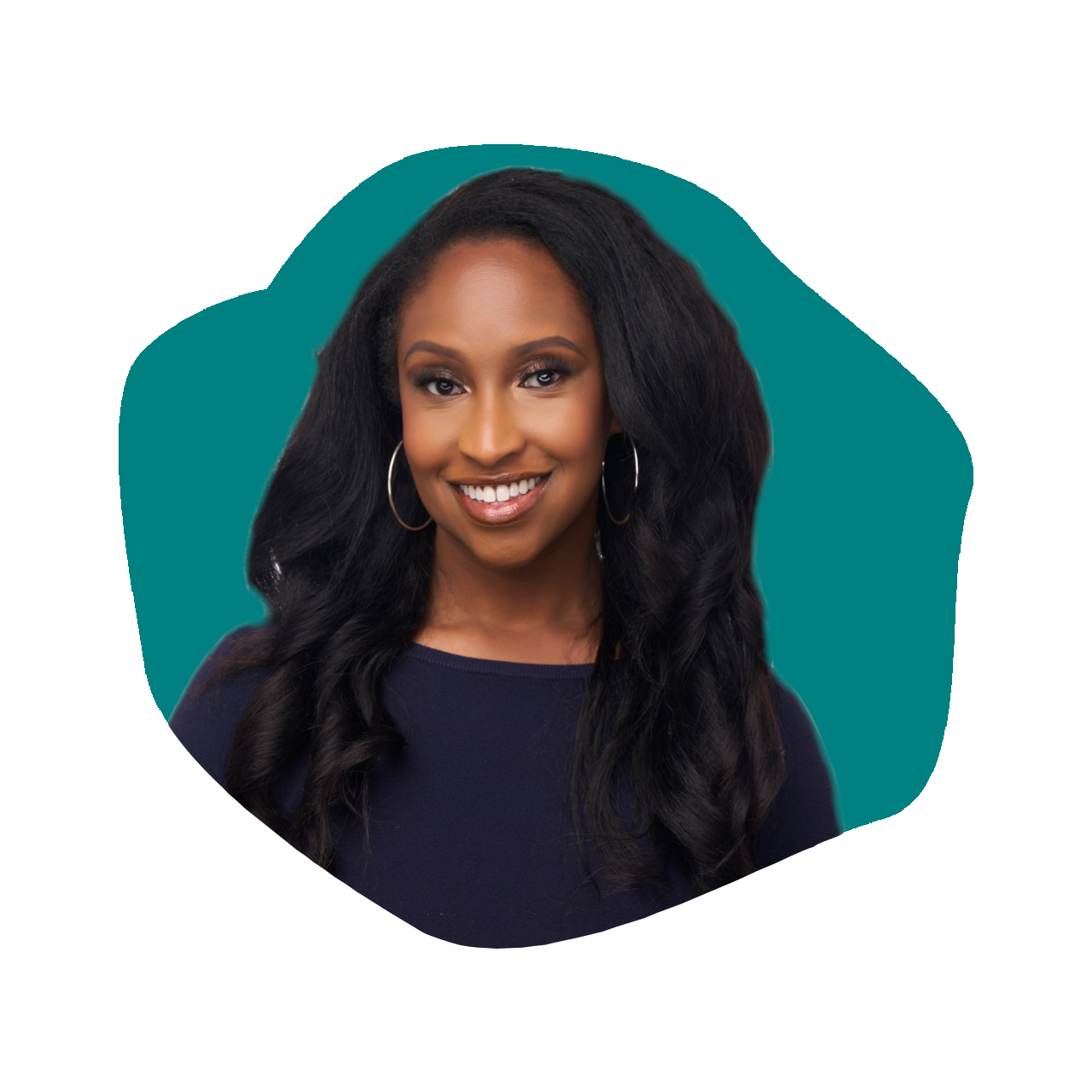
Thomas Bowman: Co-Founder & CEO of Eclipse Foods
Episode 814

On today’s episode, we welcome Thomas Bowman, Co-Founder & CEO of Eclipse Foods — the plant-based dairy company built on one bold idea: replicate real dairy, don’t compromise on it. A classically trained chef who worked in 16 Michelin-starred kitchens before moving into food innovation, Thomas brings culinary precision and food science together to create non-dairy products that truly match the taste, texture, and functionality of conventional dairy.
In this conversation, Thomas shares his journey from fine dining to leading R&D at JUST, where he helped bring products like JUST Mayo to market, and how those lessons shaped Eclipse from day one. We talk about the “replication, not alternative” philosophy, the science behind building dairy without the cow, scaling disruptive food products, and what it really takes to change consumer behavior in a legacy category. A must-listen for founders, food innovators, and anyone interested in the future of sustainable dairy.
Resources from
this episode:
Enjoying this episode of #TheKaraGoldinShow? Let Kara know by clicking on the links below and sending her a quick shout-out on social!
Follow Kara on LinkedIn – Instagram – X – Facebook – TikTok – YouTube – Threads
Have a question for Kara about one of our episodes? Reach out to Kara directly at [email protected]
To learn more about Thomas Bowman and Eclipse Foods:
https://www.eclipsefoods.com
https://www.instagram.com/eclipsefoods/
https://www.linkedin.com/in/thomas-bowman-b2a2a9195
Transcript
Kara Goldin 0:00
I am unwilling to give up that I will start over from scratch as many times as it takes to get where I want to be. I want to be you. Just want to make sure you will get knocked down. But just make sure you don’t get knocked out, knocked out. So your only choice should be go focus on what you can control. Control. Control. Hi everyone, and welcome to the Kara Goldin show. Join me each week for inspiring conversations with some of the world’s greatest leaders. We’ll talk with founders, entrepreneurs, CEOs and really, some of the most interesting people of our time. Can’t wait to get started. Let’s go. Let’s go. Hi everyone, and welcome back to the Kara Goldin show. Have you ever tried a plant based product and thought it’s good, but it’s just not quite the same? Our next guest didn’t want just, it’s okay for plant based he wanted indistinguishable from dairy, and that is, I believe, exactly what he has created for any dairy fans out there. So Thomas Bowman is the co founder and CEO of Eclipse Foods, a company built on one radical idea, replicate real dairy and don’t compromise on it. And Thomas isn’t your typical food tech founder. He’s a classically trained chef who worked in not one, but 16, if I have that correct. Michelin starred kitchens before shifting from fine dining to Food Innovation, and he, prior to this, worked on some other brands that I will let him talk about, but today we’ll talk about moving from being in those Michelin star kitchens to actually creating the innovation and the innovative products that that he has to not just create a product that is plant based, but also something that people really fall in love with and buy it, not just for one type of use, but also for many other uses. I’ll leave it there. So Thomas, welcome to the Kara Goldin show. So excited to have you here and to finally meet you.
Thomas Bowman 2:23
Yeah, thanks, Kara, excited to be here and chat about all things Eclipse well.
Kara Goldin 2:28
And as you and I were briefly emailing about yesterday, you and my husband, Theo, got a chance to meet a few years ago, and I remember him telling me how great your your product was in in the ice cream skew and I was telling him that we were talking today, and he was really excited that you had expanded beyond that, because he loves your product as well. So very, very excited about everything that you’re doing now with Eclipse Foods. But for listeners who haven’t heard of Eclipse Foods or who are just discovering it, how do you describe the product, the company and its mission?
Thomas Bowman 3:12
Yeah, we created Eclipse Foods, you know, on a mission to really create non dairy for dairy lovers. There’s so many people out in the world like myself that, you know, love dairy, but unfortunately, their bodies had different plans, and they’re, you know, over 65% of the global population has some sort of dairy sensitivity. And you know, consumers really purchase things for number one flavor, it has to taste good. And as a former chef, I couldn’t go and get a soy milk and oat milk and almond milk off the shelf and use them the same for cooking. And it just wasn’t the same experience. So really looking at milk on a molecular level, looking at all of its components and rebuilding it back up from functional plant components.
Kara Goldin 4:00
So you started Eclipse Foods in what year
Thomas Bowman 4:06
we started in 2019 January 3 of 2019
Kara Goldin 4:11
Yeah, and your first SKU that you decided to come out with? Can you share a little bit more about that? And how did you decide to start with that skew.
Thomas Bowman 4:21
Yeah, we we first started with a non dairy plain sweet cream mix designed for chefs and ice cream shops. We kind of took a look at the non dairy industry as a whole and realized that there was a big gap in food service for non dairy offerings, for ice cream shops for chefs that you know was indistinguishable from the others, that they could take it and use it the same way, as their as the dairy counterpart, and really scaling it in a way that we didn’t need special equipment, didn’t need special processing that could be run on. Any traditional dairy line as a way of being able to scale this. So we kind of reverse engineered it. Thought about how it was going to be manufactured before we made it. Definitely learned that having unique pieces of equipment and unique processing makes scaling very hard and very expensive.
Kara Goldin 5:18
So you didn’t initially start out to actually have a, b to c product. You were really supplying kitchens initially.
Thomas Bowman 5:29
We were, yeah, so, I mean, we had great partnership with the famous ice cream company in New York, Odd Fellows, Chef Sam Mason, formerly of WD 50, really heading up just really unique, amazing ice cream offerings in the New York area, as well as some other chefs in the Bay in New York City, where we really, kind of, you know, proved out that this is for people that know their food, that know dairy, that know ice cream. It’s a product that’s a one for one replacement.
Kara Goldin 6:03
I love it. I love it. So you trained and cooked. And do I have that? Right? 16 Michelin trained or Michelin starred kitchens?
Thomas Bowman 6:14
Yeah, some of those had multiple stars. I mean, everything from I started to Elenia. I was with the famous moto group for a long time, Executive Chef of two of their sister restaurants, autumn and ing, yeah. So just really trained at some of the some of the restaurants and that were thinking outside of the box, looking at food differently. How can we not really, how do we cook a steak? But like, why are the things happening, really restaurants that were on the forefront of thinking about the the whys, not the hows.
Kara Goldin 6:45
So how did working at that level kind of train your palate and and kind of force you to actually go become an entrepreneur? Then I would guess that that was not in your original game plan.
Thomas Bowman 7:01
I think working in restaurants as a professional chef, you know, we were lucky enough to go through Y Combinator and their mantra is, make something that people want. And to be in the restaurant industry, you have to make things that people want. So I think it was a really good stepping stone into the startup product development world, definitely.
Kara Goldin 7:22
So you mentioned Y Combinator. I love Y Combinator. We’ve had many people on from Y Combinator, and I remember them when they were first starting out, when you decided to go that route of and that’s not just about raising capital, but also getting kind of beat on to, so to speak to. And you know, they they rip your plans apart and and help you to just be better. I think. What did you learn through that process of of working with Y Combinator,
Thomas Bowman 8:02
yeah, we first applied the Y Combinator. It was about three days to the late submission. My co founder, Elon was like, Hey, should we, should we do this? And we both thought, There’s no way we’ll get in. But it was in our mind at the time, a very good forcing function of us, organizing our thoughts and getting kind of more of a plan of attack together and somewhat gamed the system a little bit, got into the interview, and they started in with questions, and I’m like, Hang on one sec. And pulled out five little bento boxes of, you know, beautiful crudite. And I said, I have three sour creams here, one of them is the best selling sour cream, and in the US, one is the best selling plant based, and one of them is Eclipse sour cream. Tell me if you can figure out which is which. Three of the four thought ours was the best selling sour cream, the one kind of like expert in the space was like, I know which is which, but I like yours better. So it was really, you know, trick three of the four. And they were, they were impressed that we’re really looking at, you know, the non dairy space in a different way than just having a hero ingredient, like an oat or an almond, that we’re playing pureeing with water and calling it a milk.
Kara Goldin 9:19
So, so interesting. I heard you say earlier, but I’ve also heard you talk about in other interviews, when you speak about the brand that Eclipse is about replication, not alternative. And I had to think about that statement a little bit. And I love it, right? Because I think so many people, when they are talking about plant based, they’re they’re kind of trying to, you know, knock people over the head in some way and change how they think about what they’re putting. Into their system, versus actually telling people, okay, you like what you like. But I’ve created a product that really replicates that, and I love that thinking, how like, where did that mindset come from? And did you feel like the consumers that you had met along the way, or perhaps either even colleagues that you had met along the way were helping you think more about that. Because I really, really there’s something there that I think is really unique and different.
Thomas Bowman 10:36
Yeah, I think what our thought of like replication versus alternative, I think the consumer has a little bit of a mindset that alternative comes with trade off, that the alternative is like what they have. It’s not going to be as good as what it’s replacing, but being able to replace it, one for one, and the consumer being none the wiser is really what we’re going for. And ultimately, you know, we are a startup and you know, we are a mission driven company, we kind of want to be the Intel Inside, where our technology, our all of our knowledge into replicating dairy can be used by other companies to make their products better.
Kara Goldin 11:18
Yeah, definitely. And when, what are some of the big, biggest technical challenges in creating your product, and I guess replicating dairies taste and performance.
Thomas Bowman 11:31
Dairy is a very complex product when you break it down, but really the key components are, are its its proteins, the casein and the whey and casein is an albumin protein. So we find, you know, very similar albumin proteins, and whey is a globulin. And then really the technology is, how do we get them to interact together? So that, you know, you can take those and put them together, but if they don’t interact in the right way, it doesn’t function like dairy. So that’s really where our IP and technology is around, and our patents is around getting these functional plant proteins to come together and function like dairy proteins do in a system.
Kara Goldin 12:13
So what was the point when you moved from just being kind of wholesale and providing restaurants to actually creating a product that consumers can purchase. What like? What point did you decide that this was it was time.
Thomas Bowman 12:32
Well, covid was a good forcing function for us, and moving quickly into the retail side, we started as a food service first company, just knowing that retail is hard and expensive and largely becomes a marketing game and can quickly dig yourself into a sunk cost fallacy. But I will say we quickly pivoted in the early days of the pandemic and went into retail. And I will say those, those are the Goldin days of ice cream, because if you were in ice cream, sanitizer, toilet paper or beer, you were winning store is going to keep the shelves stocked. Reset cycles were a thing of the past, so we were able to kind of quickly pivot, get our products on shelves and in front of consumers, and then really give back to the chef community as well. We did 19 chef collaborations where we worked with Michelin star chefs and created, you know, unique ice cream flavors that gave back to charities of their choice. So that was really what forced us into the retail side. But we are definitely still a food service first focused company.
Kara Goldin 13:36
So how many different SKUs Do you have? What did you start with, versus what do you have today?
Thomas Bowman 13:44
Yeah, I think, you know, we’ve probably spent the last two and a half years really refining our focus. I think that’s very important. And you know, Y Combinator had the great learning of, we’ll never tell you when to make your second product. We’ll tell you when not to and I think in the pandemic, we get a little over our skis and got too many products out there. So really kind of taking a step back and looking at what’s working, what’s not, you know, rationalizing some skews, but really what’s working for us is the food service side, three gallon vanilla tubs. Our soft serve is really taking off with large competitor exiting the food service market and soft serve and ice cream. We’ve really capitalized on that, and right now, just our milk, we kind of see as being the our future product that will kind of overtake all of the ice cream are non dairy home milk.
Kara Goldin 14:43
So you started in 2019 What has surprised you the most, I guess, about growing the brand overall. I mean, you can be a part of a Y Combinator type of community and a. An incubator, or you could be in an entirely different industry, a successful working at many Michelin restaurants, but something is always kind of hits you upside the head and surprises you along the way and growing a brand as as a founder or co founder. What comes to mind when I say that?
Thomas Bowman 15:26
I will say that nobody is an expert at scaling this in a global pandemic and just being flexible and being able to pivot and change at a moment’s notice and not being afraid of failure. I think I really have that, you know, Thomas Edison mindset of, you know, I can show you 500 ways to not make a filament where, you know, fail fast and fail cheap is kind of been one of our mantras. So being okay with rationalizing skews and moving on to the next and really constant, you know, the Kaizen improving on the things that are working and making them even better. But I would say the thing that has been the most challenging has been time to commercialization, getting products to market in in a quick, efficient manner, manner has been tough using command networks, because we’re kind of relying on their timetables, their availability for pilot runs. Some don’t even have pilot plants, so you have to do massive 30,000 gallon test runs just to see if a product works. So having a pilot plant in house now has really helped us be able to get products to market much faster and be able to iterate much quicker.
Kara Goldin 16:47
What’s a product that maybe you weren’t sure it was really going to take off, and yet it did that you created,
Thomas Bowman 16:58
I would say our bon bons. It was, you know, our bonbons really took off. There are not many co manufacturers in the United States that do bonbons. We were able to find two. And just being able to get our foot in the door and get those going was, was a challenge. And, you know, even though it seemed like an insurmountable task, we did it, and they, they really, they really took off right out of the gates.
Kara Goldin 17:26
And they’re so, so tasty. So they’re so so good. I love what, what you all have done. It’s, they’re really, really terrific. So when you look at maybe assumptions and building a food tech company that turned out to be totally wrong. You, as you mentioned. You know, no one’s an expert at this and and no one knows the perfect formula. But maybe some early things that that everyone, all the experts, maybe told you this is what’s going to happen, and for whatever reason, didn’t happen. What were some of those early assumptions that you remember that just really turned out to be totally dead wrong?
Thomas Bowman 18:09
I would say it’s the same learnings as a lot and in similar spaces that there, there was a ceiling, especially in kind of the meat alternative space, there is a ceiling for how many consumers are really looking for this product, where they thought it was just going to keep growing exponentially? Really hit a ceiling? And I would say early on, you know, with, you know, less than 3% of the global population being vegan, that there, there was going to be a limited market for that. So in thinking about dairy, it’s that there is a lot larger of a consumer with dairy sensitivities globally, but getting adoption, and it is one of the most crowded in the non dairy space. Getting adoption and kind of getting people to move away from what they know, has been a lot harder than we thought. Really building that brand recognition has not come as fast as we had hoped.
Kara Goldin 19:05
But to your earlier point about, you know, the large containers, I think people feel that if they have a restaurant, they have to have that as an alternative, right, always. I mean, if they didn’t used to have a plant based product, I would imagine that that has all worked in your favor.
Thomas Bowman 19:26
It absolutely has. Yeah, I think in food service, we are, you know, really focused on food service. That’s where we think our growth is and where the future is. But then also, you know, moving more into the direct to consumer, you know, Amazon, Google shop, Tiktok shop, things like that, to really get it to the consumers outside of just the restaurants or coffee shops or ice cream shops carrying our products.
Kara Goldin 19:50
Yeah, it’s so interesting. You mentioned, you know, you started in 2019 I mean food service, at least for a brand like hint, the. Product that I started, food service, was definitely the restaurants like you would think, but also office buildings like the Googles and the Facebooks. But it ends up that not as many people are going into the office these days, at least in certain mark in certain cities, like they were before. But how has food service changed for you as a brand, you know, given kind of what you’ve seen as well,
Thomas Bowman 20:29
I would say food service, you know, is, is closer to normal adjacent these days. I don’t think it was pre March of 2020, but it’s, it’s an ever changing landscape, and it’s being able to pivot and change with it alongside it, and really listen to the operators what they’re looking for, as well as the customers what they’re looking for, and being able to take both of those points of feedback to really inform the products.
Kara Goldin 20:59
Yeah, definitely, definitely. I just was on it, on another interview where the founder was talking about building a team. You know, at first you’re, when you’re building a team, it’s, it’s kind of anyone who would sign up for working for you that you know this, you’ve got this crazy idea to build. And, you know, somewhere deep down you’re thinking, you know, why would I mean, maybe one minute you’re thinking, everyone should come work for me, and then another minute you’re thinking like, how am I getting these people to come and work for me? Right? You go through this, like, point where you’re trying to recruit these people, but as things move along, you’ve got to make sure that you’ve got the right people in place and to continue to grow the brand successfully. So what have you learned about growing teams? Because everybody knows team is is so important. I mean, you can have the best product in the world, but if you have a terrible team, that’s that just doesn’t believe right, that it’s just, it’s tough, it’s tough to grow a great company and and people say culture is is critical, but, but it, it really is about the people and having the right people for what you need to help you do. So what have you learned about that?
Thomas Bowman 22:25
I would say, we’ve, we’ve learned in hiring, you know, again, another YC teaching is the first five to six people that you hire will really create the culture of your company. And I think, you know, we kind of held the microscope, you know, to those first few hires, knowing that and thinking about it, that you know food should be fun. You should enjoy food. You should play with your food. So we’ve always had this mantra here at eclipse that you know we we take our our products, very seriously. We just don’t take ourselves very seriously. So really, people that you know believed in food, believed in the mission, believed in having a fun culture was really important to us, not just what their resumes said. Our very first hire was a kid that had just graduated college and read one of our very first articles about us in Tech Crunch, and it’s like there’s a college kid reading Tech Crunch, and we hired him, and he’s still here to this day, and, you know, has helped really inform that culture, and it’s just worn so many hats and helped build the company.
Kara Goldin 23:33
Yeah, so interesting. What’s one thing as you’ve grown Eclipse Foods that maybe product standards that you’re not willing to bend on, that is, is just absolutely critical, as you think about, you know, what goes inside your products? Because there’s always shortcuts, right? There’s different ways to whether it’s different things that you could put in to lower costs or lower time, or whatever that is. But what are the non negotiables?
Thomas Bowman 24:10
Flavor, flavor and flavor are the non negotiables? I think it has to taste good first and foremost. We don’t put things in that we don’t have to. You know, we’re all non GMO, you know, no artificial flavors, colors, things like that. Not that we’re completely against those. It’s just, if we don’t need to, and it’s not going to make the product 10x better, we just don’t put it in. And if it’s going to exclude a large consumer set because of it, we don’t put it in, but ultimately, if it makes the product better, we will look into it and make it taste better.
Kara Goldin 24:49
Yeah. So for any maybe new founders, or I think about them as pre founders that are thinking about a. Going out and developing their idea. What thoughts advice would you have for somebody like that? Do you get a co founder? Do you go into a group like a Y Combinator? Don’t do it. What? What would you say today to people who are thinking about going and developing their own idea company.
Thomas Bowman 25:23
I would say, if you can get into Y Combinator, definitely do it. I think the learnings are invaluable, as well as the network and just the community from it, but also you get out of it, what you put into it. I think Eclipse is still around today because of some of the amazing learnings we had, and some of the great connections and partners there, I would say, absolutely have a great co founder, a great partner. Look at your strengths, your superpowers, and say, Where, where are my blind spots, and find somebody that is an expert in those and those are their superpowers. I will say you can’t do it all on your own. So, you know, find find a co founder, find the right team, and hire people for what they’re good at and let them do it. Don’t micromanage.
Kara Goldin 26:15
Yeah, definitely. So when someone tastes Eclipse Foods for the first time and can’t tell the difference. What do you hope they walk away from Eclipse doing? And what do you want them to think about as you as as they continue to make choices?
Thomas Bowman 26:36
I would say my favorite times when people try our products and say you’re telling me, this is not dairy. There’s no way you’re messing with me. Is really what we’re going for. We want there to be no compromise, that it’s, you know, a one for one replacement. And really started this company because I have two amazing kids at home, and want them to have delicious food 3050, years from now that’s not destroying the planet around them. So I think we all need to work together to, you know, be part of the solution and make a better food system that lasts
Kara Goldin 27:11
so Thomas, thank you so much for joining me today, and your story is such a powerful reminder that true disruption doesn’t come from lowering the bar. Eclipse Foods is amazing. Everyone needs to check it out. And if you have checked it out, go and purchase more there. They’re doing all kinds of great next generation items. So really, really terrific. And also follow Eclipse Foods. On Eclipse Foods.com but also all of our social as well as Tiktok shops and all kinds of good stuff going on. So I’ll see you next time on the Kara Goldin show. But thank you again, Thomas for coming on. Thomas Bowman, co founder and CEO of Eclipse Foods. Thanks again for listening to the Kara Goldin show. If you would please give us a review and feel free to share this podcast with others who would benefit. And of course, feel free to subscribe so you don’t miss a single episode of our podcast. Just a reminder that I can be found on all platforms at Kara Goldin, I would love to hear from you too. So feel free to DM me, and if you want to hear more about my journey, I hope you will have a listen or pick up a copy of my Wall Street Journal, best selling book, undaunted, where I share more about my journey, including founding and building hint, we are here every Monday, Wednesday and Friday. Thanks for listening, and goodbye for now.