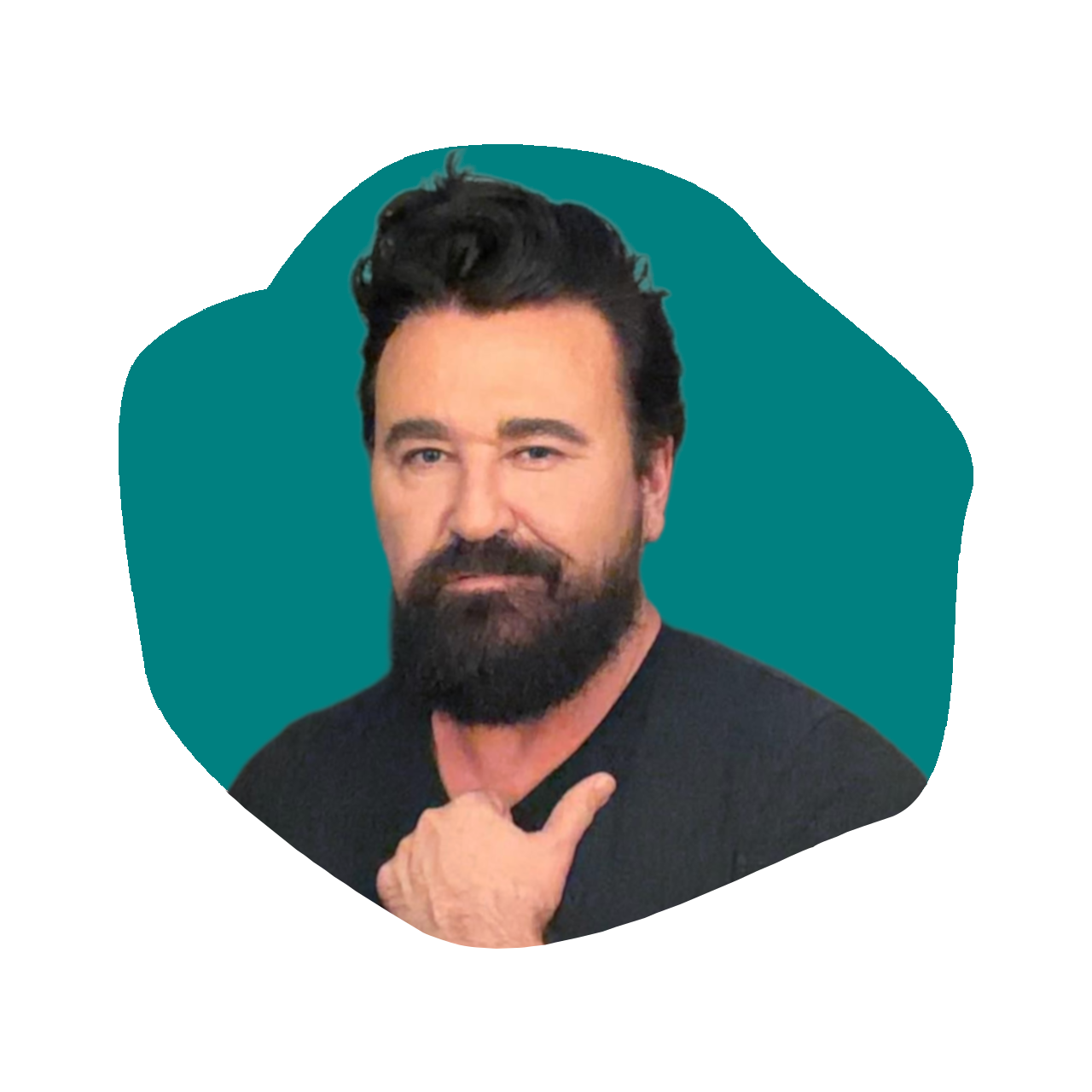
Sandra Oh Lin: Founder & CEO of KiwiCo
Episode 764

On today’s episode, Kara welcomes Sandra Oh Lin, Founder and CEO of KiwiCo — the global brand inspiring creativity, confidence, and curiosity in kids through hands-on play. What started in Sandra’s garage with a simple idea to spark learning has grown into a billion-dollar company that’s shipped over 50 million crates worldwide, earned the trust of millions of families, and brought KiwiCo’s brain-building projects to major retailers like Target and Barnes & Noble.
Sandra shares how her background at eBay, PayPal, and Procter & Gamble helped her build a mission-driven company that empowers kids to see themselves as makers and innovators. We talk about what it takes to scale a purpose-led brand without losing your core values, how to nurture creativity at every age, and the lessons she’s learned from leading a fast-growing company with heart. From the early garage days to KiwiCo’s global impact, this episode is packed with insight and inspiration for founders, parents, and innovators alike. Don’t miss it!
Resources from
this episode:
Enjoying this episode of #TheKaraGoldinShow? Let Kara know by clicking on the links below and sending her a quick shout-out on social!
Follow Kara on LinkedIn – Instagram – X – Facebook – TikTok – YouTube – Threads
Have a question for Kara about one of our episodes? Reach out to Kara directly at [email protected]
To learn more about Sandra Oh Lin and KiwiCo:
https://www.kiwico.com/
https://www.instagram.com/kiwico_inc/
https://www.linkedin.com/company/kiwicoinc/
https://www.linkedin.com/in/sandralin/
Transcript
Kara Goldin 0:00
I am unwilling to give up, that I will start over from scratch as many times as it takes to get where I want to be. I want to be you. Just want to make sure you will get knocked down. But just make sure you don’t get knocked out, knocked out. So your only choice should be go focus on what you can control. Control, control. Hi everyone, and welcome to the Kara Goldin show. Join me each week for inspiring conversations with some of the world’s greatest leaders. We’ll talk with founders, entrepreneurs, CEOs and really, some of the most interesting people of our time. Can’t wait to get started. Let’s go. Let’s go. Hey, everyone, welcome back to the Kara Goldin show today. I’m thrilled to be joined by Sandra Oh Lin, the founder and CEO of an incredible company called KiwiCo it’s the global brand inspiring creativity, curiosity and confidence in kids through hands on Play, and it’s more than kids. It’s also adults as well. Sandra started KiwiCo in her garage with a simple but powerful mission to help kids see themselves as makers and problem solvers. What began as an idea for a single activity, crate has grown into a billion dollar company that shipped over 50 million crates worldwide, built a community of millions of family families, and earned a reputation for making learning so much fun. I can attest for that, to that before founding KiwiCo Sandra, held leadership roles in many known tech companies, those little companies like eBay, PayPal and also consumer products company, Procter and Gamble but KiwiCo, that’s where purpose met passion, and I cannot wait to hear a ton more about it. So Sandra, welcome to the Kara Goldin show. Really excited to see
Sandra Oh Lin 2:01
you. Thanks. So much. Happy to be here, absolutely so let’s
Kara Goldin 2:05
start with the founding. So what inspired you to start KiwiCo
Sandra Oh Lin 2:11
it was really a personal need that started it. So my oldest two kids were almost three and almost five years old, and they were at that age where I wanted them to get hands on. I wanted them to create. I wanted them to feel like they could make things. And I think part of it was because I was an engineer by training. Part of it was because growing up, I made a lot of things with my mom, who’s kind of like a MacGyver of sorts. So I have really good memories of this too, and I started to pull together different materials for my kids to engage in, and they’re having fun. But I was like, wow, this is taking a lot of time, like I really need to amortize my time and effort against this. So invited my friends their kids over, and one of the moms, like Sandra, you should start a business around this. This is amazing. Like, we’re having so much fun with these activities. And my first thought was, I mean, this could be a really, really fun business to work on. But the other thought was like, hmm, well, if this is an N equals one issue like my own, like this isn’t gonna really go anywhere. So long story short, we’ve been really fortunate that there are a lot of busy, well intentioned parents out there who want these, like, fun and enriching activities for their kids. Kids just want something that’s super fun and delightful to play with. And so like you said, we’ve now shipped out over 50 million crates to families, and it’s been an, like, really fun journey
Kara Goldin 3:46
that’s so wild. So what year did this actually start? We
Sandra Oh Lin 3:50
launched it at the tail end of 2011 so we just literally celebrated our 14th birthday.
Kara Goldin 3:57
Wow, congratulations. That’s super, super exciting. So when, when I read that, it started in your garage. There’s many other Silicon Valley companies that have well known Silicon Valley companies where That’s where it started. But when you think about those first kind of prototypes, do you remember what those were that you put together? As you know, possibilities,
Sandra Oh Lin 4:27
absolutely, what we were trying to do is create these experiences for kids. So as much as it’s a consumer product, it really is an experience for kids too, because they are literally making these products that they are then going to experiment with or play with ongoing and so what was really important to us is that that whole making experience and creating experience was really fun and engaging for the kids, and that they would really kind of enjoy it. And we had started off. Of saying, like, let’s make this really convenient for the parents. We wanted to make it subscription based. So the company is one where we are sending out what we call a crate or the product every month for the kids to engage in it again and again. So it was really important that that one experience would encourage the kid and the family to want another experience the next month too. And so there are all these things that we’re thinking about, kind of in the product design process, as we were sitting in my garage. And the fact of the matter is, it was also really important that we were working with different materials and inspiration that weren’t the things that you would find every day in your child’s preschool or kindergarten class or elementary school, right? Because there had to be value added to it, a reason for them to actually want to engage and pay for the product and for the experience too. So we were thinking about all those different things as we were pulling together the product design and really coming up with, when I think about it, the foundation for our brand, when it comes to the brand pillars. And so if you look at our brand pillars today, they’re very much based on that experience that we were creating way back then. So some of our brand pillars are it needs to be seriously fun, it needs to be profoundly enriching. It needs to be deeply engaging. And then we have this other kind of one that kind of is our own, which we call wo awesome. So it’s that moment of discovery for a kid, and that was something that was really important to us, the moment where they had that aha moment, and that light bulb really lights up. And so those are things that we really incorporated into each of those experiences, starting then. And I have to tell you a story when you mentioned the garage, I mean, it was, it’s funny, because my background has been in consumer products and in E commerce, but really, I was in product development, in consumer products, at Procter and Gamble, and then, from an E commerce perspective, I was at PayPal and eBay, like you mentioned, where There was no inventory. And so the fact that we had inventory, and I remember purchasing the first set of just boxes that were printed out in the East Bay here, and realizing that the amount of space that takes up was half of my garage for the first week, because we were trying to send out these alpha shipments. And so just lots of kind of lessons learned, and I think just really fun to reflect on, you know, that time in that small space, the ideas that were flowing then, but also some of the things that we learned that were like, very, very like, good lessons that we had to take with us throughout. It’s like, oh, space planning for fulfillment very important, right? Ever since the time that we were in garage.
Kara Goldin 7:46
So the original business plan you were focused on kids, was there a certain age group that you said, let’s start here, and if this works, then we’ll continue to expand out.
Sandra Oh Lin 7:58
That’s a great question. So we started off saying we want to do kind of early elementary school, kind of preschool, early elementary school age range to start. And that was our first subscription line, and we called it Kiwi crate. And the company was actually called Kiwi crate. Back then, we were doing pretty well, so we’re seeing some, some decent growth at the time, but we knew that we wanted to see more, and so we actually took a bet at the end of 2014 so this was about three years into the business where we said, Hmm, maybe the thing that we need to do to accelerate the growth in the business is launch three more lines. So three additional subscription lines. And we’re like, you know what? If any one of them takes off, then we’ll double down on that one, but we’re going to try these three. So one was specifically for preschool, and then we had two more that were for kind of older elementary school age, where one was more geared towards art and design, and one was very heavily more STEM based. So really about science and engineering. And we’re like, yeah, we’ll kind of see how it goes. And luckily, all the three in the sold out that holiday season. So we’re like, okay, we’re going to double down on all of them. So you could imagine we had to scale up the resourcing and everything else at that point. But what was really exciting is that was a really important inflection point for the business at that at that time. So when you draw a line from that launch at the end of 2014 to our first month of profitability, so we’ve been profitable and cash flow positives since the beginning of 2016 and so there were things that we knew were going to happen when we launched those three additional lines, right? It’s like some obvious things, like, you have a bigger total addressable market, right? Because you have more kids that you’re addressing and that type of thing. But there are some things that were a little bit more unexpected that worked out really well for us too. So for example, the majority of US households have more than one child. Child, actually. And so what happened is that we ended up getting a number of orders where we could actually consolidate crates into one shipment. And if you think about the unit economics and the costs right, that was really helpful to us. And then another place where it became really helpful is that we were able to use different marketing messages. So one might be a little bit more about kind of childhood development, more kind of preschool appropriate. One might be more like I said, like creativity focused. One might be more about, like, science and learning about science and engineering. And so what happened is, with those different marketing messages, you might find that the stem message really resonated, because very tangible for parents, right? But then it might be the parent of a preschooler, so it would draw people in, but then they have self selected to the right age. And so when you think about kind of customer acquisition and efficiency, it started to work really well for us at that point to being able to leverage all these different messages across the audience. And so that was in a really important kind of time for us, and now we actually have eight different subscription lines, so spanning even a wider age range. So really from infant newborn all the way through to teenagers and kids at heart as well. We’re still majority subscription commerce. We have been direct to consumer for a very long time. So just last year, we opened up to wholesale, to retail. We can talk a little bit more about that, but subscription Commerce has been very core, and now we’ve opened up additionally, like single products too. So the way that you and I typically shop online, we now design those one off products as well.
Kara Goldin 11:46
So when you think about now you’ve got all these different ages, is, are there two that are, like, really in the strike zone that are sort of the runaway, sort of core, I guess that you really see, this is where people, like, really want to buy the subscriptions for,
Sandra Oh Lin 12:08
yeah, I would say that we see really good traction across the ages. I think, given we have eight different subscription lines, we have different flavors, though, for certain ages, right? So one, like, I said, example was, one might be more stem focused, one might be more art focused, one might be more geography focused, and that type of thing. And so what we do find is that where people gravitate, and what we’re known for maybe the most is kind of that steam angle. So that angle that brings, like science, engineering and art together. I think that is what we’re really known for. And if you think about kind of our mission and our intent, which is to encourage kids to be creative problem solvers, to really develop their critical thinking skills, to really build their creative confidence. I think that makes a lot of sense, because it’s the combination of mindset as well as some of those skills. And I think when kids start to really understand whether it’s art technique or the way the world works through science, hopefully they’re able to then apply that and really build themselves up to be these, these young innovators.
Kara Goldin 13:17
I would imagine that covid was big for you all, from a sales perspective, that many people were really paying more attention to. How do I help my family learn better? Can you share any stories from that time that you heard from consumers
Sandra Oh Lin 13:40
that was a little bit of an understatement. Kara, like people were dying. Like, yeah, my kids are home, and I really need to to engage them. And so it was a crazy time. I would there are a number of stories, but when covid hit and when we all kind of hunkered down, we initially did not know what was going to happen, right? We were just saying, like, Okay, we will see what happens. But one thing that we do know is that parents and kids are going to be at home, and we can serve as a real resource for them. We have a lot of content we can explain, you know, for example, why hand washing is important through science that makes sense for kids. And that weekend, we created a resource hub for parents and kids. And fortunately, this was outside of our main website, but once we put it up. It crashed. And so we were like, oh, like, Okay, this is a real need, right? Like, clearly, families are clamoring for content, engaging ways to play from home and so. We did see a really big uptick in the business at that time. And it is one of those times where you really appreciate certain things working well. So if you reflect on that time, it was, it was crazy, right? Supply chain issues, we’re trying to get PPE over, the cost associated with shipping had gone up a lot because everybody was buying online. And so there’s, there’s a lot going on there, and when I think about that, those are the times where you really appreciate when you have robust supply chain and fulfillment and operations, and I think kind of an everyday at least for me, sometimes I just almost take it for granted, like these things should work seamlessly, right? It’s kind of like your utilities, it’s like your water, it’s like your electricity, you’re like, it should just work. But during those times, it is so important that those things work. And I have to say, hats off to those teams, because they had done a great job of establishing relationships beforehand, really making sure that we were able to fulfill kind of our customer promise ongoing during a very, very crazy time. Yeah. So really proud of that. And I think it is so true that sometimes in those times that are kind of tumultuous or there’s a lot of change, that there is opportunity too, and I think we were able to really grasp that opportunity.
Kara Goldin 16:36
I love that. How did you come up with the name?
Sandra Oh Lin 16:40
I really liked the idea initially, of having an animal and an animal that meant something to our family, and at the time, something that meant container. And so we initially called the company Kiwi crate. And my husband, I had traveled to New Zealand. We love the country. We love, kind of just the spirit, the nature, the adventurous part of it. And we had brought back a stuffed animal, kiwi, and our kids adopted this kiwi, and it would go on adventures with them. And so, kind of long story short, we ended up calling the company, kiwi crate. And then the other kind of funny story associated with the name is, as we were coming up with a logo, we were looking at different Kiwi kind of drawings, and we actually ended up putting them in front of kids and saying, like, which one do you like? And they all kind of gravitated to the one that looked very round. So that continues to be our logo, and the Kiwi character for KiwiCo today.
Kara Goldin 17:47
So what’s been one of the hardest lessons you’ve learned as a founder and CEO? I guess you know you’ve had amazing experience and other companies prior to launching, but, you know, the buck stops with you, right? So as founder and CEO, and oftentimes people, no matter what role they’ve played inside of a large company, no matter how successful it’s been, it’s, it’s always a little shocking, right, that you’re, you know, there’s, you have to be the not just carry the mission, but also make sure that the growth is happening, make sure that the bottom line is happening, all of these components. So what has been one of the hardest lessons you’ve learned as a founder and CEO?
Sandra Oh Lin 18:40
There have certainly been a lot of lessons, including some of the ones that we’ve talked about. There’s some, like tactical ones when it comes to, for example, you know when we talked about supply chain or fulfillment and that type of thing. But maybe I can mention a leadership lesson. So I think that as I started KiwiCo and throughout a number of the years as a leader and just as a person, even I tend to be the kind of person who wants to kind of take all the information in and then kind of synthesize it in my head and then say, Okay, here’s, here’s, here’s the deal, right? Or like, here’s my thought around this, or here’s decision, or here’s a path forward. And I actually think that during the pandemic in particular, it really challenged that, because there was so much happening, so much that I was synthesizing at the time, and also so important to communicate with the team, kind of in real time. And so I think a real lesson for me was that that was okay, right, that that I could show up and not have the answers, that I could show up in a different way, kind of in an authentic way, for that time, and I think previously late, when. My style may have been a little bit more brittle in a way, and I think that allowed for, like, more fluidity as a leader.
Kara Goldin 20:07
So interesting. So you’ve said that play is a tool for learning. How does that philosophy really show up in, I guess, the culture as well as the products? When you think about, I mean, it’s, it’s tough, right? Like to actually create something that is, I think, both educational and super fun, sometimes, not all the time, but you guys have done it, so I’d love to hear you talk about the philosophy, and how do you execute on that?
Sandra Oh Lin 20:42
Absolutely, for us, it comes down to being extremely customer centric. So from the very, very beginning, we would have kids converge at the garage and engage with the different projects, and so we were able to evaluate and see like, when our kids engage. When are they having fun? When are they actually wanting to come back to something again and again, and when are there times where they walk away? Clearly, that means that that was not very engaging, too. And depending on the age of kids, sometimes they will voice what they think, and sometimes it’ll be through their actions. And so I think we learned a lot in that way, too. And so every week to this day, we have several groups of kids come to the office, the noise goes up a notch, and they’re engaging in the different projects. And we learn a lot from that. And I think that’s really part of our kind of secret sauce, is getting close to the customer in that way, and being able to take that and bring that into our design process. I think the other part that’s really interesting is, as a direct to consumer company too, we have a lot of data about our customers ever since the first crate that we sent out in October of 2011, we have scores for every single experience. And so then we’re able to look at those scores and say, Okay, these are the experiences that are really working for our customers. And how do we replicate some of that? And not only that, how do we make sure that the experience that we’re providing for someone throughout their journey in a subscription is really optimized as well, so that’s been a really handy tool for us.
Kara Goldin 22:30
So people always see the success. You have grown this company into this incredible, incredible company. But can you share an example of I can imagine maybe there was one or two products that didn’t actually work out the way that you wanted. Maybe there was a component of it that was That was harder for consumers to build, or something was breaking and obviously you fixed it and moved on, but maybe it just wasn’t sort of how you envisioned or how you would have preferred it to turn out. Is there any examples of that? Because I think often founders, and especially people listening to this podcast are in maybe they’re in the early stage, or maybe they’re going through something that is just yuck. And I think that’s something that I love for people to hear, that it’s not always pretty or perfect,
Sandra Oh Lin 23:32
for sure, for sure, they’re examples of that. So I’ll give one quick example, which is, we caught the we catch these types of things all the time. So I just mentioned the idea, or the notion, that we we leverage testing with kids, what we call kind of play testing, in order to evaluate different products and experiences. And there are times where we are very, very convinced that we have a product or experience that we think is going to be really fun, and then we will bring it to the kids, and we’ll be like, Oh, that did not go so well. So I remember there was this one time we were we were creating a crate around a safari theme. And so we had ideas around animals. We had ideas around a jeep. You had this one idea that the kids could create their own Safari vest, and that they would love the fact that they had a lot of pockets, they could stick their things in it. And then we brought that to our testing session, and it was a dud, like kids had no idea that you wore a vest on a safari, like the notion of that, right? And so it’s just really again, it just comes back to being close to the customer. And then I remember early on this one was, was we really had to pivot very quickly. We had shipped a few, kind of a smaller set of crates that were shipping more out soon, but we found. Found out very quickly that when you ship crates out in the winter, things can freeze. And so what happened is that some of the paints that we were sending out were freezing, and there were kind of liquid paints, and so that was not a good situation, and was creating a bit of a mess. And so we had to pivot very, very quickly around that. So not only send notes to our customers, but also we set replacement product, and we’re able to swap out products to additional ship for additional shipments too. But if anything in a journey like this, you have to be able to be flexible and to be able to kind of pivot and be resilient at a moment’s notice
Kara Goldin 25:44
and own it too, right? I think that that’s the key. That’s the key thing that, you know, the consumers. I always say that time is probably the most important aspect of that too, that the longer and the more cycles that you spend trying to pass the buck on to somebody else and do research just figure it out right and solve the problem as fast as possible, so that the consumer figure, the consumer knows you you matter, right? I think that’s exactly or they matter. I should say absolutely.
Sandra Oh Lin 26:16
I think that this is about building a brand for consumers and for a community. I think building a brand is inherently, really at the core about trust and so Kara, to your point about owning it right and taking responsibility, I think that helps build trust with the consumer. I think the fact that we say, hey, sign up for this thing, we’re going to ship you a box. You don’t know what’s inside that box, but believe us, it’s going to be really fun and magical for your kids, but then that they believe us, and that we are able to actually fulfill that promise month after month, right? That is the thing that really builds up the trust, too. So I think that’s absolutely true. I think that that is so critical and important.
Kara Goldin 27:04
You have an amazing line of holiday that that I just received that like an advent calendar and other things. Do you want to talk about that in case people are wanting to get ready early for the holidays? I mean, it’s such a great, great thing. So can you talk a little bit more about that?
Sandra Oh Lin 27:24
We’re really proud of our advent calendars. We think that they fill a very, very unique space in the world of advent calendars, which have become very hot. Our advent calendars are basically every day, the child can open something up and make a small build, make a small creation. And our latest one is they make a series of mechanical ornaments that do different things that they can then place on the tree, where we’ve heard some families say they plan on gifting them too, which I thought was really delightful as well. So imagine opening up a small package one day, and you’re making a polar bear that can launch pom pom snowballs, type of thing. Or you’re making another little ornament that is a reindeer with wobbly legs that kind of flops around as well. And so just something really fun and delightful, as you’re getting ready for the holidays, is something that we’ve been doing for a number of years now, and it’s sold out almost every year, and we’re really excited about the one for this year.
Kara Goldin 28:33
I’m excited to see you expanded into retailers including target and Barnes and Noble. How different is that for you versus your own direct to consumer business?
Sandra Oh Lin 28:47
It’s was definitely something that we thought about for a while, and when we wanted to do it at the right time for us as a company, we also want to make sure that we would be a great partner to these retailers too, and it’s been fantastic. So it’s been about a year now. We initially launched in target and Barnes and Noble and Paper Source, and we have now expanded to all Target stores, about 2000 Target stores in their toy category this week and next we are actually have nine SKUs going on to end cap in the baby area and target, which is separate from toys, which is super exciting. And then 550 Barnes and Noble stores, 120 Paper Source stores. And what that does for us is we really love the opportunity get out in front of more consumers. So certainly consumers who know KiwiCo, but then also folks who do not know KiwiCo, and to be able to do that in partnership with these retailers is really great. And so we really appreciate that. The other thing is, the fact of the matter is, while. KiwiCo.com is fantastic. If you are like me, and you wake up on a Saturday morning, you’re like, oh, there’s a birthday party to go to. KiwiCo.com is, unfortunately, not going to help there, but running to your local Target and picking up a gift for that birthday party does work. And so there, it really does allow for additional use cases. So we see that as being very incremental and additive?
Kara Goldin 30:22
Yeah, definitely. And I think they just work hand in hand. I mean, gone are the days where it’s one versus the other, and it’s people will come check out what you’re doing online, and then vice versa when they see it and when they’re off shopping. So that’s great. So last question, what’s next for KiwiCo you’ve got an amazing company. I’m so proud of you, and everything that you’ve done to build this, I mean, it’s absolutely great, and definitely it’s top of mind for me, especially for holiday so I’m very, very excited for you, but anything that you would love to share about, maybe, you know success, like, what does it look like for you, and beyond the numbers and growth,
Sandra Oh Lin 31:10
I remember when we started the company and we got our first seed round of financing, was led by First Round Capital, and I was talking to the partner there, Josh Goldin, and he said, What does success look like for you? Like, what’s your definition of success? And I said, I’m sure there are a lot of different ways that people answer that question, Josh, but the way that I would answer is that I want to build a great, trusted brand and a great company, and I feel like the other stuff will come right. Of course, I take my fiduciary duty seriously. Of course, there are so many other things that I want to make sure that we’re doing well, that kind of are also can be the definition of success, but that is the thing that I want to keep my eye on. And so we continue to try to pursue that through everything that we’re doing. And so we continue, we’ll continue to invest in retail and wholesale that we talked about. We have an education business too, where we serve after school programs and schools. So we have now service 10,000 different programs and groups, and so looking forward to continuing to build on that too, and we are still pretty domestically focused in the US, and so thinking about how we bring this to other families around the world, because that busy, well intentioned parent and that kid who wants to engage In this type of activity is not a US only type of phenomena. So looking forward to that too. Definitely.
Kara Goldin 32:47
Sandra, thank you so much for sharing all about KiwiCo KiwiCo.com and don’t forget to follow and share this episode of The Kara Goldin show. Sandra, you are such a great example of an incredible entrepreneur when who is really doing it right with purpose and creativity, doing incredible things and showing everyone that when you do that, it can all happen. So thank you again. Good luck with everything in the future, and thanks everyone for listening, thanks again for listening to the Kara Goldin show. If you would please give us a review and feel free to share this podcast with others who would benefit. And of course, feel free to subscribe so you don’t miss a single episode of our podcast. Just a reminder that I can be found on all platforms. At Kara Goldin, I would love to hear from you too. So feel free to DM me, and if you want to hear more about my journey, I hope you will have a listen or pick up a copy of my Wall Street Journal, best selling book, undaunted, where I share more about my journey, including founding and building hint, we are here every Monday, Wednesday and Friday. Thanks for listening and goodbye for now.