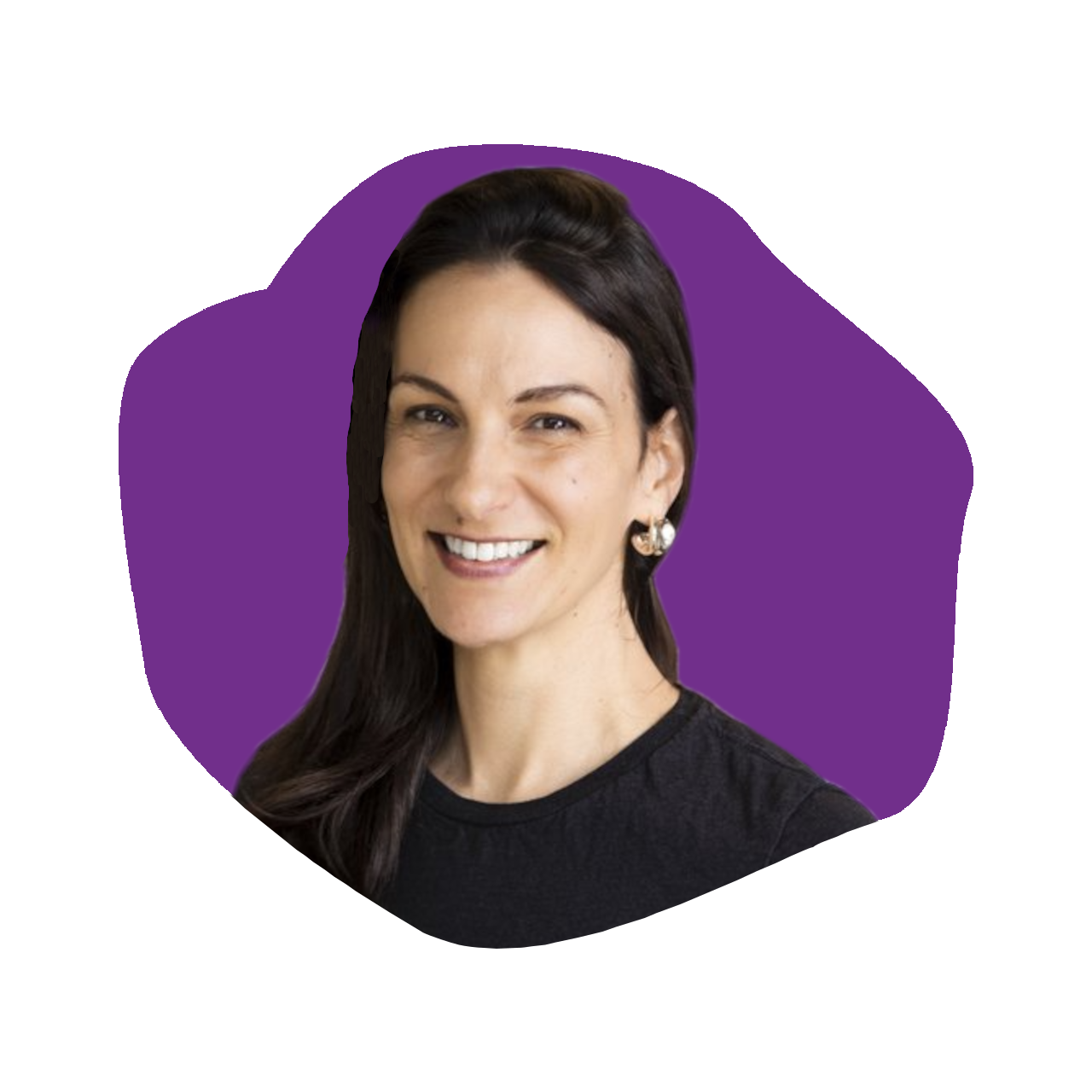
Monica Nassif: Founder of Mrs. Meyer’s Clean Day & Author of I Bottled My Mother
Episode 837
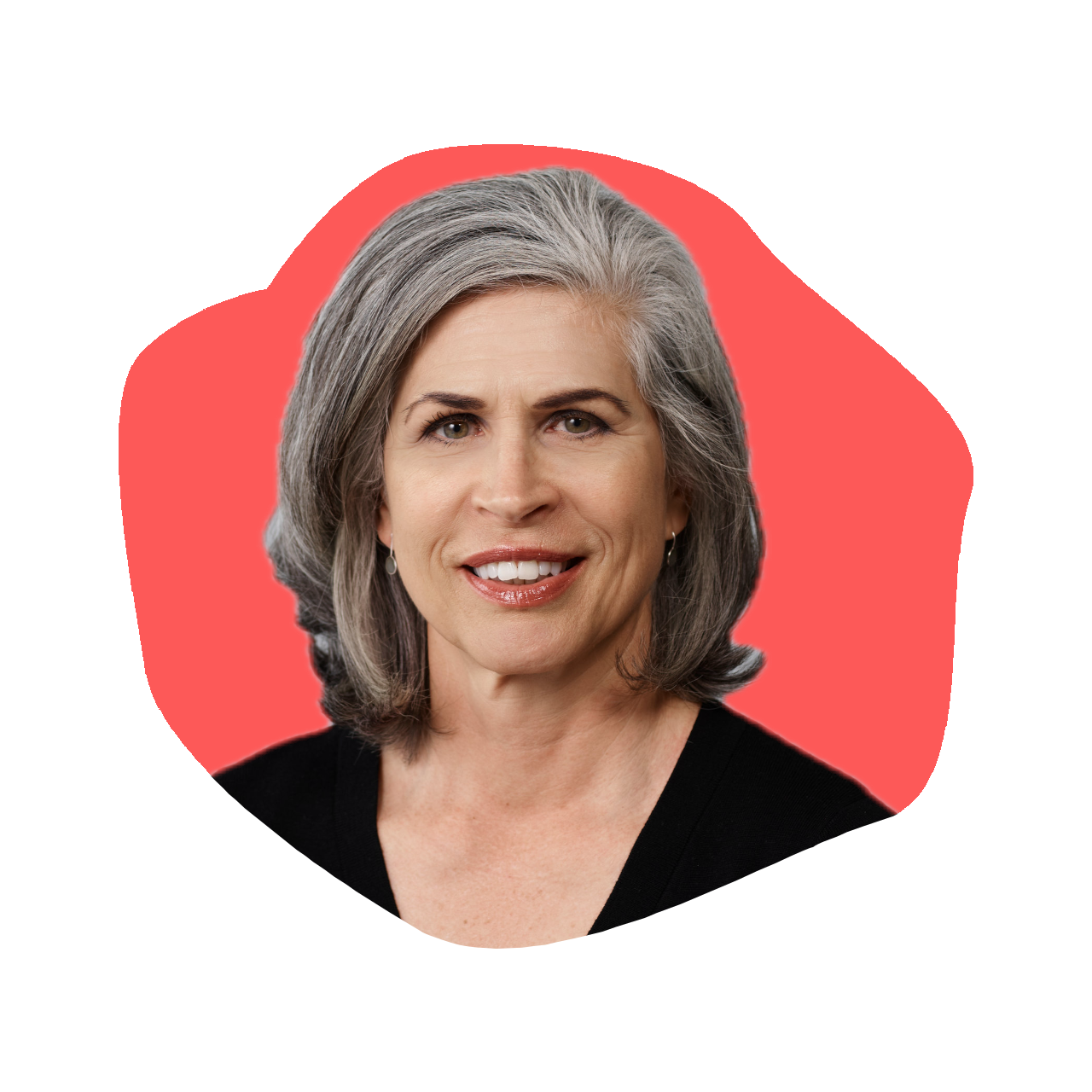
On today’s episode, we welcome Monica Nassif, Founder of Mrs. Meyer’s Clean Day and author of I Bottled My Mother — a brand that proves even the most overlooked categories can be completely reimagined if you’re willing to challenge what everyone else accepts as “good enough.”
What started as a simple idea—to make cleaning products that actually smelled good, felt good, and worked—turned into a category-defining brand that disrupted a $30 billion industry. Not bad for something most people never thought twice about.
In this episode, Monica breaks down what it really takes to see opportunity where others don’t—and have the conviction to act on it. We get into building emotional connection in unlikely places, why failure is often the real teacher, and how instinct—not just data—can shape breakthrough brands. She also shares the deeply personal story behind her new book, I Bottled My Mother, and how family, resilience, and perspective shaped not just her life—but her leadership.
If you care about building something meaningful, navigating both success and failure, or learning how to think differently about opportunity—this one’s worth your time.
Resources from
this episode:
Enjoying this episode of #TheKaraGoldinShow? Let Kara know by clicking on the links below and sending her a quick shout-out on social!
Follow Kara on LinkedIn – Instagram – X – Facebook – TikTok – YouTube – Threads
Have a question for Kara about one of our episodes? Reach out to Kara directly at [email protected]
To learn more about Monica Nassif, Mrs. Meyer’s Clean Day and I Bottled My Mother:
https://www.monicanassif.com
https://www.instagram.com/themonicanassif/
https://www.linkedin.com/in/monica-nassif-686876335/
Transcript
Kara Goldin 0:00
I am unwilling to give up that I will start over from scratch as many times as it takes to get where I want to be. I want to be you. Just want to make sure you will get knocked down. But just make sure you don’t get knocked out, knocked out. So your only choice should be go focus on what you can control. Control. Control. Hi everyone, and welcome to the Kara Goldin show. Join me each week for inspiring conversations with some of the world’s greatest leaders. We’ll talk with founders, entrepreneurs, CEOs and really, some of the most interesting people of our time. Can’t wait to get started. Let’s go. Let’s go. Hi everyone and welcome back to the Kara Goldin show. Have you ever stopped to think about how some of the biggest breakthroughs come from the most overlooked categories, not tech, not media, not AI. I’m talking about cleaning products. And because, let’s be honest, nobody wakes up thinking this category needs to be reinvented, and yet sometimes that’s exactly where the opportunities are hiding. So Monica Nassif took a category that is functional, forgettable, and frankly, not that exciting to many people, and turned it into something people actually care about with design and emotion and identity and products that really, really work. And we’re talking about Mrs. Meyer’s Clean Day. So, so incredible to finally meet Monica. And she just actually today, while we’re recording this, launched her brand new, incredible book i bottled my mother, which really pulls back the curtain on where the entire vision for the company came from. So I’m so excited to have her here today to talk all about not only her terrific book, which everyone must read, but also what it took to actually grow Mrs. Meyer’s Clean Day into what it is today. So Monica, welcome to the Kara Goldin show. So excited to have you here. I’m thrilled to be here, Kara, it’s great. Very, very excited. So okay, so for listeners who maybe have heard about Mrs. Meyer’s, do you typically go by Mrs. Meyer’s? Mrs. Meyer’s Clean Day. How is it referred to? Both, both, both, yeah. Okay, so I always call it Mrs. Meyer’s, one of my favorite cleaning products. So what do you what do you think still is really the core of what is the product?
Monica Nassif 2:41
I think people just embrace the authenticity of the brand. You know, it was named after my mother. She raised nine children in 10 years. She was the child of the Depression. She’s still alive. She has a garden. She walks to church every day. She’s hard, working earnest. She reuses, repurposes, recycles, everything. So when we were trying to create a brand to essentially cannibalize a higher end brand that we first started with, we started listing all the attributes of our personal values, and then it was like, Hey, wait a minute, this is my mom. Let’s call my mom and see if she wants to be a brand. So I think it’s the fact that it’s authentic and it’s based on a real person who’s still alive and still going strong today. I love it. So when you first launched, Mrs. Meyer’s, did you start out with multiple SKUs? Was it one SKU what was the focus? Sure we had two fragrances, lavender and lemon verbena, and we had about five SKUs each. So we had hand soap, dish soap, window spray, countertop cleaner, all purpose cleaner. And the big idea was, and this is where we really disrupted the marketplace, was that you could clean your entire home in one fragrance. You know, that was done in personal care forever. And I’m from Minneapolis, and Minneapolis is home to Aveda. I knew a lot about that company, and when I had this eureka moment to reinvent this category. All I kept thinking was, why can’t this be like a VEDA? You know, they have this incredible Rosemary mint fragrance. And I thought you should be able to clean your whole home in one fragrance, if you want to. So that was the big idea behind it. So we launched with two fragrances, and now, oh my gosh, there’s so many fragrances. And the other thing we did that really also changed the industry was we created seasonal fragrances. So for Christmas, there was Iowa, pine for spring, there were floral scents, and our consumers loved it, and they would actually stock up if they liked a certain, you know, Jasmine for spring, or another fragrance. So that was another big idea that we launched with as well. So when did you know that Mrs. Meyer’s was gonna make it the I hear this from founders all the time, and being a founder myself, you have these moments, and you don’t necessarily share them with everyone, right? But you’re like, right? I don’t know.
Kara Goldin 5:00
Yeah, I’m not sure. You know, maybe you’re headed to Expo West, and you know you’re setting up, and you know there’s going to be a lot of people there, and all of a sudden, maybe you see competition, or maybe you just had a major customer that just told you that your product wasn’t for them or whatever it is.
Monica Nassif 5:20
Yeah, you know, I had this vision in my mind’s eye when I had this idea of an end cap at Target, completely loaded with product. And whenever I got down in the dumps or lost my way, I always said that vision was kind of like my night goggles. You know, that vision I had in my mind of what this could become. And about five years after we started, we signed up to do this big promo with whole foods in Austin, Texas. And at the time, you couldn’t call on whole foods corporate. You had to go sell in through all the individual stores six different divisions. It was very different sales process back then. So I walk into the store, I’m doing sales calls with my sales manager, and I run back to the cleaning aisle, and there’s no promo. I’m like, what’s going on? And I turned to my sales manager, said, Where’s the product? And she goes, Monica, you ran right by it. So there I run to the front of the store, and there’s that end cap that I had in my mind’s eye when I started this whole, like, special end cap of laundry products, of Mrs. Meyer’s, and that’s when, you know, kind of brought me to my knees, I’m gonna be honest, you know, I kind of went, this is gonna work, yeah, this is working, yeah. It was a big moment for me. I love that story. So you wrote an incredible book called I bottled my mother. Have
Kara Goldin 6:43
it right here. Got an advanced copy. Love, love. Loved it. It’s a fast read, but I guess being a founder, I loved hearing about all the nuts and bolts of it. But I always tell people that you don’t have to be a founder to appreciate all of the things. Oh, yeah, the thinking behind this. I mean, it was just, it was incredible. So there’s a moment in your story where you talk about your daughter, and your mother said something very, very important. Can you share that story? Sure. So you’re we’re talking about my young daughter. She was six months old, she had cancer, and this was when people say, Oh, how did you decide to be an entrepreneur? Well, the first time I was an entrepreneur,
Monica Nassif 7:30
I was essentially pushed off the cliff because I had a six month old with cat cancer. She couldn’t be in daycare, neither could my older daughter. So my husband came home and surprised me and said, I quit. You can make more money. I’ll be a stay at home dad. So calla is getting ready to go to her chemo session, which was every Thursday, and my mom came up that week, and she’s fishing around her closet, and she pulls out her holiday dress, her little white tights and her black Mary Janes, and I can hear her talking to Calla. She’s only six months old, and she goes now, when we go into battle, we dress, we pull out our finery, we don’t, you know, and I want you to scream like hell when they put that IV in your head, you hear me scream like hell. We’re not taking this line down. And I just never forgot it. You know, here’s to this little six month old all in the holiday dress. You know, it’s probably, I don’t know, October, and that’s how my mom prepped her for that chemo that day.
Kara Goldin 8:27
Wow, that’s, that’s incredible. So, and you’ve had many, many moments along the way. First of all, you sold the business. What did that feel like when you sold the business.
Monica Nassif 8:43
It’s hard. It’s, you know, it’s very bittersweet. You know, it’s like selling your child, only this was, I was selling my mother. You know, you grow something, you know this from nothing. You know absolutely nothing. Like a big idea, and you take it to market, you see it flourish, and you gotta let it go. You just like,
Speaker 1 9:03
poof.
Monica Nassif 9:03
You know, my brother said, Monica, you don’t have the keys to the car anymore. Stop trying to drive it. You know, it’s, it’s, it’s difficult.
Kara Goldin 9:13
Yeah, it’s really, really, it’s really, now, did you stay on with the
Monica Nassif 9:18
acquisition
Monica Nassif 9:18
company? Years? Yeah, interesting. Two years I had a contract, and, yeah, it was death by PowerPoint. Yeah,
Kara Goldin 9:28
it’s, it’s so interesting. I mean, I think so many entrepreneurs, not all entrepreneurs, but come from, maybe at some point in their life, they’ve worked in a larger company, and then when you’re actually getting a lot done and starting your own company and growing the company as as you did, then to have to go back into a large company, it’s, it’s not for most people, right?
Monica Nassif 9:54
No, it, yeah, it wasn’t for me at all. No, I, I used to work for a big company. I used. Worked for Dayton Hudson, which was a parent company at Target, so I was inside a big corporate behemoth, and that wasn’t for me either. But, gosh, I learned a lot. You know, I was very young in my career. I was in my late 20s. I learned a ton. And so I was, I was felt really blessed for that, but when I went back inside, you know, when you’re most used to moving fast and you don’t have a lot of checks and balances, I always thought the best gage of your success or unsuccess is you can make the cash register ring. You know what you’re you know this, how much you’re shipping, how much you’re collecting, all that. That’s that was, to me, was our constant barometer. So then to have all these other sort of measurements, I think, Wait, we’re just wasting time, folks. We got stuff to do. So no, that wasn’t I wasn’t cut out for that.
Kara Goldin 10:44
I love the the quotes that you have. What why you believe that people should ask, Should I start a business? Versus how do I start one? Can you unpack that?
Monica Nassif 11:00
Sure, I have a lot of entrepreneurs who come to see me, and I’m sure you do too. They’re like, Hey, I got this great idea. What do you think? And I listen to them and I really go, Well, should you start it? I mean, do you really know yourself? Can you operate in the dark? Can you make decisions without a lot of information? Can you go broke and pick yourself up? Are you ready? I would say you’re running a marathon, you know, and you’ve got to get prepared if you want to start your own business, in terms of, don’t get so personally leveraged that you can’t see your way out of it. I mean, we had second mortgages, credit cards to the max. And if you can’t prepare for let’s say this thing goes belly up. My backup plan was, I was going to work for UPS. That was, I thought, I can work at night, at UPS, no problem. You got to get prepared for that. It’s like running a marathon. You’re not going to go out and run a marathon, because after mile one you’re going to fall down. So I think you have to be really honest with yourself what your strengths and weaknesses are, what your connections are. You know, I started caldria and Mrs. Meyer’s when I was 43 so I was much older. You know, I wasn’t a 25 year old entrepreneur. I had a lot of experience. I had an agency that built brands. I knew how to build a brand, so that was easy. So we did that rather quickly. I had a lot of connections in the advertising field in Minneapolis, so I could move really fast, if you will. So yeah, should you know yourself?
Kara Goldin 12:23
Yeah, definitely. You built a brand that people feel emotionally connected to. So how do you what advice would you give to people when they’re thinking about beyond, should they actually go and do build a business? But what advice would you give to people who are starting a company? Miss it’s it’s expensive, no matter what category you’re in, to build a brand, and if your goal is really to build a brand, I always tell people that you know you’ve really got to figure out a lot of aspects of it, but the emotional connection that you built with Mrs. Meyer’s, and this is really even before Tiktok and social and right where you could really measure a lot of the engagement outside of your velocity numbers or whatever. So how would you unpack that?
Monica Nassif 13:17
You know, how we did that is, again, it was based on a real person. So we used to bring my mom to media events in New York, and, gosh, I tried to train her, you know, okay, Mom, three key messages for this new collection. Well, that was a failure. So just, I just kind of let her rip. I just let her be yourself, you know. And she talked about raising a big family, how she loves her garden, how she pays attention to nature, how she steals garden plots from other people, and you know, people really resonated with that because she was real. She didn’t, she didn’t fake it. So I think as you look forward and you’re building a brand, you have to ask yourself, How can this really connect emotionally with the consumer? And I had built a lot of brands, and I had seen the ones that had really connected with people, and then those that hadn’t, you just can’t fake it. And the other thing that I tell people is, everything matters in a brand, it’s a promise, right? You know this from building hint, a brand is a promise, and everything about it is a promise. How it shows up on shelf? Does it shipped on time? Does the product leak? Does the product work? Can you get a reorder every detail matters, and the minute you start, you know shorting on something over here, it shorts over here, and the consumer knows it. She’s super smart. So you have to be authentic. You have to dominate your category. That’s the other way you build a brand. I really believe that we dominated this singular fragrance disrupting the entire $30 billion household cleaning market was something that hadn’t been done before. And then the third you just have to execute day in, day out. You know, you’re never done. You are never done. Everything’s important. I totally agree, and you cannot allow even.
Kara Goldin 15:00
One of those aspects to drop so, so instinct play versus data as you’re building Mrs. Meyer’s, because instinct, I hear this constantly from founders, that it doesn’t always make sense, right, but you have to go back to that instinct. So can you share an example of that in particular?
Monica Nassif 15:24
Well, sure. So our packaging was radically different. You know, when we showed up with Mrs. Meyer’s and I showed it to a group of investors, mostly young guns, male, and they, just like, looked at the package and laughed, and they said, this will never work. And the and the minute they said that I knew it would work, because let’s be real, they weren’t my target customer at the time, and you’re not. And the only thing we had, we didn’t have dollars to do advertisements. We had to have shelf presence, and that’s the other thing we worked really hard to do, was to make sure all of our products were brand blocked in the cleaning aisle, because prior to to Mrs. Meyer showing up. It was dish soap with DISH window, with window, all purpose, with all purpose. And we said no, because our packaging was so compelling and so disruptive. We wanted two, four foot shelves, and we often walked away from a sale if we couldn’t get brand blocked. And I’ll tell you why, because I knew it wouldn’t sell. You know, we were higher, you know, here’s Don at 299, we’re at 499 so we had to make sure we protected our visual our real estate, if you will, and sort of our pricing strategy and communicate that, hey, we got everything for you in lavender or lemon verbena. So yeah, we had a lot of naysayers. But in terms of being intuitive. I’ve always been a very intuitive person. I listen to my gut all the time. I mean, I’ve been wrong, don’t get me wrong, but usually it’s right. And data, let’s be honest. At the time, we couldn’t afford those studies. Yeah, you know, we’d get the retailer’s information, but I couldn’t go out and buy industry data. I couldn’t afford it. Yeah, no, absolutely. So we didn’t proceed with that. Was there ever a point where you were so sure that you were going to be successful with either a scent or maybe a certain line of products? I always use this example, poor bull and branch, but I bull and branch the sheet company I had the founder on and asked him this question, and he said, he said, bed skirts.
Kara Goldin 17:30
And I was like, Wait, bed skirts. And he said, I thought everyone needs a bed skirt. Every bed needs a bed skirt. But the problem with that one is that people don’t buy multiple bedskirts, because they don’t change their bedskirt very often. And so he said, I had bed skirts. He was like, I still have bed skirts. And in the wearing these Flicking stones, I got so many bed skirts. And anyway,
Monica Nassif 17:54
I thought
Kara Goldin 17:55
it was so funny. But is there any like that?
Monica Nassif 18:00
Oh, yeah, we had so for Cal Drea, that was always our premium brand. That’s what we started with. And we had that brand in about three to 4000 specialty stores, and we created this seasonal Spring Fragrance, we thought we were so smart, called Rose tobacco. And it was the underlying fragrance of tobacco with floral on top. And it was very exotic. And we thought, oh my gosh, the customer’s ready for this. It’s kind of out there. Well, she did no, the answer is no. And a specialty store in Minneapolis that knows us quite well, said, Monica, you got ahead of the consumer.
Kara Goldin 18:36
So interesting, so interesting.
Monica Nassif 18:38
That was a bomb. That fragrance was a
Kara Goldin 18:40
bomb. What are your thoughts on private label for for brands that are out there? Because there’s always these opportunities where many of the grocery buyers will come to you, and especially in the early days, when you’re trying to get your margins better, and if you get more volume, then you know. So what are your thoughts on that for any brand builders out there?
Monica Nassif 19:04
Yeah, my my thoughts are, choose wisely. For example, we did all the private label for William Sonoma, Crate and Barrel and Harvey Nichols out of London. And at the time, the web wasn’t that prevalent, if you will. Amazon was only eight years old. William Sonoma was kind of landlocked to 250 stores. And the other reason I was super interested in working with William Sonoma was we didn’t have the marketing heft or the dollars to really communicate this new category, but William Sonoma did, right? I mean, if William Sonoma says you can charge 799 for dish soap, and it’s going to be grapefruit or Maya lemon, then the consumer got behind it, and so they had a very similar program to caldrea, was that you can care for your entire home in one fragrance. And the other, advantage of doing that private label program was okay, so it’s landlocked to 250 stores. I’m not competing with it anywhere. But their stores was cash flow.
Monica Nassif 19:59
Hmm?
Monica Nassif 20:00
You know, that was a very significant program for us, so that really funded the rocket launch, if you will, for Mrs. Meyer’s. So what i i probably choose, if a grocery chain, I probably wouldn’t have done
Monica Nassif 20:14
it back then,
Monica Nassif 20:15
because you’re right, then you’re competing with another chain at a really low price, and usually not a very good margin. So I probably wouldn’t do that, but it’s tempting. I just had a another brand approach me and asked me about this whole thing, and I went, be careful.
Kara Goldin 20:34
Yeah, definitely. We had a situation early on with hint where, you know, we had created not just a a product, but also an entire category of unsweetened flavored water. So no one was doing that. There were carbonated versions, but not still flavored, unsweetened flavored water. So for a major retailer who is in up in your neck of the woods, we created a private label to really create the category, and the buyer actually decided the last minute that they wanted to launch their private label before putting our brand in, which was only supposed to be for a few months, and that lasted, actually, way too long, while they grew the category. And so we finally pulled the plug on it. And then, luckily, there was a buyer change and a whole strategy change along the way. So we eventually went back into that retailer. But it was, you know, it was really, we had to kind of look back on what do we want to be? I mean, do we want to be a brand, or do we want to actually create private label products for for different companies? So I think it’s, it’s a hard, you know, question. I know why we did it, but I think that you have to kind of put a timeline on it at some point. Otherwise, it it’s distracting.
Monica Nassif 22:06
Oh, it’s yeah, it’s seductive. It’s just, yeah, seductive and distracting. And the whole time you’re building that brand, you’re not building your brand and that you’re so desperate for cash flow, it’s, these are hard decisions,
Kara Goldin 22:21
yeah, definitely. How did you measure success and along the way, as you were growing the brand? I mean, was there one metric that you said, as long as we’re this, or are there different metrics as well?
Monica Nassif 22:37
Yeah, you know, I think for us, it was sales. And are we in the right retailers? You know, I, you know, having grown up in retail, I knew you can’t defy gravity, you know, you can’t start in Walmart and then go to Neiman Marcus. So I was really keen on making sure the evolution of the brand for Mrs. Meyer’s.
Speaker 1 22:55
We
Monica Nassif 22:55
started out in all the high end grocery stores and all the major markets, all the whole, whole foods. We got into Target. We didn’t go into Target right away. We did go into Target prematurely. And I shouldn’t have it. They put us in a test for 250 stores that were scattered all over the country. I couldn’t control our destiny, and I kicked ourselves out because I could see the sales results. You know, so many units moving per week. We weren’t doing it. And I went to my buyer, and I said, Hey, we’re not ready for you. You know, let us, let us get our major markets filled out, and that if we do our job right, I’d love it. If you wouldn’t invite us back, I’d rather kick myself out than have somebody kick me out. So that’s what we did with target. And again, people thought I was crazy, but I thought it showed the buyer that I saw the numbers. They saw the numbers, right? I can’t make that up, yeah, so that’s how I measured where we were and at what volume and at what units per week we’re selling off the shelf. That was really what I looked at.
Kara Goldin 23:52
What a great lesson. I mean, that’s for
Monica Nassif 23:55
pain, yeah,
Kara Goldin 23:56
painful but, but an excellent lesson for sure. So what would you say today if, well, actually, let me go back. So everyone thinks like, oh, Monica has built this incredible company. She’s just got the Midas touch. She can just go and create invite you talk about a story in your book. What happened after Mrs. Meyer’s and so can you share a little bit about that?
Monica Nassif 24:26
Sure I started, I should have just taken a rest, but I didn’t. My mother has a great line. She said to us, rest is a sort of punishment. Think of that. So I had this crazy idea. After my friend called me, she said, say, What are you doing in your retirement? I said, Oh, I’m not really retired. She goes, Oh, I thought you’d be sitting around in a gorgeous kimono reading smutty novels. They’re like, No, I’m actually sitting in my smelly workout clothes in front of my laptop. And then I started to think, where are the gorgeous loungewears for older women and. Weren’t any and I thought, Oh, another idea. So I did research. I thought I didn’t do enough. And I thought, Oh, I, you know, I grew up in a family of seamstresses, you know, so we knew how to make clothes. I’ve always loved beautiful clothes. And I thought, oh, I should start this loungewear line. Sophia Graydon, so I decided, you know, out of that bucket of money that I got from sCJ, I’m going to put some money toward that project. And if I didn’t reach a certain revenue goal or my expenses exceeded a certain number, I was going to just shut it down that the day I hit those numbers, I was going to shut it down. So I grew that for a couple of years, and it went nowhere fast. And you know, I had a lot of people said, Said, Monica, you were just, like, a year away from Instagram. You know, you’re just, like, ahead of yourself, just a little bit and but you know what else I learned? I didn’t know enough about the category. You know, I really didn’t manufacturing your own clothing, sourcing fabrics from Europe. I just got way over my skis. And so when i That day, I just shut it down. It was that that was painful, because it was gorgeous collection. You can probably still see some photos online, but it was beautiful. So that was hard. I
Kara Goldin 26:11
I did look at some of the photos, and it was beautiful. So, but I think you’re right, like either you know, the question is, were you too early? Did you not know enough about the category, who knows but
Monica Nassif 26:24
all
Kara Goldin 26:25
of the above. But I think what I loved about your book is it really does show the grit and resilience that you have, that I think you need to have to be an entrepreneur. It’s not just about an idea. It’s about having that grit and resilience and and continually speaking about why consumers should want this product, which is exactly what you did. So So, so incredible. Everyone needs to grab a copy of I bottled my mother. So so good. Monica, thank you so much, and good luck with everything. It’s such an honor to meet you. You have not only created, I feel like created that the category around cleaning products that really kind of cemented what it’s going to take for so many others to come after you. So thank you for for doing that and for everyone listening. Definitely check out. I bottled my mother and, of course, Mrs. Meyer’s cleaning products. And we’ll see you next time on the Kara Goldin show. Thank you so much, Monica, thank you, Kara. It was delighted. I’m delighted to be here. Super excited. Thank you. Thanks again for listening to the Kara Goldin show. If you would please give us a review and feel free to share this podcast with others who would benefit and of course, feel free to subscribe so you don’t miss a single episode of our podcast. Just a reminder that I can be found on all platforms at Kara Goldin, I would love to hear from you too. So feel free to DM me, and if you want to hear more about my journey, I hope you will have a listen or pick up a copy of my Wall Street Journal, best selling book, undaunted, where I share more about my journey, including founding and building hint, we are here every Monday, Wednesday and Friday. Thanks for listening, and goodbye for now.