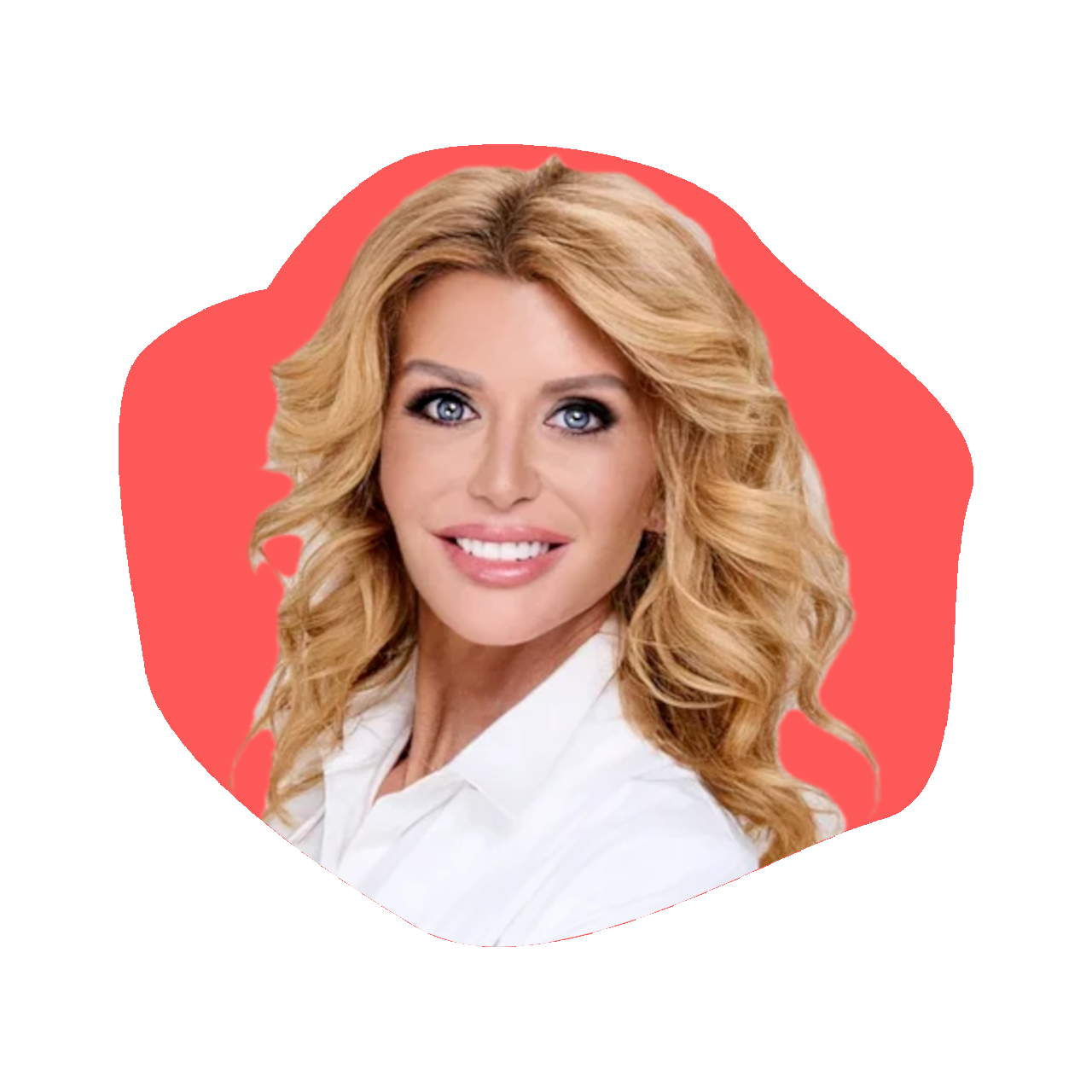
Pete Olander: Founder & CEO of Happie
Episode 781

On today’s episode, Kara welcomes Pete Olander, Founder and CEO of Happie — the wellness-focused cannabis brand redefining how we experience plant-based health and vitality.
Pete’s journey is anything but typical. After launching his career as a private banker at JP Morgan, he made the bold leap into cannabis—building Happie from the ground up into a vertically integrated wellness brand with CBD-infused beverages, premium flower, and kief-infused prerolls. Designed to support relaxation, clarity, and joy, Happie’s products are crafted with intention, rooted in organic farming, and built to meet the modern consumer’s demand for clean, trustworthy alternatives.
In this episode, Pete shares how he went from finance to full-on founder, what it takes to run a compliant cannabis business across multiple states, and why transparency, sustainability, and customer experience sit at the center of Happie’s mission. From market expansion to his Vitalism 3.0 philosophy, Pete’s story is a masterclass in conviction, credibility, and building something that truly works—from seed to shelf.
Resources from
this episode:
Enjoying this episode of #TheKaraGoldinShow? Let Kara know by clicking on the links below and sending her a quick shout-out on social!
Follow Kara on LinkedIn – Instagram – X – Facebook – TikTok – YouTube – Threads
Have a question for Kara about one of our episodes? Reach out to Kara directly at [email protected]
To learn more about Pete Olander and Happie:
https://www.drinkhappie.com
https://www.instagram.com/live_happie/ https://www.instagram.com/polander78/
https://www.linkedin.com/in/peter-olander-580a657/
Transcript
Kara Goldin 0:00
I am unwilling to give up, that I will start over from scratch as many times as it takes to get where I want to be. I want to be you. Just want to make sure you will get knocked down. But just make sure you don’t get knocked out, knocked out. So your only choice should be go focus on what you can control. Control, control. Hi everyone, and welcome to the Kara Goldin show. Join me each week for inspiring conversations with some of the world’s greatest leaders. We’ll talk with founders, entrepreneurs, CEOs and really, some of the most interesting people of our time. Can’t wait to get started. Let’s go. Let’s go. Hi everyone, and welcome back to the Kara Goldin show today, I’m joined by Pete Olander, who is the founder and CEO of an incredible beverage called Happie. It is a wellness forward cannabis brand, helping redefine what plant based health and vitality can really look like. I cannot wait to jump in to Pete’s full story. A little bit of the back story seems anything but typical from private banker at JP Morgan to making that bold leap into the cannabis space, the beverage space building Happie from the ground up into a vertically integrated brand with sparkling CBD infused drinks top shelf flour and Keef infused pre rolls sold across multiple states. And this isn’t just another cannabis brand, and that is why we have brought Pete in to talk a lot more about it. We’re also going to dive into some of the regulatory issues that are going on right now around the industry that Pete is living. So I think that that will be definitely enlightening for for many of us who are curious or sort of on the outskirts of some of this, but have heard it definitely going on in the news. But Happie is meeting a new wave of consumers who are demanding more from what they put in their bodies. And I’ll leave it at that. A Happie, Happie founder and CEO, Pete Olander, welcome. Super excited to finally meet you and have you here.
Pete Olander 2:23
No, I’m super excited to be here. Kara, I’m I can’t wait to share the story. And, you know, hopefully we got some good, good feedback out there. Awesome.
Kara Goldin 2:33
Let’s, let’s get into the definition of the brand. So what is Happie and what makes it different from some of the other cannabis or wellness brands that are out there, yeah.
Pete Olander 2:45
I mean, Happie, it kind of, it stems from function, right? No magic claims or promises. We want to be very transparent about what we do. We’re not, you know, offering some magic solution. And it really comes from the foundation of, hey, is this good for you? And can you feel it prior to joining, or prior to, kind of joining this industry and getting in and creating Happie I worked in the nutrition industry. And, you know, we worked, we were, I was very fortunate to work with a lot of, you know, high profile athletes, nutritionists, neuroscientists, and it was there, I really got an understanding of All right, hey, these functional ingredients can really, you know, people can feel them. They’ve got a positive impact. Now, how do we make them taste good so people actually consume them, right? So it’s really a foundation of wellness first, and it’s making it accessible and normalized for everybody. When people talk about plant medicine, you know, whether that’s, you know, hemp cannabis, or, you know, our latest product line is functional. Mushrooms, just lines main Cordyceps and reishi, you know, it’s all falls under the umbrella of plant medicine. And it’s, they’re functional. I mean, these have been used. These ingredients have been used for centuries, and, you know, people use them, you know, very regularly, and get great results. And it’s just a matter of, hey, can we get this in, you know, a convenient way to get it in someone’s hand where they can consume it. Have a functional, good benefit, you know, and have it taste good. Because that’s was one of the things with nutrition, too. Nutrition products like, hey, it could have the best stats and everything in it, but if it doesn’t taste good, no one’s gonna drink it.
Kara Goldin 4:35
Yeah, and Happie does taste really good? And it’s you guys have done an awesome job and getting the taste profile down as well. So you’ve done because that isn’t it’s not easy. It’s not easy and a product that doesn’t have cannabis or some sort of avid benefit to it. But you guys have really, really nailed it, I think so. I. So what was the light bulb moment that led you to decide, I need to just go do this?
Pete Olander 5:07
The light bulb moment was, it was when I was in the nutrition industry, right? We were working on, actually, greens powders. We’re looking at, like, kind of before Athletic Greens was, like a, really a thing we were looking at, all right, what are the plant compounds that we can get benefits from? And figure out, you know, how this can help people and how people can consume it. We were also working on some energy drinks at the same point in time, and it was just such a dichotomy of, hey, what goes into an energy drink with all these stimulants and sugar and this, how clean can we make this. So I was like, All right, well, you know, people obviously like these energy drinks and they like it, but not everyone wants, yeah, they want energy, but they want what they really want being seeing, like, the nutrition world is like, they want clean energy. They want stable, like, something they can ride, instead of these sugar, caffeine crashes. And there’s got to be a way to do it in a natural way. And can we make them taste good, right? And can we make it where it’s palatable? Because I think there is, especially with, you know, there’s a lot of anxiety out there, you know, there’s a lot of things happening, like, if you can have a good energy level with some mental clarity, or there’s some way you can do it naturally, that your body can really, you know, consume and use it. I just, I never saw that that need wasn’t met in the market. It was quick fixes, sugar, caffeine, whatever other adaptogens, right? Like, okay, well, you can do it a you can do it a different way. And I just want to show people they can do it.
Kara Goldin 6:40
So how difficult is this to work in an industry as you’ve chosen to do, that is regulated,
Pete Olander 6:50
very challenging. I mean, I didn’t realize, I didn’t realize how challenging it would be. What I got into it, because, you know, when we, when we first started doing the CBD waters, that was 2018 and that was still kind of, well, I don’t you know, it’s still kind of in the, you know, people looking at it side eyed. And then when you know, it started to catch some steam. And then in 2020 when covid hit, you know, a lot of our accounts shut down. And we’re like, Okay, well, we got to make a pivot. We got like, if I know is one thing about one thing I learned in the nutrition, you know, industry is like, Hey, I got to know my supply chain. I got to really understand this ingredient. I got understand what it is, what the quality is. So it was at that point in time, you know, I made the decision like, we got to get closer to the plant. So we went out to California, purchased a license, and then continued to work on Happie. But we were working on Happie with keeping in mind of a look, let’s just look at all plant medicine, right? So we’re up in Sonoma. We’re, you know, some of the best growing country in the world, up there, you know, with the vineyards and the grapes and just the knowledge in general. So it’s been a good experience. I mean, it’s painful, because you have to, you know, the taxes, you know, the, you know, the safety checks. I mean, we are, we are as highly regulated, or, I don’t know if, as, but close to pharmaceutical grades, because of of all our ingredients, because, you know, they test for everything in cannabis, right? So we’re just as a company, we’re used to that, and that’s what we look for in all our suppliers, whether that’s functional mushrooms, whether that’s hemp, because if I wouldn’t consume it, or I wouldn’t give it to my family, I’m not going to be wanting to offer it to the rest of the world.
Kara Goldin 8:28
Yeah, definitely. So how has your product changed since Happie first began? I guess is, it is because there are it’s a moving target, and we talked a little bit about this in the introduction, but how, I guess, has the industry forced you to change as well?
Pete Olander 8:50
Oh, my God, every day. So it’s like it’s being small. I think has helped us, right? Because we’ve been able to be nimble enough without too much baggage, because you can’t turning a Titanic is very hard to do. But in this industry, the laws change so frequently, even, you know, two weeks ago, but we started as a CBD company, there was, you know, and that was strictly, hey, you know. We did a greens powder with CBD. We saw the anti inflammatory like, results of it, people were feeling good, like, okay, let’s make it palatable. We put in a drink. People started to understand the CBD movement. Then that just got killed. When covid kind of swept through. People lost interest. But, you know, cannabis was still going up. Okay, well, cannabis is a little more highly regulated. It’s more expensive to produce beverages, you know. But you know, there is a need for this. And I think this is the future of, you know, of of consumption, because it’s a great alcohol alternative, if used appropriately, right? So we pivoted then, and then we just couldn’t, we couldn’t produce costs effectively our THC version in California, because, and it wasn’t, I mean, yeah, it was a little more. Depends on the production, but it was the logistics, you know, because a lot of we could only your landlocked to distribute to only dispensaries with these products, right? And a lot of the dispensaries, they don’t have the logistical infrastructure like alcohol companies do. So it just, it made it, you know, whatever. But, you know, I just, I believe that the it was, the industry was going that way, and we were going to be able to sell THC drinks, or other functional, you know, drinks, you know, in in the marketplace. And I thought it was really cool, like, hey, while we’re in California and we have this license, let’s just do flour right now. Let’s do some pre rolls. It’s, you know, but really get ingrained in the market. Understand the farmers, understand what high quality growing looks like, understand the community, the vibe like, and do that and build out from there. So, you know, it’s got that NorCal, you know, vibe to it. And then in 2000 you know, we, we’ve been growing there, and we’re sold out there. And then last year, the Delta nine hemp THC market started to pop, and we had already had our flavors done. We had already, you know, had the product ready to go, so we launched it. And, you know, then we start hearing from states, hey, we want we’ll only allow five milligram caps. And then some states will be like, Oh, now we only now we want to do 10. Some states are doing 50 to 100 which is bonkers, right? So it’s like, okay, what, where? What are we trying to go? We’re doing a we’re going for a responsible consumer who wants to have a good time without, you know, staring at a wall all night, right? That’s kind of what we’re into. And they so we picked our target, and we picked some states that work for us, but then now there’s laws and regulations. So it’s, it’s a very challenging, interesting dynamic. You got to be adaptable, because, you know, you’ll get a, you know, a distributor won’t take you in, and then, oh, well, now I’m worried about these legal changes that could possibly happen. So it just puts so much uncertainty in there. But you can’t stop, you know, a train that’s already moving. So all right, how do we keep moving this train? Because, you know, we’ve been fortunate enough, because we’ve kept going, things have started to open up. We we have credibility. We’re still here. We’re still doing our thing. So it’s, it’s been, you know, headaches, but, you know, I think overall, we’ve gotten better. We’ve gotten smarter at it. We really, you know, understand what we’re doing on a production level. So, but legal and compliance, it’s real, yeah. And the functional mushroom beverage has been, it’s been, like, night and day, and then, like, eye opening, because, you know, we’re on Amazon, you know, we’re completely compliant and everything. I mean, it’s, it’s great, but I appreciate that so much more because of everything I went through on the on the compliance side of it.
Kara Goldin 12:54
So for those who aren’t familiar with with the benefits of functional mushrooms and how is it, I guess? How is it similar to the CBD side of things? And how is it very different, outside of the regulations,
Pete Olander 13:10
as far as effects like the CBD and and the THC they have, they have a calming effect, right? The THC and CBD, the functional mushrooms, when you start getting into Lion’s Mane, that’s really good for mental clarity and focus. Cordyceps are great for energy level and immune health. And, you know, reishi, it is kind of a Zen, calming so that’s kind of where we get into thing where it’s like, hey, it’s you got a little, a little boost of energy without the jitters, but you’re actually kind of level headed with it, so you can use it, right? You know, it’s a good balance, if you will. And then in both of our lines, we infuse them with ocean derived minerals like magnesium, just for that added boost of hydration and muscle support. So, you know, we try and put a little extra in there for people.
Kara Goldin 14:01
That’s awesome. What has surprised you the most about this building your brand Happie? I guess, as you think about, you know, there’s obviously a lot of challenges that go on, and things are changing constantly. But what has surprised you most about the journey of of the build. I guess you know, you launch, you have this great idea, you go and launch, and I don’t know, maybe you’re hearing something back from consumers. I remember when we were first launching, hint that I I heard from tons of consumers, but I remember hearing from one consumer in particular that was really angry at us because we had a cucumber water. And I’m like, well, just don’t drink the cucumber water. No. But this is like, I can’t, like, forget about the cucumber water. And I mean, it was just, like, obsessed with the fact that, you know, you. You could have all these other flavors, but the fact that you have a cucumber water is just so jarring to me, and I think that it’s anyway, I think that there’s just interesting things that consumers pick up on that that you think when you’re building something is just maybe not that big of a deal, or you’re offering choice, but maybe it’s going to kind of skew the brand for certain people. And do you care? Do you not care all of that kind of feedback?
Pete Olander 15:30
The the feedback is, is huge for us. I love it. I love it. I hate it at the same time, because you make some and I learned this, it’s we started, you know, sending some beverages down to Georgia, right? And I’m in California, it’s just a different taste profile, where people want it, like, it’s sweeter, they like this. And I’m like, Well, I don’t want to load this thing up with sugar, but, you know, maybe I can make it sweeter with agave nectar or something. So, like, we started to play with, like, okay, how can I, you know, balance this out a bit, but at the end of the day, you’re never going to please everybody. So it’s like, All right, guys like, this is what we do. We’re pretty good at it. Try it if you like it, awesome. If not. You know, there’s, there’s plenty of other functional beverage companies out there, and some are doing a really good job out there, right? But, you know, we all fill a different space I can’t be everything to everybody, and you know, that just gets you way too spread out.
Kara Goldin 16:25
Yeah, definitely. So the the conversation around the regulatory issues that are going on right now, is there any way to kind of clarify it for us and sort of, you know, put it in plain talk for the consumer who’s not as in touch with what’s going on with the CBD market right now.
Pete Olander 16:48
Yeah. So what has happened in the last government reopening bill, they put some legislative verbiage in there that would effectively ban the sale of any cannabinoids hemp cannabinoids over a certain percent over the next year. So they basically said it’s a gradual rollout over a year. So that’s, you know, has a lot of people up in arms. I mean, it’s, it’s since 2018 with the Farm Bill, it’s grown the industry tremendously. I mean, there are now, you know, large distributors, beverage distributors, involved in this. And kind of, what’s coming down the path is, you know, there was some probably bad marketing claims, or, you know, some products out there that weren’t, doing things the right way, and they got found out. So I do think it’s going to be an issue for the industry in general. Now a side of that I do think beverages are going to be the ones that survive the product category that survives, and it really comes down to the the safety and the consistency and the potency and the testing and the beverage is now you have to haven’t done at a, you know, a facility that’s certified, you know, the everything is tested before it goes in, the ingredient in the can, after the can, stability testing. So there’s three checkpoints, whereas other types of products don’t really have that. And then in addition, there’s already major distributors carrying this. There’s liquor stores carrying this, you know. And a lot of these distributors, you know, they are seeing a decrease in alcohol sales, right? So it’s making up a gap. So at some point, you know, they can get their arms around it, you know. You know, as far as testing, and you know, if they’re getting on board with it, they they’ve, you know, mitigated the risk. But it is going to be an interesting year, because it’s gonna there’s gonna be give and take. It’s going to be all right. Beverages are probably okay, but maybe not point four milligrams, maybe it’s 10 milligrams across the country, because that feels like, you know, a little bit more than a beer, you know, like there’s, there’s reasonable ways to get about it. But in the meantime, it’s got a bunch of people spun up,
Kara Goldin 19:10
yeah, definitely. When are they supposed to give the final say on all of this?
Pete Olander 19:16
Well, right now, it’s put in there and they gave it, you know, one year. So that’s kind of November of next year that they have to make a decision. But there’s already people working on, you know, hey, how do we make this work? So I would assume something would happen in the next six months, or maybe it’ll be the last minute, like it always is. But I know there’s a lot of talk.
Kara Goldin 19:37
So how do you manage that, in terms of, you know, being the CEO of a company, here you are trying to, I mean, you own the vertical integration as well as, so you know, the actual processing of it, plus the growth of the company. And then you’ve got this uncertainty out there. I mean, it’s like one more mass. Of massive arm to an already complicated, overwhelming position that you’re in. How do you manage that? It’s a lot
Pete Olander 20:11
with positive distractions, maybe, I mean, I think we’re very interested. We’re, we’re the way we’re set up is very interesting, because say, you know, we have the, the cannabis division in California, which is strictly in California, that’s, that’s all we operate, right? That would not be affected at all by this hemp ban. If anything, it could help it right? Because we’re already operating in California compliantly, in that market, the the hemp, you know, side of the business right now, you know, we’re currently distributed in states, selling online. So if anything, maybe that that could get affected, or, you know, they would adopt the regulatory framework of California Department of Cannabis Control, which we’re already operating under. So if anything, that could be, you know, you know, I think we could work with it. I mean, I’m not saying it wouldn’t be a challenge. And then the third leg of the business is, is the functional mushroom, which we have no regulatory compliance at. So, is it chaos? Yeah, but, you know, it’s, it’s all kind of building for the vision of, hey, this is plant medicine in general, you know, you know, pick what, what fits you, what’s right for you. They’re all not for everybody. But if you’re looking for this kind of effect or this kind of product, I think we can give you a good one.
Kara Goldin 21:32
So when you think about scale and what, what does success look like for you. And you know, when you think about the everything that you’ve been doing is is incredible. I mean, you’re building a great product. You’re you’re taking on these challenges, but it, you know, it’s hard, and I know, as a founder, you’re sitting there, you know, every day it’s like some new fire that you’ve got to put out, Hill that you’ve got to climb, however you view it. But what does success look like for Happie
Pete Olander 22:12
success looks like, you know, a company that we I mean, I want to build a great team. I don’t know where we’re capable of going yet. I know we’re capable of, you know, selling a lot of drinks and, you know, but it’s, I think we’re we’re capable of maybe doing growing more of a movement. I want to see, like, there’s so many ways that we can, you know, you know, affect people or touch people with Happie maybe it’s, you know, other nutritional products, other this. Maybe it doesn’t have to be in a compliant heavy industry or something like that, but I do think people are looking for more ways to be able to be, you know, better alternatives to have a good time. Better alternatives to feel good about themselves. Better alternatives like, if we can find some niche that we can fill like, I’d like to find out other ways to grow Happie and have a heck of a team that gives me good ideas. Like, that’s, that’s fun for me finding, you know, people who are like minded, who like, hey, try this. Or, you know, I saw this new program, and I think we could do this like I’m having fun with, you know, my team right now, you know, promoting Happie and growing it. So I want that to stay.
Kara Goldin 23:22
I love it. When you look at trends for 2026 around this industry, obviously you guys jumped into, I guess, beyond the CBD, into the mushroom category. But what do you see as kind of the bigger trends around either of those industries that I think maybe keep you up at night thinking that there’s a lot, lot of room for growth there.
Pete Olander 23:50
Yeah, well, the mushroom drink especially, I’ve been look focused on that, and I think in I read a statistic it’s like, supposed to 4x by 2033 and it’s at 500 million for 2026 and people are looking and that’s just the mushroom beverage industry, right? So I think this type of product too, it just gives people, instead of, like, a mushroom coffee or something, it gives them another alternative, nice beverage, RTD, that they can drink. So, you know, people aren’t going, people are looking for functional beverages. They’re they’re looking for low calorie, low sugar, low crash, you know, low caffeine options and clean label, right? So I think we can, we can fill that. And I think, you know, people are getting more interested in just plant medicine and adaptogens and mushrooms in general. It’s become a buzzword. So there it’s, it’s kind it’s been a good we’re hitting the window, real sweet right now on that. And then as far as cannabis, I think it’s just getting more normalized, which is even better. Right? Like, I, I want people to consume, you know, cannabis for a purpose, not for just partying, right? Like, Hey, what are you intentional with? Is, can it make your life better? And, like, that’s why low dose. And when people look at it that way, use it in that daily life. You know, you can look at it as a nutritional kind of thing, because you do have an endocannabinoid system, like most people, just don’t have the other cannabinoids to give them that piece.
Kara Goldin 25:26
Yeah, definitely. Well, Pete, thank you so much for joining today. Happie is a great, great product, and and you guys are doing awesome stuff over there. So really appreciate you coming on and sharing the journey of building this incredible brand and and also just the process of you know everything going on in the industry. Really appreciate you sharing a little bit more with everyone about that and for everyone listening. Check out drink Happie.com and follow
Pete Olander 26:00
drink Happie at Instagram, and there’s Happie at Happie fusion, which is our mushroom one. So we like to differentiate awesome.
Kara Goldin 26:09
And thank you so much for listening and definitely share this great interview that we’ve had with Pete. And thank you, Pete, so much for joining us today. So founder and CEO of Happie Pete olender,
Pete Olander 26:26
thank you so much for having me on Kara. I loved it. So anytime you want to talk again, let me know.
Kara Goldin 26:32
Thanks so much. Thanks again for listening to the Kara Goldin show. If you would please give us a review and feel free to share this podcast with others who would benefit. And of course, feel free to subscribe so you don’t miss a single episode of our podcast. Just a reminder that I can be found on all platforms. At Kara Goldin, I would love to hear from you too. So feel free to DM me, and if you want to hear more about my journey, I hope you will have a listen or pick up a copy of my Wall Street Journal, best selling book, undaunted, where I share more about my journey, including founding and building hint, we are here every Monday, Wednesday and Friday. Thanks for listening and goodbye for now.