Jacqueline Prehogan: Co-Founder of Open Farm
Episode 896
Pet food needed a reality check. Open Farm gave it one. ✨
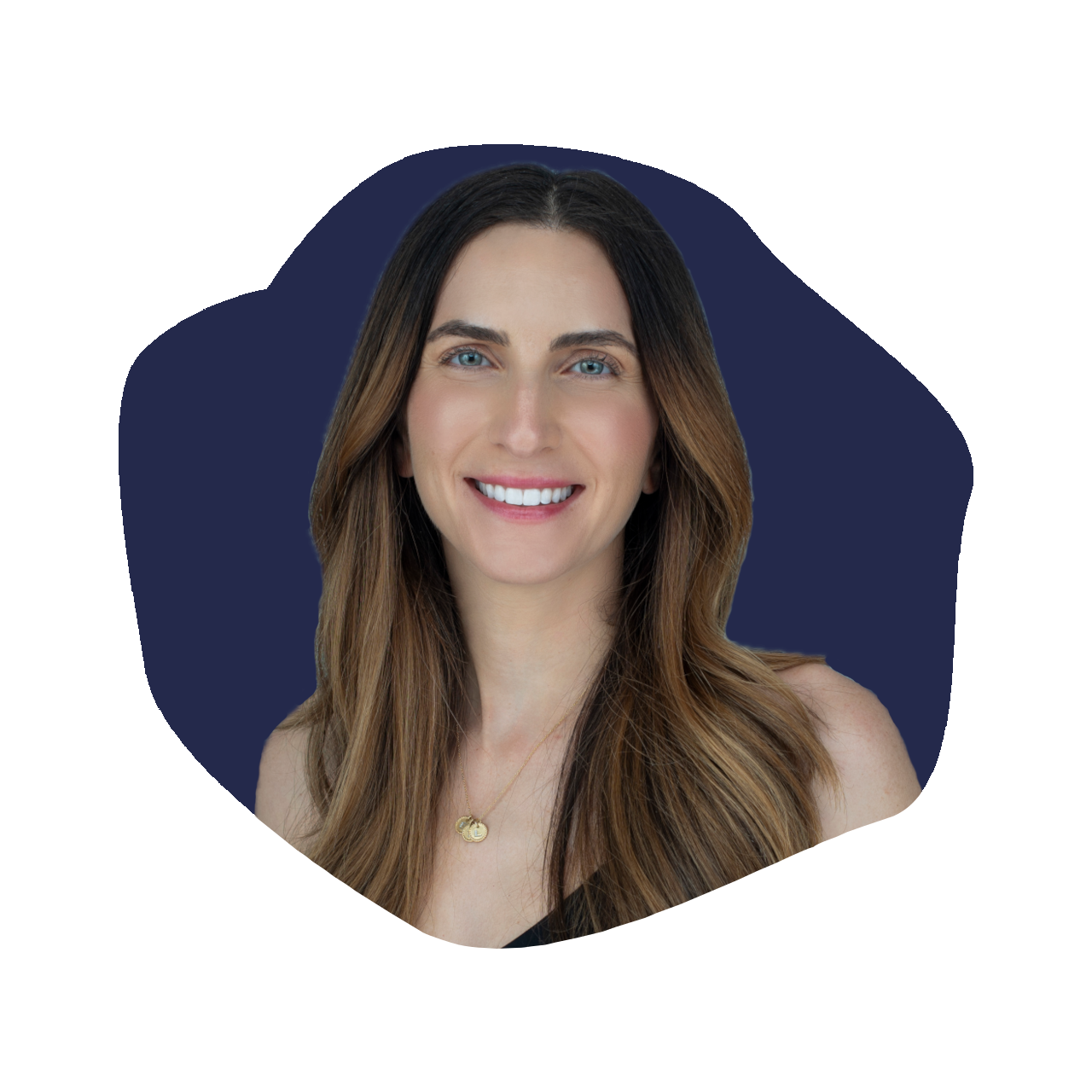
On The Kara Goldin Show, I sit down with Jacqueline Prehogan, Co-Founder and Chief Brand Officer of Open Farm — one of the fastest-growing premium pet food brands in North America.
This is a brand built on a simple but powerful idea: if pets are family, then we should know what we’re feeding them.
We talk about how Jacqueline helped build Open Farm around responsibly sourced ingredients, high animal welfare standards, sustainability, and radical transparency — long before those words became marketing buzzwords in the pet aisle.
And let’s be honest: pet parents are asking harder questions now. Where did this ingredient come from? How was it sourced? Is this actually better for my dog or cat, or is it just another pretty bag on the shelf?
Jacqueline shares how Open Farm has scaled into more than 9,500 retail locations while staying true to its values, what it takes to build trust in a crowded category, and why transparency is not a nice-to-have when people are feeding your product to a member of their family.
We also get into building a certified B Corp, growing a mission-driven brand without watering it down, and what Jacqueline has learned from building both Open Farm and Canada Pooch.
If you care about consumer brands, pet health, sustainability, retail, or what it really takes to build a company with a point of view — this is one to listen to.
You can find it here or anywhere you listen to podcasts. 🎧
Resources from
this episode:
Enjoying this episode of #TheKaraGoldinShow? Let Kara know by clicking on the links below and sending her a quick shout-out on social!
Follow Kara on LinkedIn – Instagram – X – Facebook – TikTok – YouTube – Threads
Have a question for Kara about one of our episodes? Reach out to Kara directly at [email protected]
To learn more about Jacqueline Prehogan and Open Farm:
https://www.openfarmpet.com/
https://www.instagram.com/openfarmpet/
https://www.linkedin.com/in/jacqueline-prehogan-68242338/
Transcript
Kara Goldin 0:00
I am unwilling to give up. That I will start over from scratch as many times as it takes to get where I want to be. I want to be. We just want to make sure you will get knocked down, but just make sure you don’t get knocked out. Knocked out. So your only choice should be go focus on what you can control. Control. Control. Hi everyone, and welcome to the Kara Goldin Show. Join me each week for inspiring conversations with some of the world’s greatest leaders. We’ll talk with founders, entrepreneurs, CEOs, and really some of the most interesting people of our time. Can’t wait to get started. Let’s go! Let’s go! Hi, everyone, and welcome back to the Kara Goldin Show. What happens when pet food gets reimagined by someone who believes our pets deserve the same transparency, quality, and responsibility that we expect from the food we eat? Today’s guest is Jacqueline Prehogan, co-founder and chief brand officer of Open Farm, one of the fastest-growing premium pet food brands in North America. Jacqueline co-founded Open Farm in 2014 with a mission to help pets live healthier, happier lives through exceptional nutrition made from responsibly sourced ingredients, and the company is a certified B corporation built around high animal welfare, sustainability, transparency, and better nutrition-all the stuff that you want to hear and know about. So, Open Farm is also available in more than 9500 retail locations, and of course online. Jacqueline is also the founder of Canada Pooch. We were just chatting about it. She’s also recognized as EY Entrepreneur of the Year in Canada. Very very cool. Love those EY people. Shout out to them. Very very cool. I love the story because Open Farm didn’t just enter the pet food category with another product, they have challenged the industry in so many ways. So, Jacqueline, welcome to the show. So excited to have you here.
Jacqueline Prehogan 2:12
Thank you. Very excited to be here.
Kara Goldin 2:14
Super, super excited. So, for listeners who are just discovering Open Farm, or maybe they’ve discovered it, but haven’t had a chance to hear you talk about it. How do you describe the brand today, and what makes it different from other pet food companies that are out there?
Jacqueline Prehogan 2:33
Sure. Well, we approach pet nutrition in actually like a really simple, common sense way. We’re less of a brand that says, you know, we do this one format, and that’s what makes us different. We are really centered around a food philosophy, which is delivering the highest standards in nutrition from, you know, animal welfare, sustainability, and transparency. And you know, when we started Open Farm, we’re really making that connection between, you know, the way that animals are raised and the quality of the meat that they produce, and you know, really starting to understand there was a different way that we could approach this, and that this was at a time where people were starting to really think about this for themselves. This was back in you know 2014, where I think we were you know starting to ask questions about where ingredients were sourced from, and and started to make those connections on a larger scale. But it really didn’t exist for pet, and that was really the white space that we came into from the very beginning. And you know, with a mission to do some good for animals and the planet, and we’ve built the entire business around that. And you know it’s very cool because we’re really sort of proving that you can build a business that does things the right way and that sets new standards while delivering the best possible quality product and that it can be accessible. So, what was the first product that you launched with? Oh my goodness! So the first product we launched with was three recipes. It was pork, white fish, and turkey chicken grain free kibble back in 2014. That’s wild. Were you always a dog or a cat fan. I I feel like often there are people who tend to gravitate towards one or the other. Sometimes you have somebody who has both and cats and dogs living together in chaos. And but were you in the kitchen making the original kibble? I mean, how did this all start? Yeah, it’s a good question. I mean, in terms of have I always been a pet person? Like animals have been like my lifelong passion. I was like absolutely born this way as a child. You know, making PowerPoint presentations or like my little version of it with cue cards for my parents as to you know why we should get a dog. I we I had. I had turtles. I had, and I definitely always wanted to, you know, build my career around animals. But you know, figured I couldn’t be a vet, and I, and so I ended up becoming an accountant, actually, which was a really a bad profession for me. I was like the world’s worst accountant, but, but yes, no, definitely had an affinity, and I’ve always been a dog person. I never grew up with cats, but I’ve grown such and was actually allergic to cats. But I’ve grown such a love and appreciation for cats over the years as well, even though we don’t have one. And I feel like there was a part two to that question, but I just got so engrossed in in my love of animals, I went way down that that rabbit hole.
Kara Goldin 5:40
So the second part of the question was: Were you in your kitchen creating products, and were you cooking the original kibble? I mean, like, take us back. Try and give us a visual for how this was started.
Jacqueline Prehogan 5:53
Okay. Well, the interesting thing is, like, absolutely not. I was like the opposite path, where, like, I was just a regular person that when you know we had our family dog and this was oh my gosh I was in the 11th grade so this was oh I don’t I want to I’m not going to age myself decades ago, but you know the breeder gave us food and that is what this dog ate. Chief great dog he lived till he was 14 his entire life. We never even thought about it. We never considered it, and and believe me, it was not the best quality food. Then you know, as soon as I moved out and I met my now husband, it was like we had we got a dog right away. I couldn’t wait to get a dog, and you know, I remember we just we walked into PetSmart and we got her, and then we’re like, oh, here’s a bag of food that has a picture of a piece of chicken and some rice on it. Oh, that looks healthy enough, and that actually started a bit of a food journey with our pet, with with her, and then our subsequent. We ended up going from one to three pugs because I remember she had she had issues on that. She was getting hot spots. Then we tried another food, and she did maybe a little bit better on that. And then we kind of kept going up to like more premium food, and then we we had her on a on a very premium food, but but she wasn’t doing well on that either. So we, to be honest, we jumped around a lot to a few different brands until we ultimately started our own food, and then obviously have had our pets on it ever since. But I was, you know, absolutely. I mean, we have we have so many customers like that that are just going above and beyond for their pets, even before they find us in in the way, you know, you describe. Maybe they’re cooking for their pets or they’re doing you know very extensive research. They’re very sophisticated. I was absolutely the opposite when I started when I was just a regular person who got a dog, my first dog, but it gave me a really good insight into like how confusing our industry is and how difficult it actually is to choose a food for your pet. And like, what do you go on?
Kara Goldin 7:52
Yeah, definitely. Transparency is a big word used in pet food, and I’ve seen that as you know part of your brand as well with Open Farm. So, what does transparency mean in the pet food industry? Because I I think it’s there’s so many buzzwords that are used overall in you know food and beverages and pets and and I just feel like transparency means different things to different brands. But and I’d love to talk hear hear from you.
Jacqueline Prehogan 8:24
Well, first of all, I’d say we made transparency a priority because we thought it wasn’t a priority in our industry. So that’s the first thing I’ll say. And I think for terms like that, you know, you kind of need to define them yourself because, to your point, they don’t have a set definition. And so, you know, when we started, I mean, the first thing we said was just culturally. You know, we’re really going to walk the walk. We’re not going to be a brand that’s going to make marketing claims. And there’s so much fluff in our you know industry; it’s very confusing. We really are going to walk the walk. So I think that’s the first part of being transparent is like actually doing the things and setting out to do things the right way, and then you know over the years we we really found ways to bring that transparency to pet parents. So I think we always believed that number one we kind of had to rebuild some trust in our industry that it was you know the the consumer trust was really shaken by you know a bunch of things that happened, and so we were kind of like how can we put this power back in pet parents’ hands to give them that that visibility? And you know, the first thing we did was we-it was crazy. It really is a crazy, crazy thing that we do. We basically said, “Is there a way for us to publish the origin of every single ingredient and every batch of our food? And we started out by doing that through QR codes. You’d have to take the QR code, you put it in on the website, and you’d get that full report. Every ingredient, where it came from, you know, if it had certifications, what were they? We even were publishing, and we still do safety testing reports of that batch. Now, then we were like, well, how can we make this even more accessible? Because that’s like a little bit clunky, right? And we move to a QR code where now every single one of our products has QR code. Scan it, and you’re going to see that that same ingredient list. Then you can go a step further. You can even put in the lock code because the QR code shows you last lot of that particular product and see your particular lot with your lock code if you want. And then the last thing I’d say is like we you know we operate on our you know core values, and one of our you know core values is about is about we called opening the barn doors. is about transparency, and I think I just think it’s a it’s a frame of mind, and it’s a cultural thing, and it also comes back transparency to us means how do we act, how do we you know interact with each other, how do we interact with our partners, and really living that every day, and I think that’s critical to it. Like not just being something that you say and fluffy, but something that you like genuinely live.
Kara Goldin 10:50
Open Farm is a certified B corporation. Why was that so important, and how does it affect you know the business decisions that you’re making?
Jacqueline Prehogan 11:00
So interestingly, with B Corp, I remember like probably our third year in business. We’ve been we’ve been around for 12 years. We were like because we started. We have a bunch of certified. We have a bunch of animal welfare certifications, seafood certifications. We have like all these sustainability commitments. Like B Corp was like such a natural fit for us. So very early on, we started talking about it, but we realized that B Corp is-it’s you need to be organisationally ready to get your B Corp. It’s not just about do we do the things, but do we, you know, are we ready to go through the whole process and and sort of it it it you you want to make sure you have the structure and the team in place to really support that. So we we looked at it very early on. We decided, you know what, we don’t think it’s the right time. We just have a lot of other things we’re focused on, a lot of other priorities in the business. And then fast forward, my God, we’re coming up on our three year now. So okay, it was like, yeah, 2023 ish. That was around when we’ll actually rewind from there a couple years because doing your B Corp takes a couple of years. So yeah, was in COVID that we were like, okay, we feel like we’re ready. We have the team, we have the structure, we’re ready to put in the work, and it was just such a natural fit. To be honest, we were already doing pretty much most of it and a lot more because of our standards. So it was really a matter of going through the process and going through the audit. But for us, I I wouldn’t say that B Corp for us changed the way we do things because again we started with that mission from the very beginning. We’ve always done things that way, but it’s such a great number one. It’s a community, so you really become part of this community with like-minded businesses, and number two is a really fantastic shortcut for consumers to to really be like, okay, I see what this business is all about. This gives me an extra level of comfort, which is something we always want to do for pet parents. We just want to make it easy for them to find the level of trust in us, which we do not take lightly, and we view as we need to reearn every single day. But we absolutely want to just give them that comfort, however we can. And B Corp is a just a terrific way to do that. So, Open Pharm has been recognized as one of Canada’s top growing companies multiple times. What has been the hardest part of scaling this business, you’re a serial entrepreneur. You’ve done other businesses, but this one in particular, what what has been the toughest part of scaling Open Farm? The hardest part of scaling the business is less about scaling the business and more about the fact that every single thing, every single thing we do, we do it the hard way, like we always have, because you know to have the mission and then to build. You know, I talked at the beginning. We call it the Open Farm Promise, which is having the highest standards in sustainability, transparency, animal welfare, nutrition. You you need to do everything the hard way, and so you know, when I think about scaling the business, ultimately it’s been about how do you do that? How do you actually raise the bar on that? But in a very high growth environment, right? And I think a lot of businesses sometimes maybe you know can lose sight of what they set out to do or what makes them different, and that has definitely never been our problem. Like we’ve always been extremely clear, this is our reason for being. This is why we broke into the super crowded industry. This is how we deliver value to pet parents, and this is ultimately what we’re passionate about.
Jacqueline Prehogan 14:32
So we don’t have the problem of of deviating from that, but it’s ultimately just the work and effort that goes in to scaling that at a super high level at a fast growth level, and and really that comes down to number one, like being motivated to do it, which of course we are. Number two is the team scaling the team, and we’ve been so fortunate as we’ve grown to be able to bring in just incredible team members that are, you know. Literally, leaders globally in many of their areas, like such as animal welfare, such as our you know our board certified veterinary nutritionists, and to process right and to like really building the infrastructure and the organization around it. So there’s no you know one thing. It’s about all of the things, but but I think for us, we don’t look at it as like, oh, it’s so hard. It’s it’s just what we do. It’s this is literally what we do. We love to do it, and every single day is a million challenges. Everything is is always done the hard way, but that’s that’s how we like it.
Kara Goldin 15:32
When you were looking at adding SKUs, so you don’t just have kibble. You’ve now grown over the years, how do you decide what to add, and and how fast do you do that? Because I think so many entrepreneurs in all different categories are trying to figure out. You know, you hear innovation. If you sell to retailers, retailers they want something that’s new. They want to be unique. They want to be different, whatever it is. But you know, when is it right for your brand to go and launch new products?
Jacqueline Prehogan 16:09
I mean, great question. I number one, you know, there’s no silver bullet answer. I would say I think it’s so so dependent on obviously the product, the brand, the the category, the distribution framework. You know, is it DTC? Is it omni channel? Is it retail only? All these things factor into it. For us, here’s but but universally, what I do think is sort of a common thread is this idea of how are you creating value, right? So I talked at the beginning this idea of like our food philosophy and our you know we differentiate in a very simple way that’s sort of really easy for people to understand where it’s like this is how we think about nutrition and and and you know raising the bar on nutrition and then it’s really about thinking how are we adding value through innovation and for us that’s always been about how can we deliver this central food philosophy that is super consistent for us in different formats that are going to, you know, resonate with pet parents? Are going to help you know pets be more healthy? They’re going to give them different options that are going to better suit their lifestyle. That they’re going to, you know, we have this sort of holistic approach called build the bull, which really allows people to come into our product ecosystem and actually play and have fun, and it you know depends on the pet, but if it’s a pet who you know likes to try different things and does well on different things, they can they can absolutely mix and match and build. Our our line is very modular, and I think for us it’s always just staying true to this, like never sort of getting caught up in like I’m just adding a product to add a product because I think I have to. It really has to pass not only okay like the proper stage gates of the process, but like the smell test. Like, do we feel like this is a fantastic product that we’re all really excited about that we you know we know our pet parents are going to love, and I so I think it really does come down to that. And absolutely, you’re you’re using data. You’re looking at what categories in your industry are growing. You’re there’s no question that is a very big part of your process. But I just always think that on top of all the data, there’s always a mix with you understand your pet parent, you your or your customer, whoever they are, for us we call them pet parents, and you’re really sort of making sure that it feels right to you, and you believe in it as a team that this product is ultimately going to add value to your pet parent and and solve a problem. So that’s really how we look at it, and that’s probably a you know simplistic view, but I think that’s beyond all the details. the The common thread that can run between industries and types of products.
Kara Goldin 18:46
Have you ever launched a product that maybe you thought, you know, this isn’t going to work, but then it just really took off, and you, you know, were pleasantly surprised?
Jacqueline Prehogan 18:58
Well, we’ve definitely had a few of those that I don’t think we ever anticipated, one interesting one is bone broth. We’ve had bone broth for many many years, and I mean I always just and obviously for people, many people drink bone broth and see the benefits of it. It’s the same thing for pets, and so we always thought that was a great product, you know. We launch it. I don’t think we ever anticipated that this it could become as big as it has resident. Really, you know, a core product that is so was so widely adopted for pets and sort of created a a category unto itself. So you know that’s definitely an interesting one, but there’ve been you know there’ve been a lot of products like that. I’d say we have a line called Ramix, and in that product, it’s sort of it’s kind almost like buildable in a bag. It combines you know freeze dried pieces and kibble pieces and different types of you know coatings on the kibble like both. Broth and bone broth again, and stuff like that, and you know it’s it’s in the upper end of our product line. So you know when you when you go up market, and when we did that for the first time, you know we absolutely believed in it, and we said like this is a fantastic product. We believe in this category. We were kind of really a pioneer of that category. Some products existed, but we have like tremendously grown that and sort of really own that space. I don’t think we ever anticipated again the success that that line would have, but I think it’s just such another demonstration of pets or family, and people are like, this makes sense to us. Like we are willing to, we want to go a little up market. We’re happy to spend a little bit more for that sort of next level of nutrition, and they see the benefit there, and so that’s sort of another one. I don’t think we anticipated the extent to which our pet parent like really, really wanted to go like even more premium because we’re already, you know, in in that sort of play in that area, but but they do because they really are looking for the best possible nutrition, and we really focus on making our products accessible. So even our products at the upper range, making sure that you know, as like say, it’s like a monthly purchase for Kibble. Ultimately, it is something that’s in range and accessible to a very you know wide range of pet parents, which is a very big part of our goal and our mission.
Kara Goldin 21:18
I hear a lot of people talking about itching dogs, and I think that you know often they they wonder if it’s you know allergies, external allergies. But I it often comes back to food too, and I’m sure you get you know different emails in your customer service. But is there one in particular that you find is kind of out there is is real. Somebody told me once that a lot of dogs are actually allergic to chicken. I think I don’t know if that’s true or not, but but it’s it’s fascinating, right? So because you think of it as for humans, very bland, right? And but it’s
Jacqueline Prehogan 22:00
you don’t hear a lot of chicken produce for people. It’s true. I don’t think I’ve ever heard that.
Kara Goldin 22:04
Yeah, but I’m so curious if you hear if you if there’s something that’s sort of surprising to consumers that you see a lot of.
Jacqueline Prehogan 22:15
Yeah, you know, I think there’s kind of like first of all, there is a lot of commonality in sort of the challenges that pet parents face, and and in a weird way, I feel like it’s people find it harder and more overwhelming and confusing to feed their pets than themselves, right? Like for ourselves, like okay, we go to the grocery store, we buy we buy the things, we we make a recipe. People get very confused, and and really need a lot of guidance. And part of that is just how confusing you know the industry is. But there are a lot of it is issues based. Absolutely, you know, and you’re not. You did not make that up. There, there are lots of chicken allergies. You know, people have. There’s a lot of gastro issues. Man, I have a doodle. I he’s behind there. He is. You can see the picture of him, Ted. I had three pugs. They could eat anything. They were like all over our our line. And then I got Ted. He’s a very temperamentally, you know, tummyed doodle. He’s a burned doodle, and you know, for him, I have him on very specific things in our line that work fantastically well for him, but it was a little bit of trial and error to see what worked for him. So gastro is super common. Another one is picky eaters, you know. And I almost feel like pet parents that have a dog that is a picky eater, like they literally go through like psychological trauma. Like it’s a thing, you know. I don’t know. Well, you have labs, so I’m sure you never have experienced this in your labs, but like when their when your dog goes up to their food and they just sniff it and walk away and they do that for three consecutive meals, like you start to lose your mind. You’re like, oh my god, my dog isn’t eating, my dog is starving. I’m not a good pet parent. You know, there’s like so picky eaters is really is really a big thing, and making sure that you know you can find products that are going to excite pets. Sometimes it’s also about like switching it up a little bit is super important. But what I would say is probably most surprising, like even to me as now, you know, in my position and and as chief brand officer at Open Farm, one of the teams that reports into me is actually what we call, like I said, pet parent. Our pet parent experience team (PPX) like the equivalent of of customer experience. I think we had 150,000 tickets in the last 12 months, something like that. Yeah, we have a lot. We first of all take customer experience very seriously. Like we really are very focused on, you know, providing that consultation to pet parents, but these conversations, man, they are first of all many of them are so sophisticated. People are doing tremendous research, especially with AI, and they’re also kind of really trying to figure things out. And they’re getting, you know, maybe they’re getting advice from their vet, maybe they got advice from their breeder. They’re seeing things from influencers. They’re seeing brand marketing. They’re searching on AI. Like they’re really just trying to to parse through a lot of information, and a lot of times that is to sort of address a specific issue with their pet, and maybe they’ve tried a lot of things. So honestly, we have seen it all. Okay, I take that back. There will for sure be like 100 things that surprised me, you know, in the next like three months. But we’ve seen a lot, and I think what surprises me the most is the level of sophisticated sophistication now of pet parents and how they’re so in the details. I think it’s fantastic, and it just shows how much people care about their pets and how much you know they’re really invested in them.
Kara Goldin 25:39
Yeah, definitely. I my kids say that as they’ve grown, my fifth and sixth children get so much more attention that that than they got. So I know it’s it’s so funny. So as Open Farm has grown, how have you personally changed as a leader?
Jacqueline Prehogan 25:57
Yeah, great question. Well, first of all, you know, I think being in the business from the very beginning, you do a lot of different jobs. You know, at the towards the beginning, there was a time where you know we didn’t have sales leadership. We didn’t have you know we had a few you know sales reps in different territories across the U.S. Canada, and my husband and I literally carved up the country. Sorry, the countries. It was like, okay, I I had like the Pacific Northwest and like I had you know the Southeast and I and every you know week two weeks we were on planes and we were oh we were visiting stores and we were you know we were we were doing all that or or you know before we we hired our amazing CMO. Like I was really running our marketing, and I’m I’m still very involved, but I’m not a CMO, right? And so I think as you know your business grows, like you at the beginning, like you you literally do everything, right? You you you do so many different jobs, you know, but between um between us, I mean, we’ve we’ve we’ve we’ve done a lot, and I think the most rewarding part of leadership is then being able to hire people that are so much better at you. That’s the goal at all those different areas, right? And like I remember when we were hiring our CMO as our first CMO, and and you know we were working with recruiter, and the recruiter’s like, oh, you know, Jaclyn, like you need to, you know, they’re going to be really worried that you’re like not going to be able to let go, and and I was like, I don’t think you understand, like I can’t wait to hire, you know, this role, and and because I can’t wait to bring, you know, in that next person, that’s going to be transformative for the business and bring in a transformative skill set. And so, I think as a leader, you go from I’m just figuring it out. I’m doing all these things for the first time. I am like learning, like I am learning everything. I’ve never done any of these things, right? You go from that to I’m now a leader of people. My job is to bring people up, empower people, find amazing people that are way better than me that are going to come in and be transformative for the business. Build teams, build the culture, right? And then I think for yourself, like it is about being able to let go and like loving letting go. To be honest, because you’re like this is so good for the business, and then you have to keep transforming yourself. You have to keep evolving, and I think for me that’s been such a privilege. On the one hand, I’m still learning so much. Like I, there is not, I never, I’ve never stopped learning for a day, which I love. But then having to keep stepping up because you got to keep, you have to keep adding value to the business too, right? But I think the other thing that’s really cool. Is when you do that and you let yourself do that, you really start to discover like, oh, if I just open up my mind, I’m open minded and I believe in myself. Like, I have other talents. I never knew I had. I mean, I was telling you before we came on. Like, I, you know, I went to to business school. I went into accounting. Can thank my mom for that. It was okay in her defense. It was a good background to have for business. I was the worst accountant ever. I applied to law school because I didn’t know what else to do, but I never ever considered myself a creative person. I was like, I’m not a creative person. Like that’s not me. I grew up in, you know, a house of like my both my parents were lawyers. Like it was just not like we. It wasn’t you know an artsy environment. And um, and then as I went, I was like, “Wow! Like I, I am creative. I am, and and actually now, as you know, I am 40 years old.
Jacqueline Prehogan 29:28
I am like, and that’s like my joy is you know being in like very artistic side and creativity, and and frankly, even at this age, discovering so many more skills and abilities because I am open minded and I’m not. I don’t give myself any narratives of you can’t do this or this isn’t you. It’s anything is possible. So, I think it’s such an opportunity as a leader to evolve and open yourself up to that. And then you never know what’s going to happen. Like it’s going to be an amazing journey one way or another. Yeah, definitely. What advice? Last question. So, what advice would you give to founders who are. Building in a crowded category, knowing what you know about this consumer and or your consumer, and you know how much they’ve changed over the life cycle of of your brand as as well. I I think that product quality and things like that are really important, but what other advice would you give to founders? Look, I mean, I I would say that now having been in the industry, I’m like, I I remember when I came in, I saw all these lifers in the pet industry, and I was like, wow, look at that! I’m like, oh my god, I’m like a lifer now. You know, I’ve been in the industry a long time, and I’ve I’ve seen a lot of a lot a lot of companies come and go, and I think that the biggest thing, and what what I think I always honestly blindly believed in, because I just I just knew I was like, all I know is that what we’re doing is different. I know there is a white space, and I know that this white space is genuinely important to pet parents, like they’re connecting it on like with it on like not only just like I want this or I need this, but like on a values level, like even on like an identity level, which you know, good or bad, you know, this is what I think is important in terms of how I nourish myself and how I nourish my pet and how I take care of my pet, you know, and looking at it coming back all the way to the beginning of our conversation to that, you know, that food philosophy, and that’s something that, and and again, having a mission and and really being true to that, and I think that you know the big, you know, I think the other thing that that you know you see is is kind of like doing something to say you did it, doing something because you think it’s what people want to hear, you know. Ultimately, you have to believe it. Like you, you have to live it. And I think we, I can tell you here at Open Farm, we never cut corners. Like when we’re having these conversations, it’s like such an easy answer. We always figure it out because we have a very clear north star, and not only does that allow us to like really deliver on the products, and like again, we see it as we have to reearn that trust every single day. Not only because we have to do it for Peppers, because we want to, because it’s what we love to do, but it also allows us to tell an authentic story, right? Like we, I always talk about what we do and what we say. So I just what we do is again like living the mission, like delivering on our on on you know the Open Farm promise, but the what we say is telling a true and authentic story about what we do, right? And if anything, our problem is always like we have way too much to say. We have so much to say, but all the cool things we’re doing. How do we do that in a simple, engaging way?
Jacqueline Prehogan 32:38
We don’t want to be overwhelming, but we are telling ultimately a true and and impassioned story that is authentic, and I think that that I think when we talk about what how the pet parent has evolved and how just consumers have evolved, they’re smart, their bullshit meters are excellent, and I think in this world of all the like fake things, they just want something real, yeah. And I think just being real and being you and doing what you say and being transparent goes an exceptionally long way. So again, these are not these are simple things, but I think they’re ultimately like some of the very most important.
Kara Goldin 33:19
So Jacqueline, thank you so much for joining us today. What you and your co-founder husband are are doing to build Open Farm is amazing. So pet parents are super super happy, but I’m just so proud of what you’re doing because I think you’ve built a brand that is authentic, transparent, super, super solid, and yes, my labs love it. So I am am a happy pet pet parent for sure with Open Farm. So thank you again for joining us, and thanks everyone for listening. Until next time on the Kara Goldin Show,
Jacqueline Prehogan 34:01
thank you so much for having me.
Kara Goldin 34:03
Thanks again for listening to the Kara Goldin Show. If you would, please give us a review and feel free to share this podcast with others who would benefit. And of course, feel free to subscribe so you don’t miss a single episode of our podcast. Just a reminder that I can be found on all platforms at Kara Goldin. I would love to hear from you too, so feel free to DM me. And if you want to hear more about my journey, I hope you will have a listen or pick up a copy of my Wall Street Journal best-selling book, Undaunted, where I share more about my journey, including founding and building. Hint: We are here every Monday, Wednesday, and Friday. Thanks for listening, and goodbye for now.