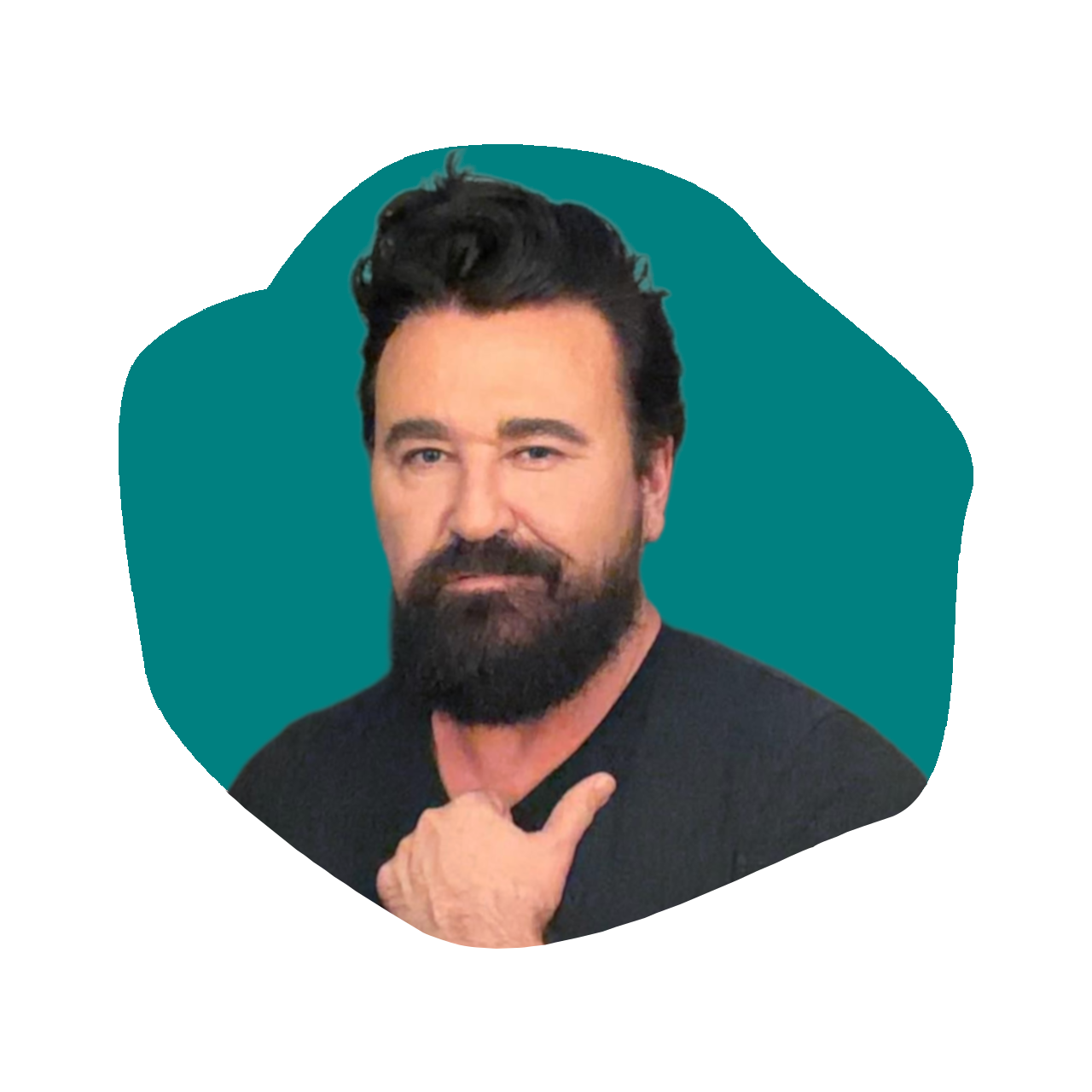
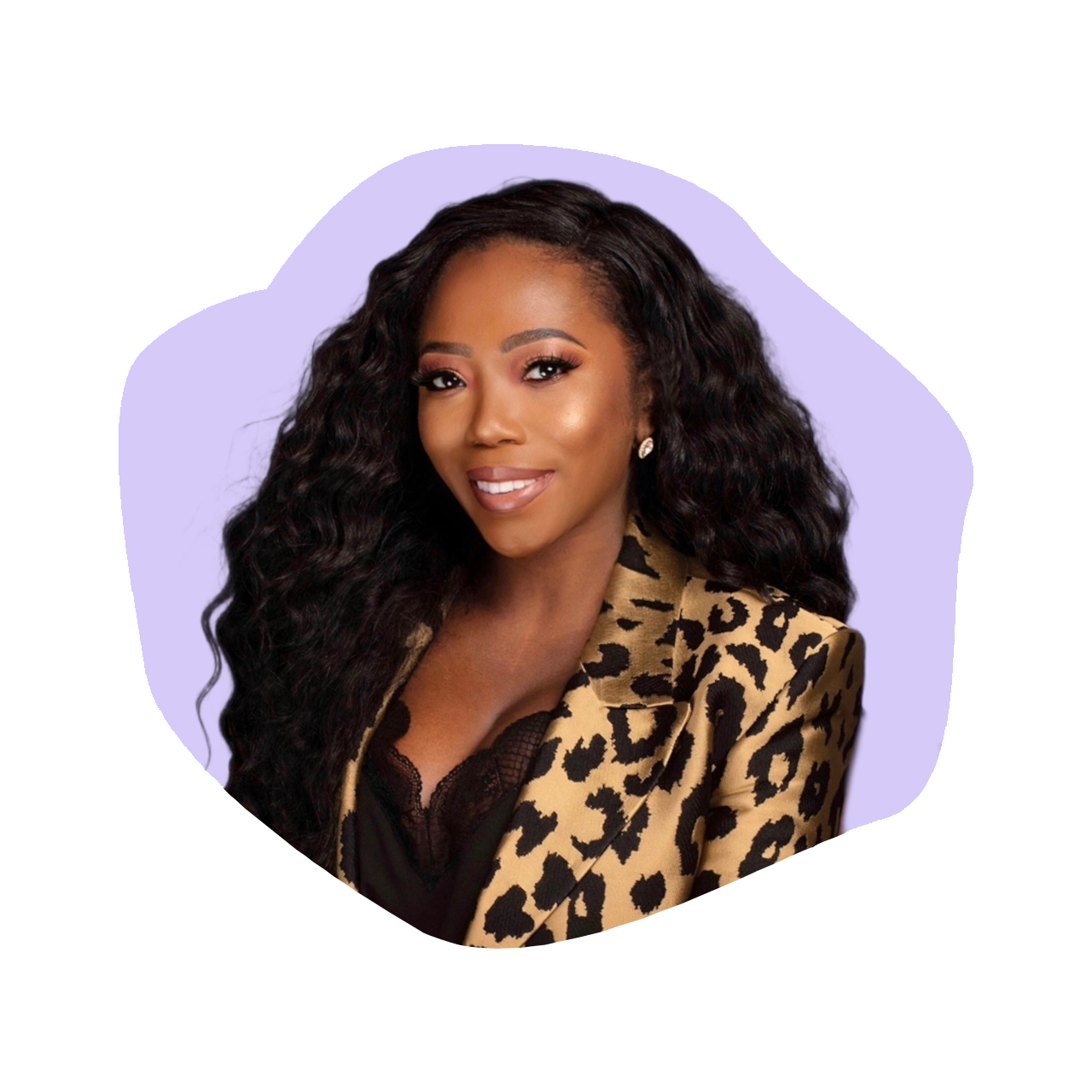
Adeela Hussain Johnson: CEO of BÉIS
Episode 864

What does it take to build a travel brand for the way people actually live, move, pack, and go today?
On today’s episode, we welcome Adeela Hussain Johnson, CEO of BÉIS — the travel and lifestyle brand reimagining luggage, bags, and accessories for life on the go.
Adeela has helped scale BÉIS into a $250M+ global business by staying focused on thoughtful design, functionality, accessibility, and disciplined growth. As the company has expanded across categories, channels, and markets, she has helped navigate the shift from startup momentum to building a business designed to last.
In this episode, we talk about growth, leadership, and the hard decisions that come when a company gets big enough that saying "no" becomes more important than saying "yes." Adeela shares a candid look at what it really takes to scale a modern consumer brand—and why the challenges only get more interesting as the business gets bigger.
If you're building a company, leading a team, or navigating growth at any stage, you'll want to hear this conversation.
Don't miss this conversation!
Resources from
this episode:
Enjoying this episode of #TheKaraGoldinShow? Let Kara know by clicking on the links below and sending her a quick shout-out on social!
Follow Kara on LinkedIn – Instagram – X – Facebook – TikTok – YouTube – Threads
Have a question for Kara about one of our episodes? Reach out to Kara directly at [email protected]
To learn more about Adeela Hussain Johnson and BÉIS:
https://BÉIStravel.com
https://www.instagram.com/BÉIS/
https://www.instagram.com/adeelajohnson/
https://www.linkedin.com/in/adeelahjohnson/
https://www.tiktok.com/@BÉIS
Transcript
Kara Goldin 0:00
I am unwilling to give up that I will start over from scratch as many times as it takes to get where I want to be. I want to be. You just want to make sure you will get knocked down, but just make sure you don’t get knocked out, knocked out. So your only choice should be go focus on what you can control, control, control. Hi everyone, and welcome to the Kara Goldin show. So join me each week for inspiring conversations with some of the world’s greatest leaders. We’ll talk with founders, entrepreneurs, CEOs, and really some of the most interesting people of our time. Can’t wait to get started. Let’s go, let’s go. Hi everyone, and welcome back to the Kara Goldin show. What happens when a brand goes from startup darling to a quarter of a billion dollar business, and challenges along the way, no matter what stage you’re at when you’re doing a startup. So, definitely, definitely excited to talk to our next CEO of an incredible travel company called BEIS, and Adeela Hussain Johnson is just amazing, what she’s done to not only scale this brand but also bring it into 2026 just killing it. So, really, really excited to hear more about BEIS and everything that they’re doing. Adela actually was at the company early on, was part of the founding team. What started as a luggage brand has evolved into a global business with a loyal customer base, category-defining products, and a reputation for making travel and life on the go easier through thoughtful, incredible design. So, if you have not tried Bass, you must, because it’s really, really cool what they’re, what they’re doing. And I’ll have all the info in the show notes at the end, but for now, Adeela Adeela Hussein Johnson. Welcome to the Kara Goldin show. So excited to meet you.
Adeela Hussain Johnson 2:06
Thank you.
Kara Goldin 2:07
Very excited to have you here. So, for those who aren’t familiar with BEIS, spelled B E I S, what is the company and what problem was it created to solve?
Adeela Hussain Johnson 2:20
Yeah, so we are a lifestyle brand that helps solve the problem of travel needs. So, I’m getting like, what do you need for all the stuff you have to get from point A to point B. We define travel very broadly, so not necessarily getting on a plane, but travel is getting anywhere, anywhere you need to go in life, and how you move around in that you typically need something to put your stuff in, and we want to be the solution that simplifies the place you need to put your stuff in, and that’s kind of in its most simplest forms what we do, and the problem that we sought to solve at launch, and I would say is continuing to just evolve in terms of kind of the white space opportunity that we believe we play, but is at the time there was a lot of options, and this industry in general was just not really speaking or catering to a fashion trend type consumer. It was very utilitarian. It was typically intended for kind of the male commuter audience, and that’s who any kind of almost all brands were marketing to, and so there was this tremendous opportunity to one speak to a female consumer and speak to a consumer who cared about the way she looked when she moved around and traveled, and and there was this white space opportunity to do that in a way that was more affordable and was packed with function, where you didn’t feel like you had to compromise on, okay, if I want, like, a super functional brand, it needs to look like, you know, like some military bag, or if I want something that looks really chic, it just falls apart the minute I use it. So, how do we kind of blend those two needs together and solve a true market need, which I believe you know, at launch we did exceptionally well, and took off, and you know it was just a testament to the first couple years of our business in driving like significant year over year growth. It was hard to almost keep up with, and then as we’ve kind of evolved in our business, and I would argue that the market has kind of caught up in terms of that this need is so worth pursuing, right? So it’s not just us now kind of going after this consumer, it’s kind of how do we continue to evolve in a way that continues to deliver on superior function, superior quality, in a way that’s relatable and attainable for consumers who are continuing to look for that type of product that delivers both on the fashion and the function, so where does the name come from? It’s kind of a funny story. So, Shay and I, very early in the business, brainstorming names, as you always do, and I feel like in every business I’ve ever kind of worked in and built, that’s one of the hardest things to actually land on, and part of it’s like all the trademark law. But part of it’s just something that resonates with what you’re trying to do. We loved the idea of kind of this new neutral, this new beige, and that was kind of the impetus to the color palette and the way we were thinking about the brand. Like, the way people use this product is not going to necessarily change, like you’re going to travel the same way you’ve traveled. We’re not necessarily revolutionizing, like, getting on a plane, but can we make it easier? Can we simplify? Can we make it more chic? Can we make it more fun? Can we make it less, like, ugly, for lack of a better word. And so we always said, like, oh, it’s the new neutral, like we want to provide a color palette that’s a new neutral. And we launched with black and beige as our original colors. Bass is the Spanish word for.. we can’t, you can’t trademark beige if you didn’t know.
Adeela Hussain Johnson 5:42
I mean, despite Che attempting to convince me that we could in 100 different ways, I was like, nope, nope, still can’t do it. So BEIS is actually the Spanish word for beige, but then the accent is kind of what makes it unique, and it’s intended to kind of look like a plane taking off, but also kind of just revolutionizing the category in the way that we thought we could was kind of where the accent came from, and so then became BEIS.
Kara Goldin 6:07
What were you doing before coming into the founding team of BEIS?
Adeela Hussain Johnson 6:12
So I have spent my career in just a lot of different places. I started very, very early. I thought I was going to be a civil rights attorney, like I was. I’m always like a highly principled person. Just I thought of the world at one point in my life very, very black and white. When I ended up kind of interning in an industry there, I was like, oh, it’s not quite what I thought. So I ended up pivoting and graduated, and I actually went into financial planning, and I spent several years in that industry, building a financial planning practice with Ameriprise, and then moving into leadership there in 2008 I went back to business school at the Kelly School of Business in Indiana, and did kind of a hard, a harder career pivot at that point, which was intention of going back to school, I wanted an opportunity to kind of learn and reset, and at the time you know I interviewed in a lot of companies, I was in the marketing academy, and I thought I would end up in like a very traditional brand marketing type role, which was kind of the career path I was, I was gearing up for, and in the interview process, and even through my internship, I realized like I don’t do so well like this way, like I’m, I don’t like being hyper-disciplinedly focused in one area is not my expertise. My expertise is like breath and being able to look really wide, I think, and kind of having that GM training and how to think about the business with a lot of different lens and being able to manage a lot of different parts of a business was really what fueled me, and so I ended up going into the merchandising world at Target, which essentially, like the way that program is built out, is you run a mini business within a category, you run the PNL, you run the financials, you understand revenue, you work with marketing, like you get a really, really 360 view, you build relationships with vendors, and I loved it. Like I say today, like I am a merchandiser at heart, and that’s really where I really cut my teeth in product marketing and product brand building, and what works and doesn’t work, and really where I started to understand consumer behavior and purchase cycles, and like how all of that works together to help build business, and moved through the Target career path for several years. I went out to help run the Target Canada business, of which soon after I joined, they shut down. I like to believe it didn’t have anything to do with me. That decision was made before I showed up there, but then following that path I got pregnant when I was in Toronto, so I ended up leaving Target, which I never thought I would do. I loved, I loved it there, and I joined the startup world, which was super unique for me, and honestly, not a path at that time I thought I would have gone. I really like resources, I really like data, I really like money and access to it to drive business results and I didn’t, didn’t really see myself much as an entrepreneur or startup, and it was kind of then that I realized, like, oh, I think I’ve actually always been an entrepreneur, I just didn’t know how to define it, and I didn’t know that’s what I loved about what I did, and joined Beach House Group at the time was called Something Different, and they were a brand incubator and would develop brands to work with retailers to help sell those brands, and then that evolved into influencer-led brands, which is where I met Shay and developed BEIS in 2017 and then have been doing that ever since.
Kara Goldin 9:34
I love it. So BEIS operates in a category that existed long before the brand. How did you think about differentiation in a space that many people thought was already crowded? I mean, I think there’s one thing to do, like color, but how did you think about how many SKUs to start with? All of that was like, did you have to create a different type of bag, right? Right off the bat, or was it really kind of going out with some core things, and then hoping that the consumer then finds you and wants to buy into what BEIS is doing?
Adeela Hussain Johnson 10:13
Yeah, I mean, I think your question is, is like almost like a three-part question, right? So, like, in terms of the crowded space, I would actually argue the space we entered was untapped. The space that’s very, very crowded and was very crowded when we launched was luggage and bags sold to people who were just traveling and looked all a very certain way and were targeted to a very specific consumer, especially when kind of the D to C, so before away the brand away the D to C market for this business didn’t exist. It was a primarily a brick and mortar space. This product is really, really expensive to ship, and so D to C was not a channel that was typically very, very profitable, and it made it challenging to scale, right? And so a way kind of figured out, okay, there’s a pricing threshold that can be warranted in this category that maybe can make the unit economics a bit more profitable, and so they started, and I would say, like, we’re really pioneers in the way they opened up the category to D to C, but again very, very focused at the time on that male commuter audience, and like their marketing would tell you such, the people carrying the product would tell you such, and the product still looked very comparable to what you would see in terms of like the esthetics, right, and so yes, what I think became really true around that time, you know, that that kind of mid to that, like 2017 2016 time, is that clearly there was a market for higher priced product that had function, right? They launched with the whole like battery pack, right there was this kind of an element around like charging on the go, and they had this kind of hook there, but what it also unveiled is there’s this market of consumers who are willing to spend more than maybe what they could find at like a Target and a Costco or, you know, a TJ Maxx, which are all very big businesses in this category, but it has like more features, right? So I think that kind of unlocked that, but didn’t the market we were speaking to is the consumer who didn’t want to carry something that looked like that, but still wanted all of the functions associated with a product at that price point, and didn’t want to have to pick between the two of them. Ramoa existed. Ramallah looks amazing, but you have to pay $1,100 at minimum, if not more, to walk around with a remote, and we didn’t believe our consumer that we were targeting was in, in the financial position or interest to want to do that, right. So I would say, like, the first and foremost was really honing in on who is our consumer and what do they care about, and I think it is so important when you’re building a brand that you do not try to be everything to everybody, like there was a very specific consumer we were speaking to, I would say people undervalued our ability to commercial create commercially viable product that would sell to that consumer in a way that would grow, and I think Shay and I always believe, like, no, that consumer is a consumer waiting for us to respond, right? And, and, but nobody was really speaking to her, so I think it was untapped in that way, but being super and heavily focused on this is our consumer, and this is who our consumer is not, and when we built our marketing plan, and our voice, and our tone, we were very much speaking to that girl, right. We were speaking to the person who cared about fashion, who cared about function, and had a particular price point that they were willing to spend, and we didn’t speak to anybody else. And I think that really, really helped us narrow in on our audience.
Adeela Hussain Johnson 13:57
It also helped that we had Shay, right, who is clearly was a megaphone for us in terms of attacking and like attacking that kind of consumer demo because she was already ingrained in that consumer demo within her social platforms and so it just allowed us an opportunity to have a much louder voice and have a platform to help tell our story, but it was really, really important, like who we were speaking to in terms of product assortment. It was very tight, and I, again, I would, I would say anybody kind of starting a new brand, like that’s so important, because you only have but so many dollars to spend, and you have to invest in areas of the business that drive awareness, and those are expensive, and get more expensive as you scale, sometimes, especially at the beginning, right. We needed to have infrastructure in this business that helps support growth, and you have to buy inventory, and again, our product is not cheap to buy, right? So, the inventory itself is expensive, so you, you can’t spread your, your. Ourself too thin in that way, so we were very intentional, and what’s.. and very, very few people realize this, but we actually did not launch with rollers, and that was incredibly intentional, because the roller market was more saturated than other markets, and we believe we could win with a product category that was like an overnight bag that looked chic, that looked amazing. It’s called Our Weekender. It is still our number one selling SKU. It solved a lot of functional needs. It looked really good. We believed it solved a lot of the desire to have something that was a shoulder bag and that was very different, and we could market it differently than what a roller’s needs were, and more importantly, in my opinion, and what very core to the strategy we launched with products that we could help build a collection. We were thinking in our head, we don’t want somebody to just come in and buy one item, we want somebody to come in and buy one item and then build out a collection, and once you buy a roller, you’re not probably buying another roller anytime soon, right? That’s not a purchase that people make every three weeks, four weeks, three months, but if you buy a bag and then there’s a cosmetic case that matches it, and there’s a luggage tag that matches it, then there’s a passport holder, maybe you’ll buy deep into that color profile. So we really nailed the idea, I think, early that color matters, and people will shop and build assortment by color, and that is still one of the things we do exceptionally well, is color right? Once you come in on Maple, you are a Maple girly, and you buy everything in Maple. So it was a really tight assortment. It was very intentional, and it was a very intentional consumer that we were speaking to.
Kara Goldin 16:39
What gets harder as a company, from your experience, reaches the stage that you’re at? I mean, you have grown into hundreds of millions of dollars. Like, what have you seen that is probably one of the hardest things that maybe you didn’t see when you were working for other companies? Even if you were managing a unit, you were sort of hidden from from that, but now you’re not, you’re running that company, and what is kind of the hardest at this stage?
Adeela Hussain Johnson 17:10
Yeah, I mean, I think it’s honestly like incremental growth, right, and I think you can only grow a business so many ways, you’re either speaking to additional consumers, whether it’s within your consumer demo or you expand outside of a consumer demo, you launch into new categories, so that you are now meeting the needs of different types of consumers, or you are available in different channels, like those are the three ways that you kind of grow an audience, right, and I think the bigger you get, it is harder to steer the ship, and it’s less easy to be as nimble as you were when you were a $50 million business, both from a team standpoint, because there’s that many more people you have to bring along, from a like an expense standpoint, because everything you do just requires more money to do it, because of the scale, but it’s also just harder because you especially early in a business, and with kind of like that explosive growth, the infrastructure is chasing growth because you got there really, really fast. So now everything is kind of having to be set up to help support that level of growth, and then you’ve kind of really, really honed in into your audience, and you really have a playbook that works, and then something changes, right? And, and when you hit certain growth metrics, and it’s not just the size of your business, it’s the market dynamics that happen around you. If you are doing really, really well, and you’re doing something really well, you’re not going to be the only person doing it for very long, and so, right, that naturally there is a competitive landscape that will become much more aggressive as you grow, right, and if you’re doing it well, that is going to happen, and to stay, continue to stay relevant, to continue to drive newness, continue to drive innovation, to reach new audiences, that just becomes harder, and it’s much more expensive to do, and I think you know what’s a 5% growth at our dollar number now is is a meaningful number, missing something by 1% is a meaningful number, and so the stakes are so much higher, and I think there is a risk profile that changes when you’re when you’re younger in a business, and your revenue isn’t so huge that if you make a mistake, it’s like, yeah, it’s okay, let’s learn, let’s move on, and the price of that mistake is much bigger later, and so risk tolerance in general of an organization, especially investor-backed organizations, are just harder to do, because the dollar associated with kind of missing is harder, right, and it’s harder to absorb and harder to mitigate. So, I think it’s kind of like just it just gets tougher to reach those audiences in those ways, and the risk tolerance to do it goes down. I wish that dynamic wasn’t true, because I think part of part of what makes any brand really successful is a team and a. Business’s ability to take risk, but it’s just natural. It’s a natural progression. It doesn’t mean you don’t do it. It’s just has to be much more intentional and likely slower than how you did it before.
Kara Goldin 20:10
Yeah, definitely. So, what have you learned about building the brand like you were? You were there in the early days, getting the word out about BEIS, and you know, as you said, things change right as you scale, and, and you have to find new growth for the brand, but when you think about what you’ve learned about the brand building, and how do you acquire these new customers, what maybe, what are some new areas that you stepped into that are you think, are you know, you never would have thought of that years ago.
Adeela Hussain Johnson 20:45
Yeah, I mean, we, we have always valued experiential marketing, you know, that is, I hear it a lot now, kind of as this new evolution, and I’m like, oh, like that’s new, like we’ve been, and I would say, you know, started almost like back, I think 21 was the first year we did a pop up, and we’ve always recognized that, especially in a D to C business, where we do not have our own brick and mortar stores, and the retailers we use are part of, like, a bigger, like a Nordstrom, that’s part of a big organization, you’re never going to be able to tell your brand story in the same way, and so to me experiential marketing is still very much at the center and critical for any brand, even more critical for a DTC brand, where you don’t necessarily have like built-in ways to interact with a consumer, like they can walk into your store, but what I think has meaningfully changed in the last, like, six months, 12 months is the need and desire to scale those efforts to be able to reach a much broader set of audiences, so where kind of more localized efforts worked really well, because you know if somebody is sitting in Miami, we have an event in LA. It’s cool for them to look at, like, the world of technology, AI, you know, all the things that are kind of happening around us. Like, people want to experience that, no matter where they are. And this, the true definition of omni-channel, I think is now coming to play, where even when I was back in Target, we used to talk about omni-channel as, okay, well, the experience of going in a store and buying online, omni-channel to me is the way consumers experience your brand needs to be able to reach them no matter where they are, and I think that dynamic is actually very unique and has, like, changed dramatically in the way that we think about anything now. When we do in marketing, is it’s really about scale, and that is a different beast. It’s a very different beast, especially in experiential marketing, where the way you think about experiences, like somebody’s individual experience with you when they are interacting with your brand, but it is that is the BEIS expectation now is changing, and not BEIS like our BEIS BEISline expectation is changing on how consumers want to interact with your brand, especially if they’re not able to go to that experience that you had in Miami when we did Poppy last weekend, you know, and so I think that is, that is different, and I think as a business we have to evolve, and everybody around us has to evolve to figure out, like, how do you scale these efforts to reach even a broader audience and bring people along in that journey.
Kara Goldin 23:34
Is there seasonality in your category, and what might surprise people?
Adeela Hussain Johnson 23:40
Yeah, I mean, the typical you would expect around holiday time period is a significant piece of our business, not just holiday like Black Friday, Cyber Monday holiday, but holiday travel. In fact, we see a significant regular retail business around that time, just because the sheer volume of people who are buying gifts, who are buying stuff for their own travel, but then another peak is actually like we have a spring peak that happens, they call it resort season, so it’s like right before your spring break, and then summer peak, right, so before summer travels, it’s the fashion calendar is actually very much like it’s concurrently built with the travel calendar, those two calendars are very, very similar to one another, so the where you kind of see runway shows, like that’s kind of the same peaks that we see in travel, and and that works really well for our business, because we are a trend, trend-driven business as well, in terms of us wanting to bring fashion to this category, and so we actually mimic the kind of fashion calendar, and it’s very aligned to the travel calendar, so outside of D to C, where can people find BEIS? We’re in quite a few retailers, and I’m nervous I’m going to miss them, so hopefully I don’t. But we have Nordstrom, Revolve, Bloomingdale’s, we’re in Anthropology, we’re in the Hudson Group, which you’ll find in airports, I am. Definitely, we’re at Indigo in Canada. I’m sure there’s a couple of others that I’m missing, but those are our current, yeah. So, there’s a few, and now we’ll be expanding over the course of the next couple of years. One of our big footprints is to expand our wholesale market.
Kara Goldin 25:15
That’s awesome. Are you just in the US right now?
Adeela Hussain Johnson 25:18
It’s a global business. We ship just about everywhere, but we have kind of more localized efforts in the EU, UK, Canada, and here.
Kara Goldin 25:26
When looking back, especially since you’ve been there since the beginning, what was the most pivotal decision the BEIS made that you really saw the hockey stick start to go?
Adeela Hussain Johnson 25:38
It was the decisions we made on COVID, we had launched in 2018 by launching a travel-forward brand in 2019 So we launched 2018 without rollers. 2019 we launched rollers in June of 2019 and in March of 2020 We all know kind of what happened, and one of the biggest focuses, and I mentioned it earlier when we launched the brand was we were really looking at, like, how do we help people build collections, like that was always the mindset, and always how we thought about the business. It was never about the insular purchase, and it was never about, like, just travel. We always wanted to play in multiple categories that answered, like, beyond the go need that paid us back in spades when Covid hit, because we did not have all of our eggs in one basket, we had several product categories that we had lost the diversity of our portfolio. So, before we knew about Covid, obviously that was our business strategy. What happened in Covid, and I think probably just the very.. there were some very critical decisions that were made at that time that really impacted our ability to scale, which shockingly happened very significantly, even in that post-COVID, like immediate post-COVID time period. Is one figuring out that, okay, people are maybe not getting on a plane, but they are still moving, they’ve just changed the way they’re doing it, so whether they need to be hands free because they had glove gloves on and they need to sanitize, or they’re going on a car trip somewhere because people are still needing to get out, right, and they’re still needing to engage in the world, but it looks really different, and we very, very quickly figured out, here’s what we think people are going to need, and we got some of those things right, right. So we had a work bag, for example. This is a perfect example. We had a work bag that was doing well, like it was a good skew, but all of us obviously moved to a work from home environment immediately. We were all in office full time before COVID, and we all move, and I had three young kids. They were like three under five at the time, and my, my eldest was going to be starting kindergarten, and so I found myself moving my, my workstation from room to room to room, all like all day. So they were in this room, I was moving to that room, and I was like, I kept putting everything into my work bag, because I’m like it was the only way that I could efficiently move through the house, and we were like talking as a group, we’re like, I bet everybody, like so many people must be doing that, whether they’re going outside to work or they’re switching rooms, like everybody’s kind of figuring this out, and so like that we started to focus a ton of marketing attention on that, that bag took off, right, and and like just little nuggets of really, really understanding our consumer. We started marketing the Weekender bag, which we actually gift. We had a significant gifting effort to nurses. We transitioned one of our production lines to make masks, like we were really invested in, like supporting our world in our community, what we were going through, but our weekender bag turned out to be this amazing bag for nurses, because nurses were putting clean bags on top, and then there’s like that, that bottom section that separated their dirty soil clothes there, and like that became a thing that we started to help support, and we were gifting bags to nurses, and then that took off, and so it was, you know, there was a little bit of like a serendipitous kind of opportunity met, met preparation moment, for sure. The second thing I think we really did well, and we figured out at that time, and why it was so pivotal. Pivotal brands in our industry got super freaked out, rightfully so. Right, the world is literally grounded, and we are in the world of helping people move around, and they pulled back.
Adeela Hussain Johnson 29:27
All ad spend came out of the market, everything, everything pulled back, and that was the opportunity where myself and at the time our VP of digital were like, this is the time we spend, right, this is the time where nobody else is talking, and we have an opportunity to break through in a way that’s way more cost efficient than what it would be if everybody was speaking, and we doubled down. We actually spent more post-COVID than we did pre-COVID in helping to tell our brand story, and it was quiet, right? It was quiet. We had, like, a active, and people were on their phones all. Day, and so we were able to really figure out strategically, like this is not a time to pull out, and I think it’s a caution to kind of business owners and founders that sometimes in these moments of panic there is actually opportunity if you’re able to kind of afford it and see through it, and we weren’t a huge brand at the time, so it’s not like we had indispensable amounts of money, but it’s really being strategic of understanding your consumer and how they respond, and like really figuring out where it makes sense to spend, because it’s not when the world kind of falls apart, it’s not like pull back on everything and preserve, there’s times to actually like double down.
Kara Goldin 30:40
I couldn’t agree more. So, Adeela, thank you so much. Such a smart and fascinating educational conversation. So, really, really great what you’ve done to scale BEIS into the incredible brand that it is today. The products are terrific, everyone, even beyond the Weekender bag, everyone needs to definitely try BEIS and follow Adela as well. We’ll have all the info in the show notes. But thank you again, and thanks everyone for listening. I will see you next time on The Kara Goldin Show. Thanks for having me. Thanks again for listening to The Kara Goldin show, if you would please give us a review, and feel free to share this podcast with others who would benefit, and of course, feel free to subscribe, so you don’t miss a single episode of our podcast. Just a reminder that I can be found on all platforms at Kara Goldin. I would love to hear from you too, so feel free to DM me, and if you want to hear more about my journey, I hope you will have a listen or pick up a copy of my Wall Street Journal bestselling book, Undaunted, where I share more about my journey, including founding and building hint. We are here every Monday, Wednesday, and Friday. Thanks for listening, and goodbye for now.