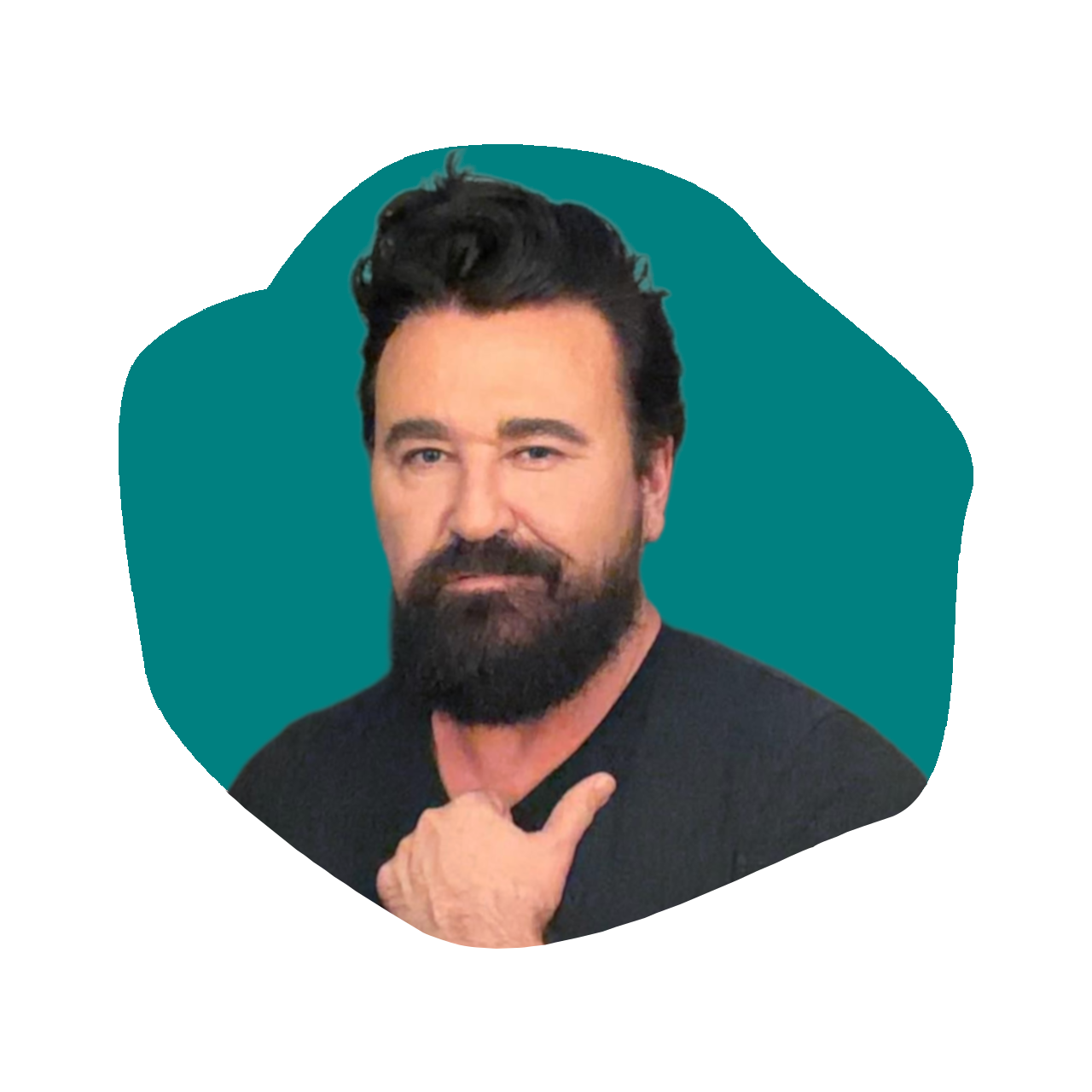
Jessica Herrin: Founder & CEO of Marklo
Episode 900

What does it take to build companies across three completely different eras of the internet — and then start all over again with AI?
On today’s episode, we welcome Jessica Herrin, Founder and CEO of Marklo, the AI revenue planning platform helping direct-to-consumer brands understand what actually drove revenue, decide what to do next, and execute smarter. A serial entrepreneur, Jessica previously founded Stella & Dot Brands and co-founded WeddingChannel.com, one of the first companies to bring wedding registries online.
In this episode, Jessica shares what she’s learned building companies across decades of technological change, why she decided to start over and build an AI company, and what makes scaling a DTC brand so challenging today. We get into attribution, marketing data overload, merchandising, inventory, margins, and why understanding what drove revenue is very different from simply knowing how much you sold. We also discuss where AI should make decisions, where humans still need to lead, and why creativity, judgment, and taste may become even more valuable as AI gets better.
If you’re interested in AI, entrepreneurship, DTC, marketing, brand building, or what the next generation of consumer companies will look like — this one’s for you. Tune in now on The Kara Goldin Show. 🎧
Resources from
this episode:
Enjoying this episode of #TheKaraGoldinShow? Let Kara know by clicking on the links below and sending her a quick shout-out on social!
Follow Kara on LinkedIn – Instagram – X – Facebook – TikTok – YouTube – Threads
Have a question for Kara about one of our episodes? Reach out to Kara directly at [email protected]
To learn more about Jessica Herrin and Marklo:
https://www.marklo.ai/
https://www.linkedin.com/in/jessicaherrin/
https://www.instagram.com/jessicaherrin
Transcript
Kara Goldin 0:00
I am unwilling to give up. That I will start over from scratch as many times as it takes to get where I want to be. I want to be. We just want to make sure you will get knocked down, but just make sure you don’t get knocked out. Knocked out. So your only choice should be go focus on what you can control. Control. Control. Hi everyone, and welcome to the Kara Goldin Show. Join me each week for inspiring conversations with some of the world’s greatest leaders. We’ll talk with founders, entrepreneurs, CEOs, and really some of the most interesting people of our time. Can’t wait to get started. Let’s go! Let’s go! Hi, everyone, and welcome back to the Kara Goldin Show. Today, I’m joined by Jessica Haren, founder and CEO of her fairly new company, Marklode, the AI revenue planning platform, helping direct-to-consumer brands understand what actually drove revenue and make smarter decisions about what to do next. So Jessica is a serial entrepreneur who has built a couple of different companies across three very different areas of the internet. She co-founded WeddingChannel.com, which I remember very very well. We were both in the internet days when I was at AOL and she was at Wedding Channel and one of the first companies to bring wedding registries online and then probably what she’s most well known for to many is Stella and.so such an incredible incredible business which grew to more than 2 billion in lifetime product sales. Now she’s starting again, back to the drawing board with Marklo, which at first glance might be very different. But as she and I were just talking about, I can see years of experience how Marklo was developed from so much of what she did so so well, so I cannot wait to hear about why Marklo and after decades of building consumer brands, Jessica decided to build an AI company, a platform to help so many other founders use what she knows. So, Jessica, welcome! So excited to see you!
Jessica Herrin 2:21
It’s so great to see you. Thank you so much for having me, Kara.
Kara Goldin 2:24
Absolutely. Well, and also very, very excited to have you here again. We-you were one of my first, I think, to come on ages ago, and now you’re episode 900, which is insane on so many levels,
Jessica Herrin 2:41
that really is insane. I I actually remember. I don’t know if you remember this, but we met on the shuttle bus at the Fortune Most Powerful Women Summit. That’s the first time I remember you. And and so what a what a journey we’ve both been on since then. Since that’s been quite some time, but it’s amazing that you have done 900 episodes. Congratulations!
Kara Goldin 3:04
It’s crazy. Well, and like you, I’m obsessed with founders, and so one of the things that I love doing with the show is just meeting founders across multiple industries. And I love the fact that you’ve actually done so much. Serial entrepreneurs are fascinating to me, and especially when they don’t stay in the same category or industry that they’ve been. It’s a special kind of
Jessica Herrin 3:31
crazy. A
Kara Goldin 3:32
special kind of crazy. You know, they just go back a glutton for punishment. However you want to look at it. So for let’s start with Marklo, the new brand that you’re building. For someone who is just hearing about it, can you describe the company and talk about what you’re building?
Jessica Herrin 3:51
Sure. So, Marklo is a app, as you described it, for DTC brands who need to answer the question: What product do I market to what customer, when through what channels, what promotion should I pick, what creative should I pick? It really helps make a marketing calendar so much easier to plan. And so I know this is pain I live myself and running across the Stellenbot brands. We had brands and everything from skincare to apparel to bags to jewelry, and that trying to do that has only gotten more complex today. Right? Used to be DTC started. You had a website. Maybe you did some ad on Facebook. Now that landscape is more content, more channels, more complexity than ever before. So you’re trying to get the same lean team to cover more surfaces, and it’s become chaos instead of creativity. So Marklo is the bridge and solution to that. It gets marketers and merchants out of disconnected spreadsheets, logging into six different tools, and gives them one place to know what happened, plan what to do next, and actually execute it. And my mission behind it, and like what I love about, is it helps lean teams. Operate like bigger brands. I love it. Well, and you did the other companies, Wedding Channel and Stella and.so, so well. So I I just think that you, as a serial entrepreneur, know what the pain points are. So the fact that you’ve you are going out and building a platform, a service that is there to help so many others is just really incredible. Obviously, you could go and build another
Kara Goldin 5:30
consumer brand, but you decided that no, this is what I really want to do. What what was that decision like? I mean, how did you come up with
Jessica Herrin 5:38
it? You know, I think it’s interesting in any business I’ve started. I mean, with Wedding Channel, that is a business that was first called Dell and James. We merged with Wedding Channel. That one I really say I started with my head. I thought, where’s the large addressable market? How will the change in technology disrupt current solutions? And I really did a business school textbook. Like here is a something to bring to market. Stellenot, I started with my head and my heart, and which is here is a you know where is flexible work for women doesn’t exist. It needs to. There’s an industry out there that offers that in direct selling, but it’s totally arcane. How could you modernize it with technology and build a retail worthy brand, create flexible income in a better way? That was selling that brands, and that one was like heart and head. And it almost felt like that business, you know, it chose me versus me choosing it. It was just like sort of my life. I had that problem. I was going from being someone who worked all the time as an entrepreneur to wanting to start a family, trying to reconcile those two parts of me, wondering what was out there, and so and and I feel like Marklo is similar in the sense that like this business chose me, I didn’t choose it. I just and I think as a serial entrepreneur, you’re someone who starts to live in the future, become pretty obsessed with the way that things can be better, and then work backwards to disconnect. You know, like oh, to solve for the disconnects. Like here’s what’s missing. Here’s how we can need to get to this better reality. Let me build that and make it so. As an operator with Stell and Dot, I could see here are all the parts that are hard that create that tremendous failure rate for small businesses, and what prevents a business from being a dream at a kitchen table to then becoming something that can go on and sell billions of dollars of product sales. Like it’s really just so hard. So I know that it takes having a lot of expertise in in marketing, in merchandising, and but so many businesses like how do you get that before you can afford to hire it? So I built Marklo from that point of view of an operator of like, let’s take that and and put it into a platform that can help businesses grow, so that the humans can focus on the things that they’re truly need to be special at, and that’s kind of what got me excited. I mean, of course, as any entrepreneur that’s built in technology their whole career, how could you sit it out for the AI era? Like you can’t. It’s like a siren song lure. Like I just like love. I love building today, but I wanted to build from a place of like this is a problem I intimately lived, and no, I know it can be better. I think that I think people are missing the plot in terms of what how an operator thinks what what they need the solution to be, and now that and that’s Marklo is really just trying to build for the problems that I’ve lived.
Kara Goldin 8:15
So I’ve heard you describe Marklo as an AI revenue planner. What does that mean in practice for someone who’s running a D to C business?
Jessica Herrin 8:26
Well, you know, there’s there’s a lot of great companies out there that have made it easy to have a online store. Right, Shopify is the dominant leader there. You can take an hour and you can be live with some, you know, selling something online. Sourcing goods has become a little easier. Sending emails has become easier with Claviyo. SMS easy with Attentive, but actually running it is still really hard. Marklo is the missing piece of that that stack that actually makes running a business doable because it’s the intelligence layer that’s upstream of all those decisions, so that you can decide what product, what what promotion, what cadence of emails. When I when I for Black Friday, Cyber Monday, right? Like or for a Labor Day sale, or for a new product launch for fall. Brands are answering these questions of what day do I launch these SKUs. What, what, what should I do? Should I do that across social media? Should that be Instagram? Should it be Facebook? And if I do, should I also send an SMS? And the reality is, it’s so much work to do. All of it, like a newsroom. Marklo makes that work much easier by helping you decide what to do, grounded in all your data and your performance, because you connect your stack. It instantly hindsights everything you’ve executed, then it uses that intelligence, learns your brand voice, your brand DNA uses that intelligence to then give you suggestions for what to plan next, and then actually makes the execution doable. Right, right now a lot of brands leave money on the table because there’s just way too many things on the to-do list than than a lean. Could ever get done. This expands your execution ability. It’s like getting a new team member with a perfect memory, lots of great ideas, and the ability to execute. So interesting.
Kara Goldin 10:11
So, at what point is? I mean, you mentioned Shopify and Clavio. At what point does somebody add Marklo into their plan. I mean, is this at the beginning when they hit 5 million? What what is it that really,
Jessica Herrin 10:27
or when is it? So we’re working with brands. We’ve been building this with great brands, seven, eight, and nine figure brands. So we’ve been building it inside, knowing with Stell and.is the case study. But we then quickly moved on, and we’ve added away luggage. Monica and Andy, Claire V, Monica Maya Brenner. So lots of great brands are already using Marklo, and we find that there are brands that are 1 million, 3 million, 5 million, 10 million, 20 million, 300 million that all use this. And it’s interesting. I was talking to a friend who isn’t. We we integrate with Shopify today, and she’s on a different platform, and she runs a brand that’s over a billion dollars. And I was like, “Well, I really am passionate about it, you know, working for lean teams. And she was like, “So, like a team like mine? And I was like, “Well, you’re actually over a billion dollars in revenue. Like most people would not call that a lean team. She’s like, “Yeah, but compared to the big guys, like we really need the help. And I realized, like, yes, that’s right. All marketing teams, no matter how big they are, feel like they need Marklo because they are being asked to do more than they can possibly do because of the explosion of content and channels, right? And that the like endless beast that is that marketing calendar is so much work that that is where you can build a tool that really helps people get that done and eliminates the the grunt work that people don’t want to actually do.
Kara Goldin 11:45
Yeah, no, definitely. So a brand, most DTC brands, whether they have Shopify or some other sort of platform that they’re that they are working off of, they’ve got dashboards, but oftentimes they’ve got so much information, and it’s almost too much information and not enough intelligence. So that’s
Jessica Herrin 12:07
100% true.
Kara Goldin 12:08
Yeah, and what is it that Marklo is going to do for that company? You know, somebody listening who really feels like, is this something that I need because I’ve got so many different companies that I’m dealing with, and but what is it that Markle is going to do?
Jessica Herrin 12:26
Too many apps, not enough insights and actions. So this is built to solve that. So yes, so I’ll give you some examples from one of our brands at Starfish. It’s a it’s an amazing nonprofit jewelry company that actually helps women who’ve been sex trafficked have jobs, and they so they’ve an incredible mission, and they’re doing something very basic on Marklo. They run in multiple different countries, and they were trying to plan an ad, and Marklo was like, “Hey, you don’t have enough inventory for that. Like, pull that ad. You know, you you can’t do that. And they’re like, “Oh, we didn’t know that. So it’s providing insights as you actually get work done with your team, we have another brand, Latico Leather. They’re a family-owned handbag brand, and their use case-they were planning out their campaigns. They’re like, “What are what’s trending on social? And it was Markle was able to be like, “Actually, Sage Green is really trending. I can see that you’ve got a crossbody bag that you haven’t marketed in eight weeks, and you’ve got a depth of inventory in it. Do you want to plan a social campaign around that? So it’s using, it’s turning insights into action. So instead of your data being buried somewhere in there, it actually turns it into something that’s on your marketing calendar that you then go execute. So so interesting. So you built Stellen Dot before today’s D to Z technology stack even existed. Is is building a consumer brand easier today with all the tools that are out there, or has technology made the job of actually creating a company even more complicated to understand? I think it’s well. I think it’s both pros and cons, right? So today it’s very crowded, right? There’s there’s just a vast proliferation of brands during COVID. The number of brands running on Shopify doubled, right? To two and a half million to 5 million, and I think that’s there’s something really beautiful about that, right? There’s not just going to be these. It’s kind of like what happened with media, right? There’s not just going to be these few giants out there where everybody gets their information, and with shopping, it’s going to be the same thing. It’s not just going to be a few giant labels where everybody gets things. It’s like everybody can now get in business and start a brand. So I think in a way, it’s easier to start one. It’s harder to rise above the noise because it’s a more crowded space, which is why I think that the people really need to focus on just a few three, you know, things that they need to get right. Which is you’ve got to create a product that speaks to a unique customer that people really love. You have to deliver it with excellence. That’s the service. That’s you know the return, the actual fulfillment of the product. Manufacturing of it, and then you have to have a soulful connection with a specific customer community. And other than that, that can be AI’s job, that can be technology’s job. But but you’ve really got to focus, which is why I really, when I I see influencers or conferences trying to tell brand operators that they should start vibe coding, you know, their own solutions. I’m like, you should absolutely not do that. That is not going to be what makes you special or different. Like, buy a vertical solution that will do that for you. Your time and energy needs to go into product delivery and customers, and that’s it. And and I and I think that brands that will reorient around not being more tech pilled, but actually, yeah, use the AI solutions, but do it to get productivity and be more in real life focused with your customer, not less. Will be the ones that that win.
Kara Goldin 15:51
What has surprised you the most in the journey of building Marklo? That maybe you’re hearing from the different companies that you started working with that it can really achieve, or what what is it that has just kind of surprised you that maybe initially wasn’t really the goal, but now you’re you’re like, wow, this is going to solve this for people.
Jessica Herrin 16:16
I mean, there’s two dimensions there in that question, and I’ve had surprises all over the place. Like one, just what’s it like to build in an AI era versus like Web 1.0 or 2.0? It’s so different. Team size, speed of development, speed of things changing. Like it’s only accelerated over time, right? What it takes to build a company, but building the solution for Marklo. I mean, I know on a gut level that this thing needed to exist because I am the user, right? I was running the company that that needs to use this. But nevertheless, it’s you still want to get to that point where you’ve you’ve put out an alpha version of the product, you put out a pilot, and then you learn from other people. Where was I right? Where where was I wrong? You know, where what was just unique to us as a business versus what’s just sort of going to appeal to the you know the lowest common denominator of brands out there, and I think the thing that I have realized about a platform like Marklo, which is kind of funny, is that we built this thing to be so powerful that it can really help you scale revenue at your business and be like you’ve just got a marketing team, but but offering that to a new brand is like showing up in at the first date in a wedding dress. They’re just like, oh my god, this is because you really people look at it and be like, wow, this is so powerful. It could kind of change everything about how we work. Like we don’t need these other apps. We could do this, but then they immediately start thinking, oh, but would I have to? How do I go get these five people to migrate over? And how do they start thinking about the change management of it all. So what I’ve learned is what is surprising is people just want the hindsight calendar because all retailers operate that way for good or bad. Real life’s like year over year comps. What did we do last year? So we built this thing to be an amazing look back, so that it’s like having an employee with a perfect memory, so that you know data like companies didn’t own their data; it would be like in this agency’s spreadsheet that’s you know buried in email or this PDF or an employee that left. Now it all just automatically populates into this hindsight calendar, and you can just chat with it to be like, “When did we? What was the best promo structure for us last year? How is this new product doing compared to the one that just dropped? And it will just instantly answer. It feels very magical. So I would say the surprise is it’s not just the future planning that people really love. It’s the hindsight that is the easiest adoption. So I think that’s a surprise. And you know, and for me, I’ve been selling jewelry for quite some time. That is a I see it, I like it, I buy it. Skincare is a more considered purchase, but jewelry is not. It’s an emotional instant purchase. Software is a very considered purchase. So people, so we we’ve spent a lot of time making it just a no brainer. Like any brand that has Clavio and Shopify needs to install this app, and they will get benefit in one second. And they don’t have to adopt every element of the platform, but we’ve made it free to start and instantly valuable. So I think that was sort of the lesson of like don’t don’t come at it with you’re trying to change their world. Come at it from this today is going to get easier, and you’re going to feel that within a minute.
Kara Goldin 19:16
So how scary is it for someone to implement Marklo, maybe somebody’s not that technology savvy, but zero
Jessica Herrin 19:27
level scary. Yeah, I mean, you know, that’s the beauty of it. It’s a Shopify app and a Cladio app, right? So literally, I mean, I think about this Kara. Like we spent a million dollars, and again, this is like a long time ago, so it would have been equivalent to like you know 5 million a day. Is building just a shopping cart at Wedding Channel, like an aggregated shopping cart that worked across all these retailers, and you know today, like you just go get that for free, and then you just click a button with Shopify and you install an app to extend its capabilities. So with Marklo, it is insane the fact that you just download the app. You, you. I mean, you’re not even downloading the app. You you sign up for the apps. You click buttons to connect your marketing stack, and it works. So it the the install process takes minutes, and you’re getting insights right away. And it’s not it’s not going to go do anything without your approval. There’s all data is protected, so there’s literally zero downside and just instant benefit. You you have to be that way as an app to get people to install and use it. Yeah, definitely. So you are obviously your serial entrepreneur. Talked about that. You are backed by Forerunner Ventures. Kirsten Green is such a rock star, so so excited that that you guys are working on this together. How did you decide that you were going to go out and raise money initially to go and do this versus being a serial entrepreneur? There are many serial entrepreneurs who decide I’m not going to raise capital initially. I’m just going to see what
Kara Goldin 21:00
happens.
Jessica Herrin 21:00
I did it, so I’ve done it both ways. I raised a lot of venture capital for my first business with Stella. I bootstrapped it out of my living room. I did take a little bit of outside money, but it wasn’t institutional capital. It was actually people that had been involved with me at Wedding Channel, but they just invested their own money, and we raised less than 2 million and did over 2 billion in life lifetime sales, right? So not a venture back business. We ultimately did a secondary with Sequoia, but did not go the traditional venture route. The only reason I and I did that very intentionally, right? With selling out, I was like, I want to go have a, I want to start family, I want to do this on my own pace. I don’t want the pressure of outside timeline. I’m going to start a business that I actually can bootstrap, so I can control the mission, the cap table, and the timing. That was my goal. With Marklo, to me, the idea is imminent. It’s immense, and it and it’s and it’s inevitable. It’s like it’s it’s so obvious. Like this is going to be the way that Commerce Brands operates. We need to be the one to build it, and we’ve got to go quickly. The pace is so fast, and I needed to go get the best engineering team in the world. So I recruited a bunch of engineers that are and investors that are ex Shopify or Claviyo, that are Stanford engineers, and and to build a real tech team and talent. And you’ve got to pay people to do that. And so I think for several reasons, like the speed at which you have to go, the window at which this, you know, that you have to operate in this world. I think you need to be a venture back company to go do to build Marklo. And but I was very selective, and I felt very fortunate to have to be in the place of being able to talk to a lot of different venture capitalists and pick the one that really understood the problem Marco was going to solve. My passion for doing this for SMBs and not just enterprise, and really understands consumer, and that’s Kirsten and Forerunner through and through.
Kara Goldin 22:54
Yeah, she is such. She’s amazing, and Forerunner obviously speaks for itself. So really, really great marriage. When I heard that you two were doing this together, you always hear from founders like it’s way harder than you thought it was going to be. But you’ve built two companies, so you know,
Jessica Herrin 23:13
you know how hard it’s harder than you think, and it’s going to take longer than you want it to. You’re right on track and exactly where you need to be. Right? If you’re freaking out because you’re going too slow, that’s that’s what it feels like. Is this as hard or harder than you thought it was going to be? It is as hard as I thought it would be because I knew it would be extremely hard, and it is hard, and more because you’re in this environment where one you building can you can build so much more so much faster today, but the rate of change is so fast that like if you are building a company that you conceived of in 2026, like that is going to feel so out of date in 2027, right? The pace at which the consumer is learning AI tools, has expectations from them, like the model changes of what is made possible. Like you’ve just got to be almost like in a flat out sprint the whole time in your product development, and that that’s right. That is just a challenge, but that’s that’s what a startup feels like. Yeah, definitely. So you wrote a book, Find Your Extraordinary. What do you think women founders are still being told about success that you fundamentally disagree with? Well, I think you have to define success on your own terms, right? And you should not be using anybody else’s yardstick but your own. And I think we constantly make that mistake. We’re looking at people on social media. We’re looking at what how people measure their success in terms of funding round size that they got, and when we’re making decisions, trying to optimize to impress other people instead of impressing like the first person on your list, which should be yourself and your and just a small group of loved ones, right? There should be a very small group of people. To impress at any given time, and you better be at the top of that list. And I think there is a constant lure and pool to try to do. I will say that I, when I started, I like I was. You know, everybody talked about how young we were. Certainly, no one’s talking about that now. Now, as like as being a founder in your 50s is pretty uncommon. But I think that the gift of having done this before and of being wiser from from the journey of life is that I don’t feel that way anymore. I I’ve always been a bit more of a you know person who’s like kind of going and doing my own thing rather than looking for external clue, you know, external signals of affirmation. That’s just my personality type, but I think that’s the thing that females. If you’re trying to please the universe, you often end up feeling incredibly displeased, and and that that is like the thing to fight and actively cultivate for your own path to happiness, which is truly at the end of the day, health and happiness is the only real measure of success. Yeah, definitely, I couldn’t agree more. I I know you have some college or just getting out of college right around that age, young, possibly entrepreneurs, or maybe they’ll become entrepreneurs later on in life. What do you find yourself sharing, formally or informally with them, or maybe their friends, or people who are just getting out in the job market. That knowing what you know today. Oh, I mean, it’s awesome. My loves of my life are my two girls, my daughters Charlie and Tina, 20 and 22. So one just graduated, and the other is a junior, and you know, I first I think as a while raising them, I always worried about I don’t want you know my success in life to take away their hunger or their work ethic, and then I realized eventually I was overcorrecting when when one of them told me that they would have to have two jobs to go to college. I was like, okay, maybe just one. Like, maybe I’ve taken this this this lesson too far. And they both have like these insane work ethics. So I can check that off list. I’m not worried about them being lazy.
Jessica Herrin 27:09
I think in what I am always trying to tell them is the same thing I just told you, which is you’ve got to listen. Like, put your ear down to your heart and listen hard. Like, do things. Yes, you have to work. Yes, you have to pay the bills, but make sure you try to do things that like you love by your own measure of success, and not just other people. Like, especially because we live in this Silicon Valley bubble of like AI, AI, AI. Like that’s right. Just listening to me is that I was like, you know, it could be that you meant to go be like a textile designer. Like maybe that’s your call to life. Like you could be the next great American novelist. Like pursue that path. So I think I try to tell them to listen to their heart. The you know, and the other thing that I think is really important is like if you want to impress me, show me your failures, show me your rejections. Like if you are just playing it safe in life, you always live small. So stack them up. Like show me you’re in the right room because you’ve risen to the level of incompetence, right? And that takes just being very willing to fail. I am very certain I would have not, I would have never accomplished, you know, half of what I have if I weren’t afraid, right? And and like and letting the fear stop me, like the that. So I think trying to see seeing them taking risks, getting in over their head, like that’s that’s what I think is my main message to them. So interesting. Do you think they’ll be entrepreneurs? Well, so my one daughter already sort of started an app that I actually one summer I made them do. I was like paying all this money for this tuition for them to go to college, and I was like, listen, like what you’re, what you should be learning is self teaching, because that’s the other thing I really care about. I was like, forget like a formal curriculum to teach you, like just go learn stuff. So I gave them like a vibe coding challenge, you know, and and one made an app that she then went and launched in the app store. Chai, so Charlie is a bit of an entrepreneur already. I think they both will be. I think they have it’s it’s what they know. It’s what they’ve watched. They’ve always been around Stell and Dot for sure, and I think they they eventually will. But I think more and more people. I mean, that’s the beauty of why I wanted to do Marklo, and I think kind of the continuity of mission between Stell and Dot was about democratizing entrepreneurship, helping people earn flexible income. I ultimately went on to realize, like the woman that would have signed up to be a Stella stylist today, she would be an influencer for not just one brand but 15, or she’d start her own Stella, you know, her own Shopify store. So now I’m enabling those types of people to create a thriving business, right? So it’s it’s a continuation of that. I think entrepreneurship is more possible than ever for people. So I my kids will choose it, and I think a lot of other people will too.
Kara Goldin 29:41
I love it. So five years from now, what will the best brand marketers be doing with AI that would seem almost impossible today?
Jessica Herrin 29:50
You know, I was talking to a retailer, and I think this is my vision. I think people start to use technology tools and AI within it in stages, right? So they they first start. Like oh, let me help you know brainstorm some copy. Okay, now let me help like edit an image. You know, let me help automate this one workflow. And then, but I think the fully AI-native transform company will be very different. And I’ll tell you a story about a retailer I was talking to their their chairman of the board and talking about like the potential I think of retail transformation, which is today? They were thinking about how do I, you know, get AI tools to help me edit this catalog image cover. It was a model image where she’s standing on a beach in front of a wearing a printed bathing suit in front of a changing tent that where the you know it matches the pattern. I was like, that’s great. That’s very early AI usage. Think about how you will reorient the expense base of your company, the roles in your company, and what you do to activate. Because you’re going to make your organization so efficient that you’re going to have a real experience on the beach. And there’s going to be 10 of those tents, and there’s going to be rosé and gelato and customers, and you’re going to be giving away those bathing suits and filming that and putting that all over social media. That’s what AI is to do. It’s to transform the grind of your organization, to repurpose the humans to more creativity and more connection. That’s how brands will operate. And I hope it won’t take five years. I think tools like Marklo will greatly accelerate it, but that should be 2027, 2028. We get over this like nonsense that that that people are like supposed to be vibe coding their own dashboards, or you know using it in silos, or not really transforming the org chart. But roles will condense just like they are in technology. Retail tends to lag a couple years behind it. We’ll redefine titles, redefine job descriptions, and and AI native organizations will will thrive.
Kara Goldin 31:47
I love it. Well, Jessica, thank you so much for joining us today, and love everything that you’re doing with Marklo. I love your story, how it spanned three chapters of your life and chapters of technology and entrepreneurship, and now you’re starting from zero again and building. I know it’s going to be so successful. So for everyone listening, check out Marklo spelled M A R K L O, and follow Jessica to see what she and the team are up to. So thank you again, Jessica, and for for everyone listening. We’ll see you next time on the Kara Goldin Show.
Jessica Herrin 32:27
Thank you so much for having me.
Kara Goldin 32:29
Thanks again for listening to the Kara Goldin Show. If you would, please give us a review and feel free to share this podcast with others who would benefit. And of course, feel free to subscribe so you don’t miss a single episode of our podcast. Just a reminder that I can be found on all platforms at Kara Goldin. I would love to hear from you too, so feel free to DM me. And if you want to hear more about my journey, I hope you will have a listen or pick up a copy of my Wall Street Journal best-selling book, Undaunted, where I share more about my journey, including founding and building. Hint: We are here every Monday, Wednesday, and Friday. Thanks for listening, and goodbye for now.