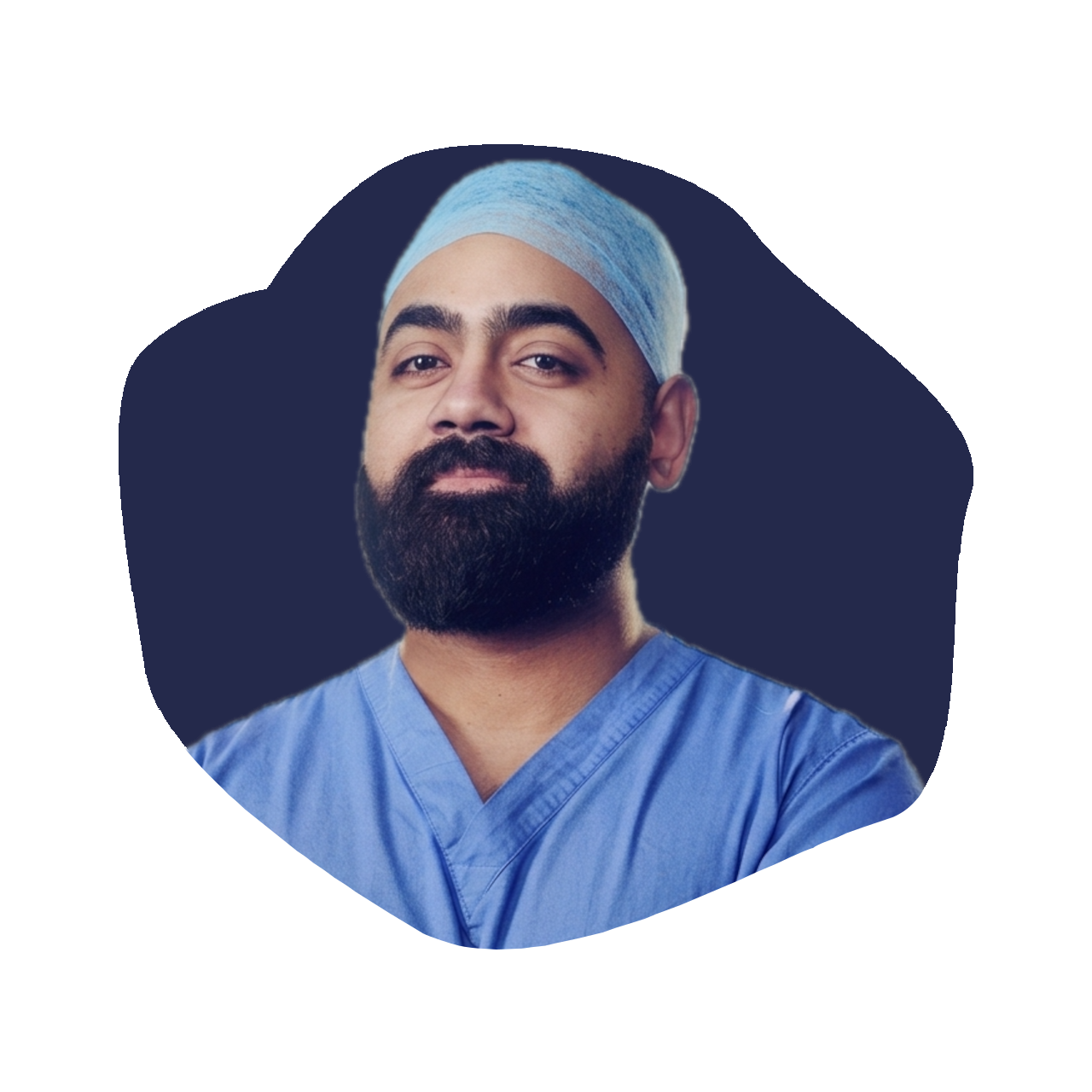
Matt Scanlan: Co-founder & CEO of NAADAM
Episode 907

What does it take to turn one big idea into a $100M+ brand that lasts?
On The Kara Goldin Show, I sit down with Matt Scanlan, Co-Founder and CEO of NAADAM—the cashmere brand that started with a trip to Mongolia and a plan to rethink the industry.
We talk about the $98 sweater that helped put NAADAM on the map, what consumers get wrong about cashmere, and what Matt has learned about growth, profitability, failure, and knowing when to double down—or walk away.
After more than a decade of building, Matt has plenty to say about what it really takes to create a brand with staying power. This is a great conversation for anyone building something of their own. Listen here or anywhere you get your podcasts. 🎧
Resources from
this episode:
Enjoying this episode of #TheKaraGoldinShow? Let Kara know by clicking on the links below and sending her a quick shout-out on social!
Follow Kara on LinkedIn – Instagram – X – Facebook – TikTok – YouTube – Threads
Have a question for Kara about one of our episodes? Reach out to Kara directly at [email protected]
To learn more about Matt Scanlan and NAADAM:
https://www.naadam.co/
https://www.instagram.com/matthewscanlan/
https://www.linkedin.com/in/matthew-scanlan-34212323/
Transcript
Kara Goldin 0:00
I am unwilling to give up. That I will start over from scratch as many times as it takes to get where I want to be. I want to be. We just want to make sure you will get knocked down, but just make sure you don’t get knocked out. Knocked out. So your only choice should be go focus on what you can control. Control. Control. Hi everyone, and welcome to the Kara Goldin Show. Join me each week for inspiring conversations with some of the world’s greatest leaders. We’ll talk with founders, entrepreneurs, CEOs, and really some of the most interesting people of our time. Can’t wait to get started. Let’s go! Let’s go! Hi, everyone, and welcome back to the Kara Goldin Show. Building a brand is hard. Building one that still matters years later, 10 years later, is a completely different game. And today’s guest is Matt Scanlon, co-founder and CEO of NAADAM, the 100 plus, 100 million plus, I should say, cashmere brand that started with a trip to Mongolia and an idea that completely rethinks how cashmere gets made, sourced, and sold. Matt has lived the full founder journey with this co-founder and the breakout product, rapid growth acquisitions, experiments that worked, and some that were a little harder, plenty that didn’t, and the realization that bigger isn’t always better. Today, we’re talking about what actually builds a lasting consumer brand, and when to double down, when to walk away, and what Matt knows now that he definitely didn’t know when he first started. So very excited to meet you and to have you here. I’m such a huge fan of Nautum. So Matt Scanlon, welcome to the show.
Matt Scanlan 1:57
Thank you for having me. That was quite an intro. Excited to be here.
Kara Goldin 2:01
Very excited. So, Matt, for someone discovering NAADAM for the first time, how would you describe the brand?
Matt Scanlan 2:09
It’s a really good question. We are specialists. We focus and have focused since the very beginning on doing one thing very, very well in a category that I think has been exploited by folks that don’t that do a lot of things not that great. We focus on cashmere sweaters. That’s where we started. We started with a and this is a much longer story, but a random trip into the middle of the Gobi Desert of Mongolia, and happened to be at the source of cashmere. I tell people all the time that if I had landed in a coal mine, I would sell diamonds, and it was really about the process of building something and putting the pieces together, unlocking the puzzle, so to speak. That has been the rewarding part of the journey. But nevertheless, we we started with a group of goat herders in the middle of the Gobi Desert, and here we are, decade later.
Kara Goldin 3:02
I love it. So you started NAADAM with your co-founder from just out of university. Can you talk a little bit about the founding story?
Matt Scanlan 3:12
Oh boy, yeah, I can. It’s it’s it’s an interesting one. So so Diedrich, who’s my co-founder, he and I went to college together, and then about four years after we graduated, maybe a little less than a half years, we had both left jobs and decided we were going to travel a little bit. I hadn’t really done much traveling abroad. I hadn’t been to Asia before. When people hear our founding story, they think that I am this adventurous Indiana Jonesing whatever, and I am not. I was a sheltered kid from Connecticut who happened to get lost and stranded in the Gobi Desert for a month, and then built this business. But so, so the story goes: we we were going to travel throughout Asia. He had pointed us to Mongolia is our first stop along this trip that would take us to Beijing, Shanghai, and then Southeast Asia. And we were supposed to be traveling for four to six months. We got to Mongolia. We looked for the nearest place where we could find expats because we were-I mean, this is 1314, years ago. That first trip, we were so uncomfortable and felt so removed from from what felt Americanized or whatever that we immediately said, “Where are the expats? And someone sent us to a Irish pub in the middle of Ulaanbaatar, Mongolia. Let me back up for a second. Mongolia has a population of 3 million people in a country that is three times the size of Texas, and half of that population, 1.5 million people, they live in the city. The rest live scattered throughout the countryside. It is the least densely populated populated country in the world. And what we’d heard of, what we were interested in, was the herding culture. They have this really vibrant culture of nomadic herding, fully nomadic, where folks don’t own homes, they don’t own the land, they subsist off of animal husbandry, and they follow the herd and move anywhere between six and 11 times a year. So we knew that that was something that would be cool to see. We end up at this expat bar, and a couple guys say, “You know, why don’t you come to the countryside with us for the day tomorrow? We said, “Okay, that sounds like fun. We’re we don’t have any plans. We’ve this is our first stop, and we end up going on a trip with them. We spend 22 hours in a car the following day with two strangers, and to make a long story short, we get dropped off with a family of nomadic hers, and we’re told that this is where we’re staying. There’s no road infrastructure outside of the capital, so there’s no real way we can get back. We don’t really know where we are, but we’re told they’re going to be there for a month, and so we spent a month sleeping on the floor, living with a family of pneumatic herders with no electricity, no running water. We didn’t even bring our bags with us, so we didn’t have any clothing. We didn’t bring any food, and this family took us in. They took care of us, and so to play the tape forward a little bit, you know, we we fell in love with the culture and the people, but we didn’t have plans for a business at any point. What we cared about was helping the people that were helping us, that were taking us in, that were kind of supporting us for nothing other than what was culturally natural for them. And so we left thinking that we needed to find a way to help them in in you know whatever form that took. It just so happened that after failing through multiple attempts to support them, whether it was through nonprofit work or veterinary care, whatever it might be, the best way to support them was by investigating and then disintermediating the traditional supply chain behavior for the things they sold, they raised goats. Those goats happened to be the types of goats that produce cashmere. They sold that cashmere to brokers and traders that arrived in these remote areas for buying season. And what we found was they were being taken advantage of, so we set out to buy it ourselves and own the material. We had no idea that we would end up starting a brand.
Matt Scanlan 7:31
It was it was meant to be a one shot deal. We would go in, we would help the community, we would buy the material, we pay more than anybody else, and then we would sell it through a series of lots of twists and turns, we ended up coming to the conclusion that the only way we were ever going to get any money out of this is if we turned it into yarn and spun that into sweaters, or knit that into sweaters and then sold those sweaters, and that’s where Nautum came from. It was a happy accident. I like to tell people.
Kara Goldin 8:02
Did you? Obviously, you knew that Mongolia, or I would imagine after sort of immersing yourself into that trip and into Mongolia, you saw that that’s how they were making money. And you, but did you do you remember meeting a person who maybe like had a cashmere sweater? Like, what gave you this idea? I mean, if you were not searching specifically for, because oftentimes people go on a trip in order to find it or meet with the supplier or manufacturer or whatever, but it didn’t sound like that was really what your intention was.
Matt Scanlan 8:43
No, it was a series of kind of it was falling forward basically all the time. So, so here we are. We’re with this this family, and we ingratiate ourselves over the course of a month with the community, who we’re still close with today, and we ask them, “What do you do to make money? How do you survive? And they said, “Well, we comb the material off of our goats and we sell it. They said, “It’s it’s cashmere, and I had only understood cashmere at that time as an expensive product that I didn’t have. That it was a luxury that was out of reach. It was priced 500, $600 by stores and brands in the United States, and we started to ask, “Well, what do you sell it for? What’s the price? And as we started to investigate the the steps in the supply chain that lead to the end product, it became clear to us that the the the biggest cost inflation actually took place between the cost of the raw material and the price that brokers and traders end up marking it up for. It’s the largest markup that takes place. What we also understood was that oftentimes the reason that that large markup is created. Is because those brokers and traders engage in price fixing to lock artificially low prices in remote regions that are isolated from information, to then resell the raw material at an inflated value and take all the margin from them. So that was really the the first thing we understood. Again, we didn’t understand all the steps of making a sweater, and we found out the hard way what it would take. I mean, I remember the first time we went to go buy the cashmere. I said, “Okay, I have to get enough money to buy everything because I can’t just buy some. I have to buy it all. And so I got two and a half million dollars and a term loan on a hard money interest rate that was mortgage backed, and I took that money. I sent it to a bank account we opened up in a lump of a tar. I went to the bank and I took it all out in cash. It filled about 32 plastic shopping bags with bundles of money. It was 64 pounds of money. I put it in the back seat of a Land Cruiser. We drove the 22 hours in the middle of the Gobi Desert, and we spent three weeks buying hand to hand 60 tons of cashmere. We had no idea what we were buying, and I realized I had to transport that back to the capital. I had to process it. I had to wash it, dehair it. I had to get then clean it and get it spun into yarn. I didn’t realize that every one of those steps, I would lose about 50% of the material, 20 to 50% of the materials. You clean it, and so we we figured it out the hard way. We figured it out by not knowing how to do it and making all the mistakes as we went through the process of making the end product, and that approach, which I think, at least we, you know, we talked to the people here at the company about this, is something we never want to lose sight of. That one, it’s okay to fail. You said something earlier before when we were chatting. You said you you want to fail quickly. Failing quickly is like such a luxury in this industry. Like to fail quickly and be able to move on is a superpower. Now we failed quickly 1000 times over and over again, and so we believed the best way to reach the end result is by trying it first. And so we learned as we went, figured out how to make that end product, but it like wasn’t until we made that first cashmere sweater that I was like, “Oh, this is a cashmere sweater. I just didn’t know. That’s wild. So you clearly was an outsider. Looking back, do you think? I mean, as hard as it was, was it an advantage to be an outsider? I mean, you hadn’t made this product, so you’re, I’m sure, dialing for dollars, trying to figure out like, where do I actually get this made? I’ve got the yarn, but what do I do next?
Matt Scanlan 12:52
And how did you figure that out? So we definitely were an outsider, but the secret is I always wanted to be an insider. You know, like that’s. I didn’t understand why I didn’t get the easier opportunity, or I didn’t get that phone call back, or I didn’t know so and so that could help me get to this retailer or that relationship, that supplier, that investor, and so we just kind of, you know, brick by brick, put it together. I think that being an outsider, though, in in hindsight, was a bit of a superpower. It led to distribution strategies, production strategies that were different because we had no preconceived notion of how they should have been done, and so a lot of how we ended up building our supply chain and then distributing product was rooted in like very clear logic of of saying, well, if we sell it this way, that’s the best path for us to make the most amount of money to fund the other things we need to fund to keep the business going. And for a really long time, that was the approach. It was finding the easiest opportunity to make enough money to pay for the next thing. There was no grand like vision. It was I have a story I want to tell, but I have no platform to share this story on, and I don’t know how to build it. So whatever’s right in front of me, we have to find a solution for. I was talking to someone the other day, and I was like, you know, I’m not sure I’m very good at this job. To be honest with you, after all this time, I’m I’m not sure I’m very good at it. I’m just good at solving whatever problems right in front of me, and that’s how we started. There were a lot of problems.
Kara Goldin 14:37
I love it. And where did you actually manufacture initially, and is that still the case today?
Matt Scanlan 14:44
So today, we we manufacture all over the world, and there’s a lot of reasons why that’s happened. I’d say since 2016, we realized that there were going to be potential tariff implications to. Manufacturing in one area versus another, and then obviously you know that that’s intensified in the past decade or so. So we’re diversified. We manufacture from Africa to mainland China to Southeast Asia to Mongolia, and then some in South America and some in Europe. So we’re we’re very diversified in that sense. The primary you know bulk of the manufacturing still takes place in Inner Mongolia, which is northern China, just over the border from Mongolia and Madagascar, Africa. We started in Mongolia proper. I think one of the challenges we had manufacturing in Mongolia was just the existing infrastructure isn’t quite built for how our business ended up scaling, so you know we scaled very quickly early on. We came up during a time where there was a lot of venture investment for early stage consumer businesses that were prioritizing e-commerce distribution, and that allowed us to scale the business quickly and outpace some of the infrastructure that that Mongolia offered, and it made sense for us to move that scale just over the border into Inner Mongolia, and that’s still still the case today. Our material still comes from Mongolia, some from Inner Mongolia, but you know we’ve had to adapt to changing circumstances as we’ve grown the business.
Kara Goldin 16:18
How long did it take you to actually manufacture product to sell from the day that maybe you entered or the month that you entered and spent in Mongolia.
Matt Scanlan 16:31
Honestly, a couple years, a couple of years. I mean, if you go back to the very first trip when we had no idea what we were doing to the time we actually sold a single product, it’s probably about two years, which I kind of don’t count as running the business because I had no idea what I was doing. But yeah, that like the first idea of hmm, there’s something here. To here’s a product I can actually sell to somebody took two years. I’d say those first products are probably laughable relative to what what we produce today, just in terms of like quality, consistency, and value for the customer, and that’s still a learning process. is still something we we we tap today or hope we’re improving on.
Kara Goldin 17:15
How many SKUs did you launch with initially, and what was your go to market strategy?
Matt Scanlan 17:20
You’re gonna hate this answer, but but we launched, I think, with two SKUs, so really really tight. At least when it came to like our proper e-commerce launch, it was it was about two two SKUs, maybe three. The go-to-market strategy was terrible. It was so bad. We just didn’t we just didn’t know. It was the early days. I mean, this is 2015, so this was early days of performance marketing. We were there, I think, just as in feed performance marketing came into fruition on Facebook. Before that, the only way we could could share the brand was if you made a Facebook page, and then got people to follow that page, and then sent updates out on your page to get people to try and come to your website. That was e-commerce marketing. I mean, it’s crazy to think about, and so that was part of our initial go-to-market. I mean, we we didn’t have a performance marketing strategy. We barely got a website up. We were fulfilling out of my mom’s apartment in the West Village. I have videos where we would have. I mean, I’ll never forget this. We got our first like big tranche of orders after we launched, and there was maybe 1000 1000 orders, and we had the boxes of sweaters sent to the apartment. And Dietrich was sleeping on the couch, and I was sleeping in the bedroom, which isn’t really a bedroom, but fine. And we had 1000 small boxes that we built. We took the sweaters that came in the in the in the boxes from the manufacturer, and I thought we the bright idea was if we just poured all the sweaters out of the bag into a big pile on the floor, and that each one of us would take a section of the packing list, and we would be responsible for packing the product on our own, building the box, putting it in, and writing a handwritten note. Took us a week from six a.m. to midnight for a week straight, and we got to the last couple boxes, and we were cross referencing our list, but we were running out of sweaters, and we realized that we had mispacked some of the sweaters, so we unpacked all like 800 or 900 boxes to find the sweaters that we had mispacked and then repacked it all. That was our go-to-market strategy. So not sophisticated, and you know I look back at those days and you know I miss them. That’s like what it’s all about. You know, like that’s where you cut your teeth. I feel like I’m sure you have stories like that of your own.
Kara Goldin 20:03
Yeah, definitely. So the $98 cashmere sweater really put Nautum on the map. How did you decide to price it at $98? And you know, cashmere can be 1000 plus. Like, what’s the difference between the two types of products, and given those various price points,
Matt Scanlan 20:26
sure. I mean, that there’s a lot to unpack, but but what I’ll say is, we launched the that that original sweater again 2017, so about two years in, we launched it, and frankly, the cost analysis was what can I afford and what will my friends be able to buy. When we first launched, we couldn’t really figure out the pricing, right? Like our entry price point was about 250, and it went up to about $600, just because we didn’t know how to engineer the product. We didn’t know enough about the manufacturing process. We didn’t know what our margin should look like, and some of our distribution strategy was was different, and so none of the people I knew were buying the product, and I was like, no, no, no! Like I wanted to build this brand for an audience that found a product that was previously inaccessible, accessible to them. That is the promise of how we built our supply chain, right? We wanted to create more value for the herder, and then translate that value into value for the customer, and we weren’t doing that. So we were falling short. The first couple years are really hard. We we weren’t getting the traction we wanted, and so the analysis was actually pretty simple. What is a number that’s lower than anything else we see, and will our friends be able to afford it? I guess at the time we’re in our mid 20s, and there’s not a lot of disposable income to go around. So how can we make a product that they’ll actually want and be able to buy? And so the original price was $75. It was only a few years later, as we were investing in improving the product quality, so much so that all of a sudden we realized we looked down and we said, “Well, this product has gotten a lot more expensive as we’ve improved the material quality, the yarn spinning, the manufacturing, we’re not paying what we used to pay for it. So let’s find a price that maybe fits how much better the product is than it than it used to be. And so we reintroduced a slightly evolved price point, but the end of the day, the thesis remains exactly the same. What is the price that is universally viewed as accessible for that type of quality? I don’t want to be the cheapest product on the market. My goal is not to sell a 50-dollar crappy thing to people. My goal is to make the best possible thing I can, and get it at a price where the person who then gets it goes. This only costs X, Y, and Z, right? Like that transaction in my category specifically, I think is extremely powerful. That reverse sticker shock, where you can’t believe you got something so well made, so good for this price. Like as a shopper, that’s what I want. I want that experience, and so that’s part of the psychology that we deploy on any product that we’re launching. If you can’t look at it and say that I’m getting a better quality alternative than other places at a better price, and get the value proposition of how we made that product in the first place, then it’s not a knot on product. So that that has stuck with us in basically everything we do.
Kara Goldin 23:52
So you and I were talking before we hit record that you started out as a men’s brand, but you’re primarily a women’s brand today. Can you talk about how you made that shift?
Matt Scanlan 24:05
Yeah, it was simple enough. We started in men’s because, again, we didn’t know anything about how to make clothing for women, and you know, I was laughing before, but I still kind of like don’t understand that. Luckily, we have really talented designers and much smarter merchandisers. But we started as a as a small menswear brand because we knew how to make things that we would probably want. And so, the first distribution we ever did before we had a go to market strategy, e commerce business, we had any orders to to fulfill. We developed the collection. We designed it ourselves. It was maybe 25 pieces. I packed a duffel bag with those sweaters. I rented a Zipcar, and I drove from Charlotte to Maine. And I had planned every store that I would go to along the way that I thought. Could possibly fit, and I walked in. Just cold made no appointments. I would just show up, and I would say, “Is the owner here? Is there anyone? Can I tell you my story? And I would bring my duffel bag, and I put the sweaters out on the counter, and I picked up 50 small specialty store accounts. And I remember I had no idea how I was going to make those sweaters or fulfill them. I had no idea how to finance any of that, but I was just selling it and seeing if we could make it and deliver it. But that was the first thing we ever did, and it was 250 to $500 men’s sweaters. The realization was after you know a season or two of that, it became clear that there just wasn’t a lot of scale, unless we had maybe some other differentiated design point of view, or we were somehow already in the industry. That was like my takeaway. Didn’t really have a pathway to distributing this product at the scale I wanted, nor was I confident the scale I wanted for a business like this existed in a in a men’s knitwear, predominantly cashmere business, and I’m probably wrong. I was probably wrong about that, but that I don’t know. I was talking. I think I was talking to my mom, and I was like, “How much do you shop? Like, how frequently are you shopping? And whatever the answer was, I don’t want to. I don’t want to dox her on this podcast, but it was more than I shot, and I kind of came to the conclusion that there’s probably a much bigger customer for women’s apparel than there is men’s apparel, and we very consciously made the shift. And we’ve never been a predominantly men’s business, but we we do have a mez business. We make a lot of meds product; it’s 20% of our total sales, but we are, by and large, a women’s women’s clothing company.
Kara Goldin 26:47
What’s the most expensive lesson you’ve learned? Not necessarily in dollars, but in time and focus or opportunity.
Matt Scanlan 26:56
Yeah, there’s two two answers to this. The first is be very careful of the people you surround yourself with. I think it’s really easy to pick the wrong partners, vendors, whatever it might be. The biggest mistakes I’ve ever made, and expensive for sure, is on people. I’m sure you’ve been in these conversations where you’re so excited about what you have that you don’t really let that person answer the questions you need them to answer to get a good view if they’re gonna be the partner you want. So you basically spoon feed answers to them to get what you want back, and you never really come to the conclusion that you might just not have somebody who’s aligned with what what you want or how you want to do it. I’ve learned that lesson many many times, and every time is very expensive. the the other The other big lesson I’ve learned is is focus. You know, there’s a lot of things as you’re building a brand that you want to do. There are only a couple things you need to do, and being able to distinguish between those two things is really, really hard. And for us, at an early stage when we were able to raise a lot of money and invest in a lot of brand growth, etc. it became easier to lose sight of what you needed to invest in for the business to be successful long term, and get attracted to investments that you want to do, either because there’s some ego involved, right? It’s some sort of self fulfilling piece of it, or you think you’re keeping up with your competitors in some capacity, and so ultimately that lack of focus has driven the worst outcomes. And I’ve learned over time that that little voice that’s like, “Go do that thing. That’s going to be great. Like I need to second guess it because it’s important that we remain really, really focused on a handful of problems and a handful of things that are critical for us to have a sustainable business. How many companies have come and gone in this category? Had the big flashy marketing and the exciting whatever’s, and the reality is that they didn’t focus enough on the investments for the business that created something sustainable, and we’ve made all those mistakes. And you know, the only thing I can say, the only takeaway for me, is that I think that those two things are inevitable for a lot of people, right? Picking the wrong people or losing focus-human nature in some way-the defining factor for us. And and I’ll speak for myself rather than the whole business, but for me specifically, is that you make mistakes and you learn from them and you adjust. Don’t quit.
Kara Goldin 30:01
Yeah, I love it. So 10 years plus in, what still gets you excited about, I guess, coming to work or working on Nautum that maybe you don’t. It’s not sort of like a forward-facing message that you send to people, but it’s something that you’re most proud of-not just that you built it from nothing to over 100 million and in sales, but that you’re you’ve built a quality product. You, it’s affordable luxury, all of those things. But what are you most proud of when you think about what you built?
Matt Scanlan 30:38
Yeah, it’s it’s not the brand. It’s not the marketing. Although I love those things, and they do get me excited. It’s honestly the people. When when I when I look around and I’m like, I like everybody. I think that we have a really good group of people with a shared set of values. That for me is really motivating, and it’s not the thing I thought I would be proud of, and it’s not the thing I thought was important, actually. But when you invest in somebody, and they grow and learn and evolve and get promoted, and you watch them like grow personally and professionally, for me, that’s been way more rewarding than anything on the business side. Business comes and goes, right? That partnership for the sales and this distribution channel can come and go. The easy marketing could be there one day and gone the next. That viral moment can disappear just as quickly as you created it. That partnership will last a season, whatever it might be. But I’ve never been, I’ve never been let down by investing in the people, and it’s the thing that I’m most excited for to to come to work every day. I come to the office every day. I just like to be around the people.
Kara Goldin 32:03
I love it. Well, Matt, thank you so much for joining me today. What you’re building with NAADAM is is terrific. You and your co-founder, such great products, and good luck with everything. Thanks for sharing all about your backstory and about the brand. I’m such a big believer that people want to know about the brands, not just entrepreneurs who are building, but also consumers, and it makes them even more interested in supporting you and and what you’re doing. So, for everyone listening, check out NAADAM and follow. That’s spelled, by the way, N A A D A M, and follow Matt on social too, and see what they’re doing next. So so so fun, and we’ll see you next time on the Kara Goldin Show. Thanks again, Matt Scanlon.
Matt Scanlan 32:58
Thanks for having me.
Kara Goldin 32:59
Thanks again for listening to the Kara Goldin Show. If you would, please give us a review and feel free to share this podcast with others who would benefit. And of course, feel free to subscribe so you don’t miss a single episode of our podcast. Just a reminder that I can be found on all platforms at Kara Goldin. I would love to hear from you too, so feel free to DM me. And if you want to hear more about my journey, I hope you will have a listen or pick up a copy of my Wall Street Journal best-selling book, Undaunted, where I share more about my journey, including founding and building. Hint: We are here every Monday, Wednesday, and Friday. Thanks for listening, and goodbye for now.