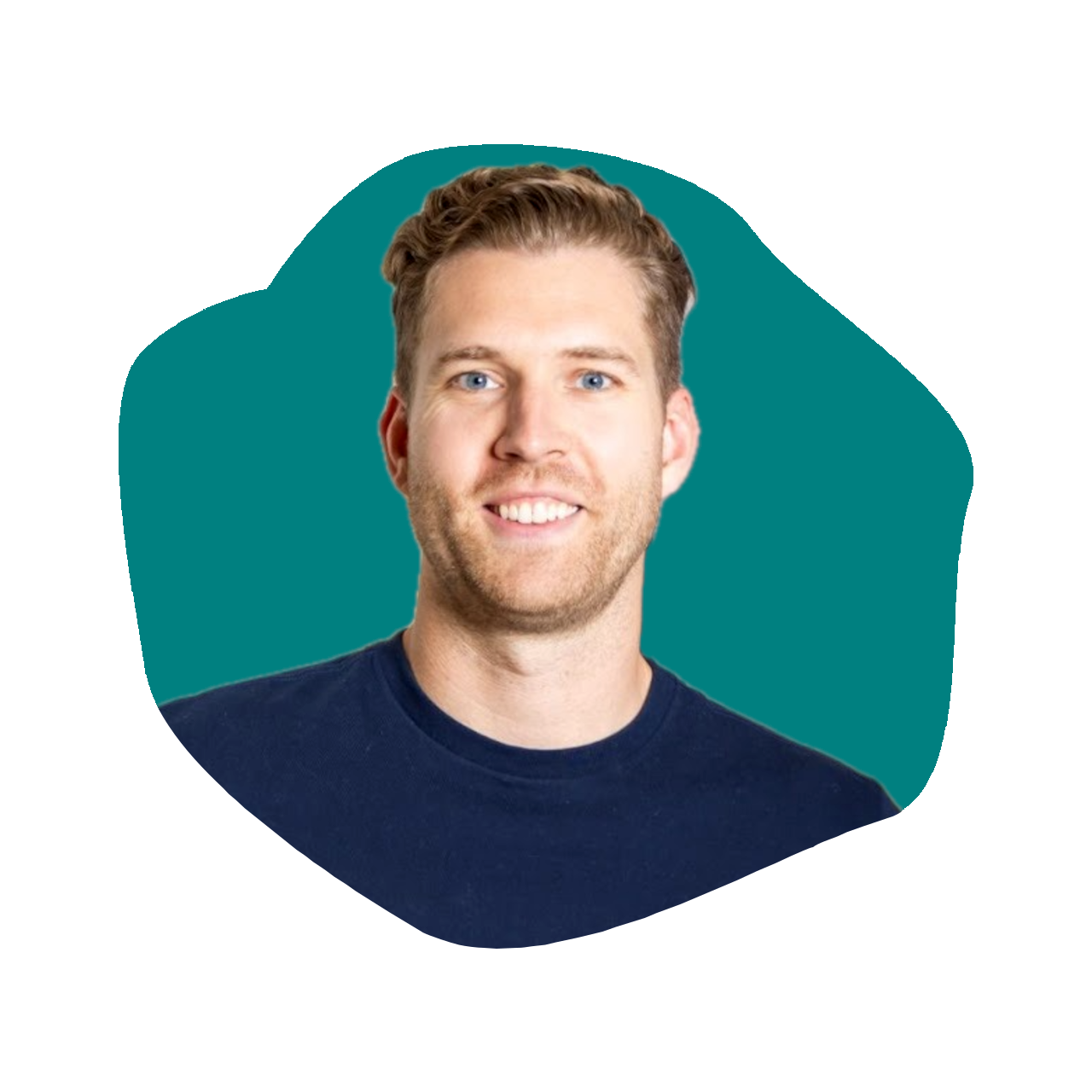
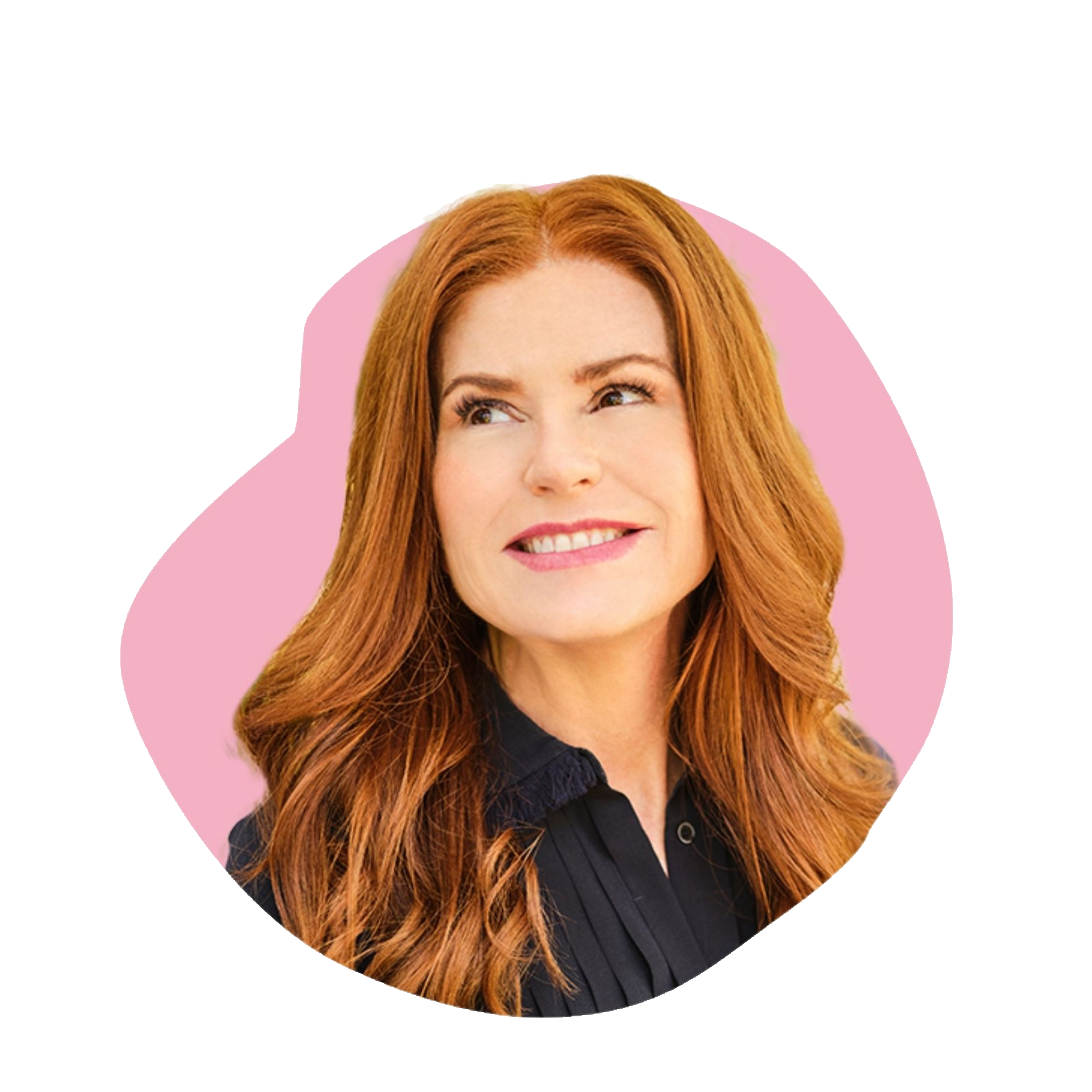
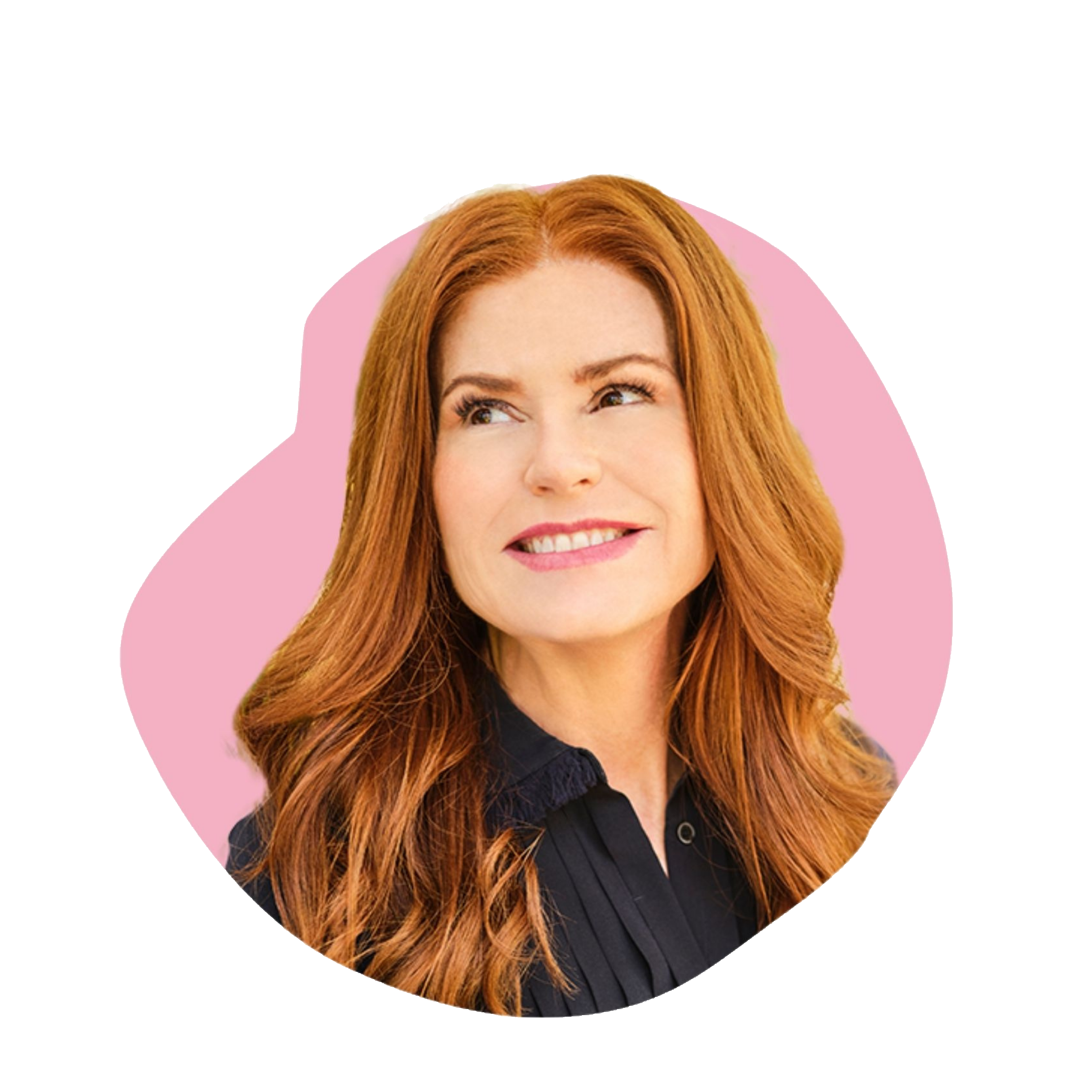
Gyve Safavi: Co-Founder & CEO of SURI
Episode 783
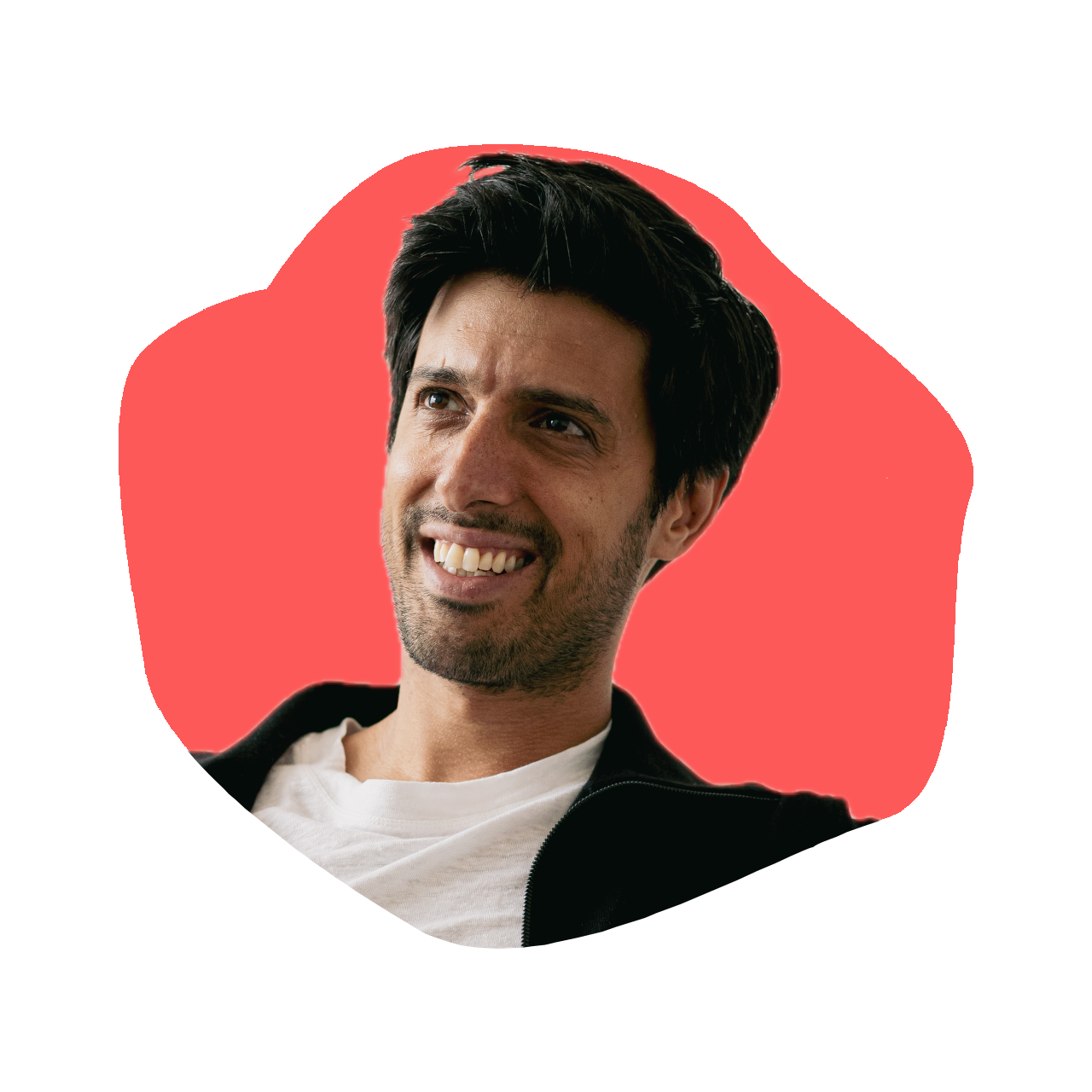
On today’s episode, Kara welcomes Gyve Safavi, Co-Founder and CEO of SURI — the award-winning sustainable electric toothbrush brand redefining how we care for our teeth, our health, and the planet.
SURI was born from a simple but overlooked truth: every toothbrush you’ve ever owned still exists. In an industry built on disposability, Gyve and his Co-Founder, Mark Rushmore, saw an opportunity hiding in plain sight. They set out to create a beautifully designed, high-performance electric toothbrush made with better materials and built to last — resulting in a sleek aluminum body, recyclable plant-based heads, and thousands of passionate customers who believe in fewer, better products.
Before launching SURI, Gyve spent years shaping global brands at Procter & Gamble, AKQA, and WPP — experiences that helped him reimagine what oral care could be. Raised in New York by immigrant parents who instilled the belief that anything was possible with enough focus, Gyve brings a thoughtful blend of purpose, discipline, and design-driven thinking to every part of the SURI journey.
In this episode, Gyve shares how breaking a long-ignored category wide open required fresh thinking, how he and Mark balanced sustainability with true performance, and why community feedback has become central to SURI’s evolution. He opens up about early challenges, product innovation, what’s next with SURI 2.0, and how conscious entrepreneurship is reshaping consumer expectations in everyday essentials.
A must-listen for anyone interested in sustainability, product innovation, consumer brands, or the art of turning a simple idea into a movement.
Resources from
this episode:
Enjoying this episode of #TheKaraGoldinShow? Let Kara know by clicking on the links below and sending her a quick shout-out on social!
Follow Kara on LinkedIn – Instagram – X – Facebook – TikTok – YouTube – Threads
Have a question for Kara about one of our episodes? Reach out to Kara directly at [email protected]
To learn more about Gyve Safavi and SURI:
https://www.trysuri.com/
https://www.instagram.com/discoversuri/
https://www.linkedin.com/in/gyvestar
Transcript
Kara Goldin 0:00
I am unwilling to give up, that I will start over from scratch as many times as it takes to get where I want to be. I want to be you. Just want to make sure you will get knocked down. But just make sure you don’t get knocked out, knocked out. So your only choice should be go focus on what you can control. Control, control. Hi everyone, and welcome to the Kara Goldin show. Join me each week for inspiring conversations with some of the world’s greatest leaders. We’ll talk with founders, entrepreneurs, CEOs and really, some of the most interesting people of our time. Can’t wait to get started. Let’s go. Let’s go. This episode of the Kara Goldin show is brought to you by LinkedIn jobs. As we head into a new year, a lot of leaders are asking the same question, do we have the right people and the right roles to get where we want to go next? If growing or strengthening your team is part of your 2026 plan, LinkedIn jobs is built to help you do it smarter. LinkedIn jobs AI assistant helps you find qualified candidates faster and with more confidence. So you’re not just filling roles. You’re building a team that lasts. In fact, LinkedIn hires are 30% more likely to stay at least a year compared to the leading competitor, that kind of retention matters, and finding the right hire doesn’t have to feel overwhelming with LinkedIn jobs AI assistant, you can skip the guesswork and jargon. It filters candidates based on your roles specific criteria, and highlights top matches so you’re not wasting time digging through endless resumes. When you’re running a business, you need a hiring process that’s fast and focused. Linkedin’s ai assistant delivers 25 strong candidate suggestions each day, giving you the chance to invite the right people to apply and keep the process moving. It’s a smarter, faster way to hire, and it’s why I rely on LinkedIn jobs. Hire right the first time, post your job for free at linkedin.com/kara Goldin then promote it to use LinkedIn jobs, new AI assistant, making it easier and faster to find top candidates that’s linkedin.com/kara Goldin to post your job for free, Terms and Conditions apply. Hi everyone, and welcome back to the Kara Goldin show. I’m so excited to have our next guest with us here today, we have Gyve Safavi, who is the co founder and CEO of an incredible brand that is about three years old. I just discovered it, though it’s called SURI, and it’s an award winning sustainable electric toothbrush brand transforming the oral care industry. I would imagine they’re going to go beyond toothbrushes very, very soon, but, but this is where it is now, and wow, what an incredible, incredible product. So in a category long built on plastic and disposability and way SURI sets out to do things differently, they’re beautifully designed sonic toothbrush made with a sleek aluminum body and recycled, plant based heads has become the most highly rated sustainable brush on trust pilot and a favorite among many, many consumers. So Gyve, founded, SURI co founded, I should say SURI in 2022 alongside his co founder, which I’m sure he’ll get into that backstory, and after years in global brand management at P and G and leadership roles across a, k, QA and WPP, gee, has grown up with the belief that anything was possible with enough focus, so I cannot even wait to hear more about this journey, and as we were talking about early earlier, how the dots have all connected. So Gyve Welcome to the show. I’m so excited to have you here.
Gyve Safavi 4:13
Thank you so much for having me. Kara. I’m really genuinely excited to be here.
Kara Goldin 4:16
So let’s start with the product. I touched on it for a minute. But what is SURI, and how did it all begin?
Gyve Safavi 4:25
So Suri stands for Sustainable rituals. We started building actually during covid, and I had done a fair bit of landscape research, and at the time, I was desperately looking for a co founder, because I knew if I was going to start a business, it’s it. You know, there are some really tough times, and it gets quite hard, and I needed to share that with somebody. And so I went for a walk in the park with my my current co founder, Mark at the time, and I was desperately trying to convince him, and so I’d put together this huge deck with a huge landscape assessment, and I was showing it to him on my phone. And sort of the first insight that kind of got both of us excited is that. In electric toothbrushes, there are two brands in almost every developed market that hold 75% share in the US in most of Europe. And you know, when you dig deeper and you look at toothbrushes in general, you find that none of them today are recyclable. And that was something that kind of, you know, both of us had had children just right around after covid. And I think, you know, something clicks when you have a child for the first time, or at least it did for me, which was you realize that, like monetary success, progress, it really is all about, like the next generation that comes. And so we really wanted to start Sury, and this is why Suri stands for Sustainable rituals. Founded on a purpose. And the thing is that toothbrushes aren’t recyclable. We throw out over 5 billion a year. It’s enough to circle the planet 15 to 16 times, and nobody’s talking about them. They’re like a second or third to plastic straws. And that got me thinking, wow, that means that every toothbrush I’ve owned since a child probably still exists somewhere in some landfill. And so first, as a first setting, we decided that our goal was, as a brand, was to tackle that and to build the most sustainable electric toothbrush out there, you know. But as we quickly realized, because we started doing consumer surveys was that, you know, over, you know, we did about 5000 consumer surveys using tools like Survey Monkey. We didn’t, both of us were unemployed at the time, so we didn’t have a lot of money to spend on fancy tools. We just did simple surveys. There were so many things that came out from those surveys. And, you know, normally when somebody sees that two brands hold 75% share in any market, they’re like, cool, I’m not going after this. They must dominate in some way. And there’s some barrier that I can never address. But I guess maybe we were determined, I’d like to think, but really, maybe we were just not paying that much attention to the risk. And we were just like, totally risk, you know, ready at the time, you know, and so we just went for it. But the research told us something really interesting. One all these features that people started talking about, about things they liked, about toothbrushes or they didn’t like, one of them was gunk that builds up when you charge your toothbrush. I don’t know if you’ve heard of that. I don’t know what the right word is, but there’s this gunk that builds up constantly on the bottom of your toothbrush or when you’re changing your heads, and people were just totally frustrated with that. They’re like, that gunk is terrible. And so, you know. And another one was that, like, my battery never lasts. I can never travel with this thing. I’ve got to bring the kitchen sink, that, the charter this, that to take it, and I can never travel and take it with me. So there was a lot of like insights that we heard that were not being addressed by the current two brands in the market. And actually, you know, it’s almost like business 101, right? Listen to your customers and develop innovation around that. We took all of those things and put them into our toothbrush. So people said their brushes were loud and clunky. We made a thin toothbrush with aluminum heads. We wanted to address the same sustainability angles as you mentioned, with recyclable plant based heads. So we are the first company to offer plant based so fully plant based, made from corn starch and Castor Oil bristles that we recycle FOR FREE in the US with prepaid mailers, so and as well as in the UK, where I’m currently based, another thing was, you know, people for the gunk, we we have a mirror mount, so you can push, put our brush neatly on the mirror, just like that. And then, you know, there’s no constant charging and build up. And then we have a stainless steel plate on the head. That was just some of the things that we put into our product. But, you know, and the list goes on. But I guess the ones that really stood out and made us really push forward full speed, was that in our qualitative interviews, where we were able to get you know, one on one time with people the that’s where it really got interesting, and it showed us we had a huge opportunity to go beyond sort of just product and sustainability, but really build a brand that people loved. And I’ll just touch on that for a second. People told us, you know, first thing I would do in an interview is say, you know, Do you brush your teeth and like for toothbrush? Yes, I do. Okay. How many times do they use it? Twice a day? How much did you pay for it? I paid 100 bucks. Do you travel it now, it’s too big and bulky. Okay, what’s the name of the brand? And people will go, I don’t know. I just that one that does this, or this is and I was like, I’m sorry, I don’t know the brand, what is it? And so, and they, and a lot of people, couldn’t name the brands. And so here I was thinking, wow, there are two brands that dominate, but people just have a familiar film loyalty with them through familiarity, where they see them on shelf and they buy it there is real there’s no real brand affinity. And so we knew then that like, if we could build a brand that championed performance, design and sustainability, but ultimately laddered up to something they would love through listening to their feedback and designing that into innovation, then we’d be on to something. And so here we are three a little over three years. We’re 40 people. We still. Delivered around 30 over 30 million last year in sales in our second year, and we’re profitable.
Kara Goldin 10:05
This episode of the Kara Goldin show is brought to you by LinkedIn. Jobs. As we head into a new year, a lot of leaders are asking the same question, do we have the right people in the right roles to get where we want to go next if growing or strengthening your team is part of your 2026 plan. LinkedIn jobs is built to help you do it smarter. LinkedIn jobs AI assistant helps you find qualified candidates faster and with more confidence. So you’re not just filling roles. You’re building a team that lasts in fact, LinkedIn hires are 30% more likely to stay at least a year compared to the leading competitor. That kind of retention matters, and finding the right hire doesn’t have to feel overwhelming with LinkedIn jobs. Ai assistant, you can skip the guesswork and jargon. It filters candidates based on your roles specific criteria and highlights top matches, so you’re not wasting time digging through endless resumes. When you’re running a business, you need a hiring process that’s fast and focused. Linkedin’s ai assistant delivers 25 strong candidate suggestions each day, giving you the chance to invite the right people to apply and keep the process moving. It’s a smarter, faster way to hire, and it’s why I rely on LinkedIn jobs. Hire right the first time, post your job for free at linkedin.com/kara, Goldin then promote it to use LinkedIn jobs, new AI assistant, making it easier and faster to find top candidates. That’s linkedin.com/kara Goldin to post your job for free. Terms and Conditions apply. So how long did it take you from the moment that you had this idea to actually getting a product on the market.
Gyve Safavi 12:01
So it took around two years, actually. And so that’s the thing. Like hardware is hard, and if you look at the sort of setting we were, it was covid. Our product is currently manufactured in China and in Asia, and we couldn’t travel, and so we had to engage with factories over zoom. And my co founder likes to call me the most stubborn person in the world. I like to say I’m focused and determined. But, you know, it played out. We must have talked to over 25 factories, and they all said, No. I mean, except for the 26th one, right? And the reason was, is that when you look at well, one we were we’d never done hardware before, so they’re thinking, that’s a risk. We didn’t have our own capital immediately available. We didn’t, you know, have some other source of capital they could identify. And And three, we were trying to do something completely different. And innovation to a factory is efficiency. It isn’t making something different. They are going to try and do things incrementally better, but with the same platform. And we wanted to do something thin but powerful, which nobody has ever done, a thin brush that has a powerful Sonic movement in it, and and so that was why we got so many rejections, and I think that’s part of the reason why it took two years for us to get off the ground. But you know, looking back now, I feel like we were relatively quick for the resources we had.
Kara Goldin 13:23
How long did it take you to come up with the name SURI? I love it, and it’s, it’s short and memorable to your point. But how long did that take to make that happen?
Gyve Safavi 13:37
Oh, boy, I’d love to say that was short and sweet. But you know, I think when you’re at the early stages, I mean, now my co founder and I look back and are like, ah, you know, we could have come up with any name. We could have done that pretty quickly, that initial branding. We didn’t have to sort of deliberate over for days. But the reality is, when you’re starting out, everything is so important, right? And so we settled on some names, and we were, we had lists, and we were going through it. So it took, it took, well, longer than it probably needed to be. But I guess, like, the ultimate decider at the end was trademark registries. And so as we would come up with names, they would just constantly get killed. It was like, Oh, somebody’s registered this and not really used it in and, you know, in the US, it’s, it’s great, because, like, if you’re not using it, you can’t block it. But in Europe, it’s a totally different game. You can hold on to something for like, five years and and not use it. And so you’re kind of like, stuck not being able to use many things. And also people can sort of say they’re going to go into a category in five years and block it. So it took a bit of time. And then kind of when it hit we we thought, you know, we wanted something short had a longer meaning to it, you know, a bit of a story. And so, you know, I think, like most moments, eureka moments as founders, when something fits, you just you grab it, and you don’t let go, and you keep
Kara Goldin 14:49
going forward with it. So sustainability is at the core of SURI’s mission. How did you balance the sustainability and performance and design? I mean, the design. Design is amazing. The colors that you’ve used are really, really unique as well. The feel of it, everything about it is just, there’s a lot of thought behind it. And when you’re creating the first SURI brush, sometimes it’s like, we’ve just got to get it out there. But it’s obvious that you were very methodical about it, but Were there certain things that you just would not accept, I guess, in in the product?
Gyve Safavi 15:26
I mean, that’s, that’s a great question. I would say that, like one of this, I had this sort of like hypothesis that was you could no longer launch a minimal viable product, and MVP, like the world of MVP had passed, and so we spent a lot of time on our research for that reason. Because I think, you know, today, anybody can go on to, let’s say Alibaba, find a product, re skin it, rebrand it, and, you know, invest maybe 5k into branding, and do relatively well. But as a result, the market has become so much more competitive in almost every category because of that. And so we knew that we needed to really invest in our first iteration to develop what we call, and I’ve probably stolen this from somewhere, as an MLP, minimal, lovable product, because what we wanted with hardware, you have, you know, software businesses are great, because you can iterate continuously after you ship something hardware, you’re, you’re trying to iterate, but you have to be at a stage where it’s, it’s good enough that people are going to use it and then tell others about it. And we were really fortunate early on that we, you know, we were pretty determined in and I think the factory that, you know, the I don’t not that. I think I definitely know that, because I saw emails later on the factory that did help us in the beginning, was a bit sort of frustrated with all the things we were like, so picky about the colors we wanted everything to be right. But that really contributed to people really enjoying their first story when they when they got it, you know, and really telling others about it. And what we called the sort of FOMO effect, which is that when one person in a household bought it, somebody else would see it, and then the whole household whole household end up buying some. So we, yeah, I think it’s hard to to really try and get everything perfect at first. And so, you know, there, there are some things looking back, you know, maybe we could have gone faster on but we really want, we were very deliberate from the packaging for to the whole experience, because we knew we were dealing with a category where brand love was so low, we had to really push through to really make that clear to our early customers. And actually, there’s a site that we use called Trustpilot that people leave us reviews, and we can’t, you know, we can’t take them down. We cannot do anything negative or positive. They come up, and we have on Slack, a sort of integration with the API, so we see all the reviews as they come in, and anything that’s negative we you know, we’re constantly looking at, like, how can we take that feedback in? But we recently exported all of our reviews and put it into chat GPT and said, like, tell us some analysis about this. And I guess, you know, the sort of silver lining is the number one word ranked of all words in all the reviews was love, and so we were pretty thrilled to see that. I mean, how often do people say I love brushing my teeth, right? So it’s worth it. The hard work is worth it.
Kara Goldin 18:14
So you’re in SURI 2.0 now with with your brush, and it’s generating a lot of excitement. How does this version vary from your first one that you did launch?
Gyve Safavi 18:27
So I mean, it took us about, well over two and a half years till we launched our second version, and both brushes on the outside look the same. And that was intentional, because we didn’t want to come out with a new version. That was just for the sake of, like, selling a new product to people. We wanted people who already had the older version to be like, Well, I don’t need this. This looks very similar. But we did put a lot of effort into upgrading our platform on the inside, and so a lot of that feedback that went in, that we got from customers, from dentists, from, you know, I guess everybody who was giving us feedback all the way up to it, my wife and my mother and my sister, which give a lot of feedback, by the way, but, but another story on that, and a lot of support. And it wouldn’t be possible without them. We really tried to build that into our innovation. So what we have in our new brush is a stronger motor. It has subtle haptic notifications that help you essentially build better gum health by not brushing too hard. Some brushes have flashing lights and different things, and things go off. Ours just cuts the power soft so that you know you’re brushing too hard and it doesn’t and it keeps you from damaging your gums. We also have, our motor has a wider amplitude, which means that the bristles move wider and give a deeper, thorough clean. And we we’ve improved all of our accessories from the ground up, so our UV case is sleek. Has a battery built in it. And we really just took our current 1.0 and just these were the top things that everybody told us. Dentists were like, You need a pressure sensor. We put it in there. It wasn’t easy. Because I think the challenge that we have is when you try to drive design and size, everything gets very tight. And I guess, like, you know, companies that have shown that really well, Apple obviously, like, they are constantly re engineering everything to find every millimeter of space. But I would argue, in hardware, a lot of things like, it just gets very hard. And when you’re early stage company, you don’t have the resources to do what Apple can do. But, but, yeah, it’s a huge upgrade, definitely.
Kara Goldin 20:41
So how many different color patterns do you have, and is there one that is kind of the, the runaway top seller?
Gyve Safavi 20:52
So we, we currently have five colors, and they’re, they’re all a range of pastel. We have very unique nature based names, like winter Fern, sunset Bloom is our pink color. I mean, we internally, we all call it pink, blue, white, green, but, but they’re the we spend a lot of time trying to find colors that work together, so that if somebody has a different color at home, doesn’t clash, but also are much more modern. Well, being focused, we’re launching a new color pretty soon. So in the new year, it’s, it’s I, but it’s, can’t say too much on that, but, but we spend a lot of time trying to find colors that that fit with people’s bathrooms. A big part of our brand is that we, we we wanted to create something that was design driven, delivered great performance and sustainability, but design was part of the enjoyment that it’s slim, it’s enjoyable to hold, and it fits the bathroom that you want to have, right? You know, not the and a lot of the products on the market today don’t fit with the bathroom you have or want to have, you know, so you’re kind of, you’ve got this, like, I don’t know space design thing that that you’re kind of, like, hiding when guests come over, right? So we wanted this to be prominent, that you would leave it out and feel, you know, proud to have it rather than ashamed, definitely.
Kara Goldin 22:14
So the design is, is the pull, right? It’s people are like, Oh, wow. This looks amazing. It looks cool, but there’s a lot behind that, including the sustainability, including the brush head, lots of things around it. How do you get that education to consumers in a way where they don’t feel like you’re lecturing them or telling them something that they don’t need to know.
Gyve Safavi 22:44
Yeah, it’s not easy. I would say, you know, we obviously have what we think we should say, and then we’re com as a we started DTC first, and it’s still about 70% of our sales. Although retail is growing quite fast, we were able to, because of that tests a lot of stuff through ads, landing pages and see what resonated with people better. So in a way, like we knew our feature set, but the how that we would sell, it was, was validated through people buying our product. But the there is quite a lot of nuance, right? Because people see a thin brush and they think, well, that’s more of a weaker model. And then they see our price point, and they go, Whoa, why is that comparable to the higher end ones? And the higher end ones? And the reality is, we spent a lot of time trying to put a powerful motor in a slim design. So we need to communicate that in a way that is clear to customers. You know, ultimately, the main benefit of this category is that it cleans your teeth really well. Dentists recommend electric toothbrushes because they perform way better than manual toothbrushes, but that’s table stakes. And then what we try to then layer on top of that is that we’ve made a product that you’re going to enjoy using, which is hard to communicate, because people will think enjoy brushing your teeth. That just sounds odd, right? So why would I enjoy brushing my teeth? But that, I think that’s part of the reason why we get these crazy reviews from customers where they’re saying, like, I absolutely have this toothbrush. Man, this is wild, because we’ve paid attention to things like the way it feels on your teeth, that the sound we have, like, very little sound. I was doing sound tests in the bathroom talking to my wife, being like, can you hear me? All right, great. You know, because when she was brushing with said brand, I’m not going to say it was like a moat tractor and it was like, I was like, what? And we just wouldn’t have a conversation. So, or you can’t even hear yourself think so, those features, I think, have helped a lot.
Kara Goldin 24:36
Yeah, definitely. What was the moment that you and your co founder, Mark knew that SURI was really taking off you. I love I always think that. I always tell people who aren’t founders that you should definitely give people feedback, because the you know they want people do want to hear it, maybe the large. Companies don’t necessarily have anyone there that’s really going to look but especially the founders. I mean, they’re, they’re, they thrive on the feedback, good and bad. But also, was there, were there, like, metrics that you said to yourself, if we grow a certain amount, or when we’re profitable. Or, like, what was it that said, Okay, Suri is going to make it.
Gyve Safavi 25:25
I mean, I vividly remember a couple of moments that I’m going to tell a story about, when we were sitting in Hong Kong Airport, but in terms of metrics, like, I put high numbers in the chart, and that’s what we sold to our investors. And I kind of was like, Yeah, you know, one in a million will hit these numbers. And I remember sitting with Mark in the beginning, and he was like, these numbers every month. Why did you make them so big? Like, we’re never gonna hit these numbers. You know, he’s like, now we’ve just got it, like, a difficult road ahead for the next year. And we just started to hit month one, month two, month three. And he was like, wow, this is really good. It’s almost like you started your career in finance. And I was like, I did, but, you know? And yeah, and I think it must have been, like, a year, almost a year in, and we were sitting in the airport on our way to see our manufacturers, and Mark was telling me, Wow, this is great. Like things are going so well, you know, we just got this article in the newspaper, things are just really starting to take off. And I turned him and I was like, Don’t tell me the positives, just tell me what needs improvement, you know, because that’s what we need to focus on, that we need to get to the next level now. And I don’t want to hear about the positive news. I just want to hear the things that need to be fixed. And he turns to me and goes, so you want to run this company for five to 10 years, and you just want to focus on the negatives. And I was like, Well, when you put it that way, it sounds terrible. And he’s like, but that’s what you’re saying, right? Like, we’re not celebrating the wins. And I stopped, and I it was a moment where I was like, he’s right, like, I’m, you know, maybe I’m superstitious, maybe I don’t know, but I’m not celebrating the wins. And I know because, you know, I previously worked at a venture company where I worked with early stage startups. There’s a lot of times when it gets pretty dark, right? It is never smooth sailing at any startup. And so I have a lot of respect for anybody who takes on the challenge of building a company. But what I didn’t know, and what Mark was telling me there was that if we don’t celebrate the wins. We will not offset the sort of lows that come on the business. And so now we’ve pretty much institutionalized it on our team. Anytime you know, there’s a big win, we celebrate. We all go out for lunch. Whether it’s even bigger or a medium sized win, we’re making an effort to really enjoy what we’re doing, and I think that’s a big part of building culture. But, you know, we just had our biggest November, our biggest month ever, last month, and I can say we did a lot of eating out and celebrating those times. But I think that’s really important, because there are times when you’re really, you know, grinding, you know, everything at full speed, and it’s difficult. So, yeah, I’d say that, like a big thing for me was, like, once we started to see we had traction, was learning to celebrate the wins, and I’m proud that we as a company really do institutionalize that.
Kara Goldin 28:14
So you are based in the UK. You launched in the UK, but you’ve also expanded quickly into the US. You and I were talking briefly about that. How did you make that decision, I guess, to launch your product. You’re an American, but obviously living over there in the UK. But how did you make that decision to launch in outside of just one country, because that’s a big decision that you know, not just with the trademarks, as you were talking about, but probably different regulations, I would imagine, too, there’s a lot of different components, and probably definitions of sustainability and things like that that people just don’t really think about. It’s very complex. So can you share a little bit more about that?
Gyve Safavi 29:08
Definitely, definitely, it’s something that I wouldn’t be honest if I didn’t say this. Most people told us not to do so, at least this early on in our journey, like we started shipping to the US, I want to say, month three or four probably helped us make our numbers and and the reason was that we just turned on some ads, and we said, well, let’s see what happens. And cross border shipments were pretty easy back then, and we just started getting orders. And so like, well, as long as the ads, people are buying them, and the ads are there’s a healthy return on ad spend. We’re going to keep doing this. And so we had, we had many people who passed on investment in rounds for us who said that, oh, you know, like, it doesn’t make sense. You know, going into another market so difficult. You know, products can go bad on shelf. The sourcing can be difficult. And I was just listening going, products go bad on shelf. Our product doesn’t go bad on shelf. You know, our sourcing is still the same. Yeah, and it was almost like, and I think that’s so to your question, we I think we were kind of, we kind of just fell into it by people buying our product. We got some fresh press mentions, and as a result, we just started building towards it. We said, like, well, there’s a common language. The insights are different. You know, I like to think, because I’m American, I can sort of be that gut check on the team and say, Hey, I don’t think that makes sense. You know, I don’t think anybody’s gonna like that in the US. But, I mean, we obviously do a lot more research, because I’m just one of many opinions. And I think ultimately, the biggest sort of and this, this goes back to just general advice that I’ve received as a founder. Early on, you are seeking advice. You remember things that people tell you from like, whether it’s over a coffee five years ago, because you really anchor on it, you’re like, and you also remember when you get the wrong advice, right. And so when you get the wrong advice, you’re like, gosh, I shouldn’t listen that person. I knew it. And so I was anchoring so heavily on potential investors. We have a great set of investors now. And I was listening, I was like, What do you think of this? What should I do? And as I, you know, as I started, as I was trying to take it all in, it just felt like too many things, too much feedback. And I talked to one investor, and he said to me, very blunt, direct, like, what do you care what I think? I was like, Excuse me, well, you have a great portfolio you’ve done really, he’s like, he’s like, really, like, what do you care what I think? And I was like, he’s like, I’m not your consumer. Like, like, and I brush in the manual brush, you know? So and he’s like, but either way, I’m going to tell you what I think. You’re going to go off in direction, build towards it. Like, the best thing you can do is find out what your customers think, and they will tell you whether or not they like it was, you know, whether or not they buy it. And so that’s kind of what we’ve done. So we were like, look, we’ll start small. If people buy it in the US, we will start selling more, and we’ll build towards it. And so I think that has been our strategy on expanding into other markets, and then the US is quite a decent market to focus on. So we haven’t gone beyond the US right now, it’s the UK and the US, but we still have a lot of low hanging fruit and potential. But I think the thing that really resonated with me is that if consumers want it and they’re giving you positive feedback, it’s worth building towards.
Kara Goldin 32:18
Yeah, definitely. So you had amazing experience before launching, deciding to launch with your co founder, Mark, and Mark did as well. Did you feel like this, that launching a company was way easier than it’s been? I mean, when you look at all of the ins and outs I know I’ve, I’ve had many people who have worked in large companies or or on the investment side, venture side of things, and then all of a sudden the buck is stopping with them, and they’re hitting all the challenges and having to deal With those how, I guess, how did you feel, and in this that it’s, it’s a lot more difficult than maybe, maybe you had envisioned even dealing with founders.
Gyve Safavi 33:12
I mean, it’s, it’s definitely difficult. And I, I think I would only, I mean, I think founders have the spark where they just want to go for it. And I think there’s a it and I think there’s a it doesn’t matter, it’s just any age of founder, right? I don’t think it has to be young founder and older founder. Is that it hits you at a moment in time in your life, and it hit me, you know, right around when our first daughter was born and I had covid, and I had left my previous job and and I think when you get that spark, it’s hard to stop you. Most founders are determined. That’s why many business founders will pivot until they find success. Because they are just determined on, on, on bringing their business to life. One of the things that I don’t think is talked about enough is founder differences. My co founder is very different than me, and I’m, you know, I think that’s a great thing. Now, early on, it was hard for us to work together like we’re very different profiles. We grew up in different places. Our parents are from different countries. And just, I guess values to sort of way of thinking is very different. And they say, I think it’s the number three reason why companies fall apart is early stage. Companies founders can’t work together anymore, and so early on, we discovered these differences. And it must have been just at the end of like our covid, because we were on Zoom 24/7, it was almost like a portal in our house, and I’d walk in the room with a sandwich and keep talking to him more. Talking to him, walk out and get a drink and and I and, you know, when you’re not able to be in proximity with somebody and you’re constantly on zoom with them, I think subtle tensions pick up. Like he would say something in a meeting. I didn’t like that, but I would just kind of say, okay, and then I would say something and sort of rub them the wrong way. And I think, and then, you know, one Friday, he pulled me aside, and he was like, Hey, how do you think things are going? And I was like, Oh, they’re going great. He’s like, really great. And I was like, yeah, they’re fine. And he’s like, Well, here are the things that I don’t think are going well. And then once he said that, I was like, well, here are the things I don’t think are going well. And you know, once you sort of approach things with honesty and you’re very direct with each other, you realize that actually you both want the same goal. You both want to grow, and more often not, these misunderstandings are just differences in the way we think about things. Because he would say something like, oh, well, I thought you wanted help with that. I mean giving a really minute detail that job description, and he goes, Well, you rewrote the whole thing. And I was like, Well, I thought I was helping, right? And those are little things that I was now I know that, like, I don’t do that anymore, but that’s, that’s just a really small example, but it gets these things build up to much bigger things. And so we realized early on that we needed to have these meetings. I guess we call them founder complaining sessions or but now we call them optimal organizational optimization sessions, right? We needed the time to sit together in a really honest way and tell each other feedback that we had, because it was the better it was for the better of our company and the better of our our growth, person, personal, wise, but also like what we wanted to achieve. And we’ve we’ve institutionalized that also now. So our entire organization gives each other feedback in a very structured way, but with the main sort of pillar of trust and respect, right? Like I’m coming to give feedback because I respect you as an individual, and we share that goal and and that is why I’m going to be really candid about it, because I care about you and I expect the same back to you know, if I’m doing something, somebody will pull me outside and meeting me. I really didn’t like it when that happened. I think this could have gone better. And I’ll go, that’s that’s great. I will work towards that next time, and maybe next time, this could happen on your side, but creating that mutual respect and trust and openness to give feedback is something that I’ve learned along the way, is not spoken, but is definitely a key ingredient in success.
Kara Goldin 37:07
So exciting news moving forward about either the future of dental care or where SURI is headed next. Obviously, you launched direct to consumer. You have expanded now into the US. You’re going into retail as well in in what else is just so what excites you the most about what’s going on?
Gyve Safavi 37:33
I love product. I think we have an exceptional team of brand marketers, operators and product builders. You know, our mission is to become a globally loved brand, championing, as I mentioned, design, performance and sustainability. And when you look at our category, oral Kara, that is for now. You know, there’s quite a lot of products sub product categories that don’t really champion design or sustainability, maybe it’s just performance. And so we think there’s a lot of room to champion those values on an even setting. You know, we don’t want to be the most sustainable product that sort of lets you down on performance, just like we don’t want to be the most performance driven product that doesn’t care about design or sustainability. And so we really want to champion those values. And I guess I would say we recently launched a toothpaste, but there’s a lot of opportunity in products that go with toothbrushes that could be better and look nicer. So without giving away our innovation plan, what excites me most is the new products that will be coming out next year. We’ve got quite a few, so we’ve assembled quite a dream team that’s been building and working the early mornings and late nights to make sure that they all come out.
Kara Goldin 38:52
I love it well give thank you so much for joining us today. And Suri is such a terrific example of what happens when sustainability, design and everyday usability come together, and your journey from rethinking a product and and and working with your co founder Mark to really bring purpose into this category are really, really inspiring. So for everyone listening, check out SURI at try SURI.com and follow follow along on social as well. You can also connect with give on LinkedIn to follow some of the company’s next chapter. And if you enjoyed this episode, be sure to share it and leave a quick review, and of course, subscribe to hear more founder stories right here on the Kara Goldin show. So thanks so much. Give story is amazing
Gyve Safavi 39:50
for having me really, really appreciate it absolutely.
Kara Goldin 39:54
Thank you. Thanks again for listening to the Kara Goldin show. If you would please give us a. Review and feel free to share this podcast with others who would benefit. And of course, feel free to subscribe so you don’t miss a single episode of our podcast, just a reminder that I can be found on all platforms. At Kara Goldin, I would love to hear from you too. So feel free to DM me, and if you want to hear more about my journey. I hope you will have a listen or pick up a copy of my Wall Street Journal, best selling book, undaunted, where I share more about my journey, including founding and building. Hint we are here every Monday, Wednesday and Friday. Thanks for listening and goodbye for now.