Elizabeth Gore: Co-Founder & President of Hello Alice
Episode 791
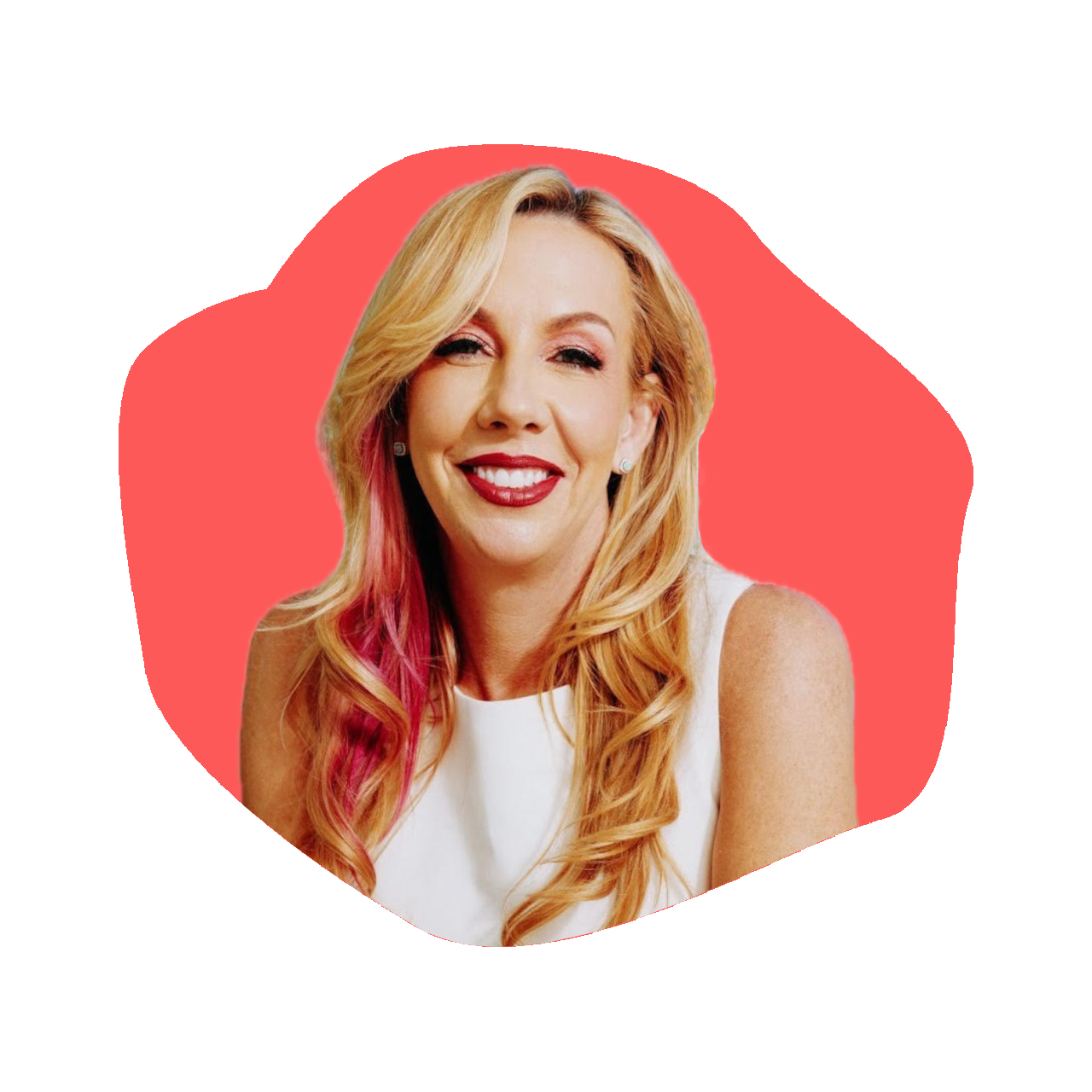
On today’s episode, we welcome Elizabeth Gore, President and Co-Founder of Hello Alice — the technology platform helping more than 1.5 million small business owners access capital, connections, and education so they can grow and thrive.
Elizabeth sits at the intersection of entrepreneurship, finance, and impact. Alongside her co-founder Carolyn Rodz, she built Hello Alice to address one of the most persistent challenges founders face: the lack of fair, affordable access to resources — particularly for overlooked and underestimated entrepreneurs. Through Hello Alice, Elizabeth has helped reshape how small businesses engage with banks, corporations, and financial institutions, while keeping founders’ real needs at the center of everything.
In this episode, Elizabeth shares how Hello Alice was built from the ground up, the early challenges of earning trust and scale, and what she’s learned from supporting millions of entrepreneurs across industries and geographies. We discuss access to capital, the evolving role of financial institutions, leadership lessons from rapid growth, and what founders should be thinking about as we head into 2026 and beyond. This conversation is packed with insight for entrepreneurs, operators, and anyone focused on building more inclusive systems that actually work.
Resources from
this episode:
Enjoying this episode of #TheKaraGoldinShow? Let Kara know by clicking on the links below and sending her a quick shout-out on social!
Follow Kara on LinkedIn – Instagram – X – Facebook – TikTok – YouTube – Threads
Have a question for Kara about one of our episodes? Reach out to Kara directly at [email protected]
To learn more about Elizabeth Gore and Hello Alice:
https://www.instagram.com/helloalice_com
https://www.linkedin.com/in/elizabethgoreusa/
https://www.linkedin.com/company/helloalice/
https://helloalice.com
Transcript
Kara Goldin 0:00
I am unwilling to give up that I will start over from scratch as many times as it takes to get where I want to be. I want to be we just want to make sure you will get knocked down. But just make sure you don’t get knocked out, knocked out. So your only choice should be go focus on what you can control. Control, control. Hi everyone, and welcome to the Kara Goldin show. Join me each week for inspiring conversations with some of the world’s greatest leaders. We’ll talk with founders, entrepreneurs, CEOs and really, some of the most interesting people of our time. Can’t wait to get started. Let’s go. Let’s go. This episode of the Kara Goldin show is brought to you by LinkedIn. Jobs. When you’re building a business, every hire matters. The right people in the right roles can change the trajectory of your company, and as you look ahead to 2026 whether you’re expanding your team or being more strategic about growth. Hiring with intention is essential. That’s where LinkedIn jobs comes in. LinkedIn jobs AI assistant helps you find qualified candidates faster and with more confidence. So you’re not just filling roles, you’re building a team that lasts. In fact, LinkedIn hires are 30% more likely to stay at least a year compared to the leading competitor. That kind of retention has real impact, and finding the right hire doesn’t have to feel overwhelming with LinkedIn jobs. Ai assistant, you can skip the guesswork and jargon. It filters candidates based on your roles, specific criteria and highlights top matches, so you’re not wasting time digging through endless resumes. When you’re running a business, you need a hiring process that’s fast and focused. Linkedin’s ai assistant delivers 25 strong candidate suggestions each day, giving you the chance to invite the right people to apply and keep the process moving. It’s a smarter, faster way to hire, and it’s why I rely on LinkedIn jobs. Hire right the first time, post your job for free at linkedin.com/kara Goldin then promote it to use LinkedIn jobs, new AI assistant, making it easier and faster to find top candidates that’s linkedin.com/kara Goldin to post your job for free, Terms and Conditions apply. Hi everyone and welcome back to the Kara Goldin show. So excited to have my next guest here joining us. Elizabeth Gore is the president and co founder of an incredible company called Hello. Alice, the technology platform helping over 1.5 million small business owners access capital connections and education so they can eventually and actually grow and thrive. So Elizabeth is one of those rare builders who I’ve known for a while, who sits right at the intersection of entrepreneurship, finance and impact, along with her co founder Kara Lynn rods, who they the two of them set out to solve a problem too many founders know all too well the lack of fair and affordable access to capital and resources. So through Hello Alice Elizabeth has helped redefine how small businesses engage with banks and corporations and financial financial institutions, while staying deeply focused on what founders actually need to survive. She’s also found time to host an incredible podcast called The big idea on Yahoo Finance. So I can’t wait to hear more about that. So I’m so excited that you were here, and I cannot wait to dig into all things Hello, Alice and everything else that you’re up to. So welcome.
Elizabeth Gore 4:02
Thank you, Kara, and it’s I was trying to remember how long we’ve known each other and how we met. I don’t know if it was through Summit Series or what, but we know each other a long time. I bet it was summit Yeah, we’ve been in the trenches together a long time.
Kara Goldin 4:17
I bet it was actually that’s yeah, and Northern California girl. So gotta love that. Okay, so for listeners who are just hearing about, hello, Alice. Can you give us a quick description of what is the brand to you? Absolutely.
Elizabeth Gore 4:36
So we’re FinTech, and our number one objective is equitable access to capital for small business owners, and coming right behind that is their financial fitness. So we are very proud to deploy about 60 million in small business grants. We provide secured and unsecured credit. We have a lending center that ensures equitable rights, and I keep using the word equitable. We. Because we primarily focus on the new majority, women, people of color, US veterans, people with disabilities, folks in rural environments who don’t have direct access to capital. And we’re proud to serve we just hit actually 1.6 million small businesses over the last nine years, which we’re really proud of, one of our primary most popular tools is called a business health score, where small businesses go in and input a certain amount of data, and we help them get ready to apply for capital, and then we have this crazy cult following of a community. Folks love Hello else because they connect with each other on it, and small business owners are supporting each other through thicker than whether it was covid or natural disasters or you name it, what we’ve all gone through this last decade.
Kara Goldin 5:48
Yeah, definitely. Well, you and Carolyn are just awesome too. So I think you have really shown leadership and really helping founders who are looking for guidance. You guys are have been so, so helpful. So in terms of the steps, so somebody decides that they do really need help, what would they do? I mean, what is kind of the first step for a newbie who’s coming into Hello Alice,
Elizabeth Gore 6:15
my co founder, is a big brain, and she’s so good at user experience. So we’ve tried, over the years to make it more and more simple, and the easiest thing for any business owner, whether you haven’t started yet, or you’re just getting started, or you’ve been in for five years, is to go on to Hello else.com and take your business health score. So what that does is it shows us where you’re at in the life cycle of your business. How much cash flow Do you have? Are you insured all the things that are that kind of solid foundation of your business. And then from there, you tell us, and this, we love. Ai, we were early adopter, gosh, when we started building 910, years ago. So through our data collection and AI, well, you will tell us that, hey, I think I’m going to go apply for capital, and we help you through the steps. To all think that through. If you should or shouldn’t, we say no a lot, and then point you to the right type of capital, ensure you have that access. Maybe it’s I want to hire my first employee, or I filing my taxes for the first time. So we’re going to help you through all those steps and so and then we really try to mine opportunities for you. So we pull you into, I think we have the best newsletter of all time, into opportunities. So we’re sending you every week, great opportunities, but very specific to you, to your stage of growth, your physical location, your industry, and then maybe you’re a US veteran. And so we’re also mining opportunities for veterans to get discounts and grants and government protection. So so it’s it’s really coming in. Usually folks come in, they have a pain point, or they’re looking to grow, and we pull them in through those threads and help them out.
Kara Goldin 8:03
This episode of the Kara Goldin show is brought to you by LinkedIn. Jobs. When you’re building a business, every hire matters. The right people in the right roles can change the trajectory of your company, and as you look ahead to 2026 whether you’re expanding your team or being more strategic about growth. Hiring with intention is essential. That’s where LinkedIn jobs comes in. LinkedIn jobs AI assistant helps you find qualified candidates faster and with more confidence. So you’re not just filling roles, you’re building a team that lasts in fact, LinkedIn hires are 30% more likely to stay at least a year compared to the leading competitor. That kind of retention has real impact, and finding the right hire doesn’t have to feel overwhelming with LinkedIn jobs. AI assistant, you can skip the guesswork and jargon. It filters candidates based on your roles specific criteria, and highlights top matches so you’re not wasting time digging through endless resumes. When you’re running a business, you need a hiring process that’s fast and focused. Linkedin’s ai assistant delivers 25 strong candidate suggestions each day, giving you the chance to invite the right people to apply and keep the process moving. It’s a smarter, faster way to hire, and it’s why I rely on LinkedIn jobs. Hire right the first time, post your job for free at linkedin.com/kara Goldin then promote it to use LinkedIn jobs, new AI assistant, making it easier and faster to find top candidates that’s linkedin.com/kara Goldin to post your job for free. Terms and Conditions apply. So take us back to the beginning when you and Carolyn. Decided to start this. What experience did you have that you felt like you could really lend a helping hand, helping other founders to get through this? Yeah.
Elizabeth Gore 10:10
I mean, I always tease I’m even though in NorCal now, I grew up on a cattle ranch in South Texas, and my undergrad was in cattle and so I use all that experience. No, I’m kidding. I so what? What we really Carol and I bonded on. I actually had a full humanitarian career. So I was in the Peace Corps. I was at the UN for over a decade, and I was very passionate about small businesses overseas. Actually, I thought it was really a critical particularly for women to own their own very small business to pay for school and health care and the needs of their family. And I was really surprised when I got back to the states how hard it is to start a business. And I had a great opportunity to switch the private sector work for Michael Dell, and my job there was to really understand how Dell technology could advance small business. So I got a big taste of the private sector side, and I met Carolyn at that time. And Carolyn’s Bolivian from South America, and grew up in Texas, and she had started before me, two businesses, one failed, one was quite successful, and she was really passionate about all that had to do with access, what she had access to or not, particularly as a Latina in Texas. And so we put our heads together, and both really thought we could solve this problem of what is the barriers to entry for small business owners, and the number one is access to capital period. Any business owner you talk to, no matter where they’re from, what they’re doing, that is their biggest pain point. So we put our heads together, and it’s kind of crazy. We actually didn’t know each other that well, and had the opportunity to build in a lab in San Francisco. So we actually moved in together with two babies each, which was nuts, a big risk, and probably not very wise. We maxed out some credit cards and shared a babysitter 24/7 and and built the MVP, which is a wild time, lot of tears, whether the kids are us, but lead us to say we got to know each other quick
Kara Goldin 12:18
and what and what year was this, oh, my goodness.
Elizabeth Gore 12:21
Jacob was born in 14, so we started this process in 14, and then the this iteration of the software went live in May 9, 2017, so the this, this kind of section, is 10 years next year, which is crazy.
Kara Goldin 12:38
Wow, that’s, that’s amazing. So to grow a community to over 1.6 million entrepreneurs is no small feat. And when you think about how this how, hello, Alice, has changed from the beginning until now. I mean, I would imagine as administrations change and lots of things change over time, but how has your business changed over the last outside of 1.6 helping 1.6 million people? How has it really changed? And I guess what levers really helped you to be able to grow the way that you have.
Elizabeth Gore 13:24
Yeah, I would say the way we changed the most is we used to boil the ocean. We would do everything to help a small business start, build your website, do your payroll. I mean, we did everything in the beginning, and so we weren’t that good at any one thing we did okay, at a lot of things. And when we really started focusing on Okay, our job is to get access to capital and then financial preparedness. When we were like, we’re going to shave off all the other stuff, we still point to great resources to help you with all that. But it’s not what we do well, that was probably the biggest shift. And it’s so hard, as a founder, to say no to stuff. You know, we’re, I think we’re all yes people, and so I think that focus was massive for us, and that’s probably the way we’ve changed most significantly, where we have stayed the same, and ironically, it’s been both the most growth points of our time is we’ve stayed hyper, passionate and vigilant on equitable access. So we have grown through some really difficult times when I thought we were going to fail, because we stayed with our purpose, that women, people of color, veterans, all need access. So covid 19, which we didn’t know if we were going to make it, and millions of businesses were shutting down, we doubled down on access, took every penny we had and built the covid 19 Business Center. We were supposed to be deploying all these AI agents, and we didn’t, and we did this instead. It was. Huge risk, and we grew the most during that time. We were sued for our focus on black owned businesses, and we stood our ground through that, and it interestingly put us in every news cycle in America, which was horribly hard on us, but we grew like crazy during that time. You know, I just think of these. We doubled down on a few natural disasters where we had to spend a ton of money to support small businesses, to build different things on the back of FEMA supported small business, and we grew during those times. So I think when we’ve stuck with our mission, our purpose, when we were being told, whether it was by investors or policymakers or everyone, to back off, that’s when we’ve really grown. Now in the moment, I wouldn’t say we were that bold and passionate. It was horribly difficult and but looking back when we stuck, stuck to our core mission, equitable access capital, is is when we’ve grown the most ironically, not when we put money behind growth marketing, not when we, you know, did deployments. It’s just kind of interesting to look back and say, okay, when we stick to our guns, that’s when we grew.
Kara Goldin 16:19
That’s so interesting, because I think it’s so easy to just throw the towel in and you i are not that individual. And over the last couple of years in particular, you mentioned the lawsuit, so just top level. I mean, you mentioned a bit about what it was about, but I’d love to kind of hear little more what it was about. And why did you decide that you had to do it outside of the fact that that was, you know, kind of core to the company. You could have just shut the company down right at that point and just thrown the talent, but you believed in it, and you knew that you had to go forward and do something about it.
Elizabeth Gore 17:01
Yeah, and I don’t, I want to be really clear that we almost died before we grew every time. So like, I mean, whether it’s your physical health, your emotional health, your financial well, being your family, it’s also okay to know when enough is enough. I also really champion people who say this is enough. We made the distinct choice on the lawsuit, and it was a hard choice. I mean, my the humanitarian in me and the advocate was like, We got to fight this. Let’s go. You know, fuck these guys. But I had a fiduciary responsibility to my employees. We provide capital and credit to over a million small business owners at the time. So if we just, you know, one fought something that was very expensive, that bankrupt us, that’s a tough decision. Or if we just decided to stop doing our work, that’s a tough decision. So we, you know, met with our board, we met with advisors, we met with civil rights leaders, we met, I mean, we everyone had a strong opinion on all different directions. And then again, we have producer, we were Series C backed venture company, so we have a lot of opinions on our cap table too. But at the end of the day, our again, mission is equitable access to capital, and this lawsuit would have not just for us, but changed a very specific law called 1981, which both prevents discrimination and it provides access to people of color around small business, grants and contracting. So we, we said, look, our business mission is access to capital, and so this, it seems like what we should do to fight this and move forward. So, so we stuck with it. It definitely almost destroyed the business. You know, it was very difficult. We did grow on the 10th side of business owners coming to Hello Ellis, we lost a significant amount of investors, corporate contractors and so on, because it was a time when there’s a lot of fear, and people were throwing in the towel, particularly around race and gender. So you know, those, those, those are hard decisions, once we made the decision, and we were just all in, and every quarter was triage, you know what? And we had, we just, we had to cut basically two thirds of our budget to do this. And so, you know, looking back had there, you can certainly say if we went this direction, this could have happened. But here we are, you know, and I’m very proud of us. And again, if we really look at not quarter by quarter, which is hard these days of revenue growth, and we really say our job, the why we created this was access to capital, then we’re coming out where we should be.
Kara Goldin 19:59
Yeah, definitely. Way. So getting into some of the founders that you’ve worked with and are currently working with, what are some of the biggest mistakes that they’re making? I mean, assuming that they’re that they can get the capital, what do you see the founders, like the ones that are surviving, the ones that are getting their business ready to scale, all of those things that maybe really sets them apart from the ones that don’t.
Elizabeth Gore 20:33
Yeah, I would say in particularly Main Street. So what this these are small businesses, the the lack of time because it’s not fun. But folks, they don’t work on the business. They work in the business. So if you think of a bakery, if you think of a T Shirt Company, if you think of an artist, they love their craft, which is awesome. That’s why they started the first place. There’s a big passion on that. But dedicating the time to actually work on your P L, work on your cash flow, work on your cyber security, work on your taxes, look at data. I mean, you know, learn new AI tools that, that I would say is, is, if I look at a weakness, or I look at those who have been very successful, it’s really working on the business, not just in it, and that is, can either be a detriment or it could be a huge success. And that’s it’s really hard, also some of that you can’t see the immediate payoff of it. So, and I’ll just take AI right now, or any business. I don’t care if you’re a pet store owner, you have to take the time to learn AI tools, because it will bring you so much time back to your business. It will lower your cost of doing business. It will prevent you from hiring XYZ contractor. But taking the time to do that is hard, right? When you’re like, well, if I’m just on the floor selling to my customers, I can feel and see that immediate benefit. So you know that I think that is something that folks really need to think about. The other is prevention. Again, these are not sexy topics. But are you insured? You know, with two thirds of counties having natural disasters lately, really understanding your insurance profile, also cyber security profiles, you know. So those are the the non sexy, highly technical areas that can really make or break a business no matter how good your product is. And the other, the last thing I just think about is honestly, for Kara Lynn and I, if the fundamentals of our business had not been solid, we would have been totally screwed the last two years. So we didn’t have debt, a lot of debt. We were very clean. We had no other legal issues. We had really good employees around us, because we were completely taken away from the business. So you know that having you just don’t know when someone’s going to run run a red light and side swipe your car. So are you in a safe car? Are you driving safely? Do you have insurance? You know, because black, you know, right before we got sued, Silicon Valley Bank went under. They are second largest investment. So a lot of people lost cash. We lost our like our board member investor, you know, that happened right before this. So it was like, oh my, it was crazy. Things kept, kept happening, you know, and so, but again, if the fundamentals of your business, it’s kind of like me as a 50 year old menopausal woman, like, everything’s breaking in my body right now, so I’m trying to stay fit and eat somewhat healthy. I still drink too much, but and that, that is what’s gonna like, whatever hits me next, you know, I’m trying to kind of have the foundation to survive it. So I think it’s the same with your business.
Kara Goldin 23:48
Yeah, I think that that’s totally true. What did you do? I was just curious on on the whole Silicon Valley Bank when that whole thing happened. I mean, what was the
Elizabeth Gore 23:58
like on a cluster that we know we don’t even talk about anymore. It like, turned us turns Valley, like upside that was the craziest situation. Well, we had the double double whammy. Like some of our cash was in there, not a lot, but then we, you know, they were the second biggest folks on our cap table. We did also lose a great human. John Sheena. Was the head of Silicon Valley Bank capital, and he was a coveted board member, so we lost him. Oh yeah, I still love the guy. We still thought it sounds like he’s dead, but and then we were in a Series C and lost them as our, one of our largest folks coming back. So we had to, you know, hustle, backfill, figure all that out. I mean, it was, that was a mess, that was, that was a toughy, because it was overnight, right? When you plan for things, but when something happens in 24 hours, sudden, you’re like, holy shit, this is nice, right?
Kara Goldin 24:58
No, it’s, it’s Kara. Crazy. What lesson did you learn from that? Like in terms
Elizabeth Gore 25:03
of, you know, one is just a scar tissue lesson, you cannot anyone who thinks you’re not going to have some massive game changing negative event in your business. If you’ve been business over five years, it is going to happen. I don’t care how good of a founder you are, or your relationship with the Lord, whatever it is. And so again, you know, being prepared to pivot, having those fundamentals in place, you know, and also, I don’t, I don’t believe in the whole blitz growth, Silicon Valley, high risk, potential reward. I think that is 1% of 1% you know, I think being really smart about your cash flow growing and spending in a very thoughtful way, having cash reserves, you know, I really going back to those original fundamentals, you know, not overspending, not over raising capital. One thing I I will say about us women, getting such little capital and having to fight so hard for it, I do think we spend it so effectively. And also, when all these valuations went down the last few years, we were not over capitalized. So, you know, back in and compliment to us ladies. But you know, I think people now are being more careful of how much they raise, how much do they really need, how much are they getting devalued in their cap table?
Kara Goldin 26:31
So, yeah, what worries you about the small business landscape heading into the next or, I guess, this year in 2026 Yeah.
Elizabeth Gore 26:41
I mean, capital is still very expensive, and cost of goods sold is insane. And I’m waiting with bated breaths on the SCOTUS determination of tariffs, because it tariffs just demolished the small business community because they came out of nowhere and they were so extremely high. So all of this kind of is around capital, but capital access, capital is very expensive, and then cost of goods sold, and then tariffs, all that combine. I mean, small businesses either have to pass those costs onto the consumer or, you know, there’s not a lot left to do there. So it’s, that’s, that’s my concern, my optimism on small business. I love AI for small business. I think it’s going to a game changer for small businesses. I’m happy about software getting more accessible for small so cyber security, software, credit software, accounting. I love the big fintechs, how they’re pushing the edge, making the banks do better, you know. And also, we have five times amount of businesses launching right now than ever in the US. So the post covid boom of entrepreneurship is super exciting, but I’m very concerned from a policy standpoint on again, how are we going to lower capital interest rates and then try and really manage this tariffs issue?
Kara Goldin 28:10
Yeah, I think everyone is concerned about that, and especially if you’ve got a business that is reliant on goods being produced outside of the US, for sure, you’ve been incredibly successful. You are a tiger. You go, you go in there, and you fought some, you know, great battles. And you’re a horse, that’s what I Yeah, exactly. You’re a horse. You’re not, you’re not a tiger. So what does success look like for you, you’re thinking about your constituents, right? You’re the people in in the group. You’re fighting constantly. You’re riding that horse in but for personally and professionally, like, what is it for you? Like, what? What does success look like for you? For Elizabeth Gore,
Elizabeth Gore 29:00
I am so happy to answer this question, because I lost to this for three or four years. I I want to be on my deathbed and be able to say I was a really good mom, wife and friend. I that is, I know we’re talking about business today, but I had the best grandma on the planet, Grandma Opal. My daughter is named after her and and we, we all realized, after she passed away, all her grandkids, each of us genuinely thought we were her favorite. And I don’t know I am 2026, for me, that that fun. I had to, I had to fight and work in Scratch so much the last five years, and I want to fight and work in Scratch for my husband, my kids and my my friends. So that’s where I’m at right now.
Kara Goldin 29:52
I love it. Well, sometimes it’s, you know, you’ve got to have the ying to have the Yang, right? And I think that. You’ve been focused so much on the business side of things, so I think it’s it totally makes sense what you’re talking about. So I love it. But Elizabeth, thank you so much for joining us today. And Hello Alice, is such a powerful reminder that when founders are given access to capital and education and community, they can do huge things. And thank you for fighting for so many that that really don’t know where to go. And I know how hard the last couple of years has been in particular, but I think you’ve set up an incredible platform that is only going to do more great things. So for everyone listening, be sure to check out hello. Alice.com We’ll have all the info in the show notes, but thank you again, Elizabeth and thanks everyone for listening. See you next time on the Kara Goldin show. Thanks Kara, thanks again for listening to the Kara Goldin show, if you would please give us a review and feel free to share this podcast with others who would benefit. And of course, feel free to subscribe so you don’t miss a single episode of our podcast. Just a reminder that I can be found on all platforms at Kara Goldin, I would love to hear from you too. So feel free to DM me, and if you want to hear more about my journey, I hope you will have a listen or pick up a copy of my Wall Street Journal, best selling book, undaunted, where I share more about my journey, including founding and building. Hint, we are here every Monday, Wednesday and Friday. Thanks for listening, and goodbye for now.