Interview Replay: Kara on Follow Your Different
Episode 780.50
Tune in this week to hear Kara on the Christopher Lochhead Follow Your Different Podcast!
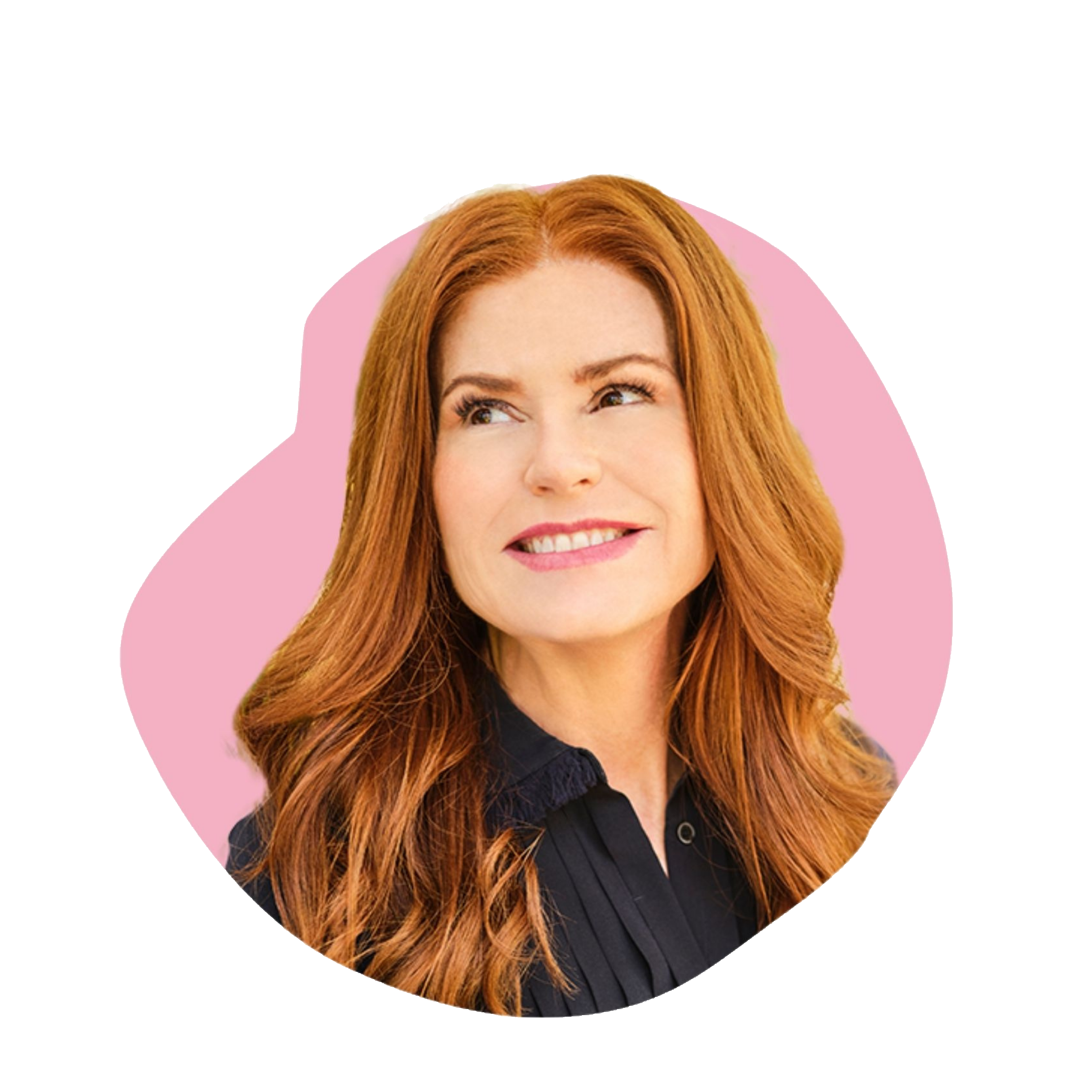
In this episode, we do have a world changer. She's both an entrepreneur, author, and podcaster. She's the category queen of a new, flavored, healthy-water category. Her name is Kara Goldin, and she's the founder of a product you probably have tried and most likely love called Hint water. Fortune named Kara one of the most powerful women entrepreneurs, and Forbes says she's one of the 40 Women To Watch Over 40. Today, she reveals how Hint Water could have just been another idea that never went anywhere if she had let her own doubts or others' doubts be the end of the story. Undaunted: Overcoming Doubts and Doubters. Kara has recently launched a new book called Undaunted: Overcoming Doubts and Doubters. It is currently number one on the Amazon charts. In fact, Sheryl Sandberg, Chief Operating Officer at Facebook, says it's a great read for entrepreneurs looking for proof that her dream can come true. Even if you're not an entrepreneur, you're going to love this conversation with Kara and the story behind her book.
Resources from
this episode:
Enjoying this episode of #TheKaraGoldinShow? Let Kara know by clicking on the links below and sending her a quick shout-out on social!
Follow Kara on LinkedIn – Instagram – X – Facebook – TikTok – YouTube – Threads
Have a question for Kara about one of our episodes? Reach out to Kara directly at [email protected]
To learn more about Christopher Lochhead:
https://lochhead.com
Transcript
Kara Goldin 0:00
I am unwilling to give up, that I will start over from scratch as many times as it takes to get where I want to be. I want to be you. Just want to make sure you will get knocked down. But just make sure you don’t get knocked out, knocked out. So your only choice should be go focus on what you can control. Control, control. Hi everyone, and welcome to the Kara Goldin show. Join me each week for inspiring conversations with some of the world’s greatest leaders. We’ll talk with founders, entrepreneurs, CEOs and really, some of the most interesting people of our time. Can’t wait to get started. Let’s go. Let’s go. Today’s episode is a bonus episode.
Chris Lochhead 0:44
Enjoy. Well, Kara, it’s it’s great to see you. Thank you for joining me.
Kara Goldin 0:49
Thanks for having me. I
Chris Lochhead 0:51
my first question for you is you make this comment that I find is fascinating, that you sort of don’t need to know everything, but you need to know enough to start. So what does enough to start mean?
Kara Goldin 1:06
So I feel like the key thing that people need to really have confidence in, I guess, is that their idea. I’m a huge believer that you’re gifted with an idea or a challenge or something that you see missing, because it’s it’s yours to own, right? It’s yours to ultimately go out and figure out what to actually do with that. And so I think that that’s really the key thing that so many people will not allow themselves to go and move forward because they have a million reasons why they can’t do something. They don’t have enough experience, they’re don’t have the right education, they’ve been staying home too long with the kids, whatever it is, and so I think you can almost start anywhere with where do you start? Because it could mean the idea. It could mean you just, you’ve had an idea for a while, but you didn’t know what to do with it. You just have to start really moving it forward. And once you ultimately start moving it forward, what I found is that those times that you move forward actually add up to getting over challenges, making progress. Whatever it is, you just have to start somewhere in order to ultimately get it going in some direction. And you may change direction as well, but at least if you start somewhere, then that’s ultimately what helps you to achieve your dream success, however you want to
Chris Lochhead 2:48
look at it. I love that. Thank you. The other thing I’m fascinated by about you is you and I share a background in technology, but a big difference in that I’m still in the tech world, and you decided not so much, I’m going to jump in the water, so to speak. And so could you kind of open that up for me and share how that, how that went down in your life?
Kara Goldin 3:11
Yeah, so I was at AOL prior to deciding to leave AOL, I had been there for seven years, and was there pretty early, where I helped to build the e Commerce program, e commerce and shopping. And my role was partnerships. So all the E commerce and and shopping partnerships that were out there was what I was ultimately managing. And so when it became a billion dollar in revenue to AOL. I sort of thought about that number as a joke. Like, you know, when it’s a billion dollars, right? It’s like $1 billion billion dollars. It was like, you know, and then suddenly, as we started edging closer, I thought, huh, like, it may actually, like, hit a million dollars pretty soon. And so people used to remind me that I said, Oh, and when it’s a billion, I’m going to, you know, not do this anymore. Somehow, I managed to have three children along the way in building this business, which, by the way, I was on the plane so much and the United Airlines pilots all knew my first name, which I thought was relatively frightening, and so when it did hit a billion, that’s when I said, Maybe I should actually try and find something that is in Silicon Valley, versus commuting to the east coast, where
Chris Lochhead 4:42
AOL was based, and you were living in Silicon Valley at the time. Yeah, well, San Francisco.
Kara Goldin 4:47
I was living in San Francisco, and so I kept thinking that, you know, there’s tons of stuff going on in Silicon Valley, and San Francisco was just kind of really starting to kick into gear back in two. 1001 and so that’s when I decided, you know, it’s time, it’s time for me to go and figure out something a little closer to home where I’m not traveling so much. I had four kids eventually, but three kids at the time under the age of four, and my husband was a was an attorney at Netscape. And so actually, the other funny thing about my experience with AOL is that all of my former companies were rolling into one. So that was another big thing for me. I’d been at time and CNN and to market, and then AOL, and then my husband with Netscape, and so all of it was rolling into one. And I’m like, I was part of the transition team for a year, and then I thought, you know, it’s it, this is a good time for me to go and figure out something else to do. I also felt like it was, it was the first time where, and I share this with entrepreneurs and just the youngsters of the world too. That it was kind of the first time where I really figured out the stage that I really loved in a company and and, you know, here I had watched it from being, I don’t know, 100 ish people in the company to 1000s. And every week it was like 200 more were getting added. And it was, you know, was hyper growth. It was crazy. And I felt like now the role was really to manage. And so I had 200 people working for me, and I thought, you know, I can do that, but a lot of other people can do that too. And so I really wanted to, I loved the Create, time and again. It was at a time when, when, you know, there was consolidation, and there was just a lot of, you know, that’s what that company needed at that point. And so that’s so, that was really what I was looking for. And kind of the next thing, but I think another thing that, again, it’s always easier to look in the rear view mirror, and kind of think, you know, what was I thinking at that time. But for me, 911 I had lived in New York prior to moving to San Francisco, and 911 had a huge impact on me as well. And it was we had family there. I had friends who were in 911 as well. And I felt like, if there’s no tomorrow, am I actually doing something that I’m proud of for not just myself, but also for my family and I? So I was looking for something that really made a difference, and not that there aren’t tech companies that don’t make a difference, but I felt like the companies that I was, you know, immediately interviewing with and sort of drawn to, I felt like maybe I should actually look at nonprofits.
Chris Lochhead 7:56
So was there a do gooder hiding in you, screaming to come out after 911
Kara Goldin 8:00
Yeah, a little bit and again, like, I didn’t know what that meant. I mean, I The other thing that I wasn’t in a hurry to go back to work either. I mean, I had worked so hard over the course of, you know, those seven years, and I was really enjoying being with my family, and we were redoing a house in San Francisco, and my husband had actually left Netscape and went to join a startup that he was the CEO of that was doing a medical information company. And so again, I was like, I don’t know. I’ll keep interviewing and see what happens and and, but I wasn’t in any rush to do anything that I really wasn’t passionate about. Fascinating.
Chris Lochhead 8:46
Now I want to circle back to something you said a little bit earlier. Kara, you said that you, if I remember, right? I tried to jot it down as you were talking that you saw a missing I remember saying, No, I saw him missing in the in the context of what ultimately led you to do hint,
Kara Goldin 9:06
yeah, what ultimately led me to do hint was that my health was not really what I thought it was. I hadn’t as closely defined it at that point, but there were things about my health that I wasn’t that excited about, including that I had gained a bunch of weight from having kids, and I couldn’t figure out how to get it off, and I had also developed terrible adult acne that I never even had as a teenager, and my energy levels were low. So I decided, while I was looking for this perfect job that I would try and get my health under control, and I went to a bunch of different doctors. I looked at different diets, nobody could actually come up with any type of diagnosis as to why I had gained weight. I think that they thought. That I was eating, you know, 12 cookies a day or something, and that’s why, which I wasn’t. And that was really when I saw this, ultimately, this void in the market that would lead me to launching my company. Hint, but a few steps before that was when I finally decided that the best thing for me to really understand why I wasn’t as healthy as I wanted to be would be to actually look at ingredients and everything that I was eating and drinking and so, you know, this was 17 years ago now, when I was just taking a close look at everything that I was eating. For some reason I gave a pass for what I was drinking. I don’t know why, but Whole Foods had just opened in the Bay Area, and I remember just being in awe of like, Whole Foods is beautiful.
Chris Lochhead 10:57
It was amazing the first few times you went into it, wasn’t
Kara Goldin 10:59
it, right? And, and I just thought, it’s so beautiful. All I have to do is shop here and I’ll be healthy. And and it that really didn’t work. And so I, I actually found I was gaining weight by going to Whole Foods. And so that’s when I, you know, started reading ingredients and trying to figure things out. And was, again, I didn’t have a job, so I had all this time to actually look at the labels and all of these products. I would spend three hours in Whole Foods like looking in the aisle. I loved it. And then one day, the Diet Coke Can that I drank every single day was staring at me in the face, and that’s when I thought, wow, I don’t even understand what I’m drinking,
Chris Lochhead 11:46
and it’s hard to pronounce some of the things in those kinds of drinks, isn’t it? Yeah. And I mean, I
Kara Goldin 11:50
I wasn’t a science major or pre med or anything like that, but I thought, I don’t know. I bet most people don’t really know what they’re drinking, and I cared more about what I was putting into my car than I cared about what I was putting into my body. And I think it also came at a time when, and I think this is true for a lot of people, where I had these young kids, and I was looking at what I was putting in their body, and I thought, why do I care about what they’re putting in their body so much, but not my own, like, it’s kind of crazy. And so that’s when I decided to put the diet coke to the side and start drinking water instead. And ultimately, it was a whole series of conversation I was having with myself, including the fact that, you know, I just assumed that my diet soda was, like, somewhere it had water in it, you know. And maybe I can, maybe I can justify it, you know, just
Chris Lochhead 12:48
it was a liquid I had to be hydrating a little.
Kara Goldin 12:52
And then after two and a half weeks of, you know, getting over my cravings for this diet soda and just continuing to drink water, I realized that my clothes were fitting differently. My skin issues had cleared up, and when I hopped on the scale, then I realized that I had lost over 20 pounds. I had lost 24 pounds in two and a half weeks, like melted away. What? Yeah, crazy.
Chris Lochhead 13:20
Kara, you lost 24 pounds in two and a half weeks crazy from primarily cutting out diet soda.
Kara Goldin 13:28
And so what I found was, I mean, it was two and a half weeks of, you know, my head like hurt. I mean, it was almost, it was truly like a detox that I was going through too. I, you know, it’s, it was an interesting time where everybody would ask me when I’ve, or everybody’s asked me when I tell the story that it’s not, I remember it not just being about, you know, having bad headaches, right from the caffeine. It was also my stomach and, I mean, I had been drinking diet soda since the early 80s, when Diet Coke came out. My mom was a tab drinker. I know they just discontinued tab, she would,
Chris Lochhead 14:11
I know. And they had those great 70s and early 80s ads for tab that were very sort of, yeah, the pink can, I don’t know, little studio 54 vibey, if I remember them, yeah, the bell bottoms and stuff, and the glamorous looking people and the like, if I remember them in the early days,
Kara Goldin 14:28
yeah, and so tab was my mom’s drink, and Diet Coke was my drink. And I really, actually thought that I was doing great, because it said the word diet. And then when I gave it up during this time, I really started to look closer at the industry as a whole. And when I would tell people that I gave up diet, diet coke, and this is kind of how this came about, that I lost all this weight, they would say, Wait, diet now, come on. Like that’s. Like, that can’t be and I said, Yeah, I mean, it’s, it’s crazy. I mean, I used to always want to chew gum. Like that was always my like thing. I would have my diet coke, and then afterwards I would, I would, like, chew gum. And now, like, fast forward 15 years. I mean, we’ve, we’ve learned so much about these diet sweeteners, how, you know, they cause people to overeat, they cause people to, you know, actually produce insulin, because it it really goes into this defense mode. And again, like nowhere in in my wildest dreams, did I think that that’s what I was doing to my system.
Chris Lochhead 15:41
I’ve read this stuff that there are much research out now, is this correct that suggests or that points to that aspartame, and these sorts of things actually, over time, make you want to eat more. And so even though there’s no calories in the actual drink, if you’re trying to reduce calories in your diet. It turns out these things are pretty bad in that regard. Is that, is that what I’m hearing you saying, and that was your own personal experience? Yeah.
Kara Goldin 16:11
So it’s even further than that, where, yes, we started out with saccharin and aspartame and NutraSweet, and we’ve graduated to natural sweeteners. And so stevia is a natural sweetener that has erythritol on top of it, which is an alcohol. And so anytime your body actually touches alcohol, then it actually the alcohol goes to your liver. So in addition with these natural sweeteners, what we’re doing is we’re we’re creating havoc inside the body, where, not only are we craving sweet and and and again, now it’s it’s not even 10 calories, which, when I started hint it was 10 calories, now it’s zero calories. There’s this fascinating article in The New Yorker a couple of weeks ago on how they’re trying to create a low calorie sugar because they feel that diet sweeteners have gotten a bad rap, and so they’re working hard to get sugar to zero. And I thought, you know, why don’t we just encourage people to actually not crave sweet and cut down on actually sweet things. But instead, like, let’s hire a bunch of scientists to actually, like, get people to believe that things are healthier than they are. And that is exactly what I was seeing. And I was not a this was not a vision that a lot of my friends were seeing, because most of my friends were in tech, and so they thought it was pretty darn crazy that I became so interested. But again, it was out of my own interest in getting myself healthy and what I had seen and what I had experienced.
Chris Lochhead 18:00
And of course, you’re not a doctor, you’re not a scientist, you’re not a food researcher or chemist or any of those things. You’re just a person who was in tech, who one day had some time on her hands and started thinking, and you mentioned a couple of these health things you were trying to deal with, and you sort of went head first into this rabbit hole.
Kara Goldin 18:22
And it was like, you know, at points, my husband was like, Okay, maybe you should actually go get a job. Like this is like, you’re so interested in this. But then, you know, I got to a point too, where I was just so fascinated by it and and while I loved my experience at at AOL, I never, or I can’t say I never, but there were, it wasn’t an everyday occurrence where I woke up and felt like there was a lot of stuff for me to go figure out, like there was a big puzzle that I needed to go work on. And every day, it seemed like, you know, there was something else that I was discovering at the time, Vitamin Water was a huge you know, it was everyone was discovering vitamin water. They were everywhere. And, you know, I turned the label around on the vitamin water bottle. That was never my thing. Diet soda was my thing. And I was shocked to see that vitamin water actually had more sugar and more calories in it than a can of Coke. And I would ask some of my friends who were drinking vitamin water, I’m like, so why do you drink it? And they’re like, because it has vitamins in it. It’s super healthy. And I’m like, oh, so I was drinking diet soda because I thought it was super healthy, too. And I’m sort of a whole other parallel path. My roommate from college was working for the Center for Disease Control, and she’s still working for the Center for Disease Control. And I reached out to her, and I, you know, told her I lost all this weight, and I really got rid of my diet soda addiction. And she shared with me that she had moved over from poison control at the CDC to working on this new area that they’re really focused on. Which is, which was on type two diabetes. And so what was fascinating about what she was sharing with me was that most of the people who were getting type two diabetes, which is different than type one diabetes, claim to drink, diet and eat low fat,
Chris Lochhead 20:18
and type two just so that, I’m clear, it’s what also sometimes is called adult onset diabetes, as opposed to being born with it. Is that,
Kara Goldin 20:27
yeah, I mean, now I think it’s, it’s slightly shifted, because there’s plenty of kids that have it, you know, as well.
Chris Lochhead 20:34
But what’s generally a function of diet and lifestyle, as opposed to something that’s hereditary, that you’re
Kara Goldin 20:41
born with correct and so at 15 years ago, when I was starting hint, 2% of the population had type two diabetes or pre diabetes. Today, 45% of the population has type two diabetes or or pre diabetes.
Chris Lochhead 20:54
Yeah, what we’re coming up on, half of the American population. It’s crazy. And I’ve read Kara that if you take the I don’t know if it’s probably the CDC definition, maybe you’ll tell me of overweight and obese. I think they use the BMI, but maybe you’ll tell me I have read that if you take those two numbers together, roughly 70% of the American population fall into one of those two categories. Have you heard or read similar things?
Kara Goldin 21:23
I think that sounds about right? I mean, it’s it’s frightening, right? Like it’s just, it’s a scary statistic.
Chris Lochhead 21:29
And was your friend sort of saying to you, there’s this really strong connection between what we drink and how overweight or obese we are, and in particular, noticing this pattern of diet sodas contributing to overweight and obesity.
Kara Goldin 21:46
Actually, what was interesting, what she was sharing with me, was that it was people who were a little bit overweight, not a lot overweight, but they couldn’t lose the weight,
Chris Lochhead 21:55
like that extra 10 pounds, it just won’t go away. That kind of thing won’t
Kara Goldin 21:59
go away. And, you know? And so I my brain was thinking, maybe I have type two diabetes. And I actually went to a couple of doctors and said, I’m pretty sure I’ve got type two diabetes. After talking to her,
Chris Lochhead 22:12
it’s hard to believe that looking at you today, because you look fairly fit and trim to me. I mean, we’re just getting to know each other, but I you don’t fit the mold. And now, and a lot
Kara Goldin 22:23
of people, I mean, what’s fascinating, I’ve met people have heard my story. And again, I was never diagnosed with it. I think I probably was pre type two diabetic. But, you know, I run into people all the time who have heard my story, runners. You know, athletes. You don’t have to be fat and out of shape to actually get this crazy disease. What you do have to do is is really be fooled and buy into this. You know, whole concept of of natural sweeteners well,
Chris Lochhead 22:54
and there’s some terrible words in the industry, right? Like all natural, organic things along these lines, which don’t necessarily mean good for you, but somehow we, the consuming public, translate. Oh, well, it’s all natural, so then it must be great for me, etc, etc. Is that? Is that what’s going on?
Kara Goldin 23:12
Yeah. Or you shop at Whole Foods and you just assume, like, I was like, it’s all good, right? Like, everything that I buy here is, awesome. And you can actually get incredibly unhealthy shopping at certain grocery stores, right? Like, you can also shop really well at some of them too, but you just have to, yeah, how much produce Are you buying? Yeah? I mean, you just have to, you just have to look and so, so that was my, you know, kind of early aha moment, how I had been, you know, a smart cookie who had been fooled by the sword diet for many years, and I was seeing friends that were getting fooled by vitamin and finally, I was so bored with plain water, and I started slicing up fruit and throwing it in water in my kitchen. And I said, this got me to drink water, and I would share it with friends. And the running joke was people would want to see what was in my glass. They’re like, Do you have a pomegranate today? Like, how did you decide on a pomegranate?
Chris Lochhead 24:11
So you became that person that it was always doing something fun and funky with your
Kara Goldin 24:15
and then I was worried about my friends a little bit because they were like, so how, like, how did you slice it, you know, and I’m thinking, really, like, are we really having this conversation? Like, you don’t know that interesting? Yeah. Like, it was, it was fascinating. And so that’s when I went to my local Whole Foods in San Francisco, and I said, I would love to get a product on the shelf.
Chris Lochhead 24:39
So you just walked in and talked to us, the manager, assistant manager, or somebody
Kara Goldin 24:45
used to have a, actually, not, not even, I mean, the guy that was stocking the shelves, they used to have a program when they first started that, and I think they still, to some extent have this program, but local products. So like, you know, 10. Percent of their products, they would try and buy local and so the so I but again, like, I
Chris Lochhead 25:06
hate to interrupt you, but I know a number of folks in the coffee business and the beer business that that really helped to start those companies, because they did a similar, I didn’t realize you just walk in and talk to the whoever was doing the shelving work, but, but, yeah, that was a wonderful program, yeah.
Kara Goldin 25:24
And I think to, I don’t know what happened when Amazon bought it. I’ve heard kind of mixed based on categories that they did. But anyway, we that was where I went. Was in San Francisco. I walked in and I had no idea what I was talking about. I think the guy probably thought that I, you know, was some crazy lady that was walking in asking, How do I get a product of the shelf? This looks like a cool thing to do. And he was asking me if I had any experience. And I said, No, I just want this product. I want water with just fruit in it. I don’t want all the coloring and the sweeteners in it. And so I went home and wrote a little mini business plan. I knew how to do that. And again, had my three kids under the age of four that were running around and and then I realized that I was actually pregnant with my fourth child and so and at the same time, I had found a bottler in Chicago, and I was going to get on a plane and go visit this woman and learn a little bit more about how to actually produce my product. And I needed $50,000 to do it, to buy the bottles and the fruit and the capsule, to really do sort of this test run. So I thought it was a good idea to actually share with my husband that I was removing this money to go and potentially start this idea, rather than him thinking that I was taking 50,000 and going to Jamaica with a bunch of girlfriends or something, I
Chris Lochhead 26:52
don’t know. And and so Jamaica is very nice. Kara is very,
Kara Goldin 26:56
very nice, right? But I thought, and he wasn’t arguing with me about it, he just didn’t think it was a great idea. But, you know, that’s, that’s our life together. Like, he’s like, you know, I might say, Let’s go somewhere for dinner. And he’s like, and I’m like, let’s do it anyway. You know, like, it’s a good idea.
Chris Lochhead 27:13
I have some of that dynamic with my to the point where it’s like, Baby, if you want to do it, let’s go do it. I don’t even know why you’re asking me. Let’s you make everything awesome. Fuck it. Let’s just go do what you want to do. I don’t, I don’t even
Kara Goldin 27:24
think about, yeah, Happy wife, happy life, is what he subscribes. So that was, it was one of those conversations. And I had made some money at AOL, so he wasn’t arguing with me, but he was clear that he did not think it was the best idea that I had ever come up with. Fine. And then I probably was a little annoyed with him in this conversation, so I said, Oh, and by the way, I’m pregnant with our fourth child, so, like, you should be a lot nicer to me. And he said, What? Like, what are you talking about? And I said, Yeah, it’s, it’s and he said, So how pregnant are you? And I said, Well, it’s about six and a half months. I’m going to have the fourth child. He’s like, you’re going to start a beverage company in an industry that you know nothing about, and you have four kids under the age of six. Like, seriously, are you Are you sane? Are you okay? And he said, what’s the name of your company? And I said, it’s not even a company. I’m just, like, starting some products, and I’m going to get them into Whole Foods. And he said, Okay, so what’s the name of the company? And I said, Wawa. And he said he grew up on the East Coast. I grew up in Arizona. And he said, Okay, so there’s this tiny little chain called Wawa, which is not so little in western Pennsylvania, it’s a very large convenience store. So don’t do that. Don’t call it Wawa. It’s also, you’ve been staying home with the kids way too long. You’re, you know, saying, Drink some Wawa. I don’t know, not a good idea. Maybe you want some Wawa. And I said, You are not my favorite person right now. So that so that was the point when I said, you know, listen, he said, he said, just keep talking about it. Let me hear a little bit more about it. He saw that I was getting really annoyed with them and and so then somewhere in the conversation, I said, you know, we’re giving people hints on how to live better. It’s a hint of flavor. And I said, hint. And he said, You’re never gonna forget it, like you’ll never get the word hint for your for your name. I mean, it’s four letters. He’s an intellectual property lawyer. He’s like, you know, forget it. No way. The URL, forget. It not gonna happen. And I said, Okay, well, so You’re the lawyer. I’m the business person, and I would like you to file for this name. And so he’s like, fine. I said, Oh, by the way, like as he’s walking out of the room, I said, also put in for drink water, not sugar. And he started. Laughing, and he just kept walking, and I didn’t know if he did it or not, so we got the trademarks worldwide, trademarks on hint and drink water, not sugar. So don’t listen to your lawyer, your husband, your whatever it is when you’re coming up with these ideas and but yeah, that’s,
Chris Lochhead 30:16
if I could interrupt you on that, that there’s a lot of people that entrepreneurs shouldn’t listen to isn’t there? Yeah, because a lot of people are going to tell you, No, you know, one of the mistakes I see entrepreneurs make all the time Kara is, is this, you know, they’re trying to achieve this thing called product market fit, which I think is one of my most dangerous ideas in the history of entrepreneurship. And the way they think they do it is, well, we put the food in front of the dogs, and if the dogs like the food, we’ve got a winner, right? And people may or may not get it in the beginning, right? And so there’s a lot of people, including customers, whose feedback is not really what we need in the beginning, right?
Kara Goldin 30:53
Yeah, you know, it’s, it’s an interesting thought. I think that in our case, when I got it on the shelf at Whole Foods, I put the 800 number on my bottle, and immediately we were hearing from consumers who were calling us, writing us, saying, I love this product. You’re helping me drink water, you’re helping me control my type two diabetes. And so that consumer feedback for us was actually confirmation for me, when industry experts were sharing with me that they thought it was a stupid idea and that it wouldn’t go anywhere, I have a story in my book that I talk about my encounter with the coke executive and I, after about a year of getting it into a bunch of stores in the Bay Area, and it was doing pretty well, I, you know, got really just tired and frustrated and not really sure how I could ultimately grow this business. And so a friend shared with me that she had been introduced to this gentleman, very senior at Coca Cola. And she said, you should, you know, I’ll introduce you. So he took a phone call with me, and I was very excited to tell him how we were doing in the Bay Area and we were selling. And, you know, I grew up in tech there, I don’t know how to get a proper shelf life or distribute this product and really grow it. And he interrupted me and said, Sweetie. Americans love sweet. This thing isn’t going anywhere. And I was like, whoa. Like sweetie. Like, thinking to myself, he just called me sweetie. And so then I kind of zoom. Can I
Chris Lochhead 32:41
interrupt you there? I don’t want to do the man interrupting thing, but you just told such a powerful story. You know, at that point, you’re an accomplished business person, you’ve made some real money, you have a real idea, you’re fleshing it out. You’re very serious person. And I think the average dude like me doesn’t get that particularly at that stage of your career. And so what’s it like in that position when a guy says that to you?
Kara Goldin 33:10
So I’m actually really thankful that he said it to me, because I was so shocked I had I had not grown I didn’t grow up in a an environment where I was used to hearing this. In fact, I remember calling my dad and not about this, but sort of talking to him and sharing the story with him that this guy called me this and he said, you know, like, that’s awful. That’s terrible for me. It actually made me tune in to the fact that he was totally focused on something else, which did not include health. And so for the next 45 minutes, he went on to share with me that consumers love sweet we our goal is to get calorie counts down to zero, and then consumers will buy more, because they’ll think that it’s actually healthier than it is. And and I’m like, I mean, never did I hear that he had a mission or a concern about making me healthier, which is what I saw as my big mission, and so and again.
Chris Lochhead 34:21
And was he sort of, did you get the impression? That they were playing some kind of trick on us? That is to say, if they could get it to zero calories, they would fool us into thinking that it was, it was good for us, or it certainly wasn’t bad for us, when, in point of fact, it actually was.
Kara Goldin 34:38
The statements were, consumers will buy. Consumers will do this. Consumers will do this. And and I thought, Okay, well, I’m a consumer, but I mean, I like, I woke up and I figured out that that’s not how I want to live, and I didn’t like these things. And he said, well, most consumers are. That way they just want to get it down to zero calories, and it’ll all be fine. Everything, you know, be great. And so going back to you know, how I felt at that point, I’ve had a lot of people say to me, Oh, I would have, you know, hung up the phone. I would have, you know, told them off. I, you know, would have quit my company at this point, because this guy who’s got this huge industry experience is telling you that your idea is stupid. And I said, but for me, he woke me up to the fact that these large companies in every industry focus on selling stuff, and when you become a public company, it’s even worse, right? Because you’re answering to the street on, you know, what do you need to do? And, and that was not, I, you know, there was nothing called a mission driven company when I started this company, right? But that was what I saw so clearly in front of me. So I thought, I like, Why listen? I mean, it just, it, just, you know, and of course, you’re going to run into people that you disagree with. I mean, I’ve always believed that since I was a little kid and but this was just we were in, we were running down two different rivers, right? And I thought, I don’t need to convince him that I’m actually seeing the future of water consumption and health and beverages. Instead, I thought he has way more money than I do, and so I need to, like, get off the phone and throw the gas on this thing and start growing it before he does wake up and realizes that
Chris Lochhead 36:41
you realized how much further ahead you were, yeah, in your thinking and that and this notion of being mission driven, it sounds like, I don’t know, put words in your mouth, you can tell me, but your desire to make a difference, would you say, was equal to that of making, building a company and Making
Kara Goldin 36:59
it was probably more so initially, you know, and, and I think what I, what I saw was, I, you know, this void. I, what I said earlier that, I saw this void in the market that was, you know, so frustrating. And, you know, and then I saw my young kids.
Chris Lochhead 37:19
I mean, you sound like a very nice person, but did you get a little militant, a little angry like, you know, I always think of one of my favorite movies is The Big Lebowski, and there’s that quote in the movie where he’s actually quoting George Bush, the first President, first President Bush, where he says, this aggression will not stand. Man, you know, entrepreneurs see something, and they go, the world is this way, and that is fucked up, and it should be this other way. And these people have it all backwards, and this aggression will not stand, man. And there’s this sort of this militant, this pirate, this, did you have that? It sounds like you had some of it, but I’m curious how it was in your mind.
Kara Goldin 37:55
And I would come home, and I would, I mean, at this point, my husband had joined me, and you know, after seeing really that this was a bigger mission for me, that I really believe that, if we could, based on how big these categories were in this huge sea of beverages that I was moving away from the diet sodas And the vitamin and enhance waters that all had sweeteners in it. I said, Can you imagine if we could actually get people to enjoy water that there’s a lot of people they on. You don’t have to tell them, Go drink water. Go drink eight glasses, whatever. Everybody knows that like that. Instead, just give them something that tastes better, because then they’ll start drinking water, and then they’ll do exactly what our consumers were telling us early on, which was, you helped me drink water. I’ve lost weight and and they they understand that they can, right? You give them hope, and then they’ll go and figure out the rest of you know, their health issues and etc. So that’s that is how I viewed this thing that I was working on and and again, like every single day I would get up, I also loved the idea that I wasn’t going into an office. I was able to spend some time with my kids. So I also, you know, thought about the fact that if I still want to go to mommy and me classes and, you know, Monday afternoons at three, then I’m going to be back on after dinner, and I’m going to, you know, keep moving it. But that may mean that I, you know, in order to get what I want to get done, it may take me an extra year, right? Like I wasn’t in a rush to get it done. I mean, there’s so many entrepreneurs that I’ve met in the food and beverage space who, have, you know, tried to blanket the country with their drinks and, you know, for food or whatever, because they’re like, Oh, you got to get it out there. Because then it’s, you know, if you don’t like, competition will come. Come up or whatever, and I, and, you know, I’ve learned, and
Chris Lochhead 40:04
we hear in the, you know, the tech industry, I’m sure you’re aware, you know, Blitz, blitz scaling, yeah, all this stuff, right? And you got to, sort of, and it flies in, you know, one of my entrepreneurial Heroes is von chonard of Patagonia. And I remember when I read his book, Let my people go surfing. I love that wasn’t, Isn’t that an amazing book?
Kara Goldin 40:23
In fact, he made me that book made me go to Patagonia. Patagonia, the place, yeah, I ended up going down there. And I, I that was, that was the book that really inspired me to go down there and travel and see but I
Chris Lochhead 40:37
remember, in the book, I don’t remember what the number was, but at one point, he’s describing how the company’s really growing, and so forth and so on. And at a certain growth rate, again, I can’t remember what the number was, but a certain growth percentage, it felt like the wheels were coming off. They couldn’t be on top of things the way they wanted to. Certain things were being sacrificed, et cetera, et cetera. And they made a conscious choice to hold the growth at a low. And again, I can’t remember the numbers. I read the book a long time ago, but, but I don’t ever remember a CEO saying we are actually going to pull down our growth rate, because our company doesn’t work if we’re growing at x. And so I find it fascinating, Kara, to hear you say that, of course, you’re you. I mean, you have an incredibly fast growing company. You’ve won insane awards for doing it. So we’re not, you know, it’s not like you have a a two person lawn business, far from it. But yet, at the same time, it’s fascinating to hear you say you were prioritizing your children and and you were taking a more long term view, and if that meant shorter growth in the near term, then then so be it. Yeah, how did you deal with the fact that people are saying, hey, competition’s coming and you might lose this category battle and so forth and so on.
Kara Goldin 41:53
So I think we really, I was hearing it and kind of seeing the pressure, especially when we were going out to finally raise money. I didn’t raise money for the first couple of years, primarily because I had plenty of friends and family that were asking me to invest and I had no idea what I was doing. And I was like, I’ll let you know. Like, this is not this is I’m getting my MBA in beverages right now, and you don’t want to do anything yet, because I’m not sure where this thing is going. And so when we started going, when we finally raised money, and we were a little more confident in our business and had figured out the shelf life issues and and all of that, we started going. And, you know, went to Silicon Valley to Sand Hill Road, they were actually calling us and saying, We drink your product. It’s at Google. Like it’s at all these companies.
Chris Lochhead 42:48
So the VCs on Sand Hill Road started calling you as a beverage
Kara Goldin 42:53
company, and so crazy, wow. And so they were all drinking it in their offices. And so they called, and I thought, oh my gosh, like, they’re calling. I mean, this is amazing. We’re going to, you know, be the next, you know, big thing, right? Like, it’s all going to grow. And then it’s fascinating, because they were afraid, and they were kind of making me afraid, and me doubt that if I actually got enough traction, and I got big enough that, you know, Coke or Pepsi or any of the big guys would crush us. And so I remember when, shortly after a couple of those conversations with VCs, and so that was the reason why they wouldn’t invest in us, because they said, you know, this isn’t scalable, because ultimately they’ll figure it out, yes, you are ahead, but they’ll figure it out, and they’ll see what you’re doing, and they’ll crush you, and they’ll come out with it, you know, coke, water or something, or whatever. So we get a phone call from one of our major retailers, Target, and this is early on and and they’re like, Okay, now you’ve been doing pretty well with us, but we’ve got bad news. Coca Cola is category captain, and they’ve decided that they’re going to launch a competitive product to you, so we’re going to actually pull you out of target. And I said, well, that that’s not very nice. That doesn’t seem very fair. And, and they said, Sorry, like we’re, you know, we’re pulling you out. So they pull us out. And, you know, the next two months, we basically assumed that we were done. I mean, we basically, we kind of ignored what was going on at Target, you know, we continued to be hopeful that they wouldn’t, you know, go and do what they did at Target to us and other retailers we, you know, continue to kind of focus on what we were doing, and then we get a phone call from Target. Couple months later, and they said, so coke decided it was called Dasani essence water, and coke decided that they didn’t want to continue with the product. And so we still see a need for your product in the store. We have a customer that likes, you know, unsweetened flavored water. And so we’re bringing you back in, and you’re actually gaining space. And so because they they actually had a lot more space than you did a couple of months ago.
Chris Lochhead 45:33
So now they created a hole on the shelf, more room for him, correct? Now I know why all that happened? I can explain it perfectly, but I’m very curious why you think that happened. Which part? Why coke pulled out and target called you back saying, Hey, could you please come back and gave you more room I have? I have an opinion about that, but I’m more curious about your opinion.
Kara Goldin 45:59
So many lessons in there. First of all, I’ve worked in large companies, and I know that, you know, you can have a very smart MBA who comes in with this great idea, like hint, is making traction out in the marketplace. I want to go and innovate, and I want to go do this thing. So all of a sudden you have somebody internally who’s running vitamin water or Diet Coke, and they’re very good at crafting the numbers and basically saying, If I had that space in target, then my this would be better, and we could show the market this much more profitability, sales, whatever, you know, lots of different things and so, so that ended up and basically that was the first time I was really scared. Now they’re running bets inside of our company. We’ve had eight in the last 15 years, eight times where they’ve taken space away from us, disrupted not just Coke, it’s been Pepsi and Dr Pepper and lots of other companies. And then what happens is that they don’t do it as well as we do. And so then, you know, they or they decide that they don’t really want to focus on water because the rest of their product line actually has sugar and sweeteners in it. So why would they want to focus on that? And so we’ve now learned that every time that disruption comes along, we don’t love it, but we we cherish it now, because we know that we’re actually going to be gaining and, you know, it also happens with private label brands. I mean, over the years, we have lots of stores that, I mean literally, our our logo goes down the side of the bottle. We’ve had,
Chris Lochhead 48:00
you have beautiful marketing, beautiful. By the way, the book marketing is absolutely gorgeous. Thank you. Your promo video, the cover, the whole thing, I looked at it. I know marketing is legendary. When I’m I’m not an envious kind of a guy, but when I look at it and go, shit, they crushed it on that the and you’ve done it with the company, of course, you’ve done it with the book. Now I would love to share with you my analysis of what happened. So everything you said, I’m sure, and I would add this perspective. You’re what we around here call a category designer. You created a new category. You saw missing. Nobody else saw that missing. You got motivated. And maybe, you know, you know, I’m an old punk rocker and a boxer and stuff, so I understand sort of aggression. And you said, you know, this aggression will not stand. We’re going to go get people healthy, and we’re going to create a wonderful product to do that. And you got, and you got and you’re a missionary, not a mercenary, which is a huge distinction, and you created this whole new category of fruit flavored healthy with ingredients you can read and understand that actually it’s real water with a yummy flavor. And there you go. As a result, you designed a category, and as such, you were the first company in the water space to evangelize the problem that you personally experienced, which is this stuff’s not healthy. It’s not helping. There’s got to be a better way. I would describe that as a point of view. Legendary category designers have a and I’m going to use these words very much on purpose Kara a different point of view, and they go on a mission to change the world, to move it from the way it is to the way they want it to be. And so I. What I think probably also happened, in addition to what you said, is consumers, I like to call them people, to humanize us, because I don’t wake up and think I’m a consumer, but anyway, acknowledge you as the category King. They had fallen in love with you as the category queen, and and, and so the first company in people’s mind to achieve any kind of scale around a new way of thinking about a problem. And therefore a solution becomes very hard to dislodge, particularly if they do what you’ve done, which is execute in a tremendous way. You are not you are not an easy target, far from it. So you created this category. You evangelized it. People got it, and then when they took you away, they were like, not so much. And in addition to that, per your comments, the folks at Coke, they weren’t on a mission. This was a spreadsheet jockey looking at numbers, thinking they could drive some revenue and some margin, whereas, as we talked about in the early part of our conversation, that’s a second or it was in the beginning, a secondary thing. And so when you have a missionary who’s created a whole new category that resonates with people, that becomes the category queen, kind of hard to knock off, even if you’re the smaller, up and coming contender, that’s what I think totally that’s a lens, let me say it that way, to look at what happened, because that’s what I think happened. Am I right?
Kara Goldin 51:22
Oh, I think you were 100% right. And I, you know, the number of people, I mean, here’s here’s another marketing aha moment too. I remember when we were launching this company, and a number of people, including some of those VCs that we met with, said, You know, you, you really shouldn’t talk about why you founded the company, because what if you talk about how you founded the company, then you’re, I know. I mean, it’s crazy to think about. It makes you sound small and so and and,
Chris Lochhead 51:58
no, it makes you relatable. It makes you human. Kara is a person. This was a person who had an idea, who walked into a Whole Foods and said, How and you went after it, that it makes it incredibly awesome. That’s what it makes
Kara Goldin 52:13
it few years into hint, I remember I was on this episode of how I made my millions, and it was more like how I spent my millions. But it was, it was funny, because it became the number one episode of how I made my millions. And they were running it over and over and over again and and one day, I was at a hotel in Georgia, the cloisters, and I was sitting out by the pool, and I just gone to Harris teeters a little market and pick it up, some bottles of hint. And I was talking to my daughter by the pool, and this woman walks up to me and she said, So I’m sorry to interrupt you, but where did you get those bottles of hint? And I said, Oh, down the street at Harris Teeter. And she said, Oh, I’ve been dying to try this product. I saw this woman who was on how I made my millions, and, and she’s, you know, I just am dying to try this product. And, and I said, Oh, really, what? What was it? And she said, Oh, she, you know, she made it in her kitchen, and then she took it to Whole Foods, and she started telling me that. So, of course, my daughter is like, 12 at the time. She’s cracking up. She jumps into the pool and runs away. She comes back a few minutes later, and she’s like, did you tell the woman? She’s telling me the whole story, my story. She doesn’t realize it’s me. And so my daughter said, Did you tell her? And I said, No. And then it was sort of awkward, and I said, oh, so I work for that company. And she said, Get out of here. What’s that woman like? And she was she still didn’t know that it was me, and what I realized is that my story and it was giving her hope, right? She then went on to tell me, like, about these ideas that she had for company as well. So I totally, wholeheartedly believe that that stories, I mean, they work. 15 years ago, it wasn’t popular,
Chris Lochhead 54:09
and it’s true, it’s what happened, and it’s awesome, and it Look, I don’t want to, I don’t want to make you blush too much, but it’s legendary. What you have done is fucking legendary. Thank you. Now I know I don’t have you for a ton more time. You’re running a high powered, high fast growth company, and you’ve got this wonderful new book out, but I’d be remiss. I think if I didn’t ask you, Kara, we’re at a funny time, at a very strange time, and I think many of us, myself included, want to grab on to as much inspiration from other legendary people as possible. And I think that you’ve become a very inspirational entrepreneur, your profile has really risen over the last couple years, best I can tell. And. Frankly, I think you’re inspirational to men, and you’re probably a little especially inspirational to women per the discussion around having three kids and being pregnant with a fourth and going after it and doing it with your husband. And it’s a pretty extraordinary if you take a big step back and think about it from a life perspective, what you’re doing with your life is very inspirational, I think, probably a little extra inspirational to gals and so sort of a two part question. A, how does that make you feel? And then B, what advice would you have for entrepreneurs, and particularly female entrepreneurs, who might be in a somewhat similar situation, but first, what does it feel like to be an inspiration?
Kara Goldin 55:43
I don’t know. I don’t even think I mean, I like to inspire. Am I what I go as far as to say I’m an inspiration? I don’t know. I don’t really think about it. I just know that it that people write to me on a daily basis and tell me that it gets them going and and I think that that is the thing that gets me excited when you are running a company that where you’ve got people that, I mean, I’ve got people on Twitter where I’ll like, go away for a few days, and people get I just want to make sure you’re okay. I mean people, you know, and I don’t say anything that is like, you know, brain surgery worthy ever like, I just think about things, and I’ll say things that, that I think everybody maybe would like to think about, or would like to say, I frequently, you know, talk about my challenges and my failures, and I think that that’s, that’s something that I’ve always been really good at, and I laugh at myself a lot. And I, you know, part of what I talk about in my book, too, that a few people who have have read it in the pre the preview of the book, including Jamie diamond and John Legend and Sheryl Sandberg, all kind of said the same thing that the
Chris Lochhead 57:13
hell of a crew giving you quotes for your book of support.
Kara Goldin 57:16
Well, you know, I’ve gotten to know him over the years. And you know, Cheryl actually, she interviewed me yesterday, and I was on Facebook, and I was cracking up, because I’ll never forget getting a phone call from her assistant when she went from Google over to Facebook and she she said, Cheryl loves hint, and she doesn’t have the hint at Facebook, so can you, like, start getting it in the micro kitchens here at Facebook? And so Cheryl was the person that ultimately brought it in. And you know, John Legend is a investor in our company, and you know, I’ll never forget, he called me off the 800 number on the bottle, and, like, 11 years ago, and was telling me how much he loved the product. And I said, I you know, I’m sure you’re somebody really famous. I don’t know who you are, but don’t hold it against me, because I don’t know anything. I mean, remember, in fairness, 11 years ago, John was not as big as he is today.
Chris Lochhead 58:12
He’s gigantic. Now best giant.
Kara Goldin 58:15
But yeah. I mean, I think that if you look, if you ever hear people saying to you, like, you helped me. I discovered your product. I mean, I like, I never would get those emails from people when I was in tech. And again, I’m not saying that, you know, some people might not need that. I love the idea of being able to help people, and so that, for me, was just huge motivation. And I just, I think too, that we, I don’t know, we grow up in a world where somewhere along the way, we’ve been told, like, kind of fake it until you make it or, you know, don’t talk to people. Don’t complain too much, whatever. I think there’s, there’s ways to sort of move forward and actually share with people what you’ve been through and and that actually helps people through your stories to you know, know that they’re not alone. I mean that that is, that is this. And as Cheryl said, when she read my book, she said, actually, when it’s an even funnier story, she I reached out to her during the pandemic, and I said, would you, you know, give me a quote for the book? And she said, I won’t give you a quote unless I like the book. And so I was like, Oh, that means you have to read it. It really well. What else am I gonna do? And I said, I hope it doesn’t say, right? And then all of my people said the same thing. Nobody would just give me the quote. I said to my publisher, I’m like, I don’t know, like, what authors you deal with, but I mean, none of my friends, like, would give me just give me the quote. And so Cheryl calls me back out. 30 days. I gave her 30 days to read it. And she said, so. So here’s the thing you’re the thing that I thought about with your book is, what would I do? And what would people do if they didn’t know the word fear and that and and she said that you don’t think about fear. What you think about is going and trying and knowing that you may not actually like succeed. But the key thing is that the key thing is, is that you’re going to learn and you’re going to try and like and some things are going to work out, and some things aren’t going to work out, but you’re going to and and I said, you know, that’s exactly right, and what I’ve figured out is that with every single challenge along the way, that actually helps me to do better the next time. And so that is so it’s fascinating to me, how many people have read this book and and said I thought about very different things. Then, you know, it’s not the same things that are coming out of the book. It’s like a lot of different it’s, it’s, it’s thought provoking,
Chris Lochhead 1:01:21
well, and that’s why I think you’ve done such a great job with it. You know, I didn’t know if your publicist had any sense for how much it would resonate with me. One of my favorite expressions is you can’t be a legend without being a loser. And we even made up a word around here to make failing feel a little better. We call it losery. There’s gonna be a lot of losery along the way.
Kara Goldin 1:01:45
But those people are so much more interesting, right? I mean, the people that sort of own, you know, yeah, that didn’t work out that well, right? I mean, how many people like I have lots of friends like that. They’re just way more interesting than the people that say, oh, everything’s handled. Everything’s beautiful. You know, it’s not,
Chris Lochhead 1:02:03
I know, but we get sold this piece of bullshit, that sort of success is sort of up into the right? Yeah, maybe there’s a few little waves along the way, but, you know, oh, everything so and so, touches turns to gold, and this and that. And, you know, for the most part, that’s complete crap. It is,
Kara Goldin 1:02:18
and, and I think that so that’s the other thing, I mean, so I was journaling for four years. I went and that’s how this book developed. I didn’t know how to write a book. I knew a few authors, but it wasn’t like I’m going to go write a book now, because that’s going to boost my sales for my company. Instead, I said I’ve got a lot of plane flights and I’m going to write because people would comment to me that, you know, I’m different than they are because they have doubts and they’ve had fears and failures, and I’m like, really, like, you don’t think I’ve had like, problems that I have. Haven’t had doubts. I haven’t had failures along the way. And so I would share my stories when I was thinking about this, just in my journal. And then after three years of writing, I finally was like, I don’t know this could actually help a lot of people who I’ve talked to, and because I bring these stories up, so why don’t I see if I could actually get it published? And so that is the story, undaunted, overcoming doubts and doubters. The one last thing that I’ll say too that has really frustrated me over the years. And I know, you know, a lot of entrepreneurs and people who have built things, you know, in lots of different industries, but there’s always the the unicorns, and then there’s the failures. And I’ve, I’ve always been like, the the stuff in between way more interesting, right? And, and even when there is the failure there, there’s, like, I want to know the stuff in between. Like, I always know that if I meet that person, if I’m on a panel with them, or whatever, over the years, I’ll go dig up some, like, little story on that person that I’m, like, tell me when you got kicked out of Starbucks. Like, tell me. Like, tell me when that happens. Like, how’d you feel? What you do, you know, and like, call me an instigator or whatever, but I like, that’s the, those are the great nuggets, right? That that yes, so that’s, that is the book of undaunted, and I hopefully will,
Chris Lochhead 1:04:19
and it’s a great title to Kara, fantastic title, undaunted. It’s, it’s inspiring. It’s a little aggressive, but and, and from a pure marketing point of view, the genius of undaunted is it’s the perfect word for your book, and it’s a word we don’t hear very often. It’s, it’s fresh language. It’s not in the business vernacular like some other words are, and so it fits exactly and it’s a fresh word. It’s like, yeah, I can get behind that word.
Kara Goldin 1:04:51
I appreciate that. So there is another undaunted book that just came out, unfortunately. So be sure to look for the one. That is undaunted, overcoming doubts and doubters. The other undaunted that just came out a couple weeks ago was the former head of the CIA. So very different book than
Chris Lochhead 1:05:10
very different might be interested, but different kind of interesting.
Kara Goldin 1:05:14
Mine exactly a different type of interesting so, but definitely, you know, this is a book that hopefully, if you get a chance to read it, you’ll reach out to me too and and let me know what you think of it, because it’s it really. It came from the heart. It came from a place where I hope I can actually help a lot more people just really push themselves through and not build up walls around them that really prevent them from believing in themselves, and even if you, you know, have these doubters around you, why not just like, go out and try and you may Yeah them wrong and all of that.
Chris Lochhead 1:06:01
Yes, it’s fantastic, and it’s there’s maybe a couple other things, if you’ll indulge me, there’s a lot of business bullshit today, maybe more than ever before, and there’s a lot of books and podcasts and whatever’s from people who don’t have real track records or they’re just spewing pablum. You know, I call them hustle porn stars and these types, right? You’re a real person who’s built a real you created a new category, you defined that category and designed that category, and now you’re the category queen. And that is an extraordinary thing, and you did it in a space I’m always fascinated when outsiders get it done, and I find that very fascinating about what you’ve done. The other thing, and maybe this is a little maybe I’ve lived on the west coast a little too long, but I’d like to get your reaction to this. I’ve been talking to my friends about this. If you think about what could happen next year. And I sort of think about what might be true next spring, and hopefully, where we are next spring is we’re beginning to get our arms more around this virus, and our economy is coming back. And hopefully, I really hope, that our country finds a way to deal with racial injustice, and that these things that we’ve been living through, I think we’re living in this cocoon time, and my hope is that by plus or minus spring next year, we’ll be slowly beginning to emerge from the cocoon. And so I think you your book and your company have an opportunity to be inspirational at a very unique time, because there’s a chance that next spring will be on the calendar, spring in America, but from a mindset perspective, could be, if you will, spring in America. And so your book coming out now, I hope will be inspirational to many in their lives, as well as entrepreneurs. We need more Kara goldins in the world.
Kara Goldin 1:08:10
Thank you. I agree, and I think that, you know, we’re at a time right now where not only are people getting furloughed and laid off. But also, there’s people that are questioning whether or not they want to be doing what they’re doing every day. They’re moving to different locations. They’re kind of changing what you know, they ultimately thought maybe they wanted to be doing. And I also think what’s I was on a CNBC segment the other day, and the person interviewing me mentioned that the women leaving the workforce is 30% higher than it’s ever been in the history of women working. So that’s a major step back now, when kids are back in school, when women do go back into the workforce, do they want to go back in the same way? Do they want to, you know, try and find a similar job, or, you know, go back to the same company or or do they want to go do something totally different. I encourage people to start to think during this time and answer to your earlier question. Like, you know, how do you start, right? And and I think, like, that’s what you do. You start to look around you and figure out, what do you see that would be better, that you’d be better off if there was actually this problem was solved, or this product was created, and go and figure out small steps on actually creating those things. Because I think next year, you’re right. I think it could be the time to go and do this and and. Truly, you know, like, if I can do it, everyone else can do it too. I think you just have to take baby steps. And you know, just because you’re taking a few months off or off from the working world, maybe you know you’re taking care of kids that are being homeschooled right now. Why not? Actually, you know, get ready to hit the ground running with your new idea, if that’s what you choose to do. And, you know, or call it a side hustle too. I mean, there’s so many people out there that are, you know, rethinking that about what they want to do, and maybe they feel like they want to live in whatever, Montana and, and it’s beautiful, but they’re not sure that this is going to be a long term thing for their company. Start thinking about these ideas, and it doesn’t mean that you have to quit your job today. And, and, you know, in order to start something, I think you’re absolutely right. There’s no better time for this book to actually be in people’s hands, to really get them to start thinking it’s funny. I had my one bad review. It wasn’t a terrible review, but it wasn’t a great review in my mind, and it was interesting because the person came out and said, Miss Goldin doesn’t actually tell me how to be an entrepreneur, and doesn’t give me the steps to actually be an entrepreneur. And I said, I laughed, and I said, No entrepreneur could actually tell you how they ultimately did it right, and they made a lot of the best entrepreneurs, and the most successful entrepreneurial journeys are the ones where they made mistakes. They learned from their mistakes. They figured out it was, you know, it was not a straight line, but didn’t
Chris Lochhead 1:11:51
look how they thought it was going to look. Yeah, there wasn’t a 123,
Kara Goldin 1:11:55
here’s how I, you know, built this, and here’s how I did this. That’s just not the way it’s done in any industry. And so if you’re looking for that, this book is not that, and you not
Chris Lochhead 1:12:08
well, and any book that claims to be that is full of shit, totally right, all we can share is what we’ve done and what we’ve learned, and some of it may work for others, and some of it may not, and hopefully it’s instructive, but there is no playbook for how you build a company like hint or any other successful category, and therefore company and brand and product totally Kara. Clearly, I could talk to you forever.
Kara Goldin 1:12:32
Well, we’ll do this again. I would love
Chris Lochhead 1:12:34
to have you back. You’re welcome back anytime. You’re an extraordinary entrepreneur and a wonderful person. Is there anything else you want to touch on before we wrap?
Kara Goldin 1:12:42
No, you know, this is, this is terrific. And, you know, reach out to me on social if anybody wants to, has any questions along the way. I, I’m definitely eager to, you know, really help
Chris Lochhead 1:13:00
when people can’t. You do, is it you they get or is it some person in marketing?
Kara Goldin 1:13:04
It’s me? Yeah. So Instagram, actually, I have a team of people that do the postings, but I’m always looking at my messages and or they’re forwarding. But nobody does my nobody does my Twitter, that’s where people find me.
Chris Lochhead 1:13:20
Well, Kara, you’re a legendary entrepreneur. I’m really glad you took the time to write this wonderful book, and I can’t thank you enough for spending this time with me, and you’re always welcome back.
Kara Goldin 1:13:31
So appreciate it. Thanks so much. Everybody. Have a great week. Stay legendary. Thank you. Thanks again for listening to the Kara Goldin show. If you would please give us a review and feel free to share this podcast with others who would benefit. And of course, feel free to subscribe so you don’t miss a single episode of our podcast. Just a reminder that I can be found on all platforms. At Kara Goldin, I would love to hear from you too. So feel free to DM me, and if you want to hear more about my journey. I hope you will have a listen or pick up a copy of my Wall Street Journal, best selling book, undaunted, where I share more about my journey, including founding and building hint. We are here every Monday, Wednesday and Friday. Thanks for listening and goodbye for now.