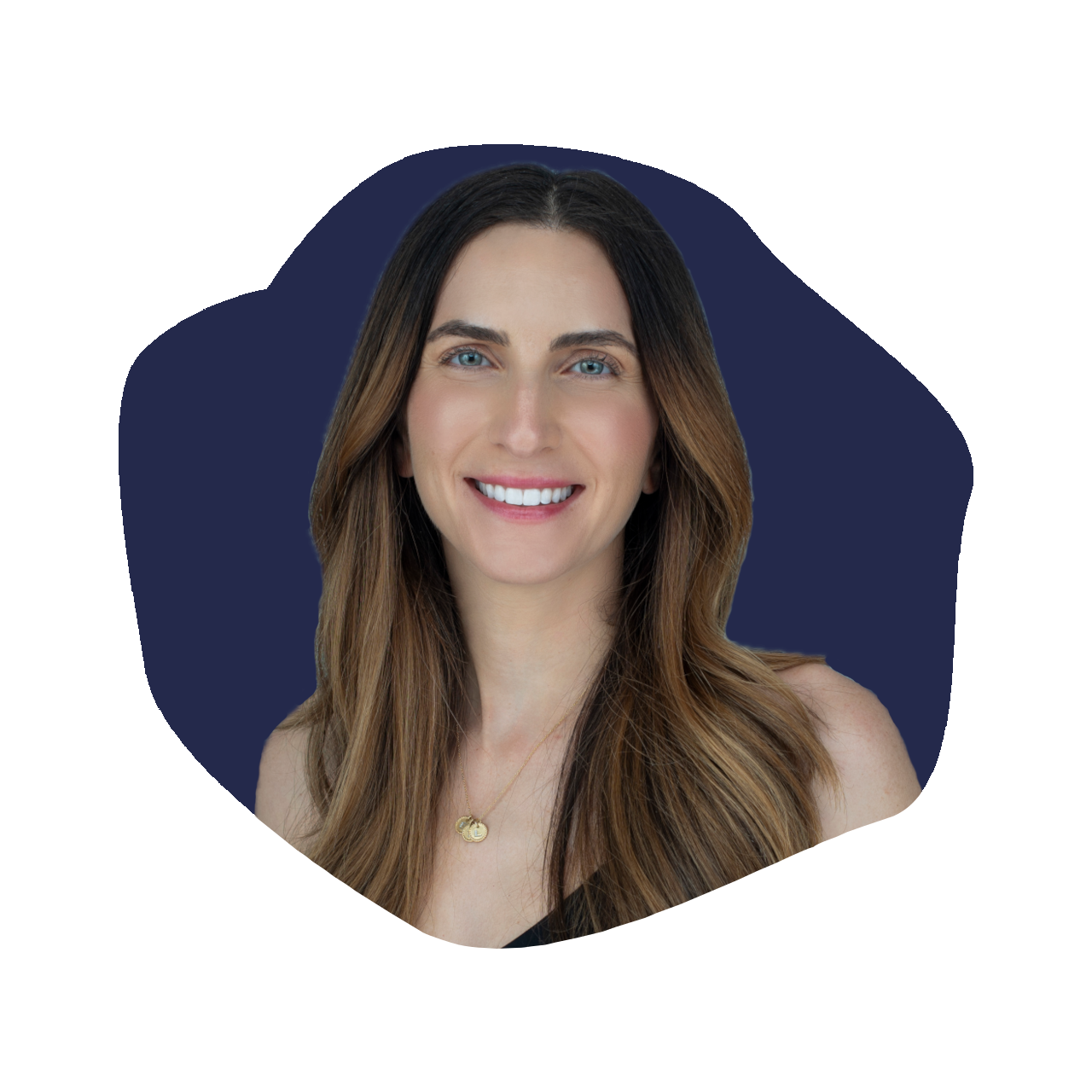
Kayse Gehret: Founder of Microdosing for Healing
Episode 798
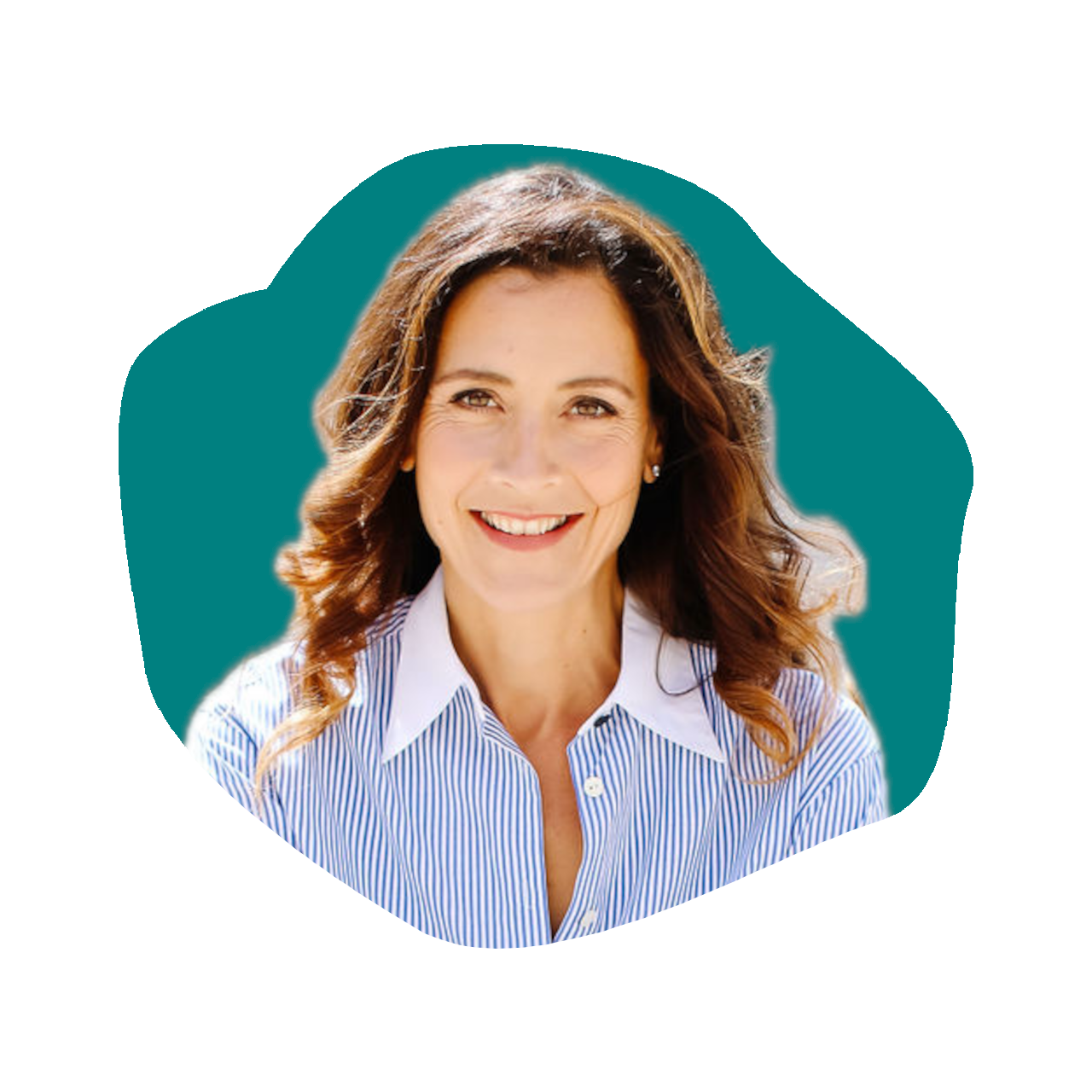
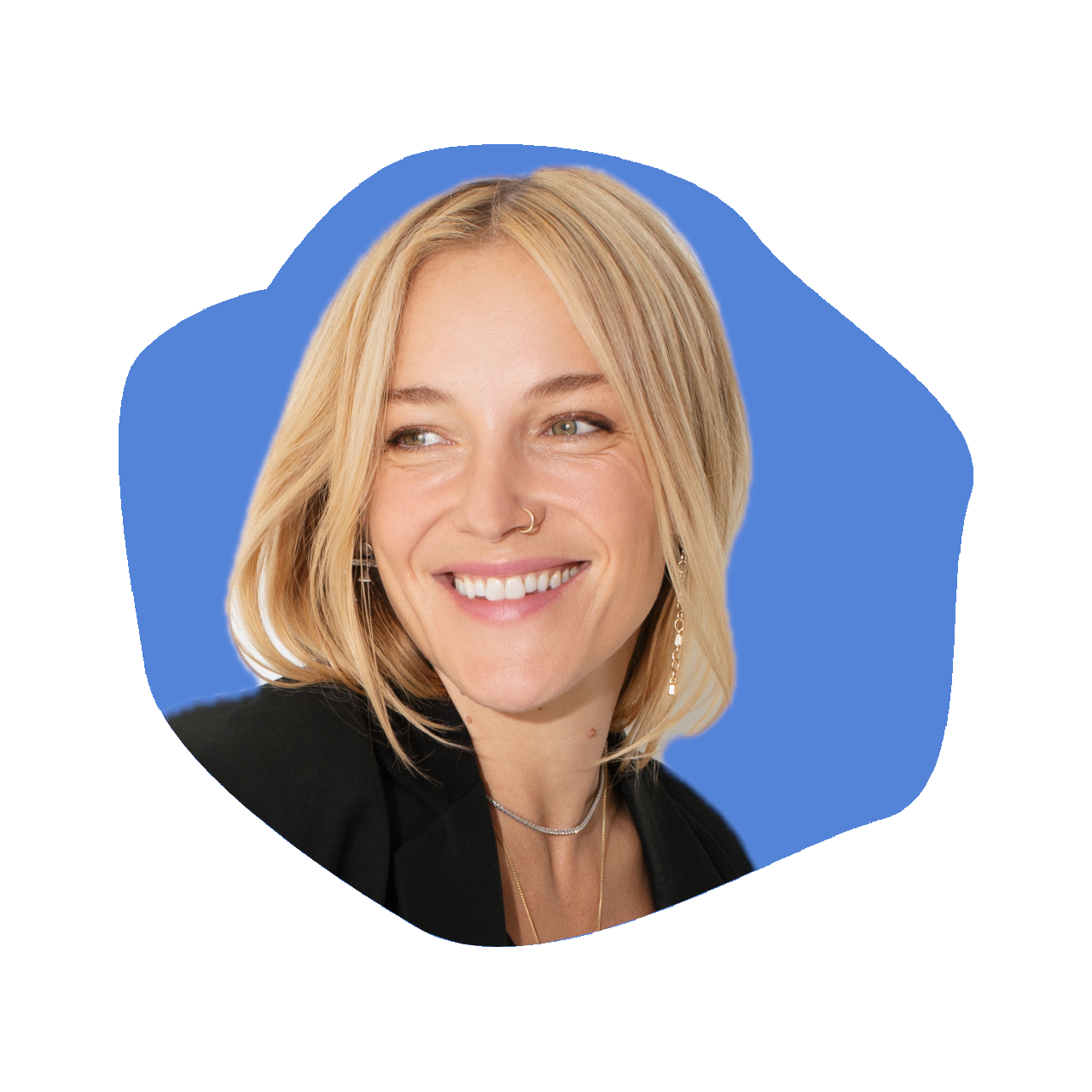
On today’s episode, we welcome Kayse Gehret, Founder and Microdosing Guide behind Microdosing for Healing — a global education platform bringing clarity, intention, and responsibility to the rapidly growing conversation around microdosing.
With nearly 30 years of experience in the healing arts, Kayse has supported more than 1,400 individuals across 30+ countries. Her work stands apart for its grounded, nervous-system–informed approach, emphasizing preparation, integration, and discernment over hype or quick fixes. Rather than treating microdosing as a trend, Kayse frames it as a deeply personal practice rooted in safety, self-awareness, and lived experience.
In this episode, Kayse breaks down what microdosing actually is (and what it isn’t), who it may or may not be right for, and what responsible guidance looks like in a space often clouded by misinformation. We explore how to begin thoughtfully, what to look for in a guide or program, what to realistically expect, and why integration matters just as much as the protocol itself. This is an honest, educational conversation for anyone curious, cautious, or simply looking for better information.
Resources from
this episode:
Enjoying this episode of #TheKaraGoldinShow? Let Kara know by clicking on the links below and sending her a quick shout-out on social!
Follow Kara on LinkedIn – Instagram – X – Facebook – TikTok – YouTube – Threads
Have a question for Kara about one of our episodes? Reach out to Kara directly at [email protected]
To learn more about Kayse Gehret and Microdosing for Healing:
https://www.microdosingforhealing.com/
https://www.instagram.com/kaysegehret/
https://www.linkedin.com/in/kaysegehret/
Transcript
Kara Goldin 0:00
I am unwilling to give up that I will start over from scratch as many times as it takes to get where I want to be. I want to be you. Just want to make sure you will get knocked down. But just make sure you don’t get knocked out, knocked out. So your only choice should be go focus on what you can control. Control. Control. Hi everyone, and welcome to the Kara Goldin show. Join me each week for inspiring conversations with some of the world’s greatest leaders. We’ll talk with founders, entrepreneurs, CEOs and really, some of the most interesting people of our time. Can’t wait to get started. Let’s go. Let’s go. Hi everyone, and welcome back to the Kara Goldin show. Maybe you’ve heard the term micro dosing tossed around in conversations about creativity healing or nervous system regulation, but you’re not quite sure what it actually means, how it works, or whether it’s even relevant for you, and honestly, that confusion is one that I think many people feel. So I’m excited to have our next guest here with us today to talk a little bit about what microdosing is and answer many, many questions. So Casey Garrett is the founder of micro dosing for healing, a global education and training platform that has supported more than 1400 people across 30 plus countries. What makes Casey’s work different is that it’s rooted in nearly three decades of hands on healing practice, nervous system regulation and a lived experience, not trends or theory. And I cannot wait to get into this conversation for anyone seeking to really understand clarity, context and better information about this whole topic. So Casey, welcome to the show. We’re also friends, so I’m very excited to have Casey here too and be able to see her. So very,
Kayse Gehret 2:07
very excited. Hi Kara. Great to be here.
Kara Goldin 2:11
Very, very excited. So okay, so let’s start with for all of our listeners who may have heard the term microdosing but don’t fully understand it. How do you define microdosing? What is it and what is it not?
Kayse Gehret 2:29
Great question. When I started our platform five years ago, the problem was there was no information. So no one had heard of microdosing. Fast forward, five years later, it’s almost too much information out there, and so people are like, is this hormones? Is this? Is that? What are we talking about here? So microdosing, in my world is taking a small, sub threshold dose of psychedelic Earth medicines, typically, in my case, psilocybin mushrooms that I work with most often, and it’s taking a dose that you’re feeling gifts and benefits from the medicine, but you’re not feeling altered in any way. So it’s a way to incorporate psychedelic medicines into your life in a way that’s really practical. It’s easier to integrate, and you don’t have to leave your day to day life to experience it.
Kara Goldin 3:20
So interesting. And is it? Is it something that you can buy over the counter, buy online, that you need to go to a center to go to? I mean, where, like, what is the what is the outlet? I guess that people go to get microdosed?
Kayse Gehret 3:42
Great question that, and it’s a movie target all the time. So right now, psilocybin mushrooms and most psychedelic medicines are illegal still in most of the world, however, it’s growing organically. There’s a decriminalization movement going Oakland was one of the first places in the country to decriminalize so there’s pockets all over the country that are decrimining. There are two states so far, soon to be three. We hope states in the country that are have a legal legalization model. But also a lot of people are using and practicing with medicines under religious protection laws. So it’s far easier to access safe sourcing now we have access all over the world thanks to religious protection laws
Kara Goldin 4:29
and so the three states is so it’s more than three states. But are there three states that are kind of the most common that people are going to when they want to experience this Yes,
Kayse Gehret 4:43
micro dosing people are doing all over the country, but when people want to go experience a high dose, work in a legalized setting, it’s Oregon and Colorado right now.
Kara Goldin 4:53
Oregon, Colorado, you said three states? Or is it Yes?
Kayse Gehret 4:57
New Mexico is also close. Alaska is. Getting close, and New Jersey, of all places, is also getting closer, too.
Kara Goldin 5:05
So, so interesting. So you guide people through this safely and intentionally, the trainers. So how did you begin? How did this all become something that you were so interested in, being involved in and teaching others
Kayse Gehret 5:23
a little bit serendipitous, a little bit destiny and a little bit just inevitable. I think I’ve been in the healing arts for very, very many years, 31 right now, and I came across micro dosing. I was on a yoga retreat, and I met someone who introduced me to the idea and concept of microdosing, and given I had a ground mal seizure disorder, I had never experimented with drugs, let alone psychedelic drugs, the thought of destabilizing my brain when it was already quite unstable on its own wasn’t a draw, but I could kind of get behind the idea of microdosing. I wasn’t going to trip or be altered in any way. And I had such a long background in the healing arts, I thought at best, you know, I’d be experiencing something similar to a meditation effect. However, I started microdosing. My seizures stopped. They healed as soon as I started practicing. I’ve not had one since. I had great gifts of creativity, intuition, focus, nature, connection within the first few months of practicing. So when I my studios closed, my healing art studios closed during the pandemic, just I thought at the time to tide us over and support our community while we were closed, I just put a couple micro dosing groups together online, and one group became two, became six, became 12, and then five years later, we’ve supported, yeah, 1000s of people now in microdosing practice.
Kara Goldin 6:51
What do you think is the consumer misconception, I guess, about microdosing that you want to straighten out, I guess, for for P bunk, debunk it. Yeah, exactly, yeah, exactly there.
Kayse Gehret 7:07
There are a few. But the biggest one I hear, especially from less genic Gen Xers, is that we were so we grew up with the just say no culture and categorize these medicines as drugs. But when you actually work with them, they are the opposite of drugs. You know, I think people think they’re going to have similar to an alcohol experience. They’re going to escape, they’re going to be outside of themselves. But actually, mushrooms, in particular, really bring you home to yourself. You’re better in all ways. That’s why clients tell me that all the time, I work with a lot of high performing people and people who hold a lot of responsibility, and they’re like, case, I can’t be weird. I can’t be off my game. I can’t, like, start suddenly being different. And after they begin, they’re like, Wow, I’m not only not off my game, I’m actually far better at almost everything
Kara Goldin 8:00
that’s so, so interesting. So the the hype around microdosing as a quick fix. I’ve heard you talk about this, but can you talk a little bit more about that?
Kayse Gehret 8:15
Sure, I think we’re so steeped in the pharmaceutical narrative, and we have such high expectations of ourselves and our modern Western society, like we want everything fixed and solved yesterday, and so I think we’re used to pharmaceutical mechanism where it’s a substance doing something to us, whereas when you’re working with mushrooms, you’re really working with that that Mushroom. So each person’s system interacts differently with the medicine. It’s a different process. Sometimes it’s a very physical experience, sometimes it’s very mental, sometimes it’s very spiritual. It’s quite different for each person, and so we really take the time to develop a protocol and the right medicine for each person, depending on where they’re at.
Kara Goldin 8:59
So who is microdosing not for and why is that an important part of this conversation?
Kayse Gehret 9:07
I love this question, it, and it’s not what you expect. The times that I have said, let’s hold off and let’s wait. It’s typically when someone is going through something, but they’re in such a peak, raw state of emotionality, like I’ll ask them, Can you imagine what you’re currently feeling now? Can you imagine that being amplified at all? And if they’re like, Hell, no, absolutely not. That’s not necessarily the right time to start working with psychedelics. Psychedelics are mind expanders. They’re amplifiers. They are going to open you up further. And so if you’re already kind of in a raw peak state, we’ll typically start with other practices. First, the biggest one I’ve seen, I work with people who have experienced great grief. Lots of time. People have lost a loved one close to them. I’ve worked with a lot of people who. Lost Children. So it’s important to start once people are at a point where you’re resourced enough to really get underneath some of the symptoms that you’re having.
Kara Goldin 10:11
So what should someone look for when trying to find a qualified guide or or program in this space? And I guess, what are the red flags as well?
Kayse Gehret 10:23
Yeah, we’re one of the exciting things is we’re actually creating this field as we go and so it’s, I love this because it’s an opportunity to really approach healing quite different. And lots of times, people are coming to micro dosing. I work with a lot of people who never in a million years, if you told them a year ago they would be working with magic mushrooms, they’d be like me, me, and so it’s a great opportunity. If you’re doing something new for the first time, it’s a great opportunity to harvest that not harness that novelty, and like, change up how you’re approaching healing, from a very passive taking a pill experience to a more participatory, relational experience is a big part of the process. So if you’re looking for someone now, in part, we started our training program and certification in this work for the first time, I’ve now had 48 people through that program. So that you’ve gone through a training program, you’ve worked with, guides, my teaching team is among the most experienced that we have in modern times doing doing this work. And so you want to check out how long they’ve been doing the work. And I think having a really rich personal experience and embodied experience is really key in this work as well,
Kara Goldin 11:42
and do people typically go go to some place in order to to try this experience? Or what is kind of the first step?
Kayse Gehret 11:54
Micro dosing is so gentle and subtle. It’s just something you do in your day to day life. So typically you’ll have a coach, a facilitator, a guide, who you’re working with, but they’re not with you when you’re taking it, because you’re not really feeling altered. I remember my first time I took a microdose, I didn’t know what to expect, and at the time, I was living in Sausalito, and I was like, I’m not really feeling much of anything. And I stepped outside to walk my dog, and I was like, hmm, I immediately could smell the salt in the air from the bay. I could immediately smell the Jasmine from three blocks away in my neighbor’s yard. And I was like, wow. Okay, it’s doing something. It’s doing something. So it just kind of brings you back to life. Your senses come back online. Most people notice a cognitive uplift within the first few days. People also really interested. People often notice release of procrastination, which is so fun, so fun, like so many, people are like, God, I finally dug into that project that I’ve been putting off. I’m actually doing what’s most important in my day first very effortlessly, I cleaned out my garage for the first time in seven years those kind of things. So those are the kinds of things you see, versus feeling necessarily like a physical sensation in any way.
Kara Goldin 13:12
And are people experiencing this from like one trial, or are they having to take it every single day in order to get those effects?
Kayse Gehret 13:24
Great question. So we typically start with a protocol. So I love to work with people with six for six weeks at a time. Typically, people in my world will practice for about three months. That’s their first cycle of microdosing. So sometimes people feel immediate effects, like within the first day or two, they notice subtle changes, but it will build and grow over time. And one of the fun parts of this practice it it evolves over time. So you might practice for six weeks or three months and say you came for migraines or to release alcohol or to lower your social anxiety. And so you work for six, six weeks or three months, and then you’ll solve for that intention. You’ll stop for a while, and then when you come back to practice, you get to work with something else. I think that’s another big misconception people have about practice, is to think that you need to keep microdosing to keep the benefits that you gain. So for example, when I stopped, I was super curious. I was like, wow, I haven’t had a seizure. I haven’t had an aura. I wonder when I stopped microdosing, if they’re going to come back. They never came back. And so it’s really so different than pharmaceuticals, in that it ignites your own healing potential. And once you get it, you keep it
Kara Goldin 14:43
so, so, so interesting. I’ve heard people going on retreats or going to a center. Is that for a sort of higher levels of microdosing? And do you suggest that? Or do you suggest actually doing a lower level version for. Worse before going into the higher level,
Kayse Gehret 15:03
there’s micro and there’s macro. Yep, there’s both. There’s both. So I work with a lot of people it’s fun, who aren’t interested in doing a high dose journey. They’re kind of freaked out. They’re a little bit fearful of the experiences, but they’re okay with micro dosing. That was totally me. And once you realize so many benefits from microdosing, and you come into a greater trust with the medicine, a lot of those same people, myself included, get drawn to work with the medicine at deeper levels. So they’re similar, but different in that when you’re working at a higher dose, you can access mystical, mystical states, other levels of consciousness. Lots of time, people visit with lost loved ones, have conversation, connect with their guides and their angels. So most people don’t access those levels into microdosing experience. Microdosing is about 1/10 of what your dose would be in a ceremonial journey. And when you’re new to practice, I think you definitely want to have a guide if you’re going to do a macro dose journey. And most people also benefit by starting with microdosing and kind of working your way up to there, so it’s not such an extreme experience the first time you’re doing it. But I love and advocate for both, and think most people ultimately benefit by doing both, but I think probably 90% of people are best served by starting out with microdosing first.
Kara Goldin 16:30
So interesting. So microdosing, I’ve heard you talk about how it’s supporting nervous system regulation rather than over stimulation. So how have you seen that work for you talked about your own your own health and and the scares that you had had that have stopped. But how else have you seen Nate? Can you name other examples
Kayse Gehret 17:00
of that many, many, many. And that’s the thing I think, of all of the physical conditions that I’ve seen that’s been the most remarkable healing. So many of our conditions are due to underlying nervous system dysregulation that we don’t loop, we don’t lump together, because we don’t really realize that how that’s what the root of them is. So everything from addictions to depression to anxiety to headaches, clusters, TBI, concussions, stroke recovery, Alzheimer’s, dementia, I’ve seen great, great benefits with micro dosing for all of these conditions, because they’re all rooted in treating that underlying nervous system dysregulation.
Kara Goldin 17:46
So interesting. We’ve, especially in Silicon Valley, we’ve, I feel like microdosing has had a focus in particular, and I think it’s, it’s, it seems like there’s a lot of men that are talking about it, but I think micro, the whole world of Silicon Valley ends up being a lot of men as well. There are women that are involved but in it. But what is kind of, what’s going on and in that whole culture, in inside of Silicon Valley that you think is is maybe interesting, but also maybe it’s not really giving microdosing the best name. I think in some ways, I feel like microdosing to while it has a lot of people talk about it with creativity, but then when it’s talked about by certain people in Silicon Valley who maybe you don’t really want to be like those people, I guess is, is, or you’re not an entrepreneur, or maybe, maybe you’re An entrepreneur, but you’re like, I don’t know what they’re doing, but I guess what, what is sort of going on there, is that more macro than micro?
Kayse Gehret 19:09
Or, I don’t know, I love your diplomacy. Kara, yes, yes. Well, well said, Yeah. I mean, the beauty of micro dosing to me is that it really meets you where you are. So I always embrace people. If you’re coming for longevity, or you’re coming for professional enhancement, or you want to work be more productive, that’s great, because you’re also going to get all of these other benefits too as an entourage effect, right? But the other thing to keep in mind too with psychedelics is they’re non specific amplifiers, so they’re going to make you more of what you already are. And so we see many examples of this on the works world stage right now, some individuals have used a lot of psychedelic and become more of some of the qualities that they already. Came in with, sometimes for better and sometimes for our detriment, right? So I do think it’s really, really important to when you’re holding these medicines, to be in a container, ideally of positive growth and collective good, because there’s so so much potential for these medicines that if we orient ourselves outward versus inward, they’re they’re limitless in their potential to heal us, both as an individual and as a society, but they also make us more of what we already are to begin with,
Kara Goldin 20:39
and when people are looking for. Are there brand names out there that people should, should look for, or you need to, you need to experience the micro dosing through an established individual, as you talked about. I mean, can, is there any way to try it without having, without having an individual who’s who’s working with you on it.
Kayse Gehret 21:07
Thank you for asking this question. Yeah, the sourcing is so important. So I always encourage people like, imagine the strawberries that you get at the farmers market. They’re beautiful and they’re bright and they’re vibrant and they’re vital, and they have so much life and nutrition in them versus the strawberries you get at the big box chain store, right? It’s night and day. That’s exactly what you want for your from your mushrooms too. So ideally, you’ll know your cultivator, Know Your Farmer. If you step into a micro dosing or a psychedelic community, you’ll meet people quickly who know people, who know people. It’s a very mycelial community. So that’s the dream. Is, if you can kind of know or know a guide who who knows their source and makers, we have a lot more options now, especially in the US and Canada, for those people who are vetted and high integrity and are also under religious protection, so they can have websites and so forth to make access easier.
Kara Goldin 22:10
So interesting. How do you respond to skepticism around the micro dosing as well, given what you’ve seen and how it’s actually helped heal so many people.
Kayse Gehret 22:23
Thank you. You know, I’ve worked my entire life in the quote, unquote, alternative healing art, so I’ve kind of wrestled with and contended with this most of my life, and what I always come back to is to always focus on the work, like come back to the work. Come back to the work. Because when you’re in the work, you see, on a daily basis, miracles. You know, people healing from things that they thought they were going to conditions they were going to have the rest of their life. And Western medicine just told them, you can manage this, but you can’t really overcome it to any extent. We see that every week happening, and so just seeing the work, I’ve really come to trust this particular practice is serves people best when people are called to it. So it’s not something you want to be sold to or pitched to or convinced to do it. So I honestly don’t have a lot of people who don’t come unless they’re called to it, and so they tend to come with an open mind, a curiosity, a humility, and that is the best way, because nature actually knows far more than we do. And also, too, I think I’ve actually given your book to quite a number of new guides, because, particularly those who haven’t been in the healing arts for very long, it’s new to them. And what I always remind them to is you have to be a little bit courageous and undaunted when you’re doing this work, because you’re first like I think this practice is going to be as normal as yoga and meditation Studios 10 years from now, like we’re going to look back and go, how crazy was that, that this was illegal at one point, because it’s, it’s it’s absurd once you step into the work. So I always remind them that they’re first, you know, and when you’re the first to do anything, you’re going to have a lot of people telling you it’s not going to work. It’s crazy, right? As you know, as you know, and so, yeah, that’s, that’s how I share and reflect on that topic.
Kara Goldin 24:31
So interesting. So for anyone who’s interested and learning more about microdosing, what do you think is the first step? You’ve obviously got an incredible website, Microdosing for Healing.com, that people can go to. But what would you say is kind of they’ve they’ve decided it’s time to pause and and really think about this, and maybe this could help. But what is kind of the first step that they should be thinking about outside of that?
Kayse Gehret 25:06
I think educating yourself is the best first step for everybody. We kind of designed our offerings in relation to what people were asking for, what people really needed. And so a couple years ago, we started with group programs, but then we had a lot of people coming to practice after 2023 it really went into the mainstream. And so we we created a community so that people could come and get access to live experience guides and ask their real questions. They could just hang out and listen to others who’ve been practicing for longer than they have, really sitting with experienced people and real people that are just like you, that is the very best way to step in and really build your confidence and like, see what real world practice is actually like. You can get information online. It’s just so there’s just so much misinformation online now it’s really hard to parse together, what’s true, what’s real, what’s experienced, and what’s not. We also created a podcast. So I interviewed lots and lots and lots of micro dosing guides, of psilocybin journey guides on there too. So you can really hear from people who’ve been in the field, sometimes underground for many decades. So you had can check that out too.
Kara Goldin 26:20
So, so interesting. Well, Casey, thank you so much for coming on and debunking a lot around microdosing that people may have questions that they may have had. Really, really appreciate it. And for anyone listening who’s curious and wants to learn more, as I mentioned, Microdosing for Healing.com. Is Casey’s site, and follow Casey on Instagram and LinkedIn as well. And as always, thanks for tuning in and listening. And thank you, Casey, so much for coming on. It was great to see you and super excited that you’re doing this and helping so many people.
Kayse Gehret 27:02
Thank you so much. Thanks again
Kara Goldin 27:05
for listening to the Kara Goldin show. If you would please give us a review and feel free to share this podcast with others who would benefit and of course, feel free to subscribe so you don’t miss a single episode of our podcast. Just a reminder that I can be found on all platforms at Kara Goldin, I would love to hear from you too, so feel free to DM me, and if you want to hear more about my journey, I hope you will have a listen or pick up a copy of my Wall Street Journal, best selling book, undaunted, where I share more about my journey, including founding and building hint, we are here every Monday, Wednesday and Friday. Thanks for listening, and goodbye for now.