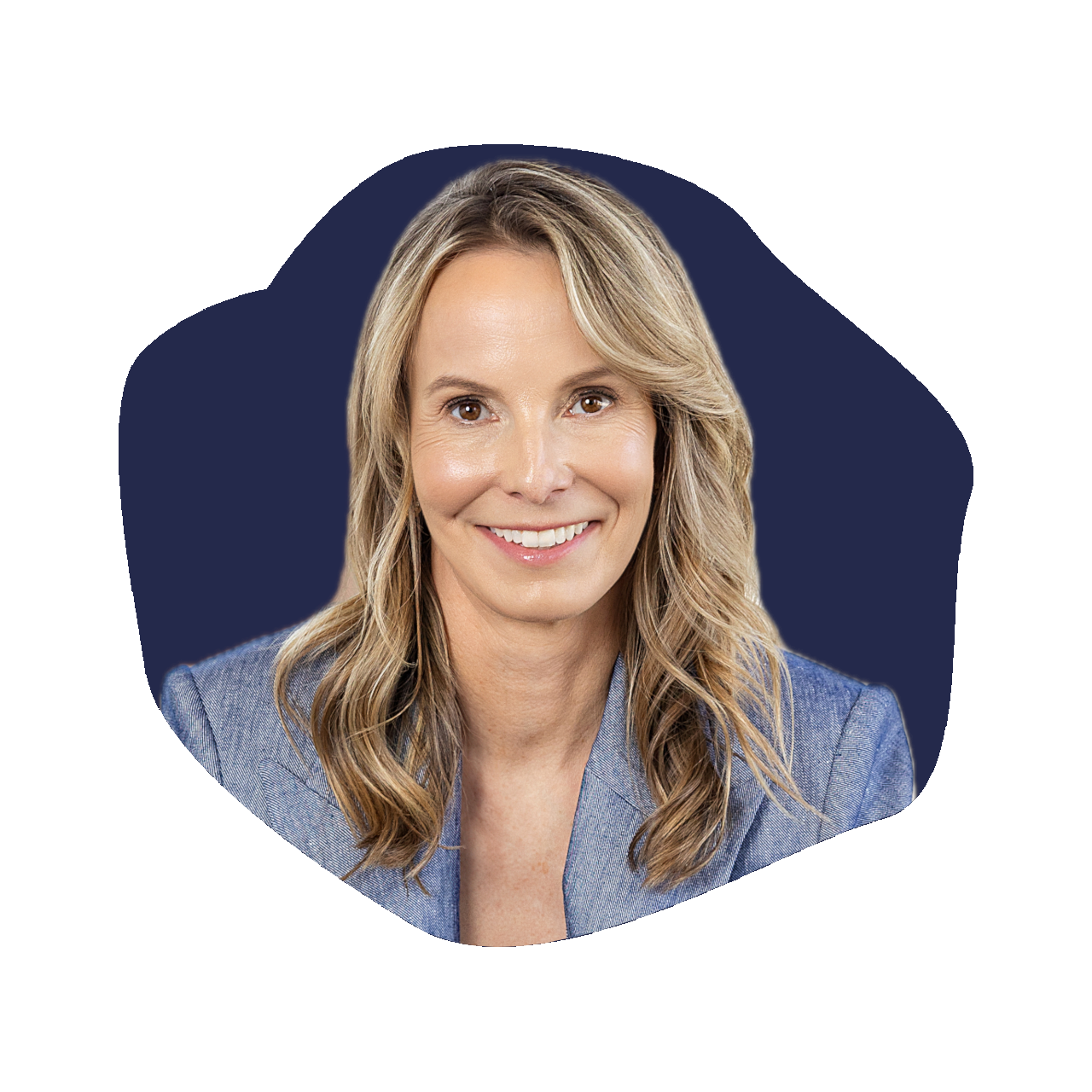
Steve Weiss: Co-Founder & CEO of Snakkidz
Episode 811

On today’s episode, we welcome Steve Weiss, CEO and Co-Founder of Snakkidz — a fast-growing brand on a mission to make healthier snacking easier and more accessible for families. With allergen-free, low-sugar snacks made from organic ingredients and no seed oils, Snakkidz is helping redefine what parents can expect from the snack aisle.
Driven by a passion for food literacy, Steve built Snakkidz to give parents more confidence in what they’re feeding their kids — proving that convenience and nutrition don’t have to be a trade-off. As the brand continues to grow nationwide, its focus remains simple: create snacks families can trust.
In this episode, Steve shares why he started Snakkidz, the lessons he’s learned as a founder, and what it takes to stand out in a crowded category. We discuss navigating food labels, the evolving definition of “healthy,” and how brands can better support modern families. A great conversation for founders, parents, and anyone interested in building products that solve real everyday challenges.
Resources from
this episode:
Enjoying this episode of #TheKaraGoldinShow? Let Kara know by clicking on the links below and sending her a quick shout-out on social!
Follow Kara on LinkedIn – Instagram – X – Facebook – TikTok – YouTube – Threads
Have a question for Kara about one of our episodes? Reach out to Kara directly at [email protected]
To learn more about Steve Weiss and Snakkidz:
https://www.snakkidz.com
https://www.instagram.com/snakkidz
https://www.linkedin.com/company/snakkidz/
https://www.linkedin.com/in/steve-weiss-5b190337/
Transcript
Kara Goldin 0:00
I am unwilling to give up that I will start over from scratch as many times as it takes to get where I want to be. I want to be you. Just want to make sure you will get knocked down. But just make sure you don’t get knocked out, knocked out. So your only choice should be go focus on what you can control. Control. Control. Hi everyone, and welcome to the Kara Goldin show. Join me each week for inspiring conversations with some of the world’s greatest leaders. We’ll talk with founders, entrepreneurs, CEOs and really, some of the most interesting people of our time. Can’t wait to get started. Let’s go. Let’s go. Hi everyone, and welcome back to the Kara Goldin show. What if the snacks we pack for our kids could actually be nutritious and convenient without the usual compromises? Today, we’re joined by Steve Weiss, who is the co-founder and CEO of an incredible, fairly new brand called Snakkidz, all one word, s, n, a, k, k, i, d, z. Love the name a fast growing brand on a mission to make healthy eating easier and more accessible for families with allergen free, low sugar snacks made from organic ingredients and no seed oils, Snakkidz is helping reshape what parents can expect from the snack aisle. I love it. I’m looking forward to exploring why Steve started the company, a little bit more about his background and how he’s working to make healthier choices much more practical and easier. Steve actually had an interesting background from Amazon as well, so I can’t wait to hear more about how he is working with Amazon to help grow the brand as well. So welcome. So excited to meet you, Steve
Steve Weiss 1:58
thanks, Kara, thanks for having me on. It’s great to
Kara Goldin 2:01
meet you. Absolutely. So for listeners just discovering Snakkidz, how do you describe the brand? As the co founder and CEO of the brand?
Steve Weiss 2:12
Yeah, so Snakkidz is more than snacks for kids, we’re really looking to create a community of parents that want better for their kids. And as consumers, we have the power and our choices. So when we make the choice to buy healthier options, then companies are going to provide healthier options for you as a family. So we launched with our very first organic granola bar and three flavors, and we continue to launch new innovative products.
Kara Goldin 2:33
So you and I were just talking the banana chocolate is just the Chunky Monkey. So good. I just love it. And actually, I should, I should say, if you don’t like banana, then you probably won’t like this. So but and the other two are just as good. But for somebody who is banana lover who doesn’t like fake that, I feel like banana is butchered in so many products that it is actually just so so good. So what inspired you to start Snakkidz, and was there a defining moment when you realized that I have to go and do this company?
Steve Weiss 3:21
It’s a great question. So my son, Ben, is now eight years old, and for me personally, like during covid, I went did Iron Man, like I really want to take care of myself, to be an example for my son. And part of what happened was I was doing a lot of traveling, so I was going to Costa Rica. I did the Inca Trail in Peru, into Machu Picchu, and I was looking at cultures that are a little bit different than the United States. And I was really focusing on what they were eating, especially the families and the kids. And I noticed it was less processed, and if it was processed, it was way better ingredients for you. And then I was talking a lot of the locals and understanding, and they just had a healthier overall culture compared to what I was continuing to see in the United States. And having a son at the time that was in kindergarten, I would go in, and I would see during the holiday time, they were decorating gingerbread houses, but it was like M M’s and sugar and just non stop junk that they’re feeding. And as a kid, I grew up with ADHD, and this is going way back in the day, and they put you on medicine. Well, when you look at it now, a lot of they say ADHD is the food that you’re eating with the dyes and the sugars. And I remember as a child how difficult it was to sit still and pay attention. And it was just very difficult so understanding that this could be because of food, and then having a son myself, and seeing how other cultures did it, I really understood, like, Hey, this is time now, like, I want to create something, and my cousins have their own manufacturing company in Toronto that’s been very successful. My background, as you mentioned, I worked at Amazon ads before there with other large advertising organizations, and I said, we have. An opportunity here. I know brands and marketing. You know how to produce really good products. Let’s come together and produce a product that one is allergen free, so it’s inclusive of everybody, and then you can actually bring it to school, because there’s no nuts and there’s no allergies. Two, let’s keep it low sugar, right? Like obviously we need to make it so kids can enjoy and they like it, but they don’t need to have 1520, grams of sugar for them to enjoy it. And then three, I was really looking at the market, understanding that one of the things that Americans were starting to open their eyes to was that there was seed oils in everything. And like anything, too much of anything is going to be bad for you. So we looked at healthier alternatives that were still allergen free, and we came upon avocado oil. So all organics are organic. There’s their non GMO, and that’s really want to make sure there was a better option for parents and families all together.
Kara Goldin 5:50
So you launched with three SKUs. How did you decide three?
Steve Weiss 5:56
So we really wanted one. We knew that we wanted to ultimately put a variety pack right. Because as a parent like you don’t want to eat though your kids aren’t going to want to eat the same thing every day. We want to reach people with different tastes so we can we started with three and so we honestly, the way we came about was, what are the best sellers already out there? We went in our research and store, we looked at Amazon, and we sold that chocolate chip strawberry at the time birthday cake was really where we wanted to launch. After about six months of feedback on Amazon, our customers let us know that chocolate chip and strawberry they really liked, and even though it was a family favorite of birthday cake, the consumers didn’t like it as much. And that’s where we pivoted and came up with your favorite, the Chunky Monkey.
Kara Goldin 6:38
I absolutely love it when you look at kind of the top performing skew today, what do you think makes it resonate? Which one is it of the three, and what makes it resonate? So much
Steve Weiss 6:53
so if we took individual flavors, it would probably be chocolate chip and strawberry right near each other. I think it’s because chunky monkey was launched later on so it has less exposure. But our instincts are right. We originally wanted to come up with three flavors, because by far, 80 plus percentage of our sales comes from our 45 count variety pack. And I think it was do like you have as a family, you’re gonna have different kids. You have, you know, different parents in the house. There’s gonna be different taste buds and people. And people love variety. So having that variety pack is something that families really are drawn to,
Kara Goldin 7:29
definitely well. And I always think when people are really focused on giving it to kids, you know, the parents are trying it as well, and and I love that they’re small size. I just stick it in my pocket. It’s it’s really, really great, everything. The packaging is fun and bright. This is the first company that you founded. You worked at, you know, incredible companies that had been founded, but this was the first company that you founded. How different is your role today versus what you thought it was going to be?
Steve Weiss 8:05
That’s a great question. You know, as you know, as a CEO, as a founder, you think a lot of your roles can be big picture, and that still is very important, because you have to understand where you’re going in the next year, two years, five years, what is your roadmap? One of the things I took away from Amazon that I think is really vital in business is working backwards, right, understanding where do you want to be in a certain amount of time, and then laying the road work, starting at the end goal backwards, and then, basically, you know what steps you take, and then you pivot where you need to. So I thought it’d be big picture, well as a startup and as really kind of a solo entrepreneur, from the marketing and sales side of it, I wear a lot of different hats, so everything from social media to doing sales, from outreach to reaching back out to customers to interacting with our different partners. Obviously, we continue to grow and scale, and there’s more to our team, but I would say that wearing so many different hats at once was something I wasn’t necessarily expecting.
Kara Goldin 9:04
Yeah, definitely, which part of starting and now scaling a company was probably the most challenging for you that you just you know, you had been around, like I said, been in businesses that were successful done some different things. You can be scrappy, but what was the part of the company that you had to get educated on? I guess is, is the best way to look at it? Patience.
Steve Weiss 9:34
So working for 15 years in digital marketing, advertising, working with clients, Amazon, so top Fortune 100 companies all the way through startups. My previous role, I talked to so many VPs of marketing and CMOs and brand managers. And I send strategic meetings. I help them come up with their strategy. I came into this like I have this. We have a great product. I know how to market. We’re going to do this. We’re going to do this. And before you know it, we’re going to be at $100,000 a month in sales. It was so slow going, even though I knew I was doing the right things, it just didn’t come as quickly as I thought. So really, that was the biggest learning curve and shock of why in three months Am I not where I want to be? And we’ve been in business now about two years, and I I look back and I’m like, wow, we’re so far, like, we come so far, but I know where we want to be. We still so much farther to go. But I’ve really learned patience throughout that time, so I think that’s been definitely the biggest thing.
Kara Goldin 10:34
It’s funny, I had another interview earlier today for an episode that’s coming out with a second time founder, and he talked about he is much more patient on the second time to because he knows that you know to build a brand, as he did, it took so much longer than he ever originally anticipated. So now, Steve, you just need to go found another company after this, right? Yeah, exactly. Now you now, you know, so, so allergen free, organic ingredients and no seed oils were non negotiable from day one, I’ve heard you talk a lot about food literacy as well. How do you define food literacy, and why is it so critical for parents today to know about this?
Steve Weiss 11:28
So it kind of touches on what you said before. You’re like, Oh, you have such fun, engaging packaging. And that was the thing. We sat down the table and we had a blank sheet. We said, Okay, how are we going to come up with our product? How are we going to differentiate ourselves? We know we wanted to be healthy, but when we looked at healthy, the packaging, the messaging, everything was directed towards the parent. So it wasn’t necessarily that fun, playful, exciting colors, but end of the day, we know that the kids are the ones that are shopping as well with their eyes and what they like, and they’re drawn to something. And we saw that the not so good for you brands were heavily taking advantage of this. So we said, first and foremost, let’s make sure we have packaging that’s exciting and bright, that we can reach the consumer. And the consumer, yes, is the parent, but it’s also the child, right? And then from there, the non negotiables, as you mentioned, we’re allergy free. One, there’s over 25 million Americans that suffer from a nut allergy, there’s gluten allergies, there’s egg allergies, there’s dairy allergies, right? So we wanted to make sure and our products also kosher. So we want to make sure, one, that we’re inclusive of everybody that can have a healthier option provided for them. And then two, even if you necessarily don’t have allergies as a parent, I know that whether it’s a birthday party or school, I can’t bring any product that’s nuts to my for my kid. And the whole point of this was making sure they have a healthier snack on the go for the sporting events in school, not just at home, and then low sugar, right? Why do we have to load sugar into there, and then even from a marketing perspective. So I’ve been in marketing for 15 years, so I’m very easily understanding to look at labels and packages, and one thing you’ll see is you have to read behind the lines. So from a marketing perspective, we’ve seen things, and I’ve seen it on Amazon for for brands that say no high fructose corn syrup. And then you look at the number two ingredient, it’s corn syrup. It is the same exact thing. You can call ingredients 17 different things and get away with it according to FDA and food regulations. So if I didn’t dive so much into food literacy and understand what that means. I’d like, Oh, this is great. I’ve heard people talk about high fruit, fructose corn syrup. I know it’s not good their marketing. It doesn’t have any of this. This is amazing. I’m gonna buy it. That, to me is when I talk about food literacy, what I want to help educate parents on understanding, you know, there’s sugar and dates, there’s sugar and added sugar. Like, what is the difference in there looking at different oils? Well, growing up, we said, oh, vegetable oil is all fine for us. Well, no, it’s not necessarily when you’re having it in bulk. So looking at, is it palm oil? Is it sunflower oil, or are we using things like avocado oil, right? So I think it’s understanding what the ingredients are, and not just looking at the marketing claims as a whole and pick up the package and looking at it. And myself, 10 years ago, I didn’t do that. I didn’t have the food literacy. So part of our mission for Snakkidz, and you know, I appreciate you having me on today, part of this is helping parents understand what that is. So one thing we’ve done is we’ve partnered with a registered dietitian, and we’re going to continue doing that. So if you go on our website, and we’re going to continue to put marketing materials out there that a registrar dietician is actually putting out there what to look for, how to create healthy snacking. So yeah, that’s really food literacy in a nutshell.
Kara Goldin 14:55
What has surprised you most about you? Launching Snakkidz, launching your own brand, but also Snakkidz in particular. I mean, was there you talked about the example of, like, the birthday cake. I’m sure that was a bit surprising. But what else has really surprised you about the consumer reaction to what you’re doing at Snakkidz,
Steve Weiss 15:20
yes, I knew we were going to find a niche. I knew we had a place in the market. Like, we did our research and we then obviously tested it for six months. It was how important to some families this product is for them, the letters and emails we get, or on social media, of like, thank you so much. Like, we’re looking for healthier option, or, like, my son has a severe allergy, and there’s not that many options for him. That’s really where I think. I knew it’d make an impact. I didn’t realize how big of an impact we even had recently, it was awesome. We posted our social media. Two sisters, 12 and nine, sent us a hand written letter, and they drew like Snakkidz, and they’re talking about how much they love it and how they eat outside it’s their favorite snack. Like that means the world to us, and so I’m so grateful that we have customers that it’s helping their life in such a big way.
Kara Goldin 16:11
How did you figure out your go to market strategy, how you would actually show up and be able to be purchased by consumers? You started in direct to consumer. But was that just because you knew a little bit about that? Did you think that you would stay there forever? How did you think about the strategy around how you went to market?
Steve Weiss 16:36
So the reason we started Amazon is we didn’t have the big budgets large organizations and companies do, where they go out and they test their product and focus groups, and they understand what they’re looking for. And so we knew we had a really good product, but it doesn’t matter what we think, it’s about what the customers think. So we wanted to start on Amazon, because we wanted to be able to get that feedback from customers in real time, and pivot when we needed to on top of that, I think it’s we have different value propositions, which we talked about already, right? No seed oils, low sugar. Well, in today’s world, you need to speak to the consumer. You need to speak to directly to the customer. We’re used to having things targeted towards us. If we went into retail right away, you’re not going to be able to do that. You’re on a shelf. You’re not speaking to individual consumer anymore, where I can on things like Amazon, I can bid on keywords, I can message the right audience based on their purchase and buying habits. So I think it was really important for us, one, to get the feedback in real time of Do they like our product, or where can we improve? And then two, speaking to the individual based on what’s important to them, so whether it was allergy free, or whether it was low sugar or seed oil or amongst other benefits that we fit in this space. I think that’s the reason we wanted to start on E commerce. On top of that, if you look at E commerce as a whole, it’s continuing to grow and grow, especially within the CPG space, so we definitely want to make sure we have a presence there. But now that we’ve gone in retail, we launched in December, in 81 plus Costcos. So that’s been really exciting, and we continue to look to launch in more retail this year, on top of increasing and scaling our E commerce with our influencer partnerships. And from an influencer partnership, though, it’s more, it’s more about building a community than is about selling it goes back to the whole reason we started it is if we have more and more parents and influencers talking about food literacy, we’re only going to continue to change the narrative around food and help families educate themselves, and that’s a really big part of our mission.
Kara Goldin 18:39
So Amazon, everyone needs to have a presence on Amazon, especially if you’re a food company. What? What are some of the like, big secrets that you, you know from working inside that really helps people to kind of get the word out about their brand on on Amazon, whether you had mentioned keywords, ads, things like that. But what’s the first thing that you think you would do if you were a company with a with a brand or what did you do? What was like the first thing that you did when you were launching Snakkidz?
Steve Weiss 19:15
So one of the things I would do, one is go through brand registry. So get trademarks apply for brand registry. The reason for that is they offer so many more benefits for you, on top of a ton of cost savings in the first year when your brand registered, on top of protect your brand. So I think first and foremost, I would definitely spend the money to get the trademark to do that two not necessarily right away, but diversify. And when I say diversify, I’m talking about with your ads. So many people look at Amazon ads and don’t think, but it’s a tech company, and it’s a tech company that understands consumer behavior very, very well, so they have strategically placed different ad placements, so you think of sponsored ads. So for those listeners. That don’t know sponsored ads is when you go on Amazon, you scroll down and it’ll literally say sponsored there after you search for a keyword, right? So maybe you put granola bars and it’s a sponsored that means it’s a paid advertisement. That’s where a majority of clients and brands, especially startups or young brands, they spend all their money there. But what they’re missing is different placements, like sponsored brands at the very top. That is if you’re if you were thinking about digital marketing from a billboard perspective, that’s a home run. The first thing someone sees is right there, before they scrolled out, where your competitors are. So put some money into sponsored brands, plus you get to have, like, a lifestyle image that really shows your brand interacting how user could potentially use it. There’s sponsor display. Sponsor displays use when you’re at the product detail page, think of it as somebody’s in the aisle or they’re about to check out at the register, and your product is right there. That’s the last chance to get them to convert. And it’s a great opportunity. And then DSP, so the banner ads, or ads you may see online that is great because it’s driving outside Amazon traffic to Amazon, so you’re not just capturing it like think of ads, sponsored ads, or sponsored product as capturing existing band, just like Google search would, what Amazon DSP would be with your banner ads or even video That would really be about driving awareness to then drive purchase. So I think a lot of times we go on there, we spend all our money and sponsor ads. It’s a very competitive space. The cost per click continues to go up. The return on ad spend, or your ROI isn’t going to be necessarily that high there, if you build Well, build a well rounded marketing strategy with a lot of Amazon’s products. One, the algorithm is going to reward you for that. You’re organically going to show up higher. Two, you’re actually going to build a funnel using their technology, and it’s and with Amazon’s technology, it’s a one to one map. So you know, you’re reaching the same user as marketers. Our job is to reach audiences. May touch points as possible. They say, typically takes at least seven touch points before someone even remembers your brand. Don’t just keep reaching the same area. Reach them across their everyday life. That, to me, is a huge opportunity when it comes
Kara Goldin 22:12
to market. You mentioned Costco. You went into Costco. That’s pretty early to go into Costco. And you know, I always, I always say that I love to hear brands that kind of do things a little differently. So I remember meeting the founder of liquid death years ago, and, you know, he had launched it originally in seven elevens. And I was like, Dude, I don’t know if you’re going to be able to grow a brand starting there. Like it’s sort of backwards. I’ve talked to other people. Have launched in Walmart originally, and then they’ve grown and so I don’t think there’s any set way to do things anymore, like I that’s sort of my thinking there’s, there’s a way of doing things that most people do it, but not every time. What have you seen about like, what advice would you give to people as it relates to Costco that that you’ve learned recently?
Steve Weiss 23:11
Yes, so when it comes to Costco, one as you’re working with them, absolutely make sure you’re doing demos and habits. You’re doing demos early on a lot of times. So I’ll give you a real life example. We were replacing z bar rotation. So Costco, you’re most likely never going to be there all the time, or they definitely won’t start you there all the time. You go on rotation, typically a three to four month rotation. And we were supposed to z bar was coming off rotation. We’re coming on, but they had leftover inventory. We were priced strategically lower than z bar because we want to make sure that we’re a new brand. We want to try there, and we’ll also make it affordable for families to have good for you products. Z bar did a $6 off coupon, coming way below us, and they’re well known brand where we’re not so in that region, we saw we’re slow for sales. When a region where we’re not going to get to competitor with that, we had way higher sales. So I think something like doing demo is really important, understanding the aisle and what your competitors are going to do, and have a plan for that. And then there’s a lot of partners that do a lot of cool things. From a digital perspective. One of the partners we worked with is called in market, they have a moments. Basically, it’s called moments. What it does is it geospatial targets. So essentially, just think about when you walk in to Costco, you will get a push notification on your phone if you fall within the demographic that we’re trying to target for us. We’re trying to raise awareness for parents two to 12, right? That’s where our product fits perfectly. When that user walks into one of the Costcos we’re sold at, and they fit that demographic profile or that audience profile, they get a notification on their phone to see if they want to open it. If they open it, we have a full screen ad talking very quickly about. Couple couple of our benefits and that we’re located in this store. We’ve seen this to be really effective at driving in store purchases, because, again, nobody knows who we are. We’re Brent. We don’t have the brand recognition. This is a great opportunity to increase our exposure. But also, like, Don’t overwhelm them with 17 things we’re good at. We lead with two or three max of like, why they should at least try us. Coupling that with demos, we’ve seen very good success.
Kara Goldin 25:28
I love that so much. And finally, for parents who are feeling super overwhelmed trying to figure out healthier choices, what would you say is one place to start out outside of buying Snakkidz? Of course.
Steve Weiss 25:46
Yeah, absolutely. I would say, a lot of times have your kid help with the snack, right? So when we go to our children and we say, Hey, you’re going to do this that we are whether they’re in school or they’re home, we’re making the choices for them all day long. So there’s that little bit of like, No, I don’t want that if you put healthier options. So fruit, cheese, if you don’t have allergies, nuts, right? If you put healthier options in your house, and then you say, hey, let’s build our snack together. And then you give them a couple options, they’re going to choose something. When they choose something, they took ownership of it, they’re going to eat it. So you’re going to see substituting that out is healthy options, right? There another trick I love. If you want to hire omega threes and protein, hemp seeds, sprinkle hemp seeds and pancakes sprinkling yogurt. It is, you don’t taste it, and if you look at the nutritional profile of it, it is absolute superstar.
Kara Goldin 26:44
I love that. Well, Steve, thanks so much for coming on. And I love what you’re building with Snakkidz helping families make better choices. Shouldn’t be complicated, but there’s so many brands out there that have kind of butchered the category overall. So I just absolutely love what you’re doing with Snakkidz. For everyone listening, go check out Snakkidz and see what Steve and his team are doing all over social as well. And absolutely purchase through Amazon, through Costco and soon, and many other retailers too. But Steve wise, co founder and CEO of Snakkidz, thank you so much for sharing your journey and your wisdom and all Thanks, Kara, very grateful. Thank you. Thanks again for listening to the Kara Goldin show. If you would please give us a review and feel free to share this podcast with others who would benefit, and of course, feel free to subscribe so you don’t miss a single episode of our podcast, just a reminder that I can be found on all platforms. At Kara Goldin, I would love to hear from you too. So feel free to DM me, and if you want to hear more about my journey, I hope you will have a listen or pick up a copy of my Wall Street Journal, best selling book undaunted, where I share more about my journey, including founding and building hint, we are here every Monday, Wednesday and Friday. Thanks for listening and goodbye for now.