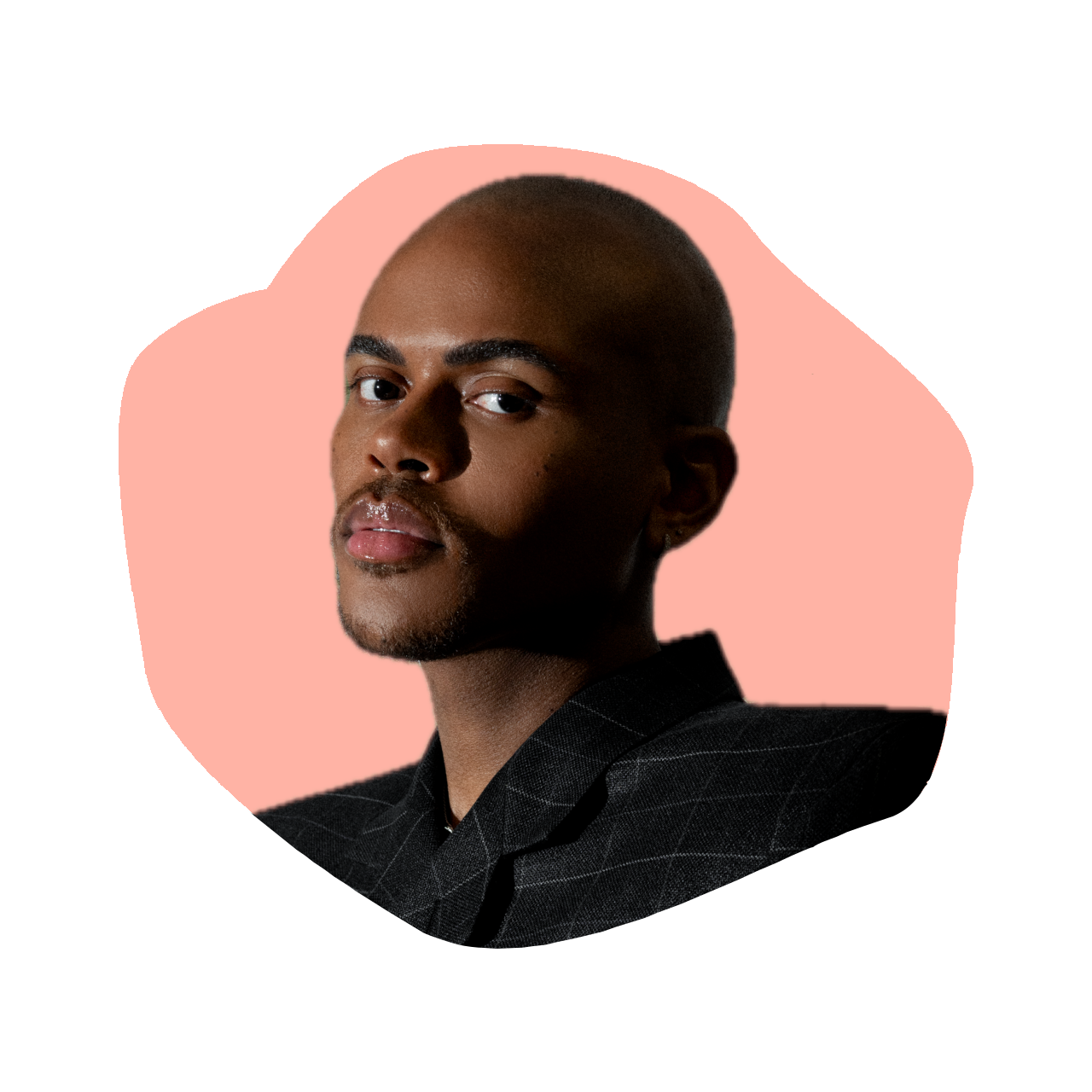
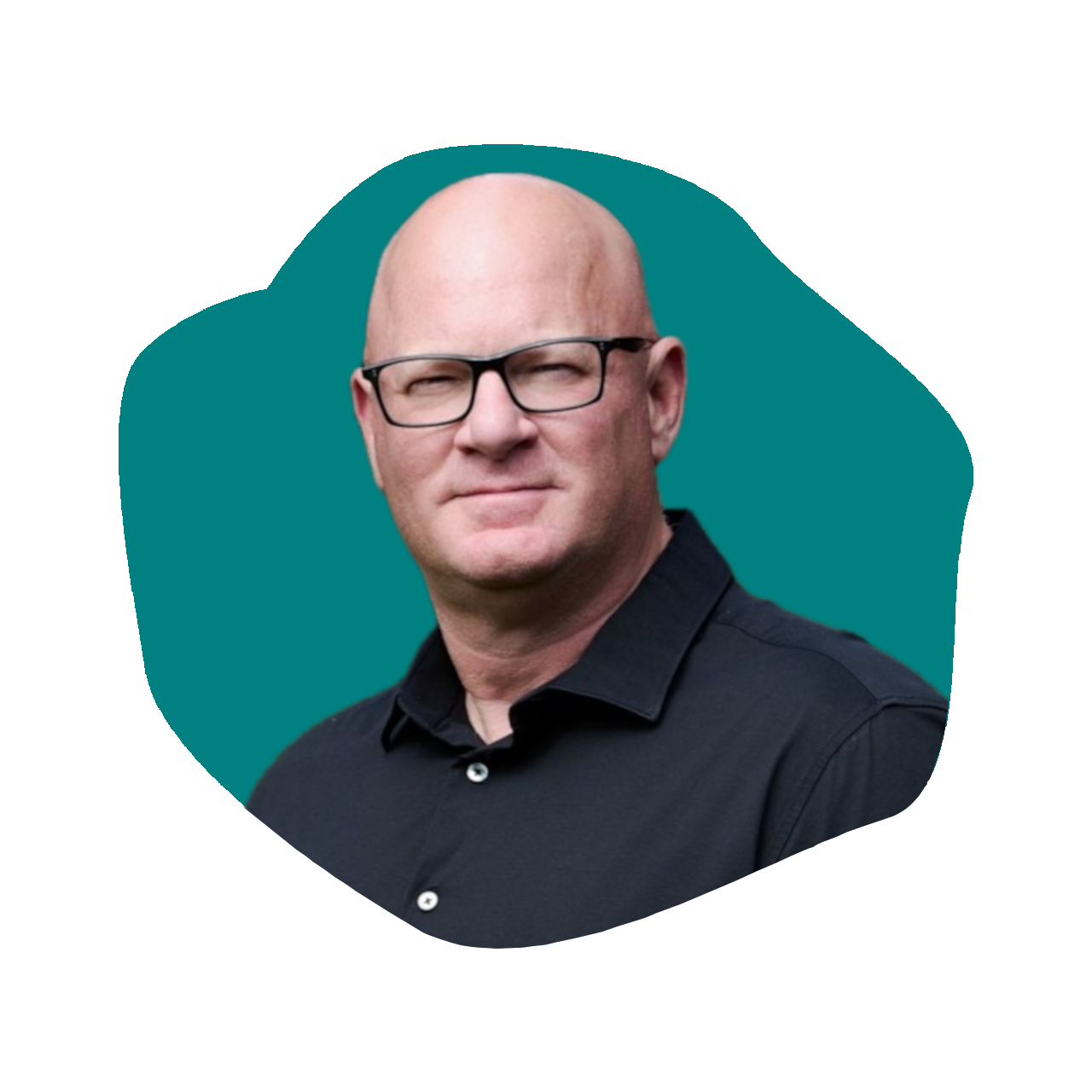
David Rabie: Founder & CEO of Tovala
Episode 824
On today’s episode, we welcome David Rabie, Founder and CEO of Tovala — the smart oven and chef-prepared meal service transforming how people cook and eat at home. What started as an idea while David was earning his MBA at the University of Chicago Booth School of Business has grown into a category-defining business that combines food, software, and hardware to make fresh meals easier than ever. With a simple scan of a QR code, Tovala’s countertop smart oven automatically cooks chef-prepared meals using thousands of tested cook combinations — eliminating the need for planning, chopping, or cleanup.
Inspired by the everyday challenge of finding time to cook fresh meals at home, David combined his passion for food and technology to build a completely new model for modern home cooking. Since launching in 2017, Tovala has sold more than 40 million meals nationwide and built one of the most loyal customer bases in the meal delivery category. By vertically integrating the oven, software, and food experience, the company has been able to deliver consistency, convenience, and quality at scale.
In this episode, David shares the early inspiration behind Tovala, how he thought about margins and business fundamentals from the very beginning, and why vertical integration became the key to unlocking the company’s success. We discuss navigating near financial collapse in 2020, the leadership lessons that shaped him as a founder, and why cooking at home still matters in a world dominated by delivery apps. From building smarter with limited capital to creating a culture that promotes talent from within, this conversation offers a candid look at what it takes to build and scale a truly differentiated consumer business.
If you’re interested in the future of food technology, building capital-efficient companies, or how founders navigate the toughest moments of scaling a startup — this episode is for you. Tune in now on The Kara Goldin Show.
Resources from
this episode:
Enjoying this episode of #TheKaraGoldinShow? Let Kara know by clicking on the links below and sending her a quick shout-out on social!
Follow Kara on LinkedIn – Instagram – X – Facebook – TikTok – YouTube – Threads
Have a question for Kara about one of our episodes? Reach out to Kara directly at [email protected]
To learn more about David Rabie and Tovala:
https://www.tovala.com
https://www.instagram.com/tovalafood/
https://www.linkedin.com/in/david-rabie/
Transcript
Kara Goldin 0:00
I am unwilling to give up that I will start over from scratch as many times as it takes to get where I want to be. I want to be you. Just want to make sure you will get knocked down. But just make sure you don’t get knocked out, knocked out. So your only choice should be go focus on what you can control. Control. Control. Hi everyone, and welcome to the Kara Goldin show. Join me each week for inspiring conversations with some of the world’s greatest leaders. We’ll talk with founders, entrepreneurs, CEOs and really, some of the most interesting people of our time. Can’t wait to get started. Let’s go. Let’s go. Hi everyone, and welcome back to the Kara Goldin show today. I’m joined by David Rabie, who is the founder and CEO of Tovala, the smart oven and chef prepared meal service that’s redefining what cooking at home can really look like. And David started to Vala while earning his MBA at the University of Chicago Booth School of Business, inspired by a simple but universal challenge, how do you eat fresh, high quality meals at home when you don’t have the time to shop, prep or cook? And his solution combined food and technology, a countertop Smart Oven paired with a meal delivery service that cooks with a simple QR scan, I can attest to how easy it is and how delicious it makes those meals as well. So since launching in 2017 Tovala has shipped more than 40 million meals nationwide, and built a category defining business with remarkably strong customer retention. I’m so excited to have David here today so that we could talk a lot about not only launching this business, but also scaling it the way he has and what he’s learned along the way. So welcome David. So nice to meet you.
David Rabie 2:05
Yeah, thanks for having me. I’m excited
Kara Goldin 2:06
to chat. I’m so excited about your brand. I love that you’ve combined two aspects that are really kind of the hurdles that people might have to healthier, healthier eating, healthier living. But for listeners who may not know the brand to Vala yet. Can you define it for us? Yeah.
David Rabie 2:30
So you know, our aspiration has always been to redefine home cooking and take the best elements of the home cooking experience and get rid of all the reasons why people get stressed out or tired or don’t want to get dinner on the table in the first place, and so we built this system where we control almost the whole experience. So we have chefs that develop recipes. We have our own food facilities where we prep all these meals, we pack the meals ourselves, ship them to your doorstep. They arrive completely fresh, stop frozen. Goes in your refrigerator, and then we’ve purpose built this oven that goes on your countertop to cook those meals as though you had a chef in your home. So when you put the meal in the oven, which you know, you spend a minute preparing it, when you scan that code, the oven is then doing lots of different things to cook your meal perfectly. So maybe your meal requires some steam, maybe it requires some broiling, maybe it’s a lower temp meal, higher temp meal. Every meal has its own custom instructions. So it comes out perfect. You literally can’t mess it up. And then you get a push notification when dinner’s ready. So we deliver what we think is a super high quality, tasty food product, but actually get rid of all the reasons why people don’t cook in the first place, and the
Kara Goldin 3:38
oven is not just for your your meals as well. You can use it for the rest of your life as well. Yeah, yeah, yeah.
David Rabie 3:49
We use our oven at three little girls. We use our oven to cook probably 15 times a week outside of tabala meal. So whether it’s making waffles in the oven or roasting broccoli or baking cookies or reheating leftover pizza, like it can do a lot of things. It can air fry, so it kind of justifies the counter space that it takes, because it gets so much use in the house.
Kara Goldin 4:13
I love it. So where did the name come from? Yeah, we
David Rabie 4:17
knew we needed a name that sounded kind of elegant and premium was our goal. But this was so early in our journey that we didn’t want to pick a name that would tie us too much to one line of business, because we thought maybe the business will evolve and we would move out of the food business and maybe just be in the oven business, or move out of the oven business and be in the software business. We just were not sure. Even though we had this vision, the vision the vision actually has not changed much. And so we wanted a name that was a little neutral. And we were going through dictionaries, and, you know, stumbled on the Italian word for table, which is tabala. And I liked that name, or that word rather. And then I had also been looking in Hebrew dictionaries, and the word Tove in Hebrew means good or Okay. Okay, and I think those two words were in my brain. And so we flipped the O and the A, and voila, we had to Vala, and I had the websites open to quickly check for the domain and trademark, and they were available. And at the time, our team was, like four people. So we talked about it one night around the fire, slept on it, and the next morning we made the move and and made the company name to all
Kara Goldin 5:25
so going back to the beginning, what when you were at business school at the University of Chicago, like was there a moment when you just that you can recall that you just said, I wish this business was already in existence.
David Rabie 5:46
Yeah, I had, I had my first that was kind of when I came up with the idea. Was when I was cooking for myself one day in my apartment, using multiple different appliances in the home. So I was using my oven, my stove top, I had a countertop steamer, and that was the pain point initially, like, why do I need three appliances to make one meal? Every food has its own way of cooking. Why couldn’t this be one appliance that would cook different ingredients the way they’re meant to be cooked? So that was kind of the initial pain point. And then from there, as I talked to lots of potential customers, it evolved beyond just a really smart cooking device and to more of the full system that it is today, including the food and the mobile app and everything.
Kara Goldin 6:26
So you graduated, and then you decided to go and work for another food company. Or had you worked for another food company prior to going to business school,
David Rabie 6:38
I had worked for a food company. Before business school, I’d worked for a super fast growing chain of plant based restaurants, and I’d worked for one of the founders of that business, and learned a lot from him about business and fast scaling and culture and things of that nature. And so when I graduated from business school, I kind of hit the ground running on to ball. We had won a business plan competition at booth that came with, think it was $70,000 and so that helped us get off the ground. We got some press locally in Chicago, and, yeah, I was committed to doing it after I graduated.
Kara Goldin 7:15
So working, I mean, you almost had a internship, mentorship, type of situation where you’re able to learn from people. I have to tell you, as a founder, I’ve had a number of people who have worked on my team over the years that eventually went out and launched their own company, whether it was a beverage company or or something else. And it personally gave me a lot of pride. But the things that they learned, I always go back to them and ask them like, what did you learn from me and what? What do you think he would say?
David Rabie 7:56
That’s a great question. I think what they did uniquely well was build a incredibly strong brand for not just the customers but their employees. So every employee, from people bussing tables to, you know, the cooks in the kitchen, really believed in the mission of that business, and I saw the power of that. And I think that’s what struck me more than anything. They did a lot of things, right? But that was probably the biggest insight of what you can get from a team when they really believe
Kara Goldin 8:31
in what you’re doing. So it’s one thing to work for another company, but you’re launching a brand, you’ve got your $70,000 you’re you’re feeling pretty good, you’ve got press, you’ve you’re getting a lot of attention. But how hard was it to actually launch the company, and how different it was, maybe, than what you thought it
David Rabie 8:55
would be? Yeah, the beginning was quite hard. So we won this competition, and I graduated, and now all of a sudden, I didn’t have the kind of support of everyone within the university, like when I was in school. I had all these classmates that were helping and excited about what I was doing, and I was using the idea in a lot of classes, and I was surrounded by alums and staff that were all really helpful, and that didn’t vanish overnight, but a lot of that infrastructure is gone when you’re an alum and not a student anymore. And so all of a sudden, I was graduated. We’d won this competition, which was great, but also put some pressure on us to kind of live up to those expectations. And I had no team like it was me some cash, a prototype that didn’t really work, and one intern. And this is a pretty capital intensive business, like we needed a lot of money to build the hardware, figure out the food infrastructure, a lot of R and D involved. And so that summer was very challenging, because I needed to raise money. I needed to build a team. Team. And there’s a bit of a chicken in the egg with those things when you’re especially when you’re earlier on in your journey of well, to raise money, you need kind of more product traction. To get more product traction, you need a team. It’s hard to recruit a team if you don’t have money. It’s this like that, not a great loop to be caught in. And so that was a really hard summer. I remember we were, we struggled to raise money. I was having a hard time building my team, and then, you know, but I kept at it, and slowly, and then all of a sudden, very fast, made a lot of progress. And meeting my co founder was the biggest unlock. I would say to that of like I met Brian, he joined, he was a mechanical engineer, so we could start actually building things ourselves very quickly. And then we hired our first engineer that was finishing his PhD program, Peter, and so now all of a sudden we had kind of internal R and D capacity. We were not burning a lot of cash. We could build prototypes. Then we got into Y Combinator and then, really, from then on, like the momentum didn’t stop for many, many years.
Kara Goldin 11:01
That’s That’s incredible. So when just talking about a co founder, did you know you wanted to find somebody who had this type of experience or how, how did that all come about? How did you make that choice about a co founder?
David Rabie 11:19
Yeah, I felt pretty strongly that I needed a technical counterpart, because I’m not technical. My brain doesn’t work that way as much as I’ve tried, especially over the last 11 years. Like I’m not an engineer, and this is a very kind of tech forward business with the hardware and the software and the firmware. And so I felt like I really needed that counterpart, and that was reinforced as we were raising capital. Lot of investors were just giving us the feedback that if we’re going to have this tech centric business, we can’t be outsourcing core elements of our technology, like we need a tech tech person leading this business alongside me. But the challenge is I didn’t know anyone that I’d worked with in the past, where I could point to them and say, hey, this person is perfect, and so I had to go meet someone. And I think ultimately, got really lucky that Brian and I worked so well as partners. It’s not the advice I would give to most people to go partner up with someone you met three months before or four months before, but it worked for us, like we ended up being very aligned on the culture we wanted to build and the goals of the company, and values, which I think are just as important as the kind of tangible skills. But he had the tangible skills too. So I was very fortunate.
Kara Goldin 12:33
So this may be an obvious question to you, but when you were thinking about hardware, software and food. Did you ever think maybe we don’t do the food part yet, maybe we just do the hardware and software? But yeah, I’d love to hear kind of your thinking behind that.
David Rabie 12:53
Yeah, that was probably the most common question we got in our first year of existence of you know, one of these businesses is hard. Two, is really hard. Three, no one’s done that. Like, this is super complex. You’re bringing on a lot of risk to the business and complexity. That was all true. Like, it is a super complex business. It has opened us up to a lot of risk. But I was really married to this idea, because I was so focused on the customer problem. And to me, it was, how do you get customers food that is not cooked, and cook it automatically? And to this day, I can’t really wrap my head around how you do that without controlling the whole experience. And I think it is paid off, like, you know, the business works, and all of this complexity is actually a huge moat around what we do, and because we nail that value prop, we have way better retention than anyone in the category. So I knew there would be all these benefits from having this model, and it was just about convincing enough people both to join our team and to invest in the business, to get off the ground and kind of prove that out.
Kara Goldin 13:56
So when you were first building the business model, and I guess you had to have a couple of business models. And when you think about margins overall, what was kind of the bare minimum that you needed the margins to be in order to make this business work?
David Rabie 14:15
Well, we had our kind of aspirations, and then I can tell you what actually played out, I think on the food side, we overachieved what we thought we needed from very early on and but it was necessary because it ended up being more expensive to acquire customers than we thought, both on the actual marketing dollars side, but then also where we eventually transitioned. The business was taking some loss on the oven up front. And initially our goal had been, let’s profit on the oven, use those profit dollars to pay for marketing, and then just profit from every ongoing meal order. And that just didn’t end up working like we needed to lower the price of the oven to drive the new car. Customer Acquisition and so that ate into our CAC up front and really changed our expectations and thinking around the unit economics and the model ultimately ended up working really well, but it’s not what we assumed when we built the plans in the first few years of the business.
Kara Goldin 15:17
So looking back, what were some of those really hard, early product decisions that you had to make.
David Rabie 15:25
Yeah, we, with our first oven, we wanted to move really fast. And I give a lot of credit to Brian on this that he wanted to take a bit more of a software approach to building hardware. So let’s make, you know, get some quick customer feedback, make some decisions, get to market as fast as possible, recognizing we’re probably going to be wrong with a lot of what we built, and give ourselves the ability to go iterate on that hardware very rapidly, as opposed to spending a lot of time building the first generation of the oven, only to then realize we made some kind of key assumptions poorly, and then now you’re two, three years in, and you got to rebuild the whole thing. So we went from kind of first prototype to in market in about 13 months on the hardware side, which was very fast, but we made a bunch of decisions quickly that ultimately we’re not right. If I was to call out a couple, one was we had a very simple front interface of the oven. There was just two buttons you could toast and reheat. And the idea was like, let’s remove a lot of the buttons that people don’t use. Let’s make it really simple. People can use their app if they want to do other things, and immediately we got feedback from people that they wanted more functionality on the front like this did not work for them. So that was really interesting. And then esthetically, the first generation of the oven was really futuristic looking, which we loved, but people didn’t realize it was an oven. A lot of people thought it was a microwave. Some people didn’t understand what it was. And so even though it looked cool and interesting, it actually didn’t help our cause of, you know, trying to tell people we’re cooking fresh food from scratch, because so many people thought it was a microwave. And so that was another pretty big change. If you look at the change in esthetics from the first gen to the second gen, it’s pretty dramatic.
Kara Goldin 17:19
Is there anything that consumers have told you that you were just shocked by that they they said, I mean, maybe it’s the buttons, maybe it’s the colors. We’ve had other guests on here that have had appliances, and they’ve talked a lot about, you know, color and and or no color. I mean, that consumers just want something, that, if it’s going to be on their counter, they want it to look a certain way, yeah, that maybe they just didn’t expect.
David Rabie 17:51
You know, the big, absolute, biggest shock we had was not, not about the oven, not about the food, it was about our pricing. For a while we had, we were just selling the oven so you could buy the oven for $400 and there was no commitment to order food. And that, that didn’t work, right? And so we moved to a good, better, best pricing strategy. And so we had $400 for just the oven, which was like supposed to be expensive, or we had 199 for the oven, but you had to order 100 meals in your first year to get that 199 upfront price. So pretty long commitment, 100 meals at $12 food you haven’t tried. And then we propped up this kind of best offer 299 up front, but you have to order 20 meals. And we expected everyone would choose that best offer of 299 and almost everyone chose the 199 and that was a huge aha for us. Complete surprise. And that has continued. That kind of phenomenon has continued to be true seven years later, that people are super focused on what they’re paying upfront for the oven and a lot less focused on what it’s going to cost or what commitment they will have Once the oven is in their home.
Kara Goldin 19:03
What are some of the best selling meals that you’ve had huge success with all over the
David Rabie 19:10
board Chicken Parmesan with stuffed shells is a consistent winner, and has been for many, many years, super high protein meal, actually relatively low calorie, but delicious and kind of indulgent. So I think it like checks a lot of boxes for people. We launched a dumpling product maybe a year ago that has consistently performed super well. We do a lot of specials around the holidays. So whether it’s like a Mother’s Day box or Super Bowl box or Valentine’s Day box. All those always do amazing. I’m a sucker for our cooked proteins with a cold side. I think those are awesome for lunch. So it’s a big menu. There’s 40 options every week, so the popularity definitely changes week to week.
Kara Goldin 19:59
So. Interesting. Do you see seasonality at all in the meals, or also demographic differences? You’re just in the US right now, correct?
David Rabie 20:14
Yeah, yeah, just in the US. A ton of seasonality, for sure, and our chefs take that into consideration. We’re not selling super heavy comfort foodie things in the middle of the summer, and then we’ve got pretty fresh food supply chain. So a lot of our menu is driven by what is in season, what’s available, what’s fresh on the produce side, in particular. So that’s a huge part of how we’re constructing menus and figuring out what to serve demographically, it’s interesting, like, we haven’t seen quite as many differences in ordering as we would expect, like from state to state, sometimes we do, but I’d say it’s not as stark as we would have expected.
Kara Goldin 20:54
So interesting. So I’ve read that you nearly ran out of cash. No founder ever wants to be in that position. Obviously, you pulled through. But early 2020 Can you talk about not only the experience, but also the hard decisions that you had to make during this time in order to make it all work?
David Rabie 21:20
Yeah, yeah. It’s happened twice to us. That was once, and then the SVB crisis was the other but the first time, yeah, we were very close to closing on our series B, about a day away, and it came apart because of a conflict of interest. And we had three weeks of cash in the bank. And this was kind of the beginning. This was the first week where the pandemic started to feel really real to the market. And so the stock market had collapsed that week. So it was a really terrible this is end of February of 2020, like, really terrible time for this to happen. The only saving grace is that our business was doing incredible, like, it was probably the strongest that had ever been from a growth standpoint, and this is before the pandemic had really changed people’s behaviors. Like, we had been growing super fast for about five months, and, yeah, it was so hard. We also had a six week old at home. It was our first baby, so we weren’t sleeping and we didn’t doing because it was our first kid. So there was just a lot that was probably the most stressful kind of three month period of my life. But we ended up pulling it out. You know, we, we went from raising $20 million at a really nice valuation to raising $25,000 checks at a not so nice valuation from anyone that would write write us a check, and a lot of people were really spooked at that time, like people didn’t know what was gonna happen in the world or the economy. And so investing in a, you know, pretty early stage startup was probably not the most financially conservative move you could make, but I will say that the people that did invest in that round, that was probably the best round to invest in, like they will have an amazing return. But we didn’t actually have to change anything. Fortunately, that term sheet came apart on a Thursday night, and by Monday morning, we had raised $2 million which bought us a few more months of runway and allowed us basically to go re raise the round. So we didn’t have to let anyone go or do anything like that, but we did have to kind of re energize, re motivate our team, because everyone was kind of expecting we’d raise this big round of funding. We could relax a little bit, hire a few more people so that we weren’t everyone wasn’t working 15 hours a day, and so that was the harder part. I think just like telling everyone Hey, we got to push this boulder back up the hill. But people rallied, they rallied, and it ended up becoming like a pretty important cultural moment for us.
Kara Goldin 23:53
So you’ve reached profitability while raising far less capital than maybe you initially thought and, and maybe, versus some of your other competitors that in the space what? What do you think that’s gotten you? I mean, I know how difficult it is to make those decisions, but I think that being profitable is, especially in an economy like we’re in today, is it’s a good thing, but growing slower, I guess, is, is the the point that that, you know, maybe people contemplate, but they they’re just not sure that they could actually Do it. So what is your take on that?
David Rabie 24:43
Yeah, yeah. I think you also have to be at a certain scale in most businesses, but in particular, a business like ours, like if we were not at the right scale, we could have been profitable, but it would have been unsustainable or bad for the long term health of the business. So yeah, I think that’s probably the most overlooked part of the story, of all these companies getting to profitability, like you can get to profitability and be a zombie. And while you might not run out of cash, you’re ultimately not going to be worth much. And so we did it in a way where we continued growing. We never stopped growing. It just was we went from growing 100% or 200% every year to growing 20% or 25% but as our revenue numbers ticked up, like 20% is still material enough, and then again, because of the scale of the business, because of the retention of our cohorts, because we’d made really good progress on margins, we were able to get the business to profitability without, you know, doing anything that would really damage the business in the long haul, and at least for me personally, like it’s this huge weight off my shoulders knowing that we don’t have this ticking clock on when we’ll run out of money and have to go raise money again.
Kara Goldin 25:57
Yeah, definitely, if you could go back to the beginning, what’s one thing you would do differently?
David Rabie 26:04
I would have probably two things. I would have lowered the price of our oven, like from day one, I would have had the right pricing, and we would have started growing really fast, really early. I don’t know what that would have meant. Like that would have been a very different story for Tovala, maybe good, maybe bad, you never know, and then I probably would have hired a Chief People Officer sooner than we did. I think that was the role that actually someone else gave me that advice when I was pretty early in my journey, and I ignored it, and I wish I hadn’t. I think it’s one of those roles that has this compounding effect on your culture and ultimately the performance of the organization, but is hard to justify at an early stage or mid stage, because it doesn’t really show up on the P and L, and can be hard to say, like, Hey, this is going to drive X amount of value. But, you know, we have an amazing chief people officer, and she has made the company so much more effective, and I think would have helped a lot in those kind of first few years, post product
Kara Goldin 27:02
market fit. What does she think about every day when she’s, you know, in her role, that maybe surprised you? I guess, when, when, after you know, when you know you have somebody terrific, right? Yeah, and, but what is that? I think
David Rabie 27:18
it’s two things. I think one, I kind of thought culture and people were my job, and we had a really healthy culture, and so I didn’t really understand why we would need someone else to focus on it. And I think in hindsight, it’s clear to me that it was one part of my job, and I had so many other jobs. And so even though I was good at it, my co founder was good at it, the culture was good. There was not one person spending even 50% of their time thinking about the people strategy of the business. So I think that was number one. And then I think number two, she takes what are very ambiguous, maybe squishy, problems as it pertains to people or opportunities, and actually turns those into plans like, how do we figure out how to improve this situation or set this person up for success, or whatever it may be, and that’s a skill set I don’t have that we didn’t have in the organization that she brought and like, has leveled up so many different people and functions within the company.
Kara Goldin 28:15
That’s so awesome to hear so well. David, thank you so much for joining us today. Tovala is such an incredible product, and group of products, because you have the food as well as this incredible oven that is is so awesome. So you are a great example, and Tovala is a great example of how thoughtful innovation can reshape everyday experiences. Now i i went looked at my other toaster oven, and I thought you were just like old school, like you know, you got to keep up with sovereign so you set the bar high, making it easier for people to enjoy fresh meals at home without sacrificing convenience. And you mentioned my favorite, the Chicken Parmesan is so so good, so I thank you for that, and for everyone listening, please check out [email protected] follow on social order. Purchase the oven as well. And as always, don’t forget to share this with this episode with others. And thank you so much for coming on. I really appreciate it. Yeah, thanks for having me.
David Rabie 29:35
This was a lot of fun.
Kara Goldin 29:36
So David Rabie, founder and CEO of Tovala, so thank you again. Thank you. Thanks again for listening to the Kara Goldin show. If you would please give us a review and feel free to share this podcast with others who would benefit and of course, feel free to subscribe so you don’t miss a single episode of our podcast. Just a reminder that I can be found on all platforms. Platforms at Kara Goldin, I would love to hear from you too. So feel free to DM me, and if you want to hear more about my journey, I hope you will have a listen or pick up a copy of my Wall Street Journal, best selling book undaunted, where I share more about my journey, including founding and building hint, we are here every Monday, Wednesday and Friday. Thanks for listening and goodbye for now.