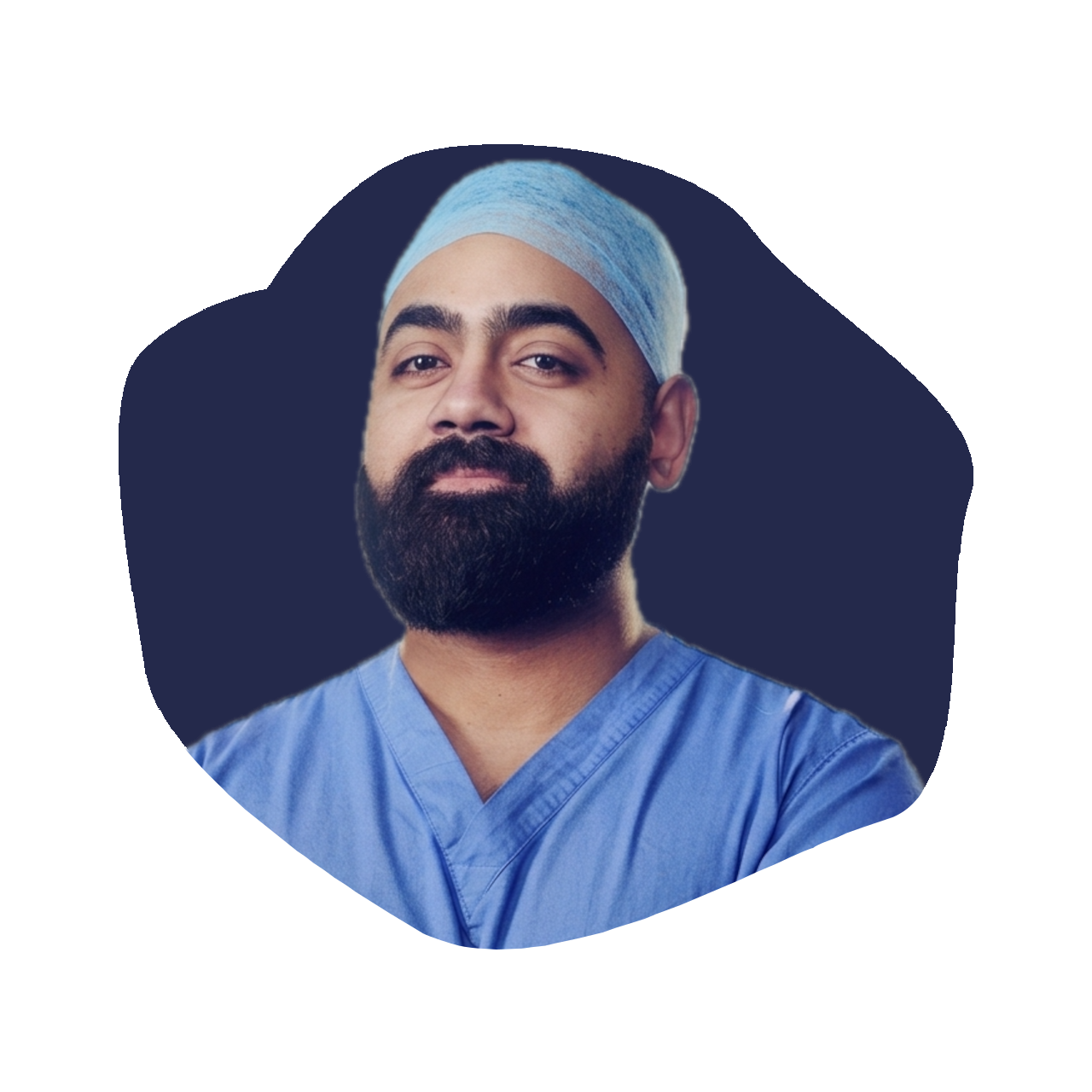
Ryan Alovis: CEO of LensDirect
Episode 845

On today’s episode, Kara welcomes Ryan Alovis, CEO of LensDirect — the family business he bought back and transformed into a leading, customer-first vision care brand.
Ryan shares how he took a struggling company and rebuilt it from the ground up — without outside capital — turning it into a trusted destination for contact lenses, eyewear, and innovative services like lens replacement and subscriptions. This episode dives into the discipline, resilience, and customer obsession required to scale the right way.
Resources from
this episode:
Enjoying this episode of #TheKaraGoldinShow? Let Kara know by clicking on the links below and sending her a quick shout-out on social!
Follow Kara on LinkedIn – Instagram – X – Facebook – TikTok – YouTube – Threads
Have a question for Kara about one of our episodes? Reach out to Kara directly at [email protected]
To learn more about Ryan Alovis and LensDirect:
https://www.lensdirect.com/
https://www.linkedin.com/in/ryanalovis
https://www.instagram.com/ryanalovis/
Transcript
Kara Goldin 0:00
I am unwilling to give up that I will start over from scratch as many times as it takes to get where I want to be. I want to be. You just want to make sure you will get knocked down, but just make sure you don’t get knocked out, knocked out. So your only choice should be go focus on what you can control, control, control. Hi everyone, and welcome to the Kara Goldin show. Join me each week for inspiring conversations with some of the world’s greatest leaders. We’ll talk with founders, entrepreneurs, CEOs, and really some of the most interesting people of our time. Can’t wait to get started. Let’s go, let’s go. Hi everyone, and welcome back to the Kara Goldin show. Today, I’m joined by Ryan Alovis, CEO of an incredible brand, really interesting brand called Lens Direct. Ryan is a serial entrepreneur who has built and scaled multiple successful businesses, all while staying true to a family first philosophy, so Ryan’s journey is one of grit and discipline and long-term thinking, from bootstrapping in the early days, magazine discount center. I’ll let him talk a lot more about that, but Lens Direct was acquired by Ryan in 2009 and since then he’s transformed it into a nationally recognized brand, offering everything from contact lenses to eyewear and lens replacement services, you name it. So I’m a huge fan, not only of Lens Direct, but also of Ryan and his story, and how he’s been able to grow this incredible company, and also category as a whole of online contacts and eye solutions. So I’m really excited to dive into everything Ryan, everything Lens Direct, and how he’s ready for you. How are you
Ryan Alovis 2:00
so ready for it?
Kara Goldin 2:01
Amazing, how he scaled the business into a modern brand, as he has. So, welcome. So excited to finally meet you.
Ryan Alovis 2:11
I’m so excited. Thank you for having me. I appreciate it. I’m excited to share the stories.
Kara Goldin 2:15
Absolutely. So, you took a company.. well, I should say, you’re not the founder, the original founder of Lens Direct, but you acquired the brand and turned it into a leading online vision care platform. Can you talk about that moment when you decided that you had to go and do this?
Ryan Alovis 2:40
The moment I don’t, I don’t know, it wasn’t a definitive moment, but I will say that the opportunity to buy back Lens Direct, which was originally started by my family in 1992 and sold off for pennies on the dollar, to have that opportunity to go back and bring that company back into our ecosystem under the Alovis family was just incredible, and I mean, from for so many reasons, I mean in a million other scenarios that never would have happened, and the only reason that I felt like I was capable of bringing and owning Lens Direct was because of the company I had previously, which was the magazine subscription space called Magazine Discount Center. While running that business, I fell in love with the subscription model and recurring revenue that I remember sitting at the table with my family, and I said to my dad, I’m like, you know what, I’d like to get Lens Direct back. I feel like it’s just in the ether, you know, it’s gone, and we agreed that that let’s do it. So I went, and I was able to get back to business, and the group that sold me back to business, you know, I’m grateful for them, because they didn’t have to. You know, it’s easy to say no. It’s often easier to say no, you know, there was limited upside of them selling back the business, but in 2009 I was able to buy back the company and lends direct. The mission has been clear, no pun intended, ever since, not without tremendous hurdles, though. I will say,
Kara Goldin 4:16
so interesting. I mean, such a different time in the 90s, I mean, the internet was barely started, right? I mean, such a different model,
Ryan Alovis 4:24
wild wild west,
Kara Goldin 4:25
right? I mean, such a, such an interesting time.
Ryan Alovis 4:29
Well, there was nothing available.
Kara Goldin 4:30
Yeah,
Ryan Alovis 4:31
just, you know, just to be clear on what the world looked like then. You know, when I started Magazine Discount Center in 2006 there was no Shopify, you know, there was none of these things that we have access to today. The website was built with me on Skype, if you remember Skype, me on Skype, you know, at three in the morning, two in the morning, speaking to the team over in India, it was just a different world, and I think, you know, obviously the barrier to entry was real, even when I took back. Lens Direct, the barrier to entry was still super real. Now it’s, it’s amazing how simple, even now between Shopify and AI, and everything that exists, how simple it is to turn the car on for e-commerce. Different time, indeed.
Kara Goldin 5:14
Totally different time. So, Lens Direct, how do you define the brand today for anyone who is not familiar with Lens Direct,
Ryan Alovis 5:23
yeah, I mean Lens Direct, we are a revision care company at our core, but what I would say is we’re much more than that, you know, you look at the playing fields that exist in the optical space today, and you’ve got you’ve got stores, you’ve got big chains, and you’ve got websites and companies that are publicly traded, they’re private equity funded, you know, you’re dealing when you, when you buy from Lens Direct, you’re really buying from a family, you know, my brother is at the front lines doing the customer service, still I’m there, I’m all in, you know, if I need to come in and pack product, I’m packing product, so how do I define Lens Direct? I think Lens Direct today, and something that I always will hold super close to the heart, is we’re Family First Vision Care Company that does our best to give you the best prices and the best experience possible. There’s a problem you might hear from me, but who we are today is likely going to be different from who we are tomorrow. We are in this, this sort of position where, in the next few months, Lens Direct is going through a full rebrand. We will be a different company, and a lot of what we’re becoming is built by or driven by craftsmanship, heritage, fashion, which today, if you look at Lens Direct, you’re not going to see a lot of that. When you look at Lens Direct, Kara, you’re going to see a company that is contact lenses and just great prices, and that’s good. But what we believe, and what I believe, the thesis of the future for us is, how do we become a heritage-driven optical company that has the finest product and great prices, not just great prices, because you know that doesn’t, that doesn’t help you win the big game, you want to win it all, you’ve got to have all these things, so that’s the future of Lens Direct, and I’m really pumped about it,
Kara Goldin 7:20
so when you bought the company back, how long did it take you before you actually felt like this was going to be successful?
Ryan Alovis 7:32
Oh, very good question. The answer is many, many, many years. You know, I still am wondering what the hell am I doing? But in reality, it took a lot of time, and actually, it took a lot more time than I anticipated. I did not expect it to be such a slug and fight. So, the answer really is, in 2009 we bought back the business. In 2015 I sold Magazine Discount center to Time Inc. It definitely allowed me to have the funds and the resources to put back in the Lens Direct and make it better than what it was, but I’ll tell you that still was not nearly enough. That helped us go from literally $100,000 in sales when I took over the company, which is crazy to imagine, you know, that in 2015 that got us to a couple million dollars in sales. We still were sort of this, like, you know, discount contact lens company. The real switch, the thing that made it was in 2020 when Lens Direct made a big investment and decided to go into the optical business and not just be a contact lens company. We launched our lens replacement program, and we bought machines, and these machines were not cheap, they were very expensive, and I could barely afford them, but we bought them, and lo and behold, what happens right after we make this tremendous investment? Covid, the world shuts down. We’re completely unclear of what the next steps. My team doesn’t know. Do they go to the office? Do they stay home? I have orders that are sitting in limbo. So 2020 was this unique period of, you know, deep, deep in the unknowns, but then out of nowhere the business quadruples, so suddenly we’re like, holy crap, we’ve got all of these orders, we’ve got all of these customers, we’re barely, we’re struggling to even service the customers, so it wasn’t even about the revenue anymore back then. If you told me I could shut off the sales and just like coast, I almost probably would have said yes. I mean, you have to remember I was going and driving three hours some days to pick a product because our contact lens distributor was closed because someone came in contact with someone that had COVID, so 2020 was the defining year where we made this thing. Absolutely special, and it was from being deliberate with, you know, we said I saw the demand, I felt comfortable in the team, and they were motivated, and we said, ‘Screw it, let’s turn the spigot on. And our marketing, we put all the chips in the middle of the table, and we spent as much as we could to grow this company, and that has allowed us to get to this point where we are what I believe you know one of the largest and best, most reliable vision care companies on the internet,
Kara Goldin 10:30
so what is something that not a lot of listeners, consumers, potential consumers know about the business in terms of one of the toughest points, I guess, of the business that is something that keeps you up at night,
Ryan Alovis 10:48
keeps me up at night. The thing that makes Lens Direct unique and deeply, deeply challenging is, and I would say it’s our moat now, right? Like, that’s got to be the moat, because it’s really hard to break into, you know, at the end of the day, we’re not selling a widget, we’re not selling, you know, a basketball card, we’re not selling a toy, we are selling prescription eyewear, right? Like, you get your contact lenses, you go online, you make the purchase, you still need to upload your prescription, you need us to call the doctor and verify it. How about your glasses? You know, when you get your glasses, there’s so many variables at play, from not just fit, but where you, where your pupils are sitting, where, if you get progressive lenses, like the complexities associated with selling prescription eyewear is, is like Mount Everest, granted, and we have to be very flexible, you know. We’re competing with every optical store on Main Street to every all these websites and all these, you know, chains. And what I think the biggest and hardest part of Lens Direct is, is we want our customer to be so happy it’s pathetic. We want our customer to tell everyone about us, but sometimes there are mistakes that happen that are just so out of our control, whether it’s a doctor not sending the right information or the customer not entering the right information, and these are custom cut lenses half the time for their for the glasses, we often will just give you a full refund and make you a new pair, and that’s what the customer has come to expect in the world of e-commerce, you know, called the Amazon effect. You can order anything, and for whatever reason, you return it. Now, that’s okay with almost everything, but when it comes to something that’s prescription driven, where we spent a ton of time cutting the lenses, putting the prescription on those lenses, assembling those frames, and shipping them to your door, so they are perfectly sitting on your face, that’s hard, and it’s.. and I just.. yeah, I think I wish.. I wish, if I could do anything, I wish the customer knew how much we cared, and how much we tried.
Kara Goldin 13:06
Yeah, definitely. I think the customer journey is always something, and you’re right, the consumer, you know, they, they don’t care, right? And,
Ryan Alovis 13:17
and they’re spoiled. It’s not their fault, it’s their normal. It has become their normal.
Kara Goldin 13:22
So, you’ve grown Lens Direct without outside capital. Can you talk about the advantage of doing it that way, and maybe also some of the challenges?
Ryan Alovis 13:32
There’s.. yeah, I mean, I’ve always, in the beginning, I definitely never thought of fundraising in the early days of Lens Direct, it wasn’t even a thing, I didn’t even consider it, and frankly, I didn’t know anything about it, like I didn’t know that there were VCs, and you go to New York City, and you just go out and raise money, so I think the lack of knowing that was a possibility or available almost helped me in a way, because I already had built Magazine Discount Center with no investors, and that was, you know, I believe a successful business. So, with Lens Direct, without even like planting my flag on the ground, I became this like spokesperson I felt for like not raising money and doing it the long and hard way. The advantages of not raising money. Well, listen, you get to control your own destiny, and every entrepreneur – I mean, I’m being honest – I don’t think there’s one that I’ve spoken to where they haven’t been bummed that they don’t get to control their destiny, that they spend more time on the phone with boards than they do with growing and running their company. I don’t have to do that. I don’t answer to anybody. You know, there’s partners, but beyond that, implicit trust to grow and run this company, and I think that’s the great pro. But remember, listen, what happens when you raise a lot of money? Of course, you answer to people, but you grow really fast. So there’s a, there’s a whole other argument to that, there’s the, you know, fail fast, it’s better to fail fast than fail slow, that sucks, right? Oh my god, I spent 15 years of my life growing this company, and it’s out, so I have the luxury, and it’s, and it may not be fair, but I have the luxury of saying not raising money is the right approach, but also it depends what business you’re going into and what you’re selling. If you’re going to be starting a company that requires a ton of capital, you have to raise money, you need to, but if you can do it slowly but surely and thoughtfully, methodically, and be profit driven. Well, that’s the dream, that’s Nirvana. And I’m so proud of having that ability to make these decisions without having to knock on doors and worry about this, but I know I’m going off on this because it’s so important. The beauty of not raising is that I had to be profit centric and service centric, but certainly profit centric. If the business shit the bed, no one’s bailing me out. There’s no this whole other, oh God, there’s this lever I can pull, and John and Jane Doe is going to give me 5 million, I’m in. If I fucked up, the business was fucked. Excuse my language. So, I had to be so careful every month to be profitable, and months that we weren’t profitable. Well, let’s roll our sleeves up and figure it out, and fix exactly what’s wrong, because I would rather be profitable and grow slowly than be, you know, burning cash and losing money and grow quickly. I don’t care what anyone says.
Kara Goldin 16:41
Yeah, no, I love it. So, you’ve had huge experience, and subscriptions, and I guess, as it relates to Lens Direct, auto refill has become the big part of your model. So, can you talk a little bit about recurring revenue, and kind of, you know, overall growth, and is that more important to brands than actually getting new consumers, or is it all important?
Ryan Alovis 17:10
Yeah, well, it’s definitely all important. Without new, you know, it’s the faucet stops running. I think they’re both so important, and you spend a lot more money acquiring a new customer than you do keeping an existing customer, you know, we have this whole sort of, you know, acquire, acquire, acquire, and believe me, that is so critical for the growth of your company, but in terms of what’s going to really drive the profit and make us a great company, it’s going to be the recurring revenue and the returning customers, so we go above and beyond for our returning customers. I’ve, and this is, I usually just say this as, as like when I was starting, I would always be like, listen, it takes, you know, it takes an okay company to buy a customer, it takes a great company to keep a customer, so for us that auto refill, that’s the holy grail of our business. We want to make sure that we are accommodating and we’re, and we’re taking care of the customers that bet on us and trust us. So I think you have to be really thoughtful about budget, you have to be smart, you know. We, we know that we have to allocate a certain amount of money every single month to just straight up marketing that new customer, but we’ve stopped years ago. It was interesting in 2009 and 2006 it was always about CTA, cost per acquisition, how much money you have to spend to acquire a customer. What has been one of the greatest evolutions of DTC and marketing in general has been ROAS return on ad spends, so now you’re looking at the lifetime value of a customer, not just this one-off, because if you look at a CPA model, you’re going to lose, because it’s really hard to make money on that first order,
Kara Goldin 18:55
but
Ryan Alovis 18:56
if you look at the lifetime value of a customer, that’s how you could pour gasoline on your business, and you could feel really good about the future and long-term prospects of the company. So, you know, subscriptions, as long as they’re flexible, they work. As long as they’re really rewarding for the customer, they work. We’ve actually made ours way better. It used to be pretty good. Now, I think we have the best auto refill subscription model in the Vision Care game. We actually give 20% off to the customer forever, whereas we should just do it on their initial order. And then one day we were sitting.. this is how we used to do it. We used to give you 20% off on your initial order for contact lenses and 5% off on your recurring purchases, right, and then we would get, and then we would have another coupon that we’d give 20% off to any new customer. So, what ended up happening is we had a meeting, and this was, I think, even a year ago or two years ago, where we said, What are we doing? Why are we not taking care of our customers? Why are we penalizing them for signing up and being part. Of our subscription, so now they get 20% ongoing, and it’s, it’s made a tremendous impact on on the customer relationship and our revenue that comes from subscriptions, all that stuff.
Kara Goldin 20:12
So, so smart. So I would imagine looking at that at that point was, you know, duh, it was, why didn’t we think of this? Yeah, that’s what it is.
Ryan Alovis 20:24
Yeah, it’s the obvious stuff that’s really interesting, like real, like why, like we make a lot of these decisions, and it takes a while to get there, but they’re often the most obvious, and that’s what’s just wild to me,
Kara Goldin 20:37
which leads into my next question. So, if you could point to one decision beyond that one, maybe there’s multiple decisions that really changed the trajectory of Lens Direct. What would you say it was?
Ryan Alovis 20:50
One decision. Wow, definitely. That’s that’s a tough question. I think from a business perspective the decision was to go into optical and be more than contact lenses that was absolutely and to and to control it and buy the machines and not rely on third party labs that was the moment that was the decision that helped Lens Direct become what it was sort of destined to be which is this all encompassing optical store and I think it, I think, because we went into optical, it raised my risk tolerance. It allowed me to feel really comfortable taking big swings, like, you know, you don’t see what I’m holding here. I’m actually, I’m holding. We just launched a children’s eyewear brand called Lolos, and you know I don’t know if I would have done these things if we had not really pressure tested ourselves with this new endeavor and optical because they’re completely different brains, contact lenses and eyewear, they’re not even the same prescription, they’re a different prescription, they’re they’re they’re related, there’s relationship like brother sister, but I think that was a defining moment to say, you know, let’s fucking go, let’s, let’s stop looking at what we were and let’s go after the big picture of optical, and that helped a ton.
Kara Goldin 22:13
Well, and it’s also such a big decision to launch your own brand, because that’s not what typically a somebody in your category has done model, so Lolo, what is your daughter,
Ryan Alovis 22:29
Lolo’s? Actually, yeah, so we’ve launched a couple brands. We’ve, we just launched Lolo’s, which last name’s a Lovis. All my friends, my close friends at least, call me Lolo, that’s my nickname, and now they call my kids their friends, my kids’ friends call them Lolo, so it felt cute. It felt fun to call Lolos, and you know, you don’t know this, and why would you? Growing up, I had the worst vision. I was, I mean, I couldn’t read something if I was holding up something like this, I would have to do this, you know, that’s how bad it was. So low lows for me, because I grew up having to wear these Horace Grant specs to play sports, and I was an athlete. I loved sports. I was negative 815 negative nine. I don’t know if you know how bad that is, but okay, I’ll grab another thing, because we’re in show and tell now. Okay, see this. My glasses were this thick, right? Literally this thick. So low lows for me made a lot of sense. We wanted to take care of the child, we want to take care of the kid, because there was – there’s not a great market servicing the that four to five year old, to you know, 10 or 11 year old, so low lows meant a lot to me, because I wish that it existed when I was a child, because nothing like it, and I’ll show you this. This is kind of cool for the video, but we actually, this is this is technology that we trademarks called oops tech, so a child, if they had these glasses, they could beat the crap out of, they bend 180 degrees.
Kara Goldin 24:06
Awesome,
Ryan Alovis 24:07
it’s so cool. So this is our tech, and you know, you can make it tighter, you can make booster, but I, the idea of launching brands to us came a little bit later, after we went to the optical space, because first it was we buy these machines and let’s, let’s launch lens replacement, and that means Kara could send in her favorite frames, and we’ll pop out the old lens, put in the new lens, and send it right back to you. That’s what we did, that’s what we bought these machines for, for lens replacement, and that business has been amazing and really hard, but it’s been growing great. After that, we’re like, all right, wow, let’s, let’s test this thing out. Let’s launch our own brands. We know how to do this. So, first we launched the Lancey Street, which is soon going to be now we’re repositioning it, made in Italy, premium contemporary eyewear, and that’s actually where my great grandfather. There Barney, Barney Cohen used to sell frames out of a pushcart on Delancey Street, so we named it after Delancey Street. And then we launched Lolos, which is our children’s eyewear line. And then next up, I mean, this is so much fun, I get to show you this stuff. We’re launching Diablo, which is Sports Performance, and this is built to really perform in sports. These look good,
Kara Goldin 25:21
nice,
Ryan Alovis 25:21
but the point is, we got really excited to take swings, and we have totally screwed up and failed a bunch, but we’ve, we have thankfully succeeded a little bit more times than we have failed, and I guess that’s now what has made the difference.
Kara Goldin 25:36
Do you think being a serial entrepreneur it gives you a lens into the future, or do you feel like you’re always a little bit surprised at points along the way?
Ryan Alovis 25:50
I think being an entrepreneur and growing up around that mentality has absolutely pushed me to feel super confident and comfortable in going for it. There’s no, there’s no like, let’s wait and do it tomorrow. I’d become a master at multitasking. I’d become a master at not micromanaging. You cannot be successful if you micromanage. I think a lot of these things come from kind of going through the mud and the dirt of an entrepreneur. I’ve become now. I be.. I think the beauty of where I’m at now is I don’t.. I don’t really consider failure. I think that’s sort of where it was in the beginning, in early days. I still don’t think about it, and maybe that’s what’s allowed these, these concepts and companies to grow. I’m not intimidated by entering a new industry, I’m not intimidated by launching something, and, and I wish that others were similar in that sense, like I think a lot of people go worst case scenario, and I’ve never really played out that scenario.
Kara Goldin 26:56
I love it. Well, Ryan, thank you so much for joining us today, what you have done with Lens Direct is just incredible, and I love all the brands that you’re building. Those Lolo glasses that you shared are just super cool, how they bend, and just really, really awesome. So, so many lessons to be learned, and I love that you bought the family business back, because there’s many founders out there that are, yeah, I mean, it’s, it’s very, very meaningful. And is your dad involved in the business at all?
Ryan Alovis 27:35
Yeah, I still have family involved. My dad’s definitely involved. My dad, absolutely, he’s great with optical, and he works with the team, and, and really helps design a lot of the frames, and he’s, he’s been, he’s been great, instrumental with that. My brothers and helps with customer service and dealing with that aspect of operation. So, you know, we’re truly this, this family organization, and it has its good days, it’s bad days, but I don’t think we change anything, so we’re good.
Kara Goldin 28:03
I love it. Well, for everyone listening, for sure, be sure to check out Lens Direct at Lens Direct.com and follow Ryan for more insights on entrepreneurship and building lasting businesses. And, as always, don’t forget to share this episode with others. Ryan, really appreciate you coming on, Ryan Alovis, CEO of Lens Direct. Thank you,
Ryan Alovis 28:26
thank you, Kara. Appreciate
Kara Goldin 28:28
it. Thanks again for listening to the Kara Goldin show. If you would please give us a review and feel free to share this podcast with others who would benefit, and of course feel free to subscribe, so you don’t miss a single episode of our podcast. Just a reminder that I can be found on all platforms at Kara Goldin. I would love to hear from you too. So feel free to DM me, and if you want to hear more about my journey, I hope you will have a listen or pick up a copy of my Wall Street Journal bestselling book, Undaunted, where I share more about my journey, including founding and building hint we are here every Monday, Wednesday, and Friday. Thanks for listening, and goodbye for now.